
Reviewed · STONE TOWN WALKING TOURS
From Stone Town: Spice Tour of Zanzibar
Zanzibar’s spice story becomes clear when you see a clove tree, break open a cinnamon stick, smell fresh ginger, and taste fruit growing a few steps away. I like the hands-on format and the chance to learn what plants were used for, not just memorize their names. The singing coconut climber, who cuts down a fresh coconut for you, adds a memorable local touch.
I also like the simple $30 price, which covers your Stone Town pickup, entrance, guide, and taxes. The main consideration is that the plantation walk may not suit people with mobility impairments, even though the activity information also describes it as wheelchair accessible. Bring comfortable shoes, cash for the shop and tips, and leave large bags behind.
Key points at a glance
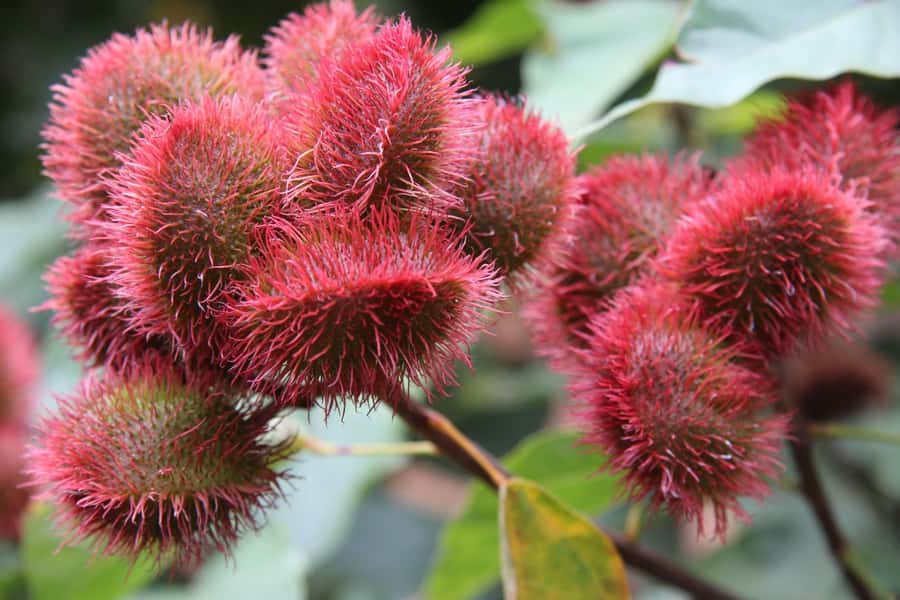
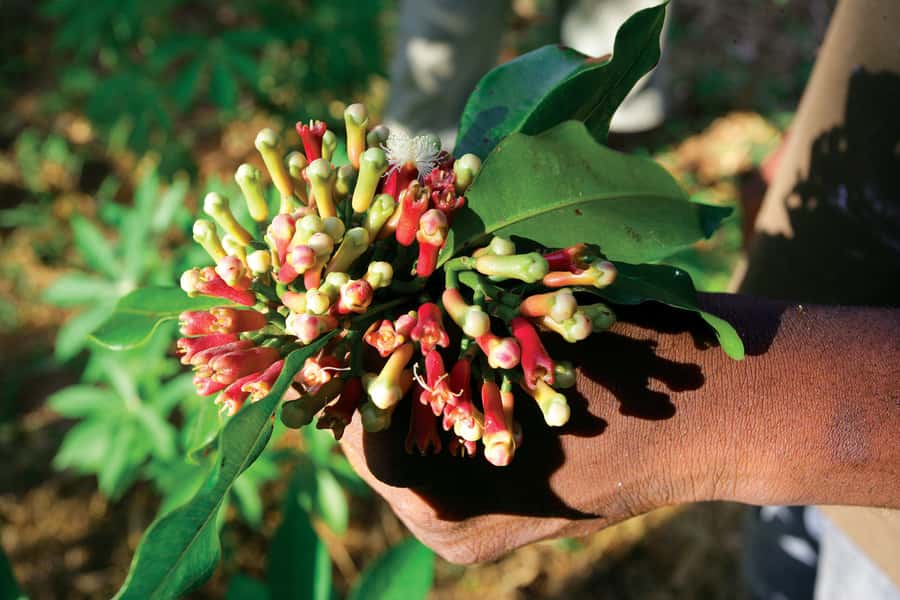
- See spices growing: Find cloves, nutmeg, vanilla, cardamom, cinnamon, curry, menthol, pepper, tamarind, ginger, and turmeric.
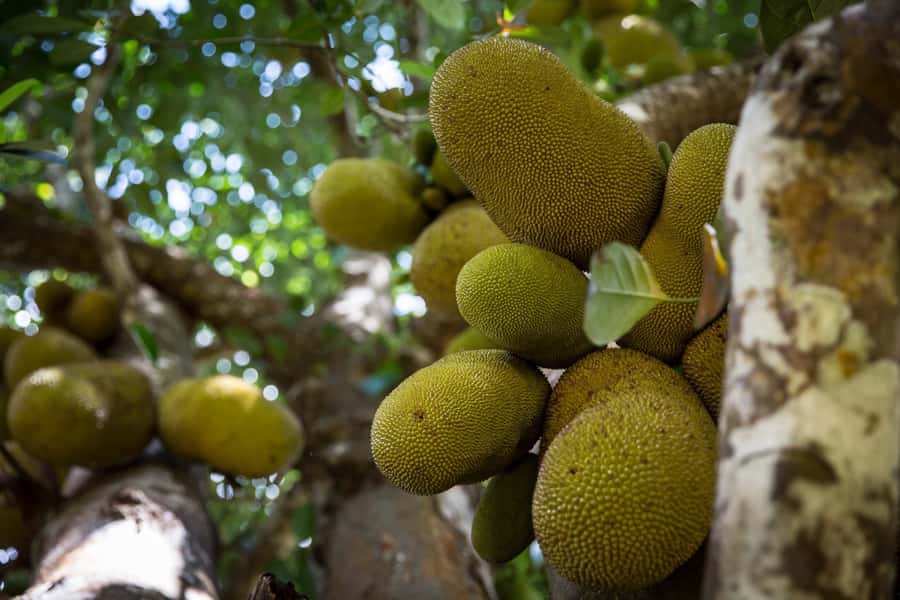
- Taste the tropics: Try fruit such as mango, papaya, avocado, jackfruit, and guava when available.
- Watch the coconut climber: A farm worker climbs the tree, sings the traditional Jambo song, and cuts down a coconut.
- Learn practical plant uses: Hear how neem and iodine tree have been used in local traditional remedies.
- Shop at the farm: Buy spices, perfumes, soaps, and other small products to take home.
- Keep the timing manageable: The tour lasts 2.5 hours and includes pickup from hotels in Stone Town.
Why Zanzibar is called Spice Island
The phrase Spice Island makes more sense once you leave Stone Town and see how much can grow on a small plantation. This is not a museum display with jars lined up on shelves. Your guide points to living plants, lets you touch leaves and bark, and explains how each spice is harvested or prepared.
You might recognize cinnamon, ginger, cloves, and pepper from your kitchen. Seeing them in plant form changes your understanding of them. Cinnamon comes from bark, nutmeg comes from a fruit, and cloves grow on a tree. The guide also explains that some plants are used in cooking, some in perfumes, and some in traditional local medicine.
The tour covers a broad list: cloves, nutmeg, vanilla, Zanzibar cardamom, cinnamon, curry, menthol, pepper, tamarind, ginger, and turmeric. You may not spend the same amount of time with every plant, but the range gives you a useful picture of Zanzibar’s farming traditions.
This is especially worthwhile if your Zanzibar plans focus on beaches. A beach day shows you the island’s coastline. This short outing shows you a different side of daily life and trade. It gives the island a stronger sense of place without taking up a full day.
More Stone Town Walking Tours in Zanzibar
- Zanzibar Stone Town Walking Tour
★ 5.0 · 145 reviews - Stone Town Historical Walking Tour
★ 5.0 · 143 reviews - Spice Tour + Stone Town Tour + Prison Island
★ 4.5 · 130 reviews
A small plantation with plenty to smell
The plantation is described as small, which works in its favor. You are not covering a huge agricultural estate or rushing between distant sections. The guide can keep the walk focused and explain plants at close range.
Expect to handle leaves, bark, pods, or roots where appropriate. Many of the plants can be smelled, and some can be tasted. The experience is sensory in a useful way: you connect the finished spice in your cupboard with the plant itself.
The guide also explains how spices are harvested. That detail matters because the value of the tour is not only the plant list. You learn why a particular part of a plant is collected, how it is prepared, and what people traditionally used it for.
Guides from the plantation lead the walk, and the quality of the explanation is one of the strongest parts of the experience. Juma is described as friendly and funny, while other guides have handled questions well and explained local habits clearly. If you end up with a private guide, as can happen when demand is light, you have more room to ask about the plants that interest you.
The available guiding languages are English, French, German, Spanish, and Italian. Confirm your preferred language when booking, since the activity lists all five but does not promise every language at every departure.
Neem, iodine tree, and the uses behind the names
A useful part of the walk is the explanation of traditional plant uses. You hear that neem leaves have been used locally as a traditional remedy for malaria and indigestion. The iodine tree is still used in traditional practice to help fight infections in wounds.
Treat these points as cultural and historical information, not as medical instructions. The tour gives you a window into local plant knowledge. It does not replace advice from a doctor or the treatment of a serious illness.
This section helps prevent the experience from becoming a simple spice tasting. You learn that plants can have several roles: food, fragrance, medicine, and household use. That broader context is one reason I would choose this tour over a quick stop at a spice shop.
Tropical fruit between the spice plants
Zanzibar’s fruit trees add color and sweetness to the walk. Depending on what is growing and ready to eat, you may see papayas, mangoes, jackfruit, avocado, and guava. The fruit is not an afterthought. It gives you a chance to compare familiar produce with fruit grown in the same setting as the spices.
You can taste many of the fruits during the visit. Jackfruit is particularly interesting if you have only encountered it in packaged food, while fresh mango and guava make an easy contrast with dried spices. Availability naturally depends on the season, so do not expect every fruit listed on every visit.
The tour information says food is not included, but the farm experience includes fruit samples in practice. Think of this as tasting provided during the visit, not a meal. If you need lunch or have dietary requirements, make separate plans.
More Zanzibar Spice Farm Tours in Zanzibar
- Zanzibar: Stone Town & Spice Farm Tour with Lunch
★ 4.5 · 97 reviews - Zanzibar:Stone Town & Spice Farm Private Tour Lunch Included
★ 4.2 · 94 reviews - Zanzibar: Spice Farm & Stone Town Tour with Lunch
★ 4.5 · 80 reviews - Zanzibar: Spice Farm Tour with Traditional Cooking Lesson
★ 4.8 · 77 reviews
The coconut climber and the Jambo song
Near the end, a coconut climber provides the tour’s most theatrical moment. He climbs a coconut palm, often singing the traditional Jambo song, and cuts down a fresh coconut for you to drink.
This is fun, but it is also worth understanding the setting. The climber is showing a real farm skill, not performing a polished stage show. The moment can feel lighthearted and personal, especially when the coconut water is handed to you straight from the tree.
Some visitors are crowned King and Queen of Spice with handwoven crowns, and handmade gifts may be given at the end. The exact extras can vary, so treat them as pleasant additions rather than guaranteed inclusions.
Carry small cash if you want to tip the guide, assistant, or coconut climber. A clear tip budget will help you enjoy the moment without feeling caught off guard. Cash is also useful at the farm shop.
What you can buy at the farm shop
The final stop is the plantation shop. You can buy spices for home cooking, along with perfumes and soaps. This is a practical place to pick up a souvenir because the products connect directly to what you have just seen growing.
You may find cinnamon, ginger, cloves, cardamom, pepper, or other packaged spices. Ask what the product contains and how best to store it if you plan to cook with it later. A small packet is easier to pack than a large bundle, especially if you are continuing to travel.
Bring cash for purchases. The supplied information does not state that card payments are available, so do not rely on a card at the farm. The shop is a chance to buy, not an obligation. You can enjoy the tour without purchasing anything.
Pickup from Stone Town and the 2.5-hour schedule
Pickup is available from any hotel within Stone Town. Wait at your hotel reception, where you will be collected and later returned after the visit. This makes the tour easy to fit into a Stone Town stay, particularly if you do not want to arrange a separate taxi.
Allow some patience around pickup. One hotel location had trouble appearing correctly on the booking map, but direct WhatsApp communication with Babu Tours helped sort it out, and the transfer arrived on time. If your hotel is difficult to locate, contact the operator before the morning of the tour and confirm the exact name and location.
The full activity lasts 2.5 hours. That includes the transfer arrangement, plantation walk, tasting, coconut demonstration, and shop visit, though the exact balance can vary. It is long enough to feel worthwhile and short enough to leave room for Stone Town sightseeing, a meal, or an afternoon at the coast.
Do not bring luggage or large bags. A small personal item is more sensible, along with water, although water is not listed as an included item. Comfortable shoes are specifically recommended. The plantation setting may involve walking on uneven ground, so this is not the time for delicate sandals.
Who will get the most from this tour
I would recommend this experience to first-time visitors who want context for Zanzibar’s nickname. It suits couples, solo visitors, families with older children, and anyone who enjoys food, plants, farming, or local traditions.
It also works well for a solo booking. One solo participant ended up with a personal guide when the companion could not attend, and the guide was able to answer questions throughout the visit. That suggests the experience can still work when you are not traveling in a group.
The tour is a good choice for people who prefer a compact activity over a long excursion. You get transport from Stone Town, a guided walk, tastings, a cultural demonstration, and shopping in one morning or afternoon.
I would be more cautious if you have significant mobility limitations. The activity is marked wheelchair accessible, but it is also listed as unsuitable for people with mobility impairments. Ask the operator for a precise description of the plantation paths and walking conditions before booking.
Is $30 good value?
At $30 per person, the tour offers solid value if you want a guided experience rather than simply buying spices in town. Your fee covers the entrance charge, guide, government taxes, and pickup from a Stone Town hotel. That removes the need to arrange separate transport and admission.
The value is strongest when you take part fully: smell the plants, taste the fruit, ask questions, watch the coconut climber, and use the shop to choose spices you genuinely want. If you only want a bag of cinnamon, a market visit will probably cost less.
Budget a little extra for purchases and tips. Food is not included, though fruit tasting is part of the plantation visit. The activity offers free cancellation up to 24 hours before departure and a reserve-now, pay-later option, which helps if your Zanzibar plans are still shifting.
A few practical cautions before you go
The map issue reported with one Stone Town hotel is a reminder to check pickup details carefully. Keep the operator’s WhatsApp contact handy, wait at reception, and make sure the hotel name is clear.
The coconut climber and assistant may expect tips. This is not presented as a formal required fee, but you should carry cash if you want to thank them. The same advice applies if your guide provides a particularly thoughtful explanation or helps with extra questions.
Do not expect a full meal or a long farm expedition. This is a short introduction to Zanzibar’s spices and fruit. Its strength is variety and direct contact, not a detailed agricultural course.
The tour welcomes several languages and is listed as wheelchair accessible, but the separate mobility warning deserves attention. If walking is difficult for you, ask for specific details before paying.
Should you book the Zanzibar spice tour?
Yes, if you are staying in Stone Town and want an easy way to understand the island beyond its architecture and beaches. The combination of living spice plants, fruit tasting, traditional plant uses, a singing coconut climber, and a small farm shop gives the 2.5 hours a good rhythm.
I would book it as a half-day cultural outing, not as a food tour or medical herb lesson. Bring comfortable shoes and cash, leave luggage at the hotel, and confirm your pickup point. If you want a hands-on introduction to why Zanzibar is called Spice Island, $30 is a reasonable price.
FAQ
Where does the spice tour take place?
The tour takes place on a small spice plantation in Zanzibar’s Unguja South Region, with pickup available from hotels within Stone Town.
How long does the activity last?
The guided experience lasts 2.5 hours.
What is included in the $30 price?
The price includes the entrance fee, a guide, government taxes, and pickup from a Stone Town hotel.
Is food included?
Food is not included. The plantation visit does include opportunities to taste tropical fruit and some spices.
Which spices can I see?
You can see spices and plants including cloves, nutmeg, vanilla, Zanzibar cardamom, cinnamon, curry, menthol, pepper, tamarind, ginger, and turmeric.
Which fruits might I taste?
The tour can include tropical fruits such as papaya, mango, jackfruit, avocado, and guava. The fruit available can depend on what is growing and ready to eat.
Is pickup available from my Stone Town hotel?
Yes. Pickup is available from any hotel within Stone Town. Wait at the hotel reception to be collected.
What languages are available for the guide?
The listed guide languages are English, French, German, Spanish, and Italian.
What should I bring?
Bring comfortable shoes. Cash is also useful for buying spices, perfumes, or soaps and for optional tips.
Can I bring luggage or a large bag?
No. Luggage and large bags are not allowed on the activity.
Is the tour suitable for someone with mobility impairments?
The activity is listed as wheelchair accessible but also says it is not suitable for people with mobility impairments. Contact the operator before booking to clarify the plantation’s walking conditions.
Can I cancel the booking?
You can cancel up to 24 hours in advance for a full refund. A reserve-now, pay-later option is also available.
Just added around Zanzibar
- Zanzibar: Maasai village and Nungwi turtles experience trip★ 4.9 · 16 reviews
- Zanzibar: Mnemba Atoll, Spice farm, Jozani forest & Lunch★ 3.9 · 3 reviews
- Zanzibar: Maasai World Tour with Cultural Practices★ 4.0 · 4 reviews
- Zanzibar: Kendwa Beach Professional Photoshoot★ 5.0 · 5 reviews
- ZANZIBAR: Jozani Forest,Salaam Cave, The Rock & Blue Lagoon★ 4.8 · 8 reviews
- Zanzibar: Jozani Red Colobos Monkey & Salaam Turtle Santuary★ 4.6 · 3 reviews
- Zanzibar: Jozani Forest Walking Tour★ 5.0 · 3 reviews
- Zanzibar: Jozani Forest,Red colobus,the Rock Restaurant tour★ 4.5 · 21 reviews
Stone Town Walking Tours, compared.

Stone Town, Spice Tour, Prison Island with Lunch
Read our review →
Stone Town, Spice tour & Prison Island with Lunch
Read our review →

3 Hours Private Stone Town walking Tour with Guide
Read our review →
Full-Day Private Stone Town +Spice Farm and Prison Island Tour
Read our review →
Stone Town Historical Cultural Walking Guided Tour
Read our review →
Browse the lists this tour appears in