
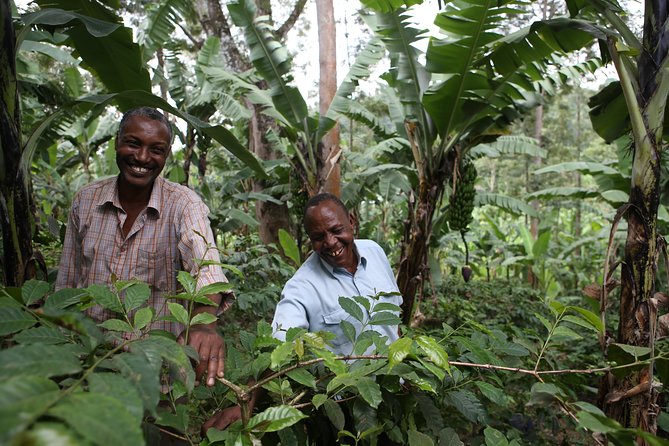
Reviewed · KILIMANJARO COFFEE FARM TOURS
Coffee walk with stay in the village
Coffee is easy to take for granted until you walk from an organic tree to the roaster, then drink the finished cup where it was grown. This three-day stay near Arusha gives you that full story, along with village walks, local meals, and two nights on a working coffee farm. Guide Samwel has been singled out for his warmth and strong knowledge of local plants, customs, and coffee.
I like the fair-trade purpose, with the farm paying about three times the usual price to farmers, and I like the slow pace: dinner on arrival, a full walking day, and breakfast before the drive back. The main consideration is that this is not a quick coffee tasting. You need to be comfortable walking between village sites and the farm, and the $270 price makes the most sense if you value the overnight stay and meals as much as the tour itself.
Key points at a glance
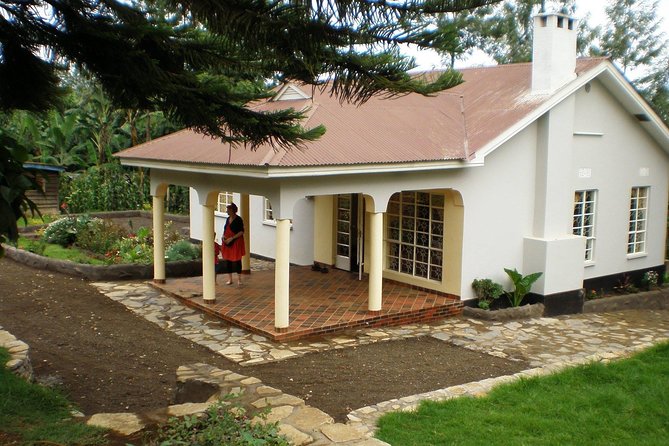
- Sleep on the coffee farm: Your two nights are spent in a guesthouse in the same village where the coffee is grown.
- Follow coffee from seed to cup: The walk covers organic cultivation, traditional production, processing, and roasting.
- Meet village life on foot: The route passes a hospital, primary and secondary schools, an orphanage, and the oldest church in the mountain area.
- Eat local food: Breakfast and dinner come from the guesthouse kitchen, while lunch includes chapati, roasted banana, rice, ugali, goat sauce, spinach, salad, and fruit.
- Travel privately: Only your own group takes part, with pickup from Arusha town or the airport available.
- Plan for a gentle but active schedule: The main coffee walk begins around 9:30 a.m. and includes a 30 to 40 minute walk down to the roaster.
Why this coffee stay is different from a standard farm tour
Many coffee visits give you a short explanation, a sample, and a ride back to town. This one uses the village itself as part of the experience. You arrive in the late afternoon, sleep near the coffee trees, and return the next morning for a walking route through community landmarks and the farm.
That extra time matters. You are not simply looking at coffee as a finished product. You get a clearer sense of the work behind it, from growing the plant to preparing the beans for roasting. The farm is described as organic and Fairtrade, so the tour also addresses two practical questions: how farming methods affect health, and how payment affects the people producing the crop.
The stated aim is to pay farmers three times the normal price. That gives the visit a direct social purpose rather than treating local farming as scenery. The organic approach means the coffee trees are not sprayed with chemicals, which is presented as better for the people working among the plants and for the final drink.
I would choose this experience for its connection between coffee, village life, and fair payment. If you only want a tasting near Arusha, it will take more time and money than necessary. If you want to see where the coffee comes from and support a small operation, the overnight format has real value.
More Kilimanjaro Coffee Farm Tours in Arusha
- Materuni Waterfalls, coffee tour & Kikuletwa Hot Springs
★ 5.0 · 643 reviews - Materuni waterfalls coffee tour & Chemka hot springs Day trip
★ 5.0 · 131 reviews - Maasai village visit, Materuni waterfalls & coffee experience
★ 4.5 · 95 reviews
Arriving from Arusha at 5 p.m.

Pickup from Arusha town is scheduled for 5 p.m., with airport pickup also possible. The drive to the village takes about 30 to 40 minutes, so this first evening is fairly easy. You check into your room, have time for a short walk around the village, and then sit down for dinner.
That timing works well if you are already in Arusha and want to finish your city day before leaving. It also gives you a useful first look at the setting without rushing into the main activity. You can get settled, see a little of the village, and save the coffee walk for daylight.
The accommodation is a guesthouse in the village and on a coffee farm. The supplied details do not specify room categories, bathroom arrangements, or whether every room is private, so ask those questions before booking if they matter to you. The emphasis is on a home-style stay, with breakfast and dinner prepared by the guesthouse chef rather than on hotel facilities.
I like this first evening because it keeps the schedule human. You are not pushed straight into a formal lecture after a long day. The drawback is that the pickup time is fixed at 5 p.m., so you need to give the operator a clear pickup location and be ready on time.
Walking through the village on day two
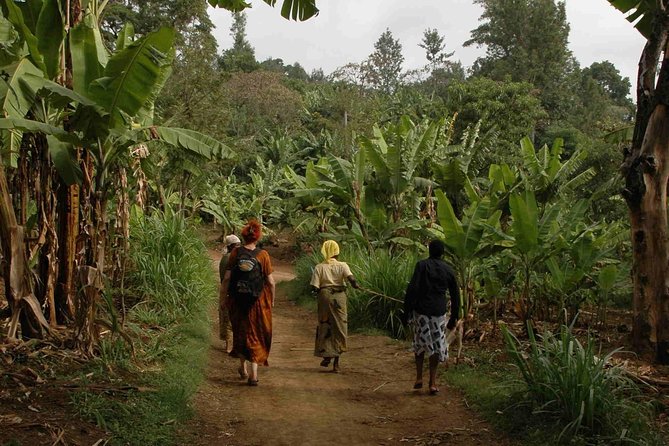
Breakfast comes before the main activity, with the coffee guide expected around 9:30 a.m. From the guesthouse, you walk to the village center. Along the way, the route includes a hospital, a primary school, a secondary school, an orphanage, and the oldest church in the mountain area.
These stops help place coffee inside the daily life of the community. You are not visiting an isolated plantation with no context. You are seeing some of the institutions that serve the people who live and work around the farms. The guide also explains local culture and traditions, giving the walk a broader purpose than crop identification.
Samwel is the guide name to look for when confirming your booking. His role has been praised for friendly conversation, local plant knowledge, and an understanding of the area where he grew up. The operator may assign another coffee guide, but the experience is designed around a local guide who can explain both the farm and the community.
The route is described as a walk, not a vehicle-based circuit. That is good news if you want time to notice ordinary details, but it means you should bring comfortable footwear and be prepared for a day on your feet. The exact distance and amount of uphill walking are not provided, so ask if you have concerns about stamina or mobility.
Seeing organic and traditional coffee production
The walk continues to an organic coffee farm, where the guide compares organic and traditional production. This is the center of the experience. You learn how coffee grows and what changes when farmers avoid chemical sprays.
The wording suggests a practical comparison rather than a technical farming course. You can expect an explanation of the coffee journey from seed to cup, along with discussion of how the crop is handled before it becomes a drink. The visit is most useful if you ask questions as you go: what part of the plant produces the beans, how the beans are prepared, and what happens after the farm stage.
The Fairtrade element gives this lesson a human side. The tour explains that ordinary farmer payments can be too low to cover needs such as school costs for children. Paying three times the normal price is meant to improve that situation. I appreciate that the tour puts the money question beside the farming question. Coffee is not just a plant or a flavor. It is also a livelihood.
You should keep expectations realistic. The supplied details do not promise a full hands-on harvest session, a particular number of tastings, or a detailed roasting workshop. What you get is a guided farm visit with a focus on organic methods, fair payment, culture, and the route coffee takes to the cup.
Same country, a completely different kind of safari:
- Balloon Safari & Bush Breakfast in Serengeti – Miracle Experience
★ 5.0 · 1,646 reviews - Tanzania Classic – 7 Days
★ 5.0 · 1,151 reviews - 4 Days Group Camping Safari
★ 5.0 · 1,101 reviews - 5 Days Group Camping Safari
★ 5.0 · 730 reviews
Walking 30 to 40 minutes down to the roaster
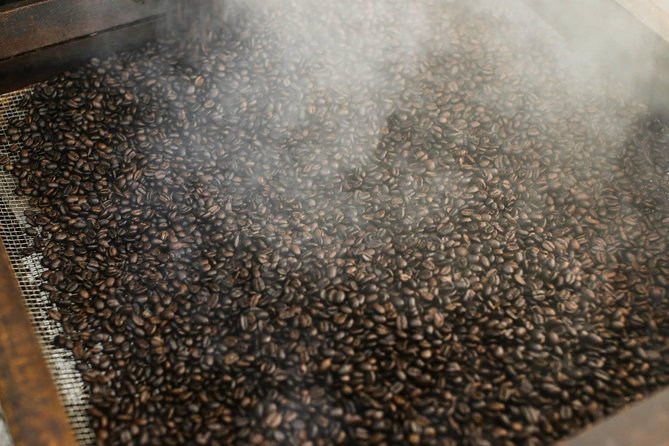
After the farm visit, you walk downhill for about 30 to 40 minutes to the roaster. This change in setting helps connect the stages of production. You begin among the trees, then continue to the place where the beans are prepared for drinking.
The downhill route may sound easy, but it is still a half-hour walk, and the full day includes earlier village walking. Wear shoes that are suitable for an uneven rural route, and do not plan this as a dressy excursion. The listing does not give a detailed description of the path, so anyone with walking limitations should ask for more information before paying.
The roaster is also where lunch is served in the garden. This makes the midday break part of the experience instead of an unrelated restaurant stop. A garden meal after the walk gives you time to talk with the guide and enjoy the food at a slower pace.
The listed Tanzanian lunch includes chapati, roasted banana, rice, ugali, goat sauce, spinach, salad, and fruit. That is a generous introduction to familiar local staples, especially if you have not yet tried ugali or roasted banana. If you have dietary restrictions, ask in advance about the goat sauce, dairy, meat preparation, and the exact fruit options.
A home-cooked evening and two-night stay
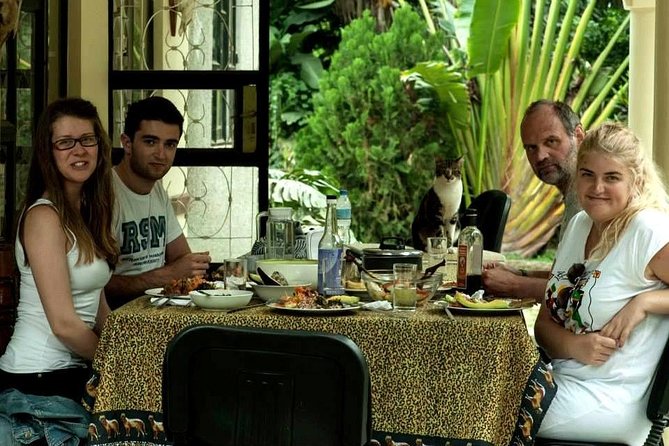
The two-night stay is a major part of the price. Dinner on the first evening and the second evening is made by the guesthouse chef, and breakfast is served before the day’s activities and before departure. The food is not an add-on to a short tour. It is part of the reason to choose the overnight version.
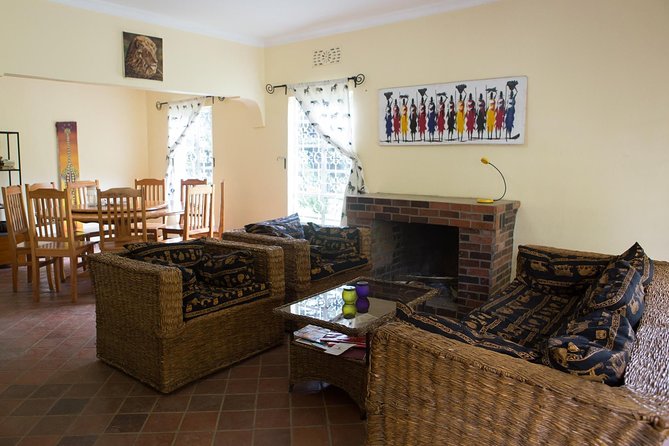
The accommodation has received strong praise for its garden, friendly staff, and meals. Those details suggest a personal, informal setting rather than a large lodge with a standard restaurant. That can be a plus if you want conversation and a closer connection to the people running the place.
It can also mean fewer conventional hotel comforts. The provided information does not state the room size, internet access, hot water, or laundry arrangements. I would ask about those items if you are arriving after a safari or need a polished hotel base. For most people, the key appeal is not luxury. It is sleeping in the same village as the coffee production and having time to slow down.
The extra night is useful. One night would give you the farm walk, but two nights leave room for a relaxed arrival and a calm morning before returning to Arusha. It also avoids turning the coffee visit into a rushed stop between bigger activities.
The return to Arusha on day three

Day three begins with a slow breakfast, followed by a drive back to Arusha. The return transfer takes about three hours according to the schedule, which is notably longer than the initial 30 to 40 minute trip into the village. That timing may reflect the planned route or onward transport arrangements, so confirm the expected drop-off time if you have a flight, safari departure, or other fixed booking.
The slow breakfast is a nice final touch. You do not have to hurry out before sunrise, and the morning gives you a clean break between the village stay and the next part of your Tanzania trip. Still, keep your day flexible. The stated duration is approximate, and the return transfer is long enough that a tight connection would be unwise.
Pickup and drop-off details should be agreed when booking. Pickup from Arusha town is offered, and airport pickup is possible. The experience is private, so only your group takes part. That gives you more control over questions and walking pace than a large scheduled group, though the $270 per-person cost may feel high for a solo booking.
Is $270 per person good value?
At $270 per person, this is not a bargain-priced half-day activity. You are paying for about three days, two nights at the farm guesthouse, transport from Arusha and back, breakfast, dinner, a Tanzanian lunch, a private tour, and a local guide.
The value improves if you would otherwise pay separately for accommodation and meals. It also improves if the Fairtrade purpose matters to you and you want your money to support a small coffee operation. The experience is less attractive if you already have lodging arranged in Arusha or if you only want to sample coffee for an hour or two.
Group discounts are offered, but the details are not provided. Ask for the current price before booking, especially if you are traveling with family or friends. Since this is a private activity, a small group can make the cost reasonable when divided among several people.
I would think of the price as covering a short rural stay, not just a coffee lesson. That is the right comparison. You are buying time in a village, meals from the house kitchen, local guiding, transport, and a closer look at the people and work behind the crop.
Who will enjoy this most?
I would recommend the stay to you if coffee interests you beyond its taste, or if you want a quiet rural break before or after a safari. It suits people who enjoy walking, local food, informal conversation, and small-scale accommodation.
It is also a good fit if you want your spending to support organic production and better farmer payment. The Fairtrade model is not a side note here. It is one of the central reasons the experience exists.
You may want a different activity if your schedule is packed, your mobility makes a rural walking route difficult, or you prefer a resort-style stay. The exact walking conditions and room facilities are not described, so ask direct questions before committing.
The experience is private, which helps couples, families, and small groups set the tone. It is also practical for people arriving in Arusha who want pickup arranged rather than organizing separate transport to a village.
Booking advice and cancellation terms
Confirmation is provided when you book, and mobile tickets are available. The listed opening hours run Monday through Sunday from 8:30 a.m. to 11 p.m., with the published operating period extending through June 18, 2026.
Free cancellation is available if you cancel at least 24 hours before the local start time. Cancellations made less than 24 hours before the start, or changes made inside that window, are not accepted for a refund.
Before booking, confirm four details: your pickup point, the room setup, the walking conditions, and the return time to Arusha. Those questions are more useful than simply asking how long the tour lasts, because they affect how comfortably the three days fit into your wider Tanzania plans.
Should you book the Coffee Walk with Stay in the Village?
Book it if you want the full coffee story with a real village stay, not a quick demonstration. The strongest reasons are the organic and fair-trade focus, the local guide-led walk, the chance to see schools and community sites, and the two nights on the coffee farm.
I especially like the fact that you can meet the coffee at several stages, then sit down to a meal built around Tanzanian staples. The private format and Arusha pickup make it easy to fit into a wider trip.
Skip it if you need luxury facilities, dislike walking, or have less than three flexible days. At $270 per person, the experience earns its price through the accommodation, food, transport, and purpose behind the farm. It is best chosen as a small cultural stay with coffee at its center.
FAQ
How long does the experience last?
The experience lasts approximately three days and includes two nights at the village guesthouse on the coffee farm.
Where does pickup take place?
Pickup is available from Arusha town, and airport pickup is also possible. You should provide the operator with your preferred pickup location.
What time is pickup on the first day?
Pickup from Arusha town is scheduled for 5 p.m. on day one.
How far is the village from Arusha?
The drive to the village is described as taking about 30 to 40 minutes from Arusha.
Is this a private tour?
Yes. Only your own group participates in the activity.
What happens on the coffee walk?
After breakfast, a coffee guide meets you around 9:30 a.m. You walk through the village, visit community sites, continue to an organic coffee farm, compare organic and traditional production, and then walk 30 to 40 minutes down to the roaster.
What food is included?
Breakfast and dinner are served at the guesthouse. Lunch in the garden includes chapati, roasted banana, rice, ugali, goat sauce, spinach, salad, and fruit.
Can most people participate?
The activity states that most people can participate. It includes walking through the village, to the coffee farm, and down to the roaster, so ask the operator about the route if you have mobility concerns.
Can I cancel for a full refund?
Yes, if you cancel at least 24 hours before the experience start time. Cancellations or changes made less than 24 hours before the local start time are not eligible for a refund.
More Walking Tours in Arusha
- Arusha Guided Walking City Tour, Culture, Lifestyle & History
★ 5.0 · 150 reviews - 4 Days lodge safari Tarangire , Ngorongoro crater & Walking
★ 5.0 · 39 reviews - Tanzania – Arusha NP – Private Guided 4×4 Safari – Game Drive & Walking
★ 5.0 · 30 reviews - Private Walking Tour with Giraffes
★ 5.0 · 18 reviews
More Coffee Experiences in Arusha
- Materuni Waterfalls & Coffee Tour from Moshi
★ 5.0 · 92 reviews - Arusha: Materuni Waterfalls, Coffee, and Hotsprings Tour
★ 4.8 · 78 reviews - Coffee tour and Buffet Lunch with Kingstone Asilia (Arusha)
★ 5.0 · 74 reviews - Materuni waterfalls,coffee tour & Kikuletwa(Chemka)Hot Springs
★ 5.0 · 49 reviews
Just added around Arusha
- 8 Days Serengeti Migration safari★ 5.0 · 11 reviews
- tarangire, ngorongoro & lake manyara park 3 days private tour★ 5.0 · 11 reviews
- tarangire & ngorongoro 2 days tour★ 5.0 · 14 reviews
- Mt. Kilimanjaro: Shira plateau to Cathedral point 3872m Day hike★ 5.0 · 7 reviews
- serengeti, ngorongoro & tarangire 4 days private tour★ 5.0 · 18 reviews
- serengeti & ngorongoro 3 days private tour★ 5.0 · 15 reviews
- 2 Days Tanzania Midrange Group Join Safari★ 5.0 · 7 reviews
- climb the KILIMANJARO via Lemosho route★ 5.0 · 4 reviews
Kilimanjaro Coffee Farm Tours, compared.
Materuni Waterfalls, coffee tour & Kikuletwa Hot Springs
Read our review →
Materuni waterfalls coffee tour & Chemka hot springs Day trip
Read our review →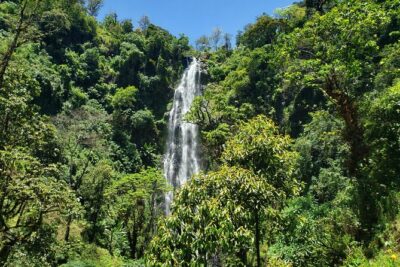
Materuni Waterfall, Coffee Tour and Picnic Hot Lunch
Read our review →
Maasai village visit, Materuni waterfalls & coffee experience
Read our review →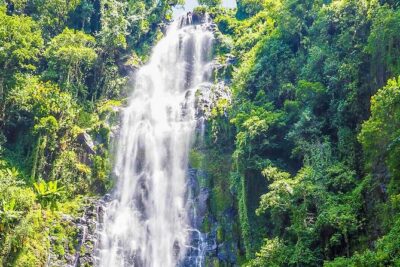
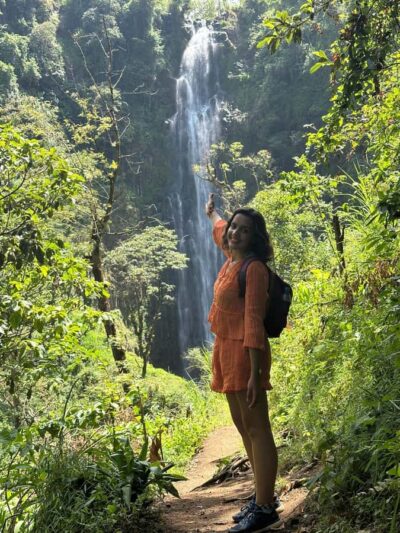
Arusha or Moshi : Hot Spring, Waterfall & Coffee Farm Tour
Read our review →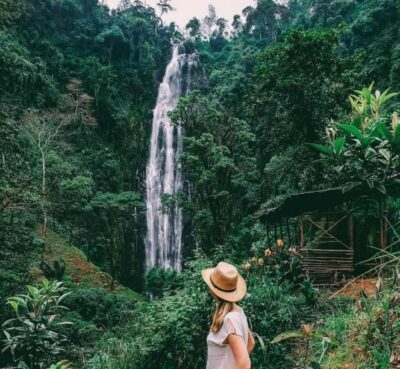
Materuni Waterfalls, Coffee, and Hotsprings Tour
Read our review →
Materuni Waterfalls, Chemka Hot Springs, &/Or Coffee Tour
Read our review →Browse the lists this tour appears in