
Reviewed · KILIMANJARO COFFEE FARM TOURS
Arusha: Coffee Plantation Tour with Tasting and Hands-On …
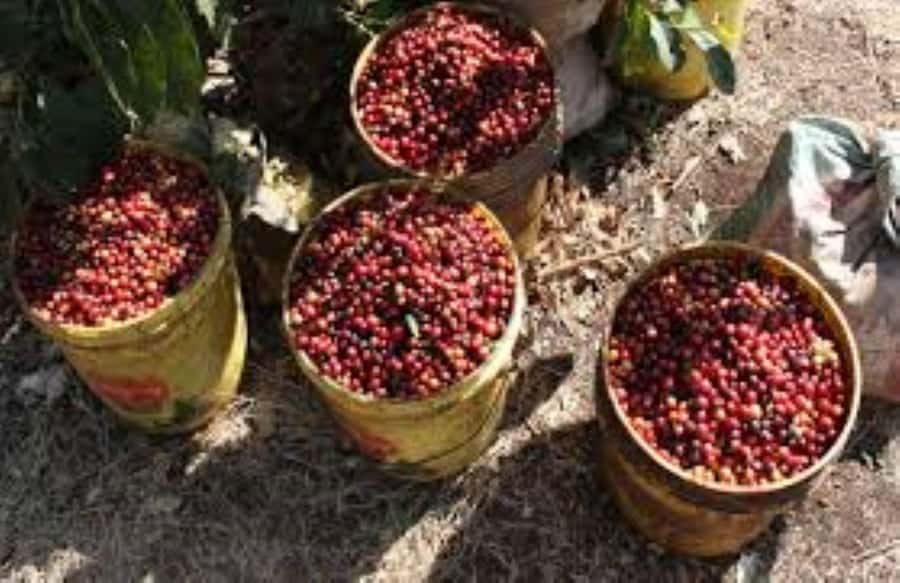
The most memorable part of this Arusha experience is that you do not simply watch coffee being made. You handle the process, from fresh cherry to dried bean and roast, then taste the result. I like the direct contact with local farmers, and I like that the tour links coffee culture with green fields, hills, and optional waterfalls. The main catch is practical: transport to the farm is not included, so confirm the transfer cost before you book.
I also like the relaxed 3.5-hour length. It fits neatly into an Arusha morning or afternoon, while the tasting gives you something more useful than a quick cup at a café. Guides connected with recent departures include Max, also called Maximilian, and Oliver, whose friendly, informative approach has earned especially warm praise. Bring sturdy shoes, though, since farm paths and the optional hike may be uneven.
Key points at a glance
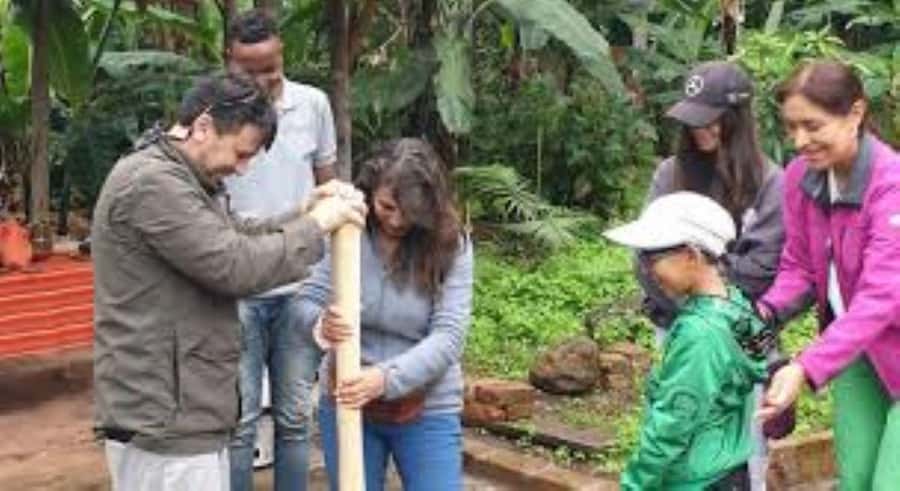
- From coffee cherry to cup: Pick, pulp, dry, roast, and taste coffee with guidance from local farmers.
- A real farm setting: Walk among coffee trees and green fields rather than learning only in a city café.
- Tasting with a purpose: Compare different roast profiles and learn how aroma and flavor change.
- Optional hills and waterfalls: Add a scenic nature walk if you want more than the coffee lesson.
- Central meeting point: Start at the Clock Tower in central Arusha, with pickup options available for an additional transportation charge.
- Best for curious, mobile visitors: Coffee fans and culture-minded visitors will get the most from the hands-on format.
Starting at Arusha’s Clock Tower
The tour begins at the Clock Tower, one of the easiest landmarks to find in central Arusha. You meet the guide near the base of the tower, looking for a sign with the tour name. The location is within walking distance of many city hotels and has nearby parking if you are arriving by car.
From there, the guide helps arrange the ride to the coffee plantation. This point matters because the advertised $60 price per person covers the guided experience, tasting, snacks, and coffee work, but not transportation to and from the farm. I would ask exactly how the transfer will be arranged before setting out, especially if you are traveling alone or watching your budget.
The central meeting point is convenient, but it also means you should not assume that a vehicle is waiting as part of the basic price. If you select a pickup option from a central Arusha hotel, check your confirmation for the meeting time and pickup details.
More Kilimanjaro Coffee Farm Tours in Tanzania:
- Materuni Waterfalls, coffee tour & Kikuletwa Hot Springs
★ 5.0 · 643 reviews - Materuni waterfalls coffee tour & Chemka hot springs Day trip
★ 5.0 · 131 reviews - Materuni Waterfall, Coffee Tour and Picnic Hot Lunch
★ 5.0 · 128 reviews
Walking through the coffee trees
Once you reach the farm, the tour shifts from city logistics to a slower look at coffee growing. You walk through green fields and coffee trees while your guide explains cultivation and harvesting. The setting gives you a better sense of the work behind a drink that most of us treat as a quick morning habit.
I find this part valuable because it puts coffee in its proper place. It is not just a roasted product in a bag. It begins as a crop that needs care, timing, and skilled hands. The guide also covers Tanzanian coffee traditions and the daily life of the people who work on the plantation.
The pace is described as a guided walk rather than a demanding trek. Still, you should wear comfortable clothing and sturdy shoes. A farm visit can mean dirt, uneven ground, sun, and damp areas, even when the walk itself is moderate. A hat, sunscreen, and water are sensible additions.
The tour is conducted in English. If you want to ask detailed questions about farming, processing, or tasting, this is a good chance to do so. The experience is more rewarding when you treat it as a conversation rather than waiting for a quick demonstration.
Turning fresh cherries into coffee beans
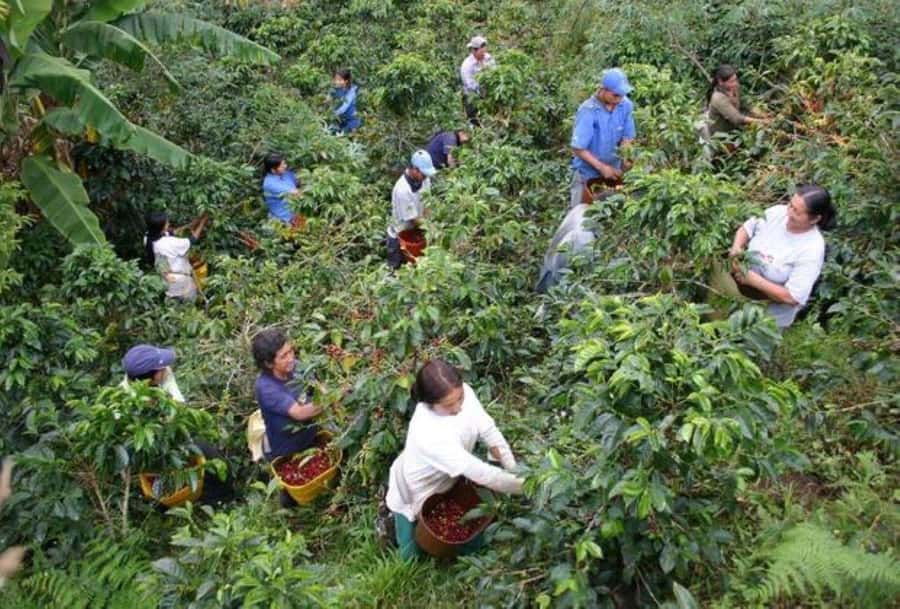
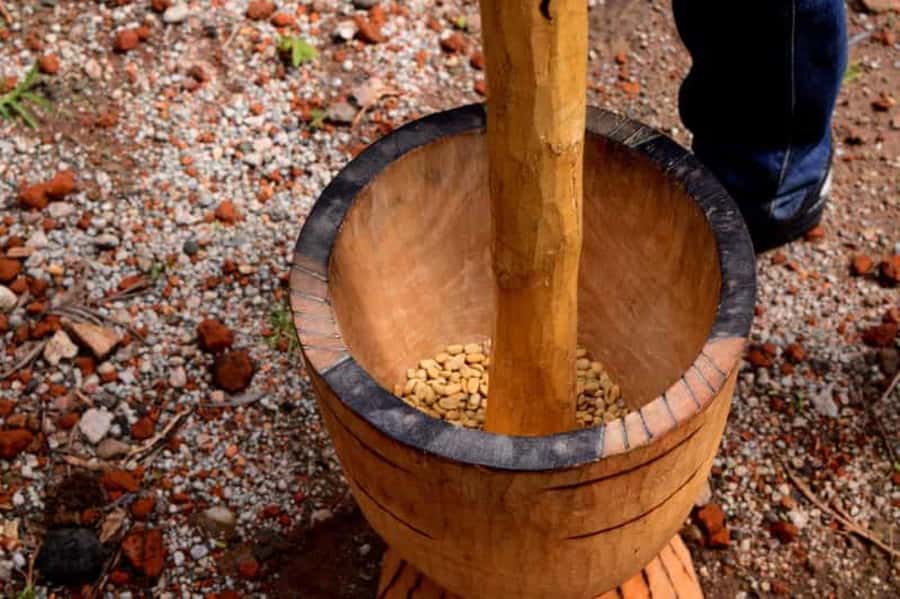
The hands-on section is the heart of the visit. Local farmers guide you through the stages between picking and brewing. You may help with fresh coffee cherries, then see how the fruit is pulped, how the beans are dried, and how roasting changes them.
This practical sequence helps you understand why coffee flavor is not determined by the bean alone. Growing conditions matter, but so do processing and roasting. Even a short lesson can make the final tasting more interesting because you know what happened before the coffee reached the cup.
The exact amount of physical participation can vary, but the experience is designed to let you take part rather than simply stand nearby. That is a useful distinction when comparing this tour with a standard plantation walk. You are not only looking at coffee trees. You are following the working process.
The farmer-led format is another strength. You hear about sustainable farming practices and the dedication needed to produce local coffee. The emphasis is on real work and lived experience, not a polished museum-style presentation. I would expect the tone to be friendly and practical, with plenty of room for questions.
Learning how roasting changes the cup
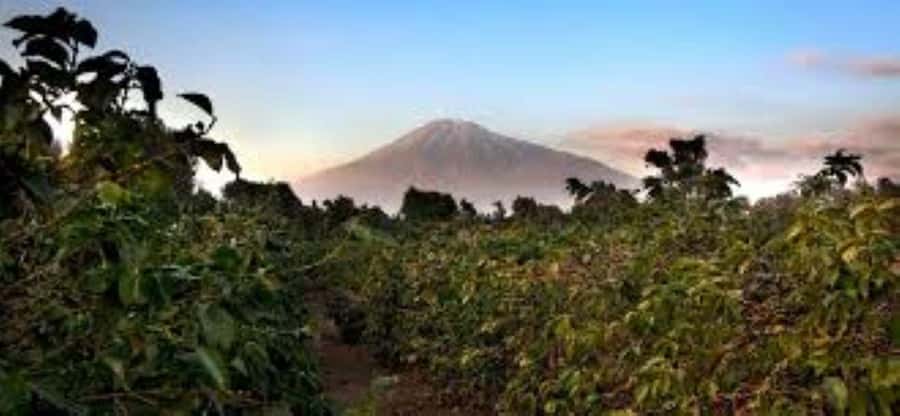
After processing, the tour moves toward the finished drink. You learn how roasting affects the beans, then taste coffee with different roast profiles. This is not a formal professional certification course, but it gives you a simple way to notice contrasts in aroma and flavor.
Pay attention to the smell before you sip. Freshly brewed coffee can show clear differences in roast character, and the guide explains how to look for those changes. You may notice that one roast seems lighter and more aromatic while another tastes fuller or stronger. The point is not to find a single correct choice. It is to help you understand what you like.
The tasting also gives the $60 price more weight. You are paying for a guided cultural activity, a practical lesson, refreshments, and several cups with a clear link to the farm. If you only want to drink coffee, a café will cost less. If you want to understand where the coffee comes from and take part in making it, this outing offers better value.
Recent departures have been praised for warm hospitality and clear explanations. One guide pairing associated with the experience is Max or Maximilian with Oliver. If a particular guide matters to you, ask at booking rather than assuming the same person leads every date.
A few more Tanzania trips to weigh up
- Maasai village visit, Materuni waterfalls & coffee experience
★ 4.5 · 95 reviews - Materuni Waterfalls & Coffee Tour from Moshi
★ 5.0 · 92 reviews - Arusha or Moshi : Hot Spring, Waterfall & Coffee Farm Tour
★ 4.8 · 80 reviews - Arusha: Materuni Waterfalls, Coffee, and Hotsprings Tour
★ 4.8 · 78 reviews
Adding hills and waterfalls to the visit
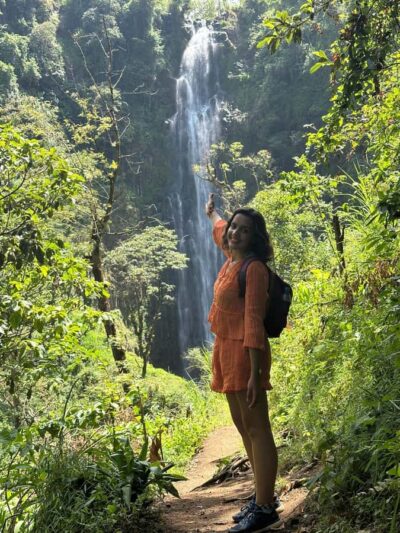
The surrounding hills and waterfalls are an optional addition. This gives you some flexibility: you can keep the outing focused on coffee, or extend it into a broader nature experience.
I like that the hike is optional because not everyone wants the same pace after a farm visit. Coffee enthusiasts may prefer extra time for questions and tasting. Nature lovers may want to use the remaining time for views and a walk beyond the plantation.
The supplied details do not specify the trail length, waterfall conditions, or level of difficulty. Do not book this expecting a full hiking excursion. Think of it as an extra scenic walk connected to the coffee visit. Sturdy shoes, water, sunscreen, and a hat become even more important if you choose it.
Anyone with back problems should skip this experience, and it is not suitable for wheelchair users or babies under one year. The farm paths and optional hike are the main reasons to take those limits seriously.
What the $60 price really covers
At $60 per person, this is not the cheapest way to have a cup of Tanzanian coffee. It is priced as a half-day cultural activity, with a local guide, hands-on processing, tasting, refreshments, snacks, and time on a working plantation.
For me, the value depends on your interests. Coffee drinkers who want a quick photo and a sample may find it too involved. Visitors who enjoy food production, local traditions, and learning by doing will get more from the fee.
The strongest value comes from the combination of activities. You receive a plantation walk, an explanation of cultivation and harvesting, direct work with the processing stages, a tasting, and the chance to speak with farmers. The optional hills and waterfalls add variety without forcing every participant into a longer walk.
Transportation is the cost to watch. Since the basic price excludes travel between central Arusha and the farm, your final spending may be higher. Ask whether transport is shared or private and confirm the pickup arrangement before you commit. Those details are not specified in the tour information, so it is sensible to clarify them.
Timing, clothing, and comfort
The advertised duration is 3.5 hours, with the overall guidance described as roughly three to four hours. That makes it easy to fit around other Arusha plans, but allow some flexibility if the transfer or farm activities take longer than expected.
Wear light, comfortable clothing that you do not mind wearing on a farm. Sturdy walking shoes are more useful than sandals, particularly if you add the hills and waterfalls. A camera is welcome, and you should bring water, sunscreen, and a hat.
Smoking is not allowed during the activity. The tour is not suitable for wheelchair users, people with back problems, or babies under one year. These are not minor footnotes if you are arranging a family outing or need step-free access.
The English-speaking guide leads the tour, and the farmer interaction is a key part of the experience. If your main interest is coffee science at an advanced level, you may want to ask how technical the presentation will be. The tour is aimed at general visitors, coffee enthusiasts, nature lovers, and people interested in Tanzanian customs.
Who will enjoy this most
I would recommend this tour to you if you want a personal activity between larger safari plans. It gives you a close look at local production without taking a full day, and it offers more substance than a simple tasting stop.
It is especially suitable for:
- Coffee drinkers who want to understand processing and roasting
- Visitors interested in meeting local farmers
- Couples and small groups looking for a relaxed cultural outing
- Nature lovers who may add the hill and waterfall walk
- Anyone with a free morning or afternoon in Arusha
I would be more cautious if you have limited mobility, back trouble, or no interest in walking on farm paths. I would also check the transport price if you are trying to keep the total cost close to $60.
The human side is a major reason to choose it. The guides are praised for professionalism, friendliness, and clear teaching. Max, Maximilian, and Oliver are names connected with particularly well-received departures, and the strongest comments focus on hospitality and learning the full route from tree to cup.
Booking advice for an Arusha coffee morning
You can cancel for a full refund up to 24 hours before the activity, and the reserve-now, pay-later option helps if your Arusha schedule is still shifting. Starting times vary, so check availability for your preferred date.
I would book this before a safari day if you want an unhurried experience. A coffee farm visit requires attention to smells, textures, and small steps. It would be a shame to squeeze it between tight transfers.
At the Clock Tower, arrive ready to identify your guide and confirm the ride to the plantation. Bring your booking details, ask about the transport charge, and make sure you know whether the optional hike is included in the planned timing.
Should you book this coffee plantation tour?
Book it if you want to do more than drink Tanzanian coffee. The hands-on processing, farmer contact, tasting, and optional nature walk make this a well-rounded 3.5-hour outing. The warm guide service and the chance to follow coffee from cherry to cup are its strongest features.
Skip it if you want a purely urban café experience, dislike uneven paths, or need wheelchair access. Also price the transportation before booking, since it is not included. For coffee fans and culture-minded visitors staying in Arusha, I think the experience offers a fair return for $60, provided you treat it as a farm lesson and local encounter, not just a tasting.
FAQ
Where does the coffee tour begin?
It begins at the Clock Tower in central Arusha. Meet near the base of the tower and look for the guide holding a sign with the tour name.
Is transportation to the coffee farm included?
No. Transportation to and from the coffee farm is not included in the $60 price. The guide helps arrange transportation from the Clock Tower, and hotel pickup options are available with specific details provided after booking.
How long does the experience last?
The activity lasts about 3.5 hours. The general description gives a possible duration of three to four hours.
What language is the tour conducted in?
The live tour guide conducts the experience in English.
What is included in the price?
The price includes a guided tour with a local expert, hands-on coffee processing, a coffee tasting, refreshments, and snacks.
Can I take part in coffee processing?
Yes. The experience includes practical activities connected with picking coffee cherries, pulping, drying, and roasting the beans.
Is the hike to the hills and waterfalls required?
No. Exploring the surrounding hills and waterfalls is an optional part of the experience.
What should I bring?
Bring comfortable clothing, sturdy shoes, a hat, a camera, sunscreen, and water.
Is the tour suitable for wheelchair users or people with back problems?
No. The activity is not suitable for wheelchair users or people with back problems. It is also not suitable for babies under one year.
Can I cancel or pay later?
You can cancel up to 24 hours in advance for a full refund. The reserve-now, pay-later option lets you book without paying immediately.
More Workshops in Tanzania
- Zanzibar: Spice Farm Tour with Traditional Cooking Lesson
★ 4.8 · 77 reviews - Zanzibar Cooking Class & Spice Tour
★ 4.5 · 77 reviews - Half-Day Kuza Cave Swimming Adventure and Cooking Class
★ 4.5 · 44 reviews - NGO Lifted Strong – Traditional Tanzanian Cooking Class
★ 5.0 · 39 reviews
More Food & Drink in Tanzania
- Stonetown: Food Markets and Street Food Walking Tour
★ 4.7 · 151 reviews - Authentic Street Food Tours in Stone Town, Zanzibar
★ 5.0 · 46 reviews - Arusha: Traditional Tanzania Cooking Class & Food Market Tour
★ 5.0 · 34 reviews - Organic Coffee Tour and Local Food Experience in Arusha
★ 5.0 · 29 reviews
Just added around Tanzania
- Zanzibar: Mikumi Wonderful Safari with Open Jeeps★ 4.9 · 15 reviews
- Zanzibar: Maasai village and Nungwi turtles experience trip★ 4.9 · 16 reviews
- Zanzibar: Mnemba Atoll, Spice farm, Jozani forest & Lunch★ 3.9 · 3 reviews
- Zanzibar: Maasai World Tour with Cultural Practices★ 4.0 · 4 reviews
- Zanzibar: Kendwa Beach Professional Photoshoot★ 5.0 · 5 reviews
- Zanzibar: Maalum Cave Natural Swimming Pool Tour in Paje★ 4.4 · 3 reviews
- ZANZIBAR: Jozani Forest,Salaam Cave, The Rock & Blue Lagoon★ 4.8 · 8 reviews
- Zanzibar: Jozani Red Colobos Monkey & Salaam Turtle Santuary★ 4.6 · 3 reviews
Kilimanjaro Coffee Farm Tours, compared.
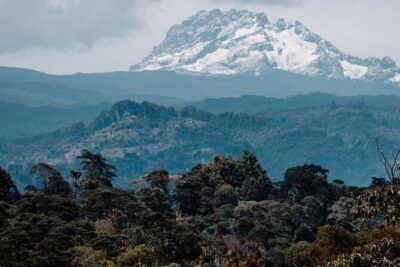
Materuni Waterfalls, coffee tour & Kikuletwa Hot Springs
Read our review →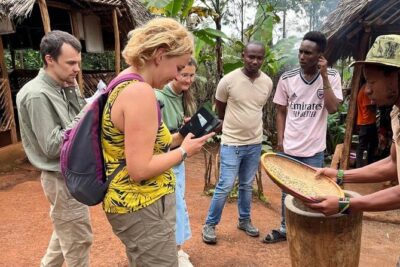
Materuni waterfalls coffee tour & Chemka hot springs Day trip
Read our review →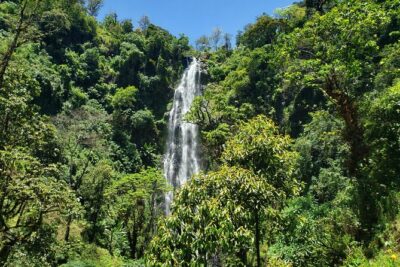
Materuni Waterfall, Coffee Tour and Picnic Hot Lunch
Read our review →
Maasai village visit, Materuni waterfalls & coffee experience
Read our review →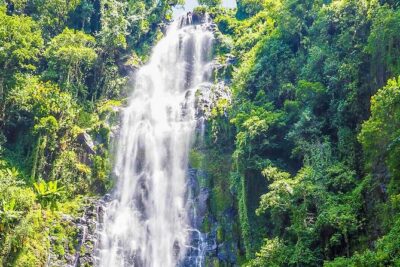
Arusha or Moshi : Hot Spring, Waterfall & Coffee Farm Tour
Read our review →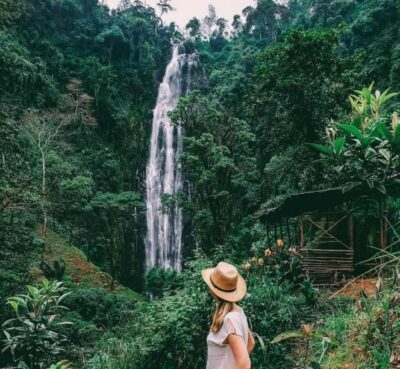
Materuni Waterfalls, Coffee, and Hotsprings Tour
Read our review →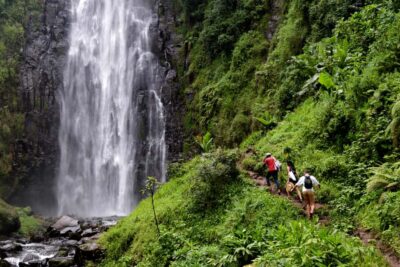
Materuni Waterfalls, Chemka Hot Springs, &/Or Coffee Tour
Read our review →Browse the lists this tour appears in