
Reviewed · SERENGETI SAFARIS
3 Days Tanzania Private Budget Safari to Serengeti & Ngorongoro
The big draw here is simple: in just three days, you see both the Serengeti and Ngorongoro Crater, Tanzania’s two great wildlife stages. You leave Arusha early, spend an afternoon and a full day among the Serengeti animals, then finish with a crater safari.
I like the private format, since your group can share one vehicle and safari guide rather than follow a large coach. I also like the price, $1,483 per person, which includes park fees, three lunches, two breakfasts, two dinners, and budget campsite accommodation.
The catch is the pace. Driving from Arusha to the Serengeti takes much of the first day, and the route packs a lot into a short schedule. You should also note the strict non-refundable policy and the fact that the advertised wildlife migration depends on the season.
Key points to know before booking
- Two major parks in three days: Spend time in Serengeti National Park, then visit Ngorongoro Conservation Area.
- Private rather than shared: Only your own group participates, giving you a more personal safari day.
- Early start from Arusha: Pickup is scheduled for 7:00 am, with the activity beginning and ending at the Arusha meeting point.
- Budget camping: Accommodation is at selected budget campsites, with meals included but hotels before and after the safari left to you.
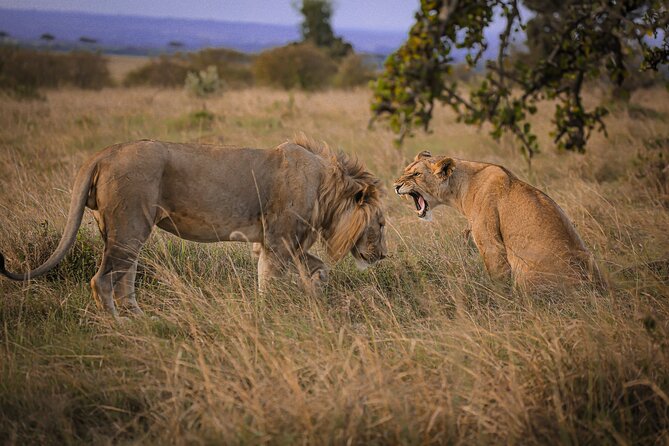
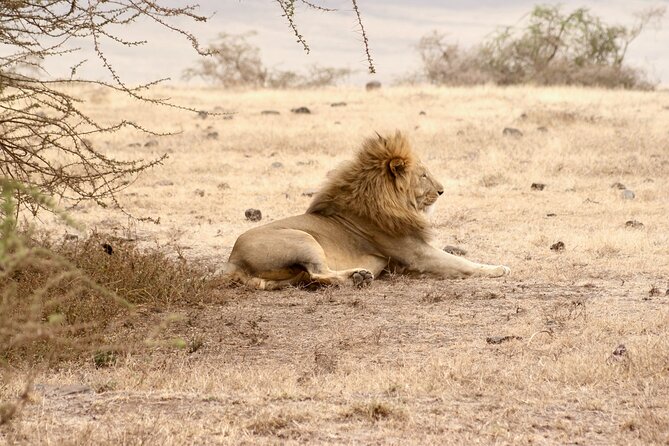
- Wildlife depends on timing: Lions, elephants, zebras, wildebeest, giraffes, and other animals are possible, while rhino and cheetah sightings are never guaranteed.
- Plan carefully: Flights, tips, and pre- and post-safari hotels are not included, and cancellations normally receive no refund.
Why this three-day route works
This safari is built around contrast. Serengeti gives you huge open plains, long game-drive hours, and the chance to follow moving animals. Ngorongoro gives you a compact wildlife area inside an ancient volcanic caldera, where the scenery changes quickly and animal viewing can feel concentrated.
That combination makes sense if you have limited time in northern Tanzania. A longer safari would allow slower travel and more time in each park, but this route gives you two very different settings without asking you to organize several separate bookings.
The private setup matters most on game drives. Your group shares the vehicle, meals, guide, and schedule, so you are not negotiating every stop with strangers. It can also make the ride more comfortable for a small party, especially when you want to pause for photographs or spend longer watching an animal.
Still, private does not mean fast. The parks are large, and the roads between Arusha, Serengeti, and Ngorongoro take time. The first and second days are listed at about eight hours each, and the third day is also planned as an eight-hour outing. Think of this as an active safari with long road and game-drive periods, not a relaxed lodge holiday.
More Serengeti Safaris in Arusha
- Balloon Safari & Bush Breakfast in Serengeti – Miracle Experience
★ 5.0 · 1,646 reviews - 3 Days Serengeti & Ngorongoro Group Camping Safari
★ 5.0 · 574 reviews - 5-Day Highlights mid-Range Crater, Serengeti, Tarangire
★ 5.0 · 296 reviews
Leaving Arusha at 7:00 am
The day starts in Arusha, with pickup offered at the stated meeting point. A 7:00 am departure is useful because it gives you the best chance of making meaningful progress toward the Serengeti before the afternoon game drive.
Your first day is not just a transfer. The route takes you through changing Tanzanian scenery before reaching the park, and the journey itself helps set the scale of the trip. Northern Tanzania is not a small wildlife reserve you can cross in an hour. Distances are part of the experience and part of the cost.
The practical point is to arrive ready. Your breakfast is included on the safari, but the supplied details do not say whether the first morning meal is served before departure or during the route. Ask the provider where that meal fits into the schedule, especially if you prefer to eat before a 7:00 am pickup.
You also need to arrange your own hotel before the safari. That lodging is excluded, as is your hotel after the final day. Build those nights into your total budget rather than judging the $1,483 price in isolation.
Day one: reaching Serengeti for the afternoon drive
The reward for the long first day is an afternoon game drive in Serengeti National Park. The park is famous for broad grasslands and large animal movements, and the first drive gives you an immediate chance to begin spotting wildlife rather than waiting until the following morning.
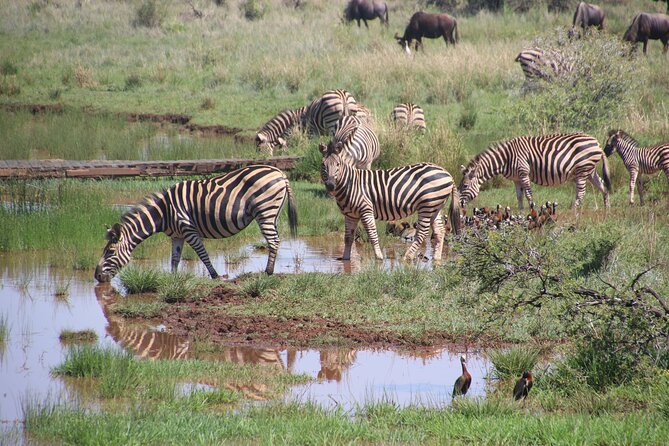
The planned animal list includes lions, elephants, rhinos, cheetahs, zebras, and wildebeest. You may also see other species as the guide follows the conditions of the day. The important word is may. No safari can promise a particular animal at a particular hour, and the itinerary’s mention of the Big Five should be read as an aim, not a guarantee.
The afternoon timing has a practical advantage. You get your first look at the park after the long approach, then continue watching the plains as the light changes. That can be a good time for photographs, though the exact quality of a sighting depends on weather, animal movement, and how far you are from the wildlife.
At day’s end, you stay at a budget campsite and eat dinner there. Camping keeps the price below a lodge-based safari and brings you closer to the sounds of the bush. It also means you should expect a simpler night than you would receive at a full-service lodge. The provided details promise comfortable, selected campsites, but do not specify private bathrooms, tent style, or electrical facilities, so ask before departure if those points matter to you.
Day two: a full Serengeti game-drive day
Day two is the wildlife-heavy part of the trip. You wake to the Serengeti, eat breakfast, and spend the day on game drives across plains, along rivers, and near waterholes.
This is the day that gives the park room to work its magic. A short afternoon drive can produce a memorable sighting, but a full day gives your guide more time to adjust the route. Animals move, and conditions shift. You may spend part of the day crossing open grassland, then follow a river or stop near water where different species gather.
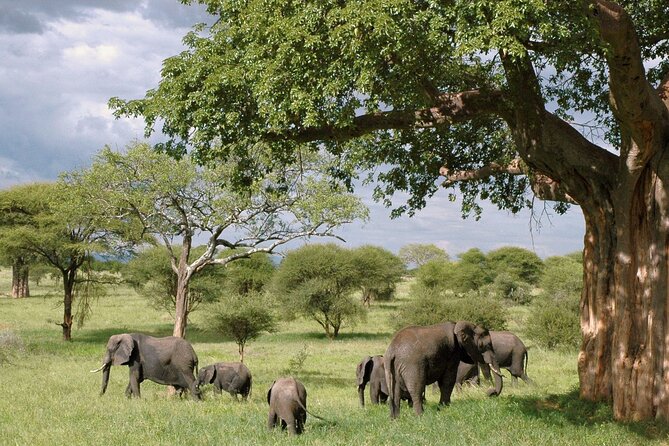
The itinerary highlights giraffes feeding from acacia trees, elephants crossing the savannah, lions resting, and large herds of wildebeest. The wildebeest migration is seasonal, so do not choose this safari solely for that event unless you have confirmed that your dates match the movement. Even outside the migration period, the Serengeti remains the main wildlife focus of the trip.
Lunch is a picnic in the park. That saves the time of returning to camp and lets you keep the game-drive day moving. It also changes the rhythm of the day: you eat outdoors, surrounded by wide views, then continue looking for animals. Follow the guide’s instructions during any picnic stop, since you are in a wildlife area rather than a regular public park.
Later, you travel toward the Ngorongoro area and spend the night at a nearby budget campsite. This transfer is one reason the itinerary feels tight. You get a strong day in Serengeti, but you do not have a second full day there before moving on.
Same country, a completely different kind of safari:
- Tanzania Classic – 7 Days
★ 5.0 · 1,151 reviews - 4 Days Group Camping Safari
★ 5.0 · 1,101 reviews - 5 Days Group Camping Safari
★ 5.0 · 730 reviews - Materuni Waterfalls, coffee tour & Kikuletwa Hot Springs
★ 5.0 · 643 reviews
Day three: down into Ngorongoro Crater
The final day centers on Ngorongoro Crater, described as the world’s largest intact caldera. Its steep crater walls enclose a broad wildlife area, creating a setting that feels very different from the open Serengeti plains.
You descend into the crater for a game drive and look for elephants, lions, and other animals living within this enclosed ecosystem. The crater’s appeal is the variety packed into one dramatic setting. You have a chance to see several kinds of wildlife during one outing, while the walls give the scenery a clear sense of place.
The crater is also a strong final stop because it offers a different visual experience from the previous two days. In Serengeti, the eye travels far across the plains. In Ngorongoro, the crater rim and surrounding slopes frame the action. You should still expect normal safari uncertainty. The schedule gives you a crater visit, not a guaranteed list of sightings.
A picnic lunch is included, followed by the trip back toward the Arusha meeting point. The description says the activity ends back at the meeting point, but it does not give a precise arrival time. Do not schedule a tight evening flight or another fixed activity until you have confirmed the expected return time with the operator.
What the $1,483 price really covers
At $1,483 per person, this is not the cheapest possible way to see Tanzania, but the price includes several expensive parts of a northern safari. Park fees and taxes are included, as are two breakfasts, three lunches, and two dinners. A professional guide is also included.
The private arrangement adds value for couples, families, or a small group that wants to share the vehicle only with its own party. A group discount is available, although the amount is not stated. Ask for the total price for your exact group size rather than assuming the per-person price will change in a particular way.
The budget label mainly points to the campsites. You are not paying for luxury lodges, upgraded rooms, or extra hotel nights. That is a fair trade if your priority is time in the parks and you are comfortable with basic accommodation.
Your extra costs can include:
- Flights to and from Tanzania
- Tips for the guide and cook
- Hotel nights in Arusha before and after the safari
- Any personal purchases not listed as included
The tip is especially important to plan for. It is excluded from the price, and a private safari usually involves close contact with the guide and cook over several days. The appropriate amount is not stated here, so ask the provider for current guidance rather than guessing.
The private guide and vehicle experience
The safari includes an experienced professional tour guide, but no guide’s name is provided. That means you should ask who will lead your departure and how many people the vehicle is designed to carry.
A good guide affects the trip in practical ways. The guide reads the road, watches animal behavior, explains what you are seeing, and helps decide how long to remain at a sighting. On a private tour, you can discuss your priorities before the drive. Tell the operator if you care most about photography, big cats, elephants, birds, or the migration.
The word private refers to participation: only your group takes part. It does not necessarily tell you the vehicle type, seat layout, roof arrangement, or luggage space. Those details are worth confirming, especially if you carry camera equipment or are traveling with several people.
The supplied company feedback includes strong praise for organization, affordable pricing, and care from a guide named Shabani on Kilimanjaro trips. Those comments concern mountain excursions rather than this safari, so I would not treat them as proof of how your Serengeti guide will perform. Still, they make it sensible to ask the safari provider for the name and experience of your assigned guide before you go.
Camping, meals, and daily comfort
The safari includes two breakfasts, three lunches, and two dinners. The lunch count fits the three-day schedule, with picnic lunches planned in Serengeti and Ngorongoro. Dinner is provided on the first two nights, while breakfast is provided on the second and third mornings.
That arrangement keeps meals simple and practical. You do not need to leave the park for a restaurant at midday, and the picnic stops preserve game-drive time. The details do not provide menus or dietary information, so tell the provider about food needs at booking.
Camping is the main comfort compromise. A budget campsite can be a good match for someone who wants to spend money on park access rather than a room, but it is not the right choice if you need hotel-style facilities every night. Ask about tents, bedding, showers, toilets, charging, and the distance between the campsite and the park areas. None of those specifics is supplied.
The phrase comfortable campsite should not be taken to mean luxury. It means the operator has selected accommodation intended to support a safari at a lower price. Pack with simple, practical nights in mind, while confirming what equipment is supplied.
Wildlife expectations and the best kind of safari attitude
This route offers a strong chance to see major African animals, but wildlife viewing is never a stage show. Lions may be resting, elephants may be far away, and cheetahs may not appear at all. Your best asset is time, and this tour gives you an afternoon drive, a full Serengeti day, and a crater drive.
The migration is seasonal. If that is your main reason for booking, check the expected movement for your dates before paying. The description specifically says the migration is season dependent, so the timing matters.
You should also prepare for repeated searching. A guide may slow down, scan the plains, follow tracks, or change direction after hearing about a sighting. That uncertainty is part of a safari, and the private format gives you more room to discuss what you want to do next.
Photography is a clear focus of the route, with opportunities to photograph lions, elephants, rhinos, cheetahs, zebras, and wildebeest. A camera with a useful zoom may help, but the tour does not specify photography equipment or vehicle access. Bring what you already use comfortably and protect it from dust.
Who should book this safari
I would choose this trip if you have three days available, want the two headline destinations, and prefer a private arrangement over a shared departure. It suits first-time safari visitors who want a ready-made plan from Arusha, with park fees, meals, and guiding handled together.
It also fits couples and small groups watching costs. You receive a private experience without paying for high-end lodge accommodation. Group discounts may improve the value for a larger private party, but you need to request the exact rate.
I would hesitate if you dislike long drives, want several slow mornings, or expect a luxury stay. I would also hesitate if your schedule cannot tolerate an uncertain final arrival time. Three days is enough for a memorable sample of northern Tanzania, but it is not enough to explore every corner of either destination.
The tour requires good weather. If the operator cancels because of poor weather, you are offered another date or a full refund. In normal circumstances, however, the booking is non-refundable and cannot be changed for any reason, so confirm your dates, hotels, flights, and group details first.
Should you book the Serengeti and Ngorongoro safari?
Book it if you value park time over polished accommodation, want a private group, and accept a brisk schedule. The route gives you an afternoon in Serengeti, a full Serengeti day, and a memorable final visit to Ngorongoro Crater, with meals and park costs bundled into one price.
Skip it if you need flexible cancellation, premium lodging, or a leisurely pace. Before paying, confirm the campsite facilities, vehicle details, assigned guide, group discount, first-day breakfast arrangements, and expected return time to Arusha. With those points settled, this is a practical way to fit Tanzania’s two most famous wildlife areas into a short, focused safari.
FAQ
Where does the safari start?
The safari starts in Arusha, Tanzania, with pickup offered from the stated meeting point.
What time does the safari begin?
The scheduled start time is 7:00 am.
Where does the activity end?
The activity ends back at the meeting point in Arusha.
Is this a private safari?
Yes. Only your group participates in this private tour or activity.
How long does the safari last?
The safari lasts approximately three days.
Which parks and areas are included?
The route includes Serengeti National Park and the Ngorongoro Conservation Area, including a visit to Ngorongoro Crater.
Is accommodation included?
Yes. The experience includes stays at selected budget campsites. Hotels before and after the safari are not included.
Which meals are included?
The package includes two breakfasts, three lunches, and two dinners.
Are flights included?
No. Flights are not included in the safari price.
Can I cancel for a refund?
The experience is normally non-refundable and cannot be changed. If poor weather causes the operator to cancel the activity, you are offered a different date or a full refund.
More Safari in Arusha
- 7-Day Premium Luxury Tanzania Safari All-Inclusive
★ 5.0 · 426 reviews - 3-Day Classic Serengeti Safari
★ 5.0 · 263 reviews - 8 Days Great Wildebeest Calving Migration Safari from Arusha
★ 5.0 · 254 reviews - Group Safari 7 Days in Tanzania’s Main Parks
★ 5.0 · 240 reviews
More Ngorongoro Crater Tours in Arusha
- 5 Days Camping Tarangire, Serengeti & Ngorongoro crater & Visiting Maasai
★ 5.0 · 229 reviews - 4 Days Join Group tour Tarangire Serengeti and Ngorongoro crater
★ 5.0 · 219 reviews - 4-Day Safari from Arusha: Tarangire, Serengeti and Ngorongoro
★ 5.0 · 173 reviews - 2 Days Tarangire and Ngorongoro Group Camping Safari
★ 5.0 · 146 reviews
Just added around Arusha
- 8 Days Serengeti Migration safari★ 5.0 · 11 reviews
- tarangire, ngorongoro & lake manyara park 3 days private tour★ 5.0 · 11 reviews
- tarangire & ngorongoro 2 days tour★ 5.0 · 14 reviews
- Mt. Kilimanjaro: Shira plateau to Cathedral point 3872m Day hike★ 5.0 · 7 reviews
- serengeti, ngorongoro & tarangire 4 days private tour★ 5.0 · 18 reviews
- serengeti & ngorongoro 3 days private tour★ 5.0 · 15 reviews
- 2 Days Tanzania Midrange Group Join Safari★ 5.0 · 7 reviews
- climb the KILIMANJARO via Lemosho route★ 5.0 · 4 reviews
Serengeti Safaris, compared.

Serengeti Balloon Safari and authentic bush breakfast
Read our review →
3 Days Serengeti & Ngorongoro Group Camping Safari
Read our review →
5-Day Highlights mid-Range Crater, Serengeti, Tarangire
Read our review →


Private 6-Day Tarangire Manyara Crater and Serengeti with Mid-Range Lodges
Read our review →
5 Days Camping Tarangire, Serengeti & Ngorongoro crater & Visiting Maasai
Read our review →
4 Days Join Group tour Tarangire Serengeti and Ngorongoro crater
Read our review →Browse the lists this tour appears in