
Reviewed · SERENGETI SAFARIS
3 Days Safari Serengeti & Ngorongoro Crater
The best thing about this three-day safari is the pairing of two very different wildlife settings: the wide-open Serengeti, where animals can be scattered across great distances, and the compact Ngorongoro Crater, where wildlife is often easier to find. You also get a short crater viewpoint stop and the option to visit a Maasai village.
I like that the $750 price includes the costly basics, including park fees, vehicle fees, tents, sleeping bags, mattresses, and seven meals. I also like the small maximum group of six, which gives you a better chance to ask questions, adjust the pace, and get a clear view when a lion or rhino appears.
The trade-off is time on the road. Day one involves roughly eight hours from Arusha to the Serengeti, and the camping is practical rather than luxurious. If you want a relaxed schedule or a lodge bed each night, this trip may feel rushed and tiring.
Key points at a glance
- Two major wildlife areas in three days: See the Serengeti and Ngorongoro Crater without arranging separate tours.
- Small group limit of six: A compact vehicle group makes the safari feel more personal and easier to manage.
- Early starts bring the best chances: Day two begins with breakfast at 6:30 a.m., while the crater descent starts at about 6:15 a.m.
- Camping costs are covered: A tent, sleeping bag, and mattress are supplied for two nights.
- Guides are a major part of the experience: Assad, David, and Mike are named in customer accounts, with special praise for animal spotting, driving, and care.
- The long transfer is the main weakness: The first day combines a major road journey with sightseeing and an optional cultural visit.
Why this three-day route works
If you have only a few days in northern Tanzania, this route makes sensible use of your time. The Serengeti gives you the classic safari setting, with animals moving through broad grasslands, while Ngorongoro offers a more concentrated game-viewing day on the crater floor.
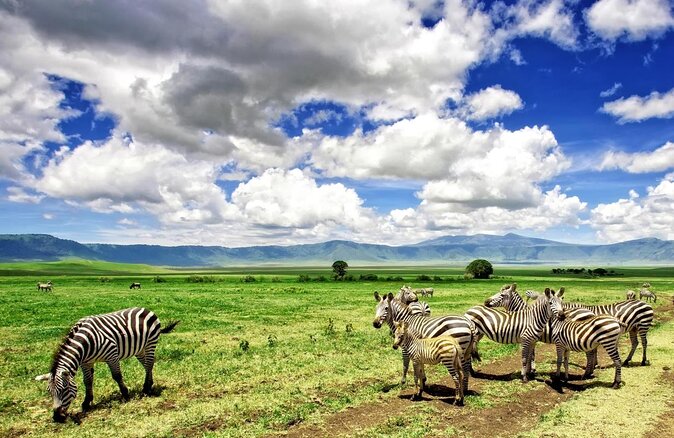
The two parks also create different viewing opportunities. In the Serengeti, your guide may need to search over a large area for cats, herds, and smaller animals. In the crater, the enclosed setting means you can often see many species during one drive, although no safari can promise a particular animal.
The trip is sold from Arusha, with pickup offered. You should think of the first day as both a transfer and a safari day, not as a full day of relaxed game viewing. The drive to the Serengeti takes about eight hours including stops, and it passes through the Ngorongoro Conservation Area.
That long journey is the price of reaching the Serengeti on a short schedule. It may be tiring, but it also lets you combine two of Tanzania’s biggest wildlife destinations without adding another full day to the trip.
More Serengeti Safaris in Arusha
- Balloon Safari & Bush Breakfast in Serengeti – Miracle Experience
★ 5.0 · 1,646 reviews - 3 Days Serengeti & Ngorongoro Group Camping Safari
★ 5.0 · 574 reviews - 5-Day Highlights mid-Range Crater, Serengeti, Tarangire
★ 5.0 · 296 reviews
Day one: Arusha to the Serengeti by way of Ngorongoro
After breakfast, you set out from Arusha toward the Serengeti. The route takes about eight hours with stops, so bring patience and keep your expectations clear. You are covering serious ground on this day.
One of the first meaningful pauses is at the Ngorongoro Crater gate and viewpoint. The stop lasts about 20 minutes, giving you a quick look into the crater from above. The view is a fine introduction to the area, but it is only a brief stop, not a crater game drive.
The crater is a vast volcanic depression with a floor where many animals gather. From the rim, you get the broad visual picture before later returning for a proper descent on day three. Since the viewpoint visit is short, do not count on having time for a long walk, a full explanation, or extensive photography.
You may also choose to visit a Maasai village. This is optional, which is useful if you want some cultural context but also gives you the choice to protect your limited safari time. The visit is intended to introduce you to Maasai culture, including older traditions connected with hunting, warrior status, and the use of animal blood.
Approach this stop with respect and curiosity. It is not the same thing as spending several days with a community, and the supplied schedule does not give a clear length for the visit. Ask your guide how it fits with the day’s driving and your arrival time in the Serengeti.
The best part of day one is the change in scenery as you leave Arusha behind and reach the protected areas. The drawback is simple: you spend a large share of the day in the vehicle. If you are prone to motion sickness or dislike long road transfers, prepare carefully and ask about the pickup time before booking.
Day two: an early Serengeti game drive
Day two starts with breakfast at about 6:30 a.m., followed by an early game drive around Seronera in the Serengeti. This early start matters because it gives you a longer stretch of morning viewing before the heat of the day changes animal behavior.
The schedule allows for game viewing until the afternoon. You then return to camp for lunch and begin packing before continuing with a game drive as you leave the Serengeti. The listed activity lasts about six hours, though the total day includes camp routines and the drive toward Ngorongoro.
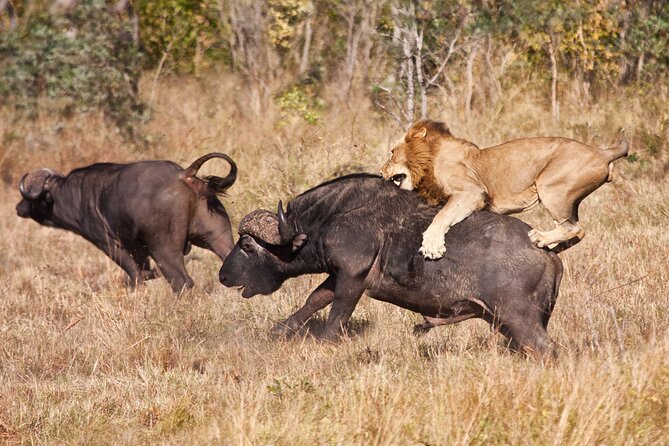
The Seronera area is a useful base for a short safari because it is a central Serengeti region with frequent animal sightings. You may see large herds, grazing animals, birds, and predators, but the exact mix depends on the season, recent movements, and plain luck.
This is where the guide can make a real difference. The guide accounts connected with this experience give special attention to Assad, David, and Mike. Assad is described as both organizer and driver-guide, while David is credited with strong knowledge of fauna and flora. Mike is also named as a capable guide after a booking mix-up was resolved.
You should not assume you will receive a particular guide unless the company confirms it. Still, the repeated emphasis on animal spotting, careful driving, explanations, and personal attention suggests that guide quality is one of the strongest reasons to consider this operator.
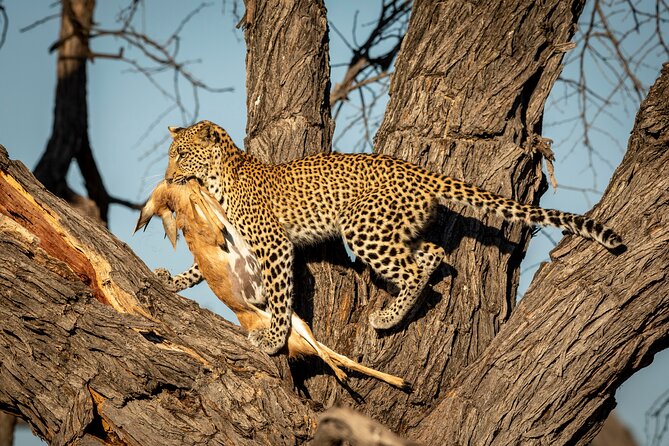
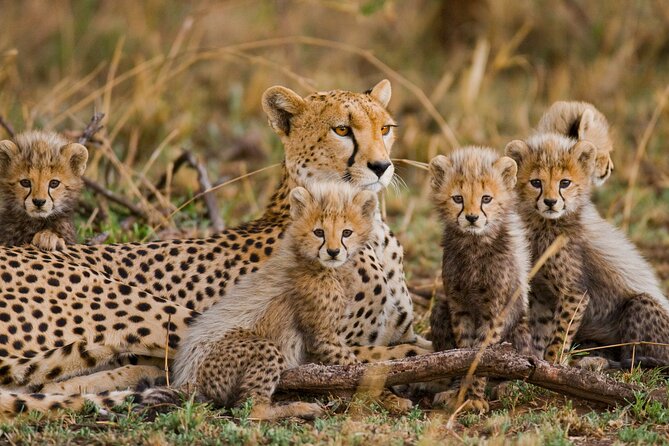
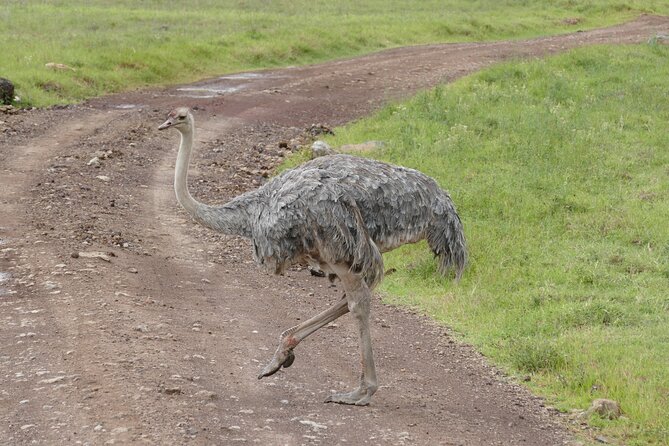
The safari has produced sightings of lions, cheetahs, leopards, elephants, buffalo, giraffes, zebras, wildebeest, crocodiles, hippos, hyenas, baboons, antelope, gazelles, birds, serval cats, and black rhinos. The famous big five have also been seen on some trips, but that is a fortunate result, not a guarantee.
After leaving the Serengeti, you drive about two hours to Simba Campsite near the Ngorongoro Crater rim. The camp is more than a place to sleep. Animals may be seen around campsites, so keep your eyes open, follow camp instructions, and do not wander away from safe areas.
The second night is at Simba Campsite. Your tent, sleeping bag, and mattress are provided, which keeps the packing list manageable. Camping lets you stay close to the protected area, but you should still expect a basic night rather than hotel comforts.
Camping, meals, and what $750 covers
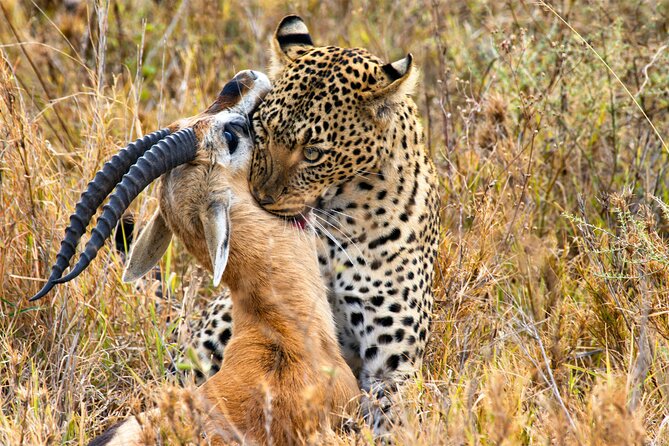
At $750 per person, this safari is best judged as a bundled package rather than a simple three-day drive. The price includes all park entrances and taxes, vehicle fees, camping equipment, and meals.
You receive:
- Two breakfasts
- Three lunches
- Two dinners
- A tent
- A sleeping bag
- A mattress
- Park entrances and taxes
- Vehicle fees
That is a useful amount of coverage. Park and vehicle charges can add up quickly on a Tanzania safari, and having camping gear supplied saves you from transporting bulky equipment.
The food also receives unusually strong praise in the customer accounts. The chef is repeatedly described as preparing excellent breakfast, lunch, and dinner, and as helping with camp support. For a camping safari, good meals are not a minor detail. After early starts and long drives, a dependable hot meal can shape your whole impression of the trip.
The package does not include flights, visa fees, or tips. It also does not promise lodge accommodation, upgraded camping, or drinks as part of the stated inclusions. Ask for a current packing list and confirm what personal camping items you should bring.
The value is strongest if you want an all-in short safari with a private-feeling small group and are comfortable camping. The value is weaker if you would rather pay more for a slower pace, lodge rooms, or extra time in each park.
Same country, a completely different kind of safari:
- Tanzania Classic – 7 Days
★ 5.0 · 1,151 reviews - 4 Days Group Camping Safari
★ 5.0 · 1,101 reviews - 5 Days Group Camping Safari
★ 5.0 · 730 reviews - Materuni Waterfalls, coffee tour & Kikuletwa Hot Springs
★ 5.0 · 643 reviews
Day three: the Ngorongoro Crater floor
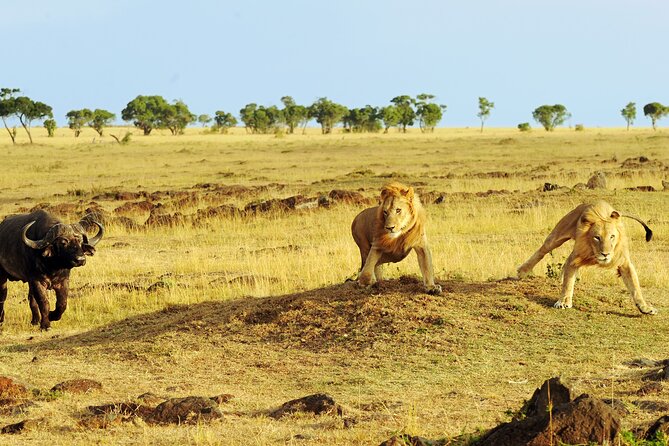
The final morning begins early, with breakfast followed by a crater descent at about 6:15 a.m. The goal is to search for the black rhino, one of the hardest animals to spot in the area.
Ngorongoro is especially rewarding for a short safari because many animals can be seen on the crater floor during one game drive. The enclosed setting can make wildlife viewing feel more concentrated than in the open Serengeti, though animals still move freely and sightings are never certain.
Black rhino sightings are a major draw. They are less common and often farther away than more numerous species, so a good guide, patience, and binoculars matter. Some trips connected with this experience have seen black rhinos, along with the rest of the big five, but you should treat that as luck supported by skilled searching.
After lunch, you continue the game drive before ascending the crater and packing at camp. The schedule then takes you back toward Arusha, with airport transfer included depending on your flight time.
This is another full day, not a gentle finish. The early start, crater drive, ascent, packing, and return transfer can make the day demanding. If you plan to fly after the safari, provide your flight time well in advance and allow enough margin for road delays. The supplied details only say that the airport transfer depends on your flight time, so do not book a tight connection without confirmation.
How the small group affects the safari
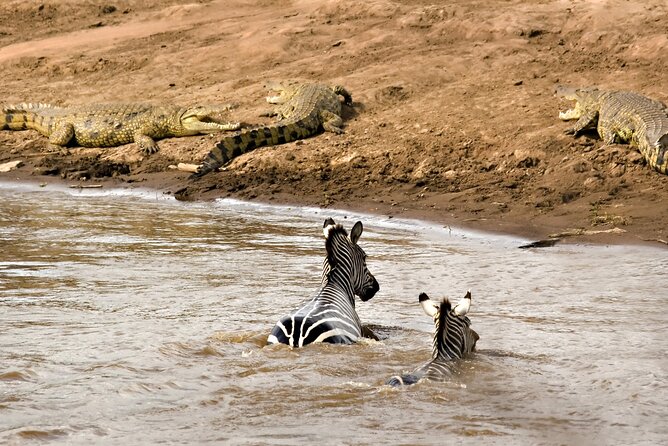
The maximum group size is six travelers. A group this size can improve the experience in several practical ways.
You spend less time coordinating people, and it is easier for the guide to answer questions or reposition the vehicle when wildlife appears. You may also have a better chance of choosing a useful side of the vehicle, though the exact seating arrangement is not specified.
Small groups do not remove the rough edges of safari travel. You still share the vehicle, follow a fixed route, and need to cooperate around meal times, camp packing, and wildlife stops. The experience works best when everyone accepts that the guide must balance different interests.
The guide accounts describe a high level of care, flexible planning, and close communication before departure. Assad is repeatedly credited with organizing details and adjusting plans, while other guides are praised for explaining animals and spotting them early. Confirm what can actually be changed before you pay, since a personalized plan may depend on park rules, timing, and the group.
The guide and chef make the difference
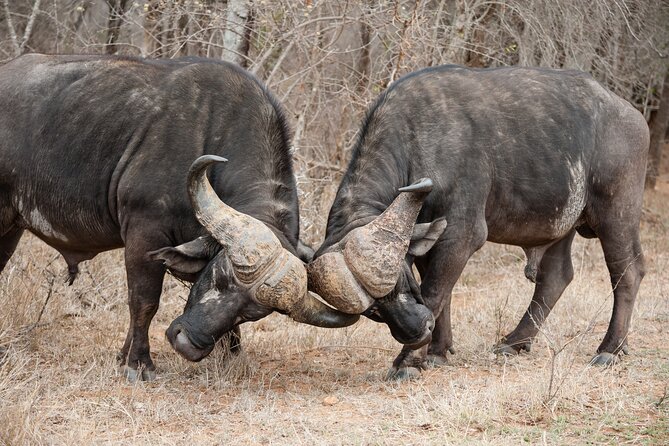
Safari vehicles cover rough roads, long distances, and early starts. The driver is not simply taking you from one camp to another. The guide watches for movement, reads animal behavior, shares information, and decides how long to remain at a sighting.
The strongest praise for this experience centers on guides who spot animals before passengers do. Assad is described as a skilled driver-guide who found lions, cheetahs, leopards, and black rhinos. David is described as experienced with animal and plant life, while Mike is praised for his work during a three-day trip.
That does not mean every departure will be identical. Guides can change, and wildlife conditions change even faster. I would ask the operator to confirm your guide’s name, the vehicle arrangement, and the group size before departure.
The chef is another important part of the setup. The food is described as a highlight, with meals prepared throughout the safari rather than relying only on basic packed provisions. That support is particularly valuable when you are camping and spending most of the day outdoors.
Who should book this safari?
This trip suits you if you want to see two major Tanzanian parks in a short period and do not mind early mornings, long drives, and camping. It is also a good match if you value a small group, an included chef, and a guide who can focus on animal spotting.
It works well for first-time safari visitors who want the big highlights without arranging park fees, camping equipment, meals, and transfers separately. The strong animal list, including occasional big five sightings, makes it appealing for anyone with a short wish list.
You should think twice if you need a slower itinerary. The eight-hour first-day transfer and the demanding final day leave limited room for rest. The trip also may not suit you if you want luxury accommodation, private bathrooms, or a lodge-based safari.
Families and older participants should consider the early starts and camping conditions carefully. The information says most people can participate, but it does not give a detailed accessibility assessment or specific age guidance. Ask direct questions if you have mobility, medical, or sleeping needs.
Booking, cancellation, and practical checks
Pickup is offered, and confirmation is received at booking. The experience is available as a mobile ticket, and the stated maximum is six people.
You can cancel for a full refund up to 24 hours before the local start time. Changes made within 24 hours are not accepted, and a late cancellation is not refunded. The trip also requires a minimum number of participants, so if the operator cancels because that minimum is not reached, you should be offered another date or experience, or a full refund.
Before booking, I would confirm five things:
- Your exact pickup point and departure time
- The name of your guide
- The camping setup and what personal gear you need
- The airport transfer timing if you fly after the safari
- Whether the optional Maasai village visit fits your preferred schedule
These questions do not take long, and they help prevent the most common short-safari surprises.
Is this Serengeti and Ngorongoro safari worth it?
I would book this tour if my priority were maximum wildlife variety in three days at a clear, bundled price. The Serengeti and Ngorongoro Crater complement each other well, camping equipment and meals are included, and the small group keeps the experience more personal than a large coach-style outing.
I would not choose it for a restful holiday or a luxury safari. The road time is substantial, the schedule starts early, and two nights under canvas require a reasonable tolerance for basic conditions.
For the right person, this is a focused and good-value route. Book it for the parks, the chance of seeing an impressive range of animals, and the reported strength of guides such as Assad, David, and Mike. Just make sure you are ready for the long drives and active camping schedule that make the price possible.
FAQ
How long is the safari?
The experience lasts approximately three days, beginning in Arusha and returning to Arusha after the Ngorongoro Crater visit.
Which parks and protected areas are included?
The route includes Serengeti National Park and the Ngorongoro Conservation Area, including a game drive in the Ngorongoro Crater.
Is pickup available?
Yes. Pickup is offered, and the tour begins in Arusha, Tanzania.
What meals are included?
The package includes two breakfasts, three lunches, and two dinners.
Is camping equipment provided?
Yes. A tent, sleeping bag, and mattress are included for the two camping nights.
How many people can join the tour?
The maximum group size is six travelers.
Can I cancel for a full refund?
Yes. You can cancel at least 24 hours before the local start time for a full refund. Cancellations or changes made less than 24 hours before the start are not accepted for a refund.
More Safari in Arusha
- 7-Day Premium Luxury Tanzania Safari All-Inclusive
★ 5.0 · 426 reviews - 3-Day Classic Serengeti Safari
★ 5.0 · 263 reviews - 8 Days Great Wildebeest Calving Migration Safari from Arusha
★ 5.0 · 254 reviews - Group Safari 7 Days in Tanzania’s Main Parks
★ 5.0 · 240 reviews
More Ngorongoro Crater Tours in Arusha
- 5 Days Camping Tarangire, Serengeti & Ngorongoro crater & Visiting Maasai
★ 5.0 · 229 reviews - 4 Days Join Group tour Tarangire Serengeti and Ngorongoro crater
★ 5.0 · 219 reviews - 4-Day Safari from Arusha: Tarangire, Serengeti and Ngorongoro
★ 5.0 · 173 reviews - 2 Days Tarangire and Ngorongoro Group Camping Safari
★ 5.0 · 146 reviews
Just added around Arusha
- 8 Days Serengeti Migration safari★ 5.0 · 11 reviews
- tarangire, ngorongoro & lake manyara park 3 days private tour★ 5.0 · 11 reviews
- tarangire & ngorongoro 2 days tour★ 5.0 · 14 reviews
- Mt. Kilimanjaro: Shira plateau to Cathedral point 3872m Day hike★ 5.0 · 7 reviews
- serengeti, ngorongoro & tarangire 4 days private tour★ 5.0 · 18 reviews
- serengeti & ngorongoro 3 days private tour★ 5.0 · 15 reviews
- 2 Days Tanzania Midrange Group Join Safari★ 5.0 · 7 reviews
- climb the KILIMANJARO via Lemosho route★ 5.0 · 4 reviews
Serengeti Safaris, compared.

Serengeti Balloon Safari and authentic bush breakfast
Read our review →
3 Days Serengeti & Ngorongoro Group Camping Safari
Read our review →
5-Day Highlights mid-Range Crater, Serengeti, Tarangire
Read our review →


Private 6-Day Tarangire Manyara Crater and Serengeti with Mid-Range Lodges
Read our review →
5 Days Camping Tarangire, Serengeti & Ngorongoro crater & Visiting Maasai
Read our review →
4 Days Join Group tour Tarangire Serengeti and Ngorongoro crater
Read our review →Browse the lists this tour appears in