
Reviewed · SERENGETI SAFARIS
Arusha: 3-Day Serengeti & Ngorongoro Crater Big Five Safari
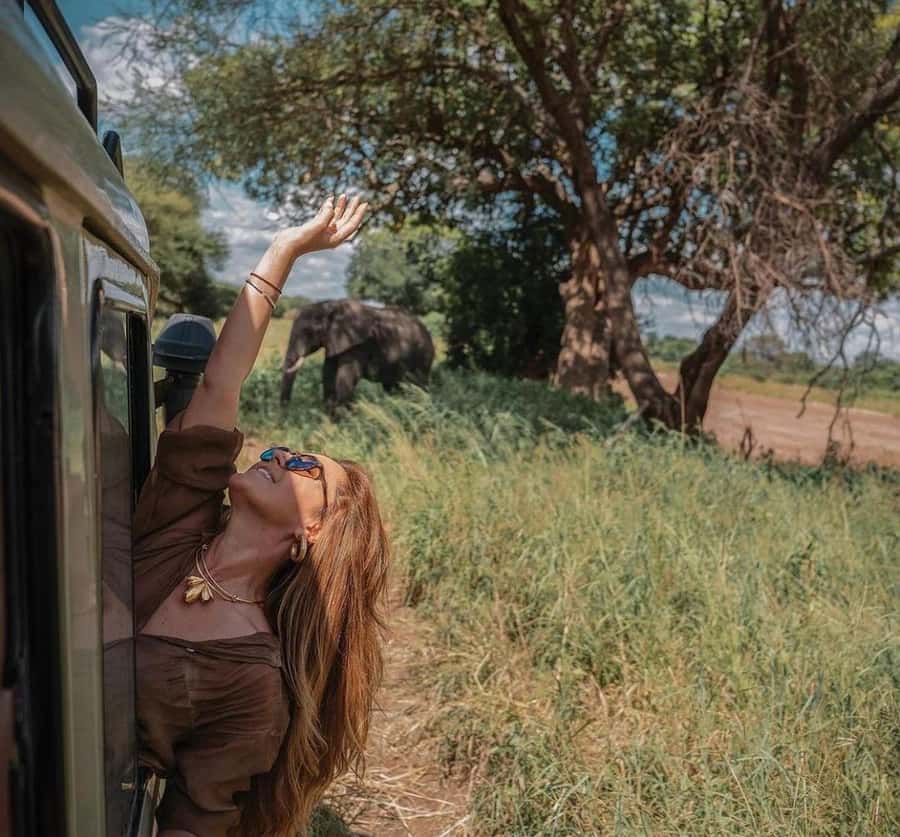
The best part of this three-day safari is the contrast: one day puts you on the wide Serengeti plains, while the next takes you down into Ngorongoro Crater, a compact wildlife world where lions, rhinos, elephants, zebras, and hippos may all appear before lunch. It is a short trip, but it reaches two of Tanzania’s biggest names.
I like the sunrise game drive on the second morning, when predators are active and the light is soft. I also like the choice between a mid-range lodge and a proper tented camp, where nighttime animal sounds add a little edge to dinner and sleep.
The tradeoff is the driving. The journey from Arusha to Serengeti takes about five hours, roads can be rough, and the three days are tightly packed. One serious safety report described a vehicle accident, although the company provided support and a refund. Ask about vehicle condition and driving standards before you go.
Key points to know before booking
- Two famous parks in three days: You see Serengeti National Park and Ngorongoro Crater without committing to a week-long safari.
- Big Five potential: The crater is especially strong for concentrated wildlife viewing, while Serengeti adds wide-open plains and moving herds.
- Early starts matter: Sunrise viewing gives you the best chance of seeing active predators and cooler conditions.
- Choose your sleep style: Mid-range lodge accommodation offers more comfort; public-campsite camping brings you closer to the sounds of the bush.
- Meals are part of the experience: Camping departures include a safari chef, and several guides have served fresh, well-liked meals.
- Pack light and warm: The limit is 10 kilograms per person, and nighttime temperatures can fall to about 5°C.
Why this three-day route works
This is a compact introduction to northern Tanzania’s safari circuit. You begin and end in Arusha, with park fees, transport, meals, water, accommodation, and a guide included in the $900 per-person price.
That price is not simply paying for a seat in a vehicle. It covers a 4×4 Toyota Land Cruiser with a pop-up roof, park entry and transit fees, crater service fees, two nights of accommodation, and full-board meals. Those fees can add up quickly on a self-organized trip, so the package offers solid value if you want the main costs handled in advance.
The catch is that three days leaves little room for wasted time. Long road transfers take up part of the first and second days, and wildlife sightings cannot be scheduled. You may see the Big Five, as several recent departures did, but no responsible guide can promise every animal.
Private and small-group departures are available. That matters here. A smaller group gives you a better chance of choosing where to pause, how long to watch an animal, and where to position the vehicle for photographs.
More Serengeti Safaris in Arusha
- Balloon Safari & Bush Breakfast in Serengeti – Miracle Experience
★ 5.0 · 1,646 reviews - 3 Days Serengeti & Ngorongoro Group Camping Safari
★ 5.0 · 574 reviews - 5-Day Highlights mid-Range Crater, Serengeti, Tarangire
★ 5.0 · 296 reviews
From Arusha through Mto wa Mbu and the Rift Valley
Pickup is offered from Arusha and several nearby locations, including Arusha Urban, Mto wa Mbu, Makuyuni, and Karatu. City-center hotels are the easiest choice for pickup. Hotels outside the central area can involve an extra charge, and airport transfers arranged on a different day also cost extra.
The first drive heads through the Great Rift Valley and the Ngorongoro Highlands. This is not just time spent getting from one park to another. The road gives you changing scenery, from cultivated areas and village life to higher, cooler country.
A stop at Mto wa Mbu adds a useful local pause. You get a brief look at village life and a chance to taste local produce before the long road west. It is a small part of the trip, but it helps connect the safari to the communities and daily life beyond the parks.
Expect roughly five hours in the Jeep or SUV on the first travel section. With a picnic lunch along the way, this is a full day before the first Serengeti game drive. Wear practical clothes, keep water within reach, and do not expect a relaxed hotel transfer.
Day one: entering Serengeti at Naabi Hill Gate
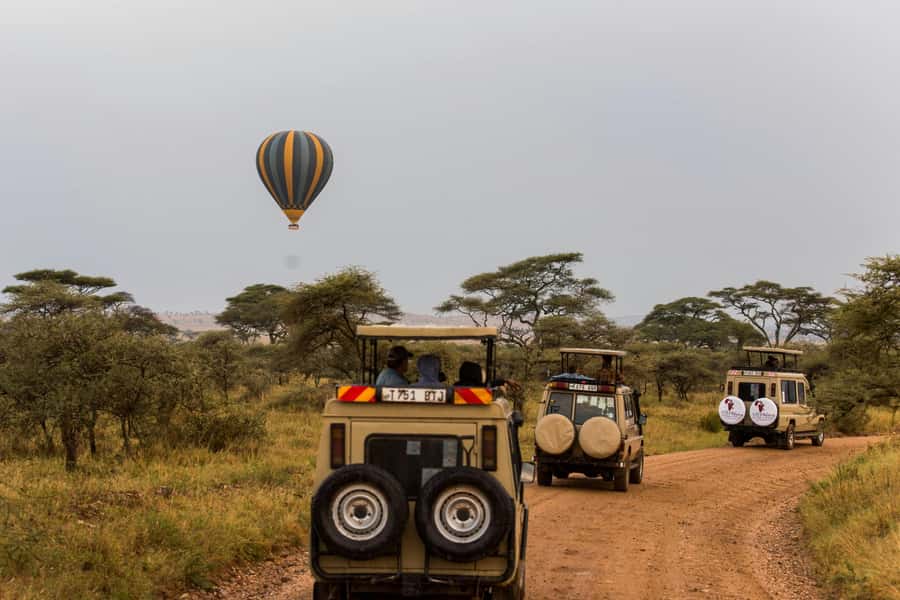
Naabi Hill Gate is the entry point for this route into Serengeti National Park. After the formalities and picnic stop, the vehicle heads into the park for the first game drive.
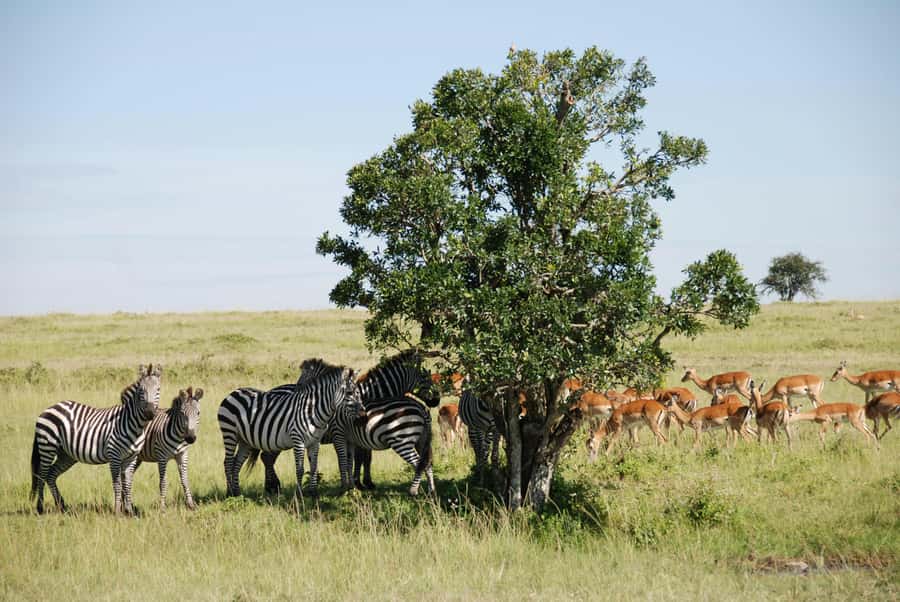
The Serengeti’s appeal is its scale. The plains seem to stretch without a clear end, and animals are not confined to a small viewing area. You might spot elephants, giraffes, lions, zebras, antelopes, and many other species during the first afternoon.
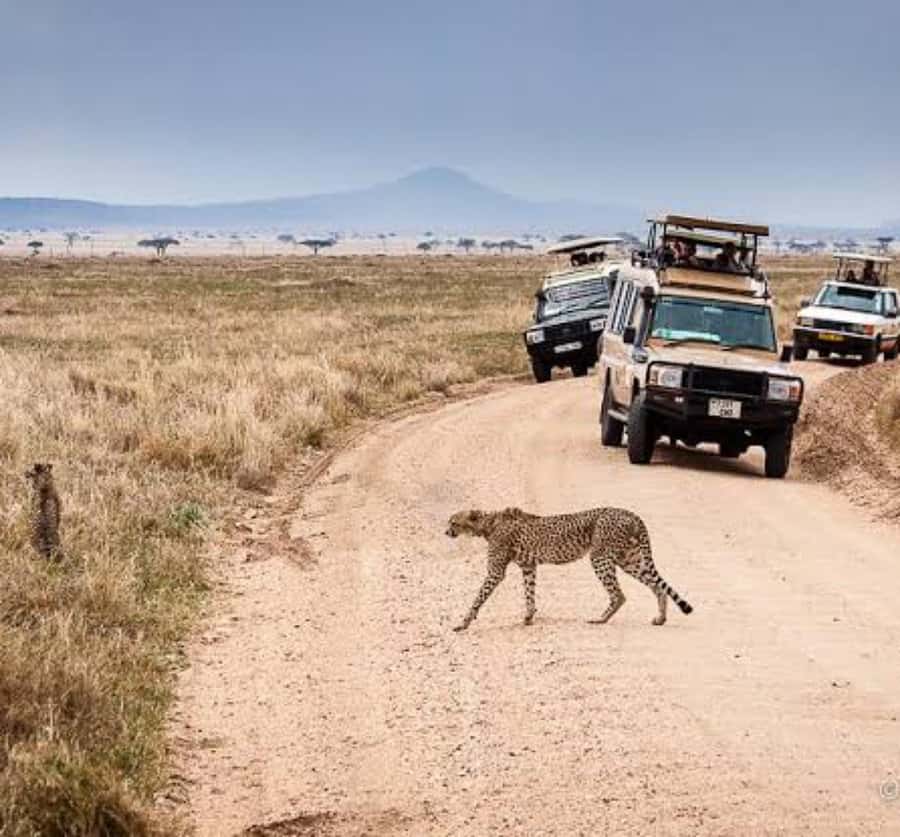
The pop-up roof is a practical feature, not a gimmick. It lets you stand for a clearer view and gives you a better angle for photographs than a closed vehicle. Bring binoculars if you have them. The guide carries one for people to share, but having your own saves time when an animal is far off.
Your guide is central to the quality of this day. Mike has been praised for explaining wildlife, nature, and Maasai culture, while Eric has been singled out for his friendly manner and strong animal knowledge. Savio has also been praised for calm driving on rough roads, and Nico for positioning the vehicle carefully for clear views.
Those names are useful, but you may be assigned a different guide. The important thing is to confirm who will lead your departure and to ask about the vehicle before setting off.
At night, you stay in a mid-range tented lodge such as Shuhudia Tented Lodge or Kumbukumbu Tented Lodge, or at Tumbili Public Campsite on the camping option. The lodge choice gives you a softer landing after a long day. Camping gives you a stronger sense of being out in the bush, with wildlife sounds nearby and rangers present for safety.
Day two: a Serengeti sunrise, then the Ngorongoro Highlands
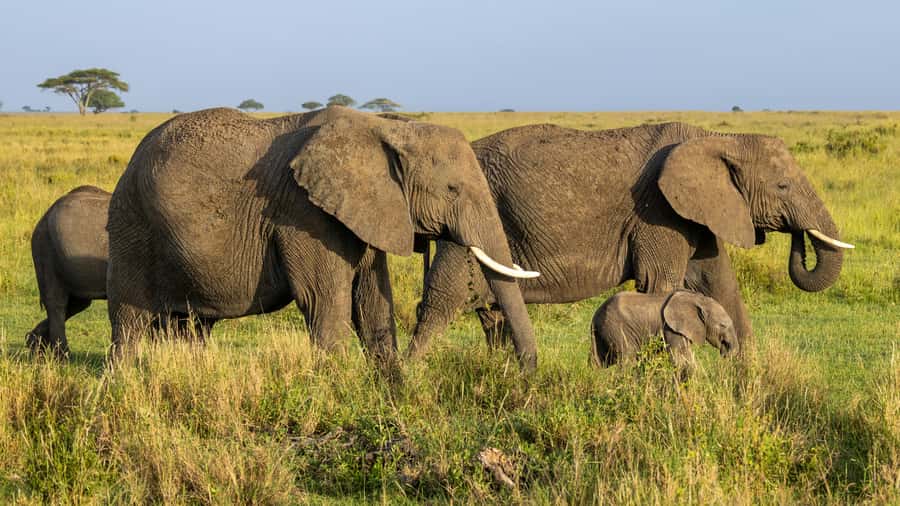
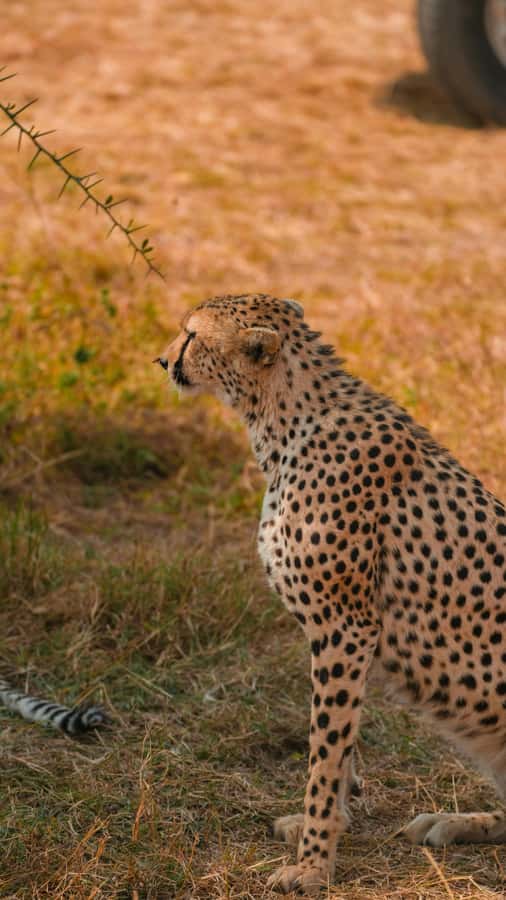
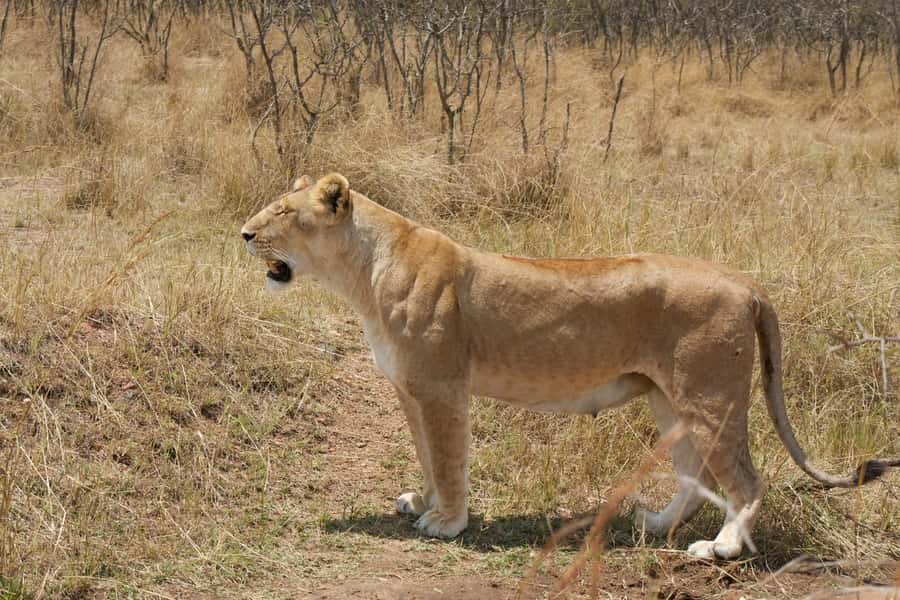
The early start is worth protecting. At sunrise, the park is cooler and predators may still be active. You could see a lion finishing a night hunt, prey animals gathering, or herds moving across the plains in the softer morning light.
Breakfast takes place in the park, followed by another morning game drive. This is your best chance to add sightings before leaving Serengeti. A short safari cannot cover the whole park, so the guide’s ability to read recent animal activity matters.
The trip then turns toward the Ngorongoro Conservation Area. The transfer is listed at about two hours for one section, though actual travel time can vary with stops, road conditions, and wildlife viewing. You get rolling hills, open savannah, and a picnic lunch along the way.
This transfer is one of the harder parts of the trip. You have already spent much of day one on the road, and the second day combines an early start, a game drive, another transfer, and an evening arrival. The reward is reaching the crater rim, where the setting changes sharply from open Serengeti plains to a dramatic volcanic basin below.
You spend the night at a crater-area lodge or tented camp, such as Ngorongoro Wild Tented Lodge or Ngorongoro Safari Lodge, or at Simba Public Campsite for the camping option. Ask exactly which accommodation applies to your booking. The names are examples, and similar properties may be substituted.
Camping is not luxury accommodation. You should expect tents, sleeping mattresses, and shared camping facilities rather than a private hotel room. The camping package includes tables, chairs, cooking gear, and a professional safari chef, which makes a major difference after a demanding day.
Same country, a completely different kind of safari:
- Tanzania Classic – 7 Days
★ 5.0 · 1,151 reviews - 4 Days Group Camping Safari
★ 5.0 · 1,101 reviews - 5 Days Group Camping Safari
★ 5.0 · 730 reviews - Materuni Waterfalls, coffee tour & Kikuletwa Hot Springs
★ 5.0 · 643 reviews
Day three: 600 meters down into Ngorongoro Crater
After breakfast, the vehicle descends about 600 meters into Ngorongoro Crater. The descent itself is part of the attraction, with views into the broad basin and its concentrated animal life.
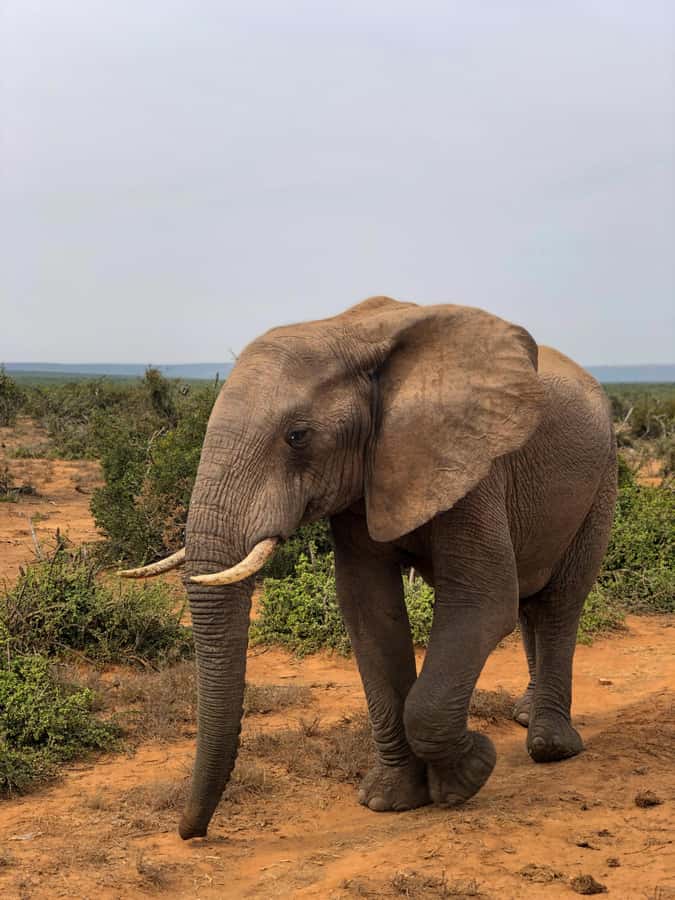
The crater is often called Africa’s Eden, and the nickname makes sense as a description of the setting. A relatively compact area can offer sightings of rhinos, lions, elephants, zebras, wildebeests, and hippos. If the missing member of your Big Five list is rhino, this is an especially promising place to look.
The crater does not guarantee a complete Big Five count. Animals move, weather changes, and sightings depend on luck and timing. Still, the combination of open ground, water, grazing animals, and experienced guides gives you a strong chance.
A scenic picnic lunch breaks up the morning drive. Keep food inside the vehicle unless your guide directs otherwise. Feeding animals is not allowed, and touching wildlife is strictly prohibited.
After the game drive, you climb out of the crater and return to Arusha. The final road section is listed at about three hours, with late-afternoon drop-off at an Arusha hotel or airport. If you have a same-day flight, confirm the timing carefully before booking. The tour gives an estimated arrival period, not a guaranteed transfer time.
Lodge comfort or public-campsite adventure
The accommodation choice changes the character of the safari more than the label mid-range might suggest.
A lodge or tented lodge is the better fit if you want a bed, a more predictable evening routine, and a place to recover from the long drives. You still sleep near protected areas, but the experience is less hands-on.
Camping is the more memorable choice for many people who want the sounds of the bush after dark. One recent departure included elephants, giraffes, and Cape buffalo near camp, and another described hearing wild animals at night while rangers helped maintain a sense of safety.
That closeness also requires a sensible attitude. You are not in a sealed city hotel. Follow the camp staff’s instructions, do not wander alone, and keep food and personal items where the crew tells you to place them.
Camping meals are a strength of this package. The chef prepares breakfast, lunch, and dinner, and lunch may be carried in large containers for a shared picnic rather than handed over as a basic boxed meal. Brightness, one of the chefs mentioned by name, received praise for preparing satisfying lunches and dinners.
The Land Cruiser, road conditions, and safety
The 4×4 Toyota Land Cruiser has a pop-up roof for viewing, but no safari vehicle can smooth out every road in northern Tanzania. Expect jolts, dust, and long stretches of sitting. The rough sections can be tiring, especially for anyone with back or neck problems.
The safest approach is to treat vehicle quality as a booking question, not a minor detail. Ask for confirmation that the Land Cruiser is well maintained, who will drive, and what emergency support is available. One departure involved a vehicle overturning on the first day, causing injuries. The operator offered assistance and a refund, but the incident is a serious reminder to ask direct safety questions.
Most of the named guides have been praised for careful driving and good judgment. Savio was specifically recognized for staying calm and driving safely despite rough roads. That is reassuring, but you should still wear the available seat belt and remain seated when the vehicle is moving.
The tour is listed as wheelchair accessible, though the rough roads, vehicle entry, and crater descent make it sensible to confirm your exact mobility needs in advance. It is not suitable for pregnant women.
What to pack for three days
The 10-kilogram luggage limit is strict enough to shape your packing. Use a soft duffel bag rather than a hard suitcase. Extra luggage can be left in a hotel storage room.
Bring:
- Neutral-colored clothing such as beige, green, or white
- A warm sweater, socks, and jacket
- Sunscreen and strong insect repellent
- Binoculars
- A towel and toilet paper
- Comfortable closed shoes
- A small day bag for the vehicle
Night temperatures can fall to about 5°C, especially around the crater highlands. Do not pack only for hot daytime weather.
Bright colors are discouraged, drones are not allowed, and you must not feed or touch animals. Travel, accident, and medical insurance are not included, so arrange those before departure.
Is $900 a fair price?
For two nights, two major protected areas, a private or small-group option, full-board meals, park and crater fees, a Land Cruiser, and an English-speaking guide, $900 per person is a reasonable package price.
The value is strongest if you are already in Arusha and want a concentrated safari without arranging every permit and transfer yourself. Park fees and the crater service charge are significant costs, and the package includes them.
The value is weaker if you dislike long road journeys or want several days in one park. A longer safari would give you more time to wait for unusual sightings and reduce the pressure to see everything in a short window.
A hot-air balloon safari is optional and costs $530 per person. That is a major extra, not a small add-on, so budget for it only if the experience is a priority.
Who should book this safari?
I would choose this trip if you have three days, want the strongest possible introduction to northern Tanzania, and accept early mornings and rough roads. It suits first-time safari visitors, wildlife photographers on a tight schedule, and people who want to combine Serengeti’s broad plains with Ngorongoro’s concentrated animal viewing.
Camping is best for you if you enjoy simple comforts and want to hear the bush at night. Choose the lodge option if rest, warmth, and a more settled evening matter more than closeness to the outdoors.
I would hesitate if you need a slow pace, dislike long drives, are pregnant, or cannot tolerate uncertain wildlife sightings. I would also ask detailed safety questions before paying, given the reported vehicle accident.
The company offers free cancellation up to 24 hours before departure and lets you reserve now and pay later. That flexibility helps, but it does not replace travel insurance or a careful check of pickup times and accommodation.
Should you book the Serengeti and Ngorongoro three-day safari?
Book it if you want a serious wildlife experience in a short window and you are comfortable with a packed schedule. The sunrise Serengeti drive, the crater descent, fresh safari cooking, and chance to see all five headline animals give this trip real substance.
Before booking, confirm your guide, vehicle condition, accommodation type, luggage arrangements, and final pickup location. If those details are clear, the $900 price can buy an efficient and memorable introduction to Tanzania’s northern parks. Just keep your expectations realistic: the roads are rough, the days are long, and nature sets the timetable.
FAQ
How long is the safari?
The safari lasts three days and begins and ends in Arusha.
Which parks and conservation areas are included?
The trip includes Serengeti National Park and the Ngorongoro Conservation Area, including a game drive inside Ngorongoro Crater.
Is pickup from my hotel included?
Pickup and drop-off at hotels in Arusha town are included. Hotels outside the city center may involve an additional cost.
What vehicle is used?
Transport is provided in a 4×4 Toyota Land Cruiser with a pop-up roof.
Is a guide included?
Yes. The safari includes a professional English-speaking safari driver-guide. Guides named on recent departures include Mike, Eric, Savio, and Nico, though the assigned guide may vary.
Are meals included?
Yes. Breakfast, lunch, dinner, and bottled drinking water are included during the safari. Camping departures also include a professional safari chef.
Where do I sleep?
The mid-range option includes two nights in selected lodges or tented lodges. The camping option uses tents with sleeping mattresses and public campsites.
How much luggage can I bring?
The luggage limit is 10 kilograms per person. Soft duffel bags are recommended, and extra luggage can be stored at a hotel.
Is the safari suitable for pregnant women?
No. The experience is listed as not suitable for pregnant women.
Can I cancel the booking?
You can cancel up to 24 hours in advance for a full refund. The activity also offers a reserve-now, pay-later option.
More Safari in Arusha
- 7-Day Premium Luxury Tanzania Safari All-Inclusive
★ 5.0 · 426 reviews - 3-Day Classic Serengeti Safari
★ 5.0 · 263 reviews - 8 Days Great Wildebeest Calving Migration Safari from Arusha
★ 5.0 · 254 reviews - Group Safari 7 Days in Tanzania’s Main Parks
★ 5.0 · 240 reviews
More Ngorongoro Crater Tours in Arusha
- 5 Days Camping Tarangire, Serengeti & Ngorongoro crater & Visiting Maasai
★ 5.0 · 229 reviews - 4 Days Join Group tour Tarangire Serengeti and Ngorongoro crater
★ 5.0 · 219 reviews - 4-Day Safari from Arusha: Tarangire, Serengeti and Ngorongoro
★ 5.0 · 173 reviews - 2 Days Tarangire and Ngorongoro Group Camping Safari
★ 5.0 · 146 reviews
Just added around Arusha
- 8 Days Serengeti Migration safari★ 5.0 · 11 reviews
- tarangire, ngorongoro & lake manyara park 3 days private tour★ 5.0 · 11 reviews
- tarangire & ngorongoro 2 days tour★ 5.0 · 14 reviews
- serengeti, ngorongoro & tarangire 4 days private tour★ 5.0 · 18 reviews
- serengeti & ngorongoro 3 days private tour★ 5.0 · 15 reviews
- Mt. Kilimanjaro: Shira plateau to Cathedral point 3872m Day hike★ 5.0 · 7 reviews
- 2 Days Tanzania Midrange Group Join Safari★ 5.0 · 7 reviews
- climb the KILIMANJARO via Lemosho route★ 5.0 · 4 reviews
Serengeti Safaris, compared.

Serengeti Balloon Safari and authentic bush breakfast
Read our review →
3 Days Serengeti & Ngorongoro Group Camping Safari
Read our review →
5-Day Highlights mid-Range Crater, Serengeti, Tarangire
Read our review →


Private 6-Day Tarangire Manyara Crater and Serengeti with Mid-Range Lodges
Read our review →
5 Days Camping Tarangire, Serengeti & Ngorongoro crater & Visiting Maasai
Read our review →
4 Days Join Group tour Tarangire Serengeti and Ngorongoro crater
Read our review →Browse the lists this tour appears in