
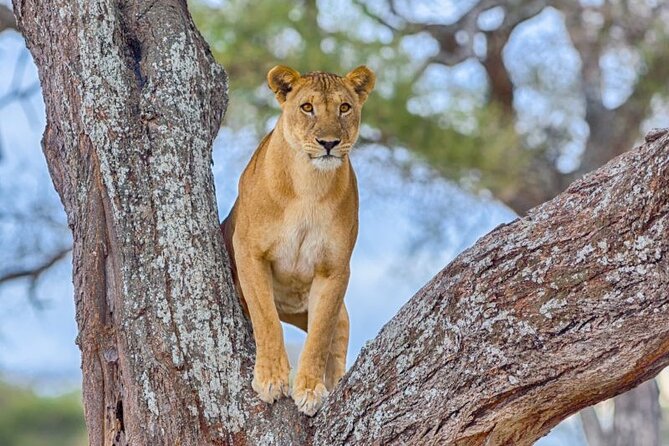
Reviewed · SERENGETI SAFARIS
3 Days Safari to Serengeti National Park & Ngorongoro Crater in Tanzania
The real prize here is the contrast: the wide-open Serengeti gives you long game drives among lions, cheetahs, zebras, and wildebeest, while Ngorongoro Crater packs an astonishing range of wildlife into one enormous volcanic bowl. Olduvai Gorge adds a human story to the animal spectacle, with archaeological discoveries tied to the study of human evolution.
I like the private, custom-built 4×4, since good viewing depends on a clear window, a raised seat, and a driver who can pause when something interesting appears. I also like the small maximum of seven people, along with camping equipment, park fees, meals, fuel, and an English-speaking guide included in the $1,200 price. The main caution is the pace: three days means long road transfers, early starts, and only a short taste of two major parks.
The essential points at a glance
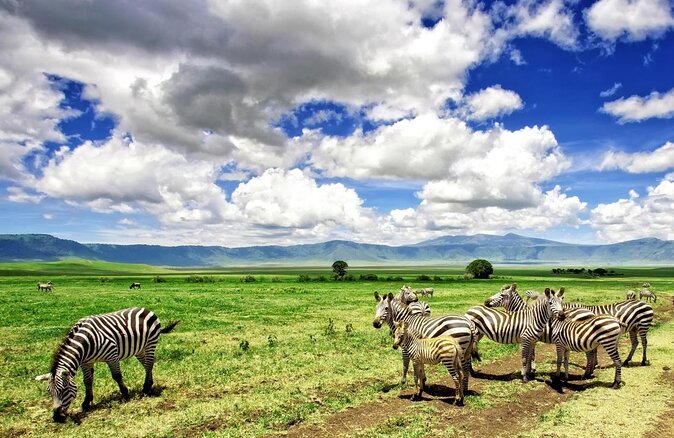
- Two famous protected areas in three days: Spend time in Serengeti National Park and descend into Ngorongoro Crater, both UNESCO World Heritage locations.
- Private 4×4 viewing: A custom safari vehicle gives you a better chance of seeing animals from several sides and photographing without a crowded cabin.
- Early starts matter: Day two begins around 6:00 a.m., and game viewing is built around the cooler morning hours.
- Olduvai Gorge adds depth: A small museum explains archaeological discoveries connected with Louis and Mary Leakey.
- Camping keeps the price reasonable: Tents, sleeping mats, camping furniture, meals, park fees, fuel, and guiding are included.
- Good but not guaranteed wildlife: Lions, elephants, buffalo, zebras, cheetahs, and other animals are possible, while black rhino sightings are never something to count on.
Why this three-day route works
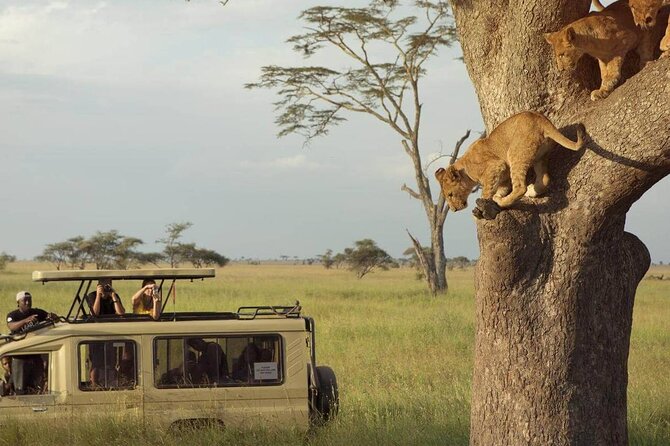
This is a short safari with a big ambition. Starting in Arusha, you head toward Serengeti National Park, then work your way toward Ngorongoro Crater before returning to the meeting point in Arusha. The route gives you the classic northern Tanzania pairing: open grasslands first, volcanic scenery second.
Serengeti National Park covers about 14,763 square kilometers, or 5,700 square miles. That size matters. You are not visiting a small animal enclosure where everything appears on schedule. You are entering a huge protected area where sightings depend on the season, recent animal movement, weather, and your guide’s ability to read the surroundings.
That uncertainty is part of the point, though it can test your patience. One hour may bring a group of zebras, and the next may bring nothing but grass, sky, and distant hills. Then a lion may appear beside the road with no warning. The open vehicle and long viewing time give you the best chance to enjoy those sudden moments.
The tour costs $1,200 per person. That is a serious sum, but the price includes major expenses: national park fees, fuel, a private custom-built 4×4, an English-speaking guide, camping equipment, two breakfasts, two lunches, and two dinners. International flights, a Tanzanian visa, insurance, tips, laundry, and communication costs are extra.
For a private three-day safari, those inclusions make the price easier to understand. You are paying not only for entry to the parks, but also for transport across long distances, campsite gear, meals, and a guide who handles the route. Still, compare the camping setup carefully with lodge-based safaris before booking. This is a practical, outdoors-focused trip, not a luxury stay.
More Serengeti Safaris in Arusha
- Balloon Safari & Bush Breakfast in Serengeti – Miracle Experience
★ 5.0 · 1,646 reviews - 3 Days Serengeti & Ngorongoro Group Camping Safari
★ 5.0 · 574 reviews - 5-Day Highlights mid-Range Crater, Serengeti, Tarangire
★ 5.0 · 296 reviews
Day one, the long road to Serengeti
The first morning starts early. Breakfast is planned for around 6:00 a.m., followed by hotel pickup at approximately 7:00 a.m. You travel with a picnic lunch, making this a full day rather than a gentle afternoon introduction.
The road transfer is an important part of the experience. The itinerary gives about nine hours to Serengeti National Park, including travel and game viewing. You should expect a long day in the vehicle, but the reward is the first sight of the park’s enormous open country.
The Serengeti is famous for lions, and the animal list here is impressive: leopard, elephant, cheetah, buffalo, zebra, wildebeest, eland, African wild dog, gazelles, crocodiles, and more. You might see several species in one outing, but you should not treat the list as a promise. Wildlife moves freely, and no ethical safari can guarantee a particular sighting.
The custom 4×4 is especially useful on this first day. A raised position helps you scan the grassland, and a private vehicle means the day can focus on your group’s interests. If you are photographing, bring patience rather than expecting constant close-ups. A guide may stop for a distant herd, a bird, tracks, or a predator lying low in the grass.
Families can do well on this safari, especially if children are excited by animals and can manage early mornings. The first sight of a pride of lions or a large group of zebras can be thrilling. The drawback is that a nine-hour opening day may feel long for younger children, particularly after a flight or a night with little sleep.
Day two, morning animals and Olduvai Gorge
Day two begins at about 6:00 a.m. with an early morning game drive. The schedule then calls for a return to camp around 9:00 a.m. for breakfast, followed by more driving and wildlife viewing toward Ngorongoro Crater.
This early section is one of the strongest parts of the program. Morning is a sensible time to search for animals because the itinerary is built around the first cool hours of the day. You may see wildebeest and zebras close to lions, while leopards and cheetahs are also possible. The value is not just the number of species, but the chance to watch how different animals share the same space.
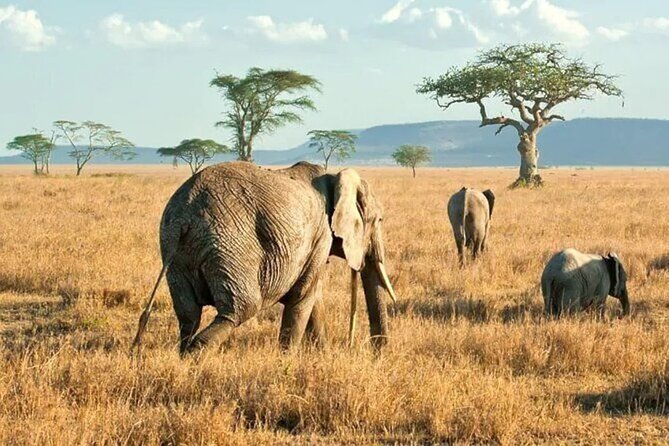
The safari also includes information about elephants and their life stages. That may sound like a small detail, but it can change the way you look at a herd. Instead of seeing only a group of large animals, you begin to notice size, age, behavior, and the relationship between adults and younger elephants.
At some point on the route, you may pass Olduvai Gorge. A small museum explains archaeological work connected with Louis and Mary Leakey and discoveries related to early human evolution. This stop gives the safari a second subject beyond wildlife. Tanzania is not only a place to watch animals; it is also a place connected with the long story of humanity.
The museum is not presented as a long museum visit, so keep your expectations measured. It is a useful historical pause during a demanding driving day, rather than a full archaeological tour. If human origins interest you, the stop adds real value. If your priority is wildlife alone, you may see it as a brief interruption.
After lunch, you continue with game viewing along the route toward the Ngorongoro Crater rim. The day is listed at about eight hours, but road conditions, animal sightings, and stops can affect the timing. You should be ready for another full day in the vehicle.
Camping is part of the appeal here. Equipment includes tents, sleeping mats, and camping furniture, with dinners and breakfasts provided. The setup keeps the trip closer to the outdoors and helps hold down the cost, but you should choose it only if you are comfortable with basic camp life. The supplied information does not promise private bathrooms, lodge rooms, or luxury facilities, so ask for current campsite details before paying.
Day three, descending into Ngorongoro Crater
The final morning starts with breakfast around 7:00 a.m., followed by the descent into Ngorongoro Crater. The crater measures about 19.2 kilometers across, reaches roughly 610 meters deep, and covers about 304 square kilometers.
From the rim, the crater’s scale is the first thing you notice. The walls drop around a broad floor where grassland, water, woodland, and open areas create good conditions for many animals. This is a very different setting from the far-reaching Serengeti. Instead of scanning an immense plain, you are looking into a natural bowl with wildlife concentrated below.
The crater is home to the Big Five: rhinoceros, lion, leopard, buffalo, and elephant. You may also see other mammals and birds, including flamingos around the soda lake, geese, storks, and vultures. The possibility of black rhino is one of the tour’s major draws, but the sighting remains a matter of luck and timing.
The Ngoitoktok Spring picnic site is scheduled as the lunch break. Fresh water and a soda lake help explain why the crater supports so much life. The setting also makes the stop more than a simple meal break, though you should follow your guide’s instructions closely around wildlife and never wander away from the designated area.
The crater portion lasts about six hours. That gives you a useful morning and early afternoon, but it is not an exhaustive exploration of every corner. You may see elephants, buffalo, lions, or rhino in a compact area, yet the roads can be busy and some animals may be far from the vehicle.
A crater visit can feel more predictable than the Serengeti because the animals live within a contained natural area. Still, the crater is not a zoo. Leopards can remain hidden, rhinos can be distant, and animal behavior cannot be ordered up for a photograph. The best approach is to appreciate the variety of the setting as much as any single sighting.
Same country, a completely different kind of safari:
- Tanzania Classic – 7 Days
★ 5.0 · 1,151 reviews - 4 Days Group Camping Safari
★ 5.0 · 1,101 reviews - 5 Days Group Camping Safari
★ 5.0 · 730 reviews - Materuni Waterfalls, coffee tour & Kikuletwa Hot Springs
★ 5.0 · 643 reviews
What the guide and vehicle add
A safari guide does more than point at animals. The guide helps you understand behavior, identifies species, watches the road, and decides when a stop is worthwhile. Several guides associated with this operation, including Albert, Bryson, Frankie, Ismael, Joel, Jordan, and others, have been praised for safe driving, animal knowledge, and efforts to find good viewing positions.
Because the exact guide is not guaranteed in the supplied details, I would treat those names as examples rather than promises. The important question is whether your assigned driver is also your guide and whether the vehicle is genuinely private for your booking.
The maximum group size is seven. That is small enough to keep the cabin from feeling packed, though seven people plus luggage can still feel close during long drives. A private vehicle gives you more control than a shared safari, especially when you want to spend longer at a sighting or ask more questions.
Bring a camera with a useful zoom, spare batteries, and a way to protect equipment from dust. The tour does not list camera gear, binoculars, or personal drinks among the inclusions, so plan those items yourself.
Food, camping, and what the price really covers
Two breakfasts, two lunches, and two dinners are included, with picnic lunches used during the park days. Food is a meaningful part of a camping safari because you spend long hours away from town. Past trips with this operator have been especially praised for generous meals and cooks who kept groups well fed.
That does not turn the safari into a food tour, but it does improve the basic camp experience. Ask before departure how water, special diets, and snacks are handled, since those details are not specified here.
Camping equipment includes tents, sleeping mats, and camping furniture. National park fees and fuel are also covered, which is helpful because those charges can otherwise make a low advertised price look less attractive.
Tips and personal expenses are not included. Neither are international flights, the Tanzanian visa, travel insurance, laundry, or communication. Add those costs before deciding if $1,200 fits your full trip budget.
Who should book this safari
I would recommend this trip to someone with limited time who wants the essential northern Tanzania experience without arranging several separate transfers. You get Serengeti, Ngorongoro, Olduvai Gorge, camping, meals, and a private vehicle in one compact package.
It also suits families who want a first safari and couples or friends who prefer a small group. The positive accounts include children excited by lions and zebras, as well as adults pleased with the food, organization, and guiding.
I would think twice if you dislike early starts, bumpy roads, long drives, or camping. Three days is enough for a strong introduction, but not enough for a relaxed, slow safari. If you want several days in one park, a lodge stay, or more time to wait quietly at sightings, a longer itinerary may suit you better.
The activity is offered from Arusha, with pickup available, and ends back at the meeting point. Confirmation is provided at booking, and most people can participate. The schedule information is oddly narrow, listing Monday from 12:00 a.m. to 1:30 a.m. for the operating period, so confirm your exact pickup time and date directly before finalizing plans.
Should you book the Serengeti and Ngorongoro trip?
Book it if you want a compact, private camping safari with the two headline destinations of northern Tanzania and you accept that wildlife viewing takes patience. The combination of Serengeti’s scale, Ngorongoro’s concentrated animal life, and Olduvai Gorge gives the trip more range than a simple game-drive package.
I would choose it for value, especially because park fees, fuel, equipment, meals, and guiding are included. I would not choose it for luxury, a slow pace, or guaranteed black rhino sightings.
The 97 percent recommendation rate and 4.9 rating from 34 submitted ratings point to a well-liked operation, with repeated praise for guides, safe driving, organization, and food. Make the call based on your tolerance for long days and camping. If that sounds like part of the adventure rather than a hardship, this is a strong three-day introduction to Tanzania’s most famous wildlife country.
Cancellation is free when you cancel at least 24 hours before the start time. Cancellations or changes made less than 24 hours ahead are not accepted for a refund.
FAQ
Where does the safari start and finish?
The safari starts in Arusha, Tanzania, with pickup offered. The activity ends back at the meeting point.
How long is the safari?
The experience lasts approximately three days.
Which parks and sites are included?
The route includes Serengeti National Park, Ngorongoro Crater, and a pass by Olduvai Gorge with a museum documenting archaeological discoveries related to human evolution.
Is the vehicle private?
The tour includes a private, custom-built 4×4 safari vehicle with a driver and guide. The stated maximum is seven participants.
Is camping included?
Yes. Tents, sleeping mats, camping furniture, and other camping equipment are included.
Are meals included?
Yes. The package includes breakfast, two lunches, and two dinners as specified in the inclusions.
Are park fees included?
Yes. National park fees and fuel for the safari vehicle are included.
What is not included in the price?
International flights, a Tanzanian visa, travel insurance, tips, laundry, communication, and personal expenses are not included.
More Safari in Arusha
- 7-Day Premium Luxury Tanzania Safari All-Inclusive
★ 5.0 · 426 reviews - 3-Day Classic Serengeti Safari
★ 5.0 · 263 reviews - 8 Days Great Wildebeest Calving Migration Safari from Arusha
★ 5.0 · 254 reviews - Group Safari 7 Days in Tanzania’s Main Parks
★ 5.0 · 240 reviews
More Ngorongoro Crater Tours in Arusha
- 5 Days Camping Tarangire, Serengeti & Ngorongoro crater & Visiting Maasai
★ 5.0 · 229 reviews - 4 Days Join Group tour Tarangire Serengeti and Ngorongoro crater
★ 5.0 · 219 reviews - 4-Day Safari from Arusha: Tarangire, Serengeti and Ngorongoro
★ 5.0 · 173 reviews - 2 Days Tarangire and Ngorongoro Group Camping Safari
★ 5.0 · 146 reviews
Just added around Arusha
- 8 Days Serengeti Migration safari★ 5.0 · 11 reviews
- tarangire, ngorongoro & lake manyara park 3 days private tour★ 5.0 · 11 reviews
- tarangire & ngorongoro 2 days tour★ 5.0 · 14 reviews
- Mt. Kilimanjaro: Shira plateau to Cathedral point 3872m Day hike★ 5.0 · 7 reviews
- serengeti, ngorongoro & tarangire 4 days private tour★ 5.0 · 18 reviews
- serengeti & ngorongoro 3 days private tour★ 5.0 · 15 reviews
- 2 Days Tanzania Midrange Group Join Safari★ 5.0 · 7 reviews
- climb the KILIMANJARO via Lemosho route★ 5.0 · 4 reviews
Serengeti Safaris, compared.

Serengeti Balloon Safari and authentic bush breakfast
Read our review →
3 Days Serengeti & Ngorongoro Group Camping Safari
Read our review →
5-Day Highlights mid-Range Crater, Serengeti, Tarangire
Read our review →


Private 6-Day Tarangire Manyara Crater and Serengeti with Mid-Range Lodges
Read our review →
5 Days Camping Tarangire, Serengeti & Ngorongoro crater & Visiting Maasai
Read our review →
4 Days Join Group tour Tarangire Serengeti and Ngorongoro crater
Read our review →Browse the lists this tour appears in