
Reviewed · SERENGETI SAFARIS
3 Days of Camping Bliss in Serengeti and Ngorongoro Crater
A safari that combines two of Tanzania’s greatest wildlife areas in only three days gives you a lot for your time and money. You’ll spend two nights camping, search the Serengeti for lions and cheetahs, then enter Ngorongoro Crater for a close look at one of Africa’s best-known wildlife settings.
I like the small maximum group of seven, which leaves more room around the Landcruiser windows and makes the long drives easier. I also like that a guide and safari cook travel with you, so meals, tents, mattresses, and basic camping gear are already handled.
The main drawback is the pace. Arusha, Serengeti, and Ngorongoro cover a large area, so some of your three days will be spent on the road. This is a strong short safari, but not a leisurely one.
Key points to know before booking
- Two full wildlife areas in three days: You visit the Serengeti and Ngorongoro Crater rather than staying in only one park.
- Small group of up to seven: The Toyota Landcruiser has seven window seats, useful for viewing and photography.
- Camping is included: Tents, sleeping bags, mattresses, and camping equipment are provided.
- A cook travels with you: Two breakfasts, two dinners, three lunches, and bottled water are included.
- Big Five possibilities: Lions, elephants, cheetahs, leopards, hippos, and black rhinos are among the animals you may seek.
- Flexible safari style: Guides connected with Pinnacle Adventures, including Joshya and Frazier, have been praised for animal knowledge, planning, and adjusting schedules to suit a group’s wish list.
Why this three-day route works
This trip is built for you if you want a first taste of northern Tanzania without committing to a week-long safari. The route links the wide-open Serengeti with the compact wildlife theater of Ngorongoro Crater. Those places feel very different, and that contrast is one of the trip’s strengths.
The Serengeti gives you broad views and moving wildlife. You may spend time searching across open grassland, then find the action near acacia trees, river areas, or seasonal migration routes. Ngorongoro offers a more concentrated setting. Once you descend into the crater, animals are often easier to look for because the roads and wildlife viewing area are contained within the crater floor.
The trip costs $840 per person. That is not a bare-bones park visit. The price includes park-related fees and taxes, a 4×4 Toyota Landcruiser with a pop-up roof, an English-speaking guide, a safari cook, camping equipment, bottled water, and all listed meals. For a short safari, having the vehicle, crew, food, and sleeping arrangements organized in one package is useful.
You still need to budget for flights, visas, insurance, drinks, souvenirs, personal items, and accommodation before or after the safari. Airport pickup and drop-off are also excluded. Accommodation in Arusha can be arranged for an extra charge, but it is not part of the $840 price.
More Serengeti Safaris in Arusha
- Balloon Safari & Bush Breakfast in Serengeti – Miracle Experience
★ 5.0 · 1,646 reviews - 3 Days Serengeti & Ngorongoro Group Camping Safari
★ 5.0 · 574 reviews - 5-Day Highlights mid-Range Crater, Serengeti, Tarangire
★ 5.0 · 296 reviews
Day one: the long road from Arusha to the Serengeti
Your day begins with an early pickup in Arusha. The route passes through the Great Rift Valley and changing scenery before reaching Serengeti National Park. The drive is part of the experience, but it is also the first reality check: northern Tanzania is vast, and getting to the Serengeti takes time.
An afternoon game drive begins after arrival. That timing gives you a first chance to see animals without waiting until the next morning, though your exact viewing time depends on road conditions and the day’s drive from Arusha.
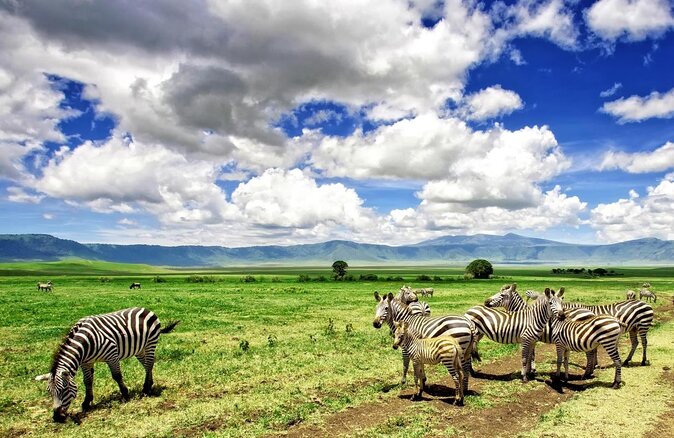
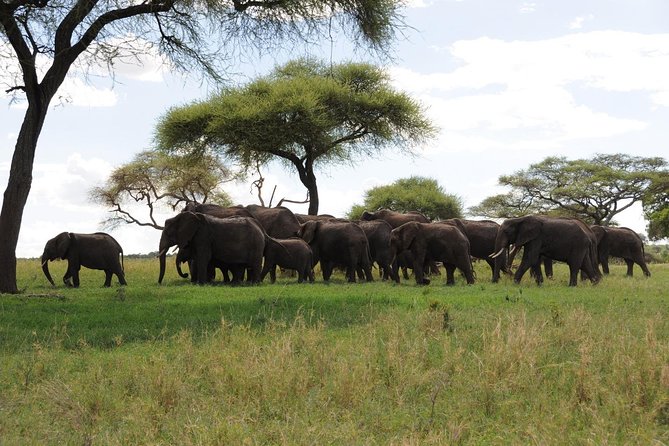
The Serengeti is famous for its open plains, but it is not all one kind of scenery. You may pass grassland, acacia woodland, and river valleys, each supporting different animals. Lions and elephants are possible, along with giraffes and other large mammals. If your dates line up with the Great Migration, you may also see large herds moving through the park.
Migration timing matters. The description correctly treats it as seasonal rather than guaranteed. The Serengeti is worthwhile outside migration periods too, but you should not book this trip on the assumption that a specific herd crossing will happen during your three days.
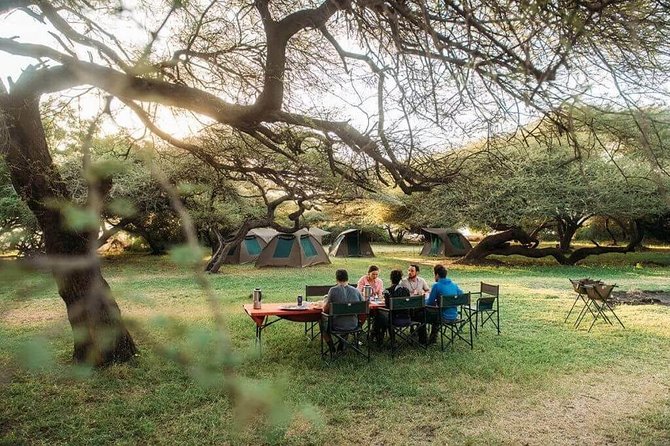
At the end of the afternoon, you head to a central Serengeti campsite. Dinner is prepared by the safari cook, and you sleep in a tent with the supplied sleeping bag, mattress, and camping equipment. Camping here means you are close to the sounds of the park, rather than tucked away in a lodge with solid walls and hotel-style services.
That is the charm, but it also calls for the right attitude. You are choosing a practical wilderness camp, not a luxury tented camp. The supplied equipment makes the arrangement simpler, yet you should still expect a basic outdoor night.
Day two: a full Serengeti wildlife search
Day two is the heart of the safari. After breakfast, you spend the day on game drives across the Serengeti, with a picnic lunch along the way. The six-hour estimate gives you a rough sense of driving and viewing time, although the actual rhythm can change when animals appear.
This is the day when your guide’s judgment matters most. A good safari guide does more than point out an animal. The guide watches the terrain, reads the movement of other vehicles, and helps decide when to stay with a sighting and when to move on. Names associated with the operator include Joshya, who has been singled out for strong animal knowledge, and Frazier, who has been praised for turning a wish list into a workable route.
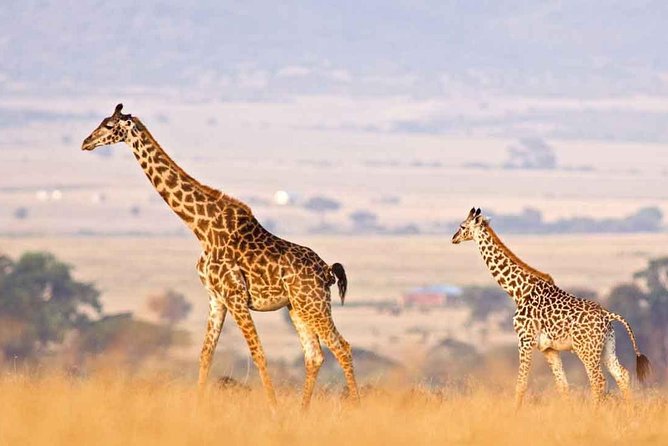
You may look for zebras, wildebeests, cheetahs, leopards, lions, elephants, and giraffes. Birdlife is also part of the day, though the large mammals tend to get most of the attention. The possibility of seeing the Big Five adds excitement, but no ethical safari can promise every animal. Treat the list as a target, not a guarantee.
Predator sightings can be especially dramatic during the migration season, when large numbers of grazing animals attract lions and other hunters. Still, nature sets the schedule. Some drives produce a string of sightings, while others reward patience with one excellent encounter.
The pop-up roof is an important feature of the vehicle. It lets you stand for a better view while keeping you sheltered inside the 4×4. Seven window seats match the stated maximum group size, so the vehicle is designed for a full small group rather than a private couple. If you are traveling alone, this can help keep the price below that of a private safari. If you want a completely private vehicle, confirm that arrangement before booking.
A picnic lunch keeps the day moving. You do not return to a lodge midday, so the schedule gives you more time in the park. The tradeoff is comfort: you are eating outdoors and spending much of the day in a moving safari vehicle.
By late afternoon, the Serengeti often looks its best in the softer light. The itinerary allows game viewing into the afternoon, followed by another night at the campsite. Two nights of camping keep the trip affordable, but you should pack with outdoor conditions in mind and avoid bringing unnecessary luggage.
Day three: Ngorongoro Crater’s concentrated wildlife
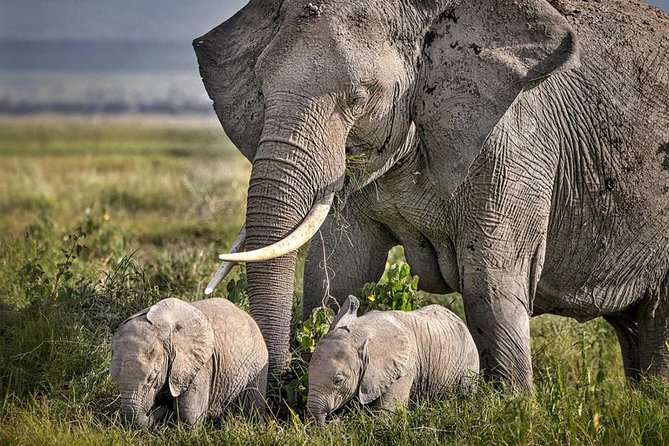
The third day begins with an early breakfast and a transfer to the Ngorongoro Conservation Area. You then descend into Ngorongoro Crater for morning game viewing, followed by a picnic lunch inside the crater.
Ngorongoro feels different from the Serengeti. The crater floor gathers grassland, water, and wildlife within a dramatic natural bowl. That compact setting can make animal spotting feel more immediate. Elephants, hippos, lions, and the endangered black rhino are among the species you may search for.
The black rhino is a particularly important possibility. Sightings are never assured, but Ngorongoro is known for giving you a chance to look for this rare animal in a defined area. Your guide’s patience and ability to communicate with other safari crews can help, although the animal’s distance and behavior remain outside anyone’s control.
A morning in the crater is a sensible use of your final day. You get a different type of wildlife experience before the drive back to Arusha in the early afternoon. The return arrival is expected by late afternoon, but road conditions and the distance mean you should avoid scheduling a tight onward connection that same evening.
The biggest weakness of the route appears here: you get only one crater visit. Ngorongoro deserves more time if you want a slower pace, longer photography stops, or additional visits in the conservation area. On the other hand, adding more nights raises the cost and length of the trip. For someone with limited time, this arrangement gives you a useful sample of both destinations.
Same country, a completely different kind of safari:
- Tanzania Classic – 7 Days
★ 5.0 · 1,151 reviews - 4 Days Group Camping Safari
★ 5.0 · 1,101 reviews - 5 Days Group Camping Safari
★ 5.0 · 730 reviews - Materuni Waterfalls, coffee tour & Kikuletwa Hot Springs
★ 5.0 · 643 reviews
What the vehicle and crew mean for your comfort
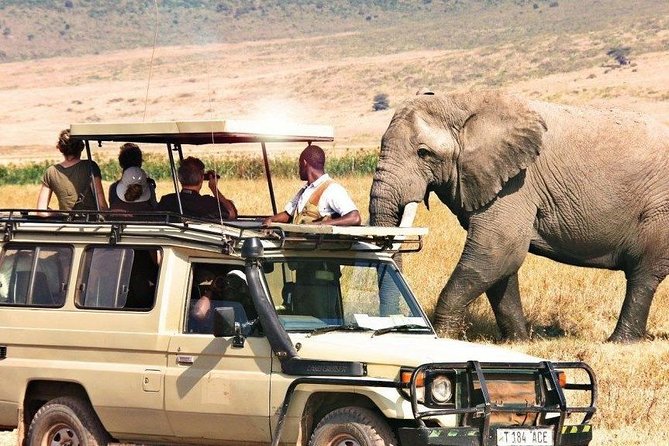
The included Toyota Landcruiser is more than simple transport. A 4×4 vehicle with a pop-up roof is the standard practical tool for wildlife viewing, and the seven window seats mean you can look out from several sides of the vehicle. Power adapters are included, which is helpful when you are using a phone or camera throughout long game drives.
The professional English-speaking guide is responsible for navigation, animal spotting, timing, and much of the educational side of the safari. The guide can also help shape the day around what you most want to see. The past association of Joshya with the company is worth noting if you are able to request a guide, though the supplied details do not guarantee that he will lead your departure.
Frazier is another name linked with the operator’s safari service. The useful point is not the name alone, but the importance of flexibility. A short safari has limited hours, so a guide who understands your priorities can make the difference between a generic drive and a route that fits your interests.
The safari cook is another practical advantage. Meals are included rather than left for you to arrange at each stop. You receive two breakfasts, two dinners, and three lunches, plus bottled water. Alcoholic and non-alcoholic drinks beyond the included water cost extra.
Camping under the Serengeti sky
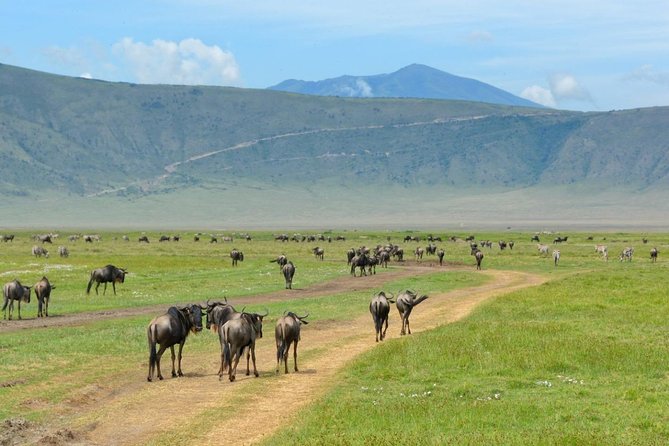
Camping keeps this safari at a more approachable price than many lodge-based options. You sleep in tents and receive sleeping bags, mattresses, and camping equipment, so you do not need to bring a full camping setup from home.
The setting is the real attraction. After a day of driving and animal watching, you eat dinner and spend the night near the sounds of the African wilderness. It is a direct way to experience the park, with fewer hotel comforts and more contact with the outdoors.
That choice will not suit everyone. If you need a private bathroom, a quiet room, or a soft bed every night, compare this with a lodge safari. If you like basic camping and want to put more of your budget toward park time, the included gear makes the choice easier.
Pack for a range of outdoor conditions, but stay within a sensible amount of luggage. The available information confirms tents and bedding, but it does not specify tent size, bathroom setup, shower arrangements, or the exact campsite facilities. Ask those questions before paying if those details affect your comfort.
Group size, timing, and practical planning
The maximum group size is seven. This is small enough to keep the vehicle social without creating a large bus-style outing. It also matches the seven window seats described for the Landcruiser.
Pickup is offered in Arusha, and the activity ends back at the meeting point. Airport transfers are not included, so arrange those separately. Accommodation before or after the safari can be added at extra cost, which may be useful if you arrive early or leave the following day.
Confirmation is provided at booking. Service animals are allowed, and the activity is listed as suitable for most people. It is also near public transportation, though you should still confirm the exact pickup point with the operator.
A yellow fever vaccination is stated as compulsory. Health and travel insurance are not included, and flights and visas are your responsibility. These are ordinary safari planning costs, but they can change the true price of the trip, so include them in your budget.
The cancellation terms are simple: you can receive a full refund if you cancel at least 24 hours before the start time. Changes or cancellations inside that 24-hour window are not accepted for a refund, and the cutoff follows local time.
Who should book this safari
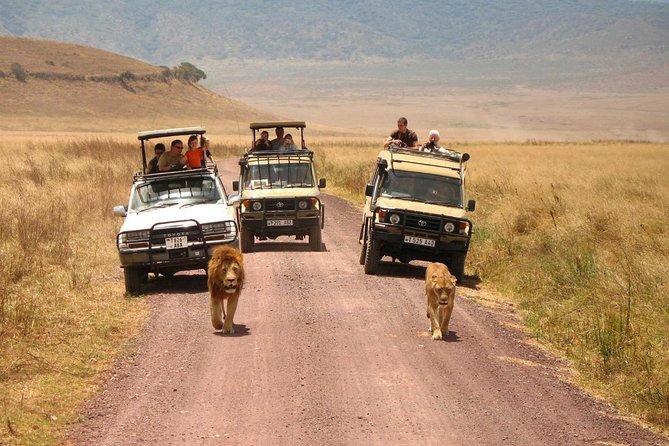
I would choose this trip if you want the main northern Tanzania highlights in a compact format. It suits you especially well if you value wildlife time, accept basic camping, and prefer a small group to a large coach.
It also fits solo travelers and couples who want a shared safari vehicle rather than paying for a private departure. The seven-person limit keeps the group from becoming unwieldy, although you should confirm the actual number booked for your date.
Families and older participants may need to think carefully about the long drives and camping conditions. The activity is listed as suitable for most people, but the three-day route is active and tightly scheduled. Anyone with mobility, medical, or sleeping concerns should ask the operator for precise campsite and vehicle details before booking.
This trip is less suitable if your priority is luxury accommodation, a slow schedule, or a guaranteed migration crossing. It is also not the best match if you want to spend several days in only one park. You are paying for breadth and efficiency, not maximum downtime.
Should you book it?
Book this safari if your time in Tanzania is limited and you want a serious wildlife experience for $840 per person, with transport, guide, cook, camping gear, park fees, and meals bundled together. The strongest features are the two major destinations, the seven-person limit, and the chance to travel with guides linked to the operator such as Joshya and Frazier.
Before booking, confirm the exact pickup point, campsite facilities, guide assignment, drinks, and any required health paperwork. If you are comfortable with long road days and basic camping, this is a sensible value-focused route. If you want luxury or a relaxed pace, spend more days and choose lodge accommodation instead.
FAQ
Where does the safari start?
The safari starts in Arusha, Tanzania, with pickup offered from your hotel.
Where does the safari end?
The activity ends back at the meeting point in Arusha.
How long does the safari last?
The safari lasts approximately three days.
Which parks and protected areas are included?
The route includes Serengeti National Park and the Ngorongoro Conservation Area, including a descent into Ngorongoro Crater.
What type of vehicle is provided?
You travel in a Toyota Landcruiser 4×4 with a pop-up roof, seven window seats, and power adapters.
How many people can join the safari?
The maximum group size is seven travelers.
Are meals included?
Yes. The price includes two breakfasts, two dinners, and three lunches.
Is camping equipment provided?
Yes. Tents, sleeping bags, mattresses, and camping equipment are included.
Are drinks included?
Bottled water is included. Other alcoholic and non-alcoholic drinks cost extra.
What does the cancellation policy allow?
You can cancel at least 24 hours before the start time for a full refund. Cancellations or changes made less than 24 hours before the start time are not accepted for a refund.
More Camping Safaris in Arusha
- 6 Days Tanzania Budget Camping Safari
★ 5.0 · 145 reviews - 3 Days Tarangire, Ngorongoro & Lake Manyara Group Camping Safari
★ 5.0 · 102 reviews - 5-Day private Camping Safari Tour in Tanzania
★ 5.0 · 86 reviews - 03 days Serengeti and Ngorongoro Crater group (camping)
★ 5.0 · 75 reviews
More Ngorongoro Crater Tours in Arusha
- 5 Days Camping Tarangire, Serengeti & Ngorongoro crater & Visiting Maasai
★ 5.0 · 229 reviews - 4 Days Join Group tour Tarangire Serengeti and Ngorongoro crater
★ 5.0 · 219 reviews - 4-Day Safari from Arusha: Tarangire, Serengeti and Ngorongoro
★ 5.0 · 173 reviews - 2 Days Tarangire and Ngorongoro Group Camping Safari
★ 5.0 · 146 reviews
Just added around Arusha
- 8 Days Serengeti Migration safari★ 5.0 · 11 reviews
- tarangire, ngorongoro & lake manyara park 3 days private tour★ 5.0 · 11 reviews
- tarangire & ngorongoro 2 days tour★ 5.0 · 14 reviews
- serengeti, ngorongoro & tarangire 4 days private tour★ 5.0 · 18 reviews
- serengeti & ngorongoro 3 days private tour★ 5.0 · 15 reviews
- Mt. Kilimanjaro: Shira plateau to Cathedral point 3872m Day hike★ 5.0 · 7 reviews
- 2 Days Tanzania Midrange Group Join Safari★ 5.0 · 7 reviews
- climb the KILIMANJARO via Lemosho route★ 5.0 · 4 reviews
Serengeti Safaris, compared.

Serengeti Balloon Safari and authentic bush breakfast
Read our review →
3 Days Serengeti & Ngorongoro Group Camping Safari
Read our review →
5-Day Highlights mid-Range Crater, Serengeti, Tarangire
Read our review →


Private 6-Day Tarangire Manyara Crater and Serengeti with Mid-Range Lodges
Read our review →
5 Days Camping Tarangire, Serengeti & Ngorongoro crater & Visiting Maasai
Read our review →
4 Days Join Group tour Tarangire Serengeti and Ngorongoro crater
Read our review →Browse the lists this tour appears in