

Reviewed · STONE TOWN WALKING TOURS
Zanzibar: Spice Tour & Stone Town Walking Tour
Zanzibar’s story comes into focus when you connect its spice plantations with Stone Town’s former slave market. This five-hour private tour does just that, moving from cinnamon, cloves, vanilla, and coconut trees to churches, markets, palaces, and the Old Fort.
I like the hands-on farm visit, where you can touch, smell, and taste the plants instead of seeing spices only in shop jars. I also like the private format, since guides such as Ali, Abdul, Mu, and Sirio have been praised for explaining local life and adjusting the pace.
The main caution is that the day can feel rushed, especially if you walk slowly or want time to shop. Some farm staff may also press you to buy spices or give tips, and the raw fish and meat market can be intense.
Key points to know before booking

- Cinnamon, cloves, and vanilla grow on living plants: The farm visit makes familiar kitchen spices easier to understand.
- The former slave market adds serious historical weight: You visit the old market site and a Christian church connected with that period.
- A private group gives you more control: You can ask questions, pause, and set a gentler pace than on a large group outing.
- Stone Town includes real working markets: Darajani Fish Market offers an unfiltered look at daily life, but strong smells and crowded stalls are part of it.
- The five-hour schedule covers a lot: You see major landmarks, but shopping and slow walking may mean leaving something out.
- Hotel pickup and multilingual guiding are included: English, French, Italian, Spanish, and German are available.
From tropical plants to Stone Town’s difficult past
This tour works because the two halves speak to each other. Zanzibar was shaped by trade in spices, people, and goods, and the day lets you see both the natural source of that wealth and the human cost behind parts of the island’s past.
You begin with pickup in Zanzibar. The guide or driver meets you in your hotel lobby with your name on a piece of paper. The drive itself can be useful time for questions. Ali, in particular, has been praised for talking about local culture, daily life, and island customs during the transfers.
The exact order may vary, but the experience combines a spice plantation visit with a Stone Town walking tour and returns you to Zanzibar at the end. Since the total duration is five hours, you should expect a brisk half-day rather than a slow, open-ended exploration.
More Stone Town Walking Tours in Zanzibar City
- Zanzibar: Stone Town, Spice Tour, Prison Island with Lunch
★ 4.4 · 1,219 reviews - Zanzibar: Prison Island, Stone Town, & Spice Farm Tour
★ 4.5 · 579 reviews - Zanzibar: Stone Town, Spice tour & Prison Island with Lunch
★ 4.6 · 453 reviews
Touching and tasting Zanzibar’s spice plants
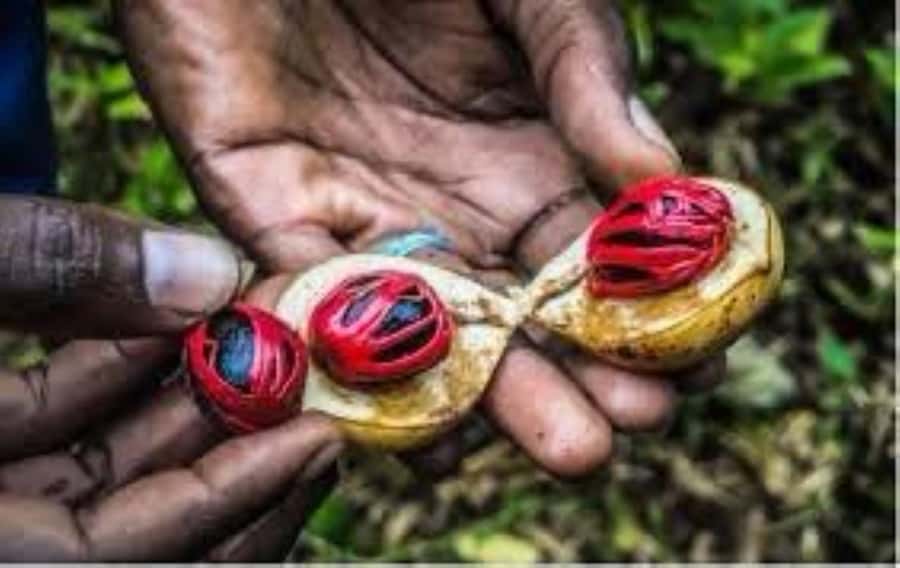
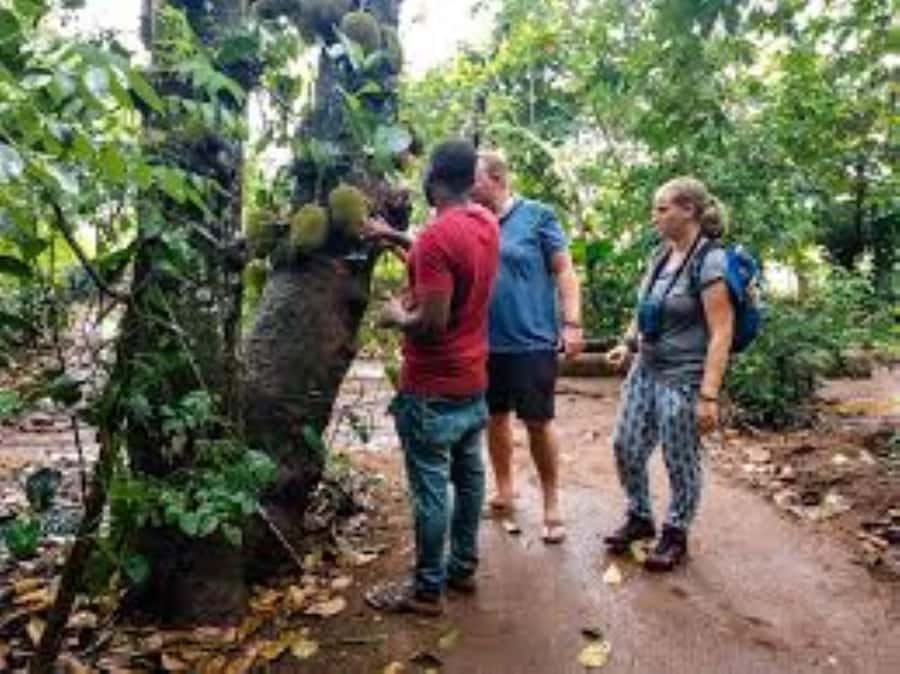
The spice farm is more than a display of dried goods in baskets. You get to see how plants look in the ground and on trees, then touch, smell, and taste selected spices and fruit.
The list is generous. You may encounter:
- Cinnamon
- Cardamom
- Black pepper
- Chili
- Ginger
- Vanilla
- Lemongrass
- Lemon mint
- Turmeric
- Nutmeg
- Cloves
- Tropical fruit
This is the best part of the tour for curious cooks and families. A cinnamon stick, for example, makes more sense when you learn where the bark comes from. Ginger, turmeric, black pepper, and cloves become less abstract when you handle the fresh plants and compare them with what you know from the kitchen.
The farm staff explain how spices are grown in Zanzibar and how nature affects their use. The experience is sensory, so you are not expected to simply listen. You will likely be invited to smell leaves, taste fruit, and inspect the plants at close range.
One small warning: the fruit tasting did not suit everyone. If you have a sensitive stomach, take modest portions and do not feel obliged to sample everything. Food is not included in the tour, so this tasting should not be treated as a meal.
The human butterfly and the coconut tree show
One of the tour’s more playful moments is the appearance of a human butterfly. This is the local name used for someone who climbs high into a coconut palm and sings the Hakuna Matata song.
It is a memorable bit of entertainment and gives the plantation visit a lighter mood. It also reminds you that the farm experience is not a formal botany lesson. It mixes plant education with performance, local custom, and a little tourist fun.
You may also see palm leaves woven into crowns. That simple activity has been a welcome personal touch for some visitors, especially because it gives you something to watch and enjoy rather than another sales talk.
The tone here is generally cheerful, but you should know what kind of experience you are booking. This is a commercial spice farm visit, and there may be an opportunity to buy spices afterward. Prices are not always displayed clearly, so ask the cost of each item before buying. You can say no politely if you are not interested.
Entering Stone Town through its slave trade history

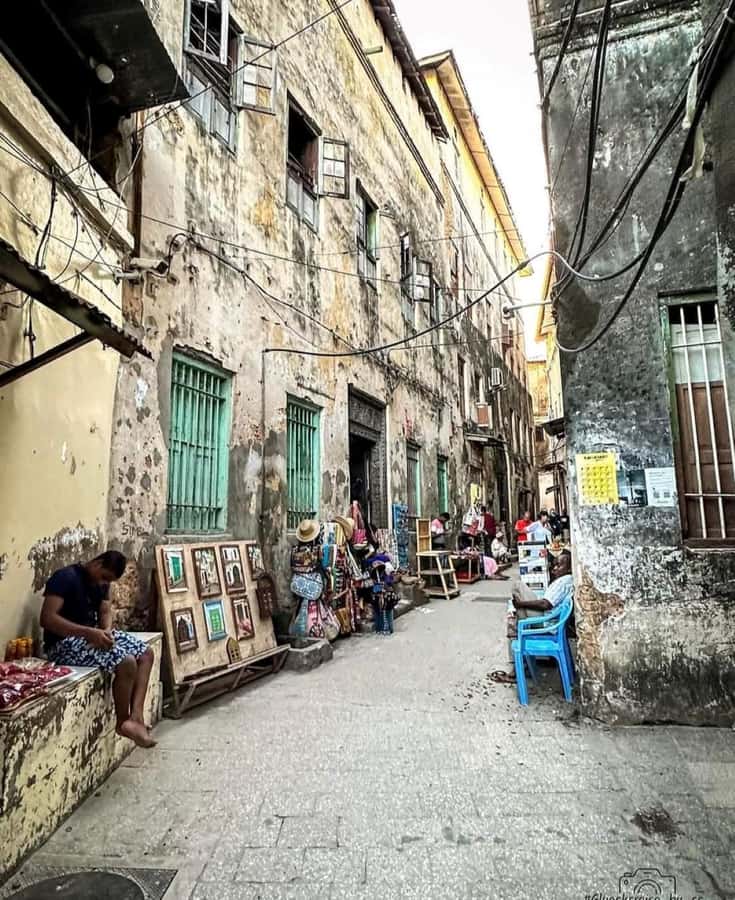
The Stone Town portion gives the day its emotional center. Your guide explains Zanzibar’s role in the slave trade during the 17th and 18th centuries, then takes you to the old slave market site.
The site is connected with a Christian church, whose history helps explain how the former market area was remembered and transformed. This stop is not just another old building. It asks you to look at the city’s wealth and architecture alongside the forced movement and sale of enslaved people.
I would give this section your full attention. The guide’s explanation matters more here than quick photographs. Guides such as Mu and Ali have received especially strong praise for explaining Zanzibar’s culture and past in clear, personal terms.
The route and order can change, so make sure you tell your guide early that the former slave market is important to you. One person on the tour missed that area while spending time on other sights and shopping. A private tour gives you a better chance to prevent that, but you still need to speak up because five hours goes quickly.
More Zanzibar Spice Farm Tours in Zanzibar City
- Full-Day Private Stone Town +Spice Farm and Prison Island Tour
★ 4.5 · 216 reviews - Zanzibar: The Swahili Spice Experience – Spice Tour + Culinary Journey
★ 4.7 · 96 reviews - Zanzibar full day Jozani forest + Spice farm and stone town
★ 4.7 · 90 reviews - Zanzibar: Spice Tour, Stone Town tour & Prison Island
★ 4.6 · 61 reviews
Darajani Fish Market and everyday Stone Town
Darajani Fish Market shows you the working side of the city. It is not polished for sightseeing, and that is exactly why it can be valuable.
You may see fish and meat stalls, local buying and selling, and the normal movement of people handling food. The smells can be strong. The walk can feel crowded and intense, particularly if you prefer tidy market halls and quiet streets.
I would not skip it automatically. The market helps you understand Stone Town as a living town rather than a set of restored facades. Go slowly, watch where you step, and keep your belongings secure in the ordinary way you would in any busy market.
If you are sensitive to raw food scenes, ask your guide how much time you will spend there. The private format should make that conversation easier. You can also request a short pause if the pace or atmosphere becomes too much.
Freddy Mercury’s house and Stone Town landmarks

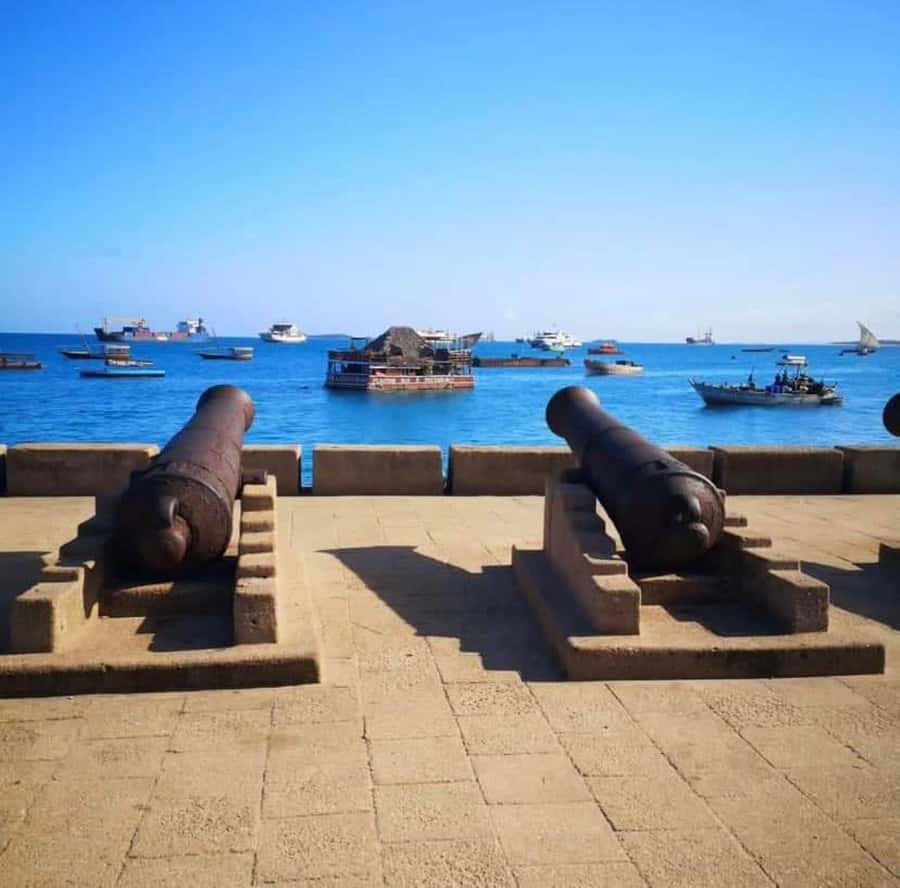
The walking tour also includes Freddy Mercury’s house, the House of Wonders, and the Old Fort. These stops give you a broader picture of the city’s cultural and political past.
Freddy Mercury’s connection to Zanzibar adds a modern, international note to a tour otherwise focused on older history. The stop is brief in the overall context of the day, but it helps show how the island’s story reaches beyond trade and colonial buildings.
The House of Wonders is one of Stone Town’s best-known landmarks. The name points to its former importance and grand design. Your guide can place it within the wider story of Zanzibar’s rulers, trade, and outside influences.
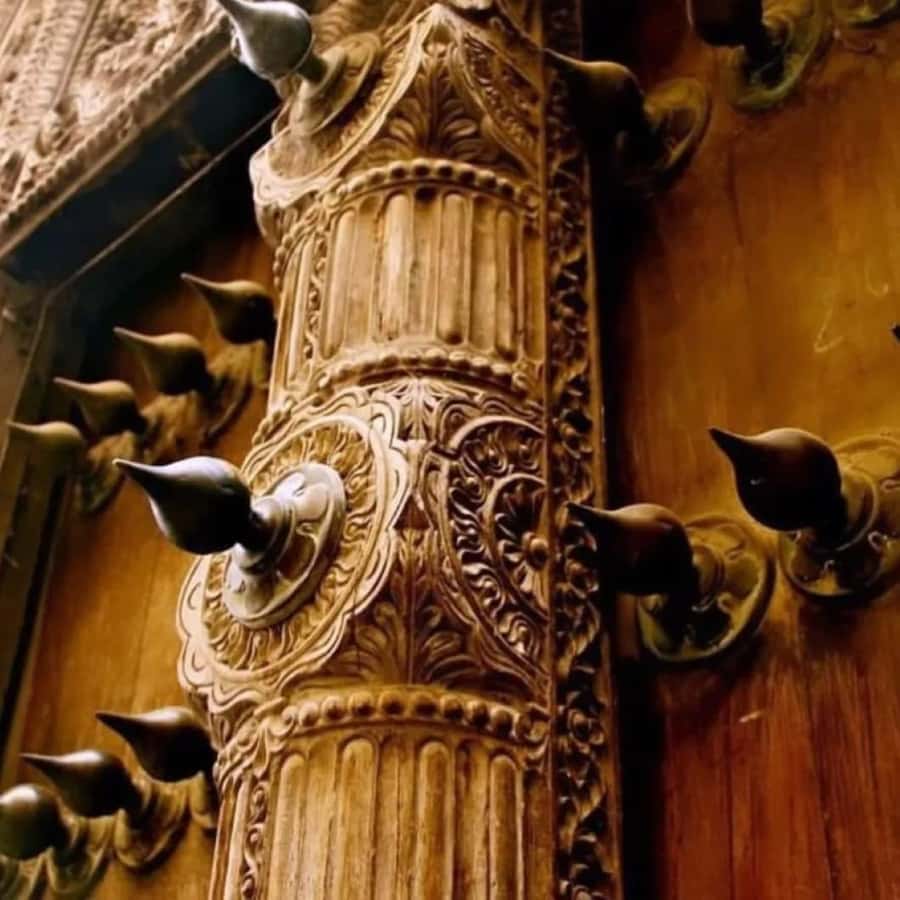
The Old Fort gives the walk another strong architectural marker. Together, these buildings help you read the city street by street. Stone Town is most interesting when you look up at carved doors, old walls, and changing architectural details rather than racing from one attraction to the next.
You may have some time to explore, shop, or rest, but do not assume you can fit in every side street and market stall. If you want photographs, shopping, and the slave market site, tell the guide at the start. Guides such as Sirio have been praised for combining plant knowledge, history, culture, and practical sightseeing advice.
How the private format changes the day
The private group setup is a real advantage. You are not tied to strangers who want a faster walk, longer shopping time, or different sights.
You can ask why a spice is grown in a certain way, stop for a photograph, or request a slower pace. This matters if one person in your group has difficulty walking. A five-hour walking and sightseeing program still requires energy, but a private guide can usually respond better than a large group schedule.
The private format also makes it easier to keep the experience personal. The strongest guide experiences have come from people such as Ali, Abdul, Mu, Mo, Sahim, Suleiman, and Sirio. The exact guide assigned to you is not guaranteed, but the repeated praise for friendly, clear, patient guiding is encouraging.
There may be separate people involved in transportation and the Stone Town walk. Abdul, for example, has handled driving and guiding, while another guide led the city portion on some visits. Confirm who will meet you and who will lead each section if that matters to you.
What $95 means in practical value

At $95 per person, this is not the cheapest way to see a spice farm and Stone Town. The value comes from combining hotel pickup and drop-off, a private group, plantation admission, slave market admission, and a live guide in one half-day.
That package can make sense if you want a planned introduction to Zanzibar and do not want to arrange separate transport. It is also useful when your time on the island is limited. The guide connects the sights, handles the route, and gives context that you would miss by simply hiring a car to visit the buildings.
The value is weaker if you mainly want a long, relaxed market walk or a quiet farm visit. The schedule covers two major parts of Zanzibar, and the plantation may include sales activity. Food and personal purchases are not included, so bring money only if you want to buy something and ask prices first.
I see the tour as good value for a first visit, particularly for couples, families, and small private groups who want both nature and history in a single outing. It is less suited to anyone who dislikes guided sightseeing or prefers to spend a full day on one subject.
Timing, walking, and what to bring
The stated duration is five hours, with starting times based on availability. Hotel pickup is included, but you should be ready in the lobby and watch for the guide or driver holding your name.
Wear comfortable shoes. Stone Town involves walking through streets and markets, while the farm requires moving around outdoor plant areas. A hat, water, and sun protection are sensible choices, although meals and personal needs are not included.
Keep your schedule flexible within the five-hour window. A slower walker may need more time, and shopping can quickly use up the minutes needed for the slave market area and major landmarks.
The tour is available with guides speaking English, French, Italian, Spanish, or German. At booking, choose the language you can follow most easily. Clear explanations are especially important during the slave trade section, where rushed or vague guiding would reduce the value of the stop.
Free cancellation is available up to 24 hours before the activity for a full refund. You can also reserve and pay later, which helps if your Zanzibar plans are still shifting.
Who should book this Zanzibar tour?
I would recommend it to first-time visitors who want a broad introduction without arranging several separate trips. It gives you plants, markets, architecture, music, difficult history, and local culture in one compact program.
It also suits you if you enjoy asking questions. The best part of a private tour is not simply seeing the sights. It is being able to ask about daily life, farming, religion, trade, food, and the meaning behind the buildings.
Families may enjoy the fruit tasting, palm-leaf crowns, and coconut tree performance. History-minded visitors will value the former slave market and church. Food lovers will get the most from seeing spices in their natural form.
I would think twice if you have limited mobility unless you discuss pace and priorities at the start. I would also think twice if raw markets make you uncomfortable or if you dislike being encouraged to buy farm products.
Should you book the Spice Tour and Stone Town walk?
Book it if you want a private, tightly packed introduction to Zanzibar and you value a guide who can explain both plants and history. The combination is stronger than either a spice farm or a city walk alone.
Before setting out, tell your guide your three priorities. I suggest the former slave market, the spice plants, and either Darajani Market or time for photographs and shopping. That small conversation can keep the day from feeling rushed.
The tour is not perfectly leisurely, and the farm sales pitch may test your patience. Still, at $95 per person, the included transport, admissions, private guiding, and wide range of sights make it a sensible choice for a short stay.
FAQ
Where does the tour take place?
The experience takes place in Zanzibar’s Unguja South Region and includes a spice plantation visit and a walking tour of Stone Town.
How long does the tour last?
The tour lasts five hours, including the planned sightseeing and return to Zanzibar.
Is hotel pickup included?
Yes. Hotel pickup and drop-off are included. The guide or driver meets you in your hotel lobby with your name on a piece of paper.
Is this a private tour?
Yes. The activity is operated as a private group experience.
What languages are available?
Live guiding is available in English, French, Italian, Spanish, and German.
Which spices and plants might I see?
The tour includes cinnamon, cardamom, black pepper, chili, ginger, vanilla, lemongrass, lemon mint, turmeric, nutmeg, and cloves, along with tropical fruit.
Does the tour include the former slave market site?
Yes. Admission to the old slave market site is included, and the Stone Town section explains Zanzibar’s role in the slave trade during the 17th and 18th centuries.
Is food included?
No. Food is not included. The plantation visit can include tasting fruit and spices, but this is not a meal.
Can I buy spices at the plantation?
The plantation may offer spices for sale, but purchases are not included. Ask for prices before buying because prices may not always be displayed.
What is the cancellation policy?
You can cancel up to 24 hours in advance for a full refund. The activity also offers a reserve now and pay later option.
More Walking Tours in Zanzibar City
- Stone Town Private Walking Tour
★ 5.0 · 371 reviews - Zanzibar: 3 Hours Private Stone Town walking Tour with Guide
★ 4.6 · 301 reviews - Zanzibar: Stone Town Historical Cultural Walking Guided Tour
★ 4.5 · 179 reviews - Stone Town’s Hidden History: Private Guided Walking Tour
★ 4.6 · 94 reviews
Just added around Zanzibar City
- Zanzibar: Mikumi Wonderful Safari with Open Jeeps★ 4.9 · 15 reviews
- Zanzibar: Maalum Cave Natural Swimming Pool Tour in Paje★ 4.4 · 3 reviews
- Zanzibar: Jozani Forest Watching Colobus Monkeys Guided Tour★ 4.1 · 7 reviews
- Zanzibar: Jozani Forest, Salaam Cave & The Rock Restaurant★ 3.0 · 4 reviews
- Zanzibar: Jozani Forest Guided Tour,Red Colobus and transfer★ 3.9 · 6 reviews
- Zanzibar: Jozani Chwaka Bay National Park and Spice Farm …★ 4.6 · 5 reviews
- Zanzibar: Horse Riding and Kayaking with Video and Photos★ 4.9 · 10 reviews
- Zanzibar: Half-Day Private in Prison Island Tours★ 5.0 · 4 reviews
Stone Town Walking Tours, compared.

Stone Town, Spice Tour, Prison Island with Lunch
Read our review →
Stone Town, Spice tour & Prison Island with Lunch
Read our review →

3 Hours Private Stone Town walking Tour with Guide
Read our review →
Full-Day Private Stone Town +Spice Farm and Prison Island Tour
Read our review →
Stone Town Historical Cultural Walking Guided Tour
Read our review →