

Reviewed · STONE TOWN WALKING TOURS
Stone Town walking Tour
Stone Town makes the most sense on foot, where a short turn down a narrow lane can take you from an old sultan’s house to a market filled with spices. This private tour brings together Zanzibar’s African, Arab, Indian, and European past in one compact walk, led by George Zanzibar, also known as Dadju Zanzibar.
I like the small private format, since you can ask for more detail or adjust the conversation around your interests. I also like the mix of major sights and everyday places, especially Darajani Bazaar and Forodhani Gardens. The main drawback is that entrance fees are not included, and three to four hours of walking can feel demanding in Stone Town’s heat.
Key points at a glance
- A private walking tour for your group: You are not folded into a large scheduled crowd, so the guide can focus on your questions and interests.
- Six useful stops in three to four hours: The route covers the Old Fort, former slave market, Freddie Mercury Museum, Darajani Bazaar, Forodhani Gardens, and Hamamni Persian Baths.
- History and daily life together: You see important monuments, then move into the main market and food area where modern Zanzibar carries on.
- A guide who invites questions: George Zanzibar, also called Dadju Zanzibar, places emphasis on explaining the island and responding to what you want to know.
- Only $25 per person: That is a sensible price for a private guide and bottled water, though paid admissions and taxes are extra.
- A moderate physical outing: Expect several hours on foot, with no private transport included and no bicycle use provided.
Why Stone Town Works Best on Foot

Stone Town is not a place you understand from a vehicle window. Its appeal is in the changes from one block to the next: carved doors, old walls, market stalls, historic houses, religious buildings, and small lanes that reveal how several cultures shaped Zanzibar.
The tour begins at Jamal’s Shawarma, listed at the meeting point R5QQ+RMV in Zanzibar. From there, you walk with the guide and return to the same place at the end. Since this is a private activity, your group is the only group participating, which gives the outing a more personal feel than a standard group walk.
The guide’s role matters here. George Zanzibar is also referred to as Dadju Zanzibar in the tour information. He presents himself as someone who grew up on the island and wants to explain its story in a direct, friendly way. The supplied comments place particular emphasis on his kindness, his ability to answer questions, and his willingness to listen when people want to know more or shop for something specific.
That flexibility is useful in Stone Town. You may care most about the slave trade, the old sultans, Indian Ocean commerce, Freddie Mercury, or Zanzibar food. Tell the guide early. The stated approach is to focus on your needs rather than simply recite a fixed script.
More Stone Town Walking Tours in Zanzibar
- Zanzibar Stone Town Walking Tour
★ 5.0 · 145 reviews - Stone Town Historical Walking Tour
★ 5.0 · 143 reviews - Spice Tour + Stone Town Tour + Prison Island
★ 4.5 · 130 reviews
The Old Fort and Sultan Barghash’s Zanzibar
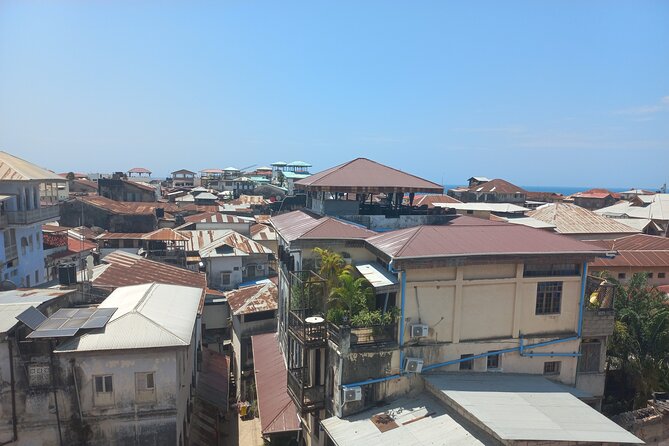
The first listed stop is the Old Fort, or Ngome Kongwe. Allow about 30 minutes here. The fort is one of the clearest physical reminders that Zanzibar was a defended port with powerful connections across the Indian Ocean.
The tour also refers to historic houses linked with Sultan Barghash and other unnamed historic houses along the route. These stops help place the fort in a wider setting. You are not looking at one isolated monument. You are seeing part of the old center where rulers, merchants, sailors, and residents shaped the city over many years.
There is no admission charge listed for the Old Fort, which helps keep the basic $25 price attractive. Still, do not expect every historic building on the route to be free. The tour information lists some entrance fees separately, so ask the guide what is included before paying for an optional interior visit.
The fort is a good early stop because it gives you a frame for the rest of the walk. After seeing a major landmark, the smaller lanes and houses carry more meaning. I would pay attention to the transition between formal stone buildings and the close, lived-in streets around them.
Facing Zanzibar’s Slave Trade at the Anglican Cathedral
The former slave market and Anglican Cathedral receive about 45 minutes, making this the longest scheduled stop. It is also the most emotionally serious part of the tour.
Zanzibar’s past cannot be understood without discussing the slave trade. The stop is designed to explain that history in full, rather than treating Stone Town as only a pretty collection of old buildings. The Anglican Cathedral occupies the former slave market site, creating a strong link between the historical event and the present-day place of worship.
The entrance ticket is not included. That matters because the listed price can look like the full cost until you add admissions. Ask about the current fee before entering, especially if you are keeping to a strict budget.
I would give this stop your full attention. It may not be comfortable, but it is important. The guide’s personal connection to Zanzibar and his focus on questions can be useful here, since you can ask for context instead of rushing through a plaque or display.
The 45-minute allowance is enough for a meaningful explanation, though the exact pace may depend on your group. If you want a long, detailed treatment of every part of the site, mention that when the walk begins. If you prefer a shorter visit and more time in the markets, say so early.
Freddie Mercury’s Zanzibar Connection

The Freddie Mercury Museum is scheduled for about 30 minutes. This adds a modern cultural thread to a walk otherwise centered on older buildings, trade, religion, and political history.
The stop focuses on the house and story connected with Freddie Mercury. Admission is not included, so budget for another separate charge if you want to go inside. The tour description does not state the current ticket price, so confirm it locally or with the provider.
This is a useful contrast to the slave market and old fort. It shows how Stone Town’s story is not confined to one historical period. Zanzibar also connects to a famous twentieth-century musician whose early life is part of the city’s international identity.
You should think of this as one part of a broader walking tour, not a dedicated music-themed visit. If Freddie Mercury is your main reason for booking, ask how much time can be devoted to the museum. If you are interested in the full character of Stone Town, the stop works well as a change of pace.
Same country, a completely different kind of safari:
- Zanzibar: Quad Bike Adventure departing from Kendwa or Nungwi
★ 4.9 · 1,233 reviews - Zanzibar: Prison Island and Nakupenda Boat Trip with Lunch
★ 4.1 · 882 reviews - Skydive Zanzibar | Tandem Skydive
★ 5.0 · 877 reviews - Mnemba Island: Dolphin Swim & Snorkeling with Optional Lunch
★ 4.3 · 591 reviews
Darajani Bazaar and the Smell of the Island
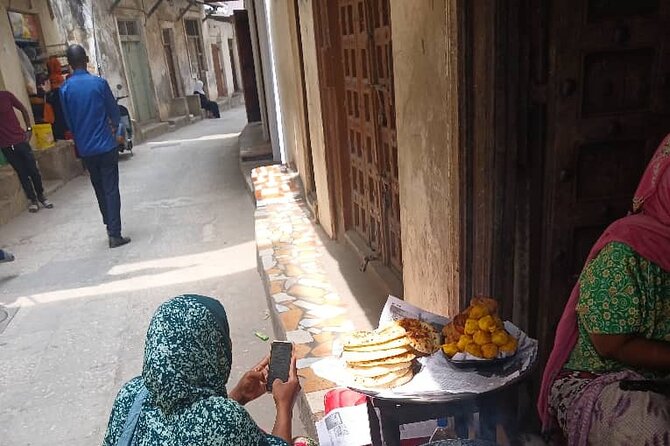
Darajani Bazaar receives only about 10 minutes, but it may be one of the most vivid parts of the route. This is Zanzibar’s main market, with particular attention to spices.
Ten minutes is brief. You will get an introduction rather than a long shopping session. The guide can point out the market’s role in daily life and help explain the products you see, but you should not expect unlimited time to browse every stall.
The market is valuable because it moves the tour away from monuments and into ordinary commerce. Zanzibar is famous for spices, and seeing them in a real market gives you a better sense of how the island is experienced beyond beach hotels.
If you want to buy something, say so before reaching the bazaar. One of the useful details from the supplied comments is that the guide listens to what people want to know or purchase. That does not guarantee a shopping detour, but it suggests you should speak up rather than assume the route is completely rigid.
The market can also be crowded and active, and market conditions change. Keep the group together and watch your belongings, as you would in any busy public market. These are practical habits, not reasons to skip the stop.
Forodhani Gardens and Zanzibar Food
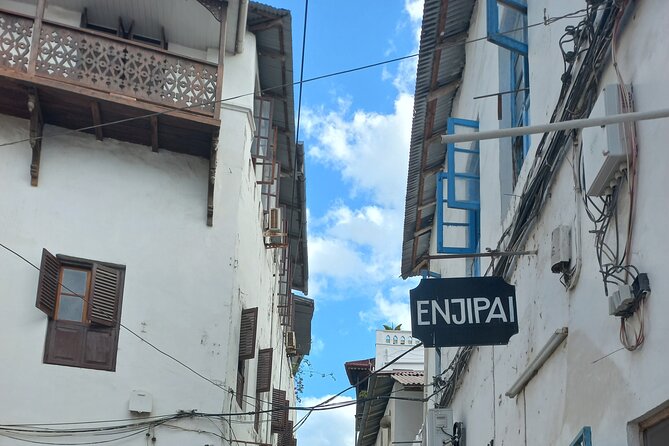
Forodhani Gardens is scheduled for about 15 minutes. The area is known for its evening food market, refreshments, and casual dining. The timing of your tour matters here because the description specifically presents it as a night market.
If your walk takes place when the food stalls are operating, this is a natural place to ask about local dishes and decide if you want to return for dinner. The 15-minute stop is enough to get your bearings, see the food area, and hear suggestions. It is not enough for an unhurried meal within the walking tour itself.
Food is not included in the $25 price. Forodhani is best treated as a useful introduction, followed by a return visit if you want to eat. Ask the guide which foods fit your preferences and how much time you have after the official walk.
This stop also gives the route a lighter finish after the serious discussion at the former slave market. You get a look at how Stone Town is used in the evening, not just how it appeared in the past.
Hamamni Persian Baths and Historic Houses
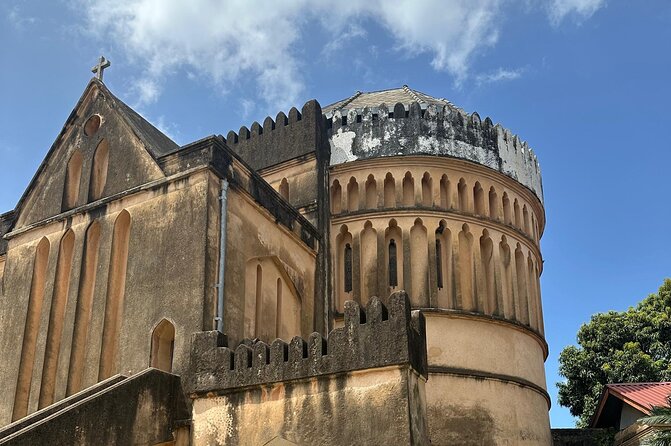
The Hamamni Persian Baths receive approximately 30 minutes. This historic building adds another layer to the story of Stone Town, showing the influence of Persian and other Indian Ocean connections.
Admission is not included. The tour also lists additional historic houses without naming each one, so the exact order and detail may vary. That makes it worth asking the guide at the start which houses are planned for your day and which require payment.
The baths are especially useful for understanding how public and private life worked in the old city. Even a short visit can help you see that Stone Town’s history is not limited to forts and palaces. Its buildings also reveal how people washed, worshipped, traded, governed, and lived.
Because some entries cost extra, you have a practical choice. Pay for the interiors that matter most to you, or stay with the free outdoor portions and use the guide’s explanations. At this price, the ability to choose is part of the value, but you should not assume every stop includes admission.
What $25 Covers, and What It Does Not

At $25 per person, this is priced attractively for a private three to four-hour walking tour. The fee includes a guide and bottled water. Since only your group participates, the price can work especially well for two or more people who want a personal introduction to Stone Town.
The price does not include all fees and taxes. It also does not include private transportation or bicycle use. Since the activity begins and ends at the same meeting point, transportation is not needed for the walk itself, but you must arrange your own way to Jamal’s Shawarma.
Paid admissions are also outside the basic price. The former slave market and Anglican Cathedral, Freddie Mercury Museum, and Hamamni Persian Baths are all listed with admission not included. Add those costs before comparing this tour with a more expensive package that may include entry tickets.
Bottled water is a small but welcome inclusion. Three to four hours on foot can be tiring, especially if the day is warm. You should still dress for walking and bring any extra water, sun protection, or personal items you normally need.
Who Will Get the Most From This Walk

I would recommend this experience if you want a first look at Stone Town with a local person who can answer questions. It suits people who prefer conversation and context over a large group moving quickly from one sight to the next.
It is also a good match for a short Zanzibar stay. The route touches history, architecture, markets, food, and a famous local connection in one half-day outing. One supplied comment describes using the guide for several activities during a three-day visit, which suggests the provider may be useful to people planning more than one excursion, though this review concerns the Stone Town walk itself.
You should be comfortable with a moderate level of physical activity. The tour lasts three to four hours and includes walking between stops. No private vehicle is provided, and bicycle use is specifically excluded.
This may be less suitable if you want a slow museum visit at every stop, a fully ticketed package, or a tour with a fixed and highly detailed schedule. The short allocations at Darajani Bazaar and Forodhani Gardens favor an overview. If you have strong interests, use the private format to ask for adjustments.
Confirmation is provided when you book. You can cancel for a full refund if you do so at least 24 hours before the start time. Changes or cancellations inside that window are not accepted for a refund, and the cut-off follows local Zanzibar time.
Should You Book the Stone Town Walk?
Book it if you want an affordable, private introduction to Zanzibar’s old center and you value a friendly guide who will answer questions. The strongest parts are the range of subjects, the private format, and the chance to connect major sites with market life and local food culture.
Before booking, allow extra money for entrance fees and confirm which historic houses you will enter. Also ask about the day’s timing if Forodhani Gardens and the night market are important to you.
For $25 per person, this is a good-value choice for people who want Stone Town explained rather than simply photographed. If you prefer a long, specialized visit at one museum or a fully inclusive package, choose something more focused. If you want the city’s main stories in one walk, this tour makes a practical start.
FAQ
How much does the Stone Town walking tour cost?
The tour costs $25 per person.
How long does the tour last?
The experience lasts approximately three to four hours.
Is this a private tour?
Yes. Only your group participates in the activity.
Where does the tour begin?
It begins at Jamal’s Shawarma in Zanzibar, listed at location code R5QQ+RMV.
Where does the tour end?
The walk ends back at the meeting point.
Is bottled water included?
Yes. Bottled water is included.
Are entrance fees included?
No. All fees and taxes are not included, and admission is specifically not included for the former slave market and Anglican Cathedral, Freddie Mercury Museum, and Hamamni Persian Baths.
Does the tour include transportation?
No. Private transportation is not included.
Is bicycle use included?
No. Use of a bicycle is not included.
Can I cancel for a full refund?
Yes, if you cancel at least 24 hours before the experience start time. Cancellations or changes made less than 24 hours before the start time are not accepted for a refund.
More Walking Tours in Zanzibar
- Stonetown: Food Markets and Street Food Walking Tour
★ 4.7 · 151 reviews - Walking City Tour in Zanzibar Island
★ 5.0 · 122 reviews - Zanzibar: Jozani nature walk and wildlife tour
★ 4.5 · 89 reviews - 3 Hours Private Stone Town Walking Tour
★ 5.0 · 71 reviews
Just added around Zanzibar
- Zanzibar: Maasai village and Nungwi turtles experience trip★ 4.9 · 16 reviews
- Zanzibar: Mnemba Atoll, Spice farm, Jozani forest & Lunch★ 3.9 · 3 reviews
- Zanzibar: Maasai World Tour with Cultural Practices★ 4.0 · 4 reviews
- Zanzibar: Kendwa Beach Professional Photoshoot★ 5.0 · 5 reviews
- ZANZIBAR: Jozani Forest,Salaam Cave, The Rock & Blue Lagoon★ 4.8 · 8 reviews
- Zanzibar: Jozani Red Colobos Monkey & Salaam Turtle Santuary★ 4.6 · 3 reviews
- Zanzibar: Jozani Forest Walking Tour★ 5.0 · 3 reviews
- Zanzibar: Jozani Forest,Red colobus,the Rock Restaurant tour★ 4.5 · 21 reviews
Stone Town Walking Tours, compared.

Stone Town, Spice Tour, Prison Island with Lunch
Read our review →
Stone Town, Spice tour & Prison Island with Lunch
Read our review →

3 Hours Private Stone Town walking Tour with Guide
Read our review →
Full-Day Private Stone Town +Spice Farm and Prison Island Tour
Read our review →
Stone Town Historical Cultural Walking Guided Tour
Read our review →
Browse the lists this tour appears in