
Reviewed · STONE TOWN WALKING TOURS
Zanzibar Stone Town Private Walking Tour
Stone Town makes its best first impression on foot. In three hours, you move from Forodhani Gardens and the old Arab Fort to palaces, a former slave market, and one of East Africa’s most important churches. The route links grand landmarks with narrow streets where the city’s Swahili, Arab, Indian, Portuguese, and European influences meet.
I like two things here. First, it is private, so your guide can adjust the pace and answer your questions instead of delivering a fixed speech. Second, the guides, especially Abdulrazak Abdul, Mcha, Mohammad, and Omar, are praised for making the past clear while connecting it to present-day Zanzibar. The main consideration is the heat and the uneven, crowded streets, so good shoes, water, and modest clothing matter.
Key points to know
- Three hours on foot: A compact introduction to Stone Town’s main historic sights.
- Private guide service: Only your group takes part, with room for questions and schedule changes.
- A powerful historical route: The former slave market and Anglican Cathedral bring Zanzibar’s difficult past into sharp focus.
- Major landmarks included: See Forodhani Gardens, the Arab Fort, House of Wonders ruins, Sultan’s Palace, and Old Dispensary.
- Strong guide reputation: Abdulrazak, also called Abdul, is praised for fluent English, warmth, safety-conscious service, and strong local knowledge.
- Good value at $26: Fees and taxes are included, while lunch is not.
Why Stone Town Works Best as a Walking Tour
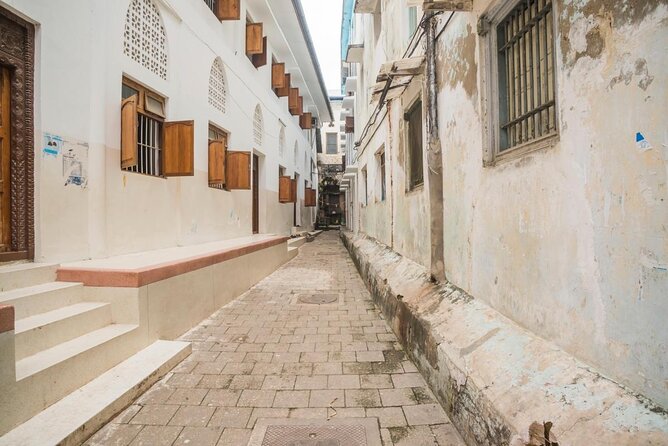
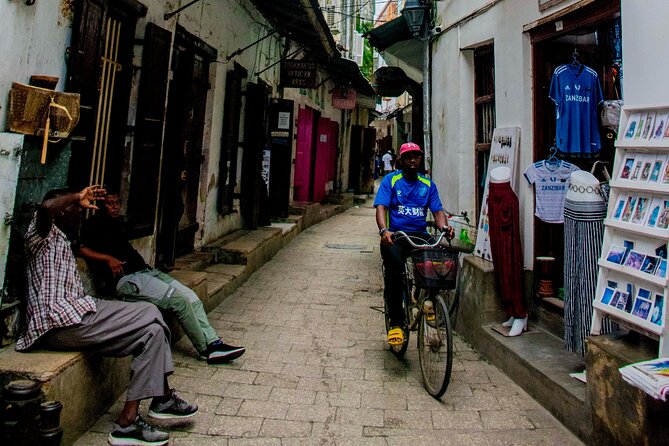
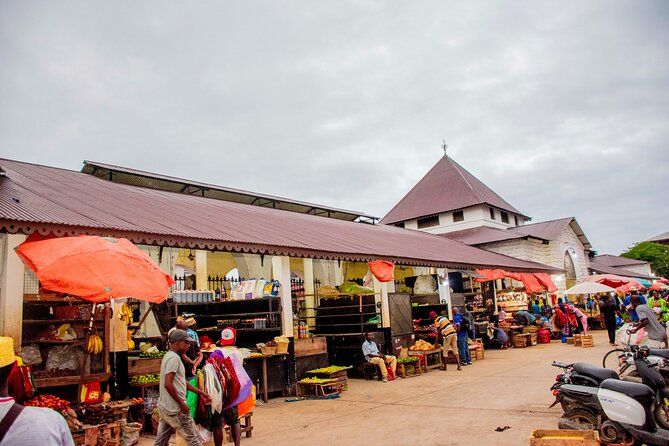
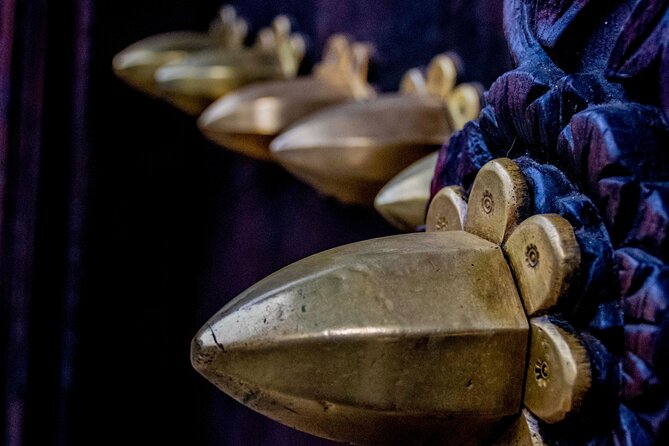
Stone Town is not a place you understand well from a vehicle window. Its character is packed into small details: carved doors, old walls, market smells, sea-facing buildings, and streets that turn without warning.
A walking tour gives those details time to register. Your guide can stop at a building, explain its use, and then show you how it fits into the wider story of Zanzibar. That matters here because the major sights are close together, but their stories cover centuries of trade, religion, colonial power, royal life, and human suffering.
The private format is especially useful if you want to ask direct questions. You can spend more time on architecture, slavery, religion, food, or modern life, depending on what interests you most. If you are with family, the guide can also keep the explanations moving instead of giving a long lecture.
The meeting point is at Cape Town Fish Market near Forodhani Gardens. The tour finishes back at that same meeting point, which is handy if you are arranging transport, meeting friends, or continuing your own walk through town.
More Stone Town Walking Tours in Zanzibar
- Zanzibar Stone Town Walking Tour
★ 5.0 · 145 reviews - Stone Town Historical Walking Tour
★ 5.0 · 143 reviews - Spice Tour + Stone Town Tour + Prison Island
★ 4.5 · 130 reviews
Forodhani Gardens and the Seafront Beginning
Forodhani Gardens is a small park in the old city and a practical place to begin. It puts you right at the edge of Stone Town, where the sea, historic buildings, and daily city life come together.
This opening stop helps you get your bearings before entering the maze of streets. Your guide can point out how the waterfront relates to the old town and explain why Stone Town became such an important center in the Indian Ocean world.
The setting also gives the tour an easy start. You are not dropped into a confusing lane with no idea where you are. Instead, you begin in an open space and then move inward, gradually trading the sea view for old walls, shaded passages, and tightly packed buildings.
Forodhani is also useful for understanding the difference between a historic site and a living city. It is not simply a preserved museum district. People still meet, work, eat, sell goods, and move through the area. That mix gives the walk more character than a route made only of monuments.
The Arab Fort and Portuguese Foundations
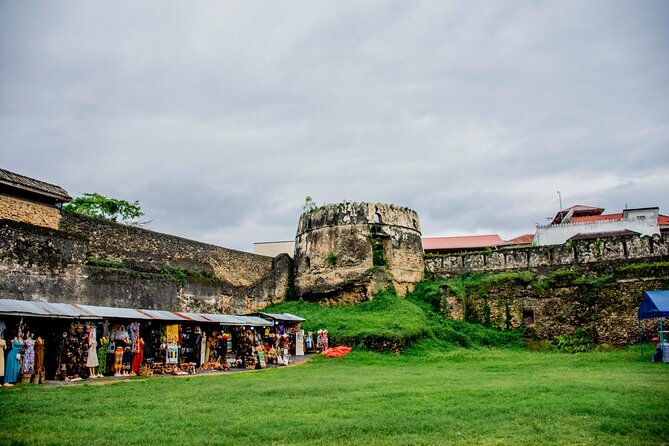
Fuerte Viejo de Zanzibar, usually called the Arab Fort, is one of Stone Town’s oldest buildings. It was originally built by the Portuguese in the 17th century and later became associated with Omani Arab rule.
That layered background is one of the best reasons to visit with a guide. The fort is not just an old stone enclosure. It reflects the changes in power that shaped Zanzibar, from Portuguese influence to Arab rule and later periods of outside control.
I would pay close attention to the construction and layout here. Even without a long explanation, the thick walls and defensive form tell you that this was built for protection rather than comfort. Your guide can supply the political context that the stones alone cannot provide.
The fort is also a good early stop because it introduces a theme that returns throughout the walk: Stone Town’s buildings often carry several identities. Names, owners, and uses changed over time, and the same structure can tell different stories depending on the period being discussed.
House of Wonders and the Changing Face of Power
The House of Wonders is one of Stone Town’s best-known landmarks, though the tour focuses on its ruins and the story behind its name. Your guide explains why the building became famous across East Africa and what made it unusual in its time.
This is a place where context matters more than a quick photograph. The name suggests spectacle and modernity, and the building’s reputation came from its association with new technology and royal power. The remains prompt useful questions about how Zanzibar presented itself to the wider region.
Because the building is now in ruins, expectations should be sensible. You are not visiting a fully restored palace interior. The value comes from seeing the site, learning what it represented, and understanding how its condition reflects the passage of time and the challenges of preserving Stone Town.
I like this part of the walk because it shifts the focus from military history to public image. The Arab Fort shows defense and control. The House of Wonders shows ceremony, status, and the desire to appear modern.
Same country, a completely different kind of safari:
- Zanzibar: Quad Bike Adventure departing from Kendwa or Nungwi
★ 4.9 · 1,233 reviews - Zanzibar: Prison Island and Nakupenda Boat Trip with Lunch
★ 4.1 · 882 reviews - Skydive Zanzibar | Tandem Skydive
★ 5.0 · 877 reviews - Mnemba Island: Dolphin Swim & Snorkeling with Optional Lunch
★ 4.3 · 591 reviews
Sultan’s Palace and the Old Dispensary
The next section takes you past the Palace Museum, also known as the Sultan’s Palace. This was once the home of Zanzibar’s ruling family and offers another view of power, this time through royal domestic life.
A guide makes the palace easier to read. Without context, a palace can become a series of rooms and objects. With explanation, you can better understand how the sultan’s household, court, and public role fit into Zanzibar’s wider political world.
The route then reaches the Old Dispensary, a landmark known for its ornate exterior and position near the waterfront. Its design reflects the many cultural influences that shaped Stone Town’s buildings. This is a good place to look up and notice details rather than simply walking past.
The palace and dispensary also make a useful pair. One represents the ruling household, while the other connects to public health and civic life. Together, they show that Stone Town’s architecture was shaped by more than one kind of wealth or purpose.
The walk does not promise lunch, so plan around that. You may encounter food options near the start or end of the route, but a meal is not included in the $26 price.
The Old Slave Market and Anglican Cathedral
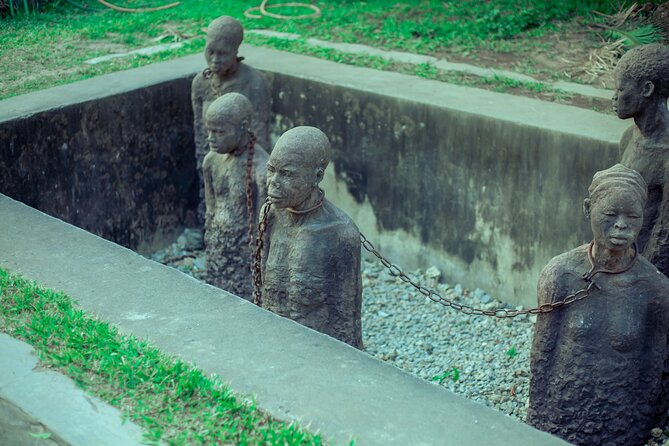
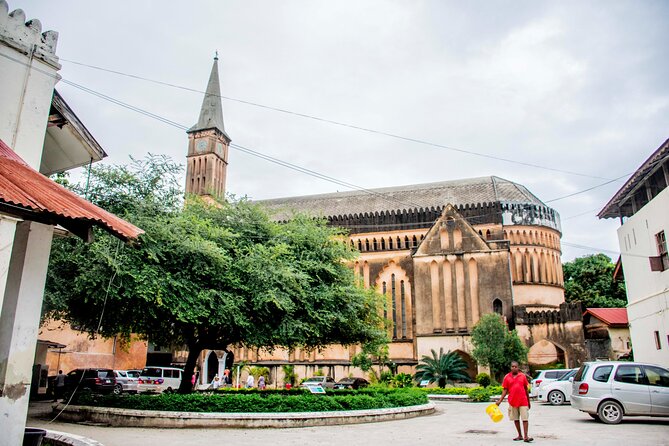
The most serious part of the tour is the former slave market and the Anglican Cathedral. This stop deals with Zanzibar’s role in the East African slave trade and the religious response that followed.
The Anglican Cathedral is described as one of the strongest examples of early Christian architecture in East Africa. Its presence on the site of the old market gives the visit emotional and historical weight. The contrast is difficult, but it is also central to understanding Stone Town.
This section deserves time and respectful attention. It is not simply another landmark on a sightseeing checklist. You are confronting the way people were bought, held, and transported, and you are seeing how a later religious institution marked a place connected to that system.
The guide’s role is important here. Several comments praise Abdul for explaining both past and present, while another describes the experience as feeling like a documentary. That points to the kind of value you want from this stop: clear information, human context, and space to ask questions.
If you prefer only light sightseeing, this part may feel heavy. I consider that a strength, but it is worth knowing in advance. Stone Town’s beauty cannot be separated from the difficult forces that helped make it wealthy and important.
Guide Style and the Private Advantage
The strongest praise is directed toward the guides, particularly Abdulrazak Abdul. He is described as warm, lively, fluent in English, and deeply familiar with Zanzibar’s history. His service has also included ferry pickups, family outings, and additional day tours.
That wider experience matters because a good guide does more than point at buildings. Abdul is praised for making people feel comfortable, including solo women and families with children. One family specifically appreciated how well he worked with their children.
Mcha is also connected with the walking tour, and Mohammad and Omar have guided Stone Town visits. The exact guide may depend on availability, so confirm the name when booking if that matters to you.
A private tour can be worth more than a cheaper group walk if you want flexibility. You can ask why a building has a certain name, return to a topic you found interesting, or request a slightly slower pace. You are also not waiting for a large group to take photographs at every stop.
The tradeoff is that the experience depends heavily on the individual guide assigned to you. The available feedback is especially strong, but you should still confirm the meeting details and guide arrangements before setting out.
Is $26 Per Person Good Value?
At $26 per person, this is a modest price for a private three-hour city tour, especially because all fees and taxes are included. The price becomes even more attractive for a small group that wants a personal explanation rather than a general orientation.
You are paying for local guiding, historical interpretation, and a planned route through several major sights. You are not paying for lunch, and the information does not state that separate entrance charges beyond the included fees will arise. If food is part of your plan, budget for it separately.
The value is highest if Stone Town is new to you. You could walk around on your own, but you might miss the significance of the old market, the relationship between Portuguese and Arab rule, or the reason the House of Wonders became famous.
It is also a useful first-day activity. The three-hour length gives you an introduction without taking over the entire day. Afterward, you can return to a favorite area, shop, eat, or continue exploring independently.
Practical Advice for a Comfortable Walk
Wear shoes that can handle uneven streets and extended walking. Stone Town’s lanes are compact and sometimes crowded, so shoes that offer a secure step are more useful than beach sandals.
Dress respectfully, particularly because the route includes a cathedral and areas shaped by Zanzibar’s Muslim culture. Light clothing is sensible in the heat, but shoulders and knees should be covered when appropriate.
Bring water and protect yourself from the sun. The tour lasts about three hours, and even a short city walk can feel demanding in warm weather.
Keep your phone charged because the ticket is mobile. Confirmation is sent within 48 hours of booking, subject to availability, so do not wait until the last minute if your schedule is tight.
The activity is marked as suitable for most people, but it remains a walking tour. If you have mobility concerns, ask the provider about the route before booking. The streets, stops, and pace may not suit every physical need.
Cancellation is free up to 24 hours before the start time for a full refund. Cancellations or changes made within 24 hours are not refunded, and the cut-off uses local time.
Who Should Book This Stone Town Walk?
I would choose this tour if you want the essential Stone Town story in one well-organized outing. It suits first-time visitors, couples, families, and solo visitors who would rather have local company in a maze-like historic district.
It is also a good fit if you care about context. The route is not limited to pretty doors and photographs. It includes slavery, religion, royal rule, military power, architecture, and the city’s connection to the wider East African region.
Families may appreciate the private format and the guide’s reported ability to keep children comfortable. Solo visitors may value having a reliable local contact, especially since Abdul has been praised for helping with arrival and ferry arrangements.
I would hesitate only if you want a long meal stop, a full-day excursion, or a tour built around shopping and beaches. This is a focused historical walk. It gives you Stone Town, not the whole island.
Should You Book It?
Book it if you want a clear, personal introduction to Stone Town at a fair price. The route covers the city’s major historic markers, and the private setting gives you a better chance to shape the conversation around your interests.
The best reason to choose it is the guiding. Abdulrazak Abdul has earned especially strong praise for warmth, clear English, safety-conscious service, and the ability to connect Zanzibar’s past with its present. Mcha, Mohammad, and Omar are also associated with highly regarded walks.
Go in ready to walk, listen, and confront some difficult history. If that sounds worthwhile, this three-hour tour should give you a much stronger understanding of Stone Town than wandering without context.
FAQ
How long does the Stone Town walking tour last?
The tour lasts approximately three hours.
Where does the tour begin?
It begins at Cape Town Fish Market Zanzibar, near Forodhani Gardens in Stone Town.
Where does the tour end?
The activity ends back at the meeting point.
Is this a private tour?
Yes. Only your group participates in the activity.
Is lunch included?
No. Lunch is not included in the price.
What is the cancellation policy?
You can cancel at least 24 hours before the local start time for a full refund. Cancellations or changes made less than 24 hours before the start time are not refunded.
More Walking Tours in Zanzibar
- Stonetown: Food Markets and Street Food Walking Tour
★ 4.7 · 151 reviews - Walking City Tour in Zanzibar Island
★ 5.0 · 122 reviews - Zanzibar: Jozani nature walk and wildlife tour
★ 4.5 · 89 reviews - 3 Hours Private Stone Town Walking Tour
★ 5.0 · 71 reviews
Just added around Zanzibar
- Zanzibar: Maasai village and Nungwi turtles experience trip★ 4.9 · 16 reviews
- Zanzibar: Mnemba Atoll, Spice farm, Jozani forest & Lunch★ 3.9 · 3 reviews
- Zanzibar: Maasai World Tour with Cultural Practices★ 4.0 · 4 reviews
- Zanzibar: Kendwa Beach Professional Photoshoot★ 5.0 · 5 reviews
- ZANZIBAR: Jozani Forest,Salaam Cave, The Rock & Blue Lagoon★ 4.8 · 8 reviews
- Zanzibar: Jozani Red Colobos Monkey & Salaam Turtle Santuary★ 4.6 · 3 reviews
- Zanzibar: Jozani Forest Walking Tour★ 5.0 · 3 reviews
- Zanzibar: Jozani Forest,Red colobus,the Rock Restaurant tour★ 4.5 · 21 reviews
Stone Town Walking Tours, compared.

Stone Town, Spice Tour, Prison Island with Lunch
Read our review →
Stone Town, Spice tour & Prison Island with Lunch
Read our review →

3 Hours Private Stone Town walking Tour with Guide
Read our review →
Full-Day Private Stone Town +Spice Farm and Prison Island Tour
Read our review →
Stone Town Historical Cultural Walking Guided Tour
Read our review →
Browse the lists this tour appears in