

Reviewed · STONE TOWN WALKING TOURS
Stone Town Historical and Cultural Walk with Ally Jape
Stone Town’s narrow lanes hold Zanzibar’s biggest stories, and this private walk brings them together in about two hours. You move from the former Slave Market and Anglican Cathedral to the Old Arab Fort and Freddie Mercury’s birthplace, with markets and local crafts along the way.
I like the private format, which gives you room to ask questions and adjust the pace. I also like that the Old Slave Market entrance is included, since this is one of the most important sites on the route. The main drawback is simple: if you are staying outside Stone Town, transport is not included, and the walk requires a moderate level of fitness.
Key points to know before booking
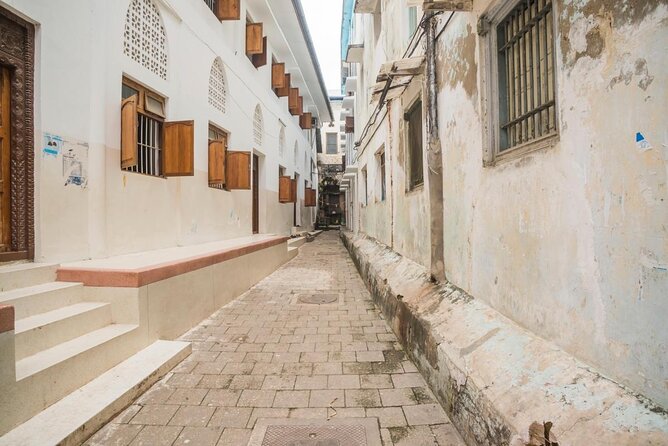
- The tour follows Stone Town’s major landmarks, including the Old Slave Market, Anglican Cathedral, House of Wonders, Old Arab Fort, and Freddie Mercury’s birthplace.
- Ally Jape leads the walk, giving you a local perspective on architecture, daily life, carving traditions, and Zanzibar’s past.
- The private setup gives you flexibility, so you can ask questions and spend more time on the subjects that interest you.
- Stone Town hotel pickup is available, but you need to send a message in advance. Pickup from other parts of Zanzibar is not included.
- The $60 price includes the Old Slave Market entrance, but not food, drinks, or gratuities.
- Plan for roughly two to three hours on foot, with a starting point at the Old Fort and a return to the same meeting point.
Why this Stone Town walk works so well
Stone Town is not a place you understand by checking off one building at a time. Its story is spread through alleys, carved doors, religious buildings, markets, waterfront landmarks, and old trading quarters. A guide helps connect those pieces.
That is the main value of this tour. Instead of seeing the Old Fort as an isolated monument or Freddie Mercury’s former home as a quick photo stop, you get a wider look at how Stone Town became a meeting point for African, Arab, Indian, Persian, and European influences.
I especially like the balance between major sights and ordinary street life. The route is not limited to formal museums. You also walk through markets, watch local activity, and hear about wood carving and other craft traditions. That mix gives you a better feel for the town than a short ride through its streets.
The private format matters here. Stone Town’s lanes can be confusing, and a small group lets you stop when something catches your eye. You can ask about a doorway, a market stall, a place of worship, or a building that does not appear in the standard sightseeing list.
The walk has received a top rating from 23 published reviews, with 100 percent recommending it. That strong response lines up with the tour’s best features: a local guide, a clear route through the key sites, and enough flexibility to keep a child or a curious adult engaged.
More Stone Town Walking Tours in Zanzibar
- Zanzibar Stone Town Walking Tour
★ 5.0 · 145 reviews - Stone Town Historical Walking Tour
★ 5.0 · 143 reviews - Spice Tour + Stone Town Tour + Prison Island
★ 4.5 · 130 reviews
Starting at the Old Fort on Mizingani Road
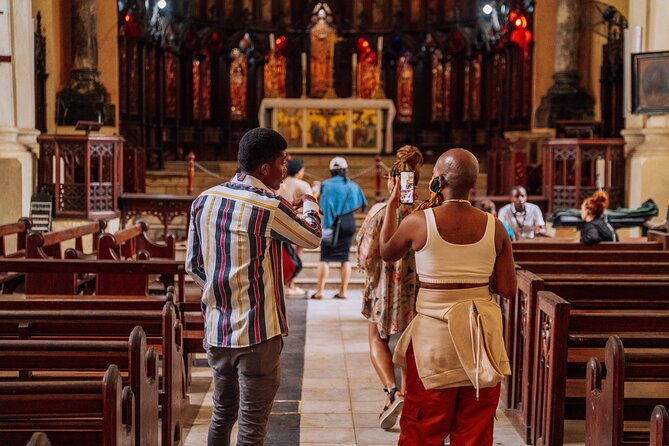
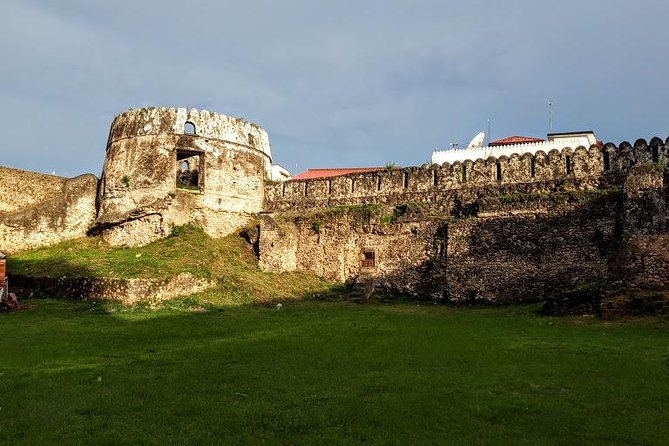
The meeting point is the Old Fort on Mizingani Road. This is a practical starting place because the fort is one of Stone Town’s most recognizable landmarks and an easy point to reach by local transport.
From here, you begin on foot through the old town. The tour ends back at the same meeting point, so you do not need to arrange a second pickup at the end. If you are staying at a Stone Town hotel, pickup may be available, but contact Zanzibar Walks ahead of time rather than assuming it will happen automatically.
The Old Fort also gives the walk a useful opening frame. It places you in the historic center before you move into the smaller streets and buildings that explain how people lived, traded, worshipped, and worked in Stone Town.
The route is listed as about two hours, while the general duration is given as two to three hours. I would allow the longer window, especially if you ask many questions or spend time looking through the markets. A walking tour can feel rushed if you schedule another activity too tightly behind it.
The Old Slave Market and Anglican Cathedral
The Old Slave Market is the most serious stop on the route. Admission is included, which is important because this site is not just a passing landmark. It is where you begin to understand the human cost behind Zanzibar’s role in regional trade.
The Anglican Cathedral stands on the former market site and adds another layer to the story. Seeing both places together helps you grasp how the area changed over time and why the cathedral occupies such a significant position in Stone Town’s past.
This part of the tour calls for attention rather than a quick photograph. You can expect the guide to explain the site and place it within Zanzibar’s wider story. The supplied information does not give a detailed list of every interior room or exhibit, so you should think of the visit as a guided historical stop rather than a long museum session.
I consider the included entrance fee a real advantage. It keeps the advertised price more useful and means the central historical site is already part of your walking plan. Food and drinks are not included, so bring your own water if you need it during the walk.
House of Wonders and the architecture of Stone Town

The House of Wonders is another major landmark on the route. Its name hints at its former importance, but the larger value is the chance to see how Stone Town’s public buildings fit into the town’s changing political and cultural life.
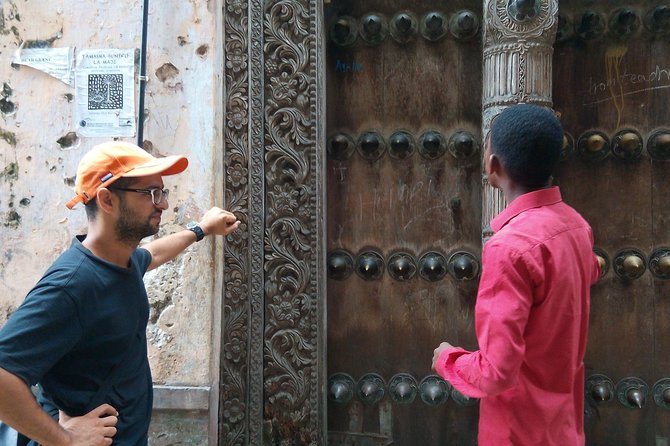
The walk also pays attention to architecture beyond the headline sites. You pass through alleyways and learn to notice the details that make Stone Town distinctive, including carved doors and local building traditions. The tour information specifically highlights the carving tradition, so this is a good place to ask Ally Jape to point out details you might otherwise miss.
I like this approach because architecture can be easy to skim. A carved doorway may look decorative, but it can also reflect the owner’s status, cultural background, or links to the wider Indian Ocean world. The supplied details do not promise a specific lesson for every door, so keep your expectations practical. You will gain an introduction to the town’s design and craft traditions, not an architectural degree in one morning.
The lanes themselves are part of the experience. They are not laid out like a modern city, and the route gives you a chance to see how daily life fits into these older spaces. You should be prepared for regular walking and uneven or confined streets, even though no exact surface details are provided.
Same country, a completely different kind of safari:
- Zanzibar: Quad Bike Adventure departing from Kendwa or Nungwi
★ 4.9 · 1,233 reviews - Zanzibar: Prison Island and Nakupenda Boat Trip with Lunch
★ 4.1 · 882 reviews - Skydive Zanzibar | Tandem Skydive
★ 5.0 · 877 reviews - Mnemba Island: Dolphin Swim & Snorkeling with Optional Lunch
★ 4.3 · 591 reviews
Freddie Mercury’s birthplace and the modern side of Stone Town
The stop at Freddie Mercury’s birthplace adds a more recent and widely recognized chapter to the walk. It also prevents the tour from treating Stone Town as a place frozen in the past.
This is a useful contrast with the Old Slave Market and the older Arab and Swahili buildings. Zanzibar’s story includes trade, religion, colonial rule, craft, music, family life, and modern popular culture. Freddie Mercury’s connection gives the route a personal and contemporary point of reference.
Expect this stop to be brief compared with the larger historical sites. The information provided identifies the birthplace as part of the route but does not promise an interior tour, exhibition, or extended music-focused program. I would treat it as an exterior landmark and a chance to discuss Stone Town’s more recent cultural connections.
That balance suits families and mixed-interest groups. One person may want political history, another may care about music, and someone else may simply enjoy seeing how famous places fit into the local streetscape. A private guide can adjust the conversation more easily than a large group can.
The Old Arab Fort and the streets between the sights

The Old Arab Fort helps anchor the route in Stone Town’s Arab-era history. It is also a natural place to think about the town as a fortified port and a center of movement across the Indian Ocean.
The tour is not only about arriving at the fort, taking a picture, and leaving. The time between stops matters. You walk through the town’s alleys, pass working markets, and see how older buildings remain part of everyday life.
That is where the guide’s local knowledge becomes most useful. Written signs can tell you a building’s name, but they rarely explain how the street functions today or how local craft traditions fit into the town’s identity. The tour specifically includes an introduction to carving and time in the markets, so you get more than a monument-to-monument route.
You may also find the market portion useful for getting your bearings before shopping later in your trip. The tour does not include food, drinks, or purchases, and it does not promise a dedicated shopping session. Instead, expect time to look around and learn about local work while continuing the historical walk.
A private guide makes the two-hour schedule flexible
The private format is one of the clearest reasons to choose this experience. Only your group participates, so you can ask direct questions and avoid waiting for a large party to gather at every corner.
This is especially helpful if you are traveling with children. A published five-star review describes the tour working well for a group with a 10-year-old child, with the guide keeping the walk educational without making the child a problem. That does not guarantee every child will enjoy two hours of walking, but it suggests the format can suit families better than a fixed, crowded group outing.
I would also choose the private option if you have a particular interest in Zanzibar’s architecture, slave-trade history, markets, or music. You can tell Ally Jape what matters most to you and use the route as a starting point for a more focused conversation.
The trade-off is price. At $60 per person, this is not the cheapest way to wander Stone Town if you are traveling alone or on a tight budget. Still, the price includes a private professional guide and the Old Slave Market entrance. For two or more people, the personal attention and lack of a large group may make the cost reasonable, especially if you value context over simply seeing the buildings.
Group discounts are available, though the exact savings are not specified. If you are traveling with family or friends, ask about the discount before booking.
What the walking effort is really like

The activity requires moderate physical fitness. You should be comfortable spending about two hours walking through Stone Town, with stops along the way. The information does not specify the number of stairs, the exact distance, or the condition of every lane, so anyone with mobility concerns should ask Zanzibar Walks for current details before booking.
The walk takes place outdoors and requires good weather. If poor weather forces a cancellation, you can choose another date or receive a full refund. For your own comfort, dress for warm conditions and bring water, though those suggestions are practical rather than stated tour inclusions.
There is no separate transport around Stone Town because the activity is built as a walking experience. Pickup is available from Stone Town hotels if you arrange it in advance. If you stay elsewhere on the island, you must get to the Old Fort on your own.
Public transportation is nearby, which makes the meeting point fairly workable. The tour does not include pickup from other parts of Zanzibar, so factor in your transport time and cost when judging the total value.
Who gets the most from this experience
I would recommend this walk to a first-time Stone Town visitor who wants an organized introduction without committing to a full-day program. Two to three hours is long enough to cover the main sights while leaving time for lunch, shopping, or another activity afterward.
It also suits:
- Families who want a private pace and a guide who can keep younger children involved
- Couples and friends who prefer direct conversation instead of a large group
- History-minded visitors who want the Old Slave Market and Anglican Cathedral explained together
- Architecture fans interested in carved doors, alleyways, and Stone Town’s mixed cultural influences
- Visitors staying in Stone Town who want an easy hotel pickup option
I would be less likely to choose it if I wanted a food tour, a sunset activity, extensive museum time, or transport from a beach resort on the other side of the island. Those needs are outside the stated scope of this walk.
Price, inclusions, and small costs to remember
At $60 per person, the price is easiest to justify when you value a private guide. You are paying for a focused route, local interpretation, and the ability to shape the conversation around your group’s interests.
The included Old Slave Market entrance adds useful value. Stone Town hotel pickup can also save you a separate transport arrangement, but only if you contact the provider in advance.
You still need to budget for:
- Food and drinks
- Transport if you are staying outside Stone Town
- Tips and gratuities
- Any market purchases
The booking price is not the full cost of a day in Stone Town, but the main sightseeing service is clearly defined. Free cancellation is available up to 24 hours before the start time, which gives you some protection if your plans change. Changes made inside that window are not accepted, and weather-related cancellations offer a new date or full refund.
Should you book the Stone Town Historical and Cultural Walk?
Book this tour if you want a private, guide-led introduction to Stone Town with the Old Slave Market, Anglican Cathedral, House of Wonders, Old Arab Fort, markets, carving traditions, and Freddie Mercury’s birthplace in one compact route.
The strongest reason to book is the combination of serious history and ordinary street life. You get the key landmarks, but you also have time to look at craft traditions and local activity. The private format is a real plus for families and anyone who likes asking questions.
Skip it if you want a longer museum visit, a food-focused outing, or island-wide transport. For most first-time visitors based in Stone Town, though, the $60 price is fair for a private two-hour walk with admission included. Arrive ready to walk, contact the provider about hotel pickup, and leave enough time afterward for your own market wandering.
FAQ
How long does the Stone Town Historical and Cultural Walk last?
The walk lasts about two to three hours. The stated itinerary time is two hours, but you should allow a little extra time for questions and stops.
Where does the tour start?
The tour starts at the Old Fort on Mizingani Road in Zanzibar, Tanzania.
Where does the tour end?
The activity ends back at the Old Fort meeting point.
Is hotel pickup available?
Pickup is available from hotels in Stone Town. You need to send a message in advance to arrange it.
Is pickup from other parts of Zanzibar included?
No. Pickup from other parts of the island is not included, and the departure point is in Stone Town.
What entrance fee is included?
Admission to the Old Slave Market site is included in the tour price.
Is this a private tour?
Yes. Only your group participates, and a local professional guide leads the walk.
Can I cancel for a full refund?
Yes, if you cancel at least 24 hours before the experience start time. Poor-weather cancellations offer a different date or a full refund.
More Walking Tours in Zanzibar
- Stonetown: Food Markets and Street Food Walking Tour
★ 4.7 · 151 reviews - Walking City Tour in Zanzibar Island
★ 5.0 · 122 reviews - Zanzibar: Jozani nature walk and wildlife tour
★ 4.5 · 89 reviews - 3 Hours Private Stone Town Walking Tour
★ 5.0 · 71 reviews
More Historical Tours in Zanzibar
- Private Historic Stone Town Tour
★ 5.0 · 79 reviews - Stone Town Historical Walking Tour
★ 5.0 · 40 reviews - Zanzibar Stone Town Historical Tour and Spice Farm Tour
★ 5.0 · 30 reviews - Stone town historical tour + Spice farm tour
★ 5.0 · 29 reviews
Just added around Zanzibar
- Zanzibar: Maasai village and Nungwi turtles experience trip★ 4.9 · 16 reviews
- Zanzibar: Mnemba Atoll, Spice farm, Jozani forest & Lunch★ 3.9 · 3 reviews
- Zanzibar: Maasai World Tour with Cultural Practices★ 4.0 · 4 reviews
- Zanzibar: Kendwa Beach Professional Photoshoot★ 5.0 · 5 reviews
- ZANZIBAR: Jozani Forest,Salaam Cave, The Rock & Blue Lagoon★ 4.8 · 8 reviews
- Zanzibar: Jozani Red Colobos Monkey & Salaam Turtle Santuary★ 4.6 · 3 reviews
- Zanzibar: Jozani Forest Walking Tour★ 5.0 · 3 reviews
- Zanzibar: Jozani Forest,Red colobus,the Rock Restaurant tour★ 4.5 · 21 reviews
Stone Town Walking Tours, compared.

Stone Town, Spice Tour, Prison Island with Lunch
Read our review →
Stone Town, Spice tour & Prison Island with Lunch
Read our review →

3 Hours Private Stone Town walking Tour with Guide
Read our review →
Full-Day Private Stone Town +Spice Farm and Prison Island Tour
Read our review →
Stone Town Historical Cultural Walking Guided Tour
Read our review →
Browse the lists this tour appears in