
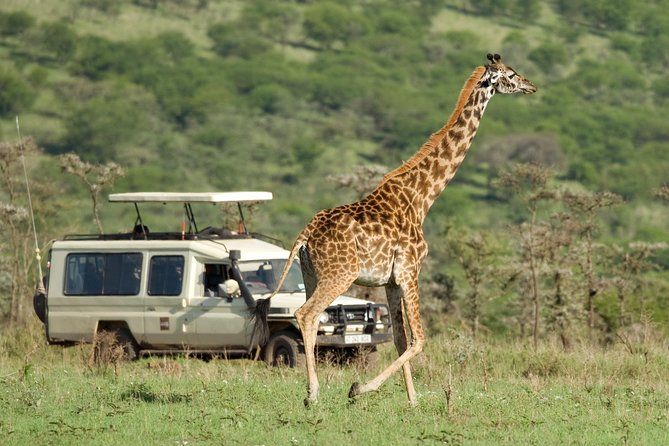
Reviewed · 7-DAY EXPERIENCES
Tanzania Classic Safari – 7 Days
The main draw here is simple: several days in the Serengeti give you more than a quick game drive and a checklist of animals. You have time to search for the Great Migration, follow changing wildlife activity, and wake early for the hours when predators are most active. Tarangire’s elephants and baobabs make a fine opening act, while Ngorongoro Crater brings you close to one of Tanzania’s best places to seek the Big Five.
I like the private transport, which keeps the schedule in your hands, and I like that park fees, lodging, meals, and a professional safari guide are bundled into the price. Guides named Isaac, Izaak, Innocent, and Daniel have received especially warm praise for their help and animal-spotting skills. The main caution is cost: at $8,900 per person, this is a major purchase, and the safari is not offered all year.
Key points at a glance
- Several Serengeti days: You have a better chance of finding seasonal migration activity than on a short park visit.
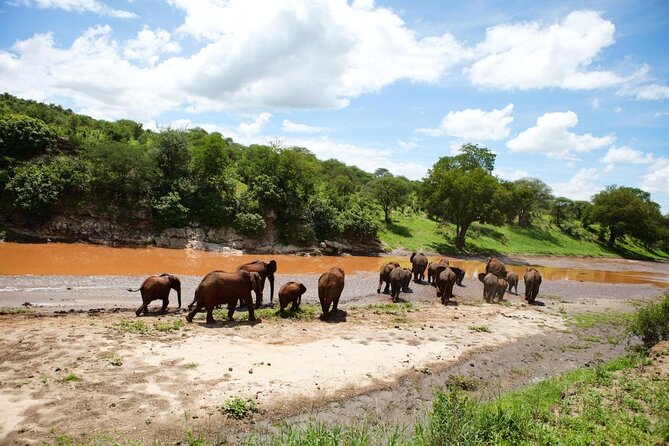
- Tarangire’s elephant country: Expect large herds, ancient baobabs, and the Tarangire River.
- Ngorongoro Crater game viewing: The crater offers strong chances for lion, elephant, buffalo, rhino, and possibly leopard.
- Private safari setup: Only your group takes part, with private transportation and a professional guide.
- Meals and park costs included: Six breakfasts, five lunches, five dinners, park fees, taxes, and accommodations are covered.
- Season matters: The Great Migration changes location, so you need to ask the operator when the timing is best.
Why the Serengeti gets the most time
This safari is built around the idea that more time in the Serengeti improves your odds of seeing major wildlife action. That is a sensible plan. Animals move, predators rest, and migration herds change position. A single game drive can be wonderful, but it can also leave you searching in the wrong part of a huge park.
You spend the first Serengeti day reaching the park and then continuing into the central area, where a tented camp is planned. The following day begins with an early morning drive, then continues through different parts of the park. Depending on the season and the migration’s location, the camp and driving pattern may shift to keep you as close as possible to the herds.
That flexibility is one of the strongest features here. The Great Migration is not a fixed show that arrives at the same place every day. The itinerary notes that the route can change according to the animals, so ask specific questions before booking. Find out which Serengeti zone is planned for your dates, how the operator responds if the herds move, and what kind of tented camp you will use.
The Serengeti is also about more than migration. Its open plains are classic hunting ground for lions, cheetahs, hyenas, and other predators. The early start on Day 4 is worthwhile because the animals are generally most active around sunrise. You may see the most dramatic encounters at this hour, but you will need to be comfortable with early breakfasts and long days in the vehicle.
A few more Arusha trips to weigh up
- Balloon Safari & Bush Breakfast in Serengeti – Miracle Experience
★ 5.0 · 1,646 reviews - 4 Days Group Camping Safari
★ 5.0 · 1,101 reviews - 5 Days Group Camping Safari
★ 5.0 · 730 reviews
Day 1: A gentle start in Arusha
Your safari begins at Kilimanjaro Airport, where a driver meets you outside with the company logo. You are then taken to your Arusha lodge for a welcome, a local drink, and a briefing about the next day.
This arrival arrangement matters after a long international flight. You do not need to find your own way into town or work out the first night’s plan alone. The drive also gives you an early look at northern Tanzania, and on a clear day you might catch a glimpse of Mount Kilimanjaro.
The schedule allows up to 12 hours for the day, but that does not mean you spend 12 hours sightseeing. It includes airport pickup, the transfer, time at the lodge, and the briefing. Treat this as a settling-in day rather than a safari day.
One practical point needs clearing up before you pay. The experience is titled a seven-day safari, while the supplied schedule runs from Day 1 through Day 6 and describes the duration as approximately six days. Ask the operator to confirm the exact number of nights, the airport transfer plan, and whether your flight home is included in the final day’s timing.
Day 2: Elephants and baobabs in Tarangire
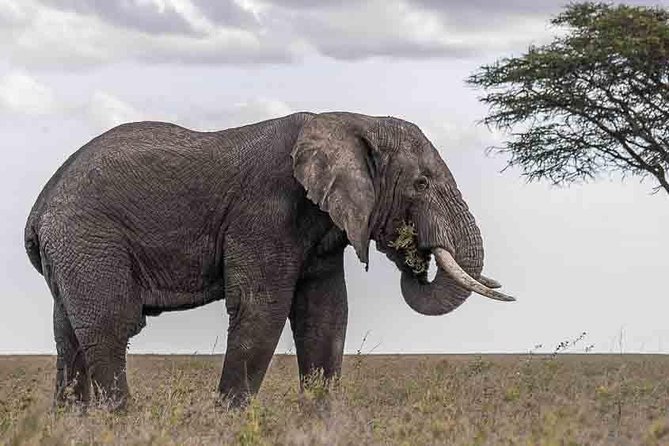
Tarangire National Park gives you a very different opening to the Serengeti. The park is known for large elephant herds and enormous old baobab trees, with the Tarangire River providing an important year-round water source.
The planned visit lasts about eight hours. That is enough time for a proper game drive rather than a quick pass through. Keep your eyes open for elephants around water and for the broad, unusual shapes of baobabs, which give this park much of its character.
Tarangire is a useful first park because it gets you into wildlife country without saving every major sight for the Serengeti. You may see many other animals here, but the supplied details make clear that elephants are the star. If elephants and striking trees appeal to you, this day has real value even before the main Serengeti section begins.
The drawback is road time. Northern Tanzania is spread out, and the trip covers several major parks. A safari like this asks you to accept long vehicle days as part of the deal. Private transport helps because your group is not sharing the vehicle with strangers, but it does not shorten the distances.
Days 3 and 4: Chasing wildlife across the Serengeti
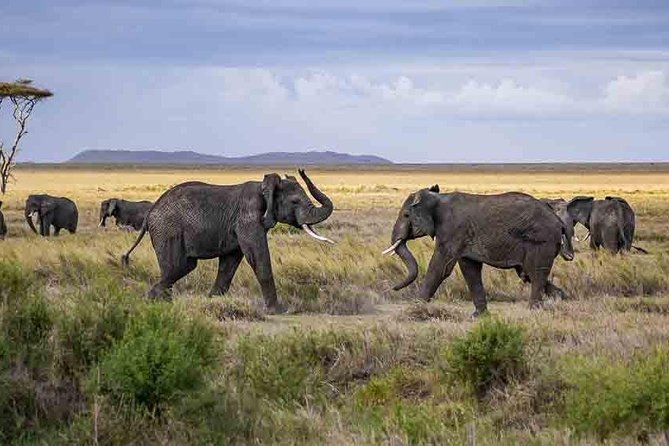
The Serengeti section starts early, with breakfast before the drive. You then spend the day moving through the park, looking across its open plains and varied terrain for animals and seasonal migration activity.
Central Serengeti is the planned base for the first night, in a tented camp. Camping here puts you closer to the feel of a traditional safari than a standard town hotel. At the same time, you should ask what facilities are supplied, since the description does not give details about tent size, bathrooms, electricity, or dining arrangements.
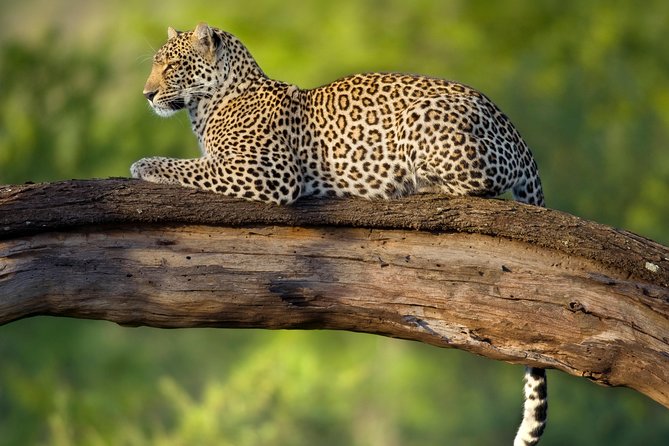
Day 4 begins with a sunrise safari. This is the day to protect your energy for an early start. Lions, cheetahs, leopards, and hyenas are specifically highlighted, along with the chance to see other animals during the rest of the day. You are not simply driving to one famous viewpoint. The guide searches different areas to increase the number of wildlife encounters.
The phrase National Geographic action can set expectations too high, so keep your hopes realistic. A safari is governed by animal behavior and luck. You might see a predator resting in the shade rather than hunting, or you might catch an extraordinary moment. The value of two Serengeti days is that you give yourself more chances.
The private format is especially useful here. Your group can discuss how long to remain at a sighting and how to shape the day with the guide. The information does not promise a custom departure time or unlimited vehicle flexibility, so confirm those points directly. Still, having only your own group in the activity is more personal than joining a large shared excursion.
Same country, a completely different kind of safari:
- Tanzania Classic – 7 Days
★ 5.0 · 1,151 reviews - Materuni Waterfalls, coffee tour & Kikuletwa Hot Springs
★ 5.0 · 643 reviews - 3 Days Serengeti & Ngorongoro Group Camping Safari
★ 5.0 · 574 reviews - 7-Day Premium Luxury Tanzania Safari All-Inclusive
★ 5.0 · 426 reviews
Day 5: Into the Ngorongoro Crater
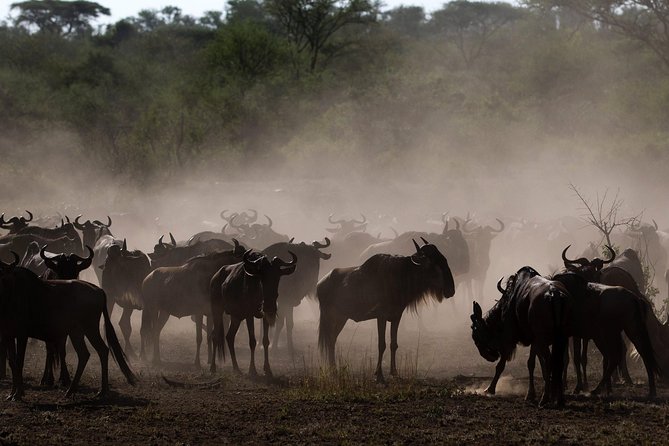
After an early breakfast, you take a steep, narrow road down into Ngorongoro Crater. The descent is described as bumpy and adventurous, with forested slopes giving way to open savannah below.
This is a memorable change of scenery. The crater is enclosed, compact compared with the wider Serengeti, and known for its concentration of wildlife. From the crater floor, you may spot animals at a distance, including lion, elephant, buffalo, rhino, and possibly leopard.
The biggest prize here is the endangered rhino. The itinerary identifies Ngorongoro as your best chance to see one, but no responsible safari can guarantee a sighting. You should think of the crater as a strong opportunity, not a promise.
The day lasts about 12 hours and continues to another lodge in the afternoon, with arrival expected in the late afternoon or early evening. That makes this one of the more demanding sections of the trip. You have an early start, a rough descent, game viewing, and a later transfer. Pack water, keep a light layer handy, and do not expect a lazy afternoon.
The crater can feel very different from the Serengeti. In the Serengeti, the search spreads across broad open spaces. At Ngorongoro, the setting itself becomes part of the experience, with steep sides rising around the animal-filled floor. You get variety without needing another full park day.
Day 6: A soft landing in Mto wa Mbu
The final day is based around Mto wa Mbu. The safari portion is over, and you can either relax at the lodge or choose an extra activity.
That choice is useful after several early mornings and long drives. A quiet morning lets you sort photographs and enjoy the lodge without racing to another appointment. If you want one last taste of Tanzania, the operator can arrange an additional activity, although the supplied information does not state which activities are available or what they cost.
At the end of the day, you take your flight home or continue to Zanzibar. The wording suggests that flights are not included in the safari price, so confirm the transfer and timing before booking your air ticket. A late departure may work well, but you should not assume that an international flight, domestic flight, or Zanzibar connection is covered.
What the $8,900 price includes
At $8,900 per person, this safari belongs to the high-cost end of organized Tanzania trips. The price makes more sense when you consider what is bundled: all park fees and taxes, accommodations, private transportation, a professional safari guide, six breakfasts, five lunches, and five dinners.
You are also paying for the private format and for several days in the Serengeti. Park fees can form a substantial part of a Tanzania safari bill, and the package avoids having you pay them one at a time. The guide is another major part of the value. A good safari guide does more than drive. The strongest feedback about guides such as Innocent, Isaac, Izaak, and Daniel centers on friendliness, help, and finding a wide range of animals, including rhino and the Big Five.
Still, the cost requires careful checking. The supplied information does not spell out the lodge names, room categories, tented camp facilities, drinks, flights, travel insurance, or visa costs. Travel insurance and a visa are specifically excluded. Ask for a day-by-day cost sheet and the names or standard of the accommodations before treating the package as an all-in price.
The company also offers group discounts, though no discount amount is provided. If you are traveling with family or friends, ask how the discount works and whether it changes the private vehicle arrangement.
Food, lodging, and the pace of the days
Breakfast is included for six mornings, along with five lunches and five dinners. That covers much of the route, but you should ask about the final day’s meals and any drinks or extra activity costs.
The lodging plan includes an Arusha lodge, a central Serengeti tented camp, and another lodge after Ngorongoro. The descriptions of the lodges are limited, while past comments have praised them as beautiful and special. I would still request the exact names and room details, especially if comfort is a major reason you are considering a high-priced private safari.
The pace is active. Day 2 is about eight hours, while several other days are listed as 12 hours or a full day. Early breakfasts and sunrise drives are part of the plan. Most people can take part, but you should be honest with yourself about long periods in a safari vehicle, rough roads, and early starts.
Guide quality and the private format
A safari guide can shape the whole trip. The strongest names connected with this program are Isaac, Izaak, Innocent, and Daniel. Specific praise has focused on guides being friendly, helpful, and effective at finding animals beyond the usual Big Five.
That matters because wildlife spotting is not only about reaching a park. You need someone who can read the conditions, watch animal behavior, and explain what you are seeing. The supplied information does not promise a particular guide, so ask if you can request one by name.
This is a private activity, meaning only your group participates. That can be a good match for a honeymoon, family trip, or group of friends. Two honeymoon accounts also describe careful planning, including help with fine venues and activities and, in one case, a larger Tanzania and Zanzibar trip.
Private does not mean the safari is fully custom. The route and major stops are set, and seasonal migration movements influence the plan. Think of it as a private version of a structured safari, with room for discussion rather than a blank sheet of paper.
Timing, migration, and what to ask before booking
The Great Migration is the heart of this trip, but the experience is not available year-round. Ask the operator for the best dates based on the herd location, not simply the cheapest or most convenient month.
The migration can affect which part of Serengeti National Park you visit and where the camp is set. That is a strong reason to book after discussing current seasonal patterns. It is also why you should avoid treating the phrase great migration safari as a guarantee of a river crossing or a particular predator scene.
Before booking, ask these practical questions:
- Which Serengeti area is expected during my dates?
- How many nights are spent in the Serengeti?
- What is the exact seven-day or six-day schedule?
- What are the names and facilities of the lodges and tented camp?
- Which guide is assigned, and can I request Isaac, Izaak, Innocent, or Daniel?
- Are airport transfers and domestic flights included?
- What extra activities are available in Mto wa Mbu?
- What does the group discount cover?
The cancellation rule is strict. The payment is non-refundable and cannot be changed for any reason, so confirm dates, flights, passport details, insurance, and seasonal timing before paying.
Is this Tanzania safari a good buy?
Book this safari if you want a private, guide-led route through three major northern Tanzania destinations and you place a high value on multiple Serengeti days. It suits a honeymoon or a small private group that wants organized transport, included park costs, and a strong chance of varied wildlife.
Think twice if your budget is tight, if you want a slow trip with few long drives, or if you need complete certainty about the exact lodge and camp standard before paying. The $8,900 price can be justified by the private vehicle, guide, fees, meals, and Serengeti time, but only after you confirm what is not included.
My advice is to ask about the migration dates and accommodation details first. If those answers match your expectations, this is a focused safari with a smart wildlife plan. If the operator cannot clarify the six-day versus seven-day wording or the final transfer arrangements, pause before committing to a non-refundable booking.
FAQ
Where does the safari start?
It starts in Arusha, Tanzania. Pickup is offered from Kilimanjaro Airport, where a driver waits with the company logo.
Where does the safari end?
The activity ends back at the meeting point. The final day also states that you may take your flight home or continue to Zanzibar.
How long is the safari?
The title describes a seven-day safari, while the listed schedule runs from Day 1 through Day 6 and gives the duration as approximately six days. Confirm the exact number of days and nights with the provider.
Is this a private tour?
Yes. Only your group participates, and private transportation is included.
Is the Great Migration available all year?
No. The safari is not available year-round as a Great Migration trip. Ask the provider when the best time is based on the migration’s location.
Which parks are included?
The route includes Tarangire National Park, Serengeti National Park, and Ngorongoro Crater.
What meals are included?
The package includes six breakfasts, five lunches, and five dinners.
What is not included in the price?
Travel insurance and a visa are not included. The supplied information does not state that flights are included, so confirm air travel and related transfers before booking.
Just added around Arusha
- 8 Days Serengeti Migration safari★ 5.0 · 11 reviews
- tarangire, ngorongoro & lake manyara park 3 days private tour★ 5.0 · 11 reviews
- tarangire & ngorongoro 2 days tour★ 5.0 · 14 reviews
- serengeti, ngorongoro & tarangire 4 days private tour★ 5.0 · 18 reviews
- serengeti & ngorongoro 3 days private tour★ 5.0 · 15 reviews
- Mt. Kilimanjaro: Shira plateau to Cathedral point 3872m Day hike★ 5.0 · 7 reviews
- 2 Days Tanzania Midrange Group Join Safari★ 5.0 · 7 reviews
- climb the KILIMANJARO via Lemosho route★ 5.0 · 4 reviews
7-Day Experiences, compared.

7-Day Premium Luxury Tanzania Safari All-Inclusive
Read our review →
Group Safari 7 Days in Tanzania’s Main Parks
Read our review →

Climbing Kilimanjaro through 7 days Machame Route
Read our review →
7-Day Machame Kilimanjaro Summit Tour from Arusha
Read our review →Browse the lists this tour appears in