
Reviewed · MACHAME ROUTE CLIMBS
7 Days Machame Route Trek Mount Kilimanjaro
Kilimanjaro’s Machame Route gives you the mountain in changing acts: monkey-filled rainforest, dry moorland, giant senecios, volcanic desert, and the icy summit of Uhuru Peak. The route is demanding, but its steady rise and built-in acclimatization day give you a sensible shot at reaching 5,895 meters.
I like the variety of scenery and the small maximum group size of four. I also like the careful climb-high, sleep-lower pattern on day three, which gives your body useful time to adjust. The main drawback is the summit night: you start around midnight after only a short rest, then face a long descent immediately after reaching the top.
- Rainforest to glaciers: Walk past ancient trees, ferns, Impatiens kilimanjari, and possible black-and-white colobus monkeys.
- Useful acclimatization: Climb to Lava Tower at 4,640 meters, then sleep at Barranco Camp.
- A hands-on route: The Barranco Wall requires careful footing and occasional use of your hands, though no technical climbing is needed.
- Small group format: The advertised maximum is four people, allowing closer contact with your guide.
- Tent camping: Nights are spent in mountain camps, with a hotel stay after the final descent.
- Summit at sunrise: Reach Stella Point, then continue to Uhuru Peak as the African sky turns pink.
Why the Machame Route Earns Its Reputation
The Machame Route is a strong choice if you want a scenic Kilimanjaro climb rather than a simple uphill march. You pass through several climate zones in only a few days, and each one feels distinct.
At the lower slopes, the forest is thick and damp. Higher up, trees give way to heath and moorland. By the time you reach Lava Tower and Barranco, the vegetation is sparse, with lobelia and giant senecio plants adding strange shapes to the volcanic scenery.
The route also has a useful acclimatization design. On day three, you climb from Shira Plateau to Lava Tower at 4,640 meters, then descend to Barranco Camp for the night. That extra climb matters because altitude, not just leg strength, is what stops many people on Kilimanjaro.
Still, do not mistake seven days for an easy schedule. You will spend long hours walking, sleep in tents, and deal with cold, tiredness, and a summit night that begins around midnight. Your guide sets the pace, but you still need solid fitness and the ability to keep moving when the excitement has worn off.
From Arusha to Machame Gate on Day One
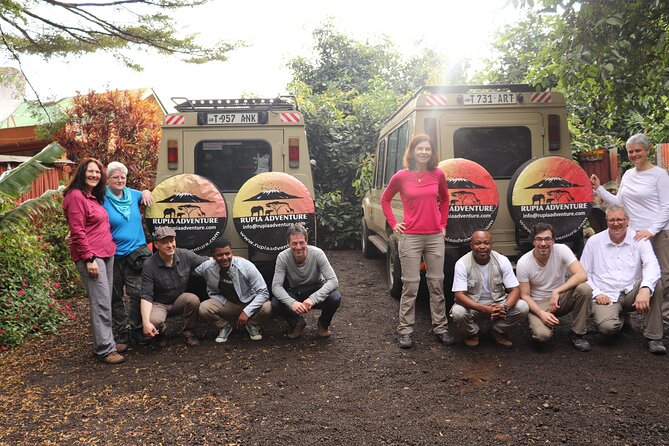
Pickup follows breakfast, with the listed meeting time at 8:30 am. You are driven from your hotel in the Arusha area to Kilimanjaro National Park, where registration and other entry paperwork take place before you start walking.
The first day is a five to six-hour hike to Machame Camp. It begins in rainforest, where the path is shaded and the air is humid. Ancient trees, large ferns, and endemic flowers such as Impatiens kilimanjari make this more than a warm-up walk.
Keep your eyes up in the branches. Black-and-white colobus monkeys may appear through the leaves. They are not guaranteed, but the possibility gives the first day a welcome sense of place.
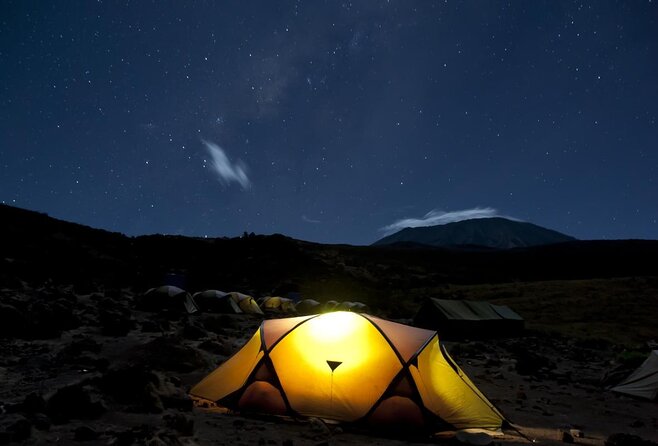
Machame Camp is your first mountain night. After reaching camp, you have time to stretch, rest, eat, and settle into your tent. The first night is useful for learning how you handle the basic rhythm of a camping trek: walking, eating, organizing your gear, and sleeping at altitude.
More Kilimanjaro Climbs in Arusha
- 8-Day Small-group Lemosho Kilimanjaro Summit Trekking
★ 5.0 · 186 reviews - 7-Day Machame Kilimanjaro Summit Tour from Arusha
★ 5.0 · 125 reviews - 4 days Best experience Kilimanjaro Hike, Serengeti &Ngorongoro
★ 5.0 · 54 reviews
Day Two Brings Heathland and Shira Camp
Day two begins early, even though the hiking distance is not described as especially long. The reason is practical: you aim to reach Shira Camp by mid-afternoon, leaving time to rest before evening.
The forest thins quickly. Green becomes brown and gold as you enter heath and moorland, with ferns and low plants replacing the tall trees. This change is one of the pleasures of the Machame Route. You can feel the mountain opening up around you.
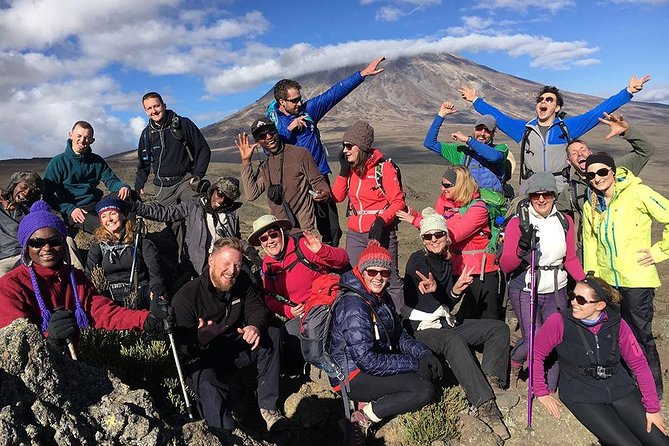
At Shira Camp, views of the mountain range appear, and Kibo’s glaciers may catch the evening light. This is a good place to take stock. You are still far from the summit, but the high mountain is now visible and the conditions are becoming colder and drier.
The shorter day can help you preserve energy, though camping remains basic. You should expect to spend the afternoon resting rather than treating camp as a sightseeing stop. The next day is more demanding.
Lava Tower and Barranco Valley on Day Three
Day three is the route’s key acclimatization day. From Shira Plateau, you climb about 700 meters to Lava Tower, reaching 4,640 meters. You then continue through the Barranco Valley and sleep at Barranco Camp, which is not much higher than the previous night’s camp.
This climb-high, sleep-lower pattern is one of the tour’s strongest features. You expose yourself to higher altitude during the day, then recover at a lower sleeping elevation. It does not remove the risk of altitude sickness, but it gives your body a better chance to adjust than a route that races upward without a pause.
The full hike takes about six to seven hours. Lava Tower is a demanding point in the day, and you may feel the thin air there even if you are walking slowly. Your guide’s pacing and judgment matter here.
The route through the alpine desert has little shade, but the scenery keeps changing. In Barranco Valley, small lobelia plants and giant senecios create a striking contrast with the bare volcanic ground. Barranco Camp then gives you a welcome chance to eat and sleep before the route’s most recognizable obstacle.
The Barranco Wall and Karanga Camp
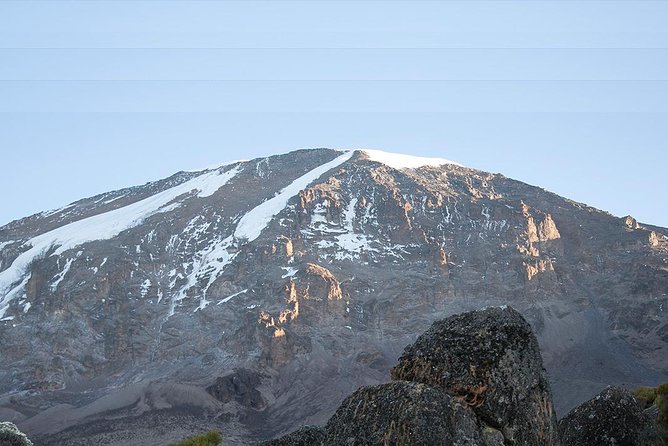
On day four, you face the Barranco Wall. It looks more intimidating than it is technically difficult. Some sections require you to use your hands for balance and grip, but the route does not involve technical climbing.
This is where a good guide earns their place. The itinerary specifically calls for close assistance along the wall, and guides can help you choose secure footholds and move at a calm pace. Do not rush this section, especially if you are uncomfortable with steep ground.
After the wall, the trail rises and falls across the mountain ridge. Those repeated ascents and descents add to the acclimatization benefit, but they can also be tiring because the route is not a simple steady climb.
The day lasts about three to four hours, so you reach Karanga Camp with time to rest. The lighter schedule is welcome after the longer day to Lava Tower. The mention of a relaxed card game at camp gives you a useful picture of the afternoon: this is a recovery period, not another major expedition.
More Machame Route Climbs in Arusha
- 6 Days: Hiking Kilimanjaro via Machame Route
★ 5.0 · 24 reviews - 6-Day Guided Tour in Machame Route Mt Kilimanjaro
★ 5.0 · 17 reviews - KILIMANJARO MACHAME ROUTE, (Climb 7days)
★ 5.0 · 16 reviews - 7 days Kilimanjaro climb via Machame route (Whiskey route)
★ 5.0 · 16 reviews
Barafu Camp and the Longest Night
Day five takes you to Barafu Camp in about three to four hours. The route crosses very dry, desert-like ground, with Kibo visible to your left. Vegetation is now scarce, and the mountain feels harsher and more exposed.
You have an early dinner at Barafu Camp because the summit attempt begins only a few hours later. This is not a normal night of sleep. You will need to rest as much as possible, organize your warm clothing, and prepare for the midnight wake-up.
Your guide is scheduled to wake you with tea and biscuits around midnight. From here, headlamps and moonlight guide the climb toward Stella Point. The ascent to the crater rim takes about five to seven hours, followed by another one to two hours to Uhuru Peak.
This is the hardest part of the trek. The pace is slow, the air is thin, and the cold can make every stop feel longer. The final approach is more about patience than speed. You will need to keep taking small steps and conserve energy for the return.
Uhuru Peak at 5,895 Meters
Stella Point marks the crater rim, but it is not the summit. From there, you continue toward Uhuru Peak, the highest point on Mount Kilimanjaro, at 5,895 meters.
The timing aims to put you near the summit for sunrise. From the top, you can look across the African scenery as the sky changes color, while snow and glaciers catch the early light. The view is the emotional high point of the trip, but reaching it is only half of summit day.
After photos and a brief celebration, you descend along the same route to Barafu Camp. This descent can be especially rough because your legs are tired and the excitement has faded. One useful piece of advice from the supplied experience notes is simple: some climbers use Diamox, but medication decisions should be discussed with a medical professional before the trek.
The description does not give an exact arrival time back at Barafu or specify how long you stay there. It does make clear that the mountain crew is waiting with food and support. Expect a short recovery before continuing the trek later in the program.
The Final Descent Through Rainforest
After breakfast on day seven, the mountain crew holds a traditional farewell ceremony before you begin the last walk. The route descends through rainforest for about two to three hours to Mweka Gate.
This final forest section gives you a very different experience from the summit morning. The air becomes warmer, vegetation returns, and you may have another chance to spot colobus monkeys. It is a satisfying way to close the route because you can see the full change in altitude in reverse.
At Mweka Gate, you are met and driven back to your hotel. The program includes time for a long shower and a relaxed day by the pool, followed by dinner and a hotel night. That extra comfort is well placed after the summit push and descent.
Guides, Crew, and Group Size
The experience includes an expert guide, and the stated maximum is four participants. That small group limit matters on a climb where people often move at different speeds. A guide can pay closer attention to pacing, morale, and each person’s response to altitude.
The company’s mountain teams have included guides such as Gideon, Laurent, Emanuel, Meshack, Julius, Johnny, Frank, and Mathias, along with cooks and porters. If having a particular guide matters to you, ask for confirmation before booking, since guide assignments can change.
The strongest pattern in the supplied feedback is praise for the full crew, not only the lead guide. Climbers specifically valued encouragement, gear checks, good English, cooks, porters, and guides who assessed each person’s ability rather than pushing everyone at one speed.
A pre-climb briefing and gear check have also been part of some arrangements. That is worth requesting, especially if you are unsure about cold-weather equipment. The package information does not provide a full equipment list, so ask exactly what is supplied and what you must bring.
Is $2,200 a Fair Price?
At $2,200 per person, this is a serious purchase, but a seven-day Kilimanjaro trek requires more than trail access. The experience includes hotel pickup, park entry procedures, an expert guide, tented mountain nights, cooked meals described in the daily schedule, a mountain crew, and transport back to the hotel.
The available information does not clearly list every inclusion, such as equipment rental, park fees, airport transfers, tips, drinks, or medical support. Before paying, ask for a written list. That is the best way to judge the price rather than comparing headline numbers alone.
The small group size improves the value for climbers who want personal attention. You are not simply paying for a marked route. You are paying for organization, food, camp support, guide decisions, and a structured acclimatization plan over seven days.
Who Should Book This Trek?
This trek suits you if you want a demanding physical challenge with changing scenery and a strong focus on reaching the summit. It is also a good fit if you prefer tents and mountain-camp life to a route with more built-up accommodation.
You should be comfortable walking for up to seven hours on some days and facing a midnight start followed by a full summit ascent and descent. Most people can participate according to the supplied information, but that should not be confused with a promise that altitude will be easy for everyone.
The route is best for people who can pace themselves, listen to their guide, and accept that reaching the top depends on health, weather, and acclimatization. It is less suitable if you want a relaxed holiday with short walks and guaranteed summit access.
You receive mobile ticketing, hotel pickup, and free cancellation up to 24 hours before the start time. If poor weather or an insufficient number of participants cancels the trip, you are offered another date, another experience, or a full refund.
Should You Book the 7-Day Machame Route?
I would choose this trek if your priorities are varied scenery, a small group, professional mountain support, and a route that gives acclimatization a real role. The rainforest, Barranco Wall, Lava Tower, and sunrise at Uhuru Peak provide plenty of memorable stages.
Book only after confirming what the $2,200 includes and checking that you are ready for the summit-night schedule. If you want Kilimanjaro with a scenic route and strong crew support, this is a persuasive option. If you need more rest between the summit and final descent, ask about a longer itinerary before committing.
FAQ
How long is the Machame Route trek?
The experience lasts approximately seven days, including the final descent to Mweka Gate and the return to a hotel.
Where does the tour begin?
The tour begins with pickup from your hotel in the Arusha area after breakfast. The listed start time is 8:30 am.
Is hotel pickup offered?
Yes. Pickup is offered at the beginning of the experience, and transport back to the hotel is provided after reaching Mweka Gate.
How many people can join the trek?
The advertised maximum is four participants.
Where do you sleep during the trek?
You sleep in tents at mountain camps along the Machame Route. After the final descent, you return to a hotel.
What is the highest point reached?
The trek reaches Uhuru Peak on Mount Kilimanjaro, at 5,895 meters.
When does the summit climb begin?
The final ascent begins around midnight from Barafu Camp. You first walk to Stella Point, then continue to Uhuru Peak.
How long does it take to reach Uhuru Peak?
The climb to Stella Point takes about five to seven hours. From Stella Point, reaching Uhuru Peak takes another one to two hours.
Is technical climbing required?
No technical climbing is required. The Barranco Wall includes sections where you may use your hands for grip, but the guide assists you along the route.
Can I cancel for a full refund?
Yes, if you cancel at least 24 hours before the local start time. Cancellations made less than 24 hours before the start time are not refunded.
More 7-Day Experiences in Arusha
- Tanzania Classic – 7 Days
★ 5.0 · 1,151 reviews - 7-Day Premium Luxury Tanzania Safari All-Inclusive
★ 5.0 · 426 reviews - Group Safari 7 Days in Tanzania’s Main Parks
★ 5.0 · 240 reviews - 7 Days Tanganyika Wilderness Safari
★ 5.0 · 159 reviews
More Hiking & Trekking in Arusha
- Mountain Kilimanjaro Day Hike
★ 5.0 · 102 reviews - Private Full Day Hiking Experience to Marangu Route
★ 5.0 · 61 reviews - 4 Days Mount Meru Trekking
★ 5.0 · 55 reviews - From Arusha/Moshi: Kilimanjaro Hike Marangu Route Day Trip
★ 4.5 · 54 reviews
Just added around Arusha
- 8 Days Serengeti Migration safari★ 5.0 · 11 reviews
- tarangire, ngorongoro & lake manyara park 3 days private tour★ 5.0 · 11 reviews
- tarangire & ngorongoro 2 days tour★ 5.0 · 14 reviews
- serengeti, ngorongoro & tarangire 4 days private tour★ 5.0 · 18 reviews
- serengeti & ngorongoro 3 days private tour★ 5.0 · 15 reviews
- Mt. Kilimanjaro: Shira plateau to Cathedral point 3872m Day hike★ 5.0 · 7 reviews
- 2 Days Tanzania Midrange Group Join Safari★ 5.0 · 7 reviews
- climb the KILIMANJARO via Lemosho route★ 5.0 · 4 reviews
Machame Route Climbs, compared.



Climbing Kilimanjaro through 7 days Machame Route
Read our review →
7-Day Machame Kilimanjaro Summit Tour from Arusha
Read our review →
7 Days Kilimanjaro via Machame route affordable price
Read our review →
#1. Best Kilimanjaro Day hike Tour-Machame Route-ISMANI
Read our review →

The Best of Machame Route in 6 Days: Your World’s Summit Guide
Read our review →Browse the lists this tour appears in