
Reviewed · HIKING & TREKKING
4 Days Mount Meru Trekking
Mount Meru gives you a proper mountain climb without the long commitment of Kilimanjaro. In four days, you walk from open grassland and wildlife country to rainforest, heather, volcanic ash, and the summit ridge at 4,566 meters. The prize is a sunrise view toward Kilimanjaro and a look into Meru’s dramatic crater.
I like the small maximum group of four, which makes it easier for the guide to set a steady pace and keep an eye on everyone. I also like the clear pricing: hotel transfer, park fees, meals, and ranger support are included. The main caution is that the huts are basic, and the summit day begins at night. A light breakfast and unclear tip guidance were also concerns for some people, so plan ahead.
Key points to know before you book
- Wildlife begins on the first trail: Giraffes and buffaloes may appear in the open grasslands near the start, with elephants, more buffaloes, giraffes, and black and white colobus monkeys possible on the return route.
- The route changes every day: You move from grassland to rainforest, then heather, moorland, volcanic ash, rock, and gravel near the summit.
- The summit morning is the hard part: Expect a headlamp start, four to five hours of uphill walking, and occasional scrambling above Rhino Point.
- A ranger joins the trek: An armed park ranger accompanies the group through Arusha National Park, adding protection in wildlife country.
- The huts are functional, not luxurious: Miriakamba Hut and Saddle Hut offer shelter, but one person found the cabins cold, dark, and basic.
- Food and staff are a strength: Guides including Gideon, Emmanuel, Laurent, Maziku, Frank, and Victor received repeated praise, while cooks such as Samuel and Samora were credited with good meals and special-diet support.
Why Mount Meru makes a strong four-day climb
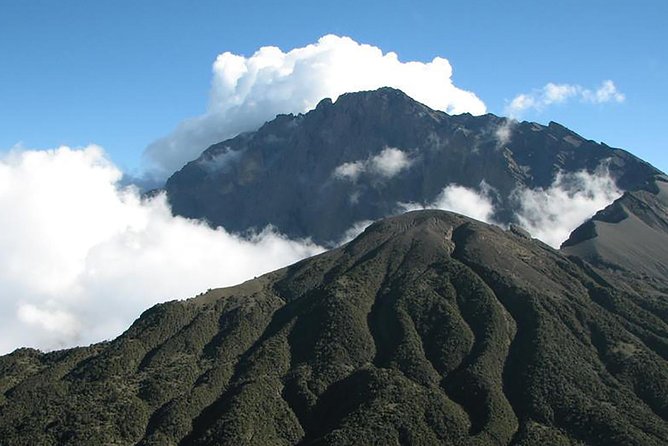
Mount Meru is Tanzania’s second-highest peak, reaching 4,566 meters at Socialist Peak. It is not a warm-up stroll, but the four-day route gives you a compact mountain challenge with a striking change in scenery.
The setting is especially memorable because the trek begins inside Arusha National Park. You are not simply walking through one kind of mountain forest. The route moves through habitats where wildlife, thick vegetation, high moorland, and volcanic terrain all appear in one trip.
I like the way this creates variety without stretching the trip into a week. The first day feels like a safari walk with a backpack. The third day feels like a serious summit expedition. That contrast keeps the trek interesting.
The $1,000 price per person looks high until you count what it covers: hotel pickup, transport through the park, park fees, meals, a guide team, porters, overnight hut stays, and an armed ranger. Exact porter and accommodation arrangements are not described in the available details, so you should confirm what equipment is supplied before departure.
The maximum group size is four. That matters on a mountain. You get less waiting around than in a large hiking party, and the guide can adjust the pace when altitude or tired legs begin to matter.
A few more Arusha trips to weigh up
- 8-Day Small-group Lemosho Kilimanjaro Summit Trekking
★ 5.0 · 186 reviews - Mountain Kilimanjaro Day Hike
★ 5.0 · 102 reviews - Private Full Day Hiking Experience to Marangu Route
★ 5.0 · 61 reviews
Day 1: From Arusha to Maio Falls and Miriakamba Hut
Pickup begins at about 9:00 a.m. from your Arusha hotel. The drive through Arusha National Park is part of the day, taking you toward Momella Gate. After park formalities, you begin walking with an armed park ranger.
The opening section crosses open grassland, where giraffes and buffaloes may be visible. Keep your eyes up and your camera ready, but also listen closely to the ranger. This is wildlife country, not just a scenic path, and the ranger’s presence is a practical part of the day.
After roughly two hours, you reach Maio Falls. It is a natural place to stop, rest, and eat a picnic. This break comes at a useful point, before the trail turns toward thicker vegetation and the climb continues.
The next landmark is the fig tree arch. It is one of those memorable natural features that gives the route a sense of place, rather than making the walk feel like a series of anonymous uphill hours.
After another two hours, you reach Miriakamba Hut for afternoon tea and snacks. The listed walking time is about four hours, though transport, gate formalities, breaks, and the group’s pace make the full day longer.
This first day is the gentlest introduction to the mountain, but do not treat it as effortless. You are already gaining altitude, and a relaxed pace is useful. Save energy for the higher sections.
Day 2: Rainforest, Elephant Back, and Saddle Hut
Day two begins on a steep track with wooden steps. The route rises through rainforest, and the cooler air can make walking feel easier than on the lower slopes. Clouds often hang low among the trees, giving this section a quiet, damp, almost theatrical mood.
After about two hours uphill, you reach Mgongo wa Tembo, known as Elephant Back, at 3,200 meters. It is a good rest point and a clear marker that the mountain is changing around you.
The rainforest then gives way to heather and moorland. This change is one of the best parts of the trek. You can feel the air becoming thinner while the plants grow shorter and more exposed. By around midday, the route reaches Saddle Hut at 3,550 meters.
In the afternoon, you have the option of climbing Little Meru at 3,820 meters. The supplied schedule does not state the full duration of this side hike, so ask your guide for the exact timing and how it fits with rest before summit night.
Little Meru can be useful for getting higher before the main summit attempt, but it is not a free extra. You have a night departure ahead, and conserving strength may be the smarter choice if you feel tired, unwell, or affected by altitude.
Saddle Hut is basic mountain accommodation. One account described the cabins as cold, dark, and simple, so bring realistic expectations. This is a place to eat, rest, organize your clothing, and prepare your headlamp, not a comfortable lodge with a long list of facilities.
Day 3: A headlamp start and the climb to Socialist Peak
Summit day starts at night after a small snack and tea. You follow the trail through bushland by headlamp, climbing toward Rhino Point at 3,821 meters.
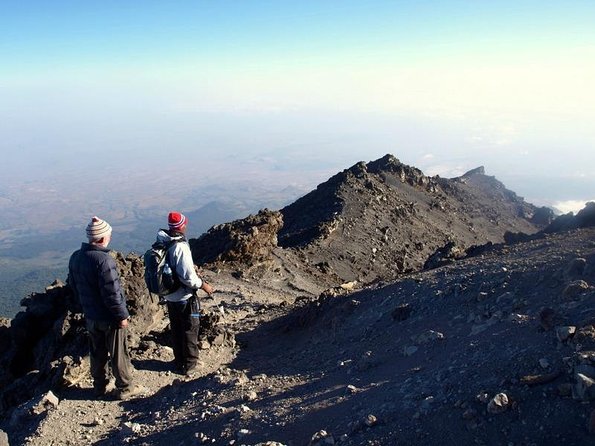
From Rhino Point, the route becomes more demanding. At times, you need to climb with your hands as you move over volcanic ash, rocks, and gravel along the crater rim. This is the section where the four-day schedule earns its reputation as an active trip.
The ascent to Socialist Peak takes about four to five hours from the night start, according to the schedule. Timing varies with pace, weather, rest stops, and how the group responds to altitude. Your guide’s job is not just to point out the route. It is also to judge when to slow down, rest, or reconsider the summit attempt.
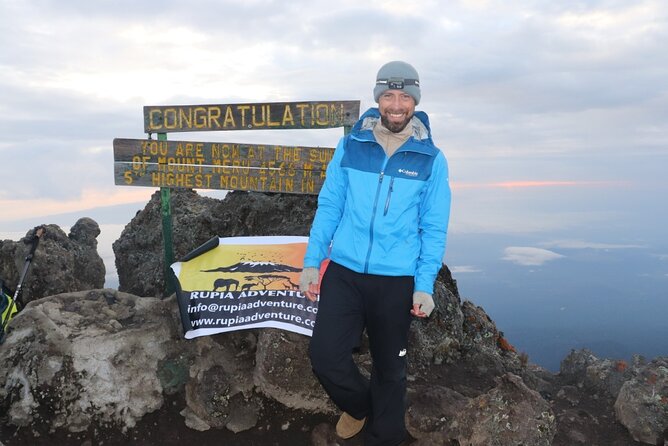
At the top, the reward is a sunrise over Mount Kilimanjaro and a view into Mount Meru’s crater. The crater has steep sides and an ash cone in the middle, giving the summit a dramatic focal point even if clouds limit the wider view.
Weather can change the character of this morning. One person had poor conditions but still found the team atmosphere helpful. The trip requires suitable weather, and if poor weather causes cancellation, you are offered another date or a full refund.
The descent follows the same route back to Saddle Hut, where you take a break. The schedule provided does not show the complete remainder of day three, so confirm the exact overnight plan and descent timing with Rupia Adventure before you pay.
The summit section is the trip’s main test. Several people with limited mountain experience found it difficult, especially on day three, but patient guides helped them continue safely. That does not make the climb easy. It means the support can make a demanding route more manageable.
Same country, a completely different kind of safari:
- Balloon Safari & Bush Breakfast in Serengeti – Miracle Experience
★ 5.0 · 1,646 reviews - Tanzania Classic – 7 Days
★ 5.0 · 1,151 reviews - 4 Days Group Camping Safari
★ 5.0 · 1,101 reviews - 5 Days Group Camping Safari
★ 5.0 · 730 reviews
Day 4: The northern route back to Momella Gate
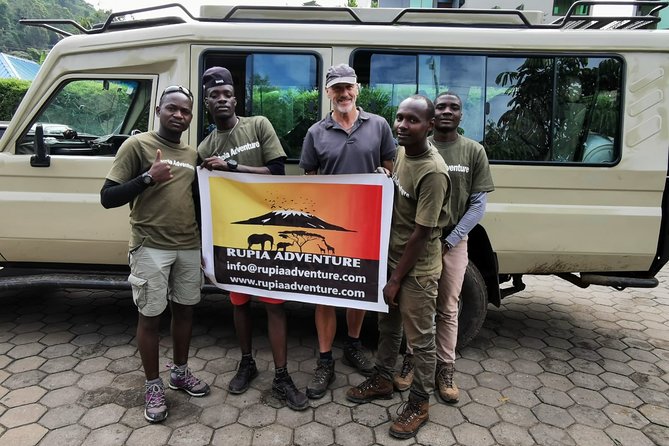
After breakfast, you take the northern route toward Momella Gate. The descent takes about two to three hours and is shorter than the route used on the way up.
Downhill walking still requires care. Tired knees, loose volcanic ground, and reduced concentration can make the final morning less simple than the distance suggests. Keep your pace controlled rather than racing toward the gate.
This is another chance to watch for wildlife. Elephants, buffaloes, giraffes, and black and white colobus monkeys may appear along the descent. You are still inside a national park, so the ranger’s guidance remains important until you leave the mountain area.
At Momella Gate, you say goodbye to the hiking crew. Your driver then returns you to the Aquiline Hotel, where the itinerary says you celebrate the achievement and spend the night.
The return transfer is a welcome convenience. After a summit attempt, arranging your own transport and meals would be an unnecessary nuisance. Here, the practical pieces are handled as part of the package.
Guides, cooks, and the level of support
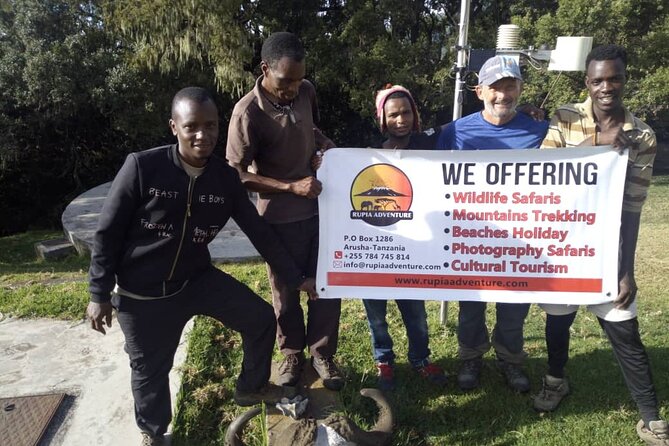
The strongest pattern in the feedback is the care provided by the mountain teams. Guides named Gideon, Emmanuel, Laurent, Maziku, Frank, and Victor were singled out for professionalism, patience, safety, and good company.
You should still ask who your assigned lead guide will be. Names vary by departure, and the experience depends heavily on communication between you and the guide. If you have limited hiking experience, say so before the climb and be clear about any medical concerns, dietary needs, or worries about altitude.
The food also gets repeated praise. Samuel and Samora are among the cooks mentioned, with special requests handled in at least some cases, including vegetarian and gluten-free meals. One honeymoon group even received a cake at Socialist Peak, though that was a personal arrangement rather than a standard feature you should assume.
There are two practical points to settle before leaving Arusha. First, ask how much food is provided for the summit morning. One person found breakfast too small and advised carrying extra food. Second, ask about the tipping policy in advance. Some feedback objected to tip expectations being introduced too late or too directly.
That conversation is easier before you are tired, cold, and standing beside a hut. A written breakdown of the crew and suggested tips would help make the cost of the trip clearer.
Who should choose this trek?
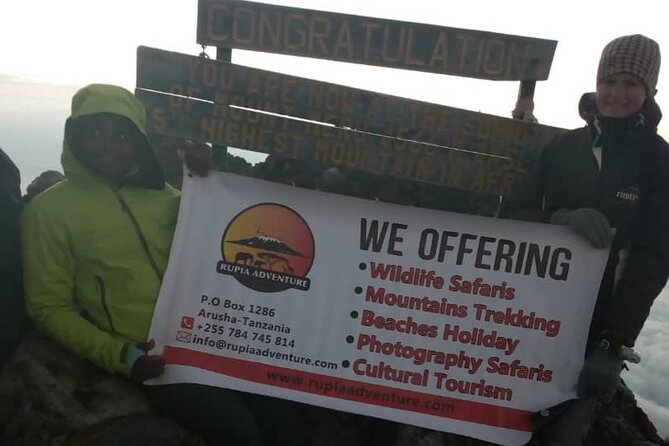
This trip suits you if you want a serious but compact mountain challenge from an Arusha base. You should be comfortable walking for several hours, climbing steep tracks, starting at night, and coping with basic hut accommodation.
It is also a good choice if wildlife matters as much as the summit. The route offers possible sightings of giraffes, buffaloes, elephants, and colobus monkeys, with an armed ranger present in the park.
You do not need to be an elite mountaineer based on the information available, and most people can participate. Still, the summit day is physically demanding. The tour is not the best match if you want a soft adventure with comfortable rooms, late mornings, and predictable weather.
Families should ask detailed questions before booking. An account describes 11-year-old twins completing the trek with professional guides, but that does not prove the route will suit every child. Fitness, altitude tolerance, and a willingness to follow the guide are crucial.
Practical value, timing, and cancellation
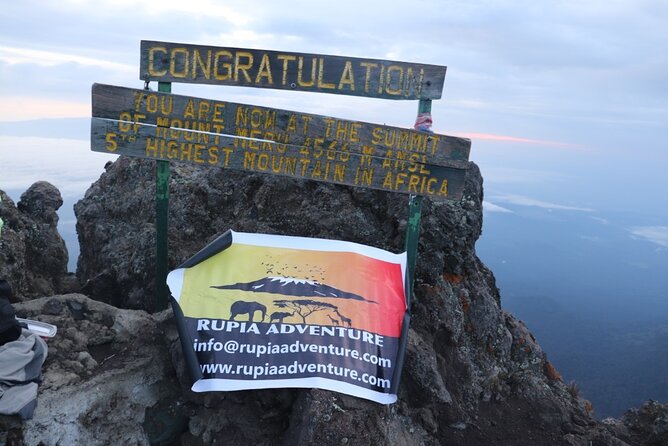
The price includes several costs that can otherwise surprise you in Tanzania: park fees, meals, hotel transfer, and the organized mountain support. At $1,000 per person, I see the value mainly in the logistics and small group size, not in luxury.
The trip is commonly booked about 55 days ahead, which suggests you should not wait until the last moment if your dates are fixed. One person did arrange a hike only a day in advance, but that was a last-minute exception, not something to build your plans around.
Pickup is offered from your Arusha hotel, and the stated start time is 9:00 a.m. Confirmation is provided at booking. The group maximum is four, while the cancellation terms allow a full refund if you cancel at least 24 hours before the start time.
Changes or cancellations inside 24 hours are not accepted for a refund. If bad weather cancels the trip, you are offered another date or a full refund. The same applies if the minimum number of participants is not met.
Should you book the four-day Mount Meru trek?
Book it if you want wildlife, changing vegetation, crater views, and a genuine summit morning in a tightly organized four-day package. The ranger support, small group limit, included fees, and repeatedly praised guide teams give the trip a solid practical foundation.
Before booking, confirm the complete day three schedule, the hut arrangements, summit breakfast, supplied equipment, guide language ability, and tipping expectations. If you are prepared for cold, dark, basic cabins and a strenuous night climb, this is a strong choice. If comfort is your priority, or if you want a relaxed mountain holiday, choose a different format.
FAQ
Where does the Mount Meru trek begin?
The trek begins with pickup from your hotel in Arusha at about 9:00 a.m. You then travel through Arusha National Park to Momella Gate, where the walking section starts.
How long is the Mount Meru trek?
The experience lasts approximately four days. The listed walking time is about four hours on day one, while the summit ascent on day three takes about four to five hours.
What is included in the price?
The price includes hotel transfer, park fees, meals, and the services connected with the organized trek. Confirm equipment and the full accommodation details with Rupia Adventure before departure.
Is an armed ranger part of the trek?
Yes. An armed park ranger accompanies the group, particularly important while walking through wildlife areas in Arusha National Park.
What animals might I see?
Possible sightings include giraffes and buffaloes on the first day. On the descent, you may also see elephants, buffaloes, giraffes, and black and white colobus monkeys.
What is the highest point reached?
The summit is Socialist Peak on Mount Meru, at 4,566 meters. The route also passes Little Meru at 3,820 meters if you choose that afternoon hike on day two.
How many people can join the tour?
The maximum group size is four people. Most people can participate, according to the supplied tour information.
Can I cancel for a full refund?
You can cancel at least 24 hours before the experience starts for a full refund. If poor weather or an insufficient number of participants causes cancellation, you are offered another date or a full refund.
Just added around Arusha
- 8 Days Serengeti Migration safari★ 5.0 · 11 reviews
- tarangire, ngorongoro & lake manyara park 3 days private tour★ 5.0 · 11 reviews
- tarangire & ngorongoro 2 days tour★ 5.0 · 14 reviews
- Mt. Kilimanjaro: Shira plateau to Cathedral point 3872m Day hike★ 5.0 · 7 reviews
- serengeti, ngorongoro & tarangire 4 days private tour★ 5.0 · 18 reviews
- serengeti & ngorongoro 3 days private tour★ 5.0 · 15 reviews
- 2 Days Tanzania Midrange Group Join Safari★ 5.0 · 7 reviews
- climb the KILIMANJARO via Lemosho route★ 5.0 · 4 reviews
Hiking & Trekking, compared.

8-Day Small-group Lemosho Kilimanjaro Summit Trekking
Read our review →

Private Full Day Hiking Experience to Marangu Route
Read our review →

From Arusha/Moshi: Kilimanjaro Hike Marangu Route Day Trip
Read our review →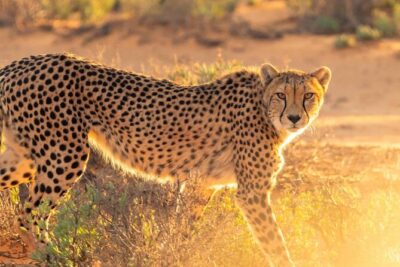
4 days Best experience Kilimanjaro Hike, Serengeti &Ngorongoro
Read our review →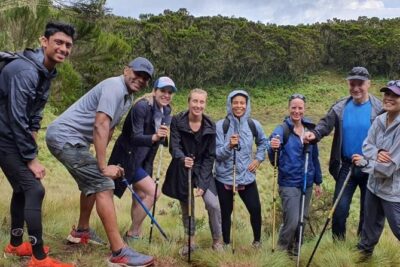
Best Kilimanjaro hiking day trip tour with Kilinge Adventures
Read our review →
6 Days Serengeti Safari(hiking waterfalls &coffee tour)
Read our review →Browse the lists this tour appears in