
Reviewed · CAMPING SAFARIS
5 Days Exclusive Camping Adventure in Northern Tanzania
The real draw here is the four-park route: Tarangire, Serengeti, Ngorongoro Crater, and Lake Manyara in five days. You spend two nights close to the wild, including one at Seronera in central Serengeti and one at Simba Campsite above the crater.
I like the small maximum of six people, which gives you a better chance of seeing out of the safari vehicle and asking your guide questions. I also like the mix of open plains, volcanic scenery, woodland, wetlands, and crater country. The main drawback is the pace: five days covers a lot of ground, so several days involve long drives and early starts.
Key points to know before booking
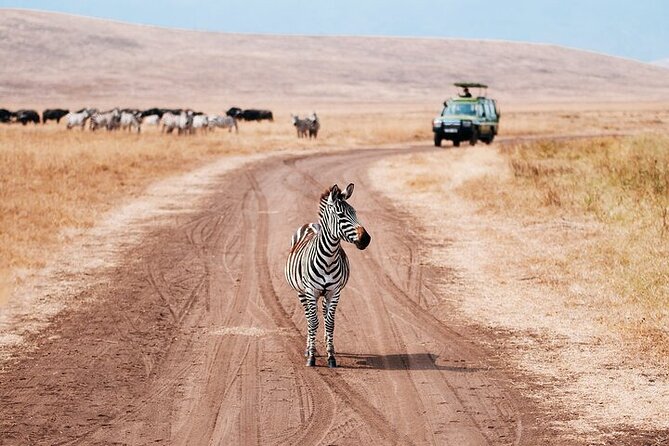
- Four major safari areas: Tarangire, Serengeti, Ngorongoro Crater, and Lake Manyara give you a broad sample of northern Tanzania.
- Two nights of camping: Sleep at Seronera Campsite in central Serengeti and Simba Campsite in the Ngorongoro Conservation Area.
- Small-group format: The vehicle carries no more than six people, a useful limit on busy game-drive days.
- Five lunches and four dinners included: Meals are covered during the five-day program, along with four breakfasts.
- Big Five focus: The route is designed around sightings of lion, leopard, elephant, buffalo, and rhino, though wildlife is never on a timetable.
- Flexible refund deadline: You receive a full refund if you cancel at least 24 hours before the start time.
A five-day route built around variety
This safari works because the parks do different jobs. Tarangire brings large elephant groups and broad views around its seasonal river. Serengeti supplies the classic open plains and the best chance of following large animal movements. Ngorongoro gives you a concentrated wildlife day inside an enormous volcanic crater. Lake Manyara changes the mood again with forest, water, birds, and Rift Valley views.
You pay $1,200 per person for about five days. That price includes parking fees, five lunches, four dinners, and four breakfasts. It does not include international flights, a visa, travel insurance, tips, souvenirs, personal items, or lodging before and after the safari.
I see the price as reasonable for a small-group trip covering four famous areas, especially since the route includes camping and meals. Still, you should compare the cost with the camping standard, vehicle details, and any park or conservation charges shown at checkout. The supplied information says admission is free at several stops and included at Ngorongoro Crater, but it does not spell out every possible park-related cost.
Pickup is offered, and the activity ends back at the meeting point. The stated start time is 7:30 a.m., while the Tarangire departure is described as 8:00 a.m. Confirm the exact pickup time and location before the day begins.
More Camping Safaris in Arusha:
- 4 Days Group Camping Safari
★ 5.0 · 1,101 reviews - 5 Days Group Camping Safari
★ 5.0 · 730 reviews - 3 Days Serengeti & Ngorongoro Group Camping Safari
★ 5.0 · 574 reviews
Day 1: Tarangire and its elephant country
The first morning takes you from Arusha to Tarangire National Park. The drive begins early, with the day focused on a roughly six-hour visit and game drive.
Tarangire is a strong opening park because it gives you a quick change from town to open bush, river country, and big wildlife. The park is especially associated with elephants, and the route is designed to help you see a broad range of animals in their natural setting. You might also find the scenery more varied than the plain name safari suggests, with striking trees and wide views along the park roads.
Your guide is the key to this day. A good guide will slow down when animals are close, explain behavior, and help you understand why certain areas attract wildlife. The company has received praise for guides and staff such as Heavenlight and Gasto on longer safaris, along with positive comments about the guide and chef working together. Names and staff may vary on this five-day departure, so ask who will lead your group.
The first day can feel full after an Arusha pickup, particularly if your morning starts before 7:30. You will spend much of the day in the safari vehicle, so bring water, sun protection, and a light layer for changing temperatures.
Day 2: The long road to Serengeti
After breakfast, you pack your belongings into the safari vehicle and set out toward Serengeti with a packed lunch. This is one of the longer transfer days, but it is not simply a ride from one hotel to another. The route includes an en-route game drive, so you begin looking for wildlife before reaching central Serengeti.
The evening game drive is planned for central Serengeti, with time to watch the sun drop across the plains. The day ends at Seronera Campsite, in the heart of Serengeti. Camping here matters because you are sleeping close to the park’s main wildlife areas rather than leaving the region after every game drive.
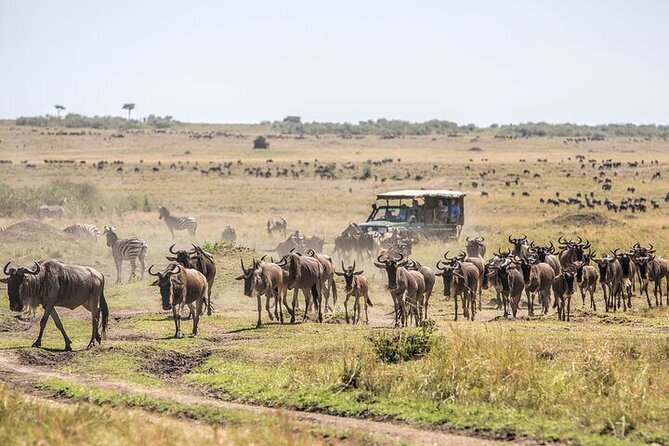
Serengeti is the centerpiece of the trip. Its open grasslands make it easier to scan for animals at a distance, and the area is famous for the annual movement of wildebeest and other grazing animals. The timing and location of that movement change with rain and fresh grass, so nobody can promise a particular crossing or herd. Your guide will use current conditions and local sightings to look for part of the migration.
The phrase evening game drive is important. This is not just a transfer with a quick photo stop. You have a planned chance to watch the plains in softer light, when the scenery changes and animals may become more active.
Day 3: A final Serengeti morning
Day three starts with an early morning game drive in Serengeti. This is a smart use of time. You get another opportunity to search for large cats, grazing herds, and other wildlife before leaving the park.
The early start is also the part of the tour that may test your energy. You will have already spent a night camping and a full day on the road, so rest when you can and keep your camera ready. Safari days often reward patience more than speed.
In the afternoon, the route turns toward the Ngorongoro Conservation Area. Dinner and the night are at Simba Campsite, where you get your first views of the crater area. The change from Serengeti plains to the high rim of Ngorongoro gives the trip a strong visual shift.
This day is less about covering another major game-drive zone and more about positioning you for the following morning. That makes it useful, but it also means you should not expect a nonstop animal-viewing day from dawn to bedtime. The schedule lists about six hours at the main stop, with driving added between areas.
A few more Arusha trips to weigh up
- 5-Day Highlights mid-Range Crater, Serengeti, Tarangire
★ 5.0 · 296 reviews - 5 Days Camping Tarangire, Serengeti & Ngorongoro crater & Visiting Maasai
★ 5.0 · 229 reviews - Tanzania Simba Safari – 5 Days
★ 5.0 · 217 reviews - 5 Days Budget Private Safari, Tanzania
★ 5.0 · 191 reviews
Day 4: Down into Ngorongoro Crater
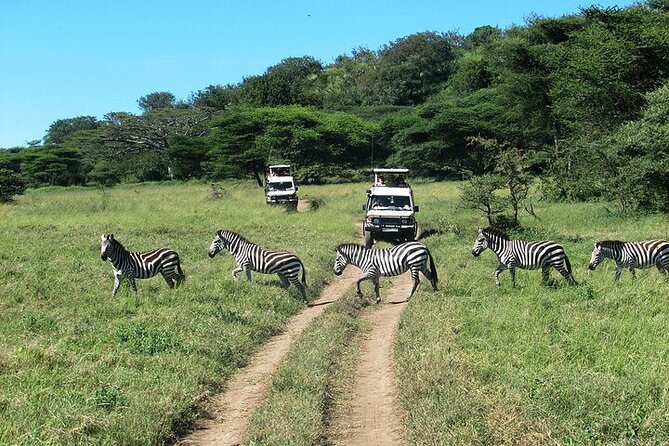
The crater day begins after breakfast with views toward Ngorongoro. A four-wheel-drive vehicle then carries you roughly 2,000 feet down into the caldera.
Ngorongoro Crater is the trip’s most concentrated wildlife setting. The enclosed volcanic basin supports large mammals in a relatively compact area, and the combination of open ground, water, and steep crater walls makes the day feel unlike Serengeti. You have a chance to look for some of Africa’s best-known animals without covering the same huge distances required on the plains.
The crater covers about 8,300 square kilometers according to the supplied description, although the term caldera refers specifically to the volcanic basin itself. It is often described as one of the world’s great natural sights, and you will understand why when you look across the rim and then see the road descend into the basin.
Lunch is part of the package, and the crater visit is the only stop clearly marked as including its admission ticket. After lunch, you leave the park and begin the return toward your lodge for dinner and the night.
This is called the final major safari day in the schedule, but it is not necessarily the easiest. The descent, game drive, lunch, and onward journey make for a packed day. The reward is the crater’s high wildlife density and dramatic setting. If you have one day when you want binoculars, keep them close.
Day 5: Lake Manyara’s birds, forest, and water
The last morning takes you to Lake Manyara National Park for a full-day game drive. This park is a useful finale because it offers a different kind of scenery from both Serengeti and Ngorongoro.
Lake Manyara lies between the Great Rift Valley escarpment and the lake. The park includes grassland, forest, and water, with waterfalls, clear streams, and thermal springs adding more variety. The views can be particularly rewarding when you want a break from the broad, dry plains.
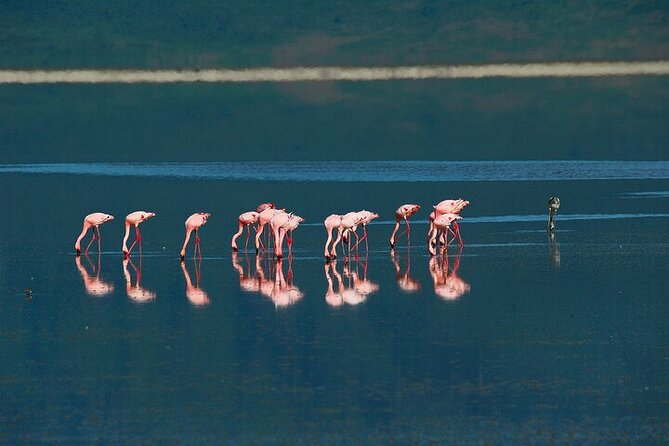
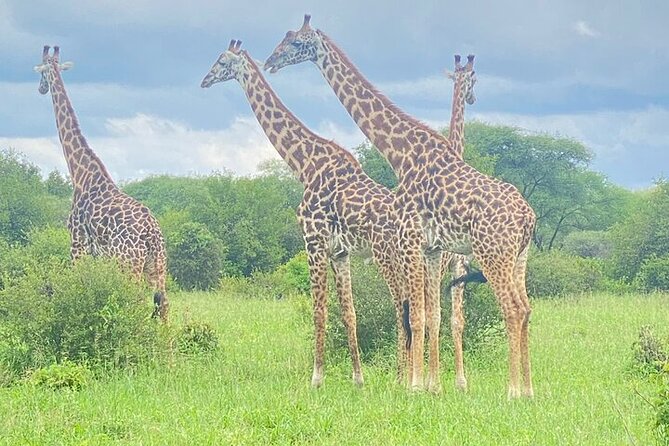
Birdlife is a major reason to take this stop seriously. More than 400 water-bird species are associated with the park, including flamingos and pelicans. You may also search for elephants, giraffes, hippos, and buffalo. The supplied itinerary is cut off before completing its wildlife list, so I would treat the park’s strength as habitat variety and bird watching rather than booking it for one specific animal.
Lake Manyara is a full-day stop, not a brief photo break. That gives you time to look for animals in different habitats, but it also means the five-day schedule remains active right through the final day. Ask ahead about the expected return time and where the activity ends, particularly if you have a flight or separate hotel booking.
Camping, meals, and life between game drives
Camping is central to the character of this safari. You spend one night at Seronera Campsite in Serengeti and one at Simba Campsite in the Ngorongoro Conservation Area. The information does not specify tent size, beds, showers, toilets, electricity, or whether camping equipment is supplied, so ask those questions before paying.
That missing detail matters. Camping can mean anything from a basic public campsite to a more comfortable setup with beds and furnished tents. The itinerary promises dinner and overnight stays, but it does not describe the facilities.
Food coverage is clearer. You receive five lunches, four dinners, and four breakfasts. On the Serengeti transfer, you carry a packed lunch into the vehicle, which saves time and keeps the day moving. Dinner is included on the four nights listed, while the final day’s meal arrangements are not fully spelled out.
Bring personal snacks and water unless the operator confirms they are supplied. Also pack clothing in a soft, manageable bag if requested, rather than assuming a large suitcase will be convenient in a shared safari vehicle.
What a six-person group changes
The maximum group size is six. That is one of the most useful details in the whole package, because a smaller vehicle group usually makes it easier for everyone to see through the windows and share viewing time.
You will still spend many hours together in the safari vehicle. The small group does not turn the trip into a private safari, and the schedule remains fixed around four parks. If you want a fully private vehicle or a slower route with extra nights in Serengeti, ask whether the operator can arrange a different plan.
The company has been praised for organization from pickup, and the guide and chef are described as friendly and hardworking. Those are meaningful strengths on a camping safari, where good coordination affects everything from breakfast timing to the move between parks. The named staff associated with past trips include Heavenlight, Gasto, and Judith in communication from the operator, but you should confirm your own guide and cook before departure.
Best reasons to choose this safari
I would choose this trip if you want a first northern Tanzania safari with a clear route and a firm five-day limit. You see the region’s biggest names without having to arrange separate transfers between parks.
It also suits you if the idea of sleeping in Serengeti appeals more than staying in a lodge every night. A night at Seronera places you near the central park area, while Simba gives you a practical base for the crater descent.
The itinerary is a good fit for people who want variety. Tarangire, Serengeti, Ngorongoro, and Lake Manyara do not offer identical scenery or wildlife. You get elephants, plains, crater views, water birds, wetlands, and the possibility of seeing the Big Five.
I would be more cautious if you dislike long vehicle days, early mornings, or basic camping. Five days is efficient, but it is not leisurely. You should also allow extra time and book separate accommodation if you need a night in Arusha before pickup or after the safari, since those nights are not included.
Practical booking advice
The experience accepts bookings with confirmation at the time of booking. Pickup is offered, and the starting point is also the ending point, but the exact meeting details should be confirmed directly.
Most people can participate, and the meeting area is near public transportation. The supplier lists free cancellation up to 24 hours before the local start time. Cancel within 24 hours, or request a change inside that window, and the payment is not refunded.
Before booking, I would ask four direct questions:
- What camping equipment and washing facilities are provided?
- What is the exact pickup time, since the information gives both 7:30 and 8:00 a.m.?
- Are park, conservation, and crater fees all included in the final price?
- Is the vehicle shared by six people, and can a private option be arranged?
These questions do not change the route, but they help you know what $1,200 buys.
Should you book the five-day route?
Book it if you want a compact northern Tanzania safari with camping, included meals, a small group, and four major wildlife areas. The route gives you a strong first look at the region, with Serengeti and Ngorongoro receiving the most memorable time.
Think twice if you want long, unhurried stays in one park or detailed information about camp facilities before booking. The schedule covers a lot of ground, and the camping details need clarification.
For the right person, this is a practical way to reach Tarangire, Serengeti, Ngorongoro Crater, and Lake Manyara without building the trip yourself. Go in ready for early mornings, long drives, basic nights, and changing wildlife sightings, and the route offers a satisfying taste of Tanzania’s northern safari circuit.
FAQ
How long is the safari?
The experience lasts approximately five days.
Which parks are included?
The route includes Tarangire National Park, Serengeti National Park, Ngorongoro Crater, and Lake Manyara National Park.
Where do I camp?
You spend the night at Seronera Campsite in central Serengeti and at Simba Campsite in the Ngorongoro Conservation Area.
Is food included?
Yes. The package includes five lunches, four dinners, and four breakfasts.
How many people can join the tour?
The maximum group size is six people.
What happens if I need to cancel?
You can receive a full refund if you cancel at least 24 hours before the experience starts. Cancellations or changes made less than 24 hours before the local start time are not refunded.
Just added around Arusha
- 8 Days Serengeti Migration safari★ 5.0 · 11 reviews
- tarangire, ngorongoro & lake manyara park 3 days private tour★ 5.0 · 11 reviews
- tarangire & ngorongoro 2 days tour★ 5.0 · 14 reviews
- Mt. Kilimanjaro: Shira plateau to Cathedral point 3872m Day hike★ 5.0 · 7 reviews
- serengeti, ngorongoro & tarangire 4 days private tour★ 5.0 · 18 reviews
- serengeti & ngorongoro 3 days private tour★ 5.0 · 15 reviews
- 2 Days Tanzania Midrange Group Join Safari★ 5.0 · 7 reviews
- climb the KILIMANJARO via Lemosho route★ 5.0 · 4 reviews
Camping Safaris, compared.



3 Days Serengeti & Ngorongoro Group Camping Safari
Read our review →
5 Days Camping Tarangire, Serengeti & Ngorongoro crater & Visiting Maasai
Read our review →
2 Days Tarangire and Ngorongoro Group Camping Safari
Read our review →

3 Days Tarangire, Ngorongoro & Lake Manyara Group Camping Safari
Read our review →
5-Day private Camping Safari Tour in Tanzania
Read our review →Browse the lists this tour appears in