
Reviewed · 7-DAY EXPERIENCES
7 Days Tour Northern Tanzania Safari:
Tarangire’s giant baobabs, elephant herds, and year-round river make a strong opening to this seven-day Northern Tanzania safari. From there, you follow the classic circuit through Serengeti, Ngorongoro, Lake Manyara, and Arusha National Park, with a private group and a 4WD Land Cruiser with viewing.
I like the broad mix of parks, and I like that the route includes both famous wildlife areas and the smaller, greener setting of Arusha National Park. The company’s quick communication is another plus, and guide Eli is worth requesting if he is available.
The main trade-off is camping comfort. Public campsites, especially Simba Campsite near Ngorongoro, can be basic, and the schedule includes long drives between parks. Ask about upgrading to tented camps before you pay.
Key points to know before booking
- Five national parks in seven days: The route covers Tarangire, Serengeti, Ngorongoro, Lake Manyara, and Arusha National Park.
- Private safari format: Only your group takes part, with pickup offered and transport in a 4WD Land Cruiser with viewing.
- Best wildlife stretches: Serengeti brings the strongest chance of classic big-cat sightings, while Ngorongoro offers dense animal viewing in a compact crater.
- Camping is part of the value: Meals and overnight stays are included, but public campsites may feel rough rather than polished.
- Ask for guide Eli: He is praised for finding wildlife, driving well, and explaining the animals and parks clearly.
- Price reflects a full circuit: At $2,724.36 per person, the cost includes seven days of meals, park-related costs, private touring, and multiple major parks, but tips are extra.
What $2,724.36 buys you in Northern Tanzania
This tour gives you a lot of ground for the money. You are not visiting one park and returning to the same lodge each night. You are moving through five distinct park settings, with game drives, meals, transport, and campsite nights folded into one package.
The price includes parking fees, six dinners, seven lunches, and seven breakfasts. It also includes a private tour, meaning your group is not combined with strangers. That matters on safari because you can discuss pacing and wildlife stops with your guide rather than follow a fixed bus schedule.
You should also read the price in light of the accommodation. This is a camping safari, not a luxury lodge trip. The public campsites keep the price below many high-end Northern Tanzania itineraries, but they also mean fewer comforts and less privacy.
Tips are not included. Set aside money for your driver-guide and cook if you feel they have done a good job. One cook named Amid is specifically praised for using fresh ingredients and preparing good meals, which can make a real difference after a long day on rough roads.
A few more Arusha trips to weigh up
- Balloon Safari & Bush Breakfast in Serengeti – Miracle Experience
★ 5.0 · 1,646 reviews - 4 Days Group Camping Safari
★ 5.0 · 1,101 reviews - 5 Days Group Camping Safari
★ 5.0 · 730 reviews
Day 1: Elephants and baobabs in Tarangire
After breakfast at your hotel in Arusha, you drive about 130 kilometers to Tarangire National Park. The stated drive time is around two hours, followed by game viewing in the park.
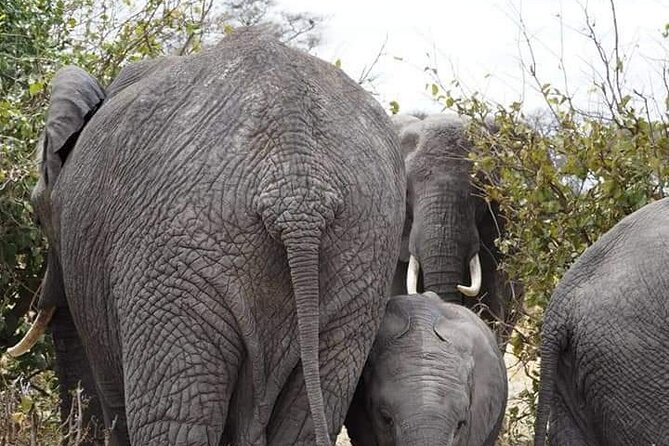
Tarangire is a fine first stop because it gives you a quick sense of the safari rhythm. The park is especially known for large elephant herds, towering baobab trees, and the Tarangire River, which flows throughout the year. Animals gather near dependable water, so the river gives your guide a useful place to begin looking.
You may see predators and prey in the same broad area, though no safari can promise a particular animal. The appeal here is not only a checklist of species. Tarangire has a strong visual identity, with massive trees, open country, and elephants moving through the scene.
Dinner and the first night are scheduled at Panorama campsite. This is a useful place to ask exactly what camping setup is included. The itinerary names campsites, but it does not describe tent size, bedding, showers, or toilet facilities.
Days 2 and 3: Following the wildlife in Serengeti
Breakfast is scheduled for 7:30 a.m., with pickup from camp at 8:00 a.m. You then drive toward Serengeti National Park with a packed picnic lunch, passing along the Ngorongoro Crater rim.
This is one of the longer travel days, so you should expect time in the vehicle before the late-afternoon game drive. The payoff is reaching the Seronera area, a central part of Serengeti and the base for the next two nights.
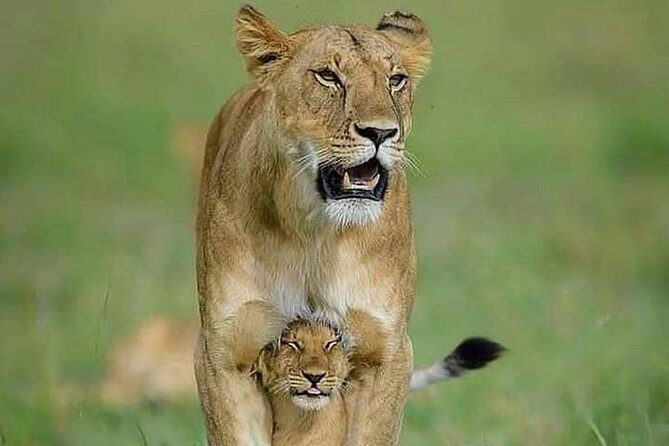
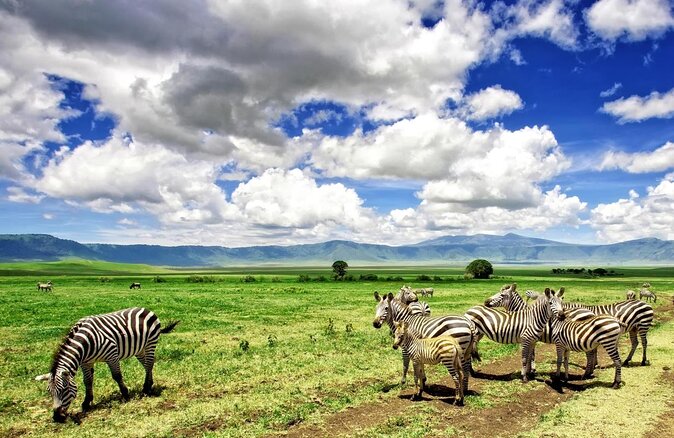
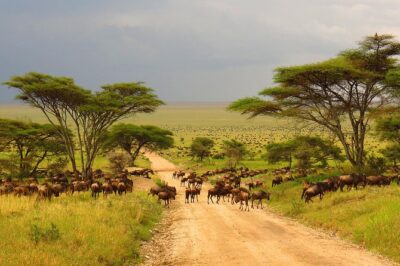
Serengeti is the tour’s main wildlife draw. Lion, leopard, elephant, cheetah, buffalo, zebra, wildebeest, eland, wild dog, gazelles, and crocodiles are all listed as possible sightings. The park is also the main setting for the annual movement of more than a million wildebeest and over two hundred thousand zebras.
The migration follows rainfall, so timing matters. The schedule describes herds moving south in October and November, then making their return journey after the rains in April, May, and June. The exact location of the animals changes, and Serengeti is huge. Your guide’s skill and communication with other safari vehicles can help locate the herds, but you should not treat migration sightings as guaranteed.
Day 3 gives you morning and afternoon game drives. This is valuable because wildlife behaves differently as the day changes, and two outings offer more chances than a single long drive. It also keeps you in Serengeti instead of spending the entire day on the road.
Both nights are at Seronera campsite. Again, the location is practical, but the word campsite should set your expectations. If you want a softer bed, better bathroom facilities, or a more settled evening, ask about tented-camp upgrades.
Guide choice matters most here. If available, ask for Eli. He is described as a strong wildlife guide and driver, with a good eye for finding animals. That combination matters in Serengeti, where locating a leopard or a distant predator can depend on patient searching and good communication.
Day 4: From Serengeti to the Ngorongoro rim
You begin with an early morning game drive, eat an early lunch, and continue toward Ngorongoro. The drive gives you more chances to see animals outside the main game-drive hours, though the day also involves a substantial transfer.
The road toward Ngorongoro is part of the experience. Your guide continues explaining the animals and surroundings along the way, so this is not simply dead time between parks. Still, be ready for a long day with an early start, a packed schedule, and plenty of time seated in the vehicle.
You spend the night on the crater rim at Ngorongoro Simba Campsite. The rim location sets up the next morning’s descent into the crater, but this is also the campsite that needs the clearest warning. It has been specifically described as a poor public campsite, so I would ask about an upgrade if comfort matters to you.
Same country, a completely different kind of safari:
- Tanzania Classic – 7 Days
★ 5.0 · 1,151 reviews - Materuni Waterfalls, coffee tour & Kikuletwa Hot Springs
★ 5.0 · 643 reviews - 3 Days Serengeti & Ngorongoro Group Camping Safari
★ 5.0 · 574 reviews - 7-Day Premium Luxury Tanzania Safari All-Inclusive
★ 5.0 · 426 reviews
Day 5: A concentrated wildlife day inside Ngorongoro Crater
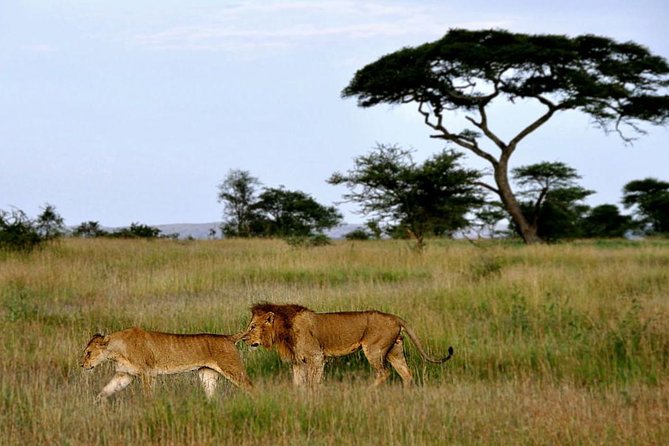
The crater game drive begins at 7:00 a.m. and lasts about five to six hours, with a picnic lunch. The crater’s walls rise roughly 2,000 feet, and relatively few animals move in and out. That makes Ngorongoro one of the best places on this route for concentrated viewing.
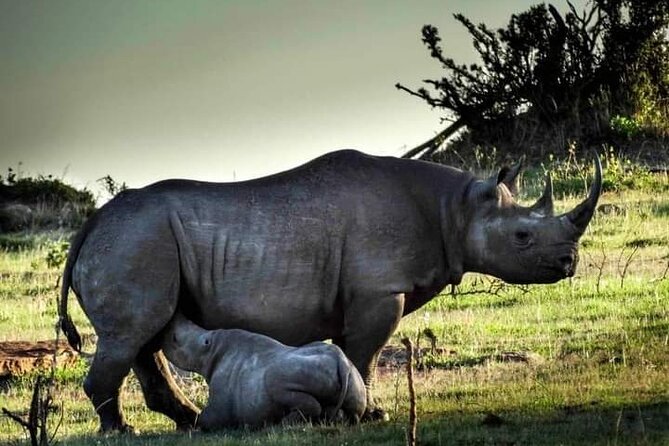
You might see lions, elephants, zebras, hippos, flamingos, jackals, antelopes, many bird species, and possibly rhinos. The crater does not need the wide-ranging search of Serengeti. Animals are spread across a contained area, so the day often feels more focused.
Your guide keeps in touch with other safari drivers while searching for animals. That can be especially helpful when wildlife is hidden in grass or sitting far from the road. Still, expect other safari vehicles in this famous area. Ngorongoro is a major stop, and its compact viewing area can feel busier than the more open parts of Serengeti.
After the crater drive, you continue to Fanaka campsite for dinner and the night. This transfer gives you a change of base before Lake Manyara, but it adds another road segment after an already early morning.
Day 6: Forest, hot springs, and birds at Lake Manyara
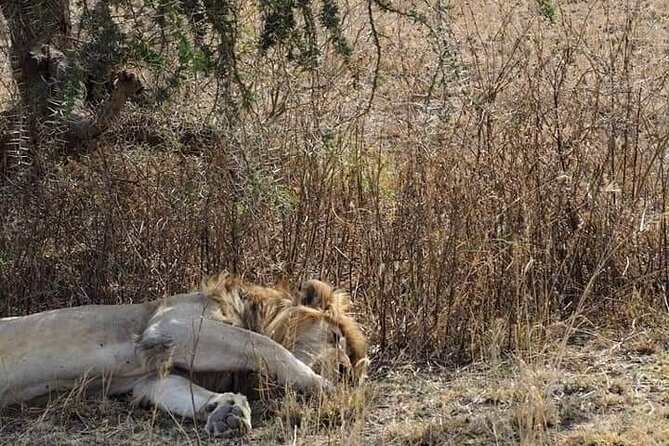
After breakfast, you enter Lake Manyara National Park with a packed lunch. The park changes the mood of the safari. Instead of Serengeti’s broad plains or Ngorongoro’s enclosed crater, you move through forest along the base of the Great Rift Valley.
The lake occupies a large part of the park. Hot springs lie to the west, and the forest begins near the park gate. This variety supports a different set of sightings, including buffalo, giraffe, hippo, baboons, flamingos, ostriches, Egyptian geese, and the park’s famous tree-climbing lions.
I like this stop because it adds birds, forest, and water to a route otherwise dominated by open country. Flamingos can be a highlight, though bird numbers and animal sightings change with conditions. Tree-climbing lions are a possibility, not a promise.
You have a picnic lunch during the game drives, then continue with afternoon viewing before dinner and an overnight stay at a hotel. The hotel is not named, so ask where you will sleep and what standard is included. This night may be a welcome break from public camping, but the details are not provided.
Day 7: A quieter finish in Arusha National Park
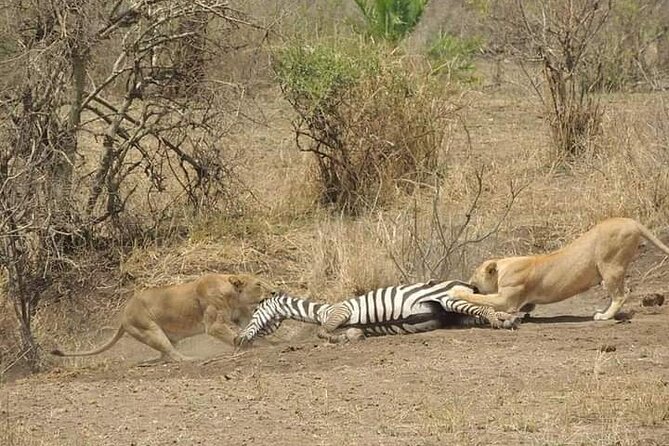
The final day begins with a morning departure from Arusha and a roughly 40-minute drive to Arusha National Park. That short transfer is a pleasant change after the longer routes earlier in the week.
The park is known for a wide range of plants and animals. The itinerary focuses on Ngurdoto Crater, sometimes called Little Ngorongoro, where you may see buffalo, waterbucks, giraffes, warthogs, zebras, and many bird species.
Arusha National Park gives the trip a less predictable but worthwhile ending. It is not presented as a replacement for Serengeti or Ngorongoro. Instead, it offers a smaller-scale final game drive close to town, with a different mix of forest, crater, and birdlife.
The tour returns to Arusha in the evening, followed by airport drop-off. Confirm your flight time before booking, since the final park visit and return transfer create a full day.
The 4WD vehicle and daily pace
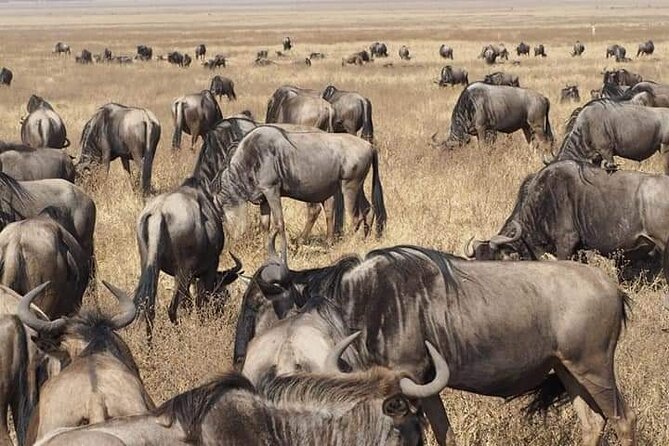
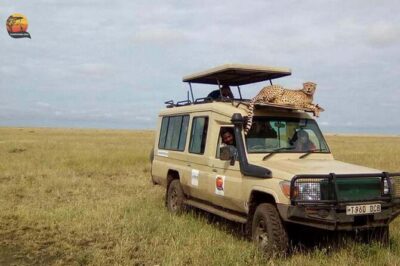
The tour uses a 4WD Land Cruiser with viewing, which is the right kind of vehicle for a multi-park safari. The viewing setup lets you photograph animals without staying inside a closed road vehicle, although the exact roof and seat arrangement should be confirmed with the operator.
The pace is active. Day 2 includes a long transfer into Serengeti, Day 4 combines an early game drive with a move to Ngorongoro, and Day 5 starts at 7:00 a.m. Add campsite routines, picnic lunches, and rough park roads, and you should arrive in reasonable health for long days in the vehicle.
The private format helps. You can ask your guide to spend longer with an animal, within park rules and the day’s route, instead of being bound to a large group’s preferences. Pickup is offered, and a mobile ticket is available, which makes the start straightforward.
Confirmation is provided at booking. The activity is listed as suitable for most people, but the schedule still demands stamina. The operator also notes that weather and minimum-participant requirements can affect departure.
Food, campsites, and the comfort question
Meals are built into the plan, which simplifies a trip where shops and restaurants are not always close. You receive packed lunches on major game-drive days, and the included meal count covers breakfast, lunch, and dinner across the week, with six dinners listed.
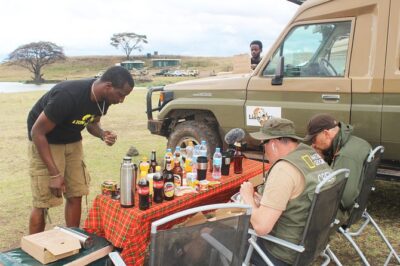
The food can be a pleasant surprise on a camping itinerary. Cook Amid is specifically praised for fresh ingredients and consistently good meals. That is useful information for anyone worried that a budget safari means dull or limited food.
Accommodation is the weaker point. Panorama, Seronera, Ngorongoro Simba, and Fanaka are named as campsites, while the Lake Manyara night is listed as a hotel. Public camping can be basic, and Simba Campsite in particular deserves careful questioning before departure.
Ask whether you can upgrade to tented camps with proper beds and better facilities. You may pay more, but this is the single change most likely to improve the trip’s comfort without changing the parks or game drives.
Who will get the most from this safari
I would choose this tour if you want the major Northern Tanzania circuit in one week and care more about wildlife variety than lodge luxury. It suits a private group that wants a guide-led route through the best-known parks without arranging each transfer, meal, and park entry alone.
It also suits photographers and first-time safari visitors. Tarangire’s elephants and baobabs, Serengeti’s predators and migration country, Ngorongoro’s dense animal viewing, Lake Manyara’s birds, and Arusha’s crater make a well-rounded first safari.
I would hesitate if you dislike early starts, long drives, or basic camping. Seven days sounds generous, but Northern Tanzania is large, and this route covers a lot of ground. If you prefer slow mornings and several nights in one lodge, choose a shorter park list with upgraded accommodation.
Booking details and cancellation terms
The tour costs $2,724.36 per person and is offered as a private activity. Pickup is available, and the operating period shown runs from April 29, 2019 through June 18, 2026, with Monday hours listed from 8:00 a.m. to 11:00 p.m.
You can cancel for a full refund if you do so at least 24 hours before the start time. Cancellations or changes within 24 hours are not refunded or accepted. If poor weather or an insufficient number of participants cancels the tour, you are offered another date or experience, or a full refund.
Should you book the Royal Tiger seven-day safari?
Book it if you want a private, full-route safari with strong wildlife potential and you accept camping as part of the bargain. The biggest strengths are the five-park route, the Serengeti and Ngorongoro pairing, private transport, included meals, and the chance to request guide Eli.
Before paying, get the accommodation plan in writing. Ask about the tented-camp upgrade, the Lake Manyara hotel, the vehicle’s viewing setup, and your airport drop-off timing. If those answers are satisfactory, this is a practical way to see Northern Tanzania’s essential parks in one busy but rewarding week.
FAQ
Is this a private tour?
Yes. Only your group participates in the activity, and pickup is offered.
Which national parks are included?
The route visits Tarangire National Park, Serengeti National Park, Ngorongoro Crater, Lake Manyara National Park, and Arusha National Park.
What vehicle is used?
The tour uses a 4WD Land Cruiser with viewing.
Are meals included?
Yes. The inclusions list seven breakfasts, seven lunches, and six dinners. Packed picnic lunches are used on several game-drive days.
Are tips included in the price?
No. Tips are not included.
What is the cancellation policy?
You receive a full refund when you cancel at least 24 hours before the experience starts. Cancellations or changes within 24 hours are not refunded or accepted.
Just added around Arusha
- 8 Days Serengeti Migration safari★ 5.0 · 11 reviews
- tarangire, ngorongoro & lake manyara park 3 days private tour★ 5.0 · 11 reviews
- tarangire & ngorongoro 2 days tour★ 5.0 · 14 reviews
- serengeti & ngorongoro 3 days private tour★ 5.0 · 15 reviews
- Mt. Kilimanjaro: Shira plateau to Cathedral point 3872m Day hike★ 5.0 · 7 reviews
- serengeti, ngorongoro & tarangire 4 days private tour★ 5.0 · 18 reviews
- 2 Days Tanzania Midrange Group Join Safari★ 5.0 · 7 reviews
- climb the KILIMANJARO via Lemosho route★ 5.0 · 4 reviews
7-Day Experiences, compared.

7-Day Premium Luxury Tanzania Safari All-Inclusive
Read our review →
Group Safari 7 Days in Tanzania’s Main Parks
Read our review →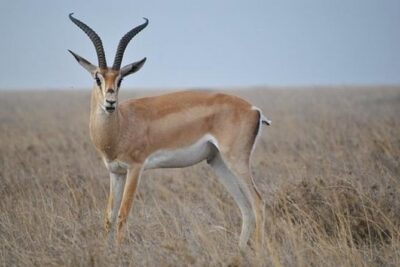

Climbing Kilimanjaro through 7 days Machame Route
Read our review →
7-Day Machame Kilimanjaro Summit Tour from Arusha
Read our review →Browse the lists this tour appears in