
Reviewed · 7-DAY EXPERIENCES
7 days safaris to see great migration
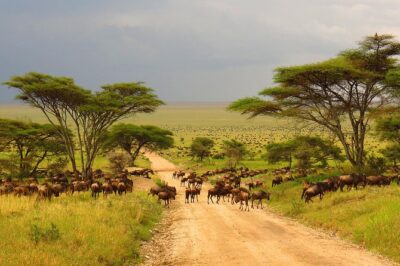
The main draw here is migration country: six demanding but rewarding days across Tarangire, Serengeti, Ndutu, and the Ngorongoro area. You get repeated game drives in the places that matter most, including two full days aimed at the wildebeest migration around Ndutu.
I like the private format, since only your group joins the vehicle, and I like the mix of big-name parks with time set aside for wildlife rather than quick photo stops. The price also includes park fees, accommodation, private transport, a professional driver, and most meals. The main caution is simple: the tour is advertised as seven days in places, but the supplied schedule runs for six days and ends with a drive toward Usa River. Confirm the exact number of nights before paying.
Key details that shape the safari
- Two full migration days at Ndutu: Days four and five focus on southern Serengeti and northern Ngorongoro, the area linked with the Great Migration.
- Private vehicle and driver: Your group travels alone, with a professional driver rather than joining a larger shared departure.
- Four major wildlife areas: The route includes Tarangire, Serengeti, Ndutu, and Ngorongoro Conservation Area.
- Long days in the vehicle: Most days run roughly six to eight hours, with early starts, game drives, lunch stops, and evening returns.
- Several accommodation levels: Lodges, luxury tented camps, and budget camping can be arranged, but you should confirm which category the quoted price covers.
- Strong guide and food record: Guides named Simba, Charles, Salim, and Simon have been used on past trips, while chef Dennis has been praised for plentiful meals.
Why this route works for a Great Migration safari
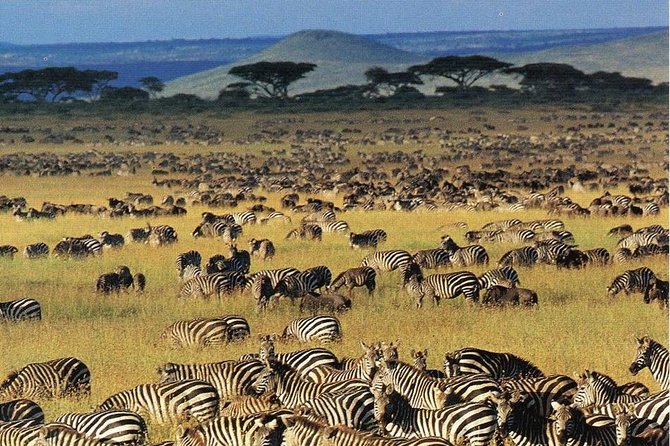
A safari is not only about ticking off parks. It is about giving yourself enough time in the right habitats, with a guide who can read animal behavior and adjust the day around sightings. This route gives you four different settings, then spends extra time in Serengeti and Ndutu, where migration viewing is the main goal.
The route also gives you a useful mix. Tarangire is a good opening park, with its own wildlife appeal rather than serving only as a drive-through stop. Serengeti provides the broadest run of game drives. Ndutu brings the itinerary closer to the seasonal migration zone. Ngorongoro adds a very different setting for the final portion.
The timing matters greatly. Wildebeest movement changes through the year, and this schedule does not promise a particular river crossing, calving event, or herd location. You may see migration activity, but you should ask the company where the herds are expected to be during your dates. The itinerary specifically targets southern Serengeti and Ndutu, so the trip is best suited to dates when animals are known to be in that part of the route.
A few more Arusha trips to weigh up
- Tanzania Classic – 7 Days
★ 5.0 · 1,151 reviews - 7-Day Premium Luxury Tanzania Safari All-Inclusive
★ 5.0 · 426 reviews - Group Safari 7 Days in Tanzania’s Main Parks
★ 5.0 · 240 reviews
Day 1: Tarangire begins with a long wildlife day
You leave your Arusha hotel at about 8:30 a.m. and travel to Tarangire National Park. The day includes a game drive, lunch, a later afternoon wildlife drive, and an overnight stay at camp.
The schedule gives you around seven hours for the park portion and travel. That is a full first day, so do not plan an ambitious evening activity in Arusha after returning. You are here to settle into the safari rhythm: early meals, hours in a vehicle, short stops, and patience.
Tarangire adds variety before Serengeti takes over. Its inclusion is useful because you begin with another major wildlife area instead of spending all your time on one park. The exact animals you see cannot be guaranteed, but the route is designed around the possibility of seeing Africa’s Big Five over the course of the safari.
You should ask which camp is used on this first night. The package allows different accommodation styles, from budget camping to luxury tented camps, and the comfort level can change the feel of the whole trip.
Day 2: The road into Serengeti
After breakfast, you drive toward Serengeti National Park, with lunch and game viewing along the way. The afternoon includes more game drives before dinner and an overnight stay at Intimate Luxury Camp.
This is listed as roughly six hours, but treat that as an approximate activity length rather than a strict door-to-door promise. National park roads, wildlife stops, and the distance from your starting point can stretch the day. The good news is that the drive is not dead time. Game viewing begins as you approach and enter the park.
Serengeti is the central stage of this safari. Its appeal is not just the possibility of large herds. You also get changing light, open plains, and the chance to spend time watching animals rather than rushing between attractions. A driver-guide who can explain animal behavior and park geography adds real value here.
The named camp suggests a more comfortable stay than a basic campsite, but confirm the room or tent standard. The package description mentions luxury tented camps and budget camping, so the title alone does not tell you exactly what you will receive.
Day 3: A full Serengeti game-drive day
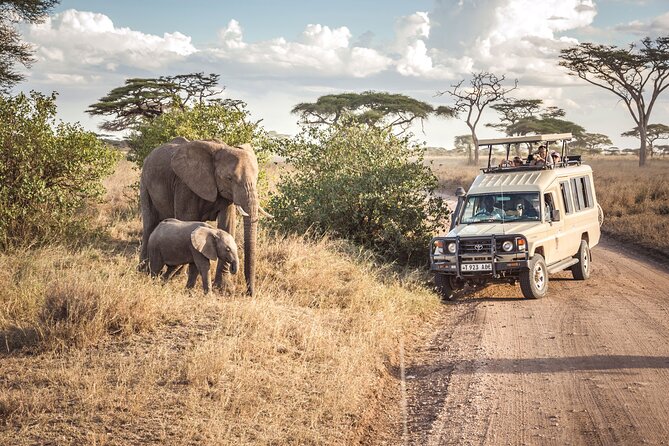
Day three is the most straightforward wildlife day. After breakfast, you spend the morning on game drives, stop for either a picnic or hot lunch, then return to the park for afternoon viewing until about 6:30 p.m. Dinner and another night at Intimate Luxury Camp follow.
The schedule gives this day about seven hours. In practice, the value comes from the long block of time inside the park. You are not simply crossing Serengeti on the way to somewhere else. You have time to stop when your guide finds something worth watching.
The itinerary says lunch may be at about 12:30, though the supplied schedule contains a minor time typo. Ask your guide how the day is normally handled. A packed picnic keeps you in the park, while a hot lunch may offer more comfort but can affect how much time you spend driving or observing wildlife.
This is also the day to tell your guide what matters most to you. If you want predators, birds, herd behavior, or the Big Five, say so early. The company has used guides such as Simba, Charles, Salim, and Simon, and past safari arrangements have placed strong emphasis on guides who answer questions, understand animal locations, and keep the mood easy during long drives. Confirm your assigned guide before departure if that matters to you.
Same country, a completely different kind of safari:
- Balloon Safari & Bush Breakfast in Serengeti – Miracle Experience
★ 5.0 · 1,646 reviews - 4 Days Group Camping Safari
★ 5.0 · 1,101 reviews - 5 Days Group Camping Safari
★ 5.0 · 730 reviews - Materuni Waterfalls, coffee tour & Kikuletwa Hot Springs
★ 5.0 · 643 reviews
Days 4 and 5: Ndutu and the heart of the migration plan
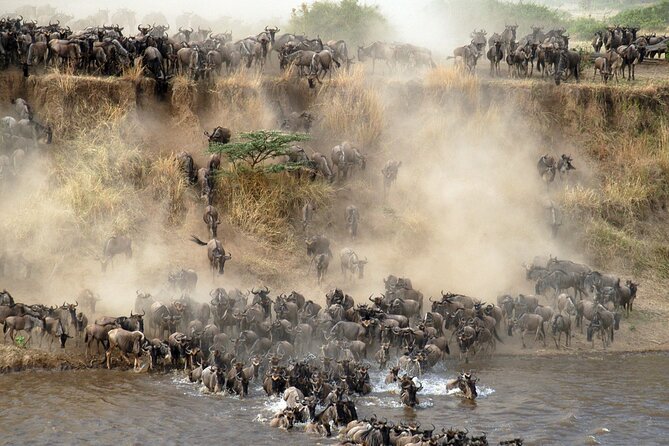
The fourth and fifth days are the most important for anyone booking this trip mainly for the Great Migration. You leave camp before breakfast with a lunch box and spend full days exploring southern Serengeti and the northern Ngorongoro area around Ndutu.
Each day includes morning wildlife viewing, a bush lunch, afternoon game drives, and a return around sunset. Day four is listed at about eight hours, and day five at about seven. Those times tell you what kind of safari this is: early starts, long hours on rough park roads, and a serious focus on finding wildlife.
Ndutu is valuable because the migration route shifts through the year. You may encounter moving herds, predator activity, or other plains wildlife, but no operator can guarantee a particular sighting. The two-day allocation gives you a better chance than a single pass through the area, since your guide can spend more time searching and respond to what is happening on the ground.
These are not restful days. The lunch box keeps you out in the field, but sitting in a safari vehicle for most of the day can be tiring. If you prefer a slower schedule with more time at camp, ask for a custom plan. If your priority is wildlife, these long days are a sensible trade.
You spend these nights at Zebra Tented Camp. Again, verify whether your booking is for a fixed tent, a luxury tent, or a camping setup. The accommodation level is one of the most important details to settle when comparing a $3,461.54 safari with cheaper or more expensive options.
Day 6: From Ndutu toward Ngorongoro and Usa River
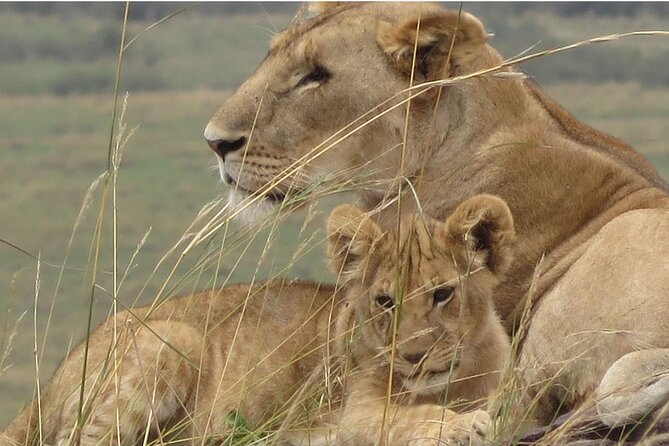
The final day begins with an early game drive in Ndutu before you return to the lodge for lunch and check out. You then travel toward the Ngorongoro Crater Rim, with lunch and game viewing along the way, before continuing toward Usa River.
This day is listed under Ngorongoro Conservation Area and takes about seven hours. The wording suggests that the route approaches the crater area rather than giving you a full crater game drive. If descending into Ngorongoro Crater is essential to you, ask directly if that activity is included. The supplied schedule does not clearly list a crater-floor game drive.
The final drive toward Usa River is practical if you are continuing toward Arusha or an airport connection, but the endpoint should be confirmed. The meeting details say the activity ends back at the starting point in Arusha, while the daily plan says Usa River. Those locations are close in the broader Arusha area but are not the same stated endpoint.
This is the clearest reason to get the final route in writing. A safari can finish smoothly, but you do not want to discover at the last minute that your drop-off point or final night differs from your plans.
The guide can make or break the long drives
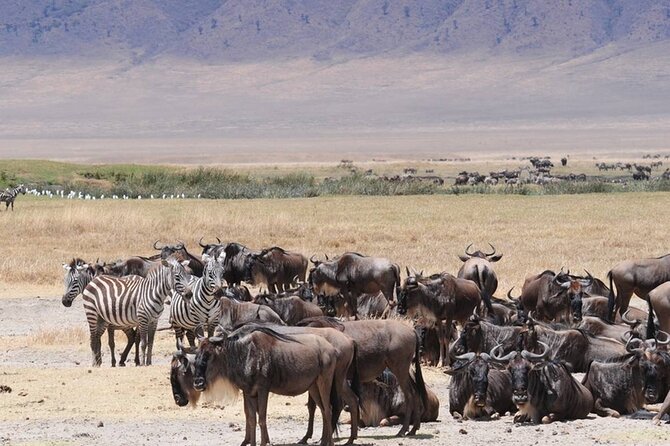
Your driver-guide is more than the person behind the wheel. In this setting, the guide controls how much time you spend watching an animal, how safely the vehicle is positioned, and how clearly the parks and wildlife are explained.
The company has used guides named Simba, Charles, Salim, and Simon. Past trips have also involved David and Ernest in arranging routes and handling communication. These names are useful when you confirm your booking, but do not assume a particular person is included unless the company tells you so.
I would ask four questions before departure:
- Who is my assigned driver-guide?
- Is the vehicle private for my group?
- How are lunch stops handled on full-day drives?
- Which area is the guide targeting for migration viewing during my dates?
That last question is especially important. The itinerary has the right broad idea, but wildlife is mobile. A good plan should reflect current herd locations, not just a fixed route printed months in advance.
Food, camp style, and what the price really covers
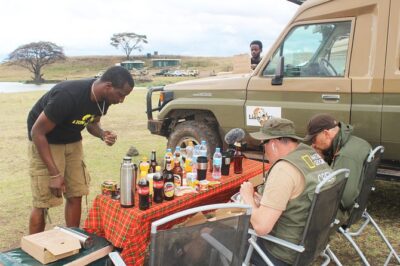
The package includes six lunches, five dinners, and five breakfasts, along with accommodation during the safari. A chef named Dennis has been praised for friendly service and plentiful meals. Vegetarian food is available if you request it when booking.
The meal count matches a six-day schedule more closely than a seven-day trip. That is another reason to clarify the duration and number of nights. If you believe you are buying seven days, ask for a written breakdown of every breakfast, lunch, dinner, and overnight stay.
At $3,461.54 per person, the price should be judged against what is included rather than compared with a bare camping quote. Park fees for non-residents, private transport, a professional driver, accommodation, and most meals are covered. Those costs can add up quickly on a northern Tanzania safari.
The value is strongest if you want a private departure and a route aimed at migration country. It is less clear if the price is meant to cover luxury accommodation throughout, since the package also refers to budget camping. Ask for the exact camp names, room type, and whether any accommodation upgrade is included.
Tips and international flights are not included. Set aside a separate amount for gratuities, and do not treat the advertised price as the entire cost of your trip to Tanzania.
Who should book this safari
I would look closely at this trip if your top goal is seeing the Great Migration while also visiting several major parks. The two Ndutu days are the strongest part of the plan, and the private setup gives you more control than a large shared vehicle.
It also suits a solo safari-goer who wants a private arrangement rather than trying to build a group. Past bookings have included solo guests, and the company has handled custom routes and short-notice requests. Still, private does not necessarily mean luxurious, so confirm the accommodation and vehicle standard.
This may not suit you if you need a tightly timed schedule, short drives, or a guaranteed crater-floor visit. The safari involves several long days, approximate timings, and a final route that needs clarification.
The company’s free cancellation policy allows cancellation up to 24 hours before the start time for a full refund. Changes or cancellations inside that window are not accepted for a refund, and the cut-off follows local Tanzanian time. Confirmation is provided at booking, and pickup is offered from the stated Arusha meeting point.
FAQ
How long is this safari?
The tour is described as a seven-day safari in the title and overview, but the supplied itinerary lists six days. Confirm the exact duration, number of nights, and final day arrangements before booking.
Where does the safari start?
Pickup is offered from Arusha, with the stated meeting point at Arusha Condo Hotel, Court Road, Levolosi Road, Arusha. The listed start time is 8:30 a.m.
Is this a private safari?
Yes. Only your group participates in the activity, and private transportation is included.
Which parks and areas are included?
The route includes Tarangire National Park, Serengeti National Park, the Ndutu area, and Ngorongoro Conservation Area.
Does the tour include Great Migration viewing?
The itinerary is designed to seek the Great Migration, especially during two full days around southern Serengeti and Ndutu. Specific sightings and herd locations are not guaranteed.
Are park fees included?
Park fees for non-residents are included in the package.
Are meals included?
The package includes six lunches, five dinners, and five breakfasts. Vegetarian food is available if requested when booking.
Are flights and tips included?
No. International flights and tips are not included.
Should you book it?
Book this safari if you want a private, wildlife-first route with two substantial days in Ndutu and you are comfortable with long drives and early starts. Its best value lies in the combination of park fees, transport, accommodation, meals, and a dedicated driver-guide.
Before you commit, get three points confirmed in writing: six or seven days, the exact accommodation level, and whether the Ngorongoro portion includes a crater-floor drive. If those details match your expectations, this is a focused way to chase the migration while adding Tarangire and Serengeti to the same trip.
Just added around Arusha
- 8 Days Serengeti Migration safari★ 5.0 · 11 reviews
- tarangire, ngorongoro & lake manyara park 3 days private tour★ 5.0 · 11 reviews
- tarangire & ngorongoro 2 days tour★ 5.0 · 14 reviews
- serengeti & ngorongoro 3 days private tour★ 5.0 · 15 reviews
- Mt. Kilimanjaro: Shira plateau to Cathedral point 3872m Day hike★ 5.0 · 7 reviews
- serengeti, ngorongoro & tarangire 4 days private tour★ 5.0 · 18 reviews
- 2 Days Tanzania Midrange Group Join Safari★ 5.0 · 7 reviews
- climb the KILIMANJARO via Lemosho route★ 5.0 · 4 reviews
7-Day Experiences, compared.

7-Day Premium Luxury Tanzania Safari All-Inclusive
Read our review →
Group Safari 7 Days in Tanzania’s Main Parks
Read our review →

Climbing Kilimanjaro through 7 days Machame Route
Read our review →
7-Day Machame Kilimanjaro Summit Tour from Arusha
Read our review →Browse the lists this tour appears in