
Reviewed · 7-DAY EXPERIENCES
7 Days Private Safari in Tanzania
Tanzania gives you four very different wildlife settings in one trip: elephant country at Tarangire, big-cat territory in the Serengeti, the enclosed wildlife bowl of Ngorongoro Crater, and bird-filled Lake Manyara. The private format lets your group travel with its own English-speaking driver-guide rather than follow a large coach.
I like the unlimited game-drive mileage, since a good animal sighting may require patience and a little backtracking. I also like the human side of the operation: guides and crew named in the trip feedback include Charles Mushi, Osman, Fahadi, and cook Clémence. The main drawback is the amount of road time, especially on the Serengeti section, and the non-refundable booking policy leaves little room for changed plans.
Key points to know before booking
- Four Northern Tanzania parks in seven days: Tarangire, Serengeti, Ngorongoro, and Lake Manyara give you strong variety rather than one repeated safari setting.
- Private vehicle and guide: Only your group takes part, with a professional English-speaking driver-guide and pickup offered.
- Unlimited mileage during game drives: You are not locked into a small daily driving allowance while searching for wildlife.
- A Big Five opportunity: Ngorongoro Crater is the main place on this route to look for lion, leopard, elephant, buffalo, and rhino.
- Meals are largely covered: The package lists seven breakfasts, six lunches, and five dinners, plus bottled water during game viewing.
- Optional local visit: On the final day, you can add a cultural tour around Mto wa Mbu, including farms, Balaa Hill, Miwaleni Lake and waterfall, and local development projects.
What the $3,762 price really buys you
At $3,762 per person, this is not a budget park shuttle. You are paying for a private seven-day route through some of Tanzania’s best-known northern parks, a dedicated English-speaking driver-guide, unlimited game-drive mileage, park access arrangements, transport between stops, bottled water during viewing, and most meals.
The value depends heavily on how many people share the vehicle. A private safari becomes more attractive when the cost is spread across a small group, and the tour specifically offers group discounts. Ask for the exact discount before paying, since the final value can change sharply with group size.
The package also removes several daily decisions. Breakfast, picnic lunches, and dinners are built into the plan, and the team handles the park procedures at the gates. You still need to budget for international flights, visa fees, travel insurance, medical repatriation cover, personal purchases, alcoholic drinks, and tips.
The suggested tip is US$20 per person per day. That is a meaningful extra on a seven-day trip, so include it in your budget from the start. The listed inclusions also need a careful look: seven breakfasts, six lunches, and five dinners are covered, not necessarily three meals on every calendar day.
A few more Arusha trips to weigh up
- Balloon Safari & Bush Breakfast in Serengeti – Miracle Experience
★ 5.0 · 1,646 reviews - 4 Days Group Camping Safari
★ 5.0 · 1,101 reviews - 5 Days Group Camping Safari
★ 5.0 · 730 reviews
Day 1: Getting from Kilimanjaro Airport to Arusha
Your safari starts with airport pickup at Kilimanjaro International Airport. A transfer and safari driver meets you, introduces you to Tanzania, and takes you about 55 kilometers to Arusha, roughly a one-hour drive.
This first day is mostly a practical arrival day. You settle into your chosen Arusha accommodation and rest before the early safari rhythm begins. That is useful after a long international flight, since the next morning starts with breakfast, picnic lunch collection, and a drive toward Tarangire.
The listed meeting point is Verona Advocates & Associates city complex on Swahili Street in Arusha, and the stated start time is 6:00 am. Confirm the exact pickup arrangement with Congema Safaris before arrival, especially if you are being collected directly at the airport or from a hotel.
Day 2: Tarangire’s elephants and baobabs
After breakfast, you collect picnic lunch boxes and drive about 120 kilometers, roughly two hours, to Tarangire National Park. The park sits slightly away from the busiest Northern Tanzania circuit, which gives this day a quieter feel than the major Serengeti routes.
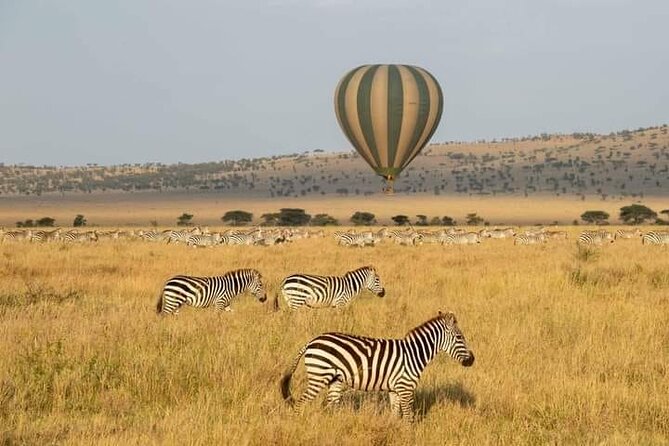
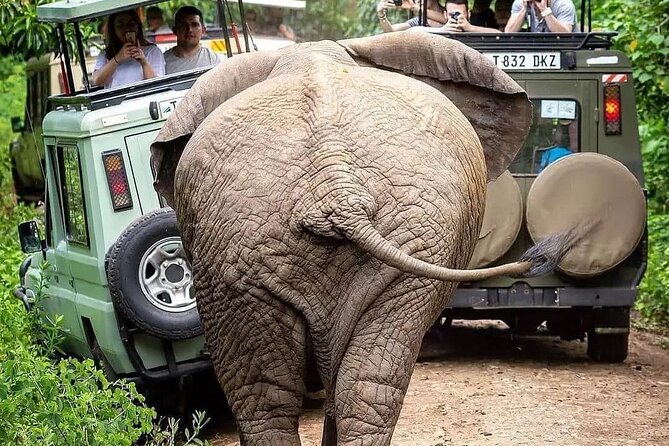
Tarangire is the place to watch for large elephant groups, big baobab trees, and a strong range of birdlife. Its seasonal wildlife movement is a major reason to include it. Animals gather around available water and feeding areas, so the exact sightings can vary with the time of year.
You spend the day on game drives after the driver completes the park entry procedures. The phrase unlimited mileage matters here. It gives your guide room to spend longer in productive areas rather than treating the park as a quick stop on the way to the next lodge.
The day is long, listed at about nine hours, followed by an evening drive to your lodge or hotel. That pattern repeats across much of the trip: early starts, extended time in the parks, and a later arrival at your overnight stop. You should be comfortable with long vehicle days.
Day 3: The route shifts toward the Serengeti
The third-day description contains a mismatch in the supplied schedule: it labels the stop Lake Manyara National Park, but the actual plan describes an approximately 8:30 am departure from Arusha toward Serengeti National Park. The text also presents Serengeti as the destination after a long drive and game-viewing day.
This is worth clearing up before booking. A route involving Arusha and Serengeti on the same day can mean substantial time on the road, with wildlife viewing along the way. Ask Congema Safaris to confirm the exact pickup point, park sequence, and overnight location for this day.
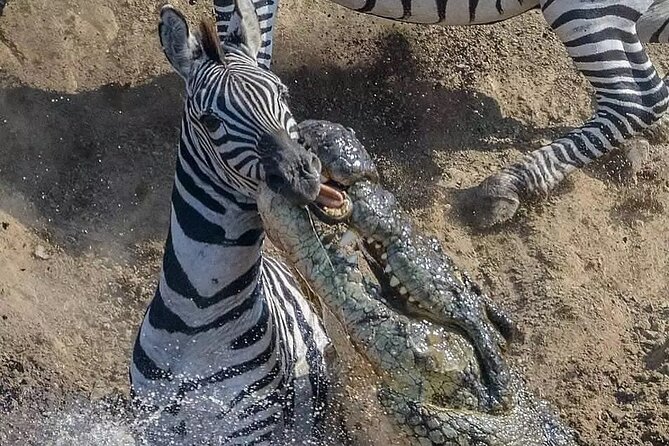
The reward is the Serengeti, famous for open plains, resident wildlife, and the annual movement of wildebeest, zebra, and Thomson’s gazelles. The supplied figures describe roughly 200,000 zebras and 300,000 Thomson’s gazelles joining the wildebeest trek, along with millions of hooves moving across the grasslands.
Those numbers explain the park’s appeal, but timing and location matter. The migration is seasonal and mobile, so no seven-day safari can promise a particular crossing or animal encounter. You should think of the Serengeti as a broad wildlife region, not a single fixed viewing point.
Same country, a completely different kind of safari:
- Tanzania Classic – 7 Days
★ 5.0 · 1,151 reviews - Materuni Waterfalls, coffee tour & Kikuletwa Hot Springs
★ 5.0 · 643 reviews - 3 Days Serengeti & Ngorongoro Group Camping Safari
★ 5.0 · 574 reviews - 7-Day Premium Luxury Tanzania Safari All-Inclusive
★ 5.0 · 426 reviews
Day 4: A full day in Central Serengeti
Day four gives you a full game drive in Central Serengeti after breakfast. This is the most generous wildlife day in the schedule, since you are not simply passing through on the way to another park.
The central area is known for classic open-country viewing, though the day is not only about large mammals. The itinerary also points to agama lizards, rock hyraxes around granite kopjes, dung beetles, ostriches, secretary birds, and black eagles near the Lobo Hills.
That wider focus is useful. A safari can become dull if every drive is judged only by lion or leopard sightings. Give yourself time to notice the smaller creatures and birds, especially if you enjoy photography or natural history.
The Serengeti has around 500 recorded bird species, including very large ground birds and soaring raptors. Birdlife is easier to appreciate when your driver-guide explains what you are seeing, so it is worth telling the guide early if birds matter as much to you as mammals.
After the drive, you continue to camp for dinner and overnight rest. The exact camp category is not specified in the supplied details, so ask what type of accommodation is included in your quoted price. The trip feedback refers to a camping formula, but you should not assume every departure uses the same camp standard.
Day 5: From the Serengeti to Ngorongoro
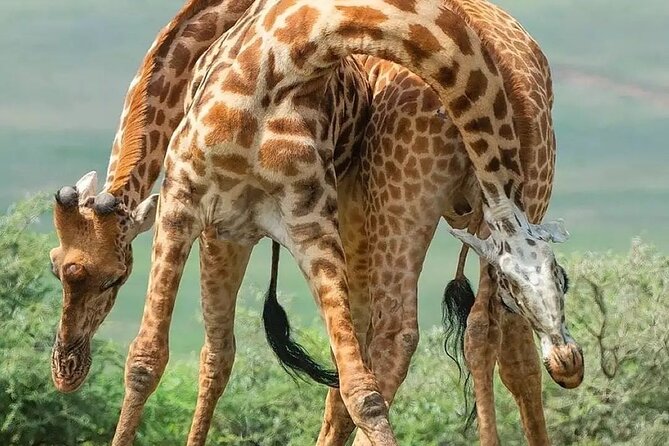
Day five begins with another morning game drive in Serengeti before a drive of about 145 kilometers to the Ngorongoro Conservation Area. The stated drive time is approximately three and a half hours, though park roads, wildlife stops, and road conditions can affect the day.
Ngorongoro is more than the famous crater. The conservation area protects wildlife and natural resources while also recognizing the interests of Indigenous communities and supporting tourism. That combination gives this section a broader purpose than a simple animal-counting stop.
This is also a transition day. You get another chance at Serengeti sightings in the morning, then trade the open plains for highland country around Ngorongoro. The route can feel tiring, but it places you well for the early crater drive the following day.
You overnight at a lodge after arriving in the conservation area. Because the next morning includes an early crater drive, use the evening to prepare camera batteries, warm layers, and anything you need in the vehicle. The supplied information does not specify the lodge location, so confirm how close it is to the crater access route.
Day 6: The Ngorongoro Crater game drive
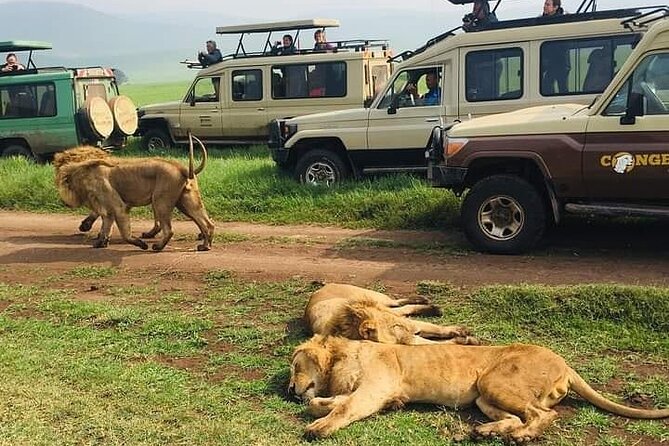
After breakfast, you drive about 40 kilometers, listed as roughly one hour, to Ngorongoro Crater. The plan calls for an early morning game drive inside the crater, which is the right use of this remarkable setting.
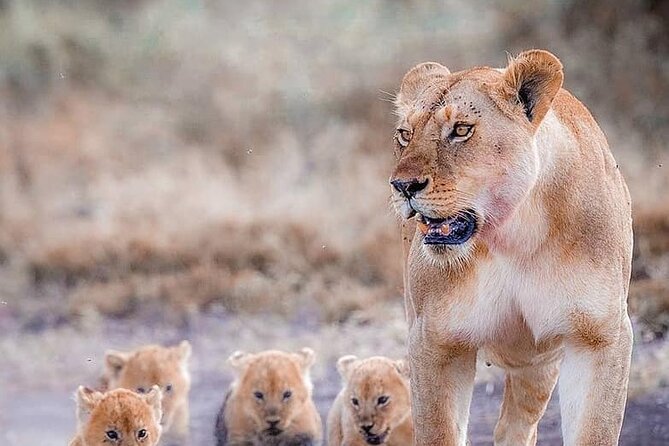
The crater’s enclosed shape concentrates wildlife in a relatively contained area. It is one of the strongest parts of the route for looking for the Big Five: lion, leopard, rhino, buffalo, and elephant. No guide can guarantee all five, but the crater gives you a serious chance to search for them in one morning.
The setting also changes the feel of the safari. Instead of broad Serengeti horizons, you are watching animals within the crater floor and surrounding walls. That visual contrast is one reason this seven-day route works well: each park offers a different kind of viewing.
The day is again listed at about nine hours, including the drive, game viewing, and evening return to your lodge. The package includes breakfast, lunch, and dinner for this day according to the stated meal schedule. Confirm whether lunch is a picnic inside or near the park, since the itinerary does not specify the serving arrangement.
Day 7: Lake Manyara and an optional Mto wa Mbu visit
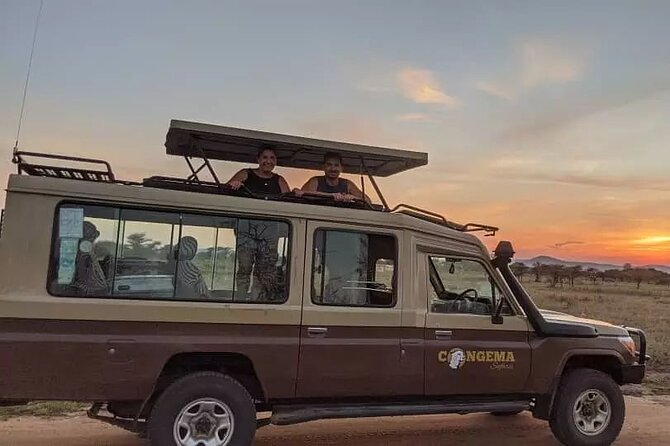
The final day takes you about 185 kilometers, roughly three hours, to Lake Manyara National Park with picnic lunch boxes. Manyara is smaller and has a different character from the Serengeti and Ngorongoro.
The park is known for birdlife, including large flamingo gatherings along the lake edge in the wet season. It is also associated with tree-climbing lions. The wording matters here: the park is known for this behavior, but a sighting is never assured.
The day is listed at about five hours, making it shorter than most of the earlier park days. That may give you a little breathing room before the trip ends, though the schedule says the activity finishes back at the meeting point. Confirm the final drop-off timing if you have a flight or another transfer afterward.
You can also add a cultural visit in Mto wa Mbu. The proposed activities include a walk through farms in the green oasis below the Rift Valley, a climb to Balaa Hill for town views, a visit to Miwaleni Lake and waterfall, and an introduction to the many communities living in the area. Development projects are included in the description as well, though the exact length and added cost are not stated.
I like this option because it gives the last day more local context. After several days focused on wildlife, a village and farming visit can help you see the human side of the region. Ask whether every activity is included or if the cultural tour is priced separately.
Guides, private travel, and the pace of the week
The private format is one of the strongest reasons to consider this trip. Only your group participates, so you are not working around strangers who want a different pace, different meal timing, or different priorities.
The driver-guide is central to the experience. The operation is associated with Charles Mushi, Osman, and Fahadi in guide and driver roles, while Clémence is named as a cook. You should ask who will lead your departure, since staff assignments can change.
The personal accounts connected with this safari describe Charles as someone who showed the group more than expected, and Osman as a good tracker who kept a positive mood over long days. Those details matter because you spend many hours with the crew, often on rough park roads and during early starts.
Unlimited bottled water is supplied during game viewing. That is a modest but useful inclusion in a hot, dusty environment. Carry your own personal medicines and confirm any dietary needs before departure, since the supplied details do not describe special meal arrangements.
Who will get the most from this safari
This trip suits you if you want a concentrated Northern Tanzania route and prefer having a private vehicle. It is especially strong for first-time safari visitors who want the major names in one week: Tarangire, Serengeti, Ngorongoro, and Lake Manyara.
It also suits mixed-interest groups. One person can focus on Big Five animals, another on birds, and another on scenery and local culture. The optional Mto wa Mbu visit helps broaden the trip beyond park gates.
You should think twice if you dislike long drives, early mornings, or a packed schedule. The plan includes several days of around nine hours and a long transfer toward Serengeti. You may prefer a slower itinerary with fewer parks if you want more time at each lodge.
The trip is listed as suitable for most participants and near public transportation, but no detailed accessibility information is provided. If you need specific vehicle or mobility arrangements, ask before paying.
Booking details worth checking
Confirmation is provided at booking, pickup is offered, and mobile tickets are available. The activity begins at 6:00 am and ends back at the stated Arusha meeting point.
The cancellation rule is strict: the experience is non-refundable and cannot be changed for any reason. I would not book until your dates, passport plans, travel insurance, and international flights are settled.
The rating information shows three five-star reviews, with strong praise for organization, the crew, the variety of parks, and the camping arrangement. That is encouraging, but it is still a small sample. The most useful practical lesson is to confirm the day-three route, accommodation type, meal count, and the exact staff assigned to your group.
Should you book this Tanzania safari?
Book it if you want a private, wildlife-heavy week that covers four major Northern Tanzania parks and includes the main costs of guiding, transport, park days, water, and most meals. The mix of Tarangire elephants, Serengeti predators, Ngorongoro’s Big Five potential, and Lake Manyara birds gives you plenty of variety for seven days.
I would be cautious if you need flexible cancellation, dislike long road transfers, or expect a slow luxury holiday with generous free time. At $3,762 per person, the trip offers better value for a small group sharing a private vehicle, especially if the included accommodation meets your standards.
Before making the final payment, get the day-by-day route in writing. If Congema Safaris confirms the Serengeti timing, accommodation level, group discount, and Mto wa Mbu supplement clearly, this is a strong choice for a first Northern Tanzania safari.
FAQ
Where does the safari start?
The stated meeting point is Verona Advocates & Associates city complex on Swahili Street in Arusha, Tanzania. Pickup is also offered, including arrival pickup from Kilimanjaro International Airport on the first day.
What time does the safari start?
The listed start time is 6:00 am. The day-three schedule separately mentions an 8:30 am hotel pickup, so confirm the exact pickup time for your departure.
Is this a private tour?
Yes. Only your group participates in the activity.
Which parks are included?
The route includes Tarangire National Park, Serengeti National Park, Ngorongoro Conservation Area and Crater, and Lake Manyara National Park.
Are meals included?
The package lists seven breakfasts, six lunches, and five dinners. Picnic lunches are collected on several game-drive days.
Is bottled water provided?
Yes. Unlimited bottled drinking water is included during game viewing.
What is not included in the price?
International flights, tips, personal items, souvenirs, travel insurance, medical repatriation, visa fees, and alcoholic drinks are not included. The suggested tipping guidance is US$20 per person per day.
Just added around Arusha
- 8 Days Serengeti Migration safari★ 5.0 · 11 reviews
- tarangire, ngorongoro & lake manyara park 3 days private tour★ 5.0 · 11 reviews
- tarangire & ngorongoro 2 days tour★ 5.0 · 14 reviews
- Mt. Kilimanjaro: Shira plateau to Cathedral point 3872m Day hike★ 5.0 · 7 reviews
- serengeti, ngorongoro & tarangire 4 days private tour★ 5.0 · 18 reviews
- serengeti & ngorongoro 3 days private tour★ 5.0 · 15 reviews
- climb the KILIMANJARO via Lemosho route★ 5.0 · 4 reviews
- 2 Days Tanzania Midrange Group Join Safari★ 5.0 · 7 reviews
7-Day Experiences, compared.
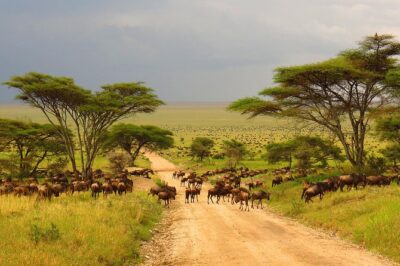

7-Day Premium Luxury Tanzania Safari All-Inclusive
Read our review →
Group Safari 7 Days in Tanzania’s Main Parks
Read our review →

Climbing Kilimanjaro through 7 days Machame Route
Read our review →
7-Day Machame Kilimanjaro Summit Tour from Arusha
Read our review →Browse the lists this tour appears in