
Reviewed · MACHAME ROUTE CLIMBS
7 Days Kilimanjaro trek via Machame route
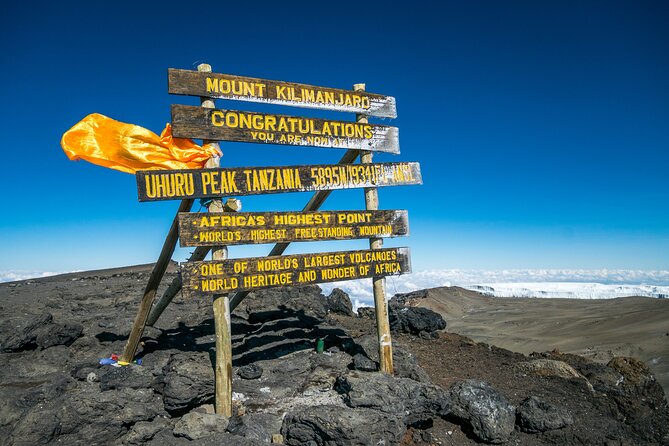
Kilimanjaro’s Machame Route gives you the mountain in changing chapters: mossy cloud forest, open heath, the stark Shira Plateau, volcanic rock, glaciers, and the long night climb to Uhuru Peak. The route approaches from the west and includes an important acclimatization day before you tackle Barranco Wall and the summit.
I like the varied scenery and the sensible climb-high, sleep-lower pattern on Day 3. I also like the support package: private waterproof tents, cooks, purified water, mess tents, experienced guides, park and rescue fees, and airport transfers are all included.
The main drawback is the pace and popularity. Seven days leaves little room for a bad day, and Machame is the company’s most popular camping route, so the trail and campsites can feel busy. You also need to confirm the pickup time, since the information lists both a 9am Day 1 departure and a 7:30pm meeting time.
Key points before you book
- Barranco Wall is the route’s signature challenge: Expect about 90 minutes of scrambling, with hands needed in a few places.
- Day 3 is built for acclimatization: You climb to 4,530 meters before descending to Barranco Camp.
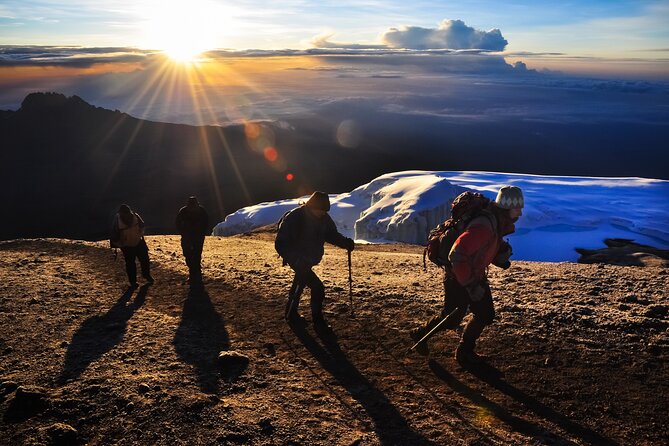
- Summit night starts around midnight: The steepest part comes in darkness before Stella Point.
- Gasto James is a named guide: His singing, steady pacing, encouragement, and mountain experience feature prominently in the praise for this team.
- The $2,800 price covers major essentials: Park fees, rescue fees, meals, tents, water, guides, porters, cooks, airport transfers, and camping equipment are included.
- This is a private activity: Your booked group travels together, although the popular route brings you near other climbing parties.
What the seven-day Machame trek is really like
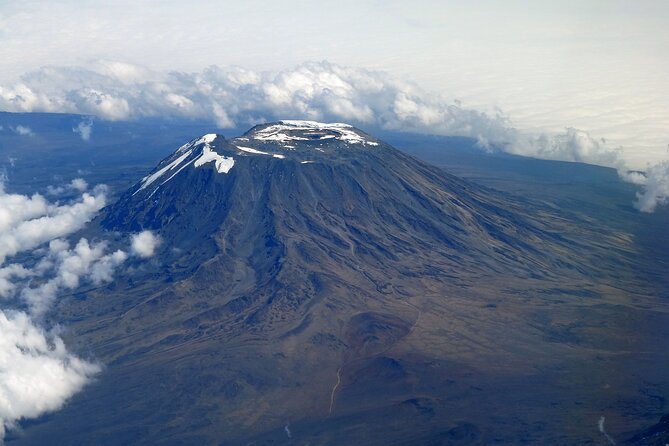
This is not a sightseeing walk with a mountain view at the end. It is a serious, multi-day high-altitude trek with six nights on the mountain, long uphill days, basic camps, and a summit attempt that begins around midnight.
You need a moderate level of physical fitness. The distance is only part of the challenge. Altitude, cold, uneven ground, early starts, and the repeated climb and descent require patience. The guides use the slow-and-steady approach known locally as pole pole, a useful rhythm for conserving energy.
Mountain Warriors Tours and Safaris has been arranging climbs on Kilimanjaro and Mount Meru for almost twenty years. The named guide Gasto James receives especially strong praise for motivation, attention to safety, singing during the summit push, and helping people who struggled without rushing them. That matters here. A good guide does not simply point toward the peak. The guide watches the group, sets a manageable pace, and helps you make sensible decisions when tiredness and altitude cloud your judgment.
The private format is another advantage. You do not share the booked activity with an unrelated group, which can make meal times, pacing, and camp routines easier to manage. Still, Machame is a popular camping route. Private does not mean solitary. You can expect other climbing groups on the trail and around camp.
More Kilimanjaro Climbs in Arusha
- 8-Day Small-group Lemosho Kilimanjaro Summit Trekking
★ 5.0 · 186 reviews - 7-Day Machame Kilimanjaro Summit Tour from Arusha
★ 5.0 · 125 reviews - 4 days Best experience Kilimanjaro Hike, Serengeti &Ngorongoro
★ 5.0 · 54 reviews
Day 1: Machame Gate to Machame Camp
The first morning begins with a drive from Arusha to Machame Gate, taking about an hour and a half through coffee farms and villages. At the gate, the company handles climb registration while the guides, cooks, and porters organize the load.
This wait is part of the process, not wasted time. Park entry, crew arrangements, and final preparations take place before you walk into Kilimanjaro National Park. Keep essentials with you during the wait, including water, rain protection, and anything you need for the first few hours.
The trail climbs through cloud forest, where moss-covered trees create a cool, shadowy beginning. As the forest thins, tall grasses, heathers, and wildflowers take over. On a clear day, you may get an early view of Kibo Peak, the summit area you are working toward.
The walking time is listed at about six hours. Your crew goes ahead to prepare camp, so you reach a ready sleeping area rather than setting up after a full day on the trail. That is a small but valuable comfort, especially if rain has made the path slick.
Day 2: Heathland and the Shira Plateau
Day 2 continues uphill for roughly six hours. It can feel hot under a clear sky, so carry plenty of drinking water and take the pace seriously. You gain altitude while the trees become smaller, giving way to high-altitude plants such as Senecio kilimanjari and Lobelia deckenii.
The reward is a series of views in several directions. You can look down across the plains and forest, then up toward Kibo and Mawenzi. Mount Meru appears to the east, while Kibo lies to the west.
After lunch, you climb onto the Shira Plateau. The plateau formed when lava flows from Kibo filled the Shira crater, and its open, bare character feels very different from the forest below. You finish at Shira Camp, with the afternoon set aside for rest.
This is a good point to pay attention to your body. You may feel fine at the lower elevations and notice the altitude more clearly here. Drink regularly, eat even if your appetite is reduced, and tell your guide about headaches, nausea, unusual fatigue, or other symptoms.
Day 3: The high acclimatization climb to Barranco
Day 3 is one of the most important days on the route. Although the final elevation gain is only about 110 meters, you climb to 4,530 meters by early afternoon before descending to Barranco Camp.
The day covers about seven hours and starts across the Shira Plateau. You pass the junction where the Shira and Lemosho routes meet, then continue through increasingly barren ground. The high point comes before the descent, which gives your body time at altitude without forcing you to sleep at the day’s maximum height.
A possible detour leads via Lava Tower, a 300-foot lava formation. Faster hikers may take it, but this is not a place to chase an extra landmark if you are already feeling the altitude. The central purpose of the day is acclimatization, not collecting the most difficult option.
Barranco Camp is widely appreciated by the mountain staff, and it is easy to see why from the route description. The camp sits below the dramatic Barranco Wall, giving you a clear preview of the next morning’s work. You end the day lower than the highest point reached, a useful arrangement for adapting to the thinner air.
More Machame Route Climbs in Arusha
- 6 Days: Hiking Kilimanjaro via Machame Route
★ 5.0 · 24 reviews - 6-Day Guided Tour in Machame Route Mt Kilimanjaro
★ 5.0 · 17 reviews - KILIMANJARO MACHAME ROUTE, (Climb 7days)
★ 5.0 · 16 reviews - 7 days Kilimanjaro climb via Machame route (Whiskey route)
★ 5.0 · 16 reviews
Day 4: Scrambling over Barranco Wall
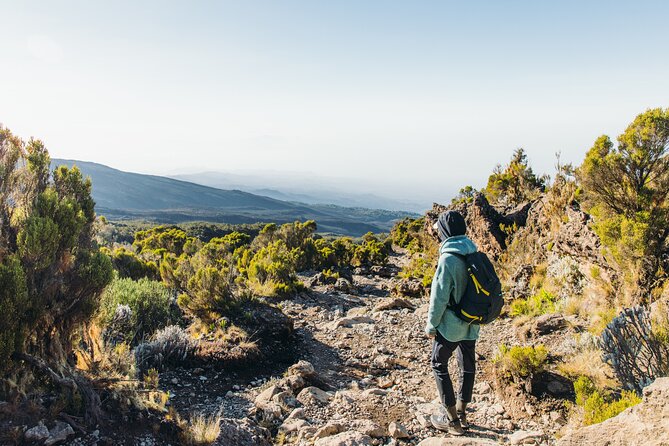
After breakfast, you leave Barranco Camp for Karanga Valley. The opening climb takes about an hour and a half and requires a scramble up Barranco Wall.
This is the hardest section of the day, but it is not described as a technical rock-climbing route. In some places, you use your hands for balance and support. The pace will likely be slower than on a normal hiking trail, and the guides are there to show you where to place your feet and how to move safely.
Once over the wall, the trail becomes fairly level before dropping into the green Karanga River Valley. The contrast is striking: rough volcanic rock above, then a greener valley below. The full day is listed at about seven hours.
Do not underestimate the descent into the valley. Downhill sections can jar tired legs, and the repeated up-and-down pattern asks more of you than a simple ascent. Trekking poles can be useful, though personal climbing gear is not included, so you need to arrange your own equipment.
Day 5: Alpine desert and Barafu Camp
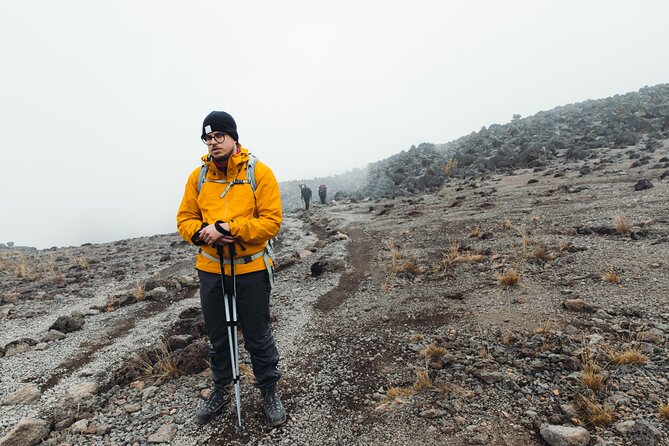
The route to Barafu Camp takes about seven hours and crosses alpine desert with little vegetation. The scenery becomes spare and exposed, with views toward several of Kibo’s glaciers and the junction where the Mweka descent route connects with the Machame trail.
Earlier on the route, you pass the Heim, Kersten, and Decken Glaciers. Their presence adds scale to the climb, though the day itself is more about preparing for the summit than sightseeing. Barafu Camp gives you views of both Kibo and Mawenzi peaks.
This is the night to organize your summit clothing, headlamp, water, snacks, and small personal items. Dinner comes before an attempted sleep, since you wake before midnight for the final ascent. Sleeping may be difficult because of the altitude, cold, excitement, or all three. Rest whenever you can, and avoid filling your tent with unnecessary gear.
The company provides private mountain sleeping tents and a mess tent with tables and chairs. Those facilities do not turn the mountain into a hotel, but they give you a dry place to sleep and a proper shelter for meals. Food is included throughout the mountain portion, along with clean, purified drinking water.
Day 6: Midnight to Uhuru Peak, then down to Mweka
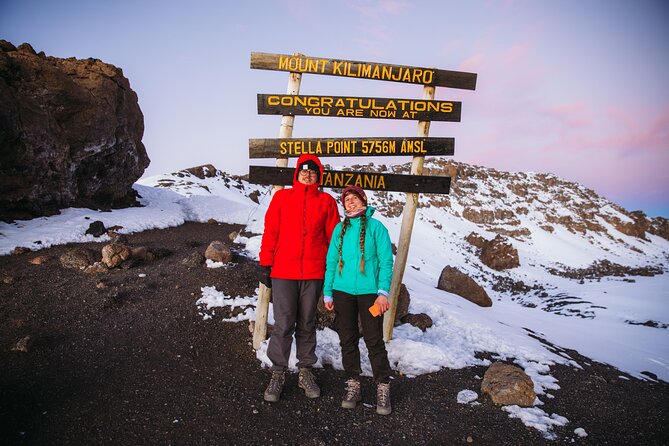
Summit day begins around midnight. You walk for about six hours by headlamp, climbing steeply toward the crater rim at Stella Point.
This is the most demanding part of the trek. The trail is steep, the air is thin, and darkness makes the climb feel longer. The final approach to Stella Point is usually where your patience matters most. The guides’ role becomes especially important here, and Gasto James is praised for keeping people moving with calm encouragement and songs during the early morning push.
From Stella Point to Uhuru Peak, the path becomes a more gradual climb. It can be technically easier than the approach, but altitude still makes the hour-long crater-rim walk tiring. At the summit, you have time for photos with your guide and group before beginning the descent.
The return offers a different view of Kilimanjaro. You can look across the crater, clouds, mountain slopes, and glaciers as daylight improves. The descent to Mweka Camp is long and tiring, so do not treat reaching Uhuru Peak as the end of the day.
The itinerary text is cut off at one point while describing the descent, but it clearly places the overnight at Mweka Camp before the final walk out. You should confirm the exact summit-day timing and camp arrangements before departure, especially if you want a detailed hour-by-hour plan.
Day 7: Forest descent to Mweka Gate
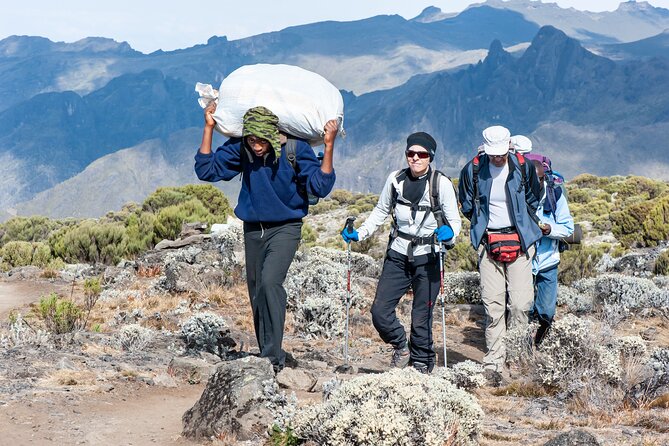
After breakfast, you finish the trek by descending through forest to Mweka Gate. The walk is listed at about six hours.
The trail can be slippery after rain, so shoes with reliable grip and trekking poles are practical choices. The forest provides a cooler, more shaded finish after the exposed upper mountain, but tired legs and wet ground can still make this a demanding final stretch.
Vehicles meet you at the lower station of Mweka Gate for the return to Arusha. The package also includes airport transfers, which is useful if you are connecting directly with your climb or departure. Still, confirm how those transfers are scheduled and how many are included for your booking.
What the $2,800 price covers
At $2,800 per person, this is a substantial purchase, but the included items cover many of the costs that can surprise first-time climbers.
You receive:
- Private waterproof mountain sleeping tents
- Professional mountain guides
- Porters and cooks
- Park fees and rescue fees
- All meals on the mountain
- A mess tent with tables and chairs
- Purified drinking water
- Airport transfers
- Breakfast on all seven days
- Lunch on seven days
- Dinner on six days
The food and water arrangements are especially important. You do not need to plan seven days of mountain meals yourself, and purified water reduces the need to carry your entire supply from Arusha.
The price does not include personal climbing gear, tips, or visa fees. Budget for those separately. The listing does not provide a gear checklist, so ask for one before booking. You need to know what the company supplies beyond tents and what you must bring or rent yourself.
Tipping is also excluded. Ask the operator for current guidance on tipping the guides, porters, cooks, and other crew. Crew support is central to the experience, and a clear tipping plan helps you avoid confusion at the end.
Who will enjoy this route most
This trek suits you if you want a classic Kilimanjaro camping route with strong scenery and a structured support team. It is a good fit for an active person with moderate fitness who is ready for long days and a midnight summit attempt.
The route is less suitable if you want solitude, a relaxed walking holiday, or a high level of comfort. Machame is popular, and the seven-day schedule gives you limited spare time. If you are comparing routes, focus on the acclimatization pattern, camping style, scenery, and number of days rather than choosing only by price.
You should also be comfortable with basic mountain conditions. The tents are described as high quality and waterproof, but you are still camping at altitude. Cold, rain, wind, slippery paths, and limited sleep are part of the deal.
Practical details to settle before departure
Confirmation is provided when you book, and pickup is offered. The activity information gives Arusha as the location, but the meeting details list a 7:30pm start while Day 1 says to leave Arusha at 9am. That is a clear point to resolve before you arrive.
The activity is private, and only your group participates. The route itself remains popular, so you will still encounter other groups on the mountain.
Free cancellation is available if you cancel at least 24 hours before the local start time. Cancelling within 24 hours, or making changes during that period, does not qualify for a refund.
The displayed rating is 5, with 100 percent recommended and 13 reviews shown. The strongest praise centers on Gasto James and the wider team, especially their encouragement, safety awareness, singing, food, and care for people who found the summit difficult. One especially useful pattern is that successful summit days were linked to steady pacing and close support rather than speed.
Should you book this Kilimanjaro trek?
I would consider this a strong choice if you want the Machame Route, a private group, and a broad package of mountain services included in one price. The scenery changes often, Day 3 gives you a proper acclimatization climb, and the guides receive unusually consistent praise for motivation and care.
Book it if you are ready for a demanding seven-day schedule and can arrange personal gear, visas, and tips separately. Before paying, confirm the pickup time, the exact summit-day schedule, the equipment supplied, and the recommended tipping plan.
Skip it if you need a slower itinerary or quiet trails. For the right person, though, this is a well-supported route to Uhuru Peak, with Barranco Wall, Shira Plateau, glacier views, and a memorable night climb all packed into one serious mountain adventure.
FAQ
Where does the Kilimanjaro trek begin?
The experience is based in Arusha, Tanzania. Day 1 includes transport from Arusha to Machame Gate.
How long does the trek last?
The trek lasts approximately seven days.
What time does Day 1 begin?
The Day 1 itinerary says to leave Arusha at 9am. The meeting details list a 7:30pm start time, so you should confirm the correct pickup time with the operator.
Is this a private tour?
Yes. Only your group participates in the private activity.
Is pickup available?
Yes. Pickup is offered, and airport transfers are included.
What route does the trek use?
The trek uses the Machame Route, approaching Kilimanjaro from the west.
Is food included?
Yes. Breakfast is included on all seven days, lunch on seven days, and dinner on six days.
Is drinking water included?
Yes. Clean, purified drinking water is included while you are on the mountain.
Are park and rescue fees included?
Yes. All park fees and rescue fees are included in the price.
What is not included?
Personal climbing gear, tipping, and visa fees are not included.
More 7-Day Experiences in Arusha
- Tanzania Classic – 7 Days
★ 5.0 · 1,151 reviews - 7-Day Premium Luxury Tanzania Safari All-Inclusive
★ 5.0 · 426 reviews - Group Safari 7 Days in Tanzania’s Main Parks
★ 5.0 · 240 reviews - 7 Days Tanganyika Wilderness Safari
★ 5.0 · 159 reviews
More Hiking & Trekking in Arusha
- Mountain Kilimanjaro Day Hike
★ 5.0 · 102 reviews - Private Full Day Hiking Experience to Marangu Route
★ 5.0 · 61 reviews - 4 Days Mount Meru Trekking
★ 5.0 · 55 reviews - From Arusha/Moshi: Kilimanjaro Hike Marangu Route Day Trip
★ 4.5 · 54 reviews
Just added around Arusha
- 8 Days Serengeti Migration safari★ 5.0 · 11 reviews
- tarangire, ngorongoro & lake manyara park 3 days private tour★ 5.0 · 11 reviews
- tarangire & ngorongoro 2 days tour★ 5.0 · 14 reviews
- Mt. Kilimanjaro: Shira plateau to Cathedral point 3872m Day hike★ 5.0 · 7 reviews
- serengeti, ngorongoro & tarangire 4 days private tour★ 5.0 · 18 reviews
- serengeti & ngorongoro 3 days private tour★ 5.0 · 15 reviews
- 2 Days Tanzania Midrange Group Join Safari★ 5.0 · 7 reviews
- climb the KILIMANJARO via Lemosho route★ 5.0 · 4 reviews
Machame Route Climbs, compared.



Climbing Kilimanjaro through 7 days Machame Route
Read our review →
7-Day Machame Kilimanjaro Summit Tour from Arusha
Read our review →
7 Days Kilimanjaro via Machame route affordable price
Read our review →
#1. Best Kilimanjaro Day hike Tour-Machame Route-ISMANI
Read our review →

The Best of Machame Route in 6 Days: Your World’s Summit Guide
Read our review →Browse the lists this tour appears in