
Reviewed · 7-DAY EXPERIENCES
7 Days Elephant Safari Experience in Arusha
The best reason to choose this seven-day safari is its timing and route: from January to March, Tanzania’s grasslands fill with newborn animals, and the journey links four major wildlife areas without rushing past the Serengeti. I like the chance to see elephants in Tarangire and Lake Manyara, then search for black rhinos and lions in Ngorongoro Crater. I also like the small maximum group size of six, which should make long game drives easier and more personal.
The main drawback is the amount of time spent on the road. Day 3 runs about 12 hours, and the price of $2,995 per person does not include insurance or international and local flights. You should also confirm the exact lodges and meal plan before paying, since several stays are listed as similar properties and only four dinners and four lunches are included.
Key points to know before booking
- January to March calving season: This is the tour’s central natural event, with young animals and active predator sightings possible across the northern safari circuit.
- Four major wildlife areas: You visit Tarangire, Serengeti National Park, Ngorongoro Crater, and Lake Manyara, each with a different setting and animal mix.
- Small group of up to six: A useful size for shared game drives, especially when you want a clear view from the vehicle.
- Two nights in the Serengeti: This gives you more than a quick pass through the park and allows a full game-viewing day.
- Named guide support: Yusuph is identified as a principal guide, while Isdory helped shape an itinerary around wildlife photography, comfort, and budget.
- Airport transfers and hotel return: The trip begins and ends in Arusha, with a transfer to the airport on the final day.
Why the January to March timing matters
Many safari itineraries focus on the dry season because animals gather around permanent water. This trip takes a different angle by focusing on the first months of the year, when many savanna animals give birth.
That can make the experience feel more alive than a simple search for large animals. You may see adults protecting young, herds moving with new calves, and predators watching for an easy meal. Sightings are never guaranteed, but the season gives your game drives a clear purpose beyond ticking off species.
The route also works well for a first safari. Tarangire offers elephants and large herds, the Serengeti provides the broadest sense of open wilderness, Ngorongoro concentrates wildlife in a remarkable natural bowl, and Lake Manyara adds forests, wetlands, birds, and primates.
One caution: the itinerary describes Tarangire as especially impressive during the dry season, while the main promotional focus is January to March. Ask the operator how current conditions affect the Tarangire visit when you book. The park can still be worthwhile, but seasonal animal movements vary.
A few more Arusha trips to weigh up
- Balloon Safari & Bush Breakfast in Serengeti – Miracle Experience
★ 5.0 · 1,646 reviews - 4 Days Group Camping Safari
★ 5.0 · 1,101 reviews - 5 Days Group Camping Safari
★ 5.0 · 730 reviews
Day 1: A gentle start in Arusha
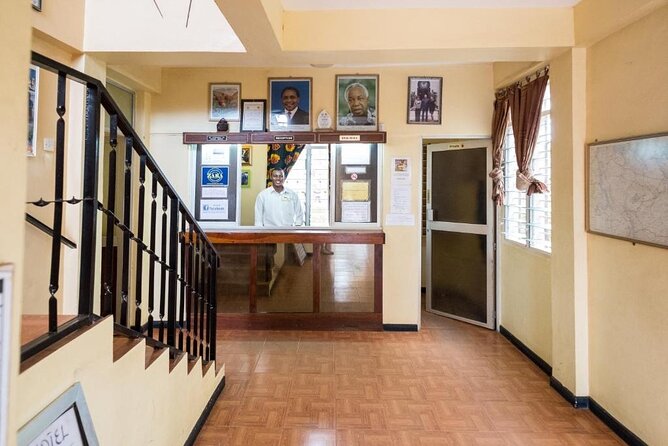
Your arrival day is designed to be easy. A driver meets you at the airport with a sign bearing your name, then takes you to Springlands Hotel in Arusha.
This is a sensible first step after a long international flight. Instead of beginning with a long drive into the parks, you have time to settle in, eat a meal, and attend a pre-safari briefing with the coordinators.
Springlands is described as having a swimming pool, garden, bar, and restaurant. Those details matter more than they might seem. A quiet hotel afternoon gives you a chance to rest, organize camera equipment, and prepare for early departures.
The briefing is also important. Use it to ask about daily departure times, picnic lunches, lodge changes, park fees, and the number of people sharing your vehicle. Since the tour starts at 7:00 am and includes several long driving days, clear expectations will make the week more comfortable.
Day 2: Elephants and herds in Tarangire
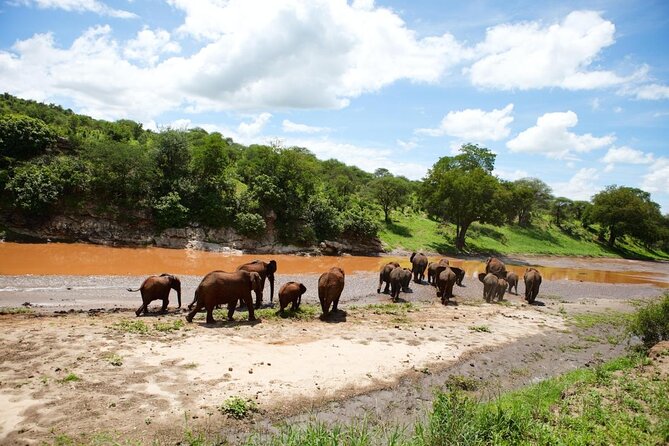
After breakfast, you drive to Tarangire National Park. The park is known here for the Tarangire River and for the large groups of animals that gather near permanent water when surrounding areas become dry.
The animal list is strong: elephants, wildebeest, zebra, eland, and oryx may appear together in the park. That makes Tarangire a good early introduction to safari viewing because you are not relying on one famous species.
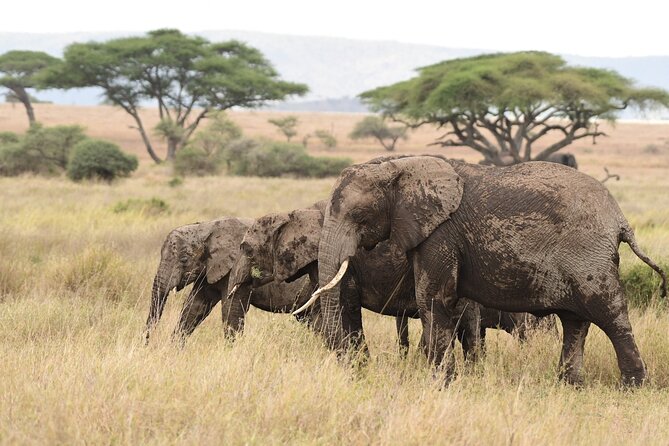
I especially like that elephants are part of the trip’s main theme. Tarangire gives you one of the better chances on this route to see them in groups, rather than treating elephant sightings as a lucky extra.
The park’s appeal depends heavily on conditions. During dry periods, animals are drawn toward the river. After rain, they may spread out toward fresh grazing, so your guide’s ability to read the area matters. Yusuph is named as a guide associated with this safari, and a guide who communicates clearly can make a big difference when animals are farther away or partly hidden.
You spend the night at Highview Coffee Lodge. The supplied plan does not give a full room description, so confirm whether your booking includes the exact property or a comparable lodge.
Day 3: Olduvai Gorge and the long road to Serengeti
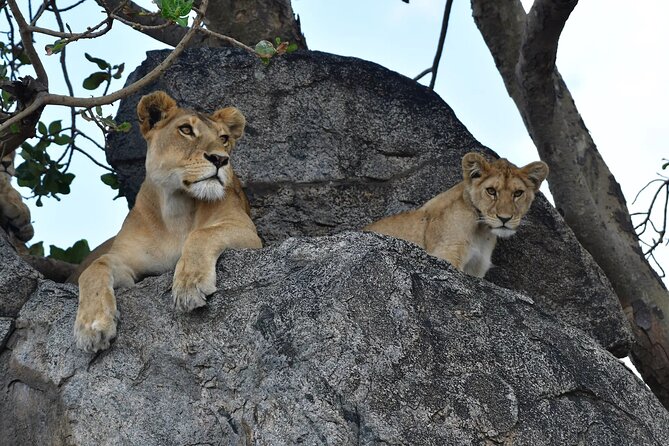
Day 3 is the most demanding road day. The drive to Serengeti National Park via Olduvai Gorge takes about three to four hours before you continue with park activities, and the scheduled day is listed at roughly 12 hours.
Olduvai Gorge provides a useful break from animal watching. It is an archaeological site in the eastern Serengeti area, known for early human fossils and shaped by the same tectonic forces connected to the Great Rift Valley.
The stop is optional and described as lasting about 15 minutes. That is a short visit, so you should not expect a full museum tour or extended archaeological program. Still, even a brief look can add context to the region. You are not only crossing famous wildlife country; you are moving through a place central to the study of human origins.
The drive is the trade-off for reaching the Serengeti. Pack water, keep essential items close, and expect less time for relaxed hotel downtime. You overnight at Serengeti Safari Lodge or a similar property.
Same country, a completely different kind of safari:
- Tanzania Classic – 7 Days
★ 5.0 · 1,151 reviews - Materuni Waterfalls, coffee tour & Kikuletwa Hot Springs
★ 5.0 · 643 reviews - 3 Days Serengeti & Ngorongoro Group Camping Safari
★ 5.0 · 574 reviews - 7-Day Premium Luxury Tanzania Safari All-Inclusive
★ 5.0 · 426 reviews
Day 4: A full Serengeti game-viewing day
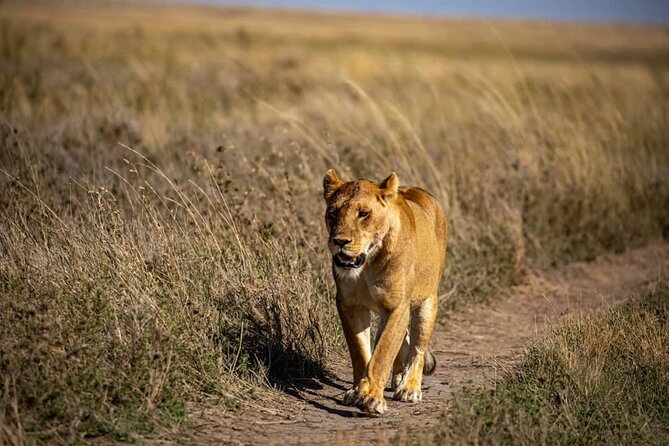
This is the strongest day for people who want time in the Serengeti rather than a quick drive-through. After breakfast, you head out with a picnic lunch and spend another day looking for wildlife across the park.
The Serengeti is valuable because of its scale. You have room to follow changing animal activity instead of staying in one small viewing area. During the January to March calving period, that may mean looking for herds with young animals, predators, and the behavior that gathers around new births.
Do not expect every hour to produce a dramatic sighting. A safari day includes quiet stretches, long drives, and time spent watching animals do ordinary things. That is part of the appeal. With a guide such as Yusuph, ask questions about what you are seeing rather than only requesting the next big animal.
The plan mentions walking or night safari as an optional extra. Treat that as an add-on requiring confirmation. It is not included in the stated package, and the details do not specify availability, cost, or the exact location.
You spend a second night at Serengeti Safari Lodge or a similar property. Two nights in the park are a real advantage. You avoid packing and moving every morning, and the second day gives you a better chance to settle into the rhythm of game viewing.
Day 5: Wildlife concentrated in Ngorongoro Crater
After breakfast, you drive to Ngorongoro Crater for a game drive inside the crater. This is one of the trip’s most concentrated wildlife stops, with a chance to see black rhinos, lions, flamingos, water birds, leopards, cheetahs, hyenas, antelope, and smaller mammals.
The crater setting changes the feel of the safari. Instead of the wide-ranging movement of the Serengeti, animals are often viewed within a contained natural area. That can make sightings feel more dependable, though no guide can promise a particular species.
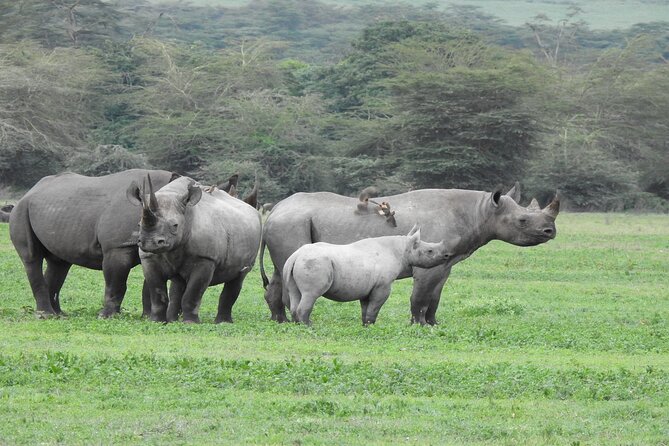
Black rhino is one of the main reasons this stop matters. They are rare, and the crater offers one of Tanzania’s better opportunities to look for them. Bring patience and binoculars. A rhino may be distant, and the first sighting can be little more than a dark shape before the guide points out its features.
Birdlife adds another layer. Flamingos and other water birds bring color and movement around the crater’s wet areas. If you care about photography, this is a good place to ask about light, distance, and whether the vehicle can pause long enough for a careful shot.
The night is planned at Ngorongoro Safari Lodge or a similar property. Since the listed accommodations can change, ask for the final lodge names and whether each room is inside or outside a park boundary.
Day 6: Forest, wetlands, and elephants at Lake Manyara
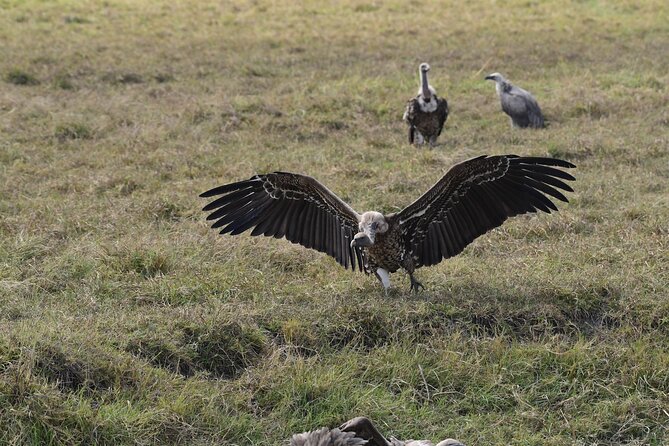
Lake Manyara National Park gives the itinerary a different visual character. Its habitats include acacia woodland, grassy plains, a swampy delta, and the lake itself.
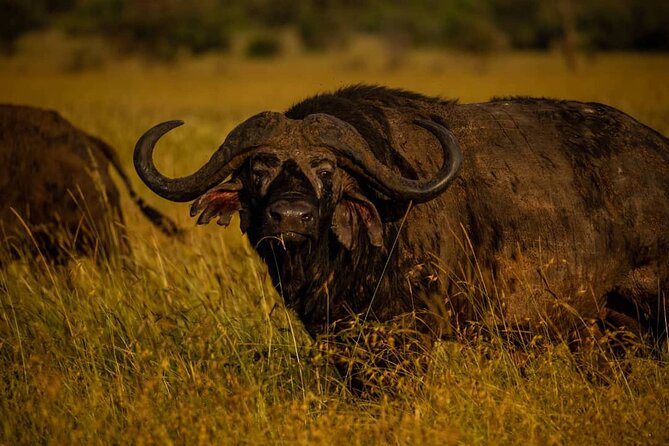
That variety supports a broad mix of wildlife. You may see buffalo, impala, giraffe, warthogs, hippos, elephants, and several kinds of monkeys. The park is also associated with rare tree-climbing lions, though that sighting is never certain.
Lake Manyara is a useful contrast after the open Serengeti and enclosed Ngorongoro Crater. The trees can make animal watching less immediate, but they also create a more varied setting. Birds become especially important here because water, forest, and wet ground attract different species.
This day is listed at about seven hours, followed by a return to Springlands Hotel or a similar property in Arusha. Returning to the same general base before departure makes the final night simpler than changing to another remote lodge.
Day 7: Airport transfer and possible Zanzibar extension
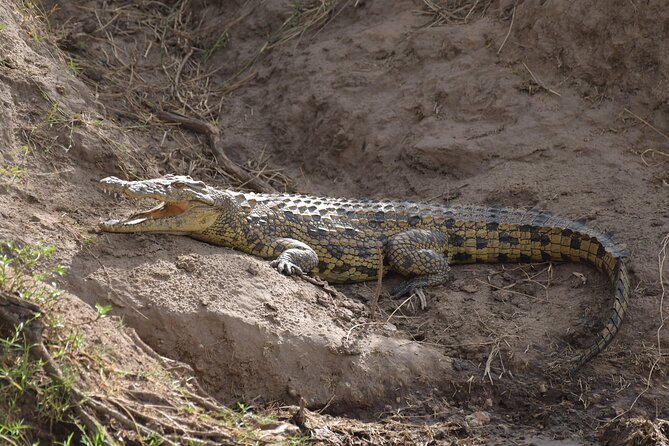
The final day is a transfer to the airport, with the possibility of extending your holiday with a stay in Zanzibar or local day trips.
The plan does not specify the exact airport, flight time, or departure schedule. Keep your flight details handy and confirm the transfer arrangement before the safari begins. A tour ending back at the Arusha meeting point is convenient, but you should allow enough time between the road transfer and your flight.
A Zanzibar extension could turn the trip into a longer Tanzania holiday, but it is not included in the $2,995 package. Ask the operator to price the added nights, transfers, and flights separately.
What the $2,995 price includes
At $2,995 per person, this is a substantial purchase, but the value depends on what you want from a safari. You are paying for seven days, several major parks, accommodation, guided game drives, airport transfers, and a small group capped at six.
The route covers the major northern circuit highlights without adding Kilimanjaro climbing or Zanzibar into the base price. For a first visit focused on wildlife, that keeps the trip fairly direct.
The meal details need careful attention. The package lists six breakfasts, four lunches, and four dinners. That does not match every overnight meal you might expect from a seven-day lodge safari, so ask which meals are excluded and where you will pay for them.
International and local flights are not included. Insurance is also excluded, so add those costs before comparing this safari with another package.
Accommodation is described as a mix of attractive, quiet hotels and lodges, with some properties inside parks and others outside. That can affect your morning departure time and the feel of the stay. A lodge inside a park may reduce driving at the start or end of a game drive, while an outside property may offer easier access to the next destination. Get the exact accommodation list in writing.
Guides, group size, and comfort on the road
The maximum group size is six. That is small enough to make seat position and conversation manageable, though the actual number in your group should be confirmed.
The guide can shape the whole week. Yusuph is identified as a guide who took charge of the safari and stayed with the group through the route. Isdory is associated with planning a trip around wildlife photography, comfort, and budget. Those details suggest you should explain your priorities early, especially if you want more time for photography or prefer a faster-moving schedule.
This is not a luxury retreat with no rough edges. The itinerary includes long drives, packed days, and changing lodges. You need moderate physical fitness, but no strenuous hiking is specified. A service animal is allowed according to the booking information, which is useful to know, though you should confirm park and lodge requirements directly.
The mobile ticket is practical for keeping booking details on your phone. Carry a backup copy of important information, especially airport transfer details and emergency contacts.
Who should book this safari?
I would recommend this trip to a first-time safari visitor who wants the major northern Tanzania parks in one week. It suits you if newborn wildlife, elephants, lions, rhinos, birds, and varied habitats matter more than a slow luxury itinerary.
It also fits a small family group, a group of friends, or a photography-minded visitor who wants to discuss priorities with the guide. The maximum of six is a useful middle ground between a private safari and a large coach tour.
You may want a different plan if you dislike long road transfers or need guaranteed luxury accommodation. You should also think twice if your main goal is Kilimanjaro, Zanzibar, or a specific migration location, since none is part of the base route.
The cancellation policy is friendly if your plans remain uncertain: cancel at least 24 hours before the start time for a full refund. Cancellations or changes within 24 hours are not accepted for a refund.
Should you book the seven-day route?
Book it if you want a focused wildlife week with excellent geographic variety and two nights in the Serengeti. The combination of calving-season timing, Tarangire elephants, Ngorongoro rhinos, and Lake Manyara’s mixed habitats gives you plenty of reasons to choose this route.
Before committing, ask three practical questions: Which exact lodges will be used? Which meals are excluded? How will the operator handle the long Day 3 drive and your preferred photography pace?
If the answers are clear and the total cost still fits your budget, this is a strong northern Tanzania safari for a small group. Its weak point is not the wildlife route. It is the need to confirm the fine print around accommodation, meals, flights, and optional activities.
FAQ
Where does the safari start?
The safari starts in Arusha, Tanzania, with airport pickup and transfer to Springlands Hotel.
Where does the safari end?
The activity ends back at the Arusha meeting point, followed by an airport transfer for departure.
What time does the safari start?
The stated start time is 7:00 am.
How long is the experience?
The safari lasts approximately seven days.
Which national parks are included?
The route includes Tarangire National Park, Serengeti National Park, Ngorongoro Crater, and Lake Manyara National Park.
Is Olduvai Gorge included?
The drive to the Serengeti passes via Olduvai Gorge, with an optional stop described as lasting about 15 minutes.
How many people can join the tour?
The maximum group size is six travelers.
What meals are included?
The package includes six breakfasts, four lunches, and four dinners.
Are flights and insurance included?
No. International and local flights, as well as insurance, are not included.
Can I cancel for a full refund?
Yes, if you cancel at least 24 hours before the experience start time. Cancellations made within 24 hours are not refundable.
Just added around Arusha
- 8 Days Serengeti Migration safari★ 5.0 · 11 reviews
- tarangire, ngorongoro & lake manyara park 3 days private tour★ 5.0 · 11 reviews
- tarangire & ngorongoro 2 days tour★ 5.0 · 14 reviews
- serengeti & ngorongoro 3 days private tour★ 5.0 · 15 reviews
- Mt. Kilimanjaro: Shira plateau to Cathedral point 3872m Day hike★ 5.0 · 7 reviews
- serengeti, ngorongoro & tarangire 4 days private tour★ 5.0 · 18 reviews
- 2 Days Tanzania Midrange Group Join Safari★ 5.0 · 7 reviews
- climb the KILIMANJARO via Lemosho route★ 5.0 · 4 reviews
7-Day Experiences, compared.

7-Day Premium Luxury Tanzania Safari All-Inclusive
Read our review →
Group Safari 7 Days in Tanzania’s Main Parks
Read our review →

Climbing Kilimanjaro through 7 days Machame Route
Read our review →
7-Day Machame Kilimanjaro Summit Tour from Arusha
Read our review →Browse the lists this tour appears in