
Reviewed · MACHAME ROUTE CLIMBS
7-Day Mt. Kilimanjaro Hiking: Machame Route
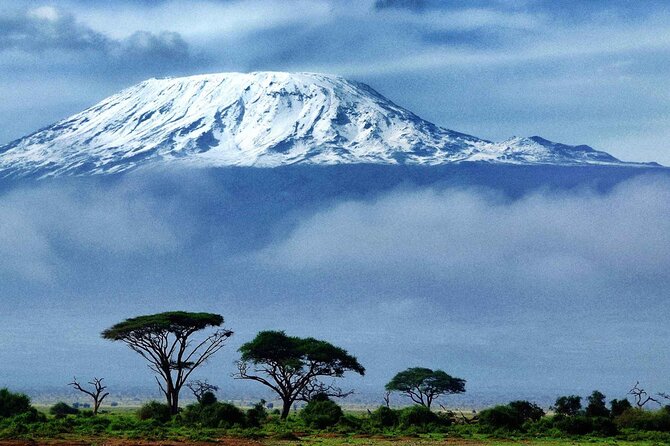
The Machame Route earns its Whiskey Route nickname the hard way: it gives you some of Kilimanjaro’s finest scenery, but it also asks you to climb steep trails, sleep in exposed camps, and handle a punishing summit night. You begin in rainforest and finish among rock, ice, and thin air at Uhuru Peak, 5,895 meters.
I like two things right away. First, the route gives you a strong acclimatization pattern, climbing to Lava Tower at 4,630 meters before dropping to Barranco Camp. Second, the support team is a major part of the experience. Guides named Abouh, Samuel, Justin, and Edgar are associated with this operation, with Abouh serving as head guide and the team praised for steady encouragement and care.
The tradeoff is the seven-day schedule. It is shorter and more demanding than a longer Kilimanjaro itinerary, so you should arrive with solid hiking fitness and some high-altitude or backpacking experience. The $2,500 price covers important basics, but flights, visas, mountain gear, and tips remain your responsibility.
Key facts before you commit
- The route starts in rainforest and crosses five major altitude zones, ending at the cold, exposed Barafu Camp before the summit push.
- The summit attempt begins around 11:30 p.m., with a long night climb to Stella Point and then Uhuru Peak.
- You climb high and sleep lower on Day 3, reaching Lava Tower at 4,630 meters before descending to Barranco Camp, a useful acclimatization pattern.
- A group can include up to 15 people, so ask about your expected group size and guide-to-hiker ratio before paying.
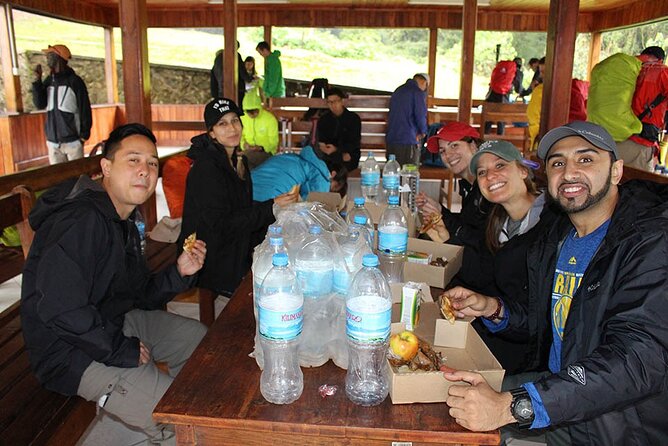
- Porters, camping equipment, meals, bottled water, park fees, and an English-speaking mountain guide and cook are included.
- The price does not include mountain clothing or equipment, so budget for those items before you arrive in Tanzania.
Why Machame is Kilimanjaro’s scenic classic
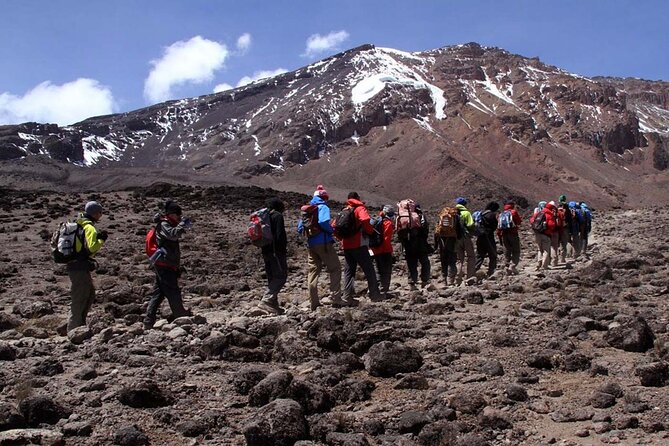
Machame is the most popular route on Kilimanjaro because the scenery changes often and dramatically. You pass from damp forest to open moorland, then to the Shira Plateau, a rocky alpine desert, and finally the stark upper mountain.
That variety is the route’s great reward. You are not simply walking uphill for a week. Each day has a different character, from muddy jungle paths to the steep scramble up the Barranco Wall and the night climb over loose scree.
It is also a route that demands respect. The trail can be steep, slippery, and tiring, especially during the first day in wet forest and the summit night. The seven-day version offers some acclimatization, but it remains better for an active hiker than for someone choosing a first serious mountain walk.
You should have a moderate fitness level at minimum. The operator specifically points to hiking, backpacking, or high-altitude experience as useful preparation. You do not need to be a technical climber based on the information provided, but you do need to be comfortable with long days, basic camping, cold nights, and slow walking at altitude.
More Kilimanjaro Climbs in Arusha
- 8-Day Small-group Lemosho Kilimanjaro Summit Trekking
★ 5.0 · 186 reviews - 7-Day Machame Kilimanjaro Summit Tour from Arusha
★ 5.0 · 125 reviews - 4 days Best experience Kilimanjaro Hike, Serengeti &Ngorongoro
★ 5.0 · 54 reviews
Day 1: Machame Gate and the wet rainforest
Your day begins with an early breakfast and pickup in Arusha at about 7 a.m. The listed meeting point is Arusha Airport, while the day plan describes pickup from Arusha at roughly 1,400 meters. Confirm the exact pickup place before departure, especially if you are staying at a hotel rather than arriving at the airport.
The drive takes you toward Machame Village. Here you can buy mineral water and receive a packed lunch. Depending on road conditions, the vehicle may continue toward the Machame Gate. If the road is too muddy, you may walk the final three kilometers from the village, which takes about an hour.
That detail matters. The opening day is not just a short transfer followed by an easy stroll. Poor road conditions can add a muddy approach before the official park registration even begins.
Once registered, you enter the rainforest almost at once. Rain is likely in this zone, and the path can become soggy, slippery, and muddy. Wear footwear with dependable grip, and keep rain protection easy to reach rather than buried in your pack.
The hike lasts about eight hours and ends at Machame Camp. A welcome lunch stop comes around the midpoint. The forest is a fitting introduction to Kilimanjaro, but it is not a gentle one. You gain altitude steadily, walk for much of the day, and may arrive tired and damp.
Day 2: Moorland and the open Shira Plateau
Day 2 is shorter, at about six hours and nine kilometers, but the setting changes quickly. You climb for roughly an hour through the upper forest, then continue for around two hours at a gentler angle through moorland.
After lunch and a rest, the trail follows a rocky ridge onto the Shira Plateau. This is one of Machame’s strongest scenic sections. The forest falls away, the air feels colder, and you begin to see toward the Western Breach and its glaciers.
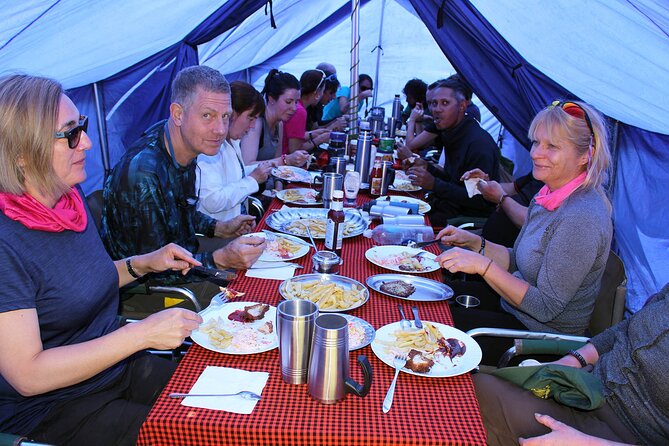
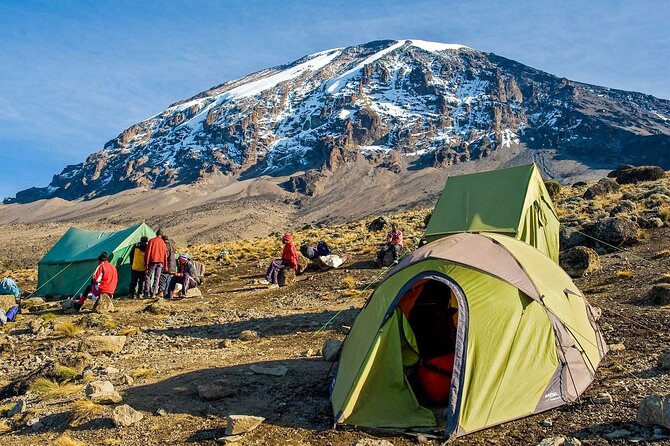
You finish at Shira Camp, about 3,840 meters above sea level. The camp is exposed, and temperatures can drop well below freezing. Porters boil water for drinking and washing, then dinner is served at camp.
The practical lesson is simple: keep warm layers and a dry sleeping setup in good order. The transition from wet forest to cold open country happens quickly. This is also the night when the basic camping arrangement becomes more noticeable. You are not staying in a lodge with a heated room, and the exposed camp can feel severe after sunset.
Day 3: Lava Tower and the important descent to Barranco
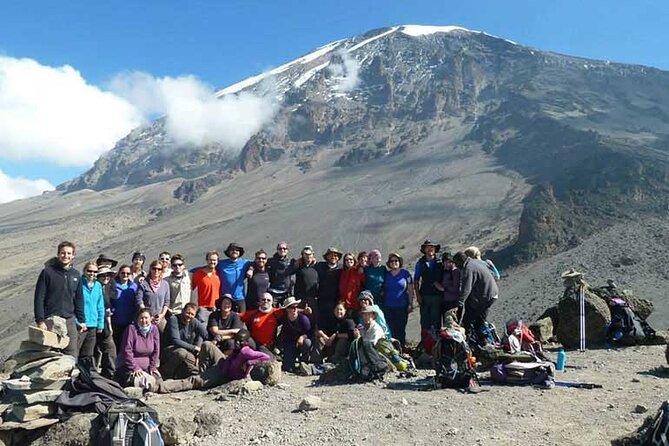
Day 3 is the route’s key acclimatization day and one of its hardest. You turn east into rocky semi-desert and walk toward Lava Tower, climbing to about 4,630 meters after roughly five hours.
This is often where altitude symptoms may first appear. Breathlessness, headaches, and irritability are possible. Your pace should be slow, and you should tell the guide promptly if you feel unwell. The route is not a contest, and rushing this section gains you nothing.
After lunch near Lava Tower, you descend almost 680 meters to Barranco Camp. That high point followed by a lower sleeping altitude is valuable for acclimatization. It also gives the day a strange rhythm: you work hard to climb high, then give back much of that height before bed.
The total day takes about eight hours. It is physically demanding, but the descent makes it more than a simple endurance test. This is one of the most carefully designed days on the route, and it shows why following the guide’s pace matters.
More Machame Route Climbs in Arusha
- 6 Days: Hiking Kilimanjaro via Machame Route
★ 5.0 · 24 reviews - 6-Day Guided Tour in Machame Route Mt Kilimanjaro
★ 5.0 · 17 reviews - KILIMANJARO MACHAME ROUTE, (Climb 7days)
★ 5.0 · 16 reviews - 7 days Kilimanjaro climb via Machame route (Whiskey route)
★ 5.0 · 16 reviews
Day 4: The Barranco Wall and Karanga Valley
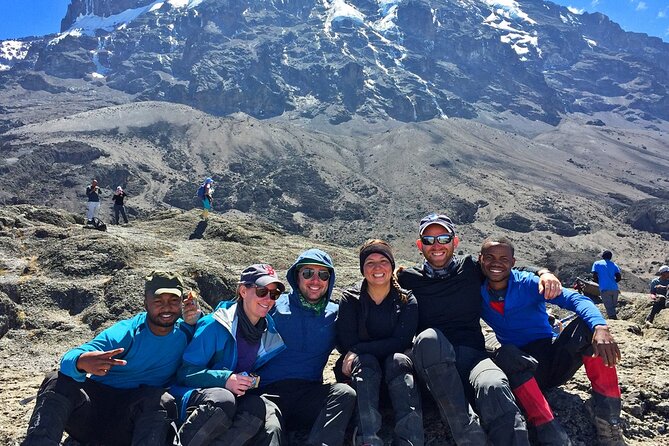
Day 4 covers only about five kilometers and takes four to five hours, but the Barranco Wall gives it a memorable start. From camp, the wall can look intimidating. The route is described as a Class 2 hike, and it is generally easier than its first appearance suggests.
You should still expect hands-on movement and a steep section. Keep your day pack light, listen to the guide, and avoid trying to hurry past slower members of the group. At the top, you are above the clouds and can see Heim Glacier.
The trail then rises and falls through Karanga Valley before reaching Karanga Camp. This shorter day is useful because it gives your body time to adjust without wasting a full day on the mountain. You gain more altitude, but the walking distance is modest.
I particularly like this part of the plan. After the strain of Lava Tower, you get a dramatic route feature and a more manageable walking day. It is still not easy, but it gives you space to recover before the final ascent.
Day 5: Karanga to exposed Barafu Camp
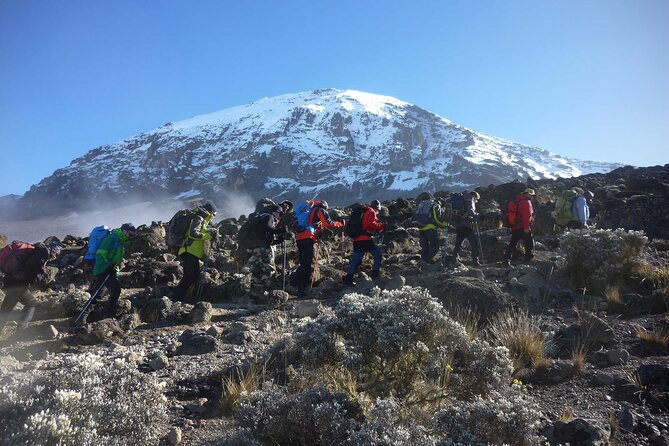
From Karanga Camp, at about 3,959 meters, you continue for two to three hours over roughly four kilometers. The trail joins the Mweka Route, which you will use for the descent.
After about an hour, you reach Barafu Hut. This is the last water stop for the porters because there is no accessible water at Barafu Camp. The camp sits at about 4,550 meters on a rocky ridge, and its name means ice in Swahili.
Barafu is exposed to wind and rock. You should learn the layout of the campsite before dark, since you will return from the summit attempt in daylight but may be moving around when tired and cold. An early dinner is served, followed by a short rest before the midnight start.
This is a very short walking day, but do not mistake it for a day off. You are preparing for the toughest stretch of the trip. Organize your summit clothing, water, snacks, and headlamp before lying down. The more decisions you make in advance, the easier the night will feel.
Day 6: Stella Point, Uhuru Peak, and the long return
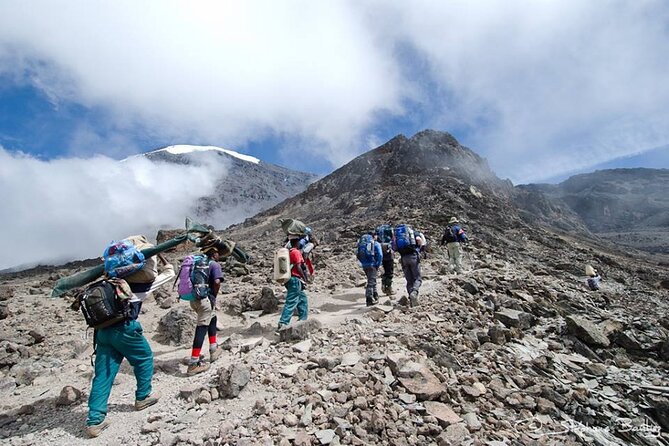
Summit day begins around 11:30 p.m. After tea and biscuits, you start walking in darkness toward Stella Point on the crater rim. The route heads northwest over heavy scree, and the climb to Stella Point can take about six hours.
This is usually the most difficult part mentally and physically. The night start feels unnatural, the air is thin, and progress can seem slow. Your guide’s job is especially important here. The named guiding team has included Samuel, Justin, and Edgar, along with head guide Abouh, and the most valued quality described for this team is calm, personal encouragement.
At Stella Point, around 5,685 meters, you may pause for the sunrise. Weather controls the view, but this is one of the defining moments of the route. From there, you normally meet snow on the two-hour ascent toward Uhuru Peak.
The summit is at 5,895 meters. Time at the top depends on weather conditions, and you should follow the guide’s instructions rather than lingering for photographs. At this altitude, cold, wind, and exhaustion can turn a brief stop into a serious risk.
After the summit, you descend to Barafu Camp for a short rest before continuing toward Mweka Camp. The supplied day plan is summarized as an eight-hour day, but the full summit schedule is the longest and most demanding part of the trek. Clarify the exact camp sequence and expected timing with the operator before departure, since summit days often include a climb, a return to camp, and another descent.
Day 7: Forest descent, certificates, and Mweka Gate
The final day brings a welcome change in direction. After breakfast, the mountain crew holds a celebration with dancing and singing. This is also when you present tips to the guide, assistant guides, cook or cooks, and porters.
Tipping is not included in the $2,500 price, so set money aside before the climb. The crew carries much of the practical burden of the trip, including camp equipment and supplies, and the final celebration is the natural time to thank them.
You then descend through forest for about three hours to Mweka Gate. Hikers sign their names at the national park office and receive certificates. Reaching Stella Point earns a green certificate, while reaching Uhuru Peak earns a gold certificate.
From the gate, you continue down to Mweka Village, a one-hour walk of about three kilometers. The descent can be hard on tired knees, even though it feels easier than climbing. After seven days, the forest also feels warmer, thicker, and more familiar than it did at the beginning.
What the $2,500 price really covers
At $2,500 per person, the cost is not just for a guide walking beside you. It includes park fees and taxes, camping equipment, portage, an English-speaking mountain guide and cook, bottled water of at least three liters per day, and mountain meals.
The food coverage is substantial: six lunches, six dinners, and five breakfasts are included. That matches a seven-day trek with the final descent day ending after breakfast. Water is also an important inclusion, since reliable access becomes limited around Barafu.
The value depends on what you already own. Flights, visas, mountain gear, and tips are not included. If you need to buy or rent warm clothing, waterproof layers, proper boots, or other high-altitude equipment, your real trip budget will be higher than the advertised price.
A group size of up to 15 people keeps the base cost more manageable, but it may also mean varied walking speeds. Ask how many people are expected on your departure and how many guides will accompany the group. That question matters most on summit night, when steady attention and a controlled pace are worth more than a low headline price.
The support team and the human side of the climb
The strongest theme in the available feedback is the crew’s care and encouragement. Abouh is identified as head guide, while Samuel, Justin, and Edgar are named as guides who have helped climbers feel safe, motivated, and reassured during difficult sections.
That kind of support is not a minor extra on Kilimanjaro. A guide must help you manage pace, weather, fatigue, and altitude concerns while keeping the group moving together. The porters and cooks also shape your daily comfort, since they handle camp equipment, hot water, and meals.
You should still take responsibility for your own condition. Tell the guide about headaches, breathlessness, or unusual discomfort. Kind support helps, but it does not remove the risks of high altitude or make the summit guaranteed.
What to pack and what to plan
Mountain gear is excluded, so plan carefully. The information supplied does not provide a complete packing list, but it does clearly point to wet rainforest, freezing camps, wind at Barafu, snow near the summit, and slippery trails.
At a minimum, you should think in terms of waterproof protection, warm layers, reliable hiking footwear, and clothing suitable for a night start. Keep a change of dry clothing protected from rain, and make sure your summit items are ready before sleeping at Barafu.
You also need to plan around the early start, camping, long walking days, and the lack of accessible water at Barafu Camp. The operator provides bottled water, but personal water storage and easy access during the day remain practical concerns to clarify before departure.
The activity offers mobile ticketing and pickup, and confirmation is provided when you book. It is near public transportation, though the mountain itself is not a casual day outing. Free cancellation is available if you cancel at least 24 hours before the local start time. Inside that window, the payment is not refunded.
Who should choose this seven-day route?
I would point this trip toward an active hiker who wants Machame’s scenery and accepts a demanding schedule. It suits someone who enjoys camping, can handle steep and slippery ground, and has some experience with long hikes, backpacking, or altitude.
You should think twice if you want a relaxed holiday with generous recovery time. The route is popular for good reason, but popularity does not make it easy. The first day can be muddy, Day 3 is a serious altitude test, Barafu is cold and exposed, and summit night begins while most people would rather be asleep.
The maximum group size of 15 also matters. You may enjoy the shared effort, but ask questions about the actual departure group and guide coverage. The support described by the named guides is a strong reason to consider this operator, especially if you value reassurance during the hardest sections.
Should you book the Machame Route?
Book it if the scenery matters as much as the summit, you have solid hiking fitness, and you are comfortable paying extra for gear, flights, visas, and tips. The climb offers a well-shaped route, strong support services, and a memorable progression from rainforest to Uhuru Peak.
Do not book it simply because seven days sounds manageable. The short itinerary compresses the effort, and the summit night is genuinely demanding. If you want the best chance of enjoying the mountain rather than merely surviving it, prepare well, confirm the pickup details, ask about group size, and arrive with the right cold and wet-weather gear.
FAQ
Where does the Kilimanjaro trek begin?
The meeting point is listed as Arusha Airport in Arusha, Tanzania, with a start time of 7 a.m. The first day plan also describes pickup from Arusha at about 1,400 meters.
How long does the experience last?
The trek lasts approximately seven days.
What route does the trek use?
It uses the Machame Route, also called the Whiskey Route.
How high is Uhuru Peak?
Uhuru Peak is 5,895 meters above sea level.
How high is Stella Point?
Stella Point is about 5,685 meters above sea level.
When does the summit attempt begin?
You rise around 11:30 p.m. on Day 6, have tea and biscuits, and begin the night ascent toward Stella Point.
Are meals included?
Yes. The package includes six lunches, six dinners, and five breakfasts.
Is drinking water included?
Yes. Bottled water of at least three liters per day is included.
Is camping equipment provided?
Yes. The tour includes the use of camping equipment and portage.
Are tips, flights, visas, and mountain gear included?
No. Tips, flights, visa fees, and mountain gear are not included in the price.
More 7-Day Experiences in Arusha
- Tanzania Classic – 7 Days
★ 5.0 · 1,151 reviews - 7-Day Premium Luxury Tanzania Safari All-Inclusive
★ 5.0 · 426 reviews - Group Safari 7 Days in Tanzania’s Main Parks
★ 5.0 · 240 reviews - 7 Days Tanganyika Wilderness Safari
★ 5.0 · 159 reviews
More Hiking & Trekking in Arusha
- Mountain Kilimanjaro Day Hike
★ 5.0 · 102 reviews - Private Full Day Hiking Experience to Marangu Route
★ 5.0 · 61 reviews - 4 Days Mount Meru Trekking
★ 5.0 · 55 reviews - From Arusha/Moshi: Kilimanjaro Hike Marangu Route Day Trip
★ 4.5 · 54 reviews
Just added around Arusha
- 8 Days Serengeti Migration safari★ 5.0 · 11 reviews
- tarangire, ngorongoro & lake manyara park 3 days private tour★ 5.0 · 11 reviews
- tarangire & ngorongoro 2 days tour★ 5.0 · 14 reviews
- Mt. Kilimanjaro: Shira plateau to Cathedral point 3872m Day hike★ 5.0 · 7 reviews
- serengeti, ngorongoro & tarangire 4 days private tour★ 5.0 · 18 reviews
- serengeti & ngorongoro 3 days private tour★ 5.0 · 15 reviews
- 2 Days Tanzania Midrange Group Join Safari★ 5.0 · 7 reviews
- climb the KILIMANJARO via Lemosho route★ 5.0 · 4 reviews
Machame Route Climbs, compared.



Climbing Kilimanjaro through 7 days Machame Route
Read our review →
7-Day Machame Kilimanjaro Summit Tour from Arusha
Read our review →
7 Days Kilimanjaro via Machame route affordable price
Read our review →
#1. Best Kilimanjaro Day hike Tour-Machame Route-ISMANI
Read our review →

The Best of Machame Route in 6 Days: Your World’s Summit Guide
Read our review →Browse the lists this tour appears in