
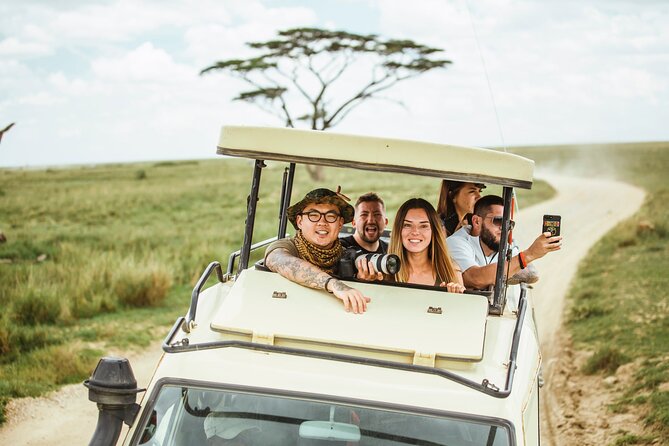
Reviewed · SERENGETI SAFARIS
3 Days Serengeti Park & Ngorongoro Crater Adventure Safari
The biggest draw here is the chance to see Serengeti and Ngorongoro Crater in only three days, with your own private vehicle and a camping setup that keeps the price below a lodge-based safari. You may see enormous plains game, predators, hippos, elephants, and possibly black rhinos.
I like the flexible private format, since you can discuss the pace and optional stops with your guide. I also like that the price includes transport, camping accommodation, meals, drinking water, park activities, taxes, and airport transfers. The catch is the long first day from Arusha to the Serengeti, which leaves little room for a gentle start.
Key points to know before booking
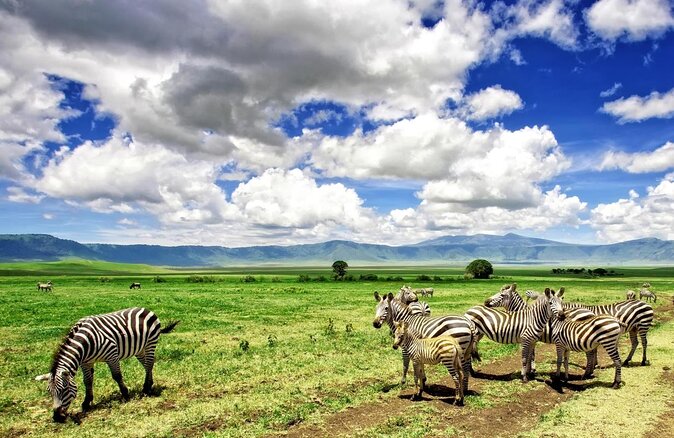
- Two famous parks in three days: You visit the Serengeti National Park and descend into Ngorongoro Crater.
- Private group setup: Only your group takes part, rather than joining a large shared vehicle.
- Camping gear provided: Public campsites include solar electricity, toilets, bathrooms, and hot or cold showers.
- Wildlife timing matters: The route follows seasonal animal movements, with different Serengeti areas favored at different times of year.
- Optional cultural and archaeological stops: Olduvai Gorge and the shifting sands may be added on Day 2.
- Meals are built in: The package covers three lunches, two breakfasts, and two dinners, plus drinking water.
Why this short safari works
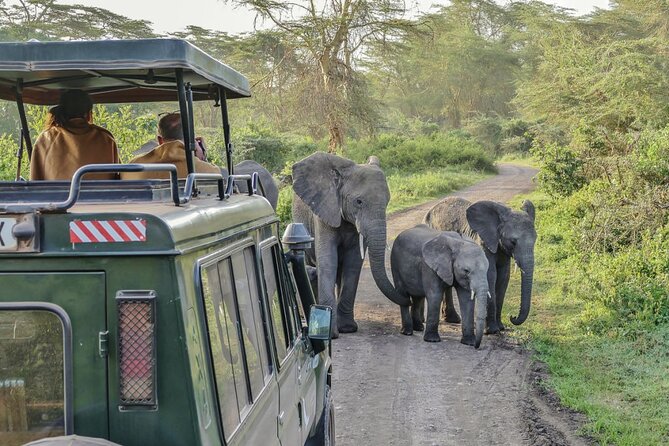
This is a compact version of northern Tanzania’s classic safari circuit. You leave Arusha, reach the Serengeti, spend time on game drives, then continue to Ngorongoro for a crater-floor safari before returning from the crater area.
Three days is not generous. You will spend much of Day 1 on the road, and the schedule begins early each morning. Still, the route packs two of Tanzania’s most famous wildlife areas into a small window. If your time is limited, that is the main reason to consider it.
The private arrangement matters more than it might at first appear. You are not locked into the interests or schedule of a larger group. The itinerary is described as flexible, so you can discuss game-drive timing and optional stops with the guide. That does not remove the long distances, but it gives you more control over how the available hours are used.
This is a budget camping safari, not a luxury lodge trip. You sleep at public campsites with basic services. The tradeoff is clear: less privacy and polish at night, but a lower price and more money left for the rest of your Tanzania trip.
More Serengeti Safaris in Arusha
- Balloon Safari & Bush Breakfast in Serengeti – Miracle Experience
★ 5.0 · 1,646 reviews - 3 Days Serengeti & Ngorongoro Group Camping Safari
★ 5.0 · 574 reviews - 5-Day Highlights mid-Range Crater, Serengeti, Tarangire
★ 5.0 · 296 reviews
The real cost of $1,432.44
At $1,432.44 per person, this is not a low-cost day trip. It is a substantial purchase, but the package covers many major safari expenses:
- Private transportation
- Accommodation unless an upgrade is selected
- Park activities
- All fees and taxes
- Breakfast on two days
- Lunch on all three days
- Dinner on two nights
- Drinking water
- Roundtrip airport transfer
International flights, visas, insurance, souvenirs, personal purchases, and tips are extra. That list matters because safari pricing can look simple until park fees, meals, transfers, and camping equipment are added one by one.
The value is strongest if you want a private vehicle and do not need a lodge. A private group can also make the price easier to justify if several people are sharing the vehicle and arranging the trip together. Group discounts are offered, though the exact saving is not specified.
I would compare this package with lodge-based alternatives before paying. The key question is not only the headline price. Ask what kind of accommodation is included, how many people will share the vehicle, and which airport transfer arrangements apply to your plans. The advertised price is VAT inclusive, which helps avoid one common surprise.
Day 1: Arusha to the wide Serengeti plains
The day begins early. Breakfast is scheduled for 6:30 a.m., followed by hotel pickup in Arusha at about 7 a.m. You should be ready before the stated pickup time, since a delayed start would make an already full day tighter.
You drive toward Serengeti National Park with a packed picnic lunch. The route passes via the Ngorongoro Crater rim, giving you an early look at one of northern Tanzania’s major natural landmarks before the Serengeti becomes the focus.
The Serengeti covers about 14,763 square kilometers, or roughly 5,700 square miles. That size explains both the appeal and the strain of the trip. The park is not a small wildlife enclosure where every sighting is close by. You cover real distances, and the reward is the sense of open country and the possibility of encountering animals in changing settings.
Game drives take place en route. The exact sightings cannot be promised, but the park is known for large herds of wildebeest and zebra, along with the predators that follow them. This is also the day when your guide’s judgment matters most. Finding wildlife across such a large area requires patience, route choices, and a willingness to adjust the plan.
The season affects what you might see and where. From December through March, large herds often occupy the southern Serengeti and the nearby conservation area. April and May are linked with the Western Corridor, June and July with the northern Serengeti, and October and November with Lobo and the Loliondo controlled area.
Those seasonal notes are useful, but they should not be treated as a guarantee. Animal movements change, and the Serengeti remains enormous. If the migration is your main reason for booking, ask the operator where the vehicle will focus during your dates.
The listed stop allows about six hours, but the full journey from Arusha includes driving, park access, and game viewing. Do not expect a slow morning followed by a short transfer. Day 1 is a serious travel day, and the packed lunch keeps you moving rather than sending you to a restaurant.
Camping in the Serengeti
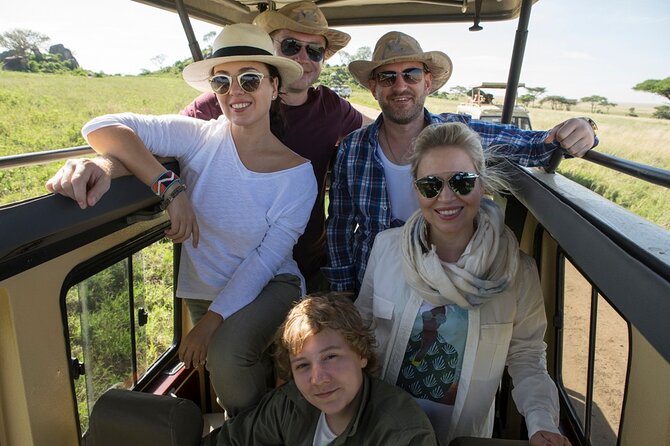
Camping gives this safari its character. Equipment is provided, so you do not need to arrive with a complete camping kit. You use a public campsite with solar electricity, built toilets and bathrooms, and hot or cold showers.
That is a useful middle ground. You are not sleeping in a remote tent without facilities, but you are also not paying for a private safari lodge. Solar power may be practical rather than plentiful, so bring patience with charging and keep essential devices ready before departure.
The campsite setup suits people who see the room as a place to sleep between game drives. If you need a polished room, quiet privacy, or a full range of lodge services, this package may feel basic. If you enjoy the idea of spending nights close to the safari route, it offers a more direct connection to the setting.
Camping also makes the early starts easier. You are already in the park area rather than returning to Arusha each night. That saves time and gives you access to morning wildlife activity, when the schedule permits.
Same country, a completely different kind of safari:
- Tanzania Classic – 7 Days
★ 5.0 · 1,151 reviews - 4 Days Group Camping Safari
★ 5.0 · 1,101 reviews - 5 Days Group Camping Safari
★ 5.0 · 730 reviews - Materuni Waterfalls, coffee tour & Kikuletwa Hot Springs
★ 5.0 · 643 reviews
Day 2: Morning animals, then the crater rim
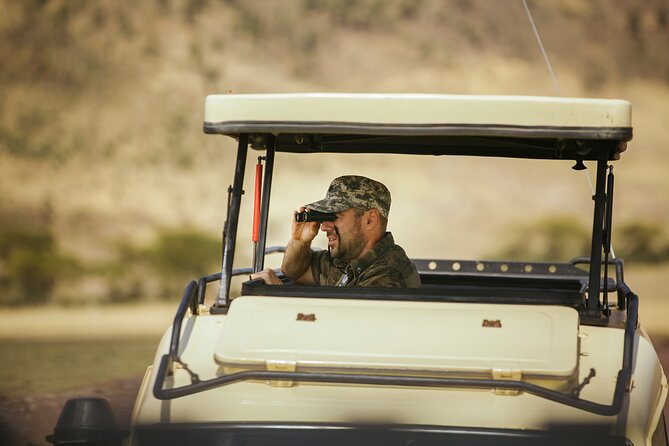
Day 2 begins with a very early game drive in the Serengeti. Breakfast comes at about 9 a.m., after the morning outing, and lunch is packed for the continued journey toward the Ngorongoro Crater rim.
The early start is worthwhile because it puts wildlife viewing first, before the day’s transfer. You may see herbivores and predators while moving through the park, though no itinerary can promise a particular animal. The value is in having a dedicated morning rather than treating the Serengeti as a quick pass-through.
After breakfast, you drive toward the crater rim with an afternoon game drive en route. This combination gives you another chance to see the Serengeti, but it also means the day includes substantial movement. Keep your expectations realistic: Day 2 is part wildlife outing and part relocation day.
You can ask about adding Olduvai Gorge. The area is linked with early stone tool discoveries and the excavation work of Louis and Mary Leakey. A small museum documents the archaeological finds and the story of human evolution connected with the gorge.
The shifting sands are another optional stop. Since these additions are described as options, confirm whether they carry an extra charge or alter the timing. I would choose one only if archaeology or unusual natural features matter to you. If your main aim is wildlife, you may prefer to keep the available daylight for the park.
Dinner and overnight accommodation are at the campsite near the crater rim. The change in setting is important. You move from Serengeti plains to the high crater area, preparing for a very different wildlife day on Day 3.
Day 3: Down into Ngorongoro Crater
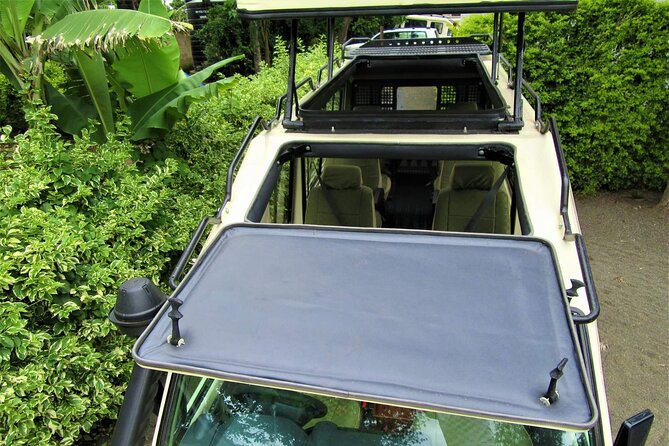
Breakfast is scheduled for 6 a.m. Afterward, you descend into Ngorongoro Crater for a game drive on the floor. The crater measures about 19.2 kilometers across, reaches roughly 610 meters deep, and covers around 304 square kilometers.
The crater’s enclosed shape helps support a dense concentration of wildlife. Water and grazing areas are available year-round, so you may encounter wildebeest, zebra, buffalo, eland, warthog, hippos, and elephants in one broad area.
Predators are a major reason for the crater’s appeal. Lions, hyenas, jackals, and cheetahs are among the animals associated with the area. The crater is also one of Tanzania’s important places to look for black rhinos, although sightings are never certain.
I like the way this final day gives the safari a strong finish. After the open distances of the Serengeti, the crater offers a more contained wildlife setting. That can make animal viewing feel more concentrated, though the number of vehicles and the limits of the crater road system may affect how private a particular sighting feels.
The early breakfast is not optional in spirit. You need the morning start to make good use of the crater floor before the day advances. Pack light for the vehicle and keep your camera or phone ready, since there is no need to spend this short final morning organizing bags.
Guides, cooks, and the private vehicle
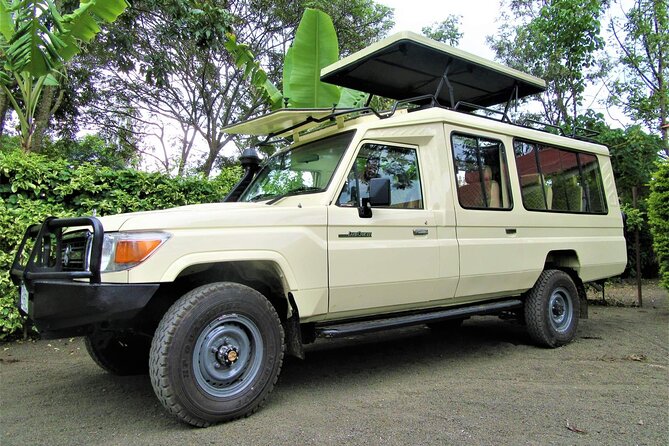
The company has used guides and drivers including Richard, Stanley, and Samwel on its longer northern Tanzania trips. Availability for this three-day departure is not stated, so ask who will lead your group before booking if a particular guide matters to you.
The most praised part of the service is the human side of the trip. The company owner, Rickson, is described as professional, friendly, and easy to communicate with. Cooks are also repeatedly praised for good food, care, and attention to comfort. One account specifically describes tasty meals throughout a five-day private camping safari, while another highlights the cook’s kindness and helpfulness.
You should still clarify the guide’s role. One account describes a guide who balanced giving the group space with explaining what they were seeing. Another points to a need for more animal information and more reliable departure times. That is a useful warning for a short safari, since a late start costs valuable game-viewing time.
The private format means only your group takes part. It does not necessarily mean a private campsite or a completely customized route, but it does give you a direct line to the operator and guide. Use that advantage. Before departure, discuss the morning schedule, optional Olduvai or shifting sands stops, meal arrangements, and the balance between driving and game viewing.
Food, water, and daily comfort
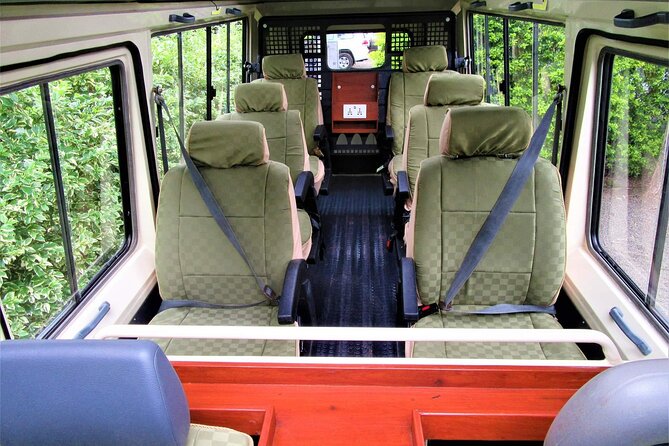
The package includes three lunches, two breakfasts, and two dinners. Lunches are packed on the driving and game-drive days, which suits the long route. Drinking water is included on all days.
Camping food can be a pleasant surprise on this kind of trip, and the company’s cooks receive strong praise for both taste and care. Still, tell the operator about dietary needs before you arrive. The supplied information does not specify vegetarian, vegan, allergy, or special-diet arrangements, so you should not leave that question until the first meal.
The campsites have toilets, bathrooms, and hot or cold showers. That is more comfortable than basic wild camping, but conditions can vary between public campsites. Take a flexible attitude toward water temperature and electricity, especially since power comes from solar sources.
All accommodation is included unless you select an upgrade. Ask exactly what the upgrade changes. The standard offer is built around camping, and the price should be assessed on that basis rather than compared directly with an all-lodge safari.
Who should choose this safari
I would recommend this trip for you if you have three days, want the two major wildlife areas, and value a private vehicle more than a private room. It also fits families and small groups who want to travel together. A previous five-day trip with two children was described as manageable and enjoyable, but this three-day route still has early mornings and long drives that younger children may find tiring.
It suits people who are comfortable with a full schedule. You need to accept 6 a.m. or earlier breakfasts, packed lunches, changing scenery, and basic campsite accommodation. The reward is access to famous parks without committing to a long itinerary.
I would think twice if you want unhurried time in the Serengeti. A longer safari gives you more chances to reach different parts of the park and less pressure when road conditions or departure delays affect the day.
The tour is also a good fit if you care about supporting a locally owned Tanzanian operator. The company’s work is based around local guides, drivers, and cooks, and the personal service is one of the strongest parts of the package.
Booking details worth confirming
Pickup is offered, and roundtrip airport transfer is included. The tour can depart any day, and the listed operating hours cover every day from midnight through 11:30 p.m. The booking confirmation is issued at the time of purchase, and mobile tickets are available.
Most people can participate, and the meeting point is near public transportation. This is a private activity, so only your own group joins the safari.
Free cancellation is available if you cancel at least 24 hours before the experience begins. Cancellations made inside that window are not refunded, and changes made less than 24 hours before the start are not accepted. The cutoff follows local Tanzanian time.
Should you book it?
Book this safari if you want Serengeti wildlife and Ngorongoro Crater in a short, private, budget camping package, and you are ready for early starts and a long first day. The included meals, water, taxes, transport, park activities, camping gear, and airport transfer make the price easier to assess.
Before paying, confirm the guide, vehicle-sharing arrangement, campsite details, optional-stop costs, and the plan for your travel dates. If you need more relaxed game viewing, add days. If you want a direct route to two of northern Tanzania’s great wildlife areas without lodge-level pricing, this three-day plan is a sensible choice.
FAQ
How long is the safari?
The safari lasts approximately three days.
Where does the safari begin?
Pickup is offered from your hotel in Arusha, with departure scheduled at about 7 a.m. on Day 1.
Which parks and areas are included?
The route includes Serengeti National Park and Ngorongoro Crater. Day 2 may also include optional visits to Olduvai Gorge or the shifting sands.
Is this a private tour?
Yes. Only your group takes part in the activity.
Is camping equipment provided?
Yes. Camping equipment is provided as part of the safari.
What facilities are available at the campsites?
The public campsites have solar electricity, built toilets and bathrooms, and hot or cold showers.
Which meals are included?
The package includes three lunches, two breakfasts, and two dinners. Drinking water is included on all days.
Can I cancel for a full refund?
Yes, if you cancel at least 24 hours before the experience start time. Cancellations made less than 24 hours in advance are not refunded.
More Safari in Arusha
- 7-Day Premium Luxury Tanzania Safari All-Inclusive
★ 5.0 · 426 reviews - 3-Day Classic Serengeti Safari
★ 5.0 · 263 reviews - 8 Days Great Wildebeest Calving Migration Safari from Arusha
★ 5.0 · 254 reviews - Group Safari 7 Days in Tanzania’s Main Parks
★ 5.0 · 240 reviews
More Ngorongoro Crater Tours in Arusha
- 5 Days Camping Tarangire, Serengeti & Ngorongoro crater & Visiting Maasai
★ 5.0 · 229 reviews - 4 Days Join Group tour Tarangire Serengeti and Ngorongoro crater
★ 5.0 · 219 reviews - 4-Day Safari from Arusha: Tarangire, Serengeti and Ngorongoro
★ 5.0 · 173 reviews - 2 Days Tarangire and Ngorongoro Group Camping Safari
★ 5.0 · 146 reviews
Just added around Arusha
- 8 Days Serengeti Migration safari★ 5.0 · 11 reviews
- tarangire, ngorongoro & lake manyara park 3 days private tour★ 5.0 · 11 reviews
- tarangire & ngorongoro 2 days tour★ 5.0 · 14 reviews
- serengeti, ngorongoro & tarangire 4 days private tour★ 5.0 · 18 reviews
- serengeti & ngorongoro 3 days private tour★ 5.0 · 15 reviews
- Mt. Kilimanjaro: Shira plateau to Cathedral point 3872m Day hike★ 5.0 · 7 reviews
- 2 Days Tanzania Midrange Group Join Safari★ 5.0 · 7 reviews
- climb the KILIMANJARO via Lemosho route★ 5.0 · 4 reviews
Serengeti Safaris, compared.

Serengeti Balloon Safari and authentic bush breakfast
Read our review →
3 Days Serengeti & Ngorongoro Group Camping Safari
Read our review →
5-Day Highlights mid-Range Crater, Serengeti, Tarangire
Read our review →


Private 6-Day Tarangire Manyara Crater and Serengeti with Mid-Range Lodges
Read our review →
5 Days Camping Tarangire, Serengeti & Ngorongoro crater & Visiting Maasai
Read our review →
4 Days Join Group tour Tarangire Serengeti and Ngorongoro crater
Read our review →Browse the lists this tour appears in