

Reviewed · ZANZIBAR SPICE FARM TOURS
Zanzibar Spice Tour
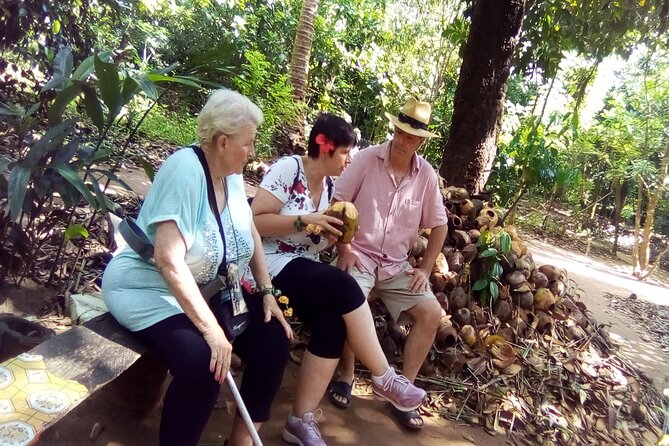
Zanzibar’s spice farms turn a simple walk into a hands-on lesson in island life. You’ll see cloves, cinnamon, nutmeg, vanilla, cardamom, pepper, ginger, and other plants, then taste and smell many of them with a local guide explaining their uses.
I like the private format, which gives your group room to ask questions and set the pace. I also like the practical details: hotel pickup and drop-off, bottled water, entrance fees, taxes, and transport waiting time are included.
The main consideration is that three hours passes quickly. This is a focused farm visit, not a full-day tour, and the listing gives limited detail about the exact farm or how much time is spent walking. Bring sensible shoes and expect an educational outing rather than a polished theme-park show.
Key points at a glance

- Cloves and Omani trade routes: Learn how sultans of Oman brought many spices across the Indian Ocean to Zanzibar.
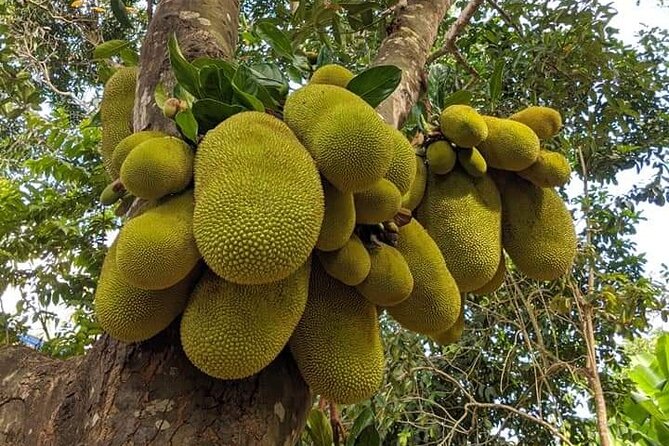
- Plants you can smell and taste: Expect cloves, cinnamon, vanilla, nutmeg, cardamom, curry, pepper, tamarind, ginger, and menthol.
- Food and medicine together: The guide explains how plants are used in cooking, treatment, and household remedies.
- A private three-hour visit: Only your group takes part, making it easier to ask questions or request a slower pace.
- Useful extras included: Hotel pickup and drop-off, bottled water, entry fees, taxes, fuel surcharges, service fees, and waiting time are covered.
- A personal guiding style: Mody is described as reliable and attentive, while Barak is praised for making the experience fun and engaging.
Why Zanzibar is called the Spice Island
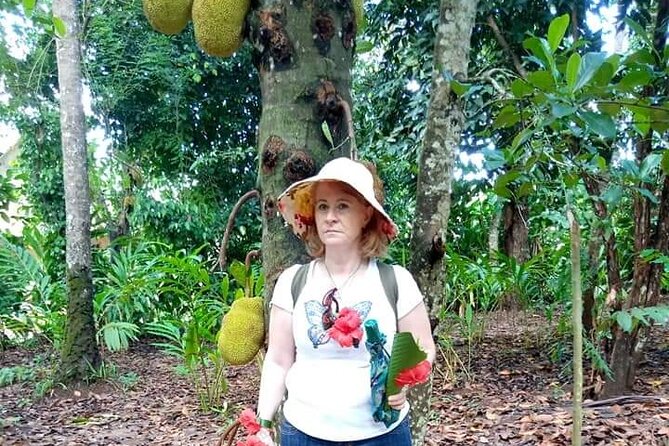
The name is not just a souvenir-shop slogan. Zanzibar’s location in the Indian Ocean made it a meeting point for trade, farming, and outside influence. The tour connects that past to the plants growing on a local farm today.
You’ll hear about spices brought by the sultans of Oman, including cloves and other crops that became part of Zanzibar’s identity. This gives the farm walk a useful sense of place. You are not simply learning that cinnamon smells good. You are seeing how food, trade, medicine, and daily life meet on the island.
The strongest part of the experience is its sensory nature. A guide can explain a spice in a classroom, but smelling a leaf or tasting a fruit gives you a memory you can carry home. That is especially true for plants you may know only as dried powder from a supermarket.
The tour also shows that not every useful plant belongs in a cooking pot. Some are used for medicine, and the guide describes those traditional purposes. Treat these comments as cultural information, not medical advice, but they add depth to the visit.
More Zanzibar Spice Farm Tours in Zanzibar City
- Zanzibar: Stone Town, Spice Tour, Prison Island with Lunch
★ 4.4 · 1,219 reviews - Zanzibar: Prison Island, Stone Town, & Spice Farm Tour
★ 4.5 · 579 reviews - Zanzibar: Stone Town, Spice tour & Prison Island with Lunch
★ 4.6 · 453 reviews
A three-hour walk through tropical plants
The advertised itinerary is one guided stop in the Zanzibar City area, lasting about three hours. That sounds simple, but it leaves room for a broad look at tropical fruit, spices, herbs, and less familiar plants from different types of vegetation.
You should expect the guide to move between plants while explaining what each one is and how people use it. The pace may vary because this is a private activity. If you want more time with vanilla or cloves, ask. If your group is keen on medicinal plants, ask about those too.
A private tour matters here. On a large group visit, you might hear a quick description and move on before you can ask what a plant smells like, how it is prepared, or which part is used. With only your own group, the guide can respond to your interests.
The tour is not described as a strenuous hike. Most people can participate, but you are still visiting a farm, not a paved museum. Wear comfortable footwear, protect yourself from the sun, and keep your hands free for tasting and handling plants.
The spice list: from cloves to vanilla
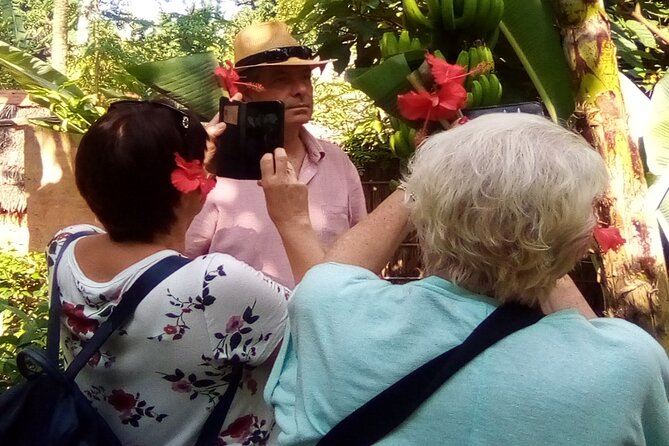
Cloves are likely to be one of the main subjects. Zanzibar is closely associated with clove production, and the tour uses the spice to explain the island’s connection with trade and agriculture.
Cinnamon gives you another chance to compare a familiar kitchen ingredient with the living plant. Nutmeg and vanilla add further interest, since both are widely used in sweets and savory dishes but can seem abstract when encountered only in a jar.
The list also includes cardamom, curry, pepper, tamarind, ginger, and menthol. These plants cover a wide range of smells and flavors. Some are warm and sweet, some sharp, some earthy, and some cooling.
You may also see herbs and tropical fruits. The exact fruit selection is not specified, so do not book this expecting a fixed tasting menu. The appeal is the variety and the chance to encounter produce and plants in their growing environment.
One useful tip is to keep notes on the spices you like. A visitor who enjoyed the tour bought chicken masala and black pepper afterward, planning to use them in chicken pilau. That is a practical way to extend the experience beyond the farm. If you enjoy cooking, ask the guide which spices work well together and how locals use them.
Food, medicine, and the neem tree
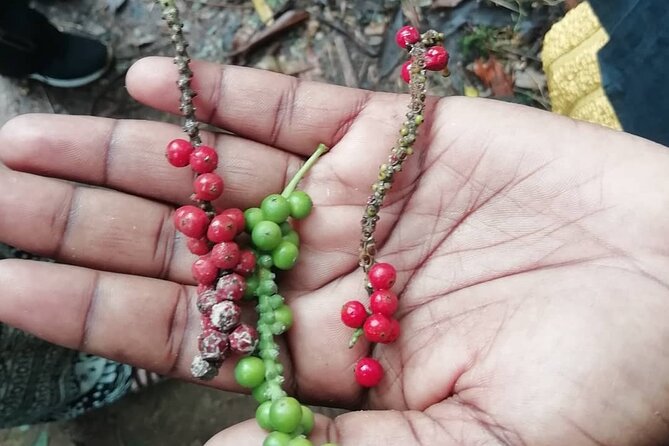
The guide explains that plants serve more than culinary purposes. Some are used in traditional medicine, and the tour includes examples such as neem and the iodine tree.
Neem leaves were traditionally used as a remedy for malaria and indigestion. The iodine tree produces a deep red sap that was traditionally used to help fight infection and treat wounds. These details show how people have long relied on plants for practical needs.
You should listen with curiosity and caution. The information helps explain local plant knowledge, but it should not replace advice from a doctor or approved treatment. The tour itself provides cultural and botanical context rather than medical care.
This is also where a good guide makes a real difference. Barak is specifically praised for making the visit fun and engaging, while Mody is described as friendly, reliable, and willing to make a tour personal. Guide assignments can change, so you should not assume one particular person will lead your group, but those names suggest the company’s guiding style.
Same country, a completely different kind of safari:
- From Zanzibar: Mikumi Safari Day Trip with Flights and Meal
★ 4.7 · 1,470 reviews - From Zanzibar: Day Selous Game Reserve Safari with Flights
★ 4.7 · 1,025 reviews - Quad Adventures in Zanzibar: Nungwi / Kendwa
★ 4.9 · 640 reviews - Stone Town Private Walking Tour
★ 5.0 · 371 reviews
Small creations and the human touch
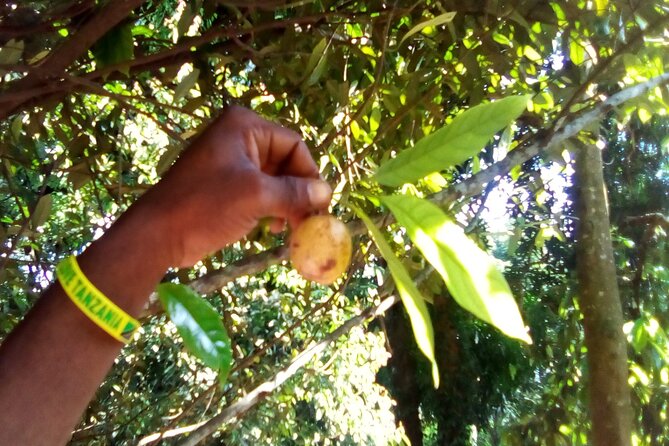
One of the more memorable details from the experience is the chance to make simple grass bags and hats. This adds a tactile element to the morning and gives you something connected to the farm rather than another standard souvenir.
It also helps explain why the private format may suit families, couples, and small groups. You can pause for photos, ask questions, and take part in small activities without worrying about holding up a large crowd.
The tour is also suitable for solo visitors, at least according to the provider’s description of its service. Mody is noted as someone who can adjust other tours to a solo traveler’s needs, and the private structure here should make conversation easier than a crowded group outing.
There is one point to keep in mind: the supplied information also mentions snorkeling with guides in the additional details. That wording is not clearly connected to the three-hour spice-farm itinerary, so I would not book this tour expecting snorkeling. Treat the spice farm as the main and confirmed activity.
What the private format is worth
The price is $76.93 per person. That is not the cheapest way to see plants in Zanzibar, so value depends on how much you care about convenience and personal attention.
You are paying for more than entry to a farm. The package includes a professional guide, hotel pickup and drop-off, bottled water, entrance fees, taxes, fuel surcharges, service fees, and transport waiting time. Those inclusions reduce the chance of small extra charges and make the outing easier to fit into a short stay.
The private setup adds the greatest value. If you have a group of friends or family members, the cost may feel more reasonable because everyone receives the same private transport and guide. Group discounts are also offered, though the exact reduction is not stated.
The price may feel high if you are mainly seeking a quick stop for photographs or if you already have transport and a local guide. In that case, compare the total cost of arranging those pieces yourself, not just the entrance fee.
This tour is booked an average of 27 days in advance, which is a useful planning clue. It does not guarantee that every date fills early, but booking ahead makes sense if you want a private outing during a busy Zanzibar visit.
Pickup, timing, and planning your morning
Hotel pickup and drop-off are included, along with transport waiting charges. That is helpful in Zanzibar City, where arranging separate transport can take time and create uncertainty about the return journey.
The tour lasts about three hours, so it works well as a morning activity or as one part of a day that also includes another nearby plan. Do not pack the schedule too tightly. Pickup times, traffic, and the pace of a farm visit can vary.
Confirmation is provided at booking. The activity requires good weather, and poor conditions can lead to a different date or a full refund. You can cancel for a full refund if you do so at least 24 hours before the start time. Changes or cancellations inside that window are not accepted for a refund.
Most people can participate, but the available information does not give detailed accessibility notes. If you have specific mobility, medical, or dietary needs, ask the provider before booking rather than guessing how the farm is arranged.
Who will enjoy this spice tour most
I would choose this outing if you want a short, guided introduction to Zanzibar beyond Stone Town’s streets and beaches. It suits curious cooks, families, couples, photographers, and anyone who likes learning through smell, taste, and touch.
It is especially useful early in your stay. After the tour, you may notice cloves, cardamom, ginger, and pepper differently in local dishes. You also gain a better sense of why Zanzibar’s food culture cannot be separated from its trading past.
The private format is a strong choice for a group with mixed interests. One person can ask about food, another about medicinal plants, and another about photographs without turning the visit into a rigid lecture.
I would be less keen on it if you want a long agricultural expedition, a detailed botany course, or a full day of activities. The description promises a three-hour guided experience, but it does not provide a detailed farm map, a fixed tasting menu, or a long list of named stops.
Should you book the Zanzibar Spice Tour?
Book it if you want a convenient, personal way to understand Zanzibar’s spice culture. The best features are the private guide, included transport, broad selection of plants, and clear attention to both cooking and traditional medicine.
The experience seems particularly well suited to anyone who values friendly service. Mody is repeatedly described as reliable and willing to go the extra mile, and the company also receives praise for smooth timing and personal attention on other Zanzibar outings. Barak’s warm, engaging style is another positive sign, though your assigned guide may be different.
Skip it if your main goal is a cheap farm entrance or a high-energy adventure. For most visitors, though, $76.93 can be fair value once transport, guide service, water, fees, and private access are counted. I would book in advance, leave room around the three-hour schedule, and bring an appetite for unfamiliar smells.
FAQ
How long is the Zanzibar Spice Tour?
The guided spice-farm experience lasts approximately three hours.
Where does the tour take place?
The tour is based in Zanzibar City and includes a visit to a local spice farm.
Is this a private activity?
Yes. Only your group participates in the private tour.
Is hotel pickup included?
Yes. Pickup and drop-off from your hotel are included.
Is bottled water provided?
Yes. Bottled water is included during the tour.
Are entrance fees included?
Yes. Entrance fees, taxes, fuel surcharges, service fees, and transport waiting charges are included.
What spices might I see?
The tour may include cloves, cinnamon, nutmeg, vanilla, cardamom, curry, pepper, tamarind, ginger, menthol, and other spices and herbs.
Does the guide explain medicinal plant uses?
Yes. The guide describes culinary and traditional medicinal uses, including information about neem leaves and the iodine tree.
What is the price?
The listed price is $76.93 per person. Group discounts are offered, but the exact discount is not specified.
Can I cancel for a full refund?
Yes. You can cancel at least 24 hours before the start time for a full refund. Cancellations or changes made less than 24 hours before the start time are not refunded or accepted. If poor weather causes the tour to be canceled, you will be offered another date or a full refund.
Just added around Zanzibar City
- Zanzibar: Mikumi Wonderful Safari with Open Jeeps★ 4.9 · 15 reviews
- Zanzibar: Maalum Cave Natural Swimming Pool Tour in Paje★ 4.4 · 3 reviews
- Zanzibar: Jozani Forest Watching Colobus Monkeys Guided Tour★ 4.1 · 7 reviews
- Zanzibar: Jozani Forest, Salaam Cave & The Rock Restaurant★ 3.0 · 4 reviews
- Zanzibar: Jozani Forest Guided Tour,Red Colobus and transfer★ 3.9 · 6 reviews
- Zanzibar: Jozani Chwaka Bay National Park and Spice Farm …★ 4.6 · 5 reviews
- Zanzibar: Horse Riding and Kayaking with Video and Photos★ 4.9 · 10 reviews
- Zanzibar: Half-Day Private in Prison Island Tours★ 5.0 · 4 reviews
Zanzibar Spice Farm Tours, compared.

Stone Town, Spice Tour, Prison Island with Lunch
Read our review →
Stone Town, Spice tour & Prison Island with Lunch
Read our review →
Full-Day Private Stone Town +Spice Farm and Prison Island Tour
Read our review →

The Swahili Spice Experience – Spice Tour + Culinary Journey
Read our review →Browse the lists this tour appears in