

Reviewed · ZANZIBAR SPICE FARM TOURS
Zanzibar Aromatic Spice Farms Tour
The most revealing part of this Zanzibar tour is not the spice stall at the end. It is seeing a vanilla bean, clove, cinnamon tree, or turmeric plant as a living crop rather than a dried ingredient in your kitchen. A guide leads you through a working shamba, explaining how each plant grows and how people use it.
I like the hands-on tasting and the chance to connect familiar flavors with their source. I also like the traditional Swahili lunch, which shows how spices move from the farm into everyday cooking. The private vehicle and private group make the outing feel more personal than a large coach excursion.
The main thing to weigh is the price: $102.57 per person is a serious cost for a tour lasting about three hours. Transport, lunch, seasonal fruit, and tips for farm workers are included, but a cramped first vehicle has caused delays for one group, so pickup arrangements deserve a quick check.
Key points at a glance
- Cloves, vanilla, cinnamon, and turmeric grow in front of you: The tour turns pantry staples into real plants with distinct growing methods and uses.
- Fruit tasting changes with the season: Expect possible tastings of papaya, jackfruit, oranges, coconut, and other available fruit.
- The guide does more than point at plants: You learn how crops are cultivated, what different parts smell like, and how they enter local food and daily life.
- A Swahili lunch is part of the experience: The meal gives you a practical taste of how Zanzibar uses its spices.
- The outing is private: Only your own group participates, with transport by private vehicle and pickup offered.
- Bring cash for the final spice stall: The shop sells fresh packaged spices, and payment is cash only.
Why a spice farm is a good Zanzibar introduction
Zanzibar is often sold through beaches and ocean trips, but the island’s name is also tied to trade in cloves and other seasonings. Portuguese traders introduced spices and herbs in the 16th century, bringing crops from South America and India. That background gives the farm visit more weight than a simple garden walk.
You are not just looking at rows of plants. You are seeing how outside crops became part of Zanzibar’s farming and food traditions. The guide explains the stages of growth and the ways crops can be used, which helps you notice details you would likely miss on your own.
The setting is a shamba, the Swahili word for a farm. The pace is on foot, so expect a close look at plants rather than a quick drive past them. This is a useful choice if you enjoy learning through touch and scent. You may rub a leaf between your fingers, smell it, and then compare that fresh scent with the dried spice you know from home.
More Zanzibar Spice Farm Tours in Zanzibar City
- Zanzibar: Stone Town, Spice Tour, Prison Island with Lunch
★ 4.4 · 1,219 reviews - Zanzibar: Prison Island, Stone Town, & Spice Farm Tour
★ 4.5 · 579 reviews - Zanzibar: Stone Town, Spice tour & Prison Island with Lunch
★ 4.6 · 453 reviews
Walking among cloves, vanilla, and cinnamon
The central part of the experience is the farm walk. The exact order of stops can vary, but the visit focuses on spice, herb, and fruit plants growing in the ground. The guide explains cultivation and common uses as you move from one crop to the next.
Cloves are a major point of interest. You see the plant at its growing stage and learn how a product that usually arrives in a small jar begins life on the farm. Cinnamon offers a different lesson because its familiar flavor comes from tree bark, while nutmeg and cardamom show how very different plant parts can become kitchen staples.
Vanilla is especially worth your attention. A growing vanilla bean is far larger and more striking than most people expect, and producing it involves a great deal of manual work. The tour makes that labor visible instead of treating vanilla as a flavor with no story behind it.
Turmeric, black pepper, chili, and lemongrass add more variety. The guide may explain how their smells and uses differ, helping you separate the sharp heat of chili from the fresher scent of lemongrass or the earthy quality of turmeric. You also encounter crops such as cassava and coconut, which broaden the visit beyond imported seasonings.
The experience works best when you ask questions. Ask how a crop is harvested, which part of the plant is used, and how it appears in local cooking. The guides associated with this experience include Zamir and James, and French-speaking and Italian-speaking guides have also led the walk. Guide language can matter a lot here, since the value comes from explanation rather than scenery alone.
Fruit tasting, from papaya to jackfruit
Spice tours often become fruit tours too, and that is one of the pleasant surprises here. Seasonal fruit is included, with possible examples including papaya, oranges, jackfruit, coconut, and other fruit available during your visit.
Seasonality means you should not expect every named fruit on every date. That is a small limitation, but it is also part of the appeal. You taste what the farm can offer at that time instead of receiving a fixed supermarket-style sampler.
Some fruit may be familiar, while others may be new to you. Jackfruit, for example, has a large size and a distinctive texture, while coconut connects directly to both food and drink in tropical cooking. The tasting gives the guide another chance to explain how plants are grown and used.
The tasting is also a useful break during the walking portion. You can pause, compare flavors, and ask about the crops you have just seen. If you are visiting with children, this hands-on part may hold their attention better than a long spoken explanation, though children must be accompanied by an adult.
The Swahili lunch completes the lesson
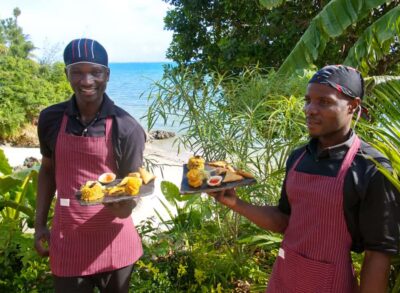
After the farm walk and tastings, you enjoy a traditional Swahili lunch at the farm. This is more than a convenient meal. It shows how spices work in combination, after you have just encountered them as individual plants.
The lunch is where the tour’s separate pieces come together. You have smelled leaves, tasted fruit, and heard about cultivation. Now you get a chance to understand the practical side of those ingredients in prepared food.
The information supplied for this experience does not give a fixed menu, so you should not book it expecting a particular dish. The meal uses spices and seasonal fruit in ways that reflect what is available. That can be a strength for people who want a local food experience, though anyone with dietary restrictions should ask about the meal before booking.
A three-hour tour does not leave room for a long farm exploration, a full cooking class, and a large meal. Think of lunch as part of the cultural introduction, not as a stand-alone food workshop. The value comes from the connection between the walk and the plate.
Same country, a completely different kind of safari:
- From Zanzibar: Mikumi Safari Day Trip with Flights and Meal
★ 4.7 · 1,470 reviews - From Zanzibar: Day Selous Game Reserve Safari with Flights
★ 4.7 · 1,025 reviews - Quad Adventures in Zanzibar: Nungwi / Kendwa
★ 4.9 · 640 reviews - Stone Town Private Walking Tour
★ 5.0 · 371 reviews
The final spice stall and what to buy
The tour ends at a spice stall selling fresh packaged spices. This is a practical final stop if you want to take home cloves, cinnamon, turmeric, vanilla, or other seasonings encountered during the walk.
The stall is not simply a souvenir stop. It gives you a chance to buy an ingredient you have just seen growing and learned to identify. That makes the purchase more meaningful than choosing a random packet from a general shop.
Payment is cash only, so plan ahead. The supplied information does not state the accepted currency or the exact products available on a given day. If you want to shop, ask your guide what is fresh and how the spices should be stored before you buy.
Tips for farm workers are already included in the tour price. You do not need to prepare a separate tip for that part of the visit, which makes the final stop easier to manage. You still need cash if you want to purchase packaged spices.
What the private format means for you
This is a private activity, so only your own group participates. That is a real benefit on a walking tour built around questions. You can spend more time at a plant that interests you and less time on one that does not.
Private transport is included, and pickup is offered. The experience is near public transportation, but the supplied details do not specify pickup areas, vehicle size, or exact pickup times. Confirm those points before the day of the tour, especially if your group is larger than a couple.
One group had an initial van that was too small, which meant waiting for an additional vehicle. That does not prove the problem is usual, but it is a useful warning. Give the operator your group size clearly and confirm that the assigned vehicle can carry everyone and their belongings.
A private format also explains part of the $102.57 price. You are paying not only for the farm visit, but also for dedicated transport, a guide, fruit, lunch, and included farm-worker tips. The value is strongest for couples, families, or small groups who prefer a tailored outing and want a cultural activity rather than a basic transfer.
For a solo visitor, the cost per person may feel harder to justify. For a private group splitting the vehicle and guide cost across several people, the price may feel more reasonable. Compare it with the cost of arranging transport and finding a farm visit separately, but keep in mind that the tour lasts only about three hours.
The pace, weather, and practical comfort
The tour requires walking around a farm, so wear comfortable shoes and clothing suitable for outdoor conditions. The supplied information does not specify the amount of shade, the condition of the paths, or the distance covered, so ask if those details matter to you.
Most people can participate, according to the tour information. Children need an adult with them. No special physical requirement is listed, but the experience is not a seated presentation. You should be comfortable walking between crops and standing during explanations.
Weather matters. The operator can cancel if conditions are poor, offering another date or a full refund. That policy protects you from losing the full fare, but it can disrupt a tight Zanzibar schedule. If your itinerary is packed, avoid placing this tour on the only possible day for a connected activity.
The tour lasts approximately three hours, though pickup and return transport can add time. Treat it as a half-day plan rather than a precisely timed three-hour door-to-door appointment. That gives you room for a late pickup, a longer question period, or the spice stall.
Who will get the most from this farm visit
I would choose this experience if you want to understand Zanzibar through food, farming, and trade. It suits people who enjoy asking questions and noticing how familiar ingredients begin as plants.
It is also a good family option if children like tasting and identifying smells. The variety helps: coconut, chili, oranges, cassava, papaya, and black pepper offer more sensory interest than a tour devoted to one crop.
Couples may appreciate the private format and the mix of walking, tasting, and lunch. A French-speaking or Italian-speaking guide may be available, based on past guide assignments, but you should confirm language when booking rather than assume it.
I would be more cautious if you have limited time, dislike outdoor walking, or want a detailed culinary class. The tour explains cultivation and uses, but no cooking lesson is included in the stated features. I would also compare the price carefully if you are traveling alone.
Value at $102.57 per person
At $102.57 per person, this is not a budget farm stop. The cost includes private vehicle transport, seasonal fruit, the farm experience, a traditional Swahili lunch, and tips for farm workers. Those inclusions reduce the need to organize several small expenses yourself.
The private nature of the trip is the main value question. If you are traveling as a group, having a vehicle and guide dedicated to you can make the outing more comfortable and flexible. If you are alone, you may decide that a shorter or shared farm visit would better fit your budget, though no shared alternative is specified here.
The tour earns its price best when you treat it as a cultural half-day, not as a quick shopping trip. You are paying for interpretation, direct tasting, a meal, and transport. The spice stall is the final extra, not the main reason to book.
Should you book the Zanzibar spice farm tour?
Book it if you want a practical introduction to Zanzibar’s crops and food traditions, especially if you enjoy learning through scent and taste. The best parts are the close look at how vanilla, cloves, cinnamon, turmeric, and other ingredients grow, followed by seasonal fruit and Swahili lunch.
Before booking, confirm your pickup details, vehicle size, guide language, and any dietary needs. Remember that the final spice stall takes cash only, and allow more than three hours in your day once transport is included.
I would recommend it most to small private groups and curious families. Solo visitors and budget-conscious couples should weigh the price against the short duration. For the right person, this is a thoughtful way to see a working side of Zanzibar that a beach schedule will not show you.
FAQ
How long does the Zanzibar Aromatic Spice Farms Tour last?
The tour lasts approximately three hours. Pickup and transport may add time to the overall outing.
How much does the tour cost?
The listed price is $102.57 per person.
Is transportation included?
Yes. Transport by private vehicle is included, and pickup is offered.
Is this a private tour?
Yes. Only your own group participates in the activity.
What will I see on the spice farm?
You will see spices, herbs, and fruits growing and learn how they are cultivated and used. Crops may include cloves, lemongrass, nutmeg, cinnamon, turmeric, vanilla, coconut, papaya, chili, black pepper, jackfruit, cardamom, cassava, and oranges.
Is fruit tasting included?
Yes. Seasonal fruits are included, though the available selection can vary.
Is lunch included?
Yes. You will enjoy a traditional Swahili lunch at the farm.
Can I buy spices at the end?
Yes. The tour finishes at a stall selling fresh packaged spices. The stall accepts cash only.
Are tips for farm workers included?
Yes. Tips for the farm workers are already included in the tour price.
Can children join the tour?
Yes, but children must be accompanied by an adult. Most people can participate.
Can I cancel for a full refund?
You can cancel for a full refund up to 24 hours before the experience start time. Cancellations or changes made less than 24 hours beforehand are not refunded or accepted. If poor weather or an insufficient minimum number of participants cancels the tour, you will be offered another date or experience, or a full refund.
Just added around Zanzibar City
- Zanzibar: Mikumi Wonderful Safari with Open Jeeps★ 4.9 · 15 reviews
- Zanzibar: Maalum Cave Natural Swimming Pool Tour in Paje★ 4.4 · 3 reviews
- Zanzibar: Jozani Forest Watching Colobus Monkeys Guided Tour★ 4.1 · 7 reviews
- Zanzibar: Jozani Forest, Salaam Cave & The Rock Restaurant★ 3.0 · 4 reviews
- Zanzibar: Jozani Forest Guided Tour,Red Colobus and transfer★ 3.9 · 6 reviews
- Zanzibar: Jozani Chwaka Bay National Park and Spice Farm …★ 4.6 · 5 reviews
- Zanzibar: Horse Riding and Kayaking with Video and Photos★ 4.9 · 10 reviews
- Zanzibar: Half-Day Private in Prison Island Tours★ 5.0 · 4 reviews
Zanzibar Spice Farm Tours, compared.

Stone Town, Spice Tour, Prison Island with Lunch
Read our review →
Stone Town, Spice tour & Prison Island with Lunch
Read our review →
Full-Day Private Stone Town +Spice Farm and Prison Island Tour
Read our review →

The Swahili Spice Experience – Spice Tour + Culinary Journey
Read our review →Browse the lists this tour appears in