
Reviewed · ZANZIBAR TOURS
Welcome Zanzibar : A Journey through time for the Old Town
Stone Town is best understood on foot, one narrow lane at a time. With local guide Ally, you move past carved wooden doors, old houses, spice stalls, the Old Fort, and sites tied to Zanzibar’s Arab, African, Indian, and European past. The streets can feel confusing at first, which is exactly why a guide helps.
I like the small private format, since Ally can adjust the pace and answer your questions instead of delivering a fixed speech. I also like the mix of major sights and quieter alleyways, plus the practical help he has offered in the past, from meeting someone at the ferry to finding umbrellas during rain.
The main thing to keep in mind is that this is a walking tour through narrow streets, not a fully inclusive sightseeing package. Some admissions, including the Old Slave Market and a Swahili house rooftop view, cost extra, and pickup outside Stone Town must be arranged ahead of time.
Key points to know before booking
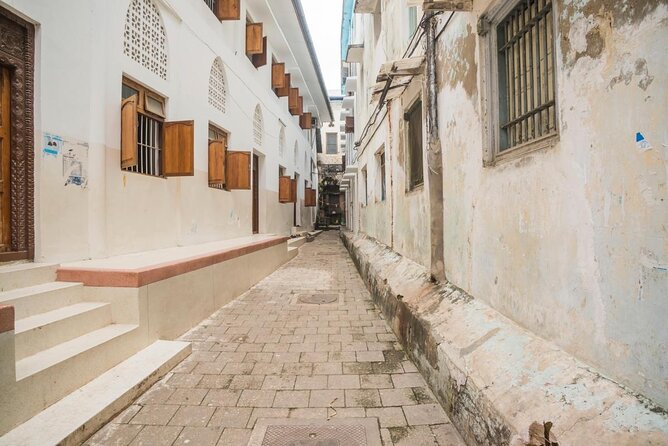
- Ally leads a private Stone Town walk: Your group is the only group on the activity, with room to ask questions and set a comfortable pace.
- The Old Town is the real attraction: Expect carved doors, winding lanes, old mansions, markets, forts, churches, and reminders of Zanzibar’s difficult past.
- You get about two to three hours: That is enough for an introduction and the main sights, but not a detailed visit to every museum.
- The meeting point is Forodhani: The walk ends back at the same meeting point unless another arrangement is made.
- The $20 price is strong value: Guide service and historical commentary are included, but food, drinks, tips, personal expenses, and certain entry fees are not.
- Come ready to walk: A moderate level of fitness is recommended, and comfortable shoes will make the uneven streets easier.
Why Stone Town makes such a good walking tour
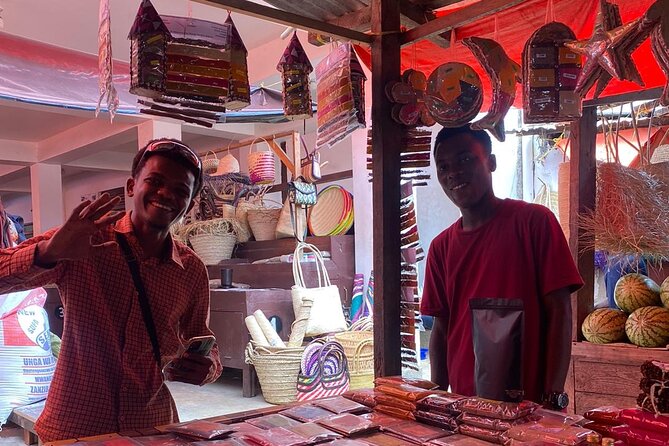
Stone Town is not a place you understand from a vehicle window. Its character is packed into details: a heavy wooden door covered with carvings, a shaded passage between old buildings, a market stall piled with spices, or a weathered wall that hints at several centuries of change.
The town reflects African, Arab, Indian, and European influence. That mix shows up in the architecture, religion, food, language, trade, and street life. A local guide gives those details a human connection. Instead of seeing an old doorway as decoration, you can learn why doors mattered, what they signaled about the owner, and how the town’s trading families shaped its appearance.
I especially like that the tour is not limited to postcard sights. Ally takes you through the better-known stops, but he also points out side lanes and less obvious corners. This matters in Stone Town, where the most memorable moments may come between the official attractions.
The town can be confusing, even when you have a map. Streets bend, lanes narrow, and several areas look similar. A private guide is useful during your first hours here because you can get your bearings while learning what deserves a second visit later.
Other Zanzibar days people book alongside this one:
- Zanzibar: Quad Bike Adventure departing from Kendwa or Nungwi
★ 4.9 · 1,233 reviews - Zanzibar: Prison Island and Nakupenda Boat Trip with Lunch
★ 4.1 · 882 reviews - Skydive Zanzibar | Tandem Skydive
★ 5.0 · 877 reviews
Starting at Forodhani and finding your bearings
The tour begins at Forodhani, the waterfront area in Stone Town. This is a sensible starting point because it places you near the old center and gives you an easy reference point for returning later.
From there, expect the route to turn inland through narrow streets and alleyways. Stone Town is compact, but walking can be slow because of the close buildings, uneven surfaces, shop entrances, and people moving through the lanes. You will want to look up as much as you look ahead. Many of the town’s most striking details sit above eye level.
Ally has been praised for walking at a comfortable pace and for adjusting the route to personal interests. That is useful if you are traveling solo, with a partner, or with a small family group that does not want to hurry from one stop to the next.
The guide also uses the walk as an introduction to Zanzibar beyond the sights. Previous tours have included help with basic Swahili phrases, restaurant suggestions, and ideas for other activities on the island. Those extras are not formal stops, but they can make the tour more useful at the start of a stay.
Carved doors and the architecture of Old Town
The carved doors are one of the easiest features to miss if you are focused only on reaching the next attraction. Take your time here. These doors vary in size, shape, and decoration, and they offer clues about the people and businesses that once occupied the buildings behind them.
The tour’s architecture focus includes old mansions, houses, churches, and the House of Wonders area. Ally explains how Stone Town’s buildings reflect different cultural influences rather than presenting them as a single style.
This is where a guide adds real value. Without context, an old house can look like a tired facade. With a careful explanation, you begin to notice balconies, shutters, decorative patterns, and the relationship between private homes and commercial streets.
You should also keep your expectations measured. Stone Town is historic, but parts of it are worn and weathered. Restoration is uneven, and some buildings may look less polished than photographs suggest. I see that as part of the town’s appeal, but visitors looking for a perfectly preserved open-air museum may find it rough around the edges.
The Old Fort and Zanzibar’s changing power
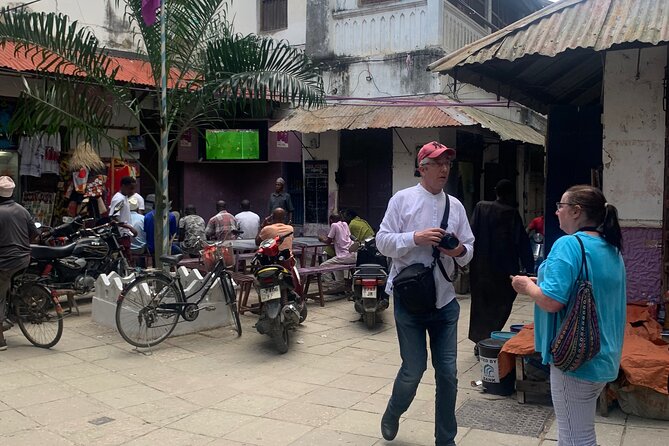
The Old Fort is one of the major stops. Built by the Portuguese in the 17th century and later used by the Omani Arabs, it reflects the strategic importance of Zanzibar and the competition for control of the island.
Its thick walls make the fort feel different from the homes and markets around it. This is a good place to pause and connect Stone Town’s architecture with its political past. The fort is not just an old structure. It is evidence of changing powers, military concerns, and the importance of Zanzibar’s position in Indian Ocean trade.
The tour includes passage to major historical sites, but the supplied details do not promise a long, formal guided visit inside every attraction. If you want extended time at the fort, ask Ally at the beginning how much of the visit will be spent there.
The advantage of a private tour is flexibility. You can spend more time on the sites that interest you most. The tradeoff is that the exact rhythm may depend on your questions, walking speed, and any optional admissions you choose to add.
Same country, a completely different kind of safari:
- Mnemba Island: Dolphin Swim & Snorkeling with Optional Lunch
★ 4.3 · 591 reviews - Zanzibar: Prison Island & Nakupenda Boat Tour with BBQ Lunch
★ 4.4 · 554 reviews - Zanzibar; Prison Island, Nakupenda, StoneTown Tour with BBQ
★ 4.3 · 457 reviews - Zanzibar: Transparent Kayak and Drone (with Pickup Included)
★ 4.9 · 427 reviews
Darajani Bazaar and the everyday side of Stone Town
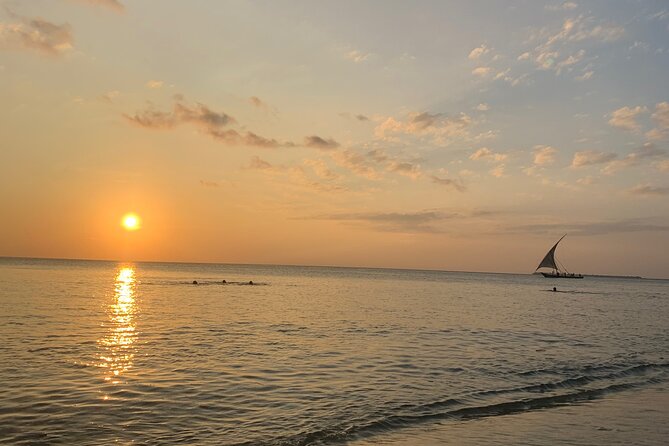
Darajani Bazaar brings you into the working side of the Old Town. It is a useful contrast to grand doors, forts, and former palaces. Here, you can look for spices, souvenirs, and local products while seeing how shopping fits into daily life.
I like having a market on a historical walking route because it keeps the experience from becoming a parade of monuments. Zanzibar’s story is not only found in old buildings. It also lives in what is sold, cooked, carried, and discussed in the streets.
Market visits require a little common sense. Keep personal belongings secure, stay aware of other people, and ask before photographing individuals or stalls. If you want to shop, tell Ally early so he can allow time without making the rest of the route feel rushed.
Food and drinks are not included. The tour is not described as a food walk, so you should plan to buy refreshments separately if needed. Darajani may be a good place to ask for local suggestions, but any purchase is your responsibility.
The Old Slave Market and the harder parts of Zanzibar’s past
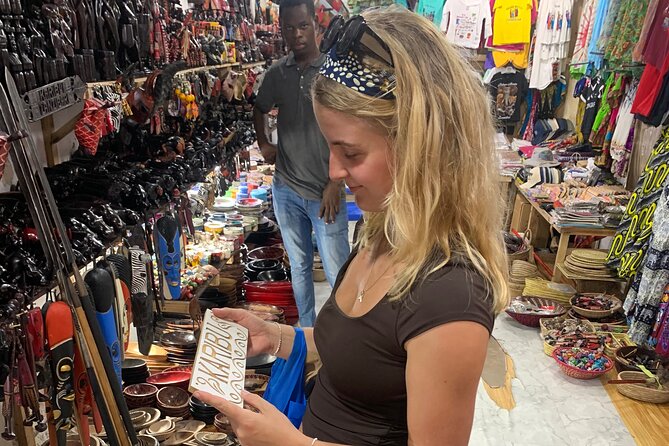
The former slave market is an important stop because it adds difficult history to the tour. Zanzibar was a major center in the East African slave trade, and this site helps explain a part of the island’s past that should not be reduced to picturesque streets and beach scenery.
Expect the subject matter to be serious. This is not a light sightseeing stop, and it may affect the mood of the walk. That is appropriate. A good introduction to Stone Town should include both its beauty and the suffering connected to its trading history.
An admission fee for the Old Slave Market is not included in the $20 tour price. The information provided does not give the current amount, so check locally or confirm with Fun Beach Zanzibar Tours before you go.
If you are especially interested in this subject, tell Ally in advance. He can help you understand how much time is available and whether the scheduled walk gives you enough room for a longer visit.
The Sultan’s Palace and the wider story of Stone Town
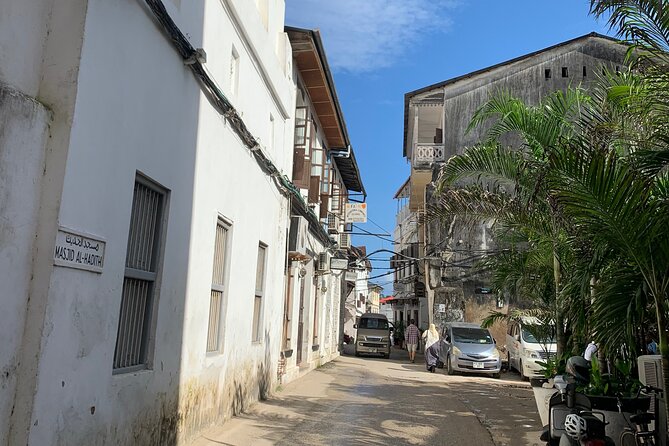
The Sultan’s Palace is included among the historic places associated with the route. It helps explain Zanzibar’s connection to the Omani sultanate and the political importance of Stone Town.
The palace area works well after the fort and market because it shifts the focus from military control to royal and commercial life. You begin to see how government, trade, religion, and domestic life occupied the same small town.
The House of Wonders is also part of the architectural and historical setting Ally explains. The name alone makes it an easy landmark, but its importance comes from what it represents: the ambition and status of the sultanate during a period when Zanzibar was closely linked to Indian Ocean commerce.
The supplied information does not guarantee a full interior visit to the palace or House of Wonders. Treat these as sightseeing and interpretation stops unless you confirm entry details before booking.
Optional rooftop views and sunset timing
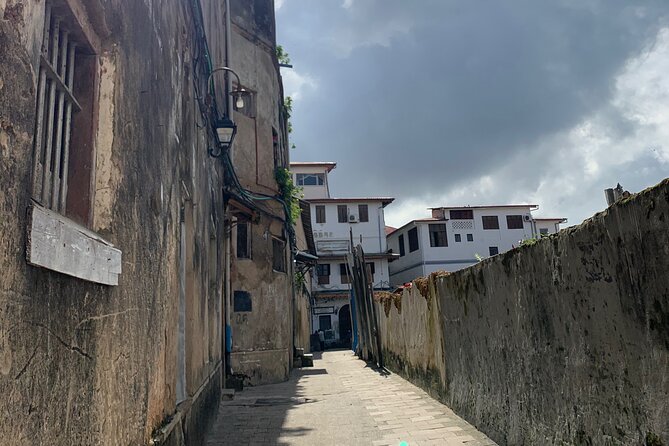
A Swahili house rooftop view is available for an additional admission fee. This can add a change of pace after walking at street level, especially if you want to see how tightly the Old Town fits together.
The rooftop entry is not included, and the tour description does not state the extra price or guarantee a sunset visit. If the view matters to you, ask Ally about timing when you book. One previous walk included a sunset view, but the time of day needs to be arranged around your schedule.
A rooftop stop may suit photographers and anyone who wants a broader sense of Stone Town’s rooftops and old buildings. It is less important if your main interest is the street-level history, market, and architecture.
What the private format feels like
This is a private activity, so only your group participates. That is the strongest practical reason to choose it over a large group walk. You can ask about Zanzibar’s history, pause at a doorway, move quickly through a shop area, or request more time at a place that catches your interest.
Ally’s guiding style is described as friendly, patient, polite, and calm. He has helped solo visitors feel secure, welcomed couples, and adjusted walks for different needs. His English has been easy for non-native English speakers to follow, though any local guide’s pace and phrasing can vary.
Communication through WhatsApp has been useful for last-minute contact and arrangements. If you need pickup from somewhere else in Stone Town, send a message before the tour. Pickup is not automatically provided from every location, and transport from other parts of the island is not included in the stated price.
The meeting point is Forodhani, and the activity ends there. That makes it easy to continue with dinner, return to your hotel, or explore nearby on your own.
Is $20 a good value?
At $20 per person, this is a low-cost way to get a private introduction to Stone Town. The price includes a local guide, Zanzibar history, and passage to the major historic sites. For a two to three hour walk, that is good value if you want orientation and explanation rather than a long series of paid admissions.
The price does not cover tips, food, drinks, personal purchases, the Old Slave Market entry, or the Swahili house rooftop admission. Those extras can change the final cost, so bring some flexibility if you want to enter both places.
I would compare this tour with the cost of arranging a private guide independently. Here, you get a named guide, a set meeting point, and a route that combines the main sights with side streets. You are paying primarily for local context and company, not for transportation or museum tickets.
The tour has a 4.8 rating from 39 reviews, with 97 percent recommended. The most consistent praise centers on Ally’s explanations, patience, communication, warmth, and ability to shape the walk around questions. Those are the qualities that matter most in a walking tour.
Who should book this Stone Town walk?
I would recommend it to first-time visitors who want to understand the Old Town before exploring alone. It also suits solo visitors who prefer a private guide, couples who want a relaxed pace, and anyone interested in architecture, Zanzibar’s political past, or the island’s cultural mix.
It is a good choice after arriving by ferry, since Ally has met people at the ferry area and can help make the first hours in town less confusing. It can also work well before hotel check-in, provided your meeting time is arranged directly.
You should think twice if you want a fully inclusive package with transport, food, and all entrance fees covered. This is a walking introduction, not a complete day of sightseeing. You should also allow for hot weather or rain. A previous walk continued successfully in rainy conditions, with umbrellas arranged along the way, but conditions can still affect comfort.
Wear practical shoes, carry water, and leave room for stops. A moderate level of fitness is recommended. The route is not presented as accessible for every mobility level, and narrow streets may make some sections difficult for wheelchairs or anyone who has trouble walking for several hours.
Booking, cancellation, and planning details
Confirmation is received at booking, and mobile tickets are offered. Free cancellation is available if you cancel at least 24 hours before the local start time. Inside that window, the amount paid is not refunded, and changes are not accepted.
Before booking, confirm your preferred start time, ask about pickup if you are not near Forodhani, and decide if you want the Old Slave Market or rooftop view included in your plan. Those questions can prevent surprises on the day.
A private tour gives you more control, but it helps to use that advantage. Tell Ally if you care most about carved doors, slavery history, markets, royal history, photography, Swahili language, or restaurant advice. The walk can then feel more personal than a standard list of stops.
Should you book Fun Beach Zanzibar Tours?
Book this tour if you want a friendly local guide, a private pace, and a useful first look at Stone Town for $20 per person. Ally’s strongest qualities are his patience, clear explanations, quick communication, and willingness to answer questions or adjust the route.
Skip it if you want every admission included, a vehicle, or a long museum-focused program. For most people spending a first afternoon in Stone Town, though, this is a practical and fairly priced way to learn where you are before setting off on your own.
FAQ
Where does the Stone Town tour begin?
The tour begins at Forodhani in Zanzibar, Tanzania.
Where does the activity end?
The walk ends back at the Forodhani meeting point.
How long does the tour last?
The activity lasts approximately two to three hours.
Who is the guide?
The guide is Ally, also referred to as Ali or Aly in tour information and guest feedback.
Is this a private tour?
Yes. Only your group participates in the activity.
Is pickup available?
Pickup is offered, but pickup from another part of Stone Town must be requested ahead of time. The tour information asks you to send a message if you need this arrangement.
Are entrance fees included?
No. The Old Slave Market admission fee and the Swahili house rooftop admission fee are not included. Food, drinks, tips, and personal costs are also excluded.
Is the tour suitable for anyone with limited mobility?
The activity recommends a moderate level of physical fitness. No specific accessibility details are provided, so you should contact the provider before booking if mobility is a concern.
Can I cancel for a full refund?
Yes, if you cancel at least 24 hours before the experience start time. Cancellations or changes made less than 24 hours before the start time are not refunded or accepted.
Just added around Zanzibar
- Zanzibar: Maasai village and Nungwi turtles experience trip★ 4.9 · 16 reviews
- Zanzibar: Mnemba Atoll, Spice farm, Jozani forest & Lunch★ 3.9 · 3 reviews
- Zanzibar: Maasai World Tour with Cultural Practices★ 4.0 · 4 reviews
- Zanzibar: Kendwa Beach Professional Photoshoot★ 5.0 · 5 reviews
- ZANZIBAR: Jozani Forest,Salaam Cave, The Rock & Blue Lagoon★ 4.8 · 8 reviews
- Zanzibar: Jozani Red Colobos Monkey & Salaam Turtle Santuary★ 4.6 · 3 reviews
- Zanzibar: Jozani Forest Walking Tour★ 5.0 · 3 reviews
- Zanzibar: Jozani Forest,Red colobus,the Rock Restaurant tour★ 4.5 · 21 reviews
Zanzibar Tours, compared.

Prison Island and Nakupenda Boat Trip with Lunch
Read our review →

Mnemba Island: Dolphin Swim & Snorkeling with Optional Lunch
Read our review →
Prison Island & Nakupenda Boat Tour with BBQ Lunch
Read our review →
Prison Island, Nakupenda, StoneTown Tour with BBQ
Read our review →
Transparent Kayak and Drone (with Pickup Included)
Read our review →