Reviewed · SAFARI
Tanzania Safari Join Group
The best thing about this safari is the route: four of Tanzania’s headline parks in six days, with long game drives rather than quick visits. You move from Tarangire’s baobabs and elephants to the wide Serengeti plains, then into Ngorongoro Crater and the forested shores of Lake Manyara.
I like the small vehicle size, capped at six people, because everyone gets a window seat and a better chance to see wildlife. I also like the practical pricing: meals, drinking water, park fees, camping equipment, and transport are bundled into the $1,538.47 cost. The main caution is the pace. Long drives, early breakfasts, several nights in camps, and six-hour game drives will suit an active safari fan more than someone seeking a soft, leisurely holiday.
Key things to know before you book
- Four major parks in one route: Tarangire, Serengeti, Ngorongoro Crater, and Lake Manyara give you a broad taste of Tanzania’s Northern Circuit.
- A maximum of six people per vehicle: Every passenger has a window seat in the custom 4×4.
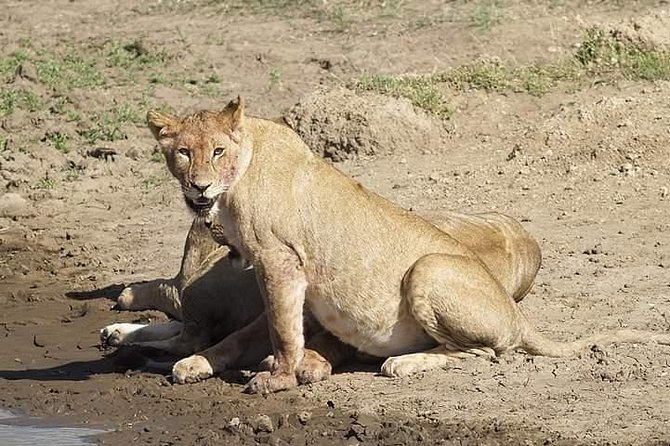
- Serengeti gets three days: This gives you more time to search for lions, cheetahs, leopards, wildebeest, zebra, and other plain animals.
- Camping is part of the experience: Camping equipment, meals, and a safari cook are included, but you should be comfortable with basic camp living.
- The price covers major costs: Park fees, guide-driver service, food, and water are included, while tips, visas, flights, and personal expenses are not.
- Flexible cancellation: You can receive a full refund if you cancel at least 24 hours before the local start time.
A strong Northern Circuit route for $1,538.47
At $1,538.47 per person, this is a budget-minded safari with a useful amount packed into six days. You are not paying only for vehicle transfers and wildlife drives. The package includes park entry fees, a professional guide-driver, camping equipment, drinking water, breakfast, lunch, and dinner during the safari.
That matters in Tanzania, where park fees and long-distance transport can quickly add up. Meals are also handled for you, including picnic lunches on game-drive days. The trip information says three meals per day are provided, though the detailed inclusions list six breakfasts, six lunches, and four dinners. I would confirm the dinner arrangement before paying, especially if you expect dinner every night.
The value is strongest if you want the classic parks and do not need luxury lodges. Accommodation is described around campsites and Fig Tree Lodge, with nights at Seronera and Simba campsites in the route. This is a practical choice for someone who would rather spend money on extra time in the parks than on polished rooms.
One small wording issue is worth noting. The overview refers to a three-day safari in one place, but the day-by-day plan clearly runs from Day 1 through Day 6. Treat it as a six-day itinerary and ask for the final accommodation schedule before departure.
A few more Arusha trips to weigh up
- Balloon Safari & Bush Breakfast in Serengeti – Miracle Experience
★ 5.0 · 1,646 reviews - 4 Days Group Camping Safari
★ 5.0 · 1,101 reviews - 5 Days Group Camping Safari
★ 5.0 · 730 reviews
Why six people in an open-roof 4×4 matters
The safari uses custom-designed 4×4 vehicles with open roofs for game viewing. That open roof is a major part of the experience. You can look up at giraffes and birds, scan the grass for movement, and watch animals without a solid roof blocking your view.
The group limit is six people, and everyone is promised a window seat. That is much better than a crowded vehicle where someone is always leaning across another person to see a lion. It also gives you more room for cameras, water, and day bags, though the available storage space is not specified.
A seat-in-vehicle safari means you share the vehicle rather than having a private car. That keeps the price down, but you will need to accept the group’s rhythm. If one person wants to stay with a pride of lions and another wants to move on, the guide has to balance both wishes.
The guide-driver is central to the quality of the trip. The supplied information describes the guide service as friendly, capable, and good at explaining what you see. A safari guide is not just a driver. The person behind the wheel helps find animals, explains behavior, handles park roads, and keeps the day moving. No guide names are provided, so you cannot request a particular guide in advance from the available details.
Day 1: Tarangire’s elephants and baobabs
The first morning begins with breakfast at about 7:30, pickup at 8:00, and departure at 8:30. The drive to Tarangire takes about two hours, followed by roughly six hours of game viewing and a picnic lunch inside the park.
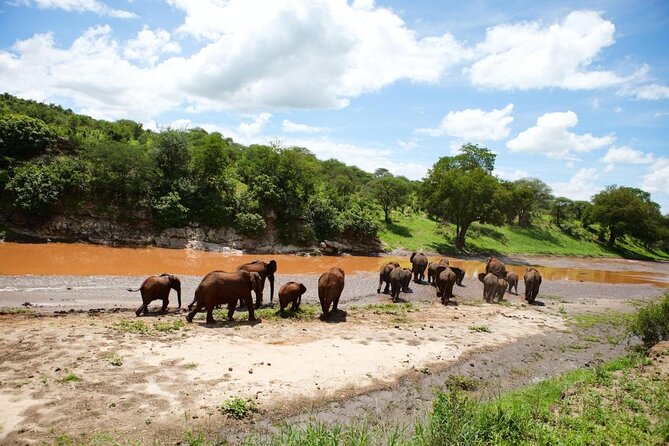
Tarangire is a fine opening act because it looks different from the Serengeti. It is long and narrow, shaped around the Tarangire River, with giant baobab trees and many elephants. The river is important during dry periods, when animals gather near reliable water. You might also see lions, cheetahs, buffalo, impalas, giraffes, zebra, and plenty of birds.
The park’s mix of woodland, grass, and river country makes the first drive varied. The baobabs give you memorable photographs, while the elephant sightings can be especially rewarding. If this is your first African safari, Tarangire quickly shows you why wildlife viewing is not limited to one famous animal.
The tradeoff is the timing. After the two-hour drive from Arusha, you spend six hours in the vehicle before heading to Fig Tree Lodge for dinner and the night. That is a full first day. Pack water, sun protection, and a light layer, and expect road time as well as animal watching.
Day 2: The long approach to the Serengeti
Day 2 starts early, with breakfast around 6:30. The route to the Serengeti includes about four hours of scenic driving and game viewing, with a picnic lunch at Naabi Gate before more time in the park and a later transfer to your accommodation.
The journey itself is part of the safari. The change from Tarangire’s river corridor to the Serengeti’s open plains is one of the great visual shifts on this route. You are not simply being delivered to a destination. You are watching the country open up around you.
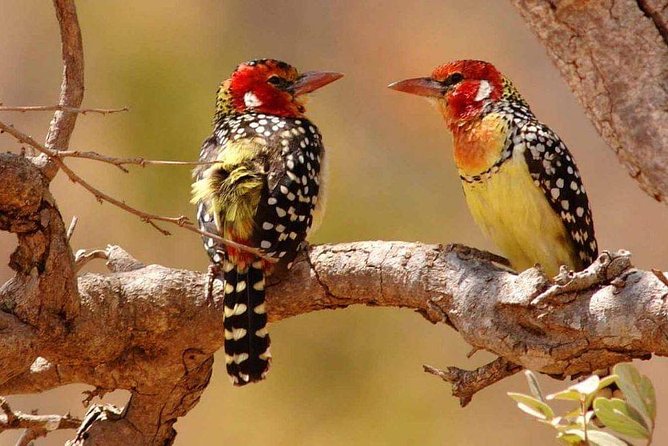
Naabi Gate is the practical pause in the middle of the day. After lunch, the route continues into the Serengeti, where the search begins in earnest for large herds and predators. The park is famous for its plain game, including wildebeest and zebra, but you might also see lions, cheetahs, leopards, hyenas, giraffes, buffalo, and many bird species.
This is also one of the more tiring days. Four hours of driving, a picnic lunch, and another game drive can leave you ready for camp by evening. The reward is that you reach the Serengeti instead of spending the whole day in transit outside the park.
Same country, a completely different kind of safari:
- Tanzania Classic – 7 Days
★ 5.0 · 1,151 reviews - Materuni Waterfalls, coffee tour & Kikuletwa Hot Springs
★ 5.0 · 643 reviews - 3 Days Serengeti & Ngorongoro Group Camping Safari
★ 5.0 · 574 reviews - 7-Day Premium Luxury Tanzania Safari All-Inclusive
★ 5.0 · 426 reviews
Days 3 and 4: Three chances to find the Serengeti’s big animals
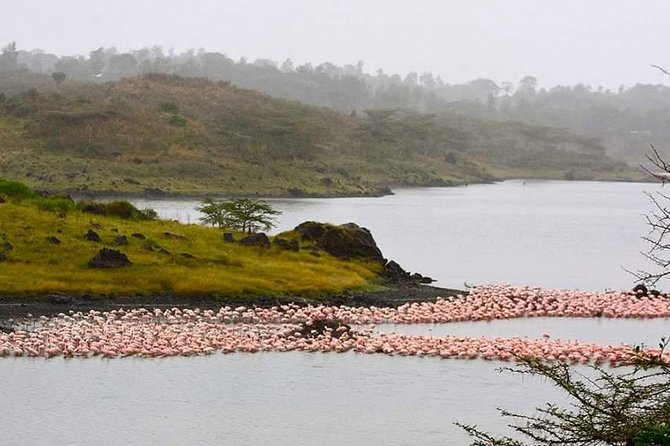
The safari gives you three days connected with the Serengeti, counting the arrival day. That is a major strength. Wildlife is unpredictable, and more time in the park gives you more chances to see behavior rather than simply ticking off species.
Day 3 focuses on the eastern Serengeti plains, an area shaped by the same tectonic forces linked to the Great Rift Valley. The open setting can make the scale of the park clear, with distant animals appearing as small movements across the grass. You begin with an early game drive, return to camp for lunch, and head out again later before reaching Seronera Campsite for dinner and the night.
Day 4 is planned as a full day of game viewing. Breakfast comes before another extended search through the park, with a picnic lunch carried along so you do not need to leave the action for a midday meal. In the late afternoon, you drive to Simba Campsite to rest, eat dinner, and sleep.
Three Serengeti days give the guide time to respond to what is happening in the park. If a predator sighting develops, you have a better chance of being nearby. The route also allows time for the quieter pleasures of safari: watching giraffes move across the plains, seeing birds around water, or simply sitting with a wide view and no city noise.
Still, you should be realistic about comfort. Six-hour game drives mean a lot of sitting on sometimes rough roads. The schedule includes early starts, picnic meals, and camp nights. That is exactly what many people want from an affordable safari, but it is not a resort routine.
Day 5: Ngorongoro Crater and the search for rhino
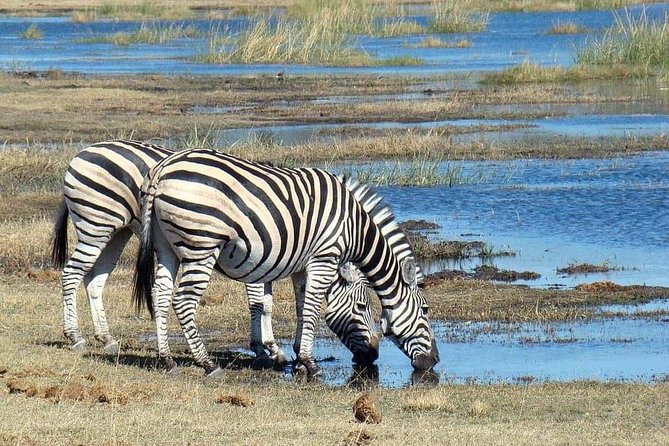
After breakfast, you leave the Serengeti for Ngorongoro Crater. The crater game drive is one of the most concentrated wildlife experiences on this route. Its enclosed setting can make it easier to see a broad mix of animals in one day.
The crater is especially noted here for black rhino and prides of lions, including large black-maned males. You might also see flamingoes, water birds, leopard, cheetah, hyena, antelope, and smaller mammals. The combination of open ground and water areas gives the guide several types of habitat to check.
A crater drive feels different from the Serengeti. In the Serengeti, the sense of space is enormous. In Ngorongoro, the surrounding walls give the day a more contained setting, with a good chance of seeing several species within a relatively compact area.
After the drive, you head to Fig Tree Lodge for dinner and the night. This day follows the same pattern as the others: breakfast, a major drive, picnic-style or field-based eating, and a late arrival at your accommodation. You will appreciate having dinner arranged, but you may also feel the accumulated fatigue by this point.
Day 6: Lake Manyara’s forest and Rift Valley views
The final park is Lake Manyara, a short drive from Fig Tree Lodge. The park sits below the Rift Valley escarpment, which forms a striking backdrop to the lake and gives the final day a different mood from the open Serengeti.
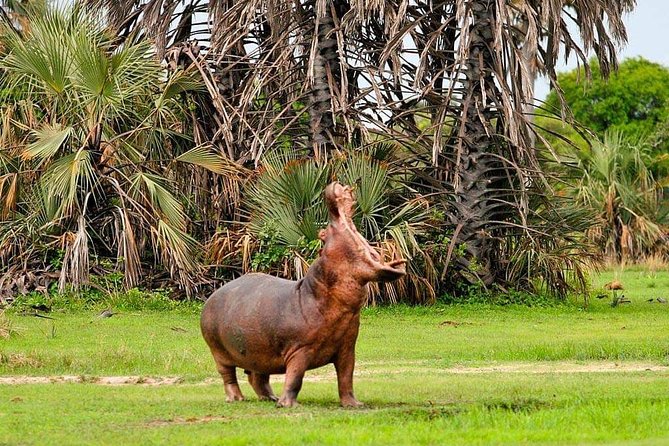
The ground-water forest is home to monkeys moving through the trees. Elephants often rest in the shade near the escarpment, while zebra, impala, giraffe, buffalo, hippos, and other animals may appear during the drive. Birdlife is another reason to pay attention, especially around the lake and wet areas.
Lake Manyara is a good final stop because it adds forest, lake, and escarpment scenery to a route already heavy on plains and crater country. It also avoids ending the safari with only a long transfer back to Arusha.
After about six hours in the park, you return to Tourist Inn Hotel in Arusha in the late afternoon. The activity ends back at its starting point, making it convenient if you are continuing your Tanzania trip from Arusha or need to collect luggage there.
Camping, food, and daily comfort
Camping equipment is included, as is a safari cook. The food arrangement is one of the stronger practical features of this trip. Meals are prepared throughout the safari, and the available feedback describes the cooking as satisfying and, in some cases, surprisingly good for a budget trip.
You receive drinking water, which is important on long drives and warm game-viewing days. Picnic lunches also keep the schedule moving. You will not need to return to a lodge at midday, but you should carry any personal snacks or special drinks you require because personal items are not included.
The accommodation mix matters. Fig Tree Lodge appears in the plan, while Serengeti and Simba are listed as campsites. You should ask whether tents are already set up, what bedding is supplied, and whether the campsite facilities meet your needs. The information confirms camping equipment, but it does not describe tent size, showers, toilets, or electricity.
This safari is best for you if you can handle basic conditions and care more about park time than room finishes. If you need a fixed bed, private bathroom, and a quiet evening every night, check the accommodation details carefully before booking.
What the schedule asks of you
The start point is Global Enterprise Co. Ltd on Sokoine Road in Arusha. Pickup is offered, and the stated start time is 8:30 am. Since the Day 1 plan includes pickup at 8:00 and departure at 8:30, confirm the exact pickup point and time when you book.
Most people can take part, and the activity is near public transportation. No special physical requirement is listed, but the practical challenge is stamina rather than athletic ability. You will spend many hours seated in a 4×4, rise early, eat some meals outdoors, and change accommodation during the route.
The trip includes all fees and taxes, park entry fees, guide-driver service, food, water, and equipment. You still pay for tips to the guide, driver, and safari cook, along with personal purchases, visas, and international flights. Plan for those extras instead of treating the advertised price as the complete cost of your Tanzania holiday.
Free cancellation is available if you cancel at least 24 hours before the local start time. Cancellations or changes inside that 24-hour window are not accepted for a refund.
Who will get the most from this safari
I would recommend this route to a first-time safari visitor who wants the famous Northern Circuit parks in one well-packed trip. You get Tarangire’s elephants, Serengeti’s open plains, Ngorongoro’s concentrated wildlife, and Lake Manyara’s forest and lake setting without arranging separate park visits.
It also suits solo visitors or couples who want a shared safari at a lower cost than a private vehicle. The six-person limit is small enough to make the vehicle workable, and the promise of a window seat removes one common problem on group drives.
Families and older visitors should study the pace carefully. The itinerary is full, and six-hour drives are repeated across the week. The information says most people can participate, but it does not describe child pricing, vehicle accessibility, or special medical support.
You should also book with clear expectations about wildlife. Lions, elephants, giraffes, zebra, wildebeest, hippos, and birds are all possible, while rhino, leopard, cheetah, and a predator kill are rarer treats. No ethical safari can guarantee a particular sighting, so the strength of this trip is the range of habitats and the amount of time spent searching.
Should you book it?
Book this Tanzania safari if you want a value-focused six-day route through the Northern Circuit, can accept camping, and prefer more park time to luxury. The four-park plan is excellent on paper, and the small open-roof vehicle, included meals, water, equipment, and fees make the price easier to justify.
Think twice if you want a slow schedule, high-end lodging, or a private vehicle. Before booking, confirm the exact camps, dinner count, pickup arrangements, and the apparent three-day wording error in the overview. If those details match your expectations, this is a strong way to get your first taste of Tanzania’s best-known wildlife parks.
FAQ
How long is the safari?
The day-by-day schedule runs for six days, from Day 1 through Day 6. One part of the tour information refers to three days, so confirm the six-day schedule when booking.
Which national parks are included?
The route visits Tarangire National Park, Serengeti National Park, Ngorongoro Crater, and Lake Manyara National Park.
How many people can share one vehicle?
The maximum is six people per vehicle. Each person is provided with a window seat.
Is pickup available?
Yes. Pickup is offered, and the stated meeting point is Global Enterprise Co. Ltd on Sokoine Road in Arusha.
What time does the safari start?
The stated start time is 8:30 am. Day 1 also notes pickup at 8:00 am, so confirm your exact pickup time in advance.
Are meals included?
Yes. The inclusions specify breakfast, lunch, dinner during the safari, and three meals per day. The detailed list shows six breakfasts, six lunches, and four dinners, so confirm the dinner schedule before departure.
Is drinking water included?
Yes. Drinking water is included during the safari.
Is camping equipment provided?
Yes. Camping equipment is included. The supplied information does not specify tent, bedding, bathroom, or electricity arrangements.
Are park entry fees included?
Yes. All fees and taxes are included, and the detailed itinerary specifically marks the Ngorongoro Crater and Lake Manyara admission as included.
What is not included in the price?
Tips for the guide, driver, and safari cook are not included. International flights, visas, and personal expenses are also excluded.
Can I cancel for a full refund?
You can receive a full refund if you cancel at least 24 hours before the experience start time. Cancellations or changes made less than 24 hours in advance are not accepted.
Just added around Arusha
- 8 Days Serengeti Migration safari★ 5.0 · 11 reviews
- tarangire, ngorongoro & lake manyara park 3 days private tour★ 5.0 · 11 reviews
- tarangire & ngorongoro 2 days tour★ 5.0 · 14 reviews
- Mt. Kilimanjaro: Shira plateau to Cathedral point 3872m Day hike★ 5.0 · 7 reviews
- serengeti, ngorongoro & tarangire 4 days private tour★ 5.0 · 18 reviews
- serengeti & ngorongoro 3 days private tour★ 5.0 · 15 reviews
- 2 Days Tanzania Midrange Group Join Safari★ 5.0 · 7 reviews
- climb the KILIMANJARO via Lemosho route★ 5.0 · 4 reviews
Safari, compared.

Serengeti Balloon Safari and authentic bush breakfast
Read our review →
Mikumi Safari Day Trip with Flights and Meal
Read our review →


3 Days Serengeti & Ngorongoro Group Camping Safari
Read our review →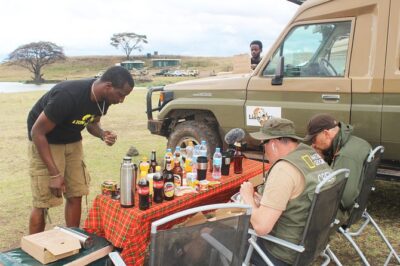
7-Day Premium Luxury Tanzania Safari All-Inclusive
Read our review →