
Reviewed · ZANZIBAR SPICE FARM TOURS
Spice Farm – spice up your life in Zanzibar
Zanzibar’s spice farms turn a familiar list of kitchen ingredients into a hands-on country outing. You’ll smell fresh cinnamon, cloves, vanilla, nutmeg, ginger, and lemongrass where they grow, then taste tropical fruit and eat a local meal cooked with the same flavors.
I like the way this tour links farming with Zanzibar’s trading past, and I like that lunch takes place at the farm instead of sending you back to a hotel restaurant. The main consideration is organization: most of the feedback is excellent, but one serious complaint involved a missed hotel pickup and unreachable contacts, so confirm your arrangements before departure.
Key points to know before you go
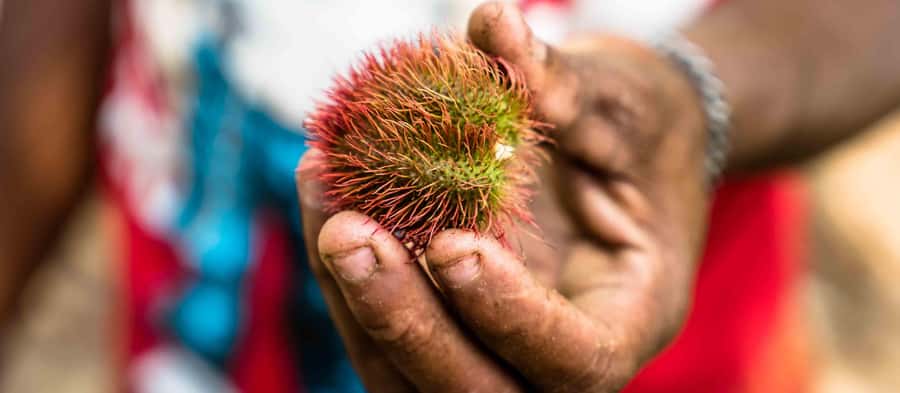
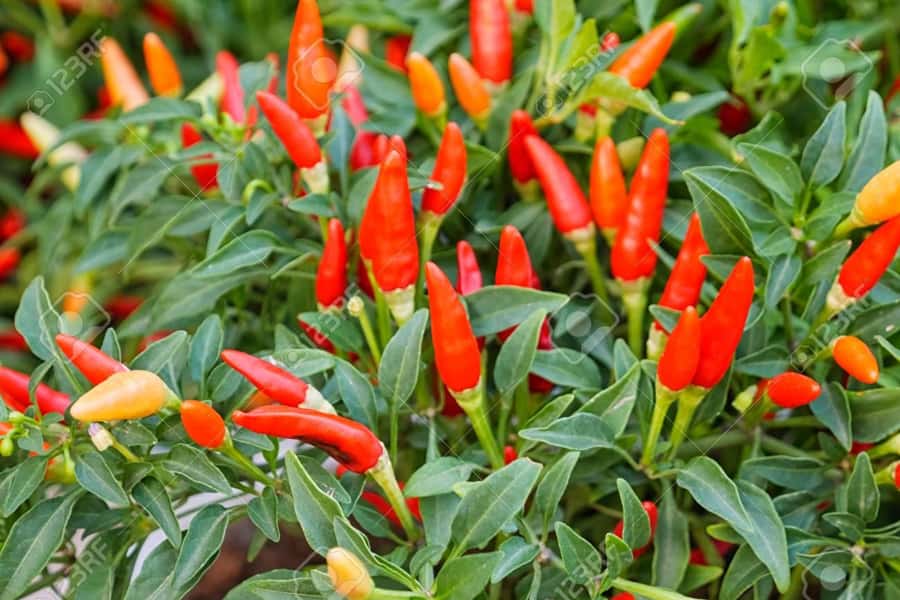
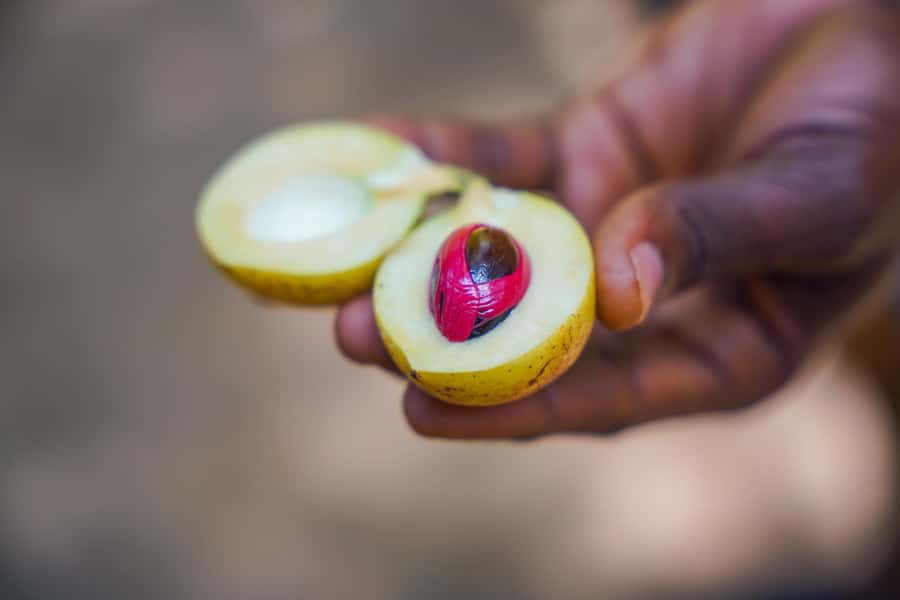
- Fresh spice tasting: Smell and taste cinnamon, vanilla, cloves, nutmeg, pepper, chili, ginger, cumin, and other crops as your guide explains their uses.
- Fruit as part of the tour: Expect fresh mango, passion fruit, avocado, papaya, grapefruit, bananas, pineapple, tamarind, and more when available.
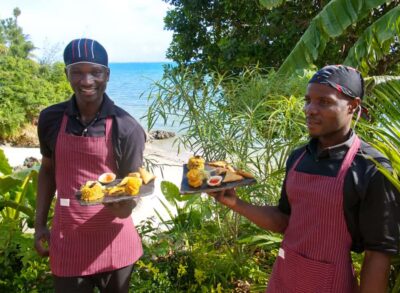
- Traditional farm lunch: A local kitchen prepares a Swahili meal seasoned with Zanzibar’s own herbs and spices.
- Village and plantation setting: The outing takes you beyond the beach into rural Unguja, with contact with local farmers and communities.
- Hotel transport included: Pickup and return, bottled water, fuel surcharges, taxes, and service fees are included in the $60 price.
- Flexible booking: You can reserve now and pay later, with a full refund available if you cancel at least 24 hours ahead.
Why Zanzibar became the Spice Island

Zanzibar’s spice story began long before modern sightseeing. In the 16th century, spices arrived from Asia and Latin America, and the island’s hot, wet tropical climate proved ideal for growing them.
Cloves, nutmeg, cinnamon, vanilla, and pepper became important trade goods. That background gives the farm visit more weight than a simple walk through plants. You are seeing crops connected to cooking, medicine, commerce, and daily life across the island.
The tour takes place in the Unguja South Region, away from the busiest coastal strips. You pass into rural areas where plantations and villages provide the setting. The point is not to admire a formal botanical garden. It is to see useful plants growing in a working local environment and hear how people use them.
I find that distinction important. A spice display in a shop can tell you what something costs. A farm visit shows you what it looks like, how it smells, and why it matters.
More Zanzibar Spice Farm Tours in Kendwa:
- Zanzibar: Stone Town, Spice Tour, Prison Island with Lunch
★ 4.4 · 1,219 reviews - Zanzibar: Prison Island, Stone Town, & Spice Farm Tour
★ 4.5 · 579 reviews - Zanzibar: Stone Town, Spice tour & Prison Island with Lunch
★ 4.6 · 453 reviews
Walking through the farm, one scent at a time
Your guide leads you through the plantation and explains the plants as you go. Cinnamon, vanilla, nutmeg, lemon grass, cloves, ylang-ylang, cumin, ginger, pepper, tamarind, and chili are all part of the experience.
This is a sensory tour, so pay attention to your nose and hands as well as your camera. You may recognize a spice instantly in a meal but not recognize the plant itself. On the farm, the guide connects the raw crop with its use in food and traditional remedies.
Cinnamon is especially rewarding because its familiar smell becomes easier to understand when you encounter the plant itself. Vanilla offers a similar lesson. Most people know vanilla as a sweet flavor, but seeing the source in a tropical growing environment gives the ingredient a stronger sense of place.
Cloves are central to Zanzibar’s spice identity. Their scent is powerful, and their importance helps explain why the island earned its famous nickname. Nutmeg, pepper, ginger, and chili add a useful contrast. Some are warm and sweet, others sharp, earthy, or hot.
The guide also explains culinary and medicinal uses. That makes the walk practical rather than purely descriptive. You learn why a plant is used, not just what it is called.
The language choice is a helpful feature. Tours are offered in English, Italian, German, French, and Russian. No individual guide names are provided, but the guides are expected to lead the walk with humor as well as information. That light touch matters during a plant-heavy outing, especially if you are traveling with children or with people who do not normally seek out agricultural tours.
The rural side of Unguja
The plantation visit is also a chance to see a different side of Zanzibar. Beaches and coral-water views draw many people to the island, but the interior tells a quieter story.
You pass through rural areas and villages, with local farmers helping visitors identify crops. This contact gives the outing a human scale. You are not simply reading labels beside imported plants. You are learning from people connected to the growing and use of the crops.
Do not expect a polished museum or a tightly staged performance. The appeal is the farm setting and the direct explanation. Conditions may feel simple, and the pace depends on the walk, the guide, and what is growing at the time. That is part of the charm, but it also means you should come ready for a straightforward outdoor experience rather than a luxury attraction.
I would choose this tour when I want a break from the coast and a better understanding of Zanzibar beyond its resort areas. It suits curious adults, families interested in food, and anyone who enjoys learning through taste and smell.
Tropical fruit makes the walk feel like lunch has already begun
The fruit tasting is one of the tour’s most enjoyable details. You may taste mangoes, passion fruit, avocado, papaya, local grapefruit, bananas, pineapples, and other tropical produce.
These are not just filler between spice explanations. Fruit gives you another way to notice the island’s climate and food culture. A mango eaten close to where it grows has a different sense of place from a piece served in a hotel breakfast buffet.
Passion fruit brings sharp acidity, papaya is soft and mellow, and pineapple adds a bright sweetness. Avocado and grapefruit show a different side of tropical produce. The variety also means the tasting is not limited to sweet flavors.
Availability can vary with the farm and season, so treat the list as a guide rather than a guarantee that every item will be served. The tour description promises fresh tropical fruit, but it does not specify exact quantities or a fixed menu.
A few more Kendwa trips to weigh up
- Full-Day Private Stone Town +Spice Farm and Prison Island Tour
★ 4.5 · 216 reviews - Zanzibar: Stone Town & Spice Farm Tour with Lunch
★ 4.5 · 97 reviews - Zanzibar:Stone Town & Spice Farm Private Tour Lunch Included
★ 4.2 · 94 reviews - Zanzibar full day Jozani forest + Spice farm and stone town
★ 4.7 · 90 reviews
A Swahili lunch cooked at the farm
Lunch is included, and it is served at the farm. This is one of the strongest reasons to consider the tour at $60 per person.
You will eat traditional Zanzibar food prepared in a local kitchen and seasoned with herbs and spices from the island. The meal is designed to fit the setting, so the spices you have just seen become part of what you taste.
That connection is valuable. You are not learning about cloves in the morning and then eating an unrelated meal later. The farm walk, the spice explanations, and the cooking come together at the table.
Expect the food to be part of the cultural experience, not a restaurant-style tasting menu. The available information does not give a fixed menu, so do not book this expecting a specific dish. What you can count on is a local meal prepared with Zanzibar flavors.
Food receives some of the warmest praise attached to this outing. The meal is described as delicious, well presented for the theme, and a fitting end to the plantation visit. I would keep lunch in mind when comparing this with a cheaper spice stop that may only include a walk and a shop.
What the $60 price covers
The cost is $60 per person. That is a reasonable package if you value transport, a meal, guided interpretation, and food tasting in one outing.
Included are:
- Hotel pickup and drop-off
- Local lunch at the farm
- Bottled water
- Taxes
- Fuel surcharges
- Service fees
The transport matters in Zanzibar. You do not need to arrange separate transfers to a rural plantation, and the return journey is part of the booking. Several comments describe pickup and return as working perfectly, which suggests that the basic transport plan can be well managed.
Still, one damaging complaint reported that the promoter did not appear at the hotel, did not answer emails, and supplied a phone number that was not assigned. Since the rest of the feedback is strongly positive, this looks like an organization problem rather than a criticism of the farm visit itself. Even so, it is worth taking seriously.
I recommend confirming the pickup time and contact details before the day of the tour. Make sure you have the provider’s current contact information, not only the number sent in an old message. That simple step protects the part of the experience you cannot replace: getting there.
The overall rating is 4.6 from 18 reviews, with repeated praise for the food, explanations, guides, and transport. That is a strong result, but the single failed pickup complaint means I would not book this casually without checking the arrangements.
Who will get the most from this outing
This experience is a good match for you if you:
- Want to understand Zanzibar through food and farming
- Prefer a cultural outing to another day at the beach
- Enjoy tasting unfamiliar fruit and ingredients
- Appreciate a guide who explains both cooking and medicinal uses
- Want hotel transport and lunch bundled into the price
- Are comfortable with a simple farm setting rather than a polished attraction
Families may like the variety. Children can smell spices, taste fruit, and see plants instead of sitting through a long history talk. The tour also suits food-minded visitors who want to recognize the ingredients behind Swahili cooking.
It may be less suitable if you want a short, highly structured stop with exact timing and a guaranteed menu. No tour duration, group size, or fixed lunch dishes are provided. If those details matter to you, ask before booking.
The multilingual format also helps mixed-language groups. English, Italian, German, French, and Russian are listed as available languages. You should request your preferred language when reserving, since the information does not say whether every language is offered on every departure.
Small details that improve the day
Wear clothing suitable for a rural plantation walk. The available information does not specify trail conditions, so practical clothes and shoes are sensible. Bottled water is included, but you may still want to bring sun protection for time outdoors.
Bring room in your luggage for purchases. The tour gives you a chance to buy spices as gifts, and small packets of cinnamon, cloves, vanilla, or other seasonings are more useful souvenirs than another generic beach item.
Try to smell each spice before tasting it. Your memory of the tour will be stronger if you notice how different the raw ingredients are from the finished foods you know at home.
Also, do not rush lunch. The meal is not just a break in the schedule. It is where the farm visit makes sense as a whole. You have seen the plants, heard how they are used, and then taste those flavors in a local preparation.
You can reserve and pay later, which helps if your Zanzibar plans are still shifting. Cancellation is allowed with a full refund up to 24 hours in advance. Keep that flexibility in mind if your hotel or transport plans are uncertain.
Should you book the Spice Farm tour?
I would book this tour if you want a friendly, food-centered look at rural Zanzibar and you value having transport, a farm lunch, and a guide included. The strongest parts are the sensory spice walk, the tropical fruit tasting, and the meal prepared in a local kitchen.
I would pause if your schedule cannot tolerate a pickup problem, then confirm all contact details before paying or traveling. The isolated service complaint should not erase the many positive signs, but it is a useful reminder that practical communication matters.
For most people, $60 offers good value because the outing combines several separate costs into one package. You get beyond the coast, meet local people, learn how Zanzibar’s famous crops are used, taste the results, and take home a few edible souvenirs. If that sounds more appealing than another standard sightseeing stop, this is a worthwhile addition to your Zanzibar plans.
FAQ
Where does the Spice Farm tour take place?
The tour takes place in the Unguja South Region of Zanzibar, Tanzania. It visits rural areas, villages, and spice plantations.
What spices can I see and taste?
The tour includes cinnamon, vanilla, nutmeg, lemon grass, cloves, ylang-ylang, cumin, ginger, pepper, tamarind, chili, and other spices and herbs.
What fruit is included?
You may taste mangoes, passion fruits, avocado, papaya, local grapefruits, bananas, pineapples, and other tropical fruit.
Is lunch included?
Yes. A traditional Zanzibar lunch is included and prepared at the farm in a local kitchen using local herbs and spices.
Is hotel transportation included?
Yes. Hotel pickup and drop-off are included, along with bottled water, taxes, fuel surcharges, and service fees.
Which languages are available?
The tour is offered in English, Italian, German, French, and Russian.
Can I cancel the booking or pay later?
Yes. You can reserve and pay later. A full refund is available when you cancel at least 24 hours in advance.
Just added around Kendwa
- Zanzibar jetski Adventure Tour★ 4.9 · 6 reviews
- ZANZIBAR: BLUE SAFARI TOUR WITH LUNCH★ 5.0 · 3 reviews
- Zanzibar: African Sunset Boat Party in Zanzibar Music, Views★ 4.3 · 3 reviews
- sunset dow cruise at kendwa beach★ 4.7 · 3 reviews
- Zanzibar: Sunset Dhow Cruise★ 4.2 · 15 reviews
- Stone Town, Jozani Forest, Sea Turtles & The Rock Restaurant★ 4.8 · 14 reviews
- Nungwi: Mnemba Atoll Dolphins Tour with Snacks | Half-day★ 4.0 · 7 reviews
- Nungwi and Kendwa: Sunset Cruise Dhow★ 3.7 · 3 reviews
Zanzibar Spice Farm Tours, compared.

Stone Town, Spice Tour, Prison Island with Lunch
Read our review →
Stone Town, Spice tour & Prison Island with Lunch
Read our review →
Full-Day Private Stone Town +Spice Farm and Prison Island Tour
Read our review →

The Swahili Spice Experience – Spice Tour + Culinary Journey
Read our review →Browse the lists this tour appears in