Reviewed · SAFARI
Safari & Culture
The unusual strength here is the mix: classic northern Tanzania safari plus a close look at daily life around Lake Eyasi. You may watch elephants beneath baobabs one day, search for lions in the Serengeti the next, then spend time with Hadzabe hunters and Datoga metalworkers. I like that this is a private trip, and I like that the guides include experienced names such as Joseph and Roussagé, both praised for finding animals and positioning vehicles well for photography.
The trade-off is time on the road. Day 2 takes about 10 hours, and several other days run eight to 10 hours. The price of $2,572.31 per person can make sense for a private six-day safari with several major parks, but you should confirm exactly what lodging, park fees, meals, and the Ngorongoro admission charge include before paying.
Key points at a glance
- Tarangire’s elephant country: Look for large elephant herds among baobabs, acacias, and varied vegetation.
- Two Serengeti days: One long transfer introduces the park, followed by a full game-drive day focused on the Big Five and many smaller species.
- Ngorongoro from rim to crater floor: The route passes through rainforest before dropping into a 260-square-kilometer caldera.
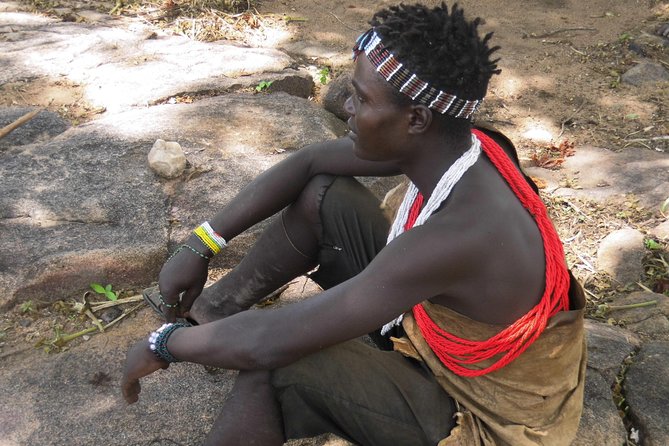
- Lake Eyasi cultural visit: Meet Hadzabe communities and see Datoga artisans make jewelry with local tools.
- Private guiding: Only your group takes part, with guides such as Joseph and Roussagé available through Serengeti One Safaris.
- A demanding six days: Expect early starts, packed lunches, long drives, and simple tented accommodation on at least part of the route.
Why this six-day route works
Northern Tanzania gives you a rare choice: spend nearly all your time looking for animals, or add people and place to the picture. This route tries to do both. You get three major wildlife areas, then a cultural day near Lake Eyasi that changes the rhythm of the trip.
I like that progression. Tarangire is a gentler opening, with a shorter drive from Arusha and a strong chance of seeing elephants. Serengeti then supplies the wide-open safari drama. Ngorongoro brings a concentrated wildlife day inside an ancient volcanic caldera. The final cultural visit gives you something different to remember besides a list of animal sightings.
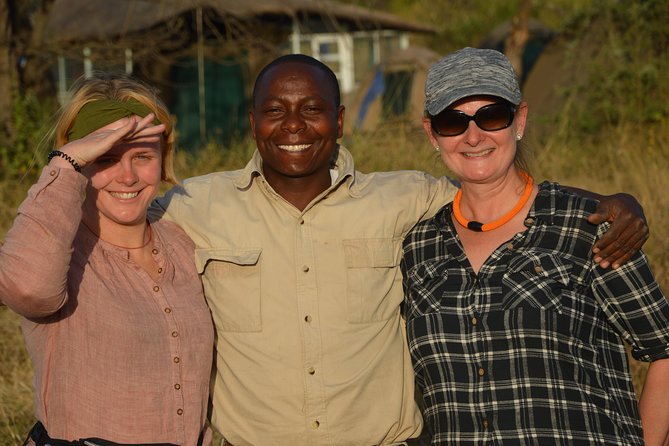
The route is private, so you are not tied to a large group’s pace. That matters on game drives. You can spend more time watching an animal, ask questions as they occur to you, and discuss photo positions with the driver. The published information does not give a fixed guide assignment, but Joseph and Roussagé are named guides associated with this operator. Joseph is described as having 20 years of driving in Tanzania’s parks, while Roussagé is praised for his knowledge of animals, birds, plants, and park routes.
This is not a relaxed lodge holiday. The schedule includes several full days, long transfers, early departures, and a combination of camping and tented accommodation. If you want a slow trip with late breakfasts and plenty of free time, this route will feel busy. If you have only six days and want a broad sample of northern Tanzania, it packs a great deal into the calendar.
A few more Arusha trips to weigh up
- Balloon Safari & Bush Breakfast in Serengeti – Miracle Experience
★ 5.0 · 1,646 reviews - 4 Days Group Camping Safari
★ 5.0 · 1,101 reviews - 5 Days Group Camping Safari
★ 5.0 · 730 reviews
Day 1: Baobabs and elephants in Tarangire
The first drive from Arusha to Tarangire takes about two to three hours. That is a useful opening transfer because you reach the park without spending the whole first day in the vehicle.
Tarangire is named for the Tarangire River, described here as the only water source for animals in the area. Its nine growth zones create changing scenery, from open savannah to areas filled with acacia and baobab trees. Those trees can steal your attention before the wildlife does. A huge baobab beside a safari vehicle is one of the park’s signature sights.
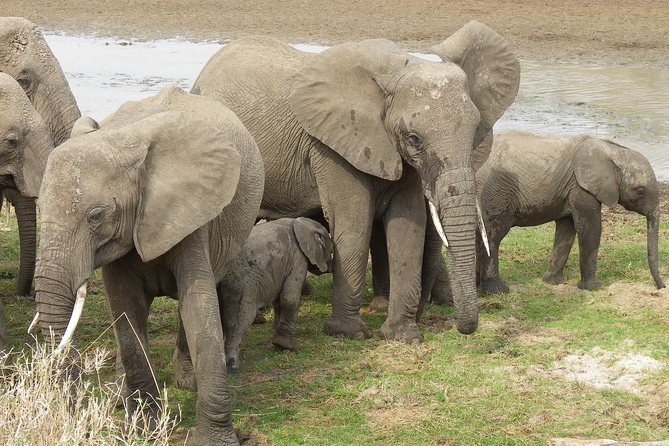
The main draw is elephants. This park is particularly known for large numbers of them, including some of the biggest elephants in the world. You may see them moving across the open ground, feeding near trees, or gathering close to water. The tour allows about eight hours for the park, giving the driver time to search rather than rush from one viewing point to another.
The useful thing about starting here is contrast. Tarangire does not look like the Serengeti. The trees give the scenes more shape, and the baobabs make even an ordinary animal sighting feel distinct. Bring patience and keep watching the roadside between major sightings. The scenery is part of the attraction.
Day 2: Crossing Ngorongoro country into the Serengeti
After breakfast and checkout, you travel toward Serengeti National Park through the hilly plateaus around Ngorongoro. This is a long day, about 10 hours, and includes a packed lunch.
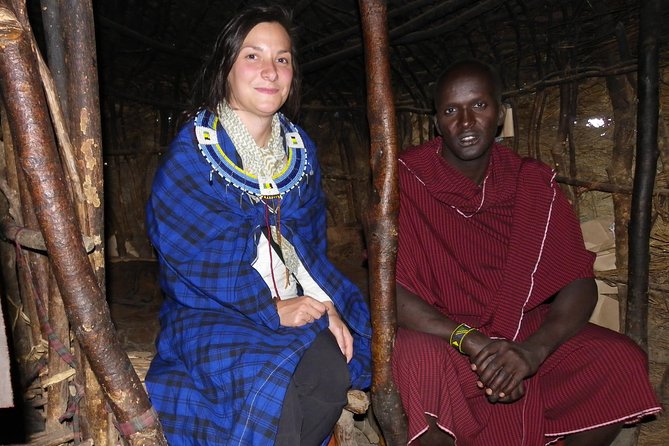
The route provides a gradual change in scenery. You pass areas associated with Maasai life, including round huts, red-clad residents, cattle, and open grazing country shared with zebras, wildebeest, and giraffes. The cultural details here are viewed along the route, not presented as a separate village visit, so keep your expectations clear.
Serengeti means the place where the land runs on forever in the Maasai language. That name fits the feeling of the park. It covers about 14,750 square kilometers, with grassland plains, savannah, riverine forest, and woodland. You do not see all of it in two days, of course, but even the drive into the park gives you a sense of its scale.
The long transfer is the day’s drawback. Ten hours can be tiring, especially after an early breakfast and a previous safari day. It is also the price of linking Tarangire, Serengeti, Ngorongoro, and Lake Eyasi in a six-day schedule. The overnight at Dik-dik Campsite keeps you in the safari circuit rather than sending you back toward Arusha.
Day 3: A full Serengeti game drive
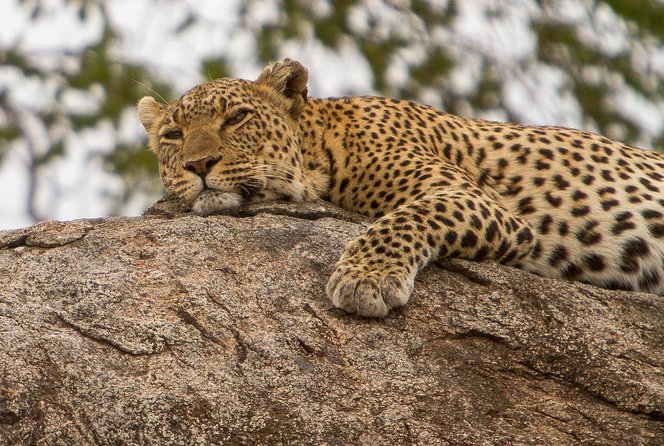
Day 3 is the route’s main wildlife day. You spend about 10 hours on a full game drive in the Serengeti, searching for lions, leopards, elephants, rhinos, and buffalo.
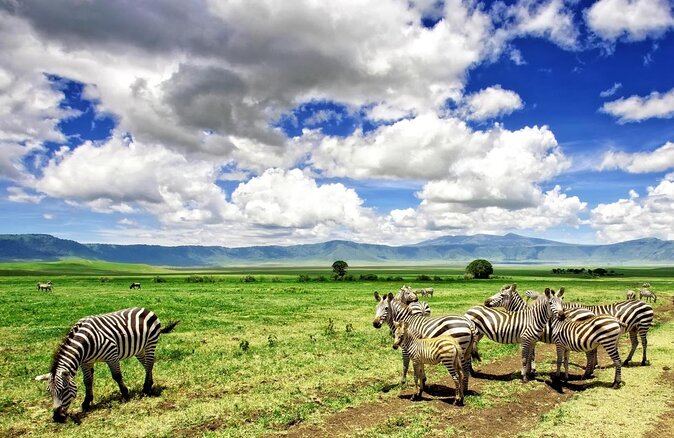
The Big Five are the headline, but they are not the whole show. The park also supports Thompson’s gazelles, Grant’s gazelles, topi, eland, warthogs, eagles, ostriches, and many other species. Hippo pools add another kind of sighting. You may not see every animal listed, and no responsible safari can promise that, but the range of habitats gives your guide plenty to look for.
This is where a private vehicle and an experienced driver can make a practical difference. Joseph is described as having spent two decades driving in Tanzania’s parks. Roussagé is praised for identifying animals, birds, and plants and for knowing where to look. A strong guide does more than point at a lion. You want someone who can explain behavior, scan patiently, and help place the vehicle for a clear view without turning the sighting into a rushed stop.
Photographers should pay attention to the guide assignment. One past client who had taken several safaris with Joseph especially valued his ability to locate animals and position the vehicle for photographs. That is useful information if you are bringing serious camera equipment. Still, the tour does not promise a particular guide, so ask at booking if Joseph or Roussagé is important to you.
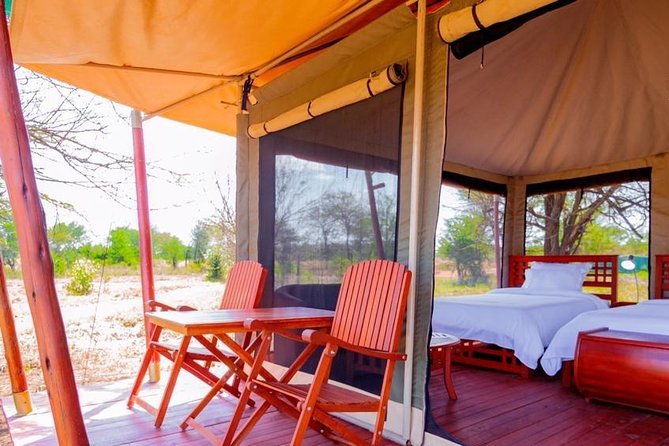
You spend the night at Embalakai Tented Camp. The information supplied does not specify the full room setup or meal plan, so confirm those details before departure. A tented camp can be a memorable part of a safari, but it is different from a city hotel. Ask what is included and what facilities are available.
Same country, a completely different kind of safari:
- Tanzania Classic – 7 Days
★ 5.0 · 1,151 reviews - Materuni Waterfalls, coffee tour & Kikuletwa Hot Springs
★ 5.0 · 643 reviews - 3 Days Serengeti & Ngorongoro Group Camping Safari
★ 5.0 · 574 reviews - 7-Day Premium Luxury Tanzania Safari All-Inclusive
★ 5.0 · 426 reviews
Day 4: Down from the Ngorongoro rim
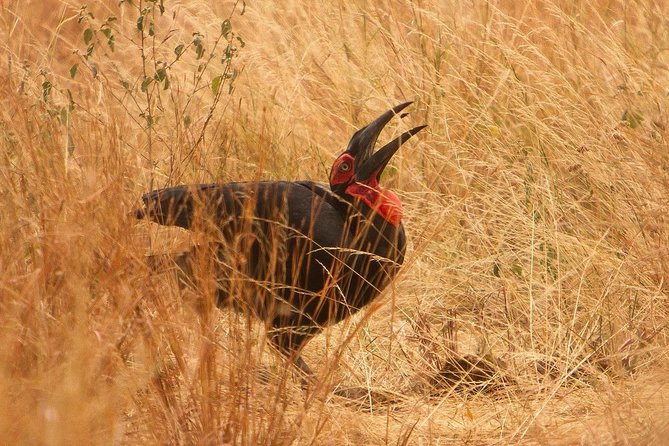
The morning drive to Ngorongoro takes about two hours. The main event is the descent into the crater, where the walls rise about 600 meters above the floor.
Ngorongoro is the world’s largest caldera with its walls still intact. The crater floor covers about 260 square kilometers and supports around 25,000 animals and 350 bird species. Water is available throughout the year, which helps explain why wildlife remains concentrated here.
The approach is part of the experience. After the entrance, the route passes through lush rainforest before the descent begins. Then the forest gives way to the crater floor, with the rim high above you. Although you are at the bottom of the crater, the rim itself sits about 2,200 meters above sea level. That change in height is a good reminder that this is not simply a flat game reserve.
Ngorongoro often rewards visitors with close wildlife viewing because animals are concentrated in a contained area. The same feature can make it feel busier than the open Serengeti, though the supplied details do not give vehicle numbers or crowd conditions. Your private arrangement gives your own group control of the vehicle, but it cannot control other vehicles or the park’s rules.
The schedule allows about 10 hours for the day. The Ngorongoro admission ticket is specifically listed as not included, so treat that as a cost to clarify. This is one of the most important questions to ask before booking, along with the other park fees and conservation charges.
Day 5: Hadzabe life and Datoga metalwork near Lake Eyasi
Day 5 changes the focus from wildlife to culture. You leave very early with a breakfast box and drive about an hour to Lake Eyasi, where you spend time with Hadzabe communities and then visit the Datoga tribe.
The Hadzabe visit is described as a chance to see daily life and go hunting with community members. This is a rare part of the route, but it also calls for respect. You are entering a living community, not watching a staged wildlife display. Follow the guide’s instructions, ask before taking photographs, and let the people you meet set the tone of the visit.
The Datoga visit centers on metalwork and jewelry. You see artisans make jewelry with local tools, which gives the encounter a practical focus. This is more memorable than a quick stop at a souvenir shop because you can connect an object with the skill and process behind it.
After the cultural visit, you return for a hot lunch in Karatu town. The early start and the return drive make this another full day, listed at about eight hours. It is a demanding schedule, but the change in subject matter helps. After several days of game drives, watching people work with traditional tools can sharpen your sense of how varied life is around the safari parks.
The details do not say how much time you spend with each community or precisely what hunting activity takes place. I would ask for a clear outline before booking, especially if cultural contact is the main reason you are choosing this tour. The quality of this day depends heavily on how the visit is organized and how respectfully the interactions are handled.
Day 6: Return to Arusha and time for shopping
The final morning begins after breakfast with a drive back to Arusha, scheduled at about three hours. Shopping is planned along the way.
This is a simple end to a packed trip. Arusha is the starting point and the return point, so the route does not add another long transfer to an airport or distant town. The supplied information says pickup is offered, but it does not state the exact pickup location or airport transfer terms. Confirm those details if your onward departure is tight.
The shopping stop may be useful for gifts, but it should not be treated as a major cultural activity unless the operator gives you more detail. The real value of the final day is its short drive compared with the previous transfers and its practical return to Arusha.
What the $2,572.31 price means
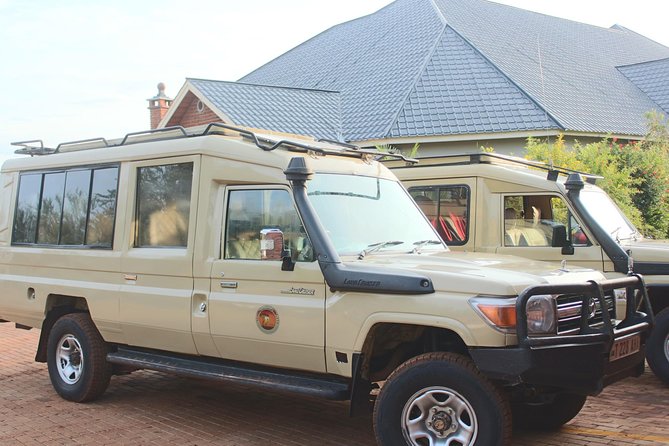
At $2,572.31 per person, this is a serious purchase. The value depends on what is included, and the published details do not spell out every cost. The itinerary covers six days, private participation, several national park areas, safari driving, cultural visits, some named camps, and pickup availability. That is a substantial program for a short stay.
A private tour changes the calculation. You are paying for your own group rather than sharing every decision with strangers. You may have more say over stops, questions, and the pace of wildlife viewing. That is particularly useful on the full Serengeti day, when patience can matter more than speed.
Before booking, ask for a written list of inclusions. The Ngorongoro admission ticket is marked as not included. The supplied material does not clearly state whether all other park entry fees, meals, camping equipment, transfers, guide gratuity, or drinks are covered. These items can alter the final cost.
Free cancellation is available if you cancel at least 24 hours before the start time. Changes or cancellations inside that window are not accepted for a refund. The experience also requires good weather, with a different date or full refund offered if poor weather causes cancellation.
Who will enjoy this safari most
I would choose this tour if you want wildlife and local culture in one trip and have only six days. It suits first-time visitors who want to see the main northern circuit without designing every transfer themselves.
It also fits keen wildlife photographers, especially if you can request an experienced guide such as Joseph or Roussagé. The private format gives your group a better chance to discuss positioning and spend time with sightings.
You should think twice if you dislike long drives, early mornings, or changing accommodation. The itinerary has two 10-hour days and several eight-hour days. It also includes campsite and tented-camp stays, so confirm the comfort level before you commit.
Families may find that the schedule is too full for very young children, but the supplied information says most people can participate. Since the activity is private, the pace may be easier to adjust than on a large group departure. Ask the operator about age requirements and sleeping arrangements if those points matter to you.
FAQ
How long is the Safari & Culture tour?
The tour lasts approximately six days, beginning and ending in Arusha.
Is this a private tour?
Yes. Only your group participates in the activity.
Which parks and areas does the route visit?
The itinerary includes Tarangire National Park, Serengeti National Park, Ngorongoro Crater, the Ngorongoro Conservation Area, Lake Eyasi, and Arusha.
Does the tour include cultural activities?
Yes. Day 5 includes time with Hadzabe communities and a visit to Datoga artisans who make jewelry with local tools.
Is the Ngorongoro admission ticket included?
No. The Ngorongoro Crater stop specifically lists the admission ticket as not included.
Can I cancel for a full refund?
Yes, if you cancel at least 24 hours before the experience start time. Cancellations made less than 24 hours in advance are not refunded, and poor-weather cancellations offer a different date or full refund.
Should you book it?
Book this trip if your priority is variety: elephants in Tarangire, two Serengeti safari days, a crater descent, and a cultural visit near Lake Eyasi. The private format and experienced guide options add real value, particularly for wildlife viewing and photography.
Do not book it without clarifying the price inclusions and accommodation details. The schedule is ambitious, and the long drives are unavoidable. If you accept that trade-off, this is a strong short route through northern Tanzania, with the added benefit of meeting people and seeing skilled work beyond the usual safari circuit.
Just added around Arusha
- 8 Days Serengeti Migration safari★ 5.0 · 11 reviews
- tarangire, ngorongoro & lake manyara park 3 days private tour★ 5.0 · 11 reviews
- tarangire & ngorongoro 2 days tour★ 5.0 · 14 reviews
- Mt. Kilimanjaro: Shira plateau to Cathedral point 3872m Day hike★ 5.0 · 7 reviews
- serengeti, ngorongoro & tarangire 4 days private tour★ 5.0 · 18 reviews
- serengeti & ngorongoro 3 days private tour★ 5.0 · 15 reviews
- climb the KILIMANJARO via Lemosho route★ 5.0 · 4 reviews
- 2 Days Tanzania Midrange Group Join Safari★ 5.0 · 7 reviews
Safari, compared.

Serengeti Balloon Safari and authentic bush breakfast
Read our review →
Mikumi Safari Day Trip with Flights and Meal
Read our review →


3 Days Serengeti & Ngorongoro Group Camping Safari
Read our review →
7-Day Premium Luxury Tanzania Safari All-Inclusive
Read our review →