
Reviewed · NGORONGORO CRATER TOURS
Ngorongoro Crater: Full-Day Safari Tour
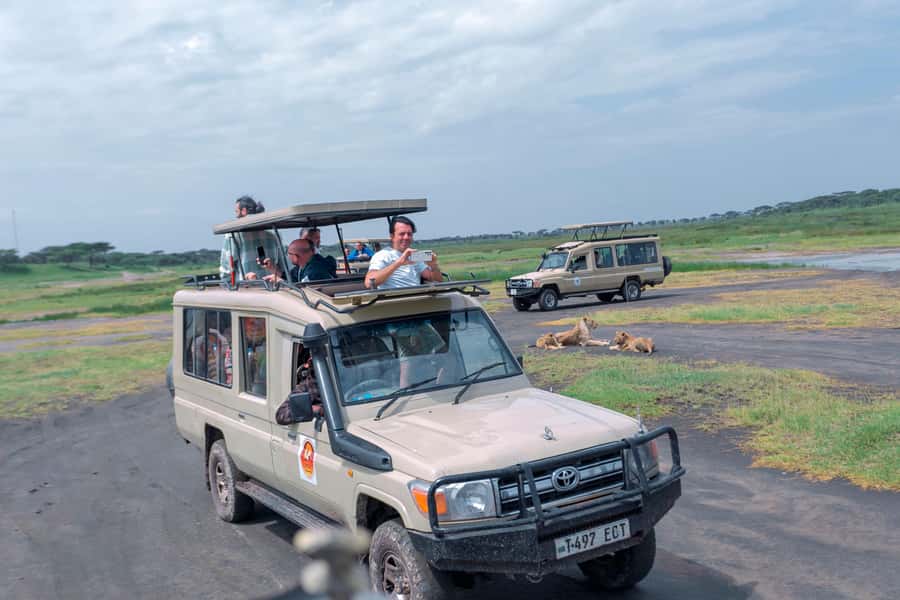
Ngorongoro Crater is one of Tanzania’s great wildlife spectacles: a vast volcanic bowl where grassland, forest, swamps, and soda lakes pack a remarkable number of animals into one compact area. You’ll pause at the rim for the grand view, then descend for about five hours among lions, buffalo, elephants, hippos, zebras, wildebeest, hyenas, birds, and possibly rhinos.
I like the excellent wildlife density, which gives you a real chance of seeing many species during a single game drive. I also like the practical package: hotel pickup, entrance fees, lunch, bottled water, and government charges are included. The main concern is the long road day. A promised 12 hours can feel even longer if the morning transfer is late or if several vehicles and handoffs are involved.
Key points to know before booking
- Nearly 30,000 animals in one crater: The compact setting makes wildlife easier to find than in a huge open park.
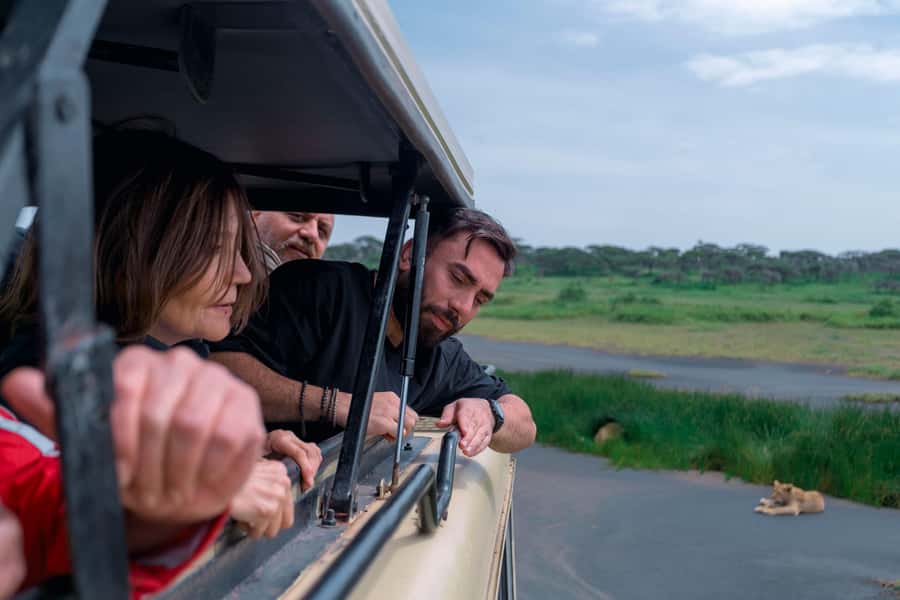
- A five-hour game drive: This is the heart of the day, with possible sightings of lions, elephants, buffalo, rhinos, hippos, hyenas, zebras, wildebeest, and many birds.
- A long transfer from Arusha: The drive is listed at about three hours each way, but one reported day involved extra waiting and more than four hours returning.
- A dramatic volcanic setting: The crater formed after a huge volcano collapsed, leaving a bowl with walls rising about 2,000 feet.
- Lunch, water, and park fees included: The price covers several costs that can otherwise add up quickly.
- Maasai culture is not guaranteed: Cultural learning is advertised, but one booking did not include the promised Maasai element, so ask for clear details before paying.
Why Ngorongoro Crater is worth the long road day
The appeal here is simple: you get a famous wildlife area and a remarkable geological setting in one visit. Ngorongoro Crater is a UNESCO World Heritage Site and one of the largest volcanic calderas on Earth. Its steep walls hold a fertile floor where animals gather around grassland, water, and shelter.
That geography matters. In a large national park, animals can be spread across wide distances. Inside the crater, the area is more compact, so you have a better chance of seeing several species during a five-hour drive. This does not guarantee every animal, but it makes the day efficient if your time in northern Tanzania is limited.
The crater rim is the first great visual moment. From above, you can see the broad bowl enclosed by high walls, with patches of woodland, open grass, wet areas, and soda lakes below. Bring a jacket or sweater for this stop. The crater can feel cooler than Arusha and the lower surrounding areas.
The view is not only a photo stop. It helps you understand the place before you enter it. From the rim, the crater looks almost self-contained, while the game drive shows how each part supports different animals.
More Ngorongoro Crater Tours in Arusha:
- 3 Days Serengeti & Ngorongoro Group Camping Safari
★ 5.0 · 574 reviews - 5 Days Camping Tarangire, Serengeti & Ngorongoro crater & Visiting Maasai
★ 5.0 · 229 reviews - 4 Days Join Group tour Tarangire Serengeti and Ngorongoro crater
★ 5.0 · 219 reviews
The three-hour drive from Arusha, Karatu, or Mto wa Mbu
Pickup is available in Arusha, Karatu, or Mto wa Mbu, with drop-off in those same areas. The stated driving time is about three hours each way, making this a very full day even before the five-hour safari begins.
If you start in Arusha, the transfer is the largest part of your day. That is the price of reaching Ngorongoro without staying closer to the crater. Karatu and Mto wa Mbu are more practical starting points for this excursion because they are nearer to the conservation area, but the exact timing depends on your pickup point and the operator’s arrangements.
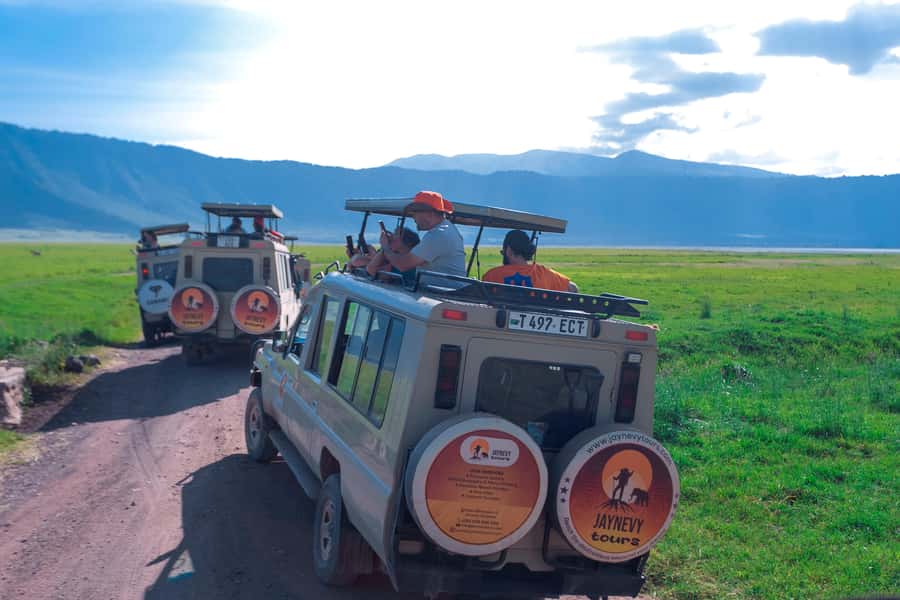
Be ready for an early start. One booking from Arusha had a scheduled 4:30 a.m. pickup, but the vehicle arrived close to 5:30 a.m. The passengers were first taken in a regular car with other people, then waited at a camp before changing to the safari vehicle. Breakfast was eventually provided, but the extra waiting made the morning feel disorganized.
This is the most important practical warning about the experience. Confirm your pickup time, vehicle plan, and return arrangements the day before. Ask whether you will travel directly to the safari vehicle or change vehicles along the way. That small bit of planning can make a major difference on a 12-hour day.
What happens at the crater rim
The rim offers the broadest view of the trip. You’ll see the crater’s bowl below and the forested slopes and high walls around it. The walls rise to about 2,000 feet, giving the place a strong sense of enclosure.
Take a few minutes to look beyond the standard photograph. Notice the different colors and textures on the floor: open grass, darker wooded areas, wet ground, and pale water. These are not just scenic details. They explain why so many kinds of animals can live in a relatively small area.
The rim can also be breezy and cool. Comfortable clothing, closed shoes, a sun hat, sunscreen, and a light jacket are sensible choices. You may not walk long distances, but you will want shoes that are comfortable for stops on uneven ground.
Five hours among the Big Five
The guided game drive lasts about five hours. This is enough time to get a strong taste of Ngorongoro, though it is not the same as spending several days on safari.
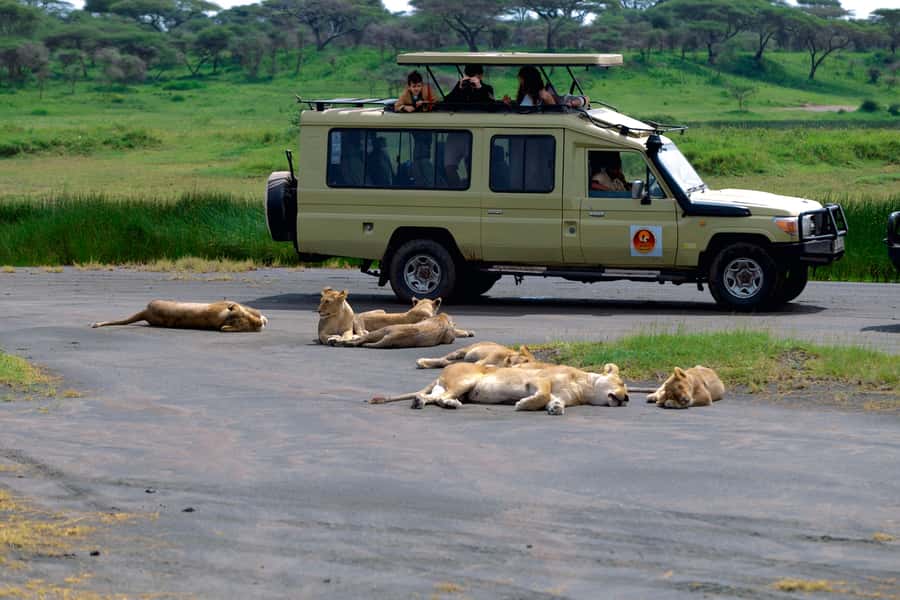
The advertised aim is the Big Five: lion, leopard, elephant, buffalo, and rhinoceros. Ngorongoro is known for giving you a genuine chance at seeing all five in one region, but no ethical safari can promise a complete set on a particular day. Leopards are especially unpredictable, and rhinos may be distant or hard to spot.
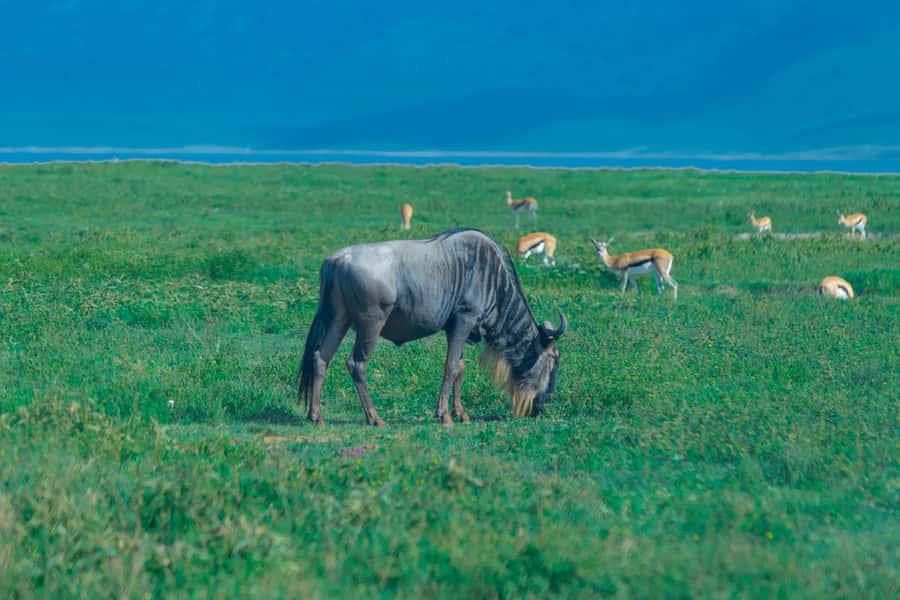
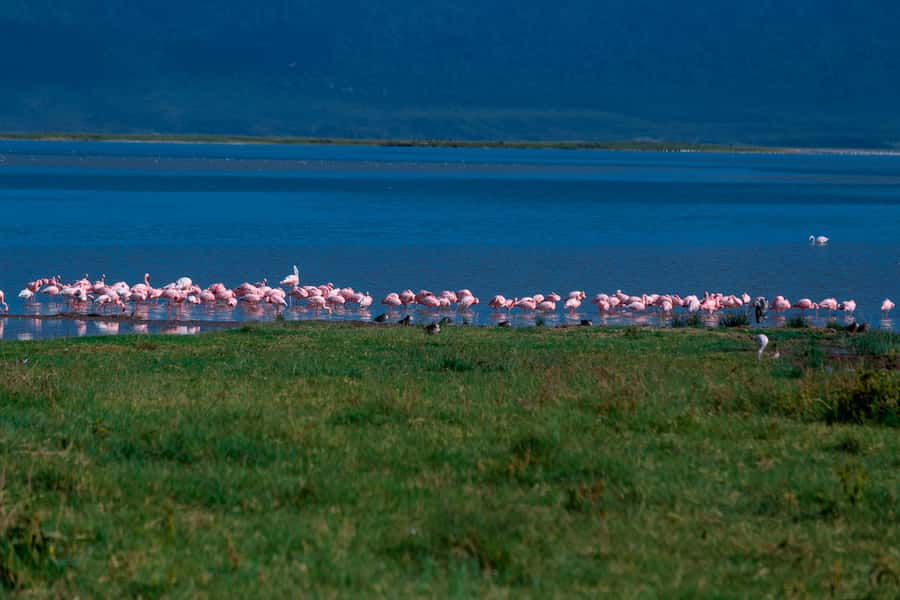
The more dependable reward is the variety. Sightings reported on this experience include lions, hyenas, buffalo, hippos, zebras, wildebeest, elephants, and many bird species. That mix gives the drive a steady rhythm. You may move from open grassland with grazing animals to a wet area with hippos, then pause for predators or large birds.
The crater’s different habitats do real work. Grasslands support grazing herds. Swamps and lakes attract hippos and water birds. Forested areas offer cover for elephants and other animals. The changing scenery helps prevent the drive from becoming a single long view across flat grass.
Bring binoculars if you have them. Even in a compact area, animals can be farther away than your camera suggests. A camera with a good zoom is useful too, but keep your attention on the animals rather than spending the whole drive looking at a screen.
Your guide’s skill will shape the quality of the game drive. One guide named Philip received sharply different feedback: one day was described as rushed and stressful, while another account said the driver did an amazing job despite transport confusion. That contrast is worth noting. The crater itself is extraordinary, but clear communication, patience, and good animal spotting matter greatly.
A few more Arusha trips to weigh up
- Balloon Safari & Bush Breakfast in Serengeti – Miracle Experience
★ 5.0 · 1,646 reviews - 4 Days Group Camping Safari
★ 5.0 · 1,101 reviews - 5 Days Group Camping Safari
★ 5.0 · 730 reviews - 7-Day Premium Luxury Tanzania Safari All-Inclusive
★ 5.0 · 426 reviews
The geology behind the spectacle
Ngorongoro was formed millions of years ago when a massive volcano collapsed after an eruption. The result is a broad, bowl-shaped depression surrounded by steep walls.
That origin gives the crater its unusual character. You are not simply driving across a plain. You are moving through the remains of a much larger volcanic structure, with the rim high above and the floor spread below.
The fertile soil supports an unusually busy ecosystem. Water and food draw animals into the crater, while the walls create a clear natural boundary. The setting helps explain why the place feels both wild and concentrated.
The geology also makes this a good safari for people who want more than animal sightings. You can connect the scenery, the volcanic past, and the present-day wildlife in a single day. Ask your guide to explain the crater’s formation and the differences between its habitats.
Maasai culture and what is actually included
Learning about Maasai life is listed as a highlight, but it should not be treated as automatic. One booking specifically reported that the cultural element did not happen, even after it was raised during the trip.
If Maasai culture is important to you, ask before booking exactly what is planned. Clarify whether the day includes a village visit, a cultural explanation from the guide, or simply passing through areas where Maasai communities live. These are very different experiences.
It is also important to approach this subject with respect. A meaningful cultural visit should give you context about traditional life rather than reduce people to a quick photo stop. The supplied information does not promise a separate village visit, so do not pay for this tour assuming one is guaranteed.
Lunch, water, and the $291 price
At $291 per person, this is not a cheap day trip. The value depends heavily on your starting point and how smoothly the transport is handled.
The price includes a professional guide, hotel pickup and drop-off, entrance fees, lunch, bottled water, and government taxes and levies. Those inclusions matter. Park fees alone can make a safari more expensive than the headline price first suggests, and having lunch and transfers bundled together makes budgeting easier.
For someone based in Arusha with only one free safari day, the package can make sense. You get access to one of Tanzania’s most famous wildlife areas without arranging separate transport, park entry, food, and guiding. The value is weaker if a delayed pickup, vehicle change, or confused return cuts into your game-drive time.
The optional hot-air balloon safari costs $460 per person and is not part of this experience. International or domestic flights, visas, insurance, personal expenses, accommodation, and optional activities are also separate. If you are comparing prices, include those possible extras rather than looking only at the tour fee.
Lunch is included, but you should still carry extra water and perhaps a small personal snack. Bottled water is provided, yet the day is long and the sun can be strong. Do not bring plastic bags, alcohol, or drugs, and smoking is not allowed in the vehicle or on the activity.
How to make the day run better
I would confirm five details before departure:
- Your exact pickup time and location
- Whether you go directly to the safari vehicle
- The expected time at the crater
- The plan for returning you to your own hotel
- Whether Maasai cultural content is included
The return deserves special attention. One day ended with more than four hours on the road back to Arusha and confusion about the individual hotel drop-offs. The passengers had to help with navigation by phone. If you are staying at a small hotel or changing accommodation that evening, keep the address and phone number ready.
Choose comfortable clothes and shoes. A sun hat and sunscreen are essential, while a sweater or jacket helps at the rim. Keep your passport with you, since it is listed among the required items.
Respect the animals by staying inside the vehicle unless your guide tells you otherwise, keeping a safe distance, and never feeding or disturbing wildlife. Littering, making fires, riding animals, and going barefoot are prohibited.
Who will enjoy this safari most
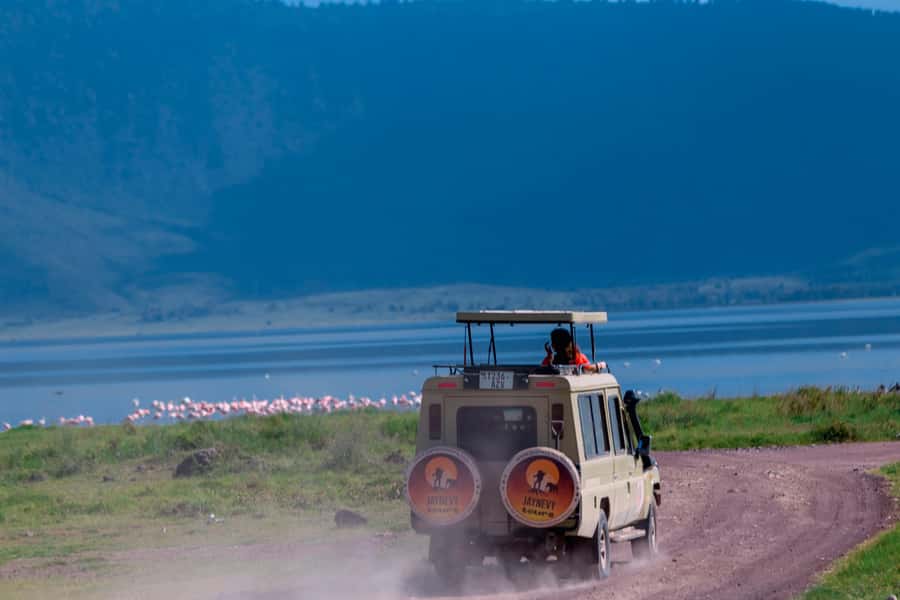
This tour suits you if you want a concentrated wildlife experience and have only one day available from Arusha. It is especially useful for first-time safari visitors who want the Big Five, a famous crater view, and a guide and park fees handled in one booking.
It also suits people who value variety. The combination of volcanic scenery, grasslands, water, woodland, and large numbers of animals gives the day more range than a simple drive through one type of habitat.
I would be cautious if you dislike early starts, long road transfers, or uncertain logistics. Families with very young children may find the transport tiring, and unaccompanied minors are not allowed. A private group is available, which may be the better choice if you want more control over timing and communication.
The tour is wheelchair accessible, and guides are available in French, English, Spanish, and German. Confirm the language and accessibility arrangements when booking so the operator can prepare properly.
Should you book the Ngorongoro Crater day trip?
Book it if your priority is seeing Ngorongoro’s remarkable wildlife in a single day and you accept that much of the experience will be spent on the road. The crater itself is the strong point. The animal variety, compact setting, and huge volcanic bowl can make the long transfer worthwhile.
I would book only after confirming the pickup and vehicle arrangements in writing. Ask direct questions about the guide, the return journey, and the Maasai component. If the operator can give clear answers, the included entrance fee, lunch, water, and hotel transfers make the $291 price easier to justify.
If you have more time, staying nearer to the crater would reduce the strain of the Arusha transfer. If you have only one day, this remains a useful way to reach one of Tanzania’s most impressive wildlife areas, but go in for the crater and game drive first, not for a guaranteed cultural visit or perfectly smooth transport.
FAQ
How long is the Ngorongoro Crater safari tour?
The activity lasts 12 hours. The stated plan includes about three hours by Jeep or SUV each way and a guided five-hour visit inside Ngorongoro Crater.
Where can I be picked up and dropped off?
Pickup and drop-off are available in Arusha, Karatu, and Mto wa Mbu.
Is lunch included?
Yes. Lunch and bottled water are included in the tour price.
Are entrance fees included?
Yes. Entrance fees, government taxes, and government levies are included.
Which animals might I see?
The tour is designed to look for the Big Five: lions, leopards, elephants, buffalo, and rhinoceroses. Other possible sightings include hippos, hyenas, zebras, wildebeest, and many birds.
Which languages are available for the guide?
Guides are available in French, English, Spanish, and German.
What should I bring?
Bring your passport, comfortable shoes, a sun hat, comfortable clothes, sunscreen, a camera, binoculars if possible, and a jacket or sweater for the cooler crater rim.
More Full-Day in Arusha
- Private Full Day Hiking Experience to Marangu Route
★ 5.0 · 61 reviews - Full-Day Trip to Ngorongoro Crater from Arusha Town
★ 5.0 · 37 reviews - Arusha National Park Full-Day Safari
★ 4.8 · 25 reviews - Full Day Arusha City Tour
★ 5.0 · 18 reviews
Just added around Arusha
- 8 Days Serengeti Migration safari★ 5.0 · 11 reviews
- tarangire, ngorongoro & lake manyara park 3 days private tour★ 5.0 · 11 reviews
- tarangire & ngorongoro 2 days tour★ 5.0 · 14 reviews
- Mt. Kilimanjaro: Shira plateau to Cathedral point 3872m Day hike★ 5.0 · 7 reviews
- serengeti, ngorongoro & tarangire 4 days private tour★ 5.0 · 18 reviews
- serengeti & ngorongoro 3 days private tour★ 5.0 · 15 reviews
- climb the KILIMANJARO via Lemosho route★ 5.0 · 4 reviews
- 2 Days Tanzania Midrange Group Join Safari★ 5.0 · 7 reviews
Ngorongoro Crater Tours, compared.

3 Days Serengeti & Ngorongoro Group Camping Safari
Read our review →

5 Days Camping Tarangire, Serengeti & Ngorongoro crater & Visiting Maasai
Read our review →
4 Days Join Group tour Tarangire Serengeti and Ngorongoro crater
Read our review →
4-Day Safari from Arusha: Tarangire, Serengeti and Ngorongoro
Read our review →
2 Days Tarangire and Ngorongoro Group Camping Safari
Read our review →

3 Days Tarangire, Ngorongoro & Lake Manyara Group Camping Safari
Read our review →Browse the lists this tour appears in