Reviewed · ARUSHA TOURS
Lake Eyasi & Hadzabe tribe activities
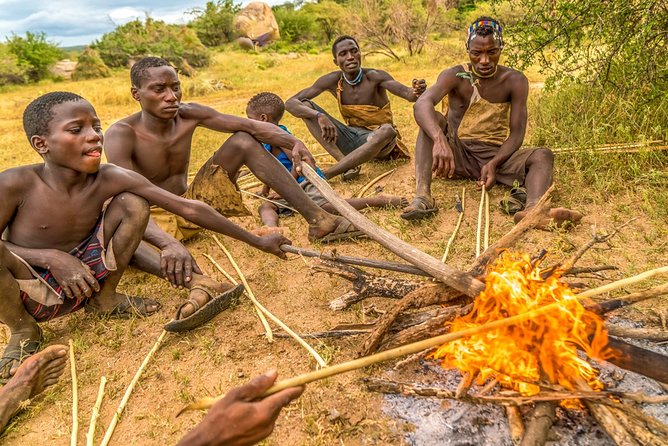
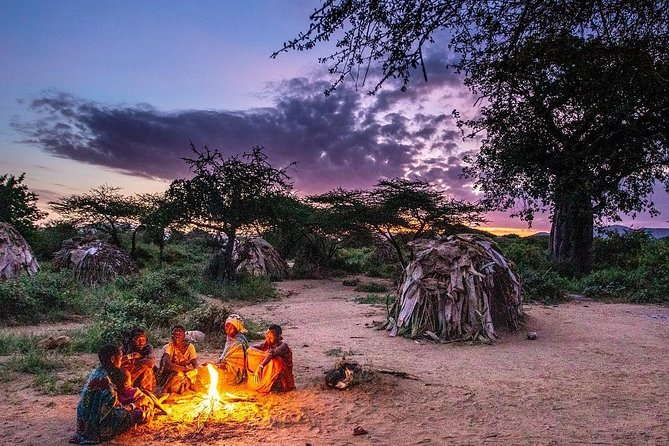
The most unusual part of this two-day trip is the chance to spend time with the Hadzabe, one of Tanzania’s last hunter-gatherer communities. At Lake Eyasi, you may learn to use a bow and arrow, watch hunting methods, make fire with dry wood, hear the Hadzabe clicking language, and see traditional dancing.
I like the private format, since your guide can give your group more attention than a large bus tour. I also like the overnight stay, which gives you more than a quick photo stop. The main caution is that road conditions and cultural fees need careful checking, as the supplied details list different prices and some meal information is unclear.
Key points to know before booking
- Hadzabe culture takes center stage: Expect practical demonstrations rather than a museum-style visit.
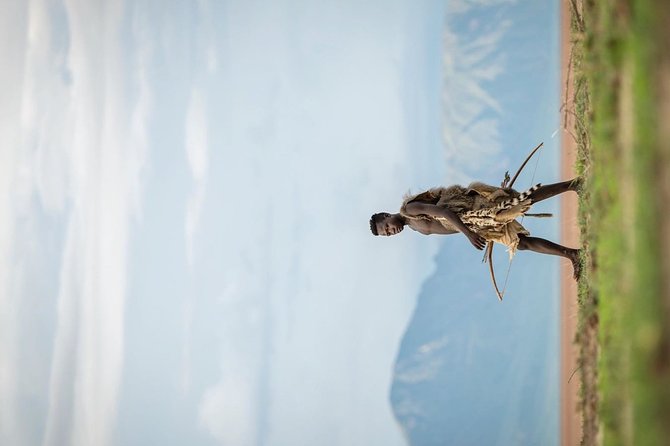
- Bow-and-arrow practice is included: You can learn about one of the community’s traditional hunting tools.
- The private vehicle matters: Round-trip transport from Arusha keeps the trip simple and gives your group more flexibility.
- Lake Eyasi is reached by rough roads: A stop between Karatu and the lake may involve a local office and an additional cultural entrance payment.
- The overnight stay adds breathing room: You are not limited to a rushed morning visit.
- Confirm the price details: The tour costs $699 per person, but cultural charges and the included meals should be clarified before departure.
Why Lake Eyasi feels different from a standard safari
Most first trips to northern Tanzania focus on animals. This outing shifts attention to people, daily skills, language, and local customs. You still travel through the familiar Arusha and northern circuit area, but the purpose is different: you are going to meet the Hadzabe and learn how their traditions connect to the surrounding bush.
The Hadzabe are described as one of Tanzania’s last hunter-gatherer communities. That label gives you useful context, but it should not turn the visit into a living-history show. You are meeting a present-day community, not stepping into a staged version of 10,000 years ago.
I like that the activities are hands-on. You are not simply told about hunting techniques. You may be shown how bows and arrows are used, how fire is made with two dry pieces of wood, and how traditional knowledge is passed on. Those small demonstrations can teach you more than a long speech.
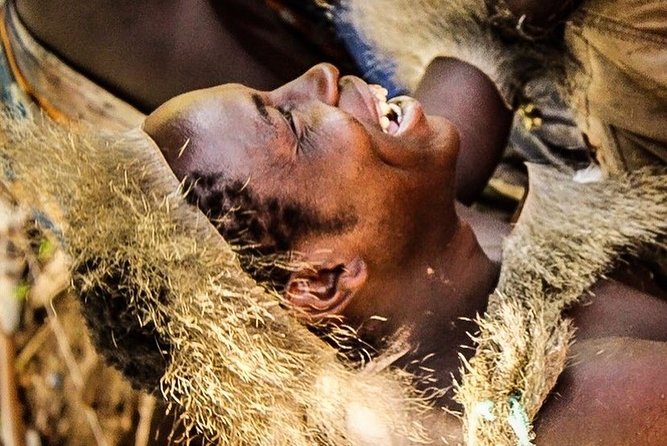
The visit also offers a chance to hear the Hadzabe clicking language. For many people, this is one of the most memorable details of the day. You will want to approach the encounter with respect, listen closely, and avoid treating people or ceremonies as props for photographs.
Other Arusha days people book alongside this one:
- Balloon Safari & Bush Breakfast in Serengeti – Miracle Experience
★ 5.0 · 1,646 reviews - Tanzania Classic – 7 Days
★ 5.0 · 1,151 reviews - 4 Days Group Camping Safari
★ 5.0 · 1,101 reviews
Day one: the road from Arusha to Lake Eyasi
The tour begins with pickup in Arusha and private transportation to the Lake Eyasi area. The supplied duration is approximately two days, but exact driving times are not provided. That matters because Lake Eyasi is not a quick hop from central Arusha, and road conditions can affect the pace.
One practical note is especially important: the road near Lake Eyasi has been described as very rough. You should expect a slower ride than you might have on a main paved route. A private vehicle helps because your group is not tied to a large coach schedule, but it does not make rough roads disappear.
The route may include a stop at a local office between Karatu and Lake Eyasi. This is where cultural access arrangements and entrance payments may be handled. One set of supplied details gives a Hadzabe cultural cost of $70 per car, with the amount changing according to the number of cars. Another account refers to a $120 payment for one car covering Lake Eyasi cultural visits to the Hadzabe and Datoga.
Because those amounts do not match, I would ask for a written breakdown before you leave Arusha. Find out if the $699 price includes the local cultural charge, if the fee is per person or per car, and if a Datoga visit is part of your program. This is not a minor detail. A clear answer prevents an awkward cash request on a remote road.
The first cultural session is listed as about three hours. That gives you enough time to be introduced to the Hadzabe, observe their methods, and take part in selected activities without trying to pack every subject into one rushed hour.
You may see hunting techniques and learn how the bow and arrow are handled. The wording of the program suggests instruction and observation, not a promise that you will go on an actual hunt or that an animal will be caught. Keep your expectations there.
Meeting the Hadzabe through practical skills
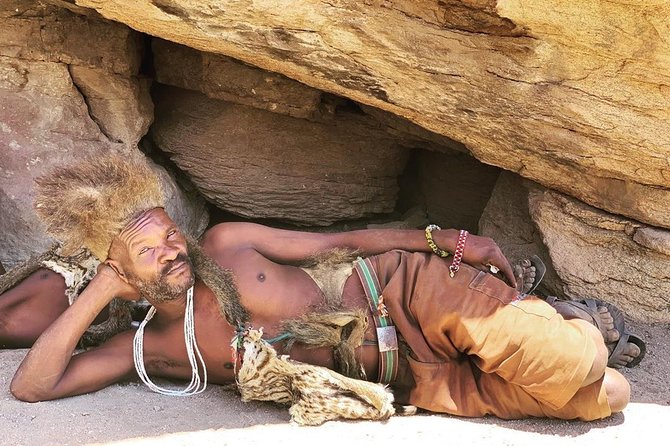
The strongest part of the experience is its focus on skills. Learning to use a bow and arrow gives you a direct sense of the patience and control involved. Even a simple practice session can make you think differently about how much work is behind food gathering when there is no shop or farm close at hand.
Fire making is another useful activity. On the second day, the program says you will learn to make fire with two dry pieces of wood. It is a basic technique, but it connects neatly with the wider purpose of the visit: understanding practical knowledge through doing, not only watching.
You may also learn about the Hadzabe way of life, traditions, and relationship with the local area. The supplied material does not specify every activity, so your exact session may depend on the community members present, the weather, and the time available.
That uncertainty is worth accepting. Cultural visits do not always run like a theme park schedule, and a real community may not perform every activity on demand. At the same time, you should ask your guide what is planned so you understand the difference between a confirmed activity and a possible one.
Traditional dancing is listed among the highlights. This can be a lively part of the visit, but it is best approached as a cultural exchange rather than a show created only for tourists. Watch, listen, and follow your guide’s advice about photography and participation.
Day two: a longer morning at Lake Eyasi
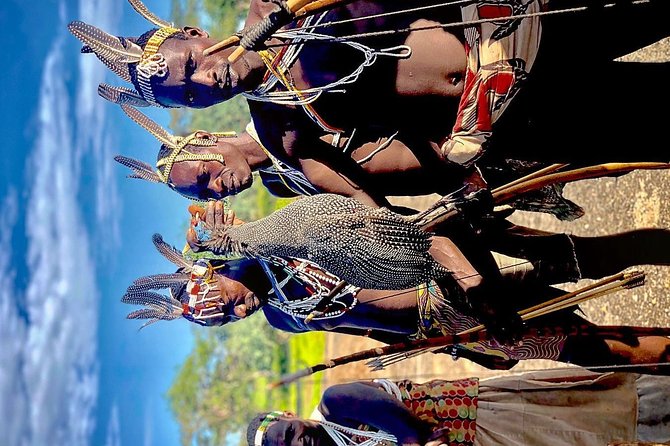
The second day allows roughly six hours at Lake Eyasi. That is a useful amount of time for a cultural visit because it leaves room for introductions, demonstrations, conversation, and pauses. You are less likely to feel that the whole encounter is over just as you begin to understand it.
The program says you will join the Hadzabe in the morning and interact with them. Activities may include learning fire making, discussing hunting traditions, and seeing how community knowledge is shared. The second day appears to carry more of the educational content than the first, so do not judge the outing only by the initial arrival.
An overnight stay can also make the road journey feel more worthwhile. Instead of traveling out for a short stop and immediately turning back, you have time to settle into the area and return to the community the next morning. The accommodation itself is not described in detail, so ask what type of lodging is provided, where it is located, and what facilities are available.
The meal details need the same check. Breakfast and lunch are listed under inclusions, but the exclusions also mention one lunch for day one and one breakfast for day one. That is contradictory. Before booking, ask exactly which meals are covered on each day and budget for any meal not included.
Same country, a completely different kind of safari:
- 5 Days Group Camping Safari
★ 5.0 · 730 reviews - Materuni Waterfalls, coffee tour & Kikuletwa Hot Springs
★ 5.0 · 643 reviews - 3 Days Serengeti & Ngorongoro Group Camping Safari
★ 5.0 · 574 reviews - 7-Day Premium Luxury Tanzania Safari All-Inclusive
★ 5.0 · 426 reviews
What the private format adds
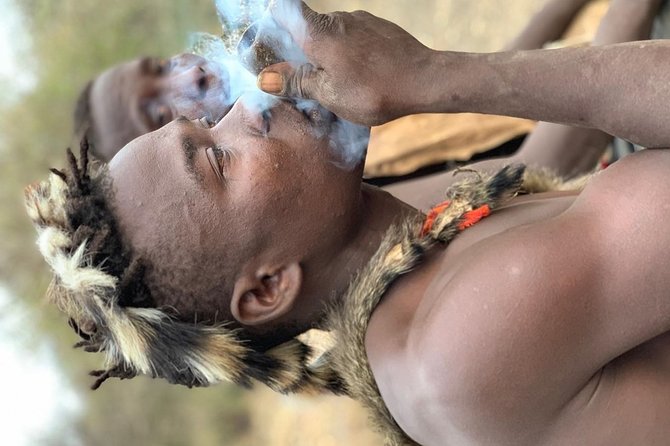
This is a private activity, so only your group participates. I see that as a real advantage for a cultural visit. You can ask more questions, spend longer on a demonstration, or move on when your group has had enough. A private guide can also explain customs in a way that matches your interests.
Round-trip transfers from Arusha are included, which removes the need to arrange a separate vehicle for a remote destination. This is useful if you are building a longer Tanzania itinerary and do not want to coordinate transport, local access, and overnight arrangements on your own.
The private setup does not guarantee a particular guide. The company has used guides named Raymond, Bruno, and Joshua in its wider Tanzania services. Raymond and Bruno have been associated with careful trip management and a warm approach, while Joshua has been praised for his wildlife knowledge and friendly driving. Since those comments may relate to broader safari arrangements rather than this exact outing, ask who will lead your Lake Eyasi visit.
A good guide is especially important here. The experience depends on clear translation, sensible timing, and respectful contact with the Hadzabe. I would ask if the guide speaks the needed language, if a local Hadzabe guide joins the visit, and how photography and participation are handled.
Is $699 per person good value?
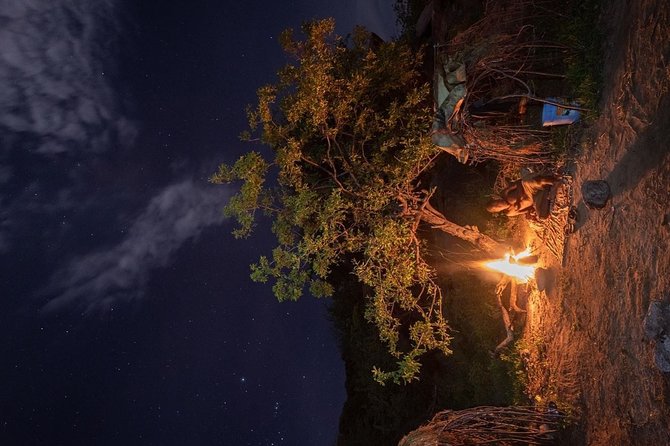
At $699 per person, this is not a cheap day trip. The price covers a private two-day arrangement from Arusha, transportation, an overnight stay, breakfast, lunch, and listed fees. For a small group that values convenience and cultural access, the package may be fair.
The value improves if the price truly includes the local cultural payment and all promised meals. It becomes less attractive if you must add significant entrance, guide, food, or accommodation costs at the last moment. The conflicting meal and fee information means you should not compare the headline price with other tours until you know what each one includes.
A private tour can also cost more because you are not sharing the vehicle with other groups. If you prefer personal attention, direct transport, and more control over the pace, that premium may be worthwhile. If your main goal is simply to see Lake Eyasi for a few hours, a shorter local visit could cost less, though the supplied information does not provide a comparison price.
The experience offers value that is hard to measure in meals and driving hours. You are paying for access, organization, cultural interpretation, and time with a community that is far outside the usual safari routine. I would book it for the human encounter, not as a low-cost add-on.
The rough-road reality and what to pack
The road to Lake Eyasi can be rough, so pack for comfort rather than style. Wear practical clothes and shoes suited to outdoor activity. The program involves bows, fire making, walking, and time outside, though it does not give a detailed packing list.
Bring water, sun protection, and a small bag for personal items. The tour includes meals, but the unclear meal schedule makes a few snacks sensible. A phone or camera can record the visit, but always ask before photographing people, ceremonies, or private moments.
The activity is described as suitable for most people. Still, you should tell the operator about any condition that could make a long drive, rough road, or outdoor activity difficult. The details do not promise wheelchair access or specialized support, so ask directly if that is relevant to you.
Good weather is required. If poor weather cancels the activity, you should be offered another date or a full refund. The tour also requires a minimum number of participants, although the activity is private once confirmed. If that minimum is not met, the stated options are a different date, another experience, or a full refund.
Who should choose this Lake Eyasi visit?
I would recommend this tour to you if you want Tanzania to be about more than game drives. It suits people who enjoy meeting local communities, learning practical skills, and asking questions. Families with older children may also appreciate the bow-and-arrow and fire-making activities, provided everyone follows the guide’s instructions.
It is a good match for a second Tanzania trip, or for a first trip that already includes a safari and needs a different kind of day. The Hadzabe visit gives your itinerary a human focus and may become one of its most distinctive parts.
I would think twice if you dislike long drives, rough roads, basic overnight arrangements, or uncertain timing. This is also not the right choice if you expect a polished performance with a fixed timetable. The setting is remote, and the quality of the day depends on communication between your guide and the local community.
You can cancel for a full refund up to 24 hours before the local start time. Cancellations or changes inside that window are not refunded, so keep weather and transport plans in mind.
Should you book it?
Book this Lake Eyasi and Hadzabe experience if you want a private, hands-on cultural visit and you are comfortable with a rough road and a less polished style of travel. The overnight format, fire-making lesson, bow-and-arrow practice, clicking language, and traditional dance offer a clear break from the standard safari schedule.
Before paying, confirm four things: the exact accommodation, the meals included on each day, the local cultural fee, and the name of your guide. Once those details are clear, the $699 price can make sense for a private two-day outing. If the operator cannot explain those costs, choose a tour with a cleaner breakdown.
FAQ
Where does the tour begin?
The tour begins with pickup in Arusha, Tanzania.
How long does the experience last?
The tour lasts approximately two days, with a three-hour Lake Eyasi session listed for day one and a six-hour session listed for day two.
Is transportation included?
Yes. Private transportation and round-trip transfers from Arusha are included.
Is this a private tour?
Yes. Only your group participates in the activity.
What can I learn from the Hadzabe visit?
You can learn about Hadzabe culture and traditions, practice using bows and arrows, observe traditional hunting methods, learn to make fire with two dry pieces of wood, hear their clicking language, and watch traditional dances.
Is accommodation included?
Yes. Overnight accommodation is included, though the supplied details do not specify the type or location.
Are meals included?
Breakfast and lunch are listed as included, but the details also list one day-one breakfast and one day-one lunch as excluded. Confirm the exact meal plan with the provider before booking.
Can I cancel for a full refund?
Yes, if you cancel at least 24 hours before the experience start time. Cancellations or changes made less than 24 hours before the start time are not refunded.
Just added around Arusha
- 8 Days Serengeti Migration safari★ 5.0 · 11 reviews
- tarangire, ngorongoro & lake manyara park 3 days private tour★ 5.0 · 11 reviews
- tarangire & ngorongoro 2 days tour★ 5.0 · 14 reviews
- Mt. Kilimanjaro: Shira plateau to Cathedral point 3872m Day hike★ 5.0 · 7 reviews
- serengeti, ngorongoro & tarangire 4 days private tour★ 5.0 · 18 reviews
- serengeti & ngorongoro 3 days private tour★ 5.0 · 15 reviews
- climb the KILIMANJARO via Lemosho route★ 5.0 · 4 reviews
- 2 Days Tanzania Midrange Group Join Safari★ 5.0 · 7 reviews
Arusha Tours, compared.


Materuni Waterfalls, coffee tour & Kikuletwa Hot Springs
Read our review →
3 Days Serengeti & Ngorongoro Group Camping Safari
Read our review →
7-Day Premium Luxury Tanzania Safari All-Inclusive
Read our review →
5-Day Highlights mid-Range Crater, Serengeti, Tarangire
Read our review →