Reviewed · HALF-DAY
Half-Day Volunteer Experience at SATINO Preschool, Arusha
SATINO Preschool gives you something rare in Arusha: a chance to spend time inside a local school, not just look at the city from a van window. You meet director Weza, visit lively classrooms, help with schoolwork, play during break, and share lunch with the children. Your fee also helps fund one child’s education for a month.
I like the small group of seven or fewer, which makes it easier to join a lesson or talk with the teachers. I also like the direct support: the money pays for education, food, school supplies, and teacher salaries rather than disappearing into a broad sightseeing package.
The main consideration is that this is a working preschool, not a polished attraction. Children may be energetic, the school setting is simple, and the visit asks you to take part rather than stand back with a camera. Pickup beyond six kilometers from the school costs extra, and the published schedule runs from about 9am to 2:30pm even though the activity is described as four hours, so confirm the exact timing.
Key points to know before you go

- Your fee supports one child for one month: The activity is priced at $35 per person, while the tour description also refers to a $29 monthly tuition contribution. Confirm the current price and exact allocation when booking.
- Director Weza leads the welcome: He explains why SATINO was created and its aim of giving children a safe, caring place to learn.
- You take part in real school activities: Expect classroom visits, reading, crafts, basic lesson help, games, singing, and sports when scheduled.
- Lunch is part of the connection: You eat a traditional Tanzanian meal with the children, often simple, filling food such as beans and greens.
- The school serves young children: The preschool has about 60 children between ages three and six, according to the information provided.
- Dress for active play: Wear comfortable clothing and shoes, and avoid short skirts, see-through clothing, alcohol, drugs, smoking, and sharp objects.
Why a school morning can be the right Arusha activity

Arusha is best known as a base for safaris and Kilimanjaro trips. SATINO offers a different kind of morning. You spend time with children and teachers, see how a preschool operates, and learn about the financial barriers that keep some local children from attending school.
That makes this a good choice after a safari or climb, when you may want something quieter and more personal. It also works well if you have only one spare day in Arusha. The visit is short enough to fit around other plans, but long enough to feel like more than a quick photo stop.
I especially like the way the activity joins support with participation. You are not simply handing over money and leaving. You help with classwork, read, play, and share food. That creates a more direct connection with the school’s work, though you should remember that your role is a visitor and helper, not a trained teacher.
The preschool was created in 2019 by its principal, known as Weza. The name means the ability to do something, a fitting idea for a school built through fundraising and now supported by school fees, donations, and volunteer help. The school’s goal is not only academic. Its leaders also focus on good behavior, moral values, kindness, and a learning environment without violence against children.
A few more Arusha trips to weigh up
- Zanzibar: Nungwi Turtle Aquarium Guided Half-Day Trip
★ 4.4 · 197 reviews - Prison Island: Private Half-Day Tour
★ 4.0 · 132 reviews - From Zanzibar: Half-Day Prison Island Tour
★ 4.1 · 49 reviews
9am pickup and the ride into the school
Pickup is available from your hotel or hostel in Arusha. The included area covers locations within six kilometers of SATINO School. If you stay farther away, an additional charge applies based on the distance, so check this before you book rather than treating all Arusha pickups as free.
The drive is listed as about 30 minutes each way. That gives you a little time to get settled and ask your guide about the school, but this is not a sightseeing drive with several city stops. The point is to reach SATINO and spend your time there.
The published day begins at 9am and returns you to Arusha around 2:30pm. The activity itself is also listed as four hours, with two hours for the school visit and one hour for lunch, plus transport. Since those figures do not line up perfectly, confirm your pickup and return times with the provider, especially if you have a flight, safari departure, or other fixed booking.
Meeting Weza and understanding SATINO’s purpose
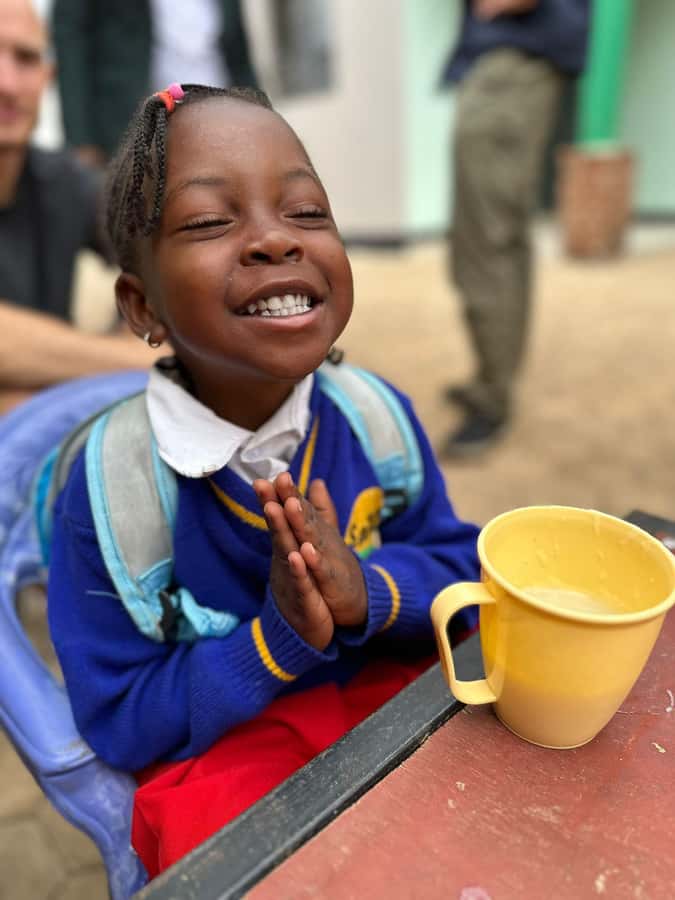
At the school, Weza or another school leader gives you an introduction to SATINO. This opening matters because it provides context before you meet the children. You learn how the school supports children whose families cannot easily afford tuition and how fundraising helped establish the preschool.
The school provides more than lessons. It also offers meals, school supplies, emotional support, and teacher salaries. That is why the visit fee has practical value. It helps keep the daily operation going, not just the special activities arranged for visitors.
The welcome is personal rather than formal. You may hear about the school’s beginnings, its goals, and the children it serves. The director has also been described as flexible with timing, though you should still plan to follow the agreed schedule.
One detail I find useful is the school’s focus on a safe setting. The stated aim is to give children a preschool without violence, along with teaching that encourages children to care for one another. You see the school as a place of learning, but also as a source of routine, food, and security.
Inside the classrooms with children aged three to six
The classroom visit is the heart of the morning. SATINO has roughly 60 children between the ages of three and six, so expect a lot of movement, noise, questions, smiles, and quick changes of attention. Preschoolers do not wait politely in a corner while you admire the room. They want to show you drawings, play games, and find out who you are.
You can join simple activities such as reading, crafts, or classroom exercises. One visitor was able to teach a class animal names in English, which shows how a small skill from home can become a useful and fun lesson. You do not need to be a teacher to take part, but patience and a willingness to follow the teacher’s direction will help.
The best approach is to let the children lead some of the interaction. Read a book with them, look at their drawings, help with an activity, or repeat a song. You may find that a basic game works better than a carefully planned lesson.
I would not expect a long, quiet classroom observation. You are encouraged to participate, and the children are excited to meet people from other countries. That can feel intense if you prefer a calm museum visit. It is also what gives the morning its warmth and purpose.
Same country, a completely different kind of safari:
- Balloon Safari & Bush Breakfast in Serengeti – Miracle Experience
★ 5.0 · 1,646 reviews - Tanzania Classic – 7 Days
★ 5.0 · 1,151 reviews - 4 Days Group Camping Safari
★ 5.0 · 1,101 reviews - 5 Days Group Camping Safari
★ 5.0 · 730 reviews
Playtime, sports, and the school’s social side
Play is not filler here. It gives children a chance to build confidence, cooperate, move their bodies, and enjoy time with friends. You may join games, singing, sports, or other extracurricular activities depending on the school day.
Friday can include a sports session in a local field. That is a useful detail if you enjoy active visits, but it also means your clothing matters. Wear shoes you can comfortably walk and play in. Avoid anything that restricts movement or could be considered unsuitable around children.
The children’s enthusiasm is one of the strongest parts of the experience. Expect them to want to talk, show you things, hold your hand, or offer a hug. You should be comfortable with close, friendly interaction, while still respecting each child’s space.
This is also the point where the small group helps. With seven participants or fewer, you can join a game without creating a crowd. A large group would change the feel of the school visit, so the limited size is more than a booking detail. It helps keep the interaction manageable for both children and teachers.
A traditional Tanzanian lunch at SATINO
Lunch lasts about an hour and is shared with the students. It is a simple but important part of the visit because food becomes a natural way to sit together, talk, and experience a daily school routine.
The meal is described as traditional Tanzanian food. One example provided is beans with greens, simple fare that is filling and suited to a school kitchen. Do not book this expecting a restaurant tasting menu. Book it for the chance to eat the kind of straightforward meal that helps feed the children during their school day.
Sharing lunch also helps explain where the support goes. SATINO uses contributions to provide food as well as education. When you sit down with the children, the school’s work becomes easier to understand in practical terms.
If you have allergies or dietary restrictions, ask about the meal in advance. The supplied information does not give a full menu or promise special dietary options, so do not assume substitutions will be available.
What the $35 price really buys
The stated price is $35 per person. That includes transport within the included pickup area, the school introduction, classroom participation, playtime, and lunch. The description also says the fee funds one child’s education for a full month, though another part of the information refers to a $29 fee for that same monthly support.
That difference is worth clarifying before payment. It may reflect a changed price, a separate version of the activity, or a difference between the listed cost and the amount directed to tuition. The important point is that the provider presents the fee as direct school support, but you should ask for the current breakdown if that matters to your decision.
Even at $35, the value is strong if you want both a meaningful community visit and a structured Arusha activity. You receive pickup, a guided introduction, several hours at the school, lunch, and a small group setting. The real value, though, comes from the school’s ongoing needs. Contributions help cover tuition, meals, materials, and staff pay.
You can also bring school supplies or books if you wish. This is optional, not a required part of the tour. Ask what the school currently needs before bringing a large bag of items, since useful donations are better than random gifts.
Who will get the most from this visit
I would recommend SATINO to you if you want direct contact with a local community and are ready to participate. It suits solo visitors, couples, families with older children, backpackers, and people with a free morning after a safari or Kilimanjaro trip.
It can be especially meaningful for teenagers. One family found the school day memorable even after several safari days, and that makes sense: a child-to-child connection can feel more immediate than another scheduled attraction.
The experience may also suit budget-conscious visitors. For one morning’s activity, you receive transport, food, a guided school visit, and a clear social purpose. You do not need to commit to a longer volunteer placement.
It is less suitable if you want a polished, passive tour. You will be around young children in a working school, and the schedule may change with classroom routines, sports, or school activities. The tour is also not suitable for children under two, wheelchair users, or people with mobility impairments.
Practical clothing and behavior tips
Wear comfortable, modest clothes and sturdy shoes. Short skirts and see-through clothing are not allowed, and you should avoid anything that makes active play awkward.
Bring water. A camera is allowed and can help you record the day, but ask before photographing children and follow the school’s instructions. The most respectful souvenir may be the memory of the activity rather than a close-up portrait.
Do not bring weapons, sharp objects, alcohol, or drugs. Smoking is not allowed. These rules are simple, but they matter in a school setting.
Most of all, arrive ready to listen. You may be invited to help with a lesson, but the teachers know the children and the routine. Follow their lead, keep activities simple, and give each child attention rather than trying to entertain the whole school at once.
The tour runs Monday through Friday during the school term, excluding school holidays. English and Swahili are offered, and the small group limit is seven people.
My verdict on the SATINO school morning
Book this if you want your Arusha time to include real human contact and practical support for a local school. The strongest parts are the warm welcome from Weza and the teachers, the chance to join ordinary classroom and play activities, and the shared lunch with the children.
The drawbacks are modest but real. The setting is basic, the children can be very energetic, the published timing needs clarification, and the $29 versus $35 funding detail should be checked. This is not a sightseeing tour for spectators.
For an active, open-minded visitor, I think it is a worthwhile half-day. You leave with a better sense of how education shapes a child’s options, and your payment helps SATINO keep children in class. That is a solid use of a morning in Arusha.
FAQ
How long does the SATINO Preschool experience last?
The activity is listed as four hours, with about 30 minutes of transport each way. The stated pickup begins at 9am, with return to Arusha around 2:30pm, so confirm the exact schedule before booking.
How much does the experience cost?
The current stated price is $35 per person. The description also refers to a $29 fee funding one child’s monthly tuition, so ask the provider to confirm the current price and payment allocation.
Does the price include hotel pickup and drop-off?
Yes, pickup and drop-off are included for hotels or hostels within six kilometers of SATINO School. An additional fee applies for locations farther away.
What activities can I join at the preschool?
You can visit classrooms, help with lessons, read, take part in crafts, play games, join singing or sports, and spend time with the children during break.
Is lunch included?
Yes. You share a traditional Tanzanian lunch with the students. The food is described as simple and filling, with beans and greens given as an example.
Which languages are available?
The experience is offered in English and Swahili.
How many people can join the group?
The group is limited to seven participants.
Can I cancel the booking?
You can cancel up to 24 hours in advance for a full refund. The reserve-now, pay-later option is also available.
Just added around Arusha
- 8 Days Serengeti Migration safari★ 5.0 · 11 reviews
- tarangire, ngorongoro & lake manyara park 3 days private tour★ 5.0 · 11 reviews
- tarangire & ngorongoro 2 days tour★ 5.0 · 14 reviews
- serengeti & ngorongoro 3 days private tour★ 5.0 · 15 reviews
- Mt. Kilimanjaro: Shira plateau to Cathedral point 3872m Day hike★ 5.0 · 7 reviews
- serengeti, ngorongoro & tarangire 4 days private tour★ 5.0 · 18 reviews
- 2 Days Tanzania Midrange Group Join Safari★ 5.0 · 7 reviews
- climb the KILIMANJARO via Lemosho route★ 5.0 · 4 reviews
Half-Day, compared.


Half-Day Kuza Cave Swimming Adventure and Cooking Class
Read our review →
Jozani Forest Reserve Half-Day Guided Tour from Zanzibar
Read our review →
Half-Day Dolphin & Snorkeling Tour in Mnemba Island Zanzibar
Read our review →