
Reviewed · KILIMANJARO COFFEE FARM TOURS
Arusha: Traditional Coffee Preparation(coffee tour)
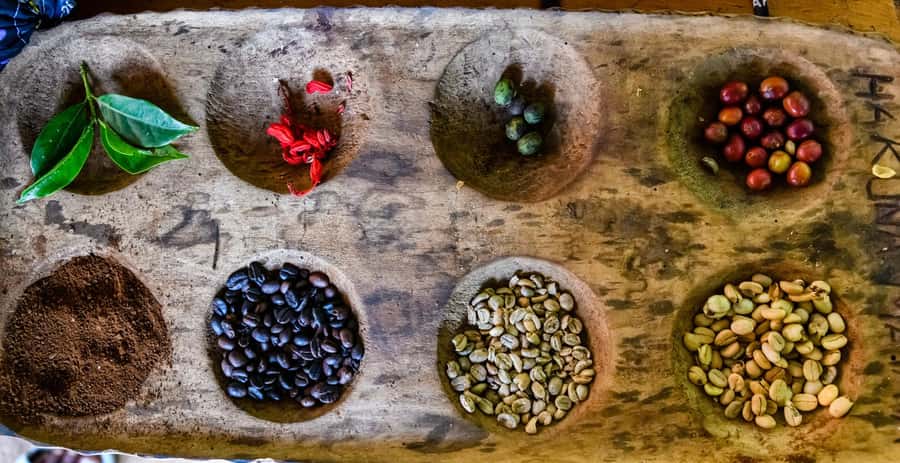
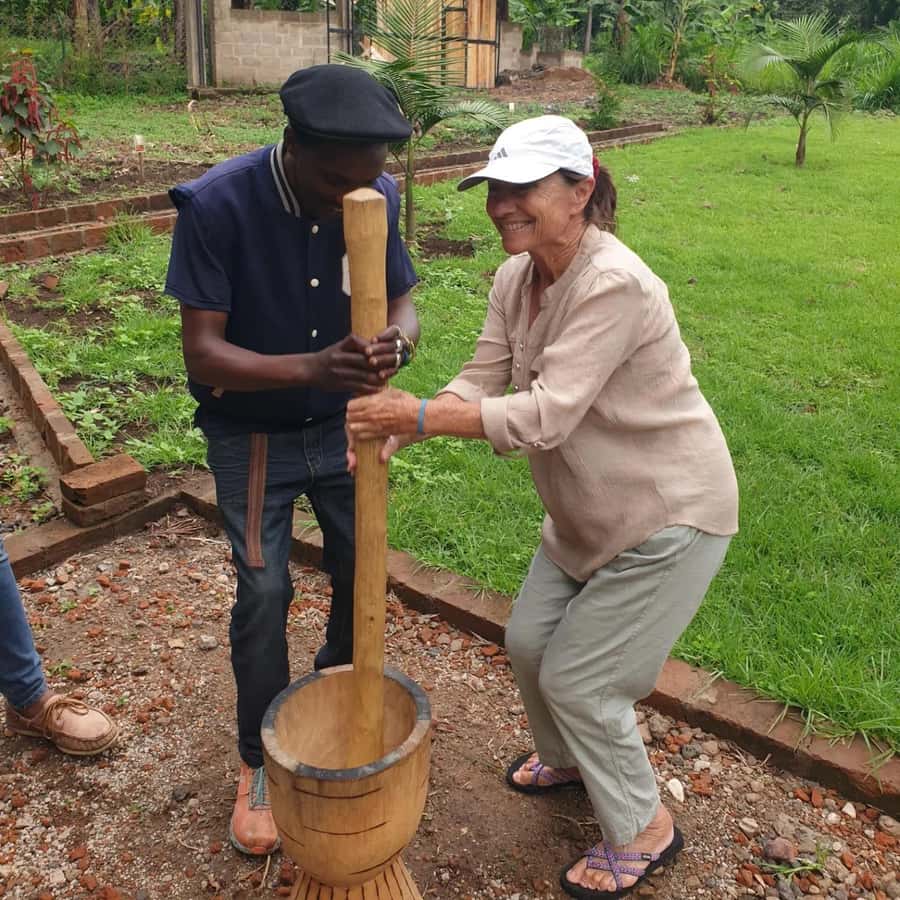
Arusha’s best coffee lesson begins with a wooden mortar, a pestle, and dried arabica beans. You walk through a smallholder farm, then make coffee the old-fashioned way by husking, roasting, grinding, and brewing it yourself. I like the direct, hands-on format and the chance to drink organic single-origin coffee made from beans you have just prepared.
I also like that the visit takes place in a private garden rather than a formal tasting room. The family-run farm may include three generations, and coconut rolls can accompany the coffee. The main consideration is time: three hours gives you a pleasant introduction, but not a detailed study of Tanzanian coffee production.
Key points at a glance
- Start with a smallholder arabica farm: See how coffee is cultivated before you handle the beans.
- Use traditional handmade tools: Husk and grind the beans with a large wooden mortar and pestle.
- Roast over charcoal: A clay pot gives the beans a rustic flavor and makes the process feel wonderfully direct.
- Make your own cup: You brew the coffee rather than simply watching a demonstration.
- Expect personal guiding: Johnson and Derik are among the guides associated with this experience.
- Good value at $30: The price covers three hours, a farm visit, drinks, and an English-speaking guide.
From Arusha road to smallholder coffee farm
The experience begins at Naturalland Expeditions in the Arusha region. The guide waits at the main road wearing a company shirt in either gray or chocolate, so keep an eye out for the shirt rather than expecting a large sign or a formal reception desk.
That meeting detail matters. Main-road pickup points can be easy to miss when you are watching traffic, looking for a vehicle, or trying to match a business name to a particular building. I would arrive a little early and keep your phone available in case you need to identify the guide.
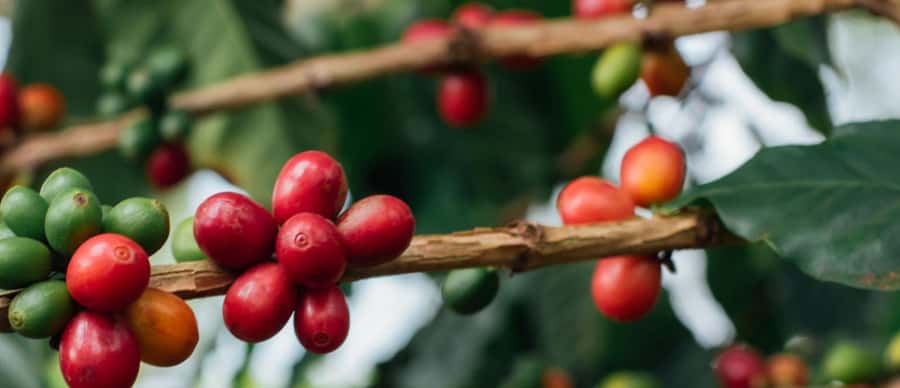
From there, the outing moves to a smallholder coffee farm. This is not simply a tasting session with pre-ground coffee. You first get a short guided walk and an introduction to arabica cultivation, giving you a basic sense of where the beans begin.
The farm setting adds useful context. Coffee is one of Tanzania’s major export commodities, but the tour keeps the subject at a human scale. Instead of discussing the crop only as an industry, you see the work connected to a small family operation. One farm included in the experience has three generations living on it, which gives the visit a strong local and family-run character.
Do not expect a long agricultural lecture. The farm visit is described as short, and the main event is the preparation that follows. That is a good fit if you want a practical activity between larger Arusha excursions, but less suitable if you are looking for a full plantation tour or a detailed lesson in farming economics.
More Kilimanjaro Coffee Farm Tours in Arusha
- Materuni Waterfalls, coffee tour & Kikuletwa Hot Springs
★ 5.0 · 643 reviews - Materuni waterfalls coffee tour & Chemka hot springs Day trip
★ 5.0 · 131 reviews - Maasai village visit, Materuni waterfalls & coffee experience
★ 4.5 · 95 reviews
The bean-to-cup process by hand
After the farm walk, you move to a private garden for the preparation session. The setting should feel more relaxed than a commercial coffee bar. You are given step-by-step instructions, then take part in the work yourself.
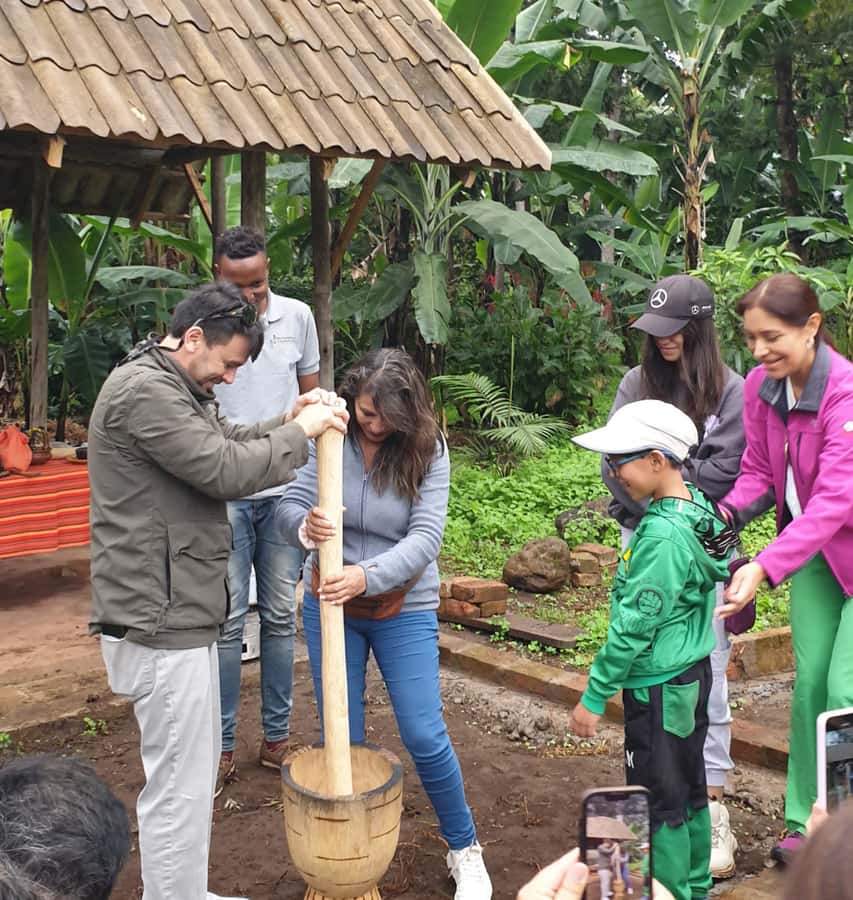
The first task is husking. Dried coffee beans still have an outer covering, so you place them in a large wooden mortar and pound them with a pestle. This is manual work, not a quick press of a button. You will hear and feel the beans break down as the husk is loosened.
The mortar and pestle are more than decoration. They slow the process and make each stage clear. You see that coffee is not born as the smooth brown powder in your kitchen tin. Before brewing, the beans need careful handling, force, heat, and patience.
The guide helps you understand the sequence, but this is not a performance where you sit back and watch. You do the work. If you enjoy activities that give you something to handle, smell, and taste, this part will probably be the most rewarding.
The manual process can also be tiring for a short period, especially if you are not used to pounding beans. That is not a serious problem, since the session lasts three hours overall, but it is worth knowing that this is a working demonstration rather than a purely decorative cultural stop.
Roasting arabica in a clay pot
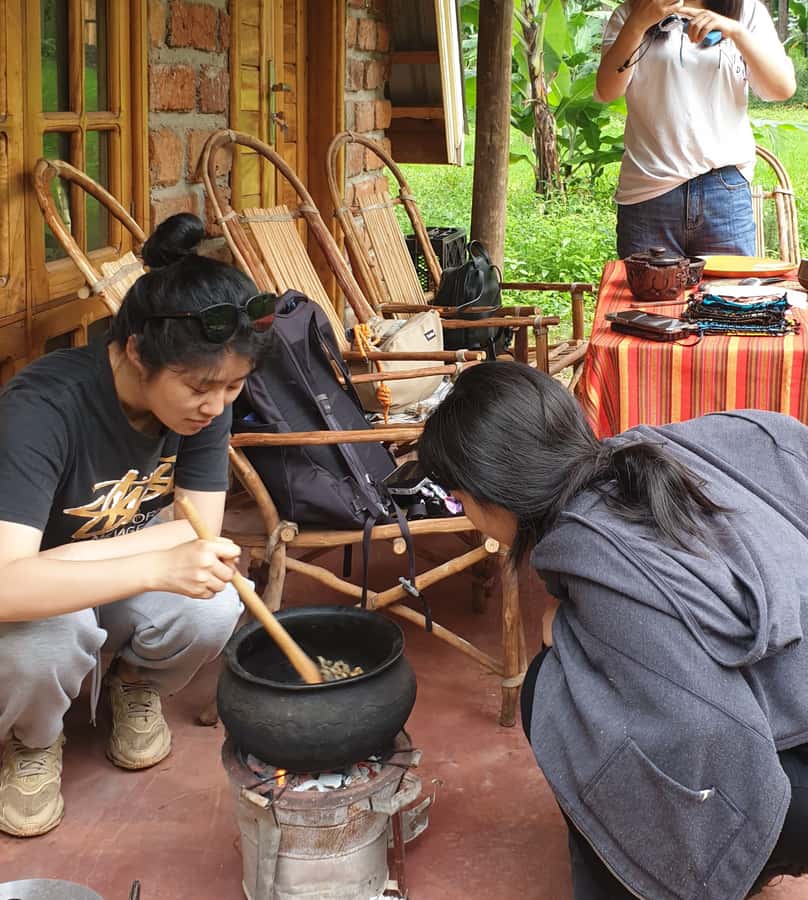
Once the outer husk has been removed, the beans are roasted in a clay pot over a charcoal fire. This is the point when the coffee aroma should become the center of the visit.
Roasting over charcoal gives the beans a more rustic flavor. The method is simple and traditional, but it also shows why roasting is such an important part of coffee preparation. The heat changes the color, smell, and taste of the beans before they ever reach the grinder.
I like this stage because it connects the farm visit to the cup in a visible way. You have already seen the plant and handled the dried beans. Now you watch them change under heat. The clay pot and charcoal fire also make the experience feel rooted in the setting, rather than copied from a standard café class.
The tour information does not promise a technical lesson on roast profiles, temperatures, or brewing ratios. If you are a serious coffee specialist, you may want more detail. For most people, though, the simple method is the point. You learn by watching the beans change and by taking part in the process.
Take care around the charcoal fire and follow the guide’s instructions. The activity is hands-on, but it is still a food preparation session involving heat and traditional utensils.
Grinding, brewing, and tasting your own coffee
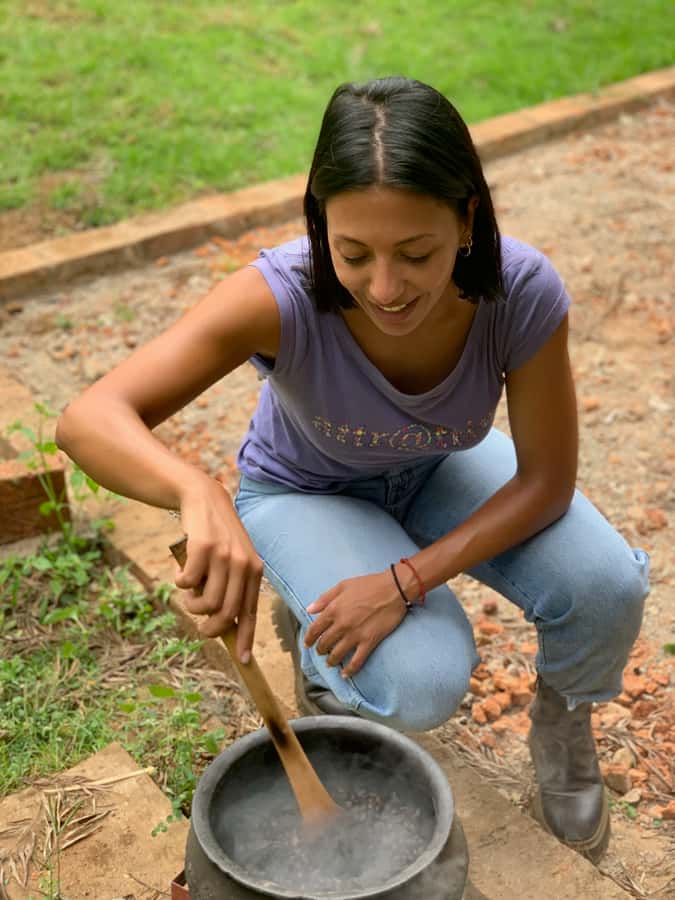
After roasting, the beans go back into the mortar. You pound them into a fine powder, then use the ground coffee to brew your drink.
This second round of pounding completes the bean-to-cup sequence. You have not just tasted coffee from the farm. You have helped create it from dried beans, through husking and roasting, to grinding and brewing.
The finished drink is organic and single-origin, according to the experience details. In practical terms, that means you are tasting coffee connected to one source rather than a mixed commercial blend. The exact flavor will depend on the beans and the preparation, so do not expect every cup to taste identical to a café espresso.
The coffee is served as part of the experience, along with drinks. Coconut rolls may also be available, and they were singled out as an especially good match for the coffee. Since the snack is not listed as a core inclusion, I would treat it as a pleasant extra rather than something to count on.
The tasting is likely to be more satisfying because you have done the work. Even if you normally take milk or sugar, try the coffee as prepared first. That gives you a better sense of the roast and the character of the single-origin beans.
Guides such as Johnson and Derik have been praised for being friendly, motivated, and attentive during the activity. The English-language guiding is useful here because the preparation has several stages, and clear instructions matter when you are working with unfamiliar tools.
Same country, a completely different kind of safari:
- Balloon Safari & Bush Breakfast in Serengeti – Miracle Experience
★ 5.0 · 1,646 reviews - Tanzania Classic – 7 Days
★ 5.0 · 1,151 reviews - 4 Days Group Camping Safari
★ 5.0 · 1,101 reviews - 5 Days Group Camping Safari
★ 5.0 · 730 reviews
What the three hours feel like
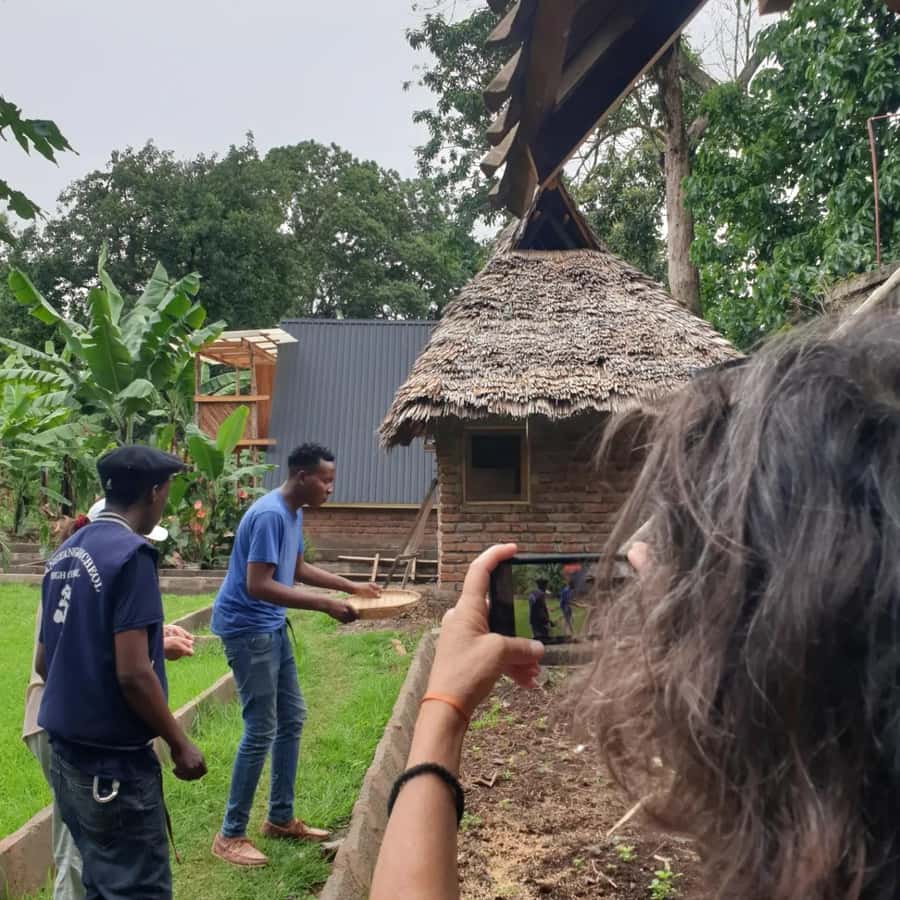
The schedule is compact. You begin with the farm visit, then spend most of the time in the garden preparing and tasting the coffee. The pace is best described as short and focused rather than slow and sprawling.
That makes this a useful half-day choice in Arusha. You can fit it around other plans without giving up a full day. At the same time, the three-hour duration leaves enough room to handle the beans yourself instead of rushing through a quick sample.
The experience may be especially enjoyable if you are traveling with a partner, family, or a small group that likes shared tasks. Pounding beans and comparing the finished cups gives you something to do together. The format also works for people who want a local food experience but do not want a formal cooking course.
I would not choose this as your only coffee activity if you want to visit a large commercial estate, compare several brewing methods, or study the export chain in depth. The farm introduction is short, and the emphasis is on participation.
The experience has earned a 4.8 rating from 11 reviews, with especially strong praise for the organization, friendly care, local family farm, and enjoyment of the preparation itself. Those are the areas I would use to judge it. You are paying for personal instruction and a real process, not for a broad historical tour or an elaborate coffee laboratory.
Is $30 a fair price?
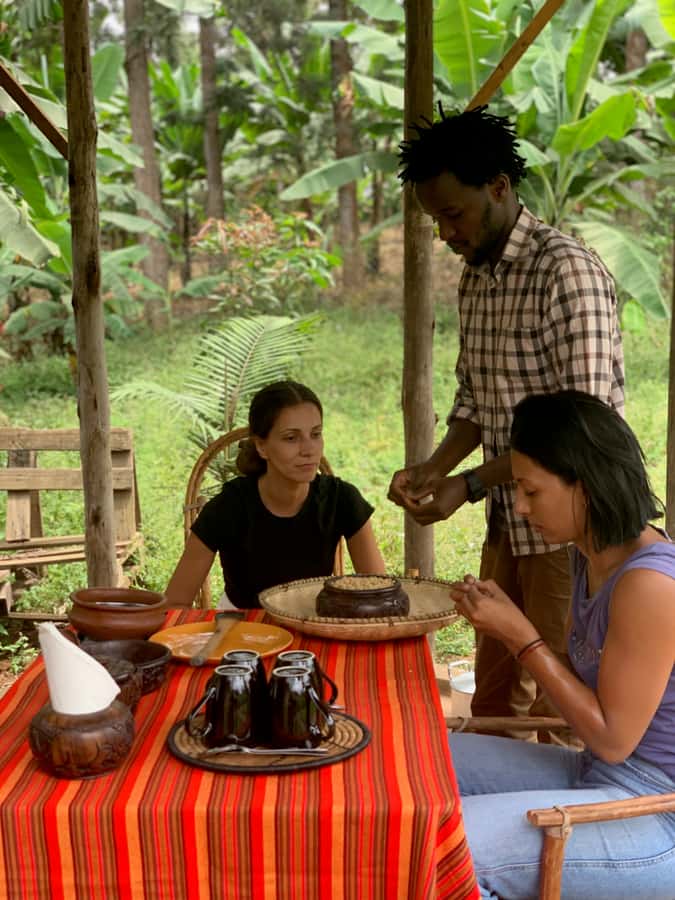
At $30 per person, the value is solid if you want more than a cup of coffee. The price includes the coffee farm visit, guide fee, and drinks, while the main attraction is the three-hour activity itself.
A normal café tasting could cost less, but it would not give you the farm walk or the chance to husk, roast, grind, and brew the beans. A longer agricultural tour could cost more while giving you less direct involvement. This sits in a useful middle ground.
The value is strongest for someone who enjoys local production and hands-on work. You get a clearer understanding of the effort behind a simple drink, along with time in a family-run setting. It is less compelling if you only want to sample good coffee and have no interest in preparing it.
The booking terms also reduce the financial risk. You can reserve and pay later, and cancellation is free up to 24 hours before the activity for a full refund. Starting times vary, so you need to check availability for your chosen date.
Who will enjoy this coffee tour most?
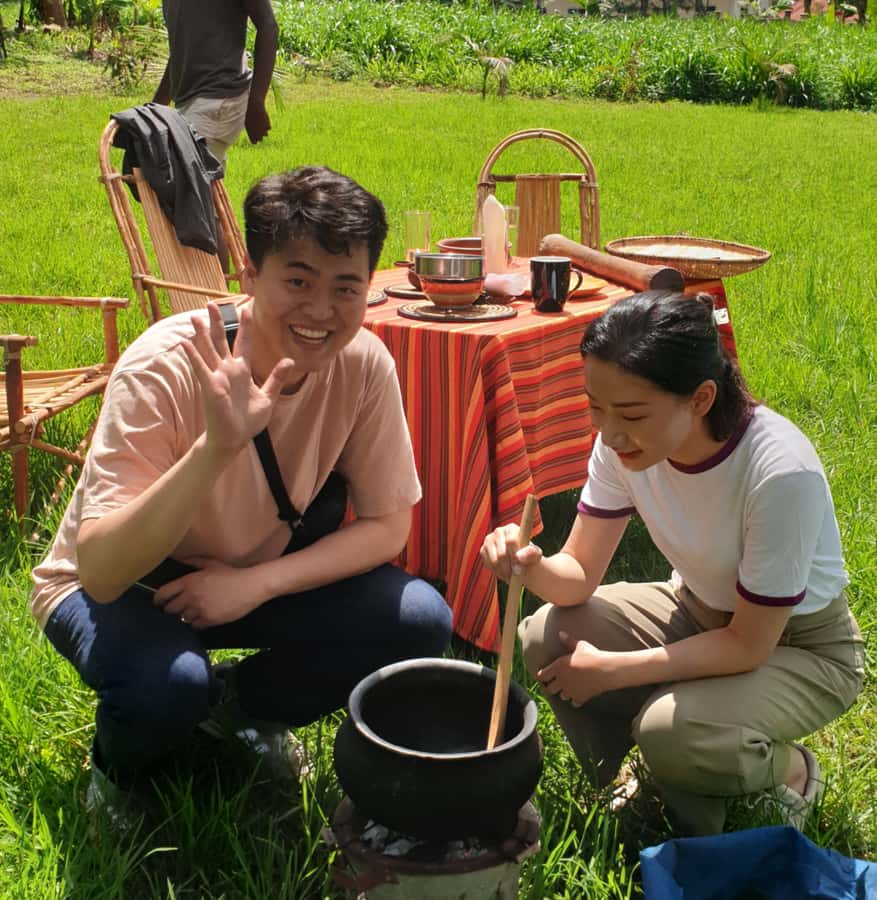
I would recommend this experience to you if you:
- Like food and drink activities with a clear local connection.
- Want to learn by doing, not just listening.
- Have a free three-hour period in the Arusha region.
- Enjoy simple tools and traditional preparation.
- Prefer a smallholder farm to a polished commercial attraction.
- Want an activity that works well before or after other plans.
It is also a good choice for coffee drinkers who have never thought about what happens before roasting. The process gives you a better sense of the labor involved, from removing the husk to turning roasted beans into powder.
You may want to choose another activity if you need detailed technical coffee training, a large plantation visit, or a full meal. The available information does not promise transport, a full lunch, or a broad range of brewing styles, so do not assume those are included.
Practical advice before you go
Wear comfortable clothes suitable for walking around a farm and working in a garden. The activity includes a guided walk and manual pounding, so this is not the time for clothing that you need to keep perfectly clean.
Plan to meet at the main road and look for the gray or chocolate company shirt. Naturalland Expeditions is the starting location, but the guide’s clothing is the most useful identification detail provided.
Keep your expectations focused. The main reward is not a long list of sights. It is the sequence: farm, husk, roast, grind, brew, taste. If you enjoy noticing small changes in smell and texture, you will get more from the session.
Ask questions as you go. The tour is guided in English, and the step-by-step format gives you several natural chances to ask about arabica cultivation, roasting, and the family farm.
Should you book it?
Book this coffee tour if you want a friendly, practical introduction to Tanzanian arabica and like the idea of making your own drink from dried beans. The smallholder farm, three-generation family setting, charcoal roasting, and private garden make it more personal than a standard tasting.
At $30, it is a good-value three-hour activity, especially when you count the guide, farm visit, drinks, and hands-on preparation. Go in knowing that the farm tour is short and the coffee lesson stays at an introductory level. For an authentic local experience with a clear beginning and end, I would put it on your Arusha shortlist.
FAQ
Where does the coffee experience start?
It starts at Naturalland Expeditions in the Arusha region. The guide waits at the main road wearing a company shirt that is either gray or chocolate.
How long does the activity last?
The experience lasts three hours, including the coffee farm visit, guided walk, preparation, and tasting.
What language does the guide speak?
The live tour guide speaks English.
What will I do during the coffee preparation?
You will learn to husk dried beans, roast them in a clay pot over charcoal, pound them into a fine powder, brew the coffee, and drink the finished cup.
Is the coffee included?
Yes. Drinks are included, along with the coffee farm visit and guide fee.
Can I cancel the booking?
You can cancel up to 24 hours in advance for a full refund. You can also reserve the activity and pay later, subject to the booking terms.
More Coffee Experiences in Arusha
- Materuni Waterfalls & Coffee Tour from Moshi
★ 5.0 · 92 reviews - Arusha: Materuni Waterfalls, Coffee, and Hotsprings Tour
★ 4.8 · 78 reviews - Coffee tour and Buffet Lunch with Kingstone Asilia (Arusha)
★ 5.0 · 74 reviews - Materuni waterfalls,coffee tour & Kikuletwa(Chemka)Hot Springs
★ 5.0 · 49 reviews
Just added around Arusha
- 8 Days Serengeti Migration safari★ 5.0 · 11 reviews
- tarangire, ngorongoro & lake manyara park 3 days private tour★ 5.0 · 11 reviews
- tarangire & ngorongoro 2 days tour★ 5.0 · 14 reviews
- Mt. Kilimanjaro: Shira plateau to Cathedral point 3872m Day hike★ 5.0 · 7 reviews
- serengeti, ngorongoro & tarangire 4 days private tour★ 5.0 · 18 reviews
- serengeti & ngorongoro 3 days private tour★ 5.0 · 15 reviews
- 2 Days Tanzania Midrange Group Join Safari★ 5.0 · 7 reviews
- climb the KILIMANJARO via Lemosho route★ 5.0 · 4 reviews
Kilimanjaro Coffee Farm Tours, compared.
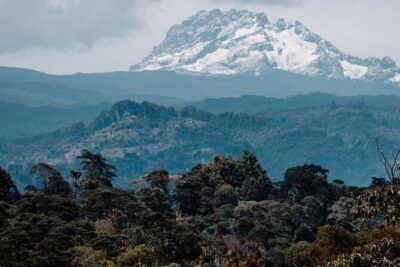
Materuni Waterfalls, coffee tour & Kikuletwa Hot Springs
Read our review →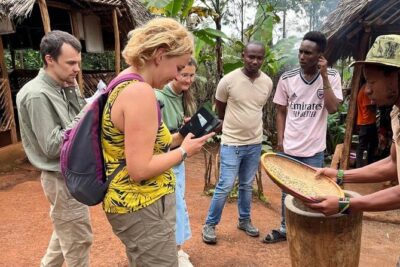
Materuni waterfalls coffee tour & Chemka hot springs Day trip
Read our review →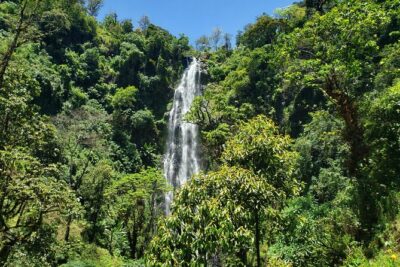
Materuni Waterfall, Coffee Tour and Picnic Hot Lunch
Read our review →
Maasai village visit, Materuni waterfalls & coffee experience
Read our review →
Arusha or Moshi : Hot Spring, Waterfall & Coffee Farm Tour
Read our review →
Materuni Waterfalls, Coffee, and Hotsprings Tour
Read our review →
Materuni Waterfalls, Chemka Hot Springs, &/Or Coffee Tour
Read our review →Browse the lists this tour appears in