
Reviewed · MID-RANGE SAFARIS
4 Days Tanzania Group Joining Safari with Mid-range Accommodation
Tarangire’s giant baobabs and elephant herds provide the first big scene, but the real prize is the run of three famous parks in four days. You move from dry savannah to the Serengeti’s open plains, then down into Ngorongoro Crater, where buffalo, lion, rhino, elephant, and leopard may all be possible.
I like the clear value: $1,283 includes park fees, a professional driver-guide, three nights, meals, and drinking water. I also like the social setup, which suits solo visitors who want company without paying for a private safari. The tradeoff is time. Long road journeys and early starts leave little room for rest, and migration sightings depend entirely on the season.
Key points to know before you book
- Tarangire starts the safari with elephants and baobabs, plus more than 550 recorded bird species.
- The Serengeti receives two game-drive periods, giving you a better chance of finding lions, leopards, cheetahs, and grazing herds.
- Ngorongoro Crater is the final wildlife set piece, with a 600-meter descent to its floor.
- Group travel keeps the price reasonable, but the maximum group size is listed as 200 people, so ask how your vehicle group is arranged.
- Three nights are spent in mid-range lodges, with breakfast, lunch, and dinner included.
- This is a fast four-day route, best for seeing major highlights rather than settling into one park.
A fast route through Tanzania’s northern parks
This safari works because the parks complement one another. Tarangire is known for elephants and unusual dry-country wildlife. Serengeti offers enormous open country and Africa’s famous predator-prey drama. Ngorongoro brings many species together in a compact volcanic setting.
That variety is the strongest reason to choose this trip. In four days, you get three very different settings rather than four days in one reserve. You also avoid arranging park permits, meals, lodges, and transport yourself.
The price is not pocket change, but it covers the expensive parts of a Tanzanian safari. Park fees and fuel can add up quickly, and having a professional driver-guide, accommodation, and all listed meals bundled together makes the cost easier to judge. The value is best for a solo visitor or couple who wants a planned safari and is comfortable sharing the experience.
The route also asks a lot from you. Each day is listed at about eight hours, and the safari begins at 6:00 a.m. from Arusha. You should expect substantial time on the road, not just hours watching animals. That is normal for a route linking Tarangire, Serengeti, and Ngorongoro in such a short period.
More Mid-Range Safaris in Arusha:
- 5-Day Highlights mid-Range Crater, Serengeti, Tarangire
★ 5.0 · 296 reviews - Private 6-Day Tarangire Manyara Crater and Serengeti with Mid-Range Lodges
★ 5.0 · 238 reviews - 5-Day Private midrange Tour in Arusha with Airport Pickup
★ 5.0 · 160 reviews
Day 1: Tarangire’s elephants and baobab country
The first morning takes you from Arusha toward Tarangire National Park. The early start is useful because it gives you a full day for the park before continuing to Mto wa Mbu, where you spend the night at a mid-range lodge.
Tarangire covers about 2,600 square kilometers, roughly the size of Luxembourg. Its mix of savannah, seasonal swamps, and huge baobab trees gives the park a distinct look. I find this a smart opening stop because you see more than the usual safari headline animals right away.
Elephants are Tarangire’s great attraction. Herds can number up to 300, and the park is regarded as one of East Africa’s better places to watch these animals at close range. You might also find Masai giraffes, buffalo, hartebeest, eland, fringe-eared oryx, and the long-necked gerenuk.
The birdlife deserves attention too. More than 550 species are recorded in the park, so keep watching after the first elephant sighting. A safari here is not only about checking off the Big Five. The unusual antelope and bird species help make Tarangire feel different from the parks that follow.
The main drawback is the day’s length. After an extensive game drive, you still travel to Mto wa Mbu for the night. You may be tired by the time dinner arrives, but this overnight stop positions you for the long journey toward Serengeti.
Day 2: From Mto wa Mbu to the Serengeti
After breakfast, you leave Mto wa Mbu and travel through the cooler highland region toward Serengeti National Park. This is one of the route’s longest-feeling days, with roughly eight hours assigned to the schedule.
The change in scenery is part of the experience. You move away from Tarangire’s baobab country toward the Serengeti’s broad plains, dry savannah, and marshy woodland. The park is famous for its huge scale, and even the approach helps you understand why game viewing here can feel less predictable than at Ngorongoro.
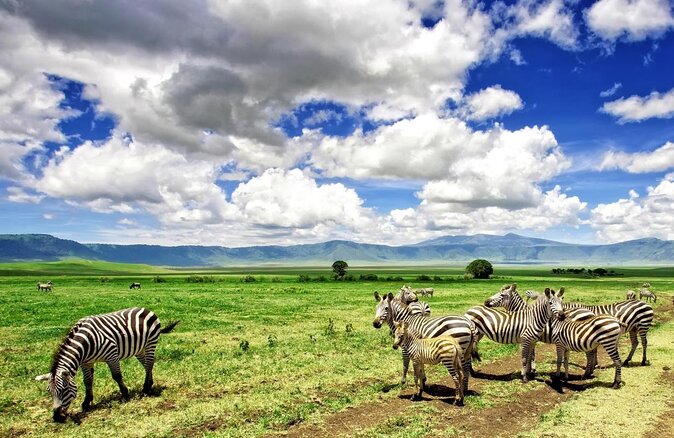
Serengeti is home to the world’s largest animal migration. The timing matters. Wildebeest and zebra move from the northern hills toward southern plains during the short rains in November and December, then travel north during the longer rains from April to June. The precise location of the herds changes, so this four-day trip cannot promise a river crossing or a particular migration scene.
That honesty matters when you plan. If your main goal is the migration, check the expected herd location before booking and accept that weather and animal movement can alter the result. If you simply want open-country wildlife, the Serengeti remains a strong choice in its own right.
The safari schedule gives you time for a game drive after reaching the park, depending on the day’s driving and park conditions. Your guide’s ability to read the area will matter here, since the Serengeti covers a vast amount of ground. The supplied details identify the guide as a professional driver-guide, but no individual guide names are provided.
You spend the night at a lodge in or near the Serengeti area. Accommodation is described as mid-range, not luxury. That usually means you should focus on a clean, comfortable base for sleep and meals rather than expect a high-end resort experience.
Day 3: Serengeti predators and the road to the crater rim
Day three begins with an early morning game drive as the sun rises over the plains. This is one of the best-placed parts of the schedule because predators are a central Serengeti attraction, and the first hours of the day give you another chance to search before the route turns toward Ngorongoro.
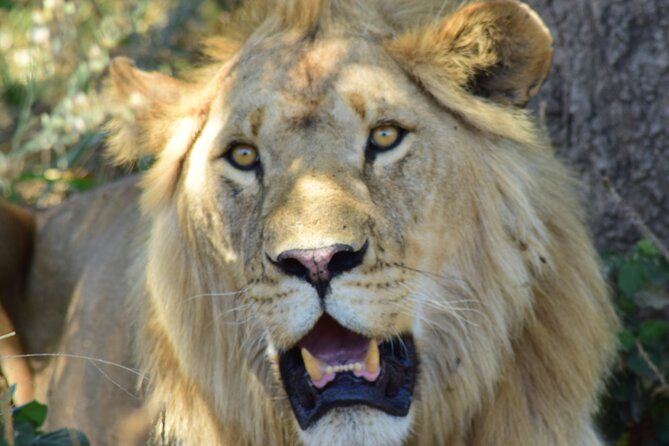
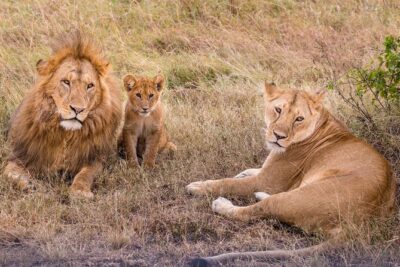
The park has many prey species, including gazelles and impalas. That food supply supports one of Africa’s largest lion populations, along with leopards and cheetahs. You may also see other animals from the previous day, but the focus here is the predator scene.
After the morning drive, the schedule returns you to the lodge for breakfast before leaving the park. This order may feel unusual, since many safari days serve breakfast in the vehicle or after a later drive, but the stated plan includes a hearty breakfast before the journey onward.
The road to Ngorongoro brings a sharp change in mood. The Serengeti feels open and immense. The crater is contained and dramatic, with its rim rising above a 600-meter-deep caldera. You spend the night at a lodge on the crater edge, where sunset views may reveal the springs and floor below.
This overnight position is valuable. It avoids beginning the crater visit from far away on the same morning, and it gives you a memorable setting at the end of a long day. Still, the word mid-range is important. The stay is designed for comfort and location, not necessarily for polished luxury or elaborate lodge facilities.
A few more Arusha trips to weigh up
- Balloon Safari & Bush Breakfast in Serengeti – Miracle Experience
★ 5.0 · 1,646 reviews - 4 Days Group Camping Safari
★ 5.0 · 1,101 reviews - 5 Days Group Camping Safari
★ 5.0 · 730 reviews - 3 Days Serengeti & Ngorongoro Group Camping Safari
★ 5.0 · 574 reviews
Day 4: Down into Ngorongoro Crater
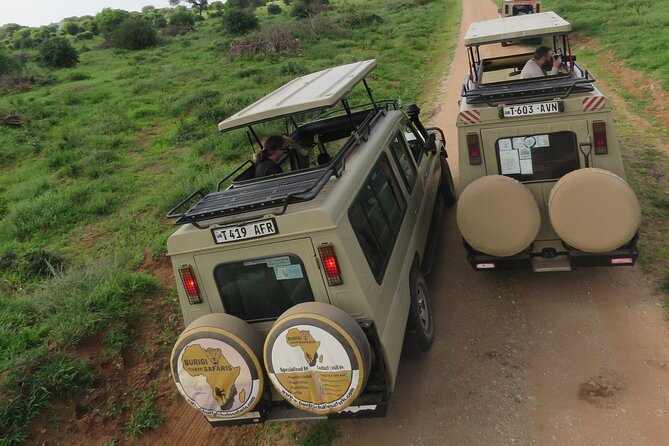
An early breakfast prepares you for the narrow, steep road down to the crater floor. The descent is a major visual moment, with the caldera opening below you as the route drops from the rim.
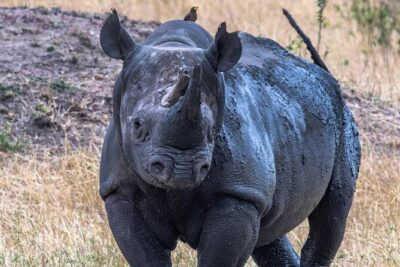
Ngorongoro is special because its enclosed setting can bring many animals into one day’s viewing area. The planned game drive includes the chance to see zebra, hippos, hyenas, wildebeest, and warthogs. It also offers the possibility of the Big Five: buffalo, rhino, lion, elephant, and leopard.
No safari can guarantee all five. That is particularly true of leopard and rhino sightings, which depend on luck, timing, and the guide’s search. The itinerary correctly presents these animals as possibilities rather than promises. Your best approach is to enjoy the full mix of crater wildlife instead of treating the day as a checklist.
Lunch is served at a picnic spot after extensive game viewing. This keeps the day moving, but you should be ready for a full outdoor schedule. The crater drive ends in the evening, followed by the journey back to Arusha.
The return makes day four another long one. You get a full final wildlife experience, but this is not a relaxed transfer day. If you have an international flight or another fixed appointment afterward, leave a generous buffer. The stated activity ends back at the Arusha meeting point, but no exact arrival time is provided.
What the price covers, and what it does not
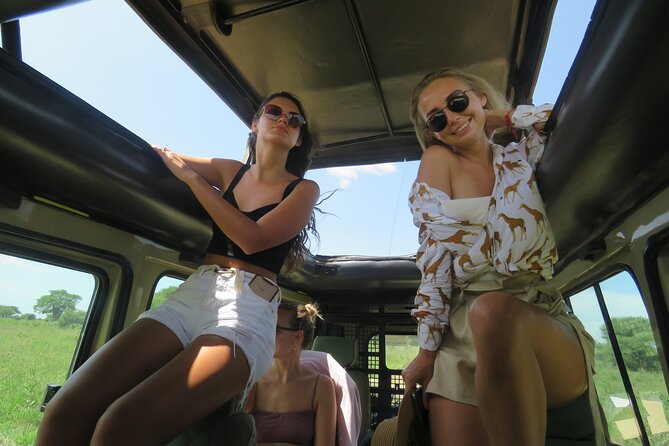
At $1,283 per person, the trip sits in the mid-range shared-safari category. Its value comes from how much is bundled:
- All fees and taxes
- All listed activities
- A professional driver-guide
- Breakfast for three days
- Lunch for four days
- Dinner for three days
- Drinking water on all days
- Three nights in mid-range lodges
That package removes several common safari expenses. You do not need to calculate park entry fees or arrange separate meals during the route. For a solo visitor, sharing transport can make this far more practical than commissioning a private safari.
You still pay for guide tips, personal purchases, souvenirs, travel insurance, medical insurance, visas, alcohol, and drinks or beverages at the lodges. The distinction between drinking water included and lodge beverages excluded is worth noting. Bring a plan for extra drinks and daily personal spending.
Tips are not included, and no fixed amount is provided. You can treat that as a personal expense to budget for rather than an unexpected addition at the end.
Group size, comfort, and the daily rhythm
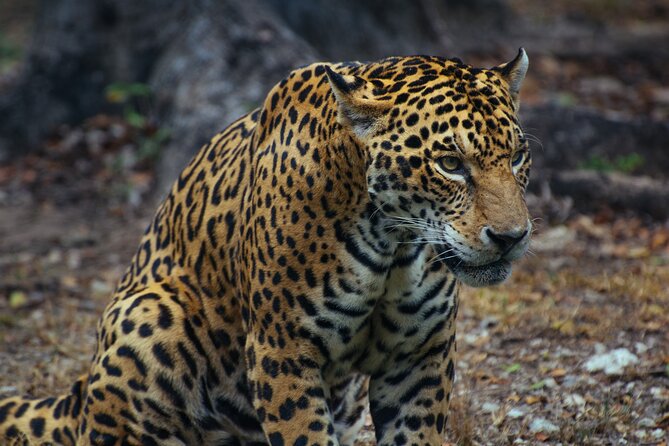
The social side is a major part of the appeal. If you are traveling alone, a group safari gives you company during long drives and shared excitement during animal sightings. It can also make the cost easier to manage.
There is one important caution: the maximum group size is listed as 200 people. That does not necessarily mean 200 people in one safari vehicle, but the information does not specify the actual vehicle group size. I would ask the operator how many people share a vehicle before paying, especially if photography and window access matter to you.
The daily rhythm is demanding:
- A 6:00 a.m. start from Arusha
- Game drives and long transfers of about eight hours per day
- Lodge overnight stays
- Breakfast, lunch, and dinner included
- Return to Arusha on day four
Most travelers can participate according to the supplied activity information, and the start point is in Arusha, near public transportation. Pickup is offered, but you should confirm the exact pickup arrangement and location during booking.
The accommodation category is mid-range, which is a sensible match for a route that spends much of the day outside. You are paying for access to the parks and the services around them, not a long afternoon beside a lodge pool.
The strongest reasons to choose this safari
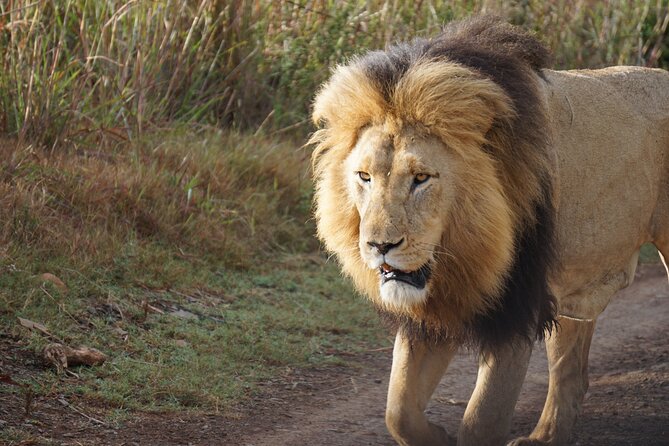
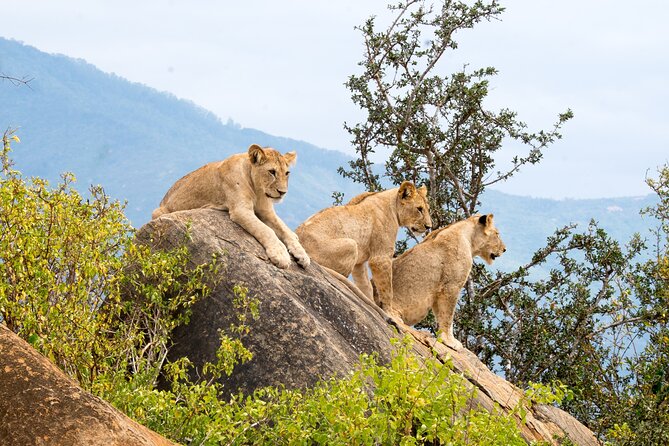
The Serengeti receives the highest praise in the available feedback, especially for its wildlife, kopjes, and broad scenery. Kopjes are the scattered rock outcrops that break up the plains and give the park a more textured look than a simple field of grass.
The migration is another major draw. The annual movement involves more than 1.5 million wildebeest and about 250,000 zebra, but the spectacle is seasonal and mobile. August, for example, may suit someone seeking northern migration activity, yet the exact experience still depends on the herd’s location and conditions.
I also like that the route includes Ngorongoro rather than treating Serengeti as the only goal. One account of a four-day safari described Serengeti as a major destination for photography, while another praised the park’s scenery as much as its animals. That is good advice for you: bring patience for the views, kopjes, changing light, and enormous spaces, not only for close animal sightings.
Tarangire receives less attention in the supplied comments, but it may be the park that gives the itinerary its best contrast. Its elephants, baobabs, gerenuk, and birdlife add variety before you reach the better-known Serengeti.
Who should book, and who should think twice?
I would recommend this safari to a solo visitor, couple, or first-time Tanzania visitor who wants the country’s northern highlights in a compact package. It suits you if you value included meals, park access, a professional driver-guide, and the chance to meet other people more than private control over every stop.
It is also a good choice if your priority is variety. You see Tarangire, Serengeti, and Ngorongoro rather than spending the whole trip in one reserve. The combination offers elephants, predators, migration country, crater wildlife, baobabs, kopjes, and highland scenery.
I would think twice if you dislike long road transfers or need a slow, quiet holiday. Four days is enough for an introduction, but it is not enough to remove uncertainty from wildlife viewing. You also need to be comfortable with the possibility of a large overall group and mid-range, rather than luxury, accommodation.
The non-refundable policy deserves attention before you commit. This experience cannot be changed or refunded for personal cancellation. If poor weather causes the operator to cancel, you are offered another date or a full refund. Travel insurance is not included, so protect the booking if your plans are uncertain.
Should you book the four-day route?
Book it if you want an efficient, social safari that covers Tanzania’s most famous northern parks and includes the major costs. The combination of Tarangire elephants, Serengeti predators and migration country, and Ngorongoro’s crater floor is hard to match in only four days.
Do not book it expecting guaranteed Big Five sightings, a guaranteed wildebeest crossing, or a leisurely lodge holiday. Ask about the actual group size, confirm pickup details, and check the migration season against your dates. If those points suit you, this is a practical way to get a broad taste of northern Tanzania without arranging every moving part yourself.
FAQ
Where does the safari start?
The safari starts in Arusha, Tanzania.
What time does the safari begin?
The stated start time is 6:00 a.m.
Where does the safari end?
The activity ends back at the Arusha meeting point.
Which national parks are included?
The route includes Tarangire National Park, Serengeti National Park, and Ngorongoro Crater.
How long is the safari?
The safari lasts approximately four days.
Is pickup available?
Yes, pickup is offered.
What accommodation is provided?
You stay in mid-range lodges during the three overnight stays.
Are meals included?
Yes. The package includes three breakfasts, four lunches, and three dinners.
Is drinking water included?
Yes, drinking water is included on all days. Drinks and beverages at the lodges are not included.
Are park fees and activities included?
Yes, all fees and taxes and all listed activities are included unless an activity is marked optional.
Is a guide provided?
Yes, a professional driver-guide is included.
Are tips included?
No. Tips for the guide are not included.
Can I cancel for a refund?
No. The experience is non-refundable and cannot be changed for personal cancellation. If poor weather causes the operator to cancel, you are offered a different date or a full refund.
How large can the group be?
The maximum listed capacity is 200 people. The information does not specify how many people share an individual safari vehicle.
Is the safari suitable for most people?
The activity information says most people can participate. It also notes that the tour is near public transportation.
More 4-Day Experiences in Arusha
- 4 Days Join Group tour Tarangire Serengeti and Ngorongoro crater
★ 5.0 · 219 reviews - 4-Day Safari from Arusha: Tarangire, Serengeti and Ngorongoro
★ 5.0 · 173 reviews - 4 Days safari Tour Tanzania
★ 5.0 · 159 reviews - 4 Days Tarangire Serengeti Ngorongoro Crater
★ 5.0 · 117 reviews
Just added around Arusha
- 8 Days Serengeti Migration safari★ 5.0 · 11 reviews
- tarangire, ngorongoro & lake manyara park 3 days private tour★ 5.0 · 11 reviews
- tarangire & ngorongoro 2 days tour★ 5.0 · 14 reviews
- serengeti & ngorongoro 3 days private tour★ 5.0 · 15 reviews
- Mt. Kilimanjaro: Shira plateau to Cathedral point 3872m Day hike★ 5.0 · 7 reviews
- serengeti, ngorongoro & tarangire 4 days private tour★ 5.0 · 18 reviews
- 2 Days Tanzania Midrange Group Join Safari★ 5.0 · 7 reviews
- climb the KILIMANJARO via Lemosho route★ 5.0 · 4 reviews
Mid-Range Safaris, compared.

5-Day Highlights mid-Range Crater, Serengeti, Tarangire
Read our review →
Private 6-Day Tarangire Manyara Crater and Serengeti with Mid-Range Lodges
Read our review →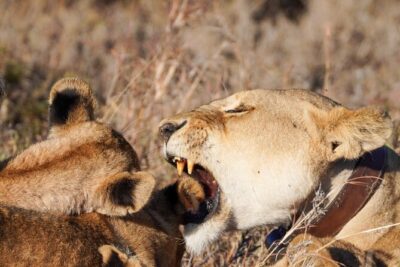
5-Day Private midrange Tour in Arusha with Airport Pickup
Read our review →
4 Days Tarangire, Serengeti and Ngorongoro Mid-Range Group Safari
Read our review →
5 Days Mid-Range Group Safari with Accommodation
Read our review →
7-Day Private midrange Tour in Arusha with Airport Pickup
Read our review →Browse the lists this tour appears in