

Reviewed · SERENGETI SAFARIS
4 Day Ngorongoro Crater Tarangire and Serengeti National Park
Tarangire’s elephant herds, the open plains of the Serengeti, and Ngorongoro’s wildlife-filled crater all fit into four demanding but rewarding days. Kilipath African Safaris keeps the price at $899 per person by using budget camping and a compact northern-circuit route.
I like the small maximum group of six, which gives you a better chance to ask questions and get a clear view from the safari jeep. I also like that meals, taxes, camping nights, and park visits are built into the price. The tradeoff is pace: you spend long hours on rough roads, and the Serengeti campsite facilities may feel basic.
Key points to know before booking
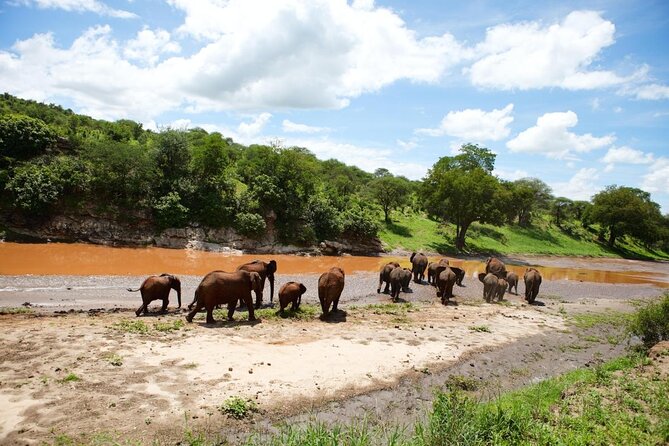
- Three famous parks in four days: Tarangire, Serengeti, and Ngorongoro Crater form a classic northern Tanzania route.
- Elephant country first: Tarangire is known here for large herds, with possible sightings of giraffes, zebras, buffalo, impala, warthogs, and leopard.
- Small-group format: The advertised maximum is six people, a useful balance between cost and personal space.
- Budget camping: You sleep at Tarangire Campsite, Seronera Campsite, and Ngorongoro Simba Campsite rather than in lodges.
- Early Serengeti start: Day three begins around 6 a.m., with coffee, sunrise, and a morning game drive.
- Big Five potential: Lion, leopard, elephant, buffalo, and rhinoceros are all possible, but wildlife sightings can never be promised.
Why this four-day route works
This safari is designed for people who have limited time in Tanzania but still want a serious wildlife trip. You begin and end in Arusha, which keeps the plan simple if you are adding a safari before or after other time in the country.
The route also gives you three different wildlife settings. Tarangire offers woodland, seasonal river country, and large elephant herds. The Serengeti brings broad grasslands and the feeling of being far from town. Ngorongoro Crater gives you a concentrated half-day search for animals in a contained natural setting.
The price of $899 is strong for a four-day safari that includes meals, taxes, park admissions, camping, and pickup. It is not a luxury trip. You should expect practical camps, shared safari transport, and a schedule built around seeing as much wildlife as possible rather than sleeping late.
I would compare the cost carefully with longer tours, but for a short northern Tanzania safari, the package offers a useful amount of park time. The main question is not simply how cheap it is. It is whether you are comfortable trading lodge comfort and a slower pace for access to three major wildlife areas.
More Serengeti Safaris in Arusha
- Balloon Safari & Bush Breakfast in Serengeti – Miracle Experience
★ 5.0 · 1,646 reviews - 3 Days Serengeti & Ngorongoro Group Camping Safari
★ 5.0 · 574 reviews - 5-Day Highlights mid-Range Crater, Serengeti, Tarangire
★ 5.0 · 296 reviews
Day one: Tarangire’s elephants and baobab country

Your first morning begins with a 7:30 a.m. pickup in Arusha, after breakfast at your hotel. From there, you drive directly toward Tarangire National Park with a picnic lunch.
Tarangire is an excellent first park because the wildlife can be rewarding soon after you enter. The safari plan points to elephant herds of 10 to 20 animals, sometimes reaching 30. Watching elephants move between trees, feeding, or standing near the road can be one of the most memorable parts of the trip.
Keep your eyes above ground, too. A leopard may be resting in a tree, though this is never a sure sighting. You may also see buffalo, impala, zebras, warthogs, and giraffes. The useful habit here is to scan slowly instead of looking only for large animals. Your guide may spot movement or a shape in the branches before you do.
The game drive continues until late afternoon or early evening, giving you a full first day in the park. Afterward, you head to Tarangire Campsite for dinner and the night.
The picnic lunch keeps the day moving, but it also means you should be ready for a full outdoor day. Bring sun protection, water, and a warm layer for the drive back to camp. Safari vehicles can be dusty, and the roads can be rough, so this is not the place for delicate luggage or a rigid expectation of smooth travel.
Day two: Crossing toward the Serengeti
Day two starts with an early breakfast. You pack the camping equipment into the safari jeep and travel toward Serengeti National Park through the Manyara area and along the Rift Valley escarpment.
This transfer is part of the experience, but it is also the least relaxed section of the trip. You cover ground between parks, and the roads can be bumpy. One of the practical advantages of a good guide is the ability to handle changing road conditions and keep the group informed.
You have the option to visit a Maasai village along the way. This adds a cultural stop to a trip that otherwise focuses mainly on wildlife. Since it is optional, ask about the extra arrangements and timing before you leave Arusha so you know how it fits into the day.
You reach the Serengeti in the evening and take a game drive before arriving at Seronera Campsite for dinner and the night. Entering the park late in the day can still produce sightings, especially when animals are active, but you should not expect the same length of wildlife viewing as on a dedicated full-day drive.
The Serengeti campsite is the part of the trip where expectations matter most. Budget camping keeps the safari affordable, but facilities may be plain. One important practical concern is that the bathrooms at the Serengeti camp can be poor. If reliable facilities are a high priority, ask Kilipath exactly what camping setup is planned for your departure date.
Day three: Sunrise over the Serengeti
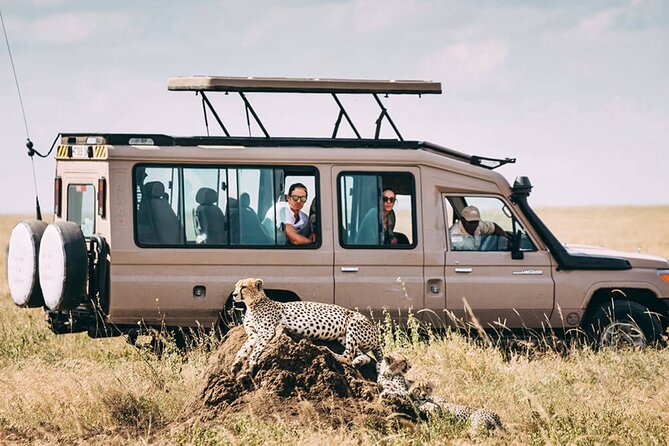
The early start on day three is one of the best choices in the program. You rise around 6 a.m., have a hot cup of coffee, and leave camp for a morning game drive in the heart of the Serengeti.
The morning can be cold, so pack fleece, a jacket, or another warm layer where you can reach it quickly. The open vehicle and early hour make the chill sharper than you might expect, even in a warm country.
You watch the sunrise while searching for wildlife, then continue until midday. The plan calls for breakfast and lunch to be combined into a substantial brunch back at camp. After that, you continue toward the Ngorongoro Conservation Area, with another game drive along the way.
This day gives you a valuable stretch of Serengeti time, but it is busy. You are not spending a second full day in one area. Instead, you combine an early morning wildlife session with the transfer toward the crater. If your main goal is a slower Serengeti experience, a longer safari would serve you better.
The quality of the guide matters greatly here. Kilipath teams have included guides such as John, David, Godfrey, Dickson, Hatibu, and Bulldozer on different safari departures. Their reported strengths include animal spotting, driving on rough roads, explaining plants and wildlife, and communicating in several languages. Your own guide may be different, so request the name and language arrangement before departure if that affects your choice.
By evening, you reach Ngorongoro Simba Campsite for dinner and sleep. The location prepares you for the next morning’s descent into the crater.
Same country, a completely different kind of safari:
- Tanzania Classic – 7 Days
★ 5.0 · 1,151 reviews - 4 Days Group Camping Safari
★ 5.0 · 1,101 reviews - 5 Days Group Camping Safari
★ 5.0 · 730 reviews - Materuni Waterfalls, coffee tour & Kikuletwa Hot Springs
★ 5.0 · 643 reviews
Day four: Ngorongoro Crater’s concentrated wildlife
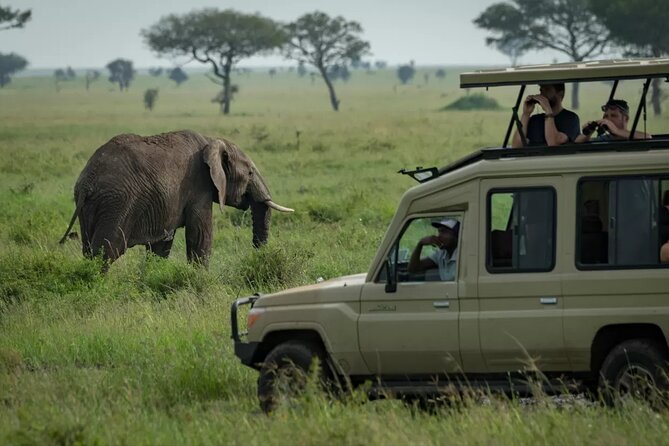
After breakfast, you pack a picnic lunch and make the short drive to the crater descent gate. The road drops about 650 meters to the crater floor, where you spend roughly half a day on a game drive.
Ngorongoro is special because water remains available through the year, helping support a large population of resident animals. You may see many of the species encountered earlier, and you have a chance to look for rhinoceros. A rhino sighting is never guaranteed, but this is the part of the route where that possibility becomes especially important for anyone hoping to complete the Big Five.
The crater floor also gives you a change of scale. Tarangire and Serengeti can feel wide open, while Ngorongoro brings wildlife viewing into a more contained natural bowl. That can make sightings feel easier to follow, although the area can also be busy with safari vehicles.
You eat your picnic lunch during the crater visit, then climb to the rim and return to camp to collect your camping gear. From there, you drive back to Arusha or directly to the airport.
The airport option is useful, but confirm the timing before booking flights. The final day includes breakfast, a crater drive, lunch, the climb out, camp gear collection, and the return journey. It is wise to leave a generous buffer rather than scheduling a tight onward connection.
Wildlife: what you can reasonably hope to see
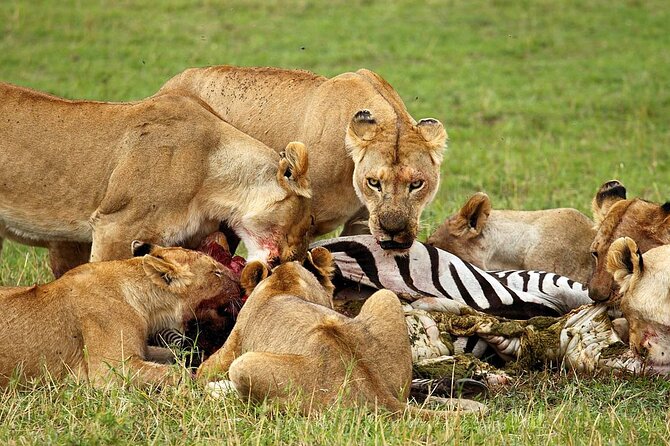
This route covers habitats that support a wide range of animals. The experience is particularly strong for people hoping to see elephants, giraffes, zebras, buffalo, impala, warthogs, and the large cats that may appear along the way.
Several people who took Kilipath safaris reported seeing all five famous Big Five animals: lion, leopard, elephant, buffalo, and rhinoceros. That is a real possibility, not a promise. Wildlife is free to move, and luck, weather, season, and your guide’s tracking skill all affect the result.
You should also pay attention to birds and smaller animals. The supplied details emphasize large wildlife, but the guide’s ability to explain plants and animals can add much to the drive. Ask questions. A safari is more rewarding when you understand why an animal is in a certain place, not only when you take a photograph.
The best approach is to enjoy the full range of sightings rather than measure the trip only by a checklist. Seeing all of the Big Five would be a wonderful result, but Tarangire elephants, a sunrise in the Serengeti, and the crater itself already give the trip three distinct highlights.
Camping, meals, and daily comfort
All meals are included: three breakfasts, three dinners, and four lunches. That is a meaningful part of the value because you do not need to budget separately for food during the safari.
The food has received especially warm praise, with safari cooks preparing meals that some people found so generous they felt they gained weight. You should still expect camp-style dining rather than restaurant service, but a capable cook can make a major difference after a long day in the jeep.
You spend the nights at three campsites:
- Tarangire Campsite on night one
- Seronera Campsite in the Serengeti on night two
- Ngorongoro Simba Campsite on night three
The camping setup is the main comfort compromise. Some people found the camps pleasant, while the Serengeti bathroom facilities were described as very poor on one departure. Ask what tents, bedding, showers, and toilets are provided before you go, since the supplied details do not spell out those items.
Pack light and keep important items in a small day bag inside the vehicle. Warm clothing matters for the early Serengeti drive, while sun protection matters during the midday hours. Dust and rough roads are part of the setting, so protect cameras and other sensitive equipment.
Guides, vehicles, and group size
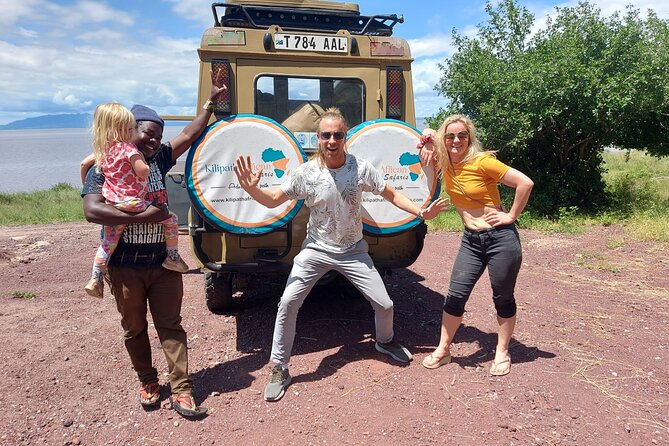
The advertised maximum is six people. That is a useful limit for a safari because you are less likely to feel crowded than in a large vehicle. It also makes communication with your guide easier, and each person should have a better chance of seeing through an open window or raised roof.
The guide can shape the trip as much as the parks do. Strong safari guides spot distant animals, explain behavior, choose sensible routes, and drive carefully over bad sections of road. Kilipath’s guide teams have been praised for their animal-spotting ability, language skills, patience, and problem-solving when conditions become difficult.
The road conditions deserve plain speaking. This is a moving safari, not a paved sightseeing tour. You may bounce over rough sections, and rain can make some roads harder to manage. That is why comfortable clothing, patience, and a willingness to adjust the day are more useful than a tightly controlled schedule.
Is $899 a good value?
At $899 per person, this is a strong budget option for a four-day safari covering three major northern Tanzania parks. The package includes park admissions, all listed meals, taxes, camping, pickup, and the return to the starting point.
You still need to pay for your visa and tips. The price also does not turn a camping safari into a lodge safari. If you want private rooms, polished bathrooms, or a slower schedule, you should compare this with a higher-priced option.
For you, the value is highest if the priorities are:
- Seeing several major parks in a short time
- Keeping the cost below a lodge-based safari
- Having meals and park fees included
- Traveling in a group capped at six
- Accepting basic camping and rough roads
The value is weaker if comfort is central to your trip. Three parks in four days means transfers take up a fair share of your time. A longer safari may cost more, but it would give you more room for rest and more dedicated time in the Serengeti.
Who should choose this safari?
I would recommend it to a first-time safari visitor with limited time in Tanzania, especially someone already planning to be in Arusha. It also suits couples, friends, and solo visitors who want a lower-cost group experience without joining a very large vehicle.
It is a good fit if you want the excitement of camping and do not mind early mornings. The 6 a.m. Serengeti departure is worth it for the sunrise and cooler wildlife-viewing hours, but it will not suit anyone seeking a leisurely holiday.
Families and older visitors should ask detailed questions about the vehicle, tent setup, bathroom access, and road conditions before booking. Most people can participate, but the schedule is active and the roads are rough.
Kilipath also appears to be useful for people who need help with more than the park drives. Its staff have arranged hotel help, transportation, flights, and even luggage storage for some safari clients. Treat those as possible extra services to confirm, not as automatic inclusions in this $899 package.
Booking details and cancellation
Pickup is offered in Arusha, and the activity starts at 7:30 a.m. It ends back at the meeting point, with the option to continue directly to the airport on the final day.
You receive confirmation when you book. The advertised cancellation rule allows a full refund if you cancel at least 24 hours before the local start time. Cancellations or changes inside that window are not refunded or accepted. If poor weather causes the operator to cancel, you are offered another date or a full refund.
Should you book it?
Book this safari if your priority is maximum wildlife variety in a short period at a controlled price. Tarangire elephants, a dawn drive in the Serengeti, and a Ngorongoro crater-floor search for rhino make a strong four-day package.
Before paying, ask three direct questions: what camping equipment is supplied, what bathroom facilities are planned in the Serengeti, and how the final airport transfer fits your flight. If the answers work for you, this is a practical way to reach Tanzania’s most famous northern parks without paying lodge prices.
FAQ
Where does the safari start and finish?
The safari starts in Arusha, Tanzania, at 7:30 a.m. It ends back at the meeting point, with the option to continue directly to the airport after the final day.
Which parks are included?
The route includes Tarangire National Park, Serengeti National Park, and Ngorongoro Crater within the Ngorongoro Conservation Area.
How many people can join the safari?
The advertised maximum is six people.
Are meals included?
Yes. The package includes three breakfasts, three dinners, and four lunches, along with all listed taxes.
Is camping included?
Yes. Overnight stays are planned at Tarangire Campsite, Seronera Campsite, and Ngorongoro Simba Campsite.
What is not included in the price?
Visas and tips are not included. The listed price is $899 per person.
More Tarangire National Park Safaris in Arusha
- Private 6-Day Tarangire Manyara Crater and Serengeti with Mid-Range Lodges
★ 5.0 · 238 reviews - 4 Days Tarangire Serengeti Ngorongoro Crater
★ 5.0 · 117 reviews - 3 Days Tarangire, Ngorongoro & Lake Manyara Group Camping Safari
★ 5.0 · 102 reviews - Tarangire Day Tour
★ 5.0 · 95 reviews
More Ngorongoro Crater Tours in Arusha
- 5 Days Camping Tarangire, Serengeti & Ngorongoro crater & Visiting Maasai
★ 5.0 · 229 reviews - 4 Days Join Group tour Tarangire Serengeti and Ngorongoro crater
★ 5.0 · 219 reviews - 4-Day Safari from Arusha: Tarangire, Serengeti and Ngorongoro
★ 5.0 · 173 reviews - 2 Days Tarangire and Ngorongoro Group Camping Safari
★ 5.0 · 146 reviews
Just added around Arusha
- 8 Days Serengeti Migration safari★ 5.0 · 11 reviews
- tarangire, ngorongoro & lake manyara park 3 days private tour★ 5.0 · 11 reviews
- tarangire & ngorongoro 2 days tour★ 5.0 · 14 reviews
- Mt. Kilimanjaro: Shira plateau to Cathedral point 3872m Day hike★ 5.0 · 7 reviews
- serengeti, ngorongoro & tarangire 4 days private tour★ 5.0 · 18 reviews
- serengeti & ngorongoro 3 days private tour★ 5.0 · 15 reviews
- 2 Days Tanzania Midrange Group Join Safari★ 5.0 · 7 reviews
- climb the KILIMANJARO via Lemosho route★ 5.0 · 4 reviews
Serengeti Safaris, compared.

Serengeti Balloon Safari and authentic bush breakfast
Read our review →
3 Days Serengeti & Ngorongoro Group Camping Safari
Read our review →
5-Day Highlights mid-Range Crater, Serengeti, Tarangire
Read our review →


Private 6-Day Tarangire Manyara Crater and Serengeti with Mid-Range Lodges
Read our review →
5 Days Camping Tarangire, Serengeti & Ngorongoro crater & Visiting Maasai
Read our review →
4 Days Join Group tour Tarangire Serengeti and Ngorongoro crater
Read our review →Browse the lists this tour appears in