
Reviewed · SERENGETI SAFARIS
6 Day Group Camping Safari Tarangire Serengeti Ngorongoro Manyara
The real prize here is variety. In six days, you move from elephant country in Tarangire to the open grasslands of Serengeti, then down into Ngorongoro Crater and across bird-filled Lake Manyara. It is a fast, wildlife-heavy route with nights under canvas rather than in lodges.
I like the small maximum group of six, which gives your guide room to position the vehicle and answer questions without a crowd. I also like the straightforward price: $1,370 per person covers game drives, park fees, camping equipment, meals, bottled water, and an English-speaking guide. The tradeoff is long driving days, basic campsites, and a packed schedule that leaves little time for rest.
Key points at a glance
- Four major parks in six days: Tarangire, Serengeti, Ngorongoro, and Lake Manyara each offer a different setting and wildlife focus.
- Seronera gives you two nights: This is valuable because you get a full Serengeti day instead of moving camp every night.
- Camping keeps the price in check: Equipment, meals, taxes, and bottled water are included, but personal drinks, tips, and laundry are not.
- The group is capped at six: You get the social feel of a small safari while still having a private guide.
- Magic Mike is one named guide: He is noted for sharp animal-spotting skills, including finding more than 30 lions in one day.
- Bring a duffle bag: Suitcases are not suitable for this safari, and the trip begins at 8:30 a.m. in Arusha.
Four parks, four different safari moods
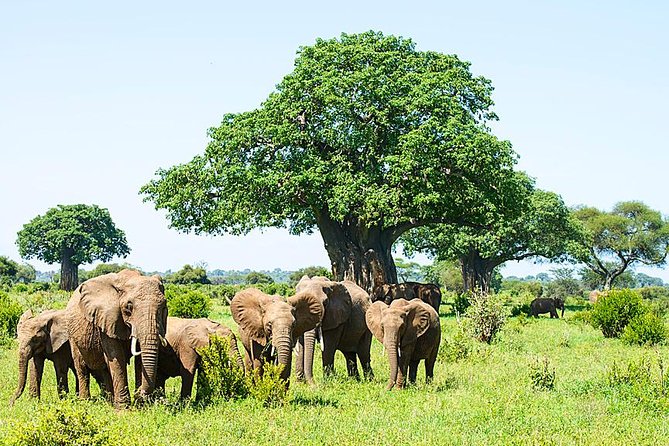
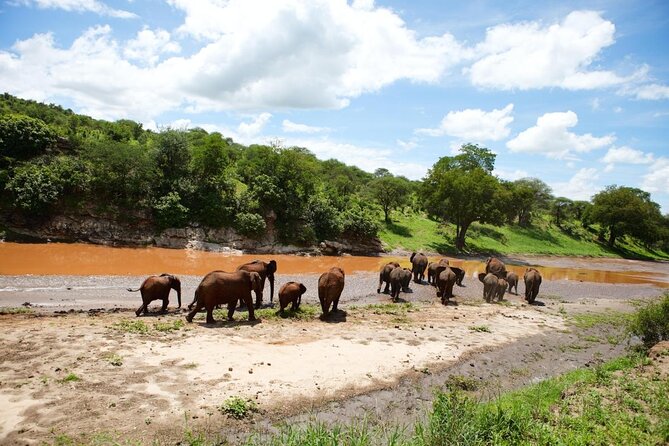
This route works because the parks do not feel interchangeable. Tarangire is known for elephants and birds. Serengeti brings wide grasslands and major predator viewing. Ngorongoro offers a compact crater setting where several large animals may be seen in a single outing. Manyara adds forest, lake views, hippos, and birdlife.
You also visit two UNESCO World Heritage sites, Serengeti National Park and the Ngorongoro Conservation Area. That does not make the safari better by itself, but it gives the route extra weight. You are seeing places recognized for their natural importance, not just checking off ordinary game parks.
The schedule is active. Expect about seven or eight hours assigned to each day, though those hours include driving, stops, meals, and game viewing. If you want a slow holiday with long afternoons at camp, this is not the right shape of trip. If you want to see as much northern Tanzania as possible without paying lodge prices, it makes good sense.
More Lake Manyara Safaris in Arusha
- Private 6-Day Tarangire Manyara Crater and Serengeti with Mid-Range Lodges
★ 5.0 · 238 reviews - 3 Days Tarangire, Ngorongoro & Lake Manyara Group Camping Safari
★ 5.0 · 102 reviews - 3 Days Private Safari – manyara, Ngorongoro & Tarangire
★ 5.0 · 94 reviews
Day 1: Tarangire’s elephants and baobabs
You leave Arusha at 8:30 a.m. and drive to Tarangire National Park. The first day gets you into the safari rhythm quickly, with game drives and a picnic lunch rather than a long hotel-based start.
Tarangire is especially appealing if you want elephants and a quieter feel. The park is slightly away from the main route, and its reputation rests on elephant migration, bird-watching, and a more open, less hurried safari atmosphere. You might also find giraffes, zebras, buffalo, and lions, since these species are part of the wider wildlife mix covered by the trip.
The day lasts about seven hours, followed by a drive to Kizumba Campsite near Manyara. Dinner and overnight camping are included. This first night matters because it keeps the route moving without paying for a lodge, though you should expect a practical campsite rather than a polished resort.
I would pay attention to the pace here. Tarangire is not treated as a brief roadside stop, but the day still has a lot packed into it. The best value comes from being ready for a full day outside, with sun protection, a hat, and easy access to your water.
Day 2: The long road to Serengeti
After breakfast, you head toward Serengeti with a picnic lunch and game drives along the way. The drive takes about eight hours, so this is one of the more demanding days. The reward is arrival in Africa’s most famous park and an overnight at Seronera Campsite.
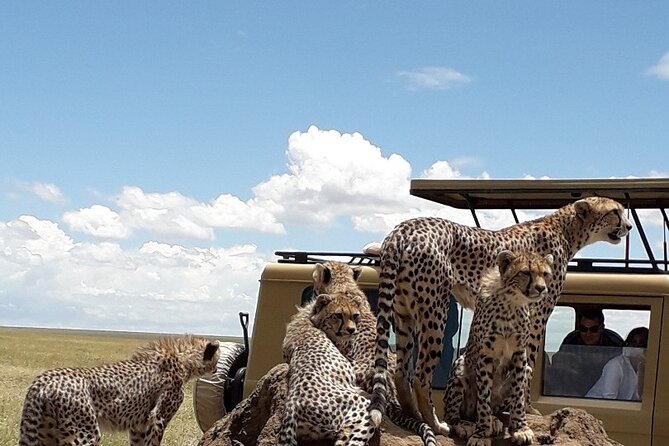
Serengeti is the place for open grassy plains, large grazing herds, and predators. Its name is closely tied to the Great Migration, when roughly two million grazers move through the wider ecosystem. Your exact animal sightings depend on timing and location, but the park is built around the possibility of seeing lions and other predators among zebra and other grazing animals.
The phrase game drive en route is important. You are not simply transported from one camp to another. The vehicle is part of your viewing time, so the road itself can produce sightings. Still, you should not expect the same amount of focused wildlife time as you would get on a full day based in one area.
Seronera is a useful base. Spending the night in central Serengeti means you are positioned for the next day rather than having to make another major transfer immediately. Camping also keeps the cost within reach for people who would otherwise find a Serengeti safari too expensive.
Day 3: A full Serengeti game-drive day
This is the centerpiece of the trip. You spend a full day in Serengeti, with the choice of returning to camp for a hot lunch and a rest before an afternoon drive, or carrying a picnic lunch for a longer outing.
I like this flexible structure because it recognizes that safari days can be tiring. A hot lunch and a break at Seronera may suit you better if you want time to stretch, wash up, and reset. The picnic option gives you more time in the park, which may be worthwhile if your main goal is wildlife viewing.
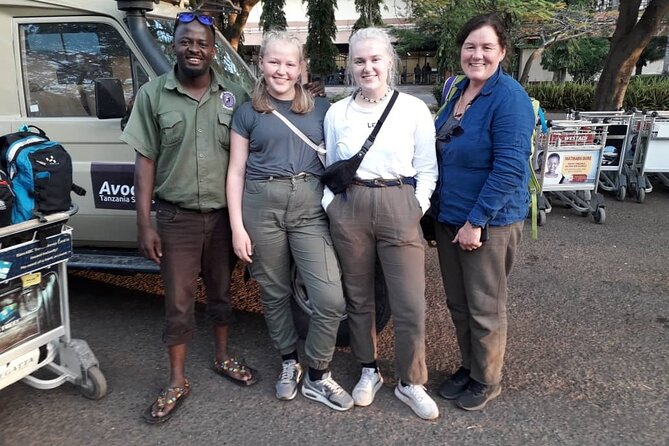
This is also the day when a sharp guide can make a real difference. Magic Mike is one guide associated with the safari, and his strongest reported skill is spotting animals that are easy to miss. He is noted for finding more than 30 lions in a single day. That does not promise the same count for every departure, but it tells you what kind of guide service to hope for: careful scanning, good local judgment, and attention beyond the obvious animals.
Serengeti can be visually repetitive if you need constant scenery changes, since the plains stretch for long distances. For wildlife, that openness is the point. It gives you a better chance of seeing movement at a distance and watching animals without dense vegetation blocking every view.
More Serengeti Safaris in Arusha
- Balloon Safari & Bush Breakfast in Serengeti – Miracle Experience
★ 5.0 · 1,646 reviews - 3 Days Serengeti & Ngorongoro Group Camping Safari
★ 5.0 · 574 reviews - 5-Day Highlights mid-Range Crater, Serengeti, Tarangire
★ 5.0 · 296 reviews - 3-Day Classic Serengeti Safari
★ 5.0 · 263 reviews
Day 4: From Serengeti to the Ngorongoro rim
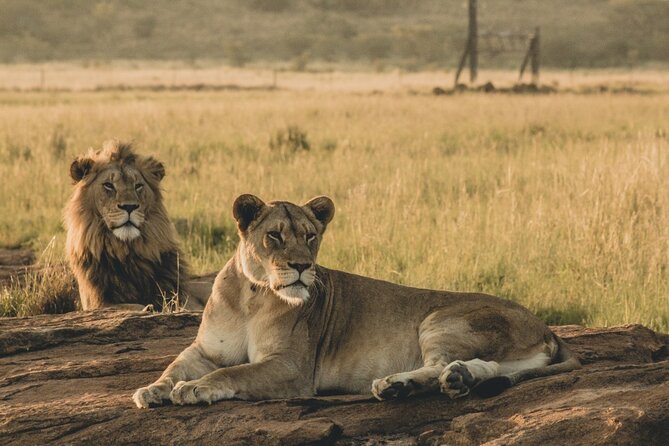
After breakfast, you leave Serengeti for the Ngorongoro Conservation Area. The day includes game viewing with a picnic lunch before you reach the crater rim and Simba Campsite for dinner and overnight.
This transfer is about seven hours, so plan for a blend of road time and wildlife stops. The change in setting is part of the appeal. Serengeti gives you broad plains, while Ngorongoro introduces higher ground and the dramatic crater setting.
Simba Campsite is on the rim, which gives this overnight a clear practical purpose. You are already near the descent point for the next morning rather than starting from far away. The schedule does not promise a leisure afternoon at camp, so treat this as a staging night for one of the trip’s major wildlife days.
You should also note that a visit to a Maasai cultural village is not included. Interaction with Maasai people is mentioned as a possible part of the Ngorongoro area, but the specific cultural village visit costs extra or requires separate arrangements. If that is important to you, ask about it before booking rather than assuming it is built into the price.
Day 5: Down into Ngorongoro Crater
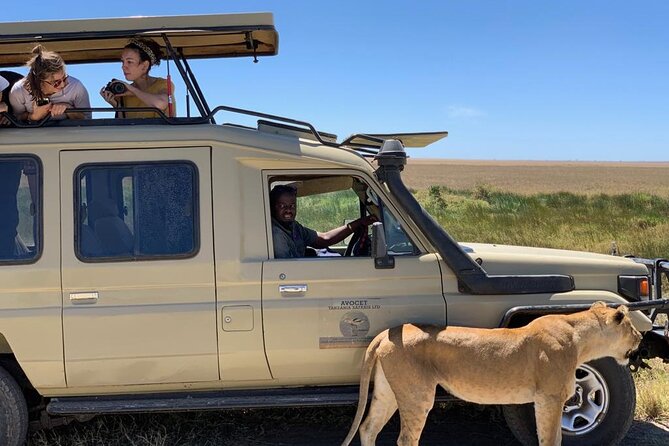
You descend into Ngorongoro Crater after breakfast for game drives with a picnic lunch. The crater is one of the most concentrated wildlife settings on this route and is described as one of the best places in East Africa to look for the Big Five.
The crater’s appeal is visual as well as practical. The enclosed setting can make animal viewing feel focused, and you may see several major species during one outing, including lions, elephants, buffalo, hippos, and other wildlife listed for the safari. As always with a game drive, sightings are never a fixed promise.
You spend about eight hours on the day’s activities, then climb out in the late afternoon and return to Kizumba Campsite for dinner and overnight. The descent and return make this a full day, but the route is efficient. You get the crater without adding another expensive lodge night.
One point to consider is that the crater can feel busier and more concentrated than Tarangire or parts of Serengeti. If you prefer solitude above all else, this may be less appealing. If you want a strong chance of seeing a range of large animals in a compact area, it is one of the most useful days on the schedule.
Day 6: Lake Manyara and the return to Arusha
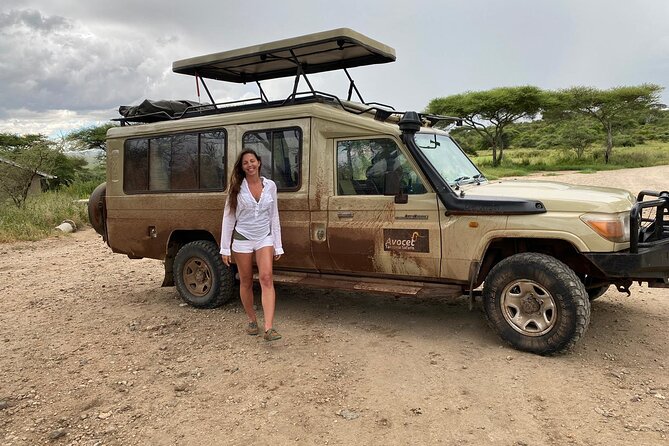
The final morning takes you to Lake Manyara National Park for a game drive and picnic lunch. Later, you leave the park and drive back to Arusha, ending the safari after about eight hours.
Manyara is smaller than Serengeti and Ngorongoro, but that does not make it a throwaway stop. It is known for bird-watching, elephants, hippos, and the chance of seeing the park’s famous tree-climbing lions. The word chance matters here. You should treat the lions as a special possibility, not the central promise of the day.
This park adds a different texture to the route, with lake country and birdlife balancing the big cats and plains of earlier days. It also makes a sensible final stop because it sits on the return route to Arusha.
By this point, you may be tired of early starts, vehicle time, and camping. That is the main weakness of the six-day format. You see a lot, but you do not get much spare time. I would choose this ending if your priority is completing a classic northern Tanzania circuit rather than lingering in one park.
What the $1,370 price really covers
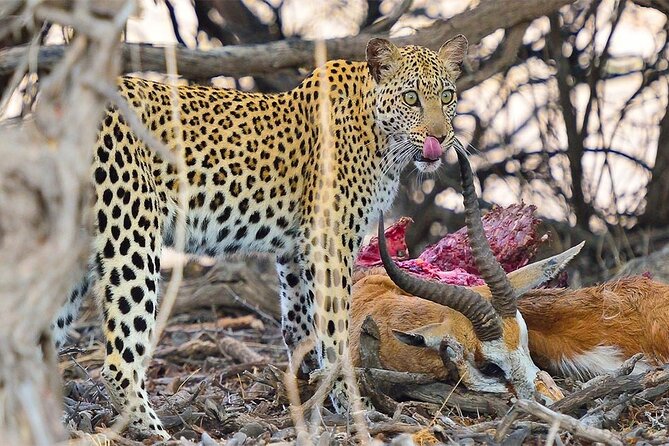
At $1,370 per person, this safari is not simply a cheap way to ride through national parks. The value comes from combining four major wildlife areas with camping, meals, park costs, bottled water, and a guide.
Included items are:
- Game drives listed in the schedule
- An English-speaking guide
- Camping equipment
- Park fees and taxes
- Six breakfasts
- Six lunches
- Five dinners
- Bottled water
That package reduces the number of daily costs you need to manage. Picnic lunches are part of the plan on several game-drive days, while hot meals are available at camp on the stated nights.
You still need to budget for international or local flights, visas, travel and personal accident insurance, drinks, laundry, telephone calls, tips, gratuities, and activities not listed. A Maasai cultural village visit is also not included. Read the inclusions carefully, because drinks and tips can add up on a multi-day trip.
The private-guide setup is another part of the value. The group maximum is six people, so you are not being placed in a large coach. The wording indicates a private tour with a personalized guide, but you should confirm the exact vehicle and group arrangement before paying if that detail matters to you.
Camping, luggage, and daily comfort
Camping is central to the price and the character of this safari. You get equipment and meals, but the supplied details do not describe the tents, bedding, bathrooms, or campsite facilities. I would ask the provider what equipment is supplied and what you need to bring.
Pack in a duffle bag, not a hard suitcase. That is a direct requirement for the safari and a practical one for storing luggage in a safari vehicle. You should also carry your passport or identification card, especially if you add an internal flight before or after the tour.
The schedule mentions a 15-kilogram baggage limit for domestic flights, including hand luggage. That limit applies to internal flights, not necessarily to this road-based route, but it is useful if your broader Tanzania plans include flying. Excess baggage can be charged at airline check-in.
The start time is 8:30 a.m. in Arusha, and pickup is offered. The details also note access near public transportation. Confirmation is provided at booking, and most people can participate, but the information does not give a detailed accessibility assessment. If you have mobility needs, ask about vehicle access, crater descent conditions, and campsite arrangements before booking.
Who will get the most from this safari
I would recommend this route to you if you want a classic northern Tanzania safari and prefer spending money on park time rather than lodge comforts. It suits first-time safari visitors who want to see several famous parks in one booking, with meals and core costs handled in advance.
It is also a good match for people who enjoy small-group travel but do not want a large bus. A maximum of six people gives you companionship and can make the cost more manageable than a fully private vehicle for one or two people.
I would hesitate if you need generous downtime, high-end accommodation, or a slow pace. Two days run to about eight hours, and most of the other days are close to seven or eight hours once driving and game viewing are combined. Camping is part of the bargain, not a minor detail.
The safari also suits wildlife fans who care about guides. A person such as Magic Mike, known for finding hard-to-see animals, can shape the day. Still, guide assignments can matter, so ask whether you can request a particular guide and whether the named guide is available for your dates.
Booking and cancellation details
You can cancel up to 24 hours before the local start time for a full refund. Changes made less than 24 hours before departure are not accepted, and cancellations inside that window are not refunded.
Before you go, check Tanzania visa rules and yellow fever requirements. You may be asked to show a valid Yellow Fever Vaccination Certificate on arrival. The safari information says a tourist visa can be obtained at entry points, but it is sensible to confirm current rules before flying.
Should you book the six-day route?
I would book this safari if your main goal is maximum park variety at a controlled price. Tarangire, Serengeti, Ngorongoro, and Manyara give you four distinct wildlife settings, while two nights around Seronera allow more than a quick pass through Serengeti.
I would not book it expecting a restful camping holiday. The driving is substantial, the days are full, and the camps are presented as functional rather than luxurious. But for $1,370, with meals, fees, equipment, water, and a small group included, the package offers a strong way to reach Tanzania’s headline parks without paying lodge rates.
FAQ
How long is the safari?
The safari lasts approximately six days, beginning in Arusha and ending with a return drive to Arusha on Day 6.
What time does the safari start?
The stated start time is 8:30 a.m.
Which parks and protected areas are included?
The route includes Tarangire National Park, Serengeti National Park, the Ngorongoro Conservation Area and Crater, and Lake Manyara National Park.
What meals are included?
The package includes six breakfasts, six lunches, and five dinners. Picnic lunches are used during several game-drive days.
Is camping equipment included?
Yes. Camping equipment is included, along with game drives, park fees and taxes, bottled water, and an English-speaking guide.
How many people can join the tour?
The activity has a maximum of six people. It is also described as a private tour with a personalized experience.
What should I bring for luggage?
Bring a duffle bag rather than a suitcase. You should also carry your passport or identification card. If you take a domestic flight during your wider Tanzania trip, the stated baggage limit is 15 kilograms per person, including hand luggage.
More Tarangire National Park Safaris in Arusha
- 4 Days Tarangire Serengeti Ngorongoro Crater
★ 5.0 · 117 reviews - Tarangire Day Tour
★ 5.0 · 95 reviews - 5 Days Tanzania Group Joining Safari, Tarangire/Serengeti/Ngorongoro Crater
★ 5.0 · 85 reviews - 4 Days Tarangire, Serengeti and Ngorongoro Mid-Range Group Safari
★ 5.0 · 84 reviews
More Ngorongoro Crater Tours in Arusha
- 5 Days Camping Tarangire, Serengeti & Ngorongoro crater & Visiting Maasai
★ 5.0 · 229 reviews - 4 Days Join Group tour Tarangire Serengeti and Ngorongoro crater
★ 5.0 · 219 reviews - 4-Day Safari from Arusha: Tarangire, Serengeti and Ngorongoro
★ 5.0 · 173 reviews - 2 Days Tarangire and Ngorongoro Group Camping Safari
★ 5.0 · 146 reviews
Just added around Arusha
- 8 Days Serengeti Migration safari★ 5.0 · 11 reviews
- tarangire, ngorongoro & lake manyara park 3 days private tour★ 5.0 · 11 reviews
- tarangire & ngorongoro 2 days tour★ 5.0 · 14 reviews
- serengeti & ngorongoro 3 days private tour★ 5.0 · 15 reviews
- Mt. Kilimanjaro: Shira plateau to Cathedral point 3872m Day hike★ 5.0 · 7 reviews
- serengeti, ngorongoro & tarangire 4 days private tour★ 5.0 · 18 reviews
- 2 Days Tanzania Midrange Group Join Safari★ 5.0 · 7 reviews
- climb the KILIMANJARO via Lemosho route★ 5.0 · 4 reviews
Serengeti Safaris, compared.

Serengeti Balloon Safari and authentic bush breakfast
Read our review →
3 Days Serengeti & Ngorongoro Group Camping Safari
Read our review →
5-Day Highlights mid-Range Crater, Serengeti, Tarangire
Read our review →


Private 6-Day Tarangire Manyara Crater and Serengeti with Mid-Range Lodges
Read our review →
5 Days Camping Tarangire, Serengeti & Ngorongoro crater & Visiting Maasai
Read our review →