
Reviewed · WILDLIFE
Arusha: Day Trip to Serval Wildlife – Feed Giraffes & Lions
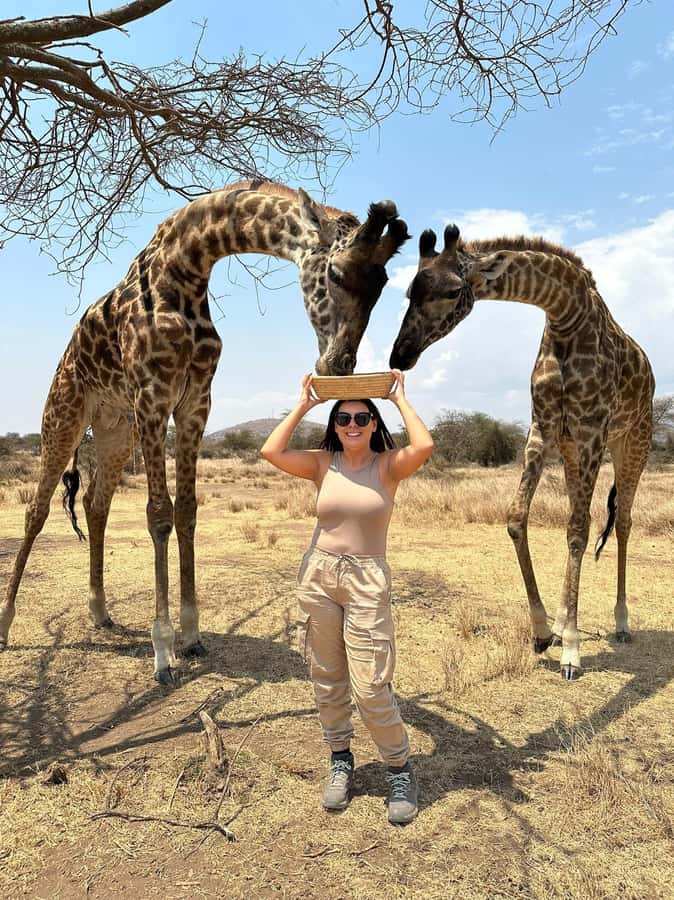
Getting close enough to feed giraffes and meet lions for photographs is the main draw here. Serval Wildlife Sanctuary also brings you face to face with zebras, elands, serval cats, colobus monkeys, ostriches, impalas, dik-diks, bushbucks, and birds in a protected setting.
I like the small group limit of seven, which makes animal encounters and photo stops less chaotic. I also like the easy door-to-door transport from Arusha, Moshi, Kilimanjaro International Airport, or Arusha Airport. The main consideration is the long road journey, up to two and a half hours each way, and the fact that the tour guide may mainly assist with transport while sanctuary staff lead the wildlife visit.
Key points at a glance
- Hand-feed giraffes and other animals: You can offer food to giraffes, zebras, elands, impalas, monkeys, and additional species under supervision.
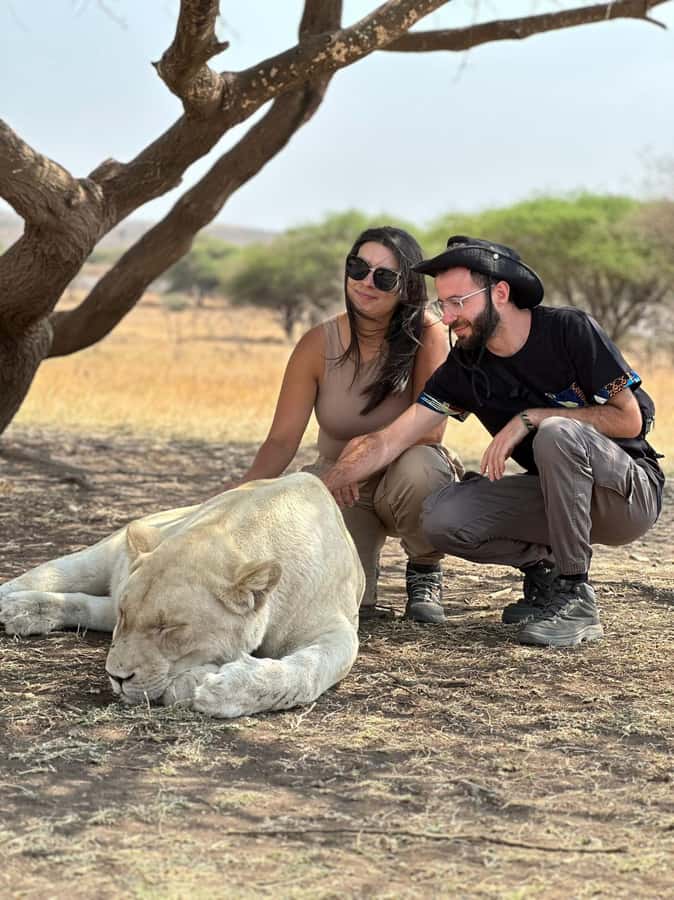
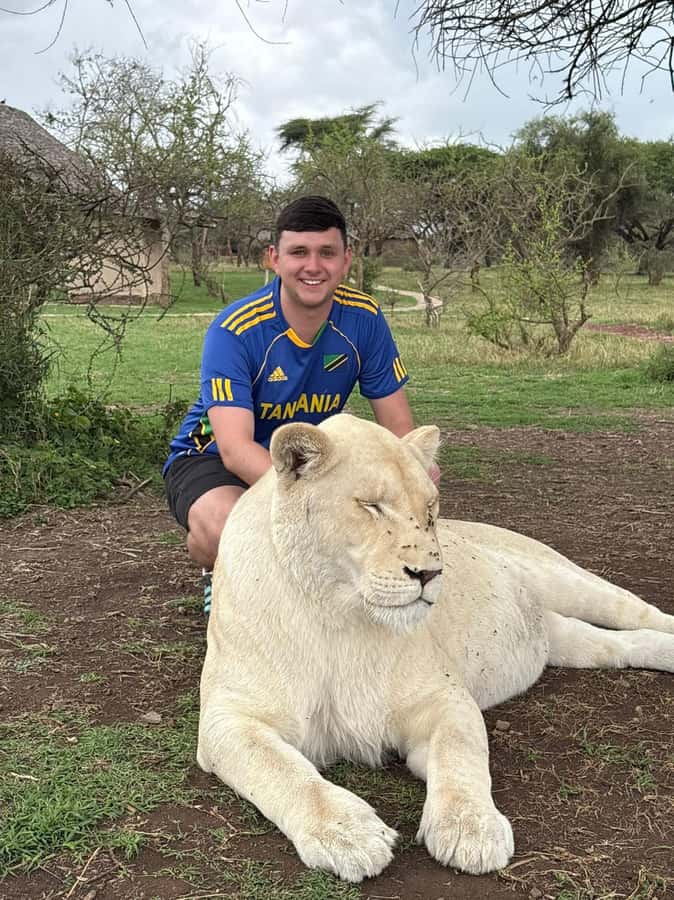
- Controlled lion encounter: The experience includes petting lions and taking photographs with them in a professionally supervised setting.
- A small group of up to seven: This helps with personal attention, transport comfort, and taking photographs.
- Pickup from Arusha, Moshi, or the airports: The transfer service makes the visit practical before or after a stay in northern Tanzania.
- A guided walk and picnic lunch: The day includes time away from the animal pens, with birds, plants, smaller wildlife, and possible views of Maasai daily life.
- A conservation-focused setting: The sanctuary explains its work with rescued, protected, and endangered animals.
Why Serval Wildlife feels different from a standard safari
A traditional safari asks you to stay in a vehicle and watch animals from a distance. Serval Wildlife offers something more direct. You are close enough to place food in a giraffe’s mouth, watch a zebra approach, or pose beside a lion under strict supervision.
That difference makes this a strong choice if you want photographs and personal contact rather than hours spent scanning the bush. You will see familiar African animals, but the format is more like a guided sanctuary visit than an open-country game drive.
The setting is described as natural and peaceful, with space for walking, birdwatching, and quiet observation. The sanctuary’s stated mission is to rescue, rehabilitate, and protect animals, including endangered species. That conservation message gives the encounters more meaning, though I recommend listening carefully to the staff explanation of each animal’s background and care.
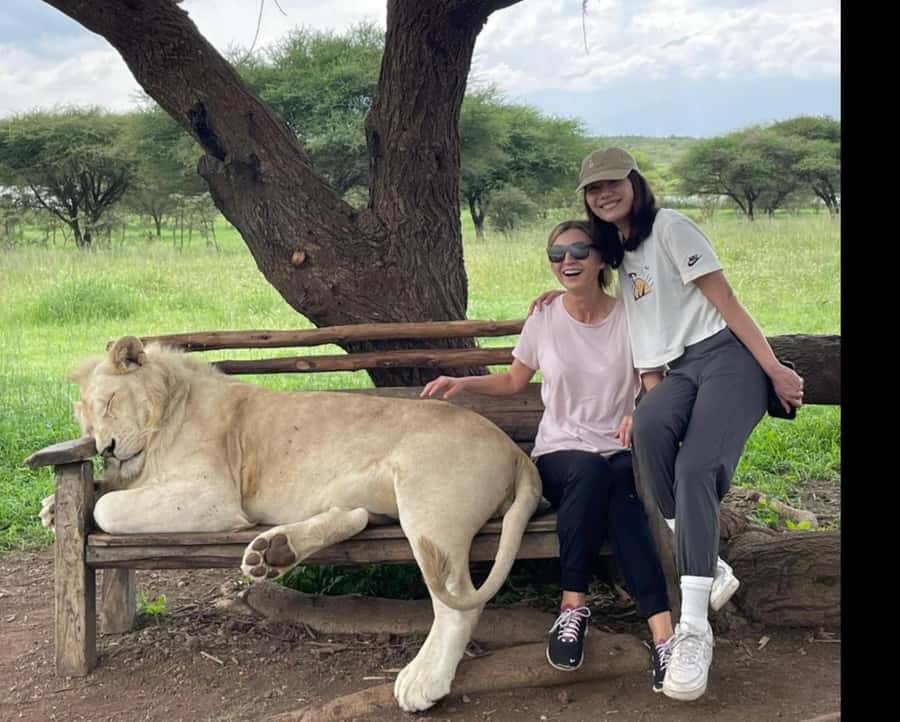
The lion experience deserves special attention. You are allowed to pet lions and take photographs, but only in a controlled and professionally supervised environment. This is not a casual free-for-all. Follow every instruction, keep your movements calm, and remember that the animal’s welfare comes before the perfect picture.
A few more Arusha trips to weigh up
- Tanzania Wildlife Encounters – 6 Days
★ 5.0 · 277 reviews - 6 Day Tanzania Wildlife Mid range Safari
★ 5.0 · 54 reviews - 5 Days 4 Nights Tarangire, Serengeti , Ngorongoro & Manyara Wildlife Safari
★ 5.0 · 40 reviews
The morning pickup and road from Arusha or Moshi
Pickup is arranged between 8:30 and 9:30 in the morning, depending on your location and the day’s plan. You can start from a hotel in Arusha or Moshi, or arrange collection at Kilimanjaro International Airport or Arusha Airport.
The drive to Serval Wildlife takes about two to two and a half hours. That is a significant part of the day, so I would not book this expecting a quick side trip. The road time does give you a gradual change from town to countryside, and a private vehicle is far easier than trying to organize separate transport.
The return journey is included, with drop-off in Arusha, Moshi, the Kilimanjaro area, or at either airport. This makes the tour useful for different trip plans. You might use it as a day out during a hotel stay, or fit it around an airport transfer if your flight schedule allows.
Be precise about your pickup point and flight timing when booking. The listed pickup window is broad, and the drive is long. If you are coming directly from an airport, allow enough time for the sanctuary visit and the return drive before any onward flight.
Arriving at Serval Wildlife Sanctuary
On arrival, the sanctuary team introduces its work and explains the animals you are about to see. This opening talk matters because it gives context to the close encounters. You are not simply moving from one photo stop to the next. You learn why certain animals are at the sanctuary and how the staff protects them.
The visit is listed as about two hours at the sanctuary, although the overall activity occupies the day because of the road journey. Your time there includes animal viewing, feeding and petting, photographs, a guided tour, walking, and a picnic.
Expect a relaxed pace rather than a race through a long list of exhibits. The exact order can change, and the animals will not always behave on command. That is part of the appeal. A giraffe may come forward quickly, while a smaller animal may require patience and careful watching.
Feeding giraffes, zebras, and antelopes
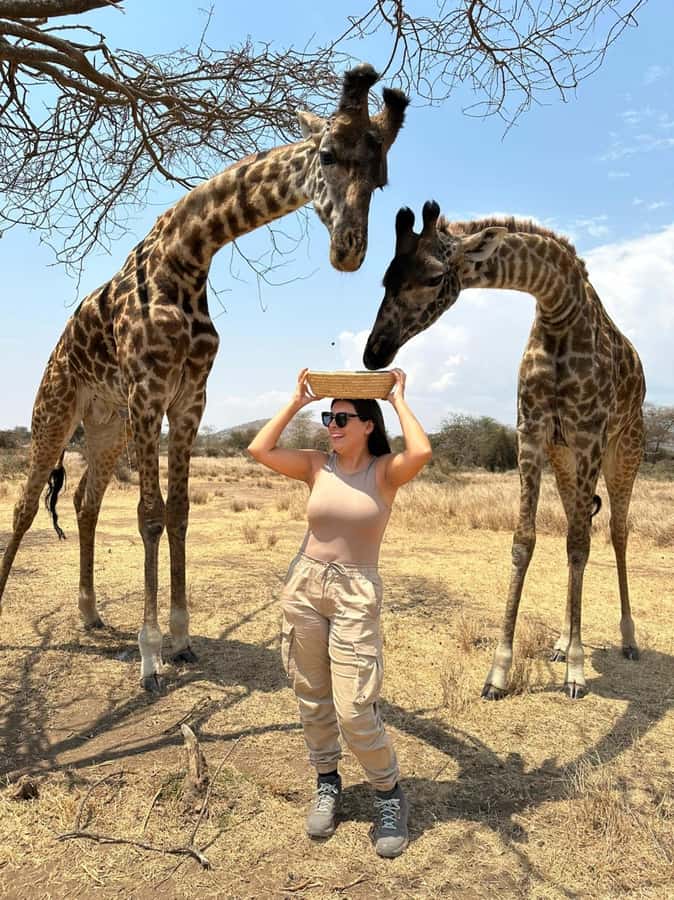
Giraffe feeding is likely to be one of the most memorable parts. Their height, long tongues, and gentle but powerful movements make the interaction very different from simply seeing one beside a safari road. You should have a camera ready, but keep your attention on how the animal approaches and follow the staff’s instructions about feeding.
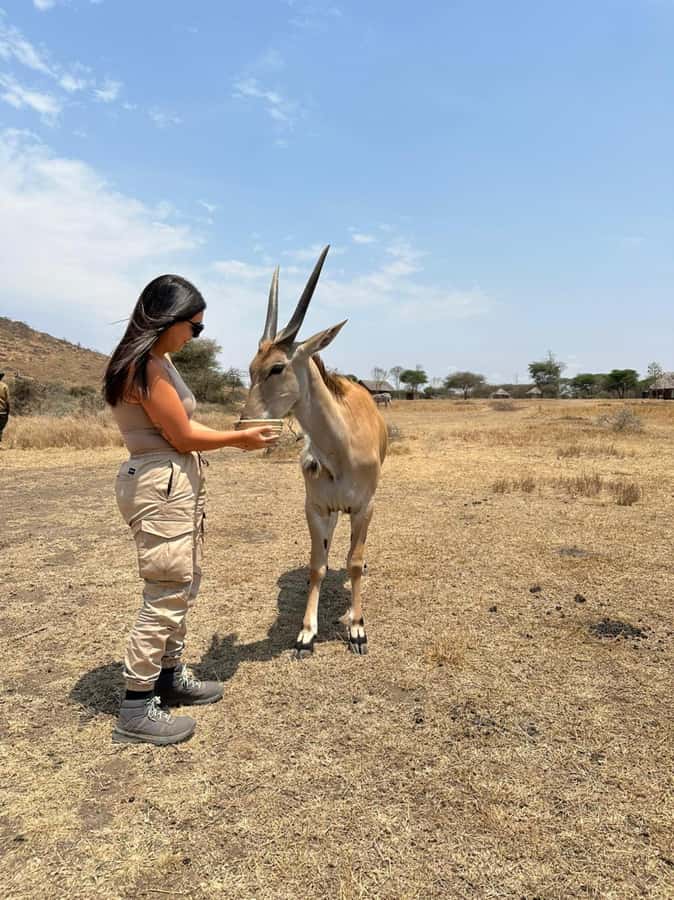
The animal encounters also include zebras, elands, impalas, oryx, bushbucks, dik-diks, and monkeys. Each species offers a different kind of contact. Zebras and elands can make the experience feel distinctly African, while smaller animals reward a slower eye and closer attention.
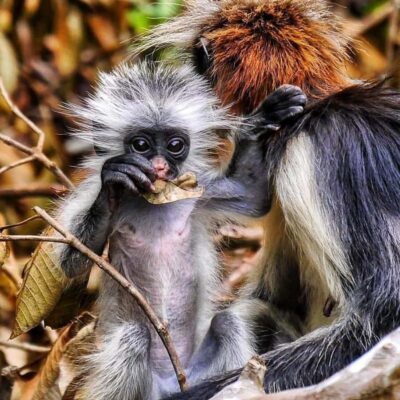
Colobus monkeys, serval cats, ostriches, and several bird species add variety. A serval is especially interesting because it is a smaller, long-legged wild cat that many people never see on a regular safari. The range of species gives families and first-time wildlife visitors plenty to watch, even if one animal is less active than expected.
Feeding sounds simple, but it is worth treating it as a lesson in animal behavior. Notice how each species takes food, how it responds to people, and how staff manage the contact. The best photographs usually come when you are calm and patient, not when you crowd forward.
Same country, a completely different kind of safari:
- Balloon Safari & Bush Breakfast in Serengeti – Miracle Experience
★ 5.0 · 1,646 reviews - Tanzania Classic – 7 Days
★ 5.0 · 1,151 reviews - 4 Days Group Camping Safari
★ 5.0 · 1,101 reviews - 5 Days Group Camping Safari
★ 5.0 · 730 reviews
The supervised lion photo encounter
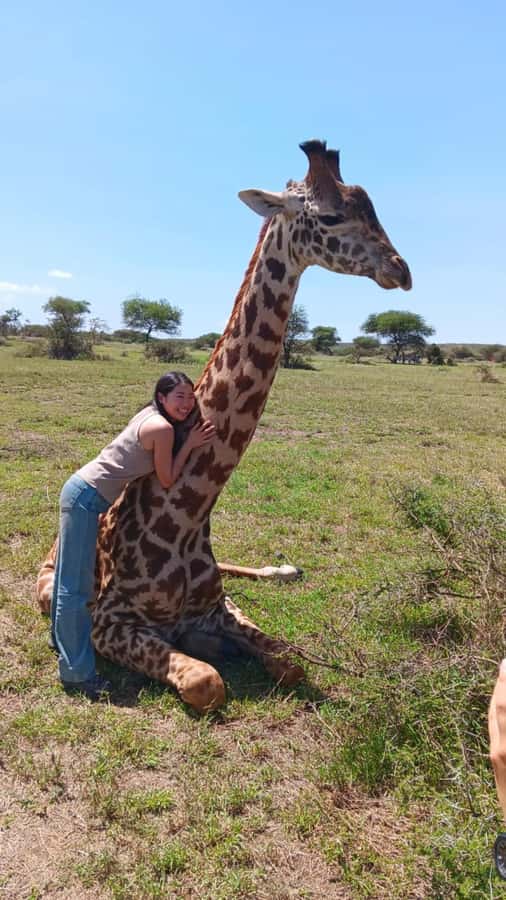
The lion contact is the most unusual feature of the day. You can pet lions and take photographs with them in a controlled setting, with professional supervision. For many people, this will be the image they remember longest.
At the same time, this is the part that deserves the most thoughtful consideration. A close lion encounter is not the same as seeing a wild lion in its own territory. It is a managed conservation and education experience, and some visitors may prefer to admire predators without physical contact.
I would ask the sanctuary team about the individual lions, their care, and the rules before taking part. If you feel uneasy, you do not need to force yourself into the photo opportunity. You can still enjoy the other animals and the guided walk.
For those who do participate, listen closely and keep your hands and body exactly where staff direct. The goal is a safe encounter that respects the animal, not a dramatic pose at any cost.
Walking beyond the feeding areas
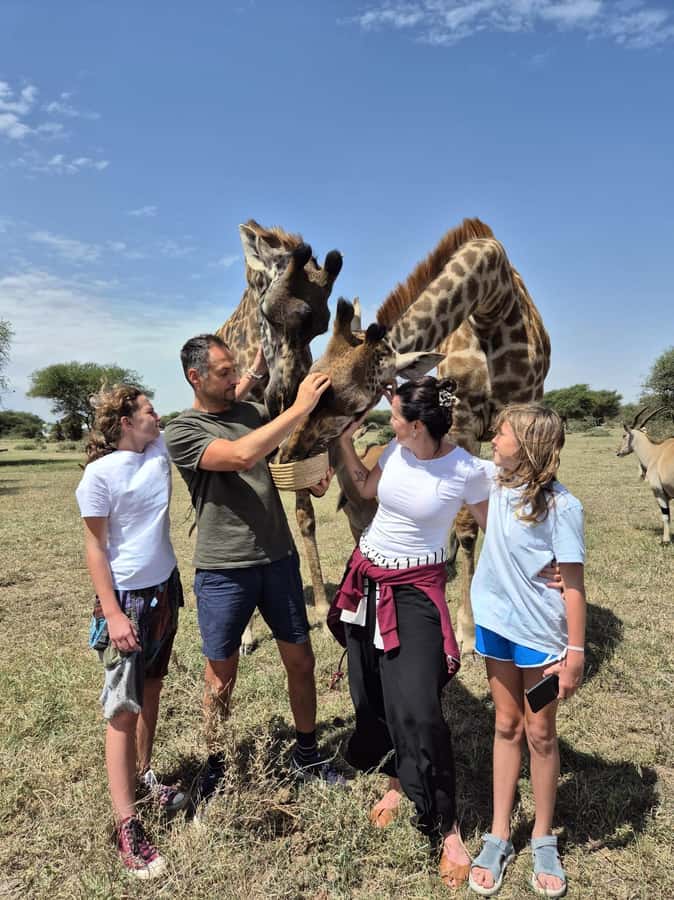
The guided bush walk is a valuable part of the schedule because it slows the day down. After the excitement of feeding animals and taking pictures, you get time to walk, look at plants, watch birds, and notice smaller wildlife.
This is where binoculars can help. Bring them if you have room, especially if birdwatching interests you. The supplied packing advice also recommends a hat, sunscreen, and camera. These are sensible choices for a day spent outdoors.
The walk gives you a better sense of the sanctuary as a living place rather than a series of animal encounters. You may find that the smaller sights, including birds and less obvious creatures, become the calmest memories of the visit.
The walking portion also means you should wear practical footwear and clothing suitable for an outdoor visit. Formal safari gear is not needed, but comfort matters more than style.
Picnic lunch with possible Maasai views
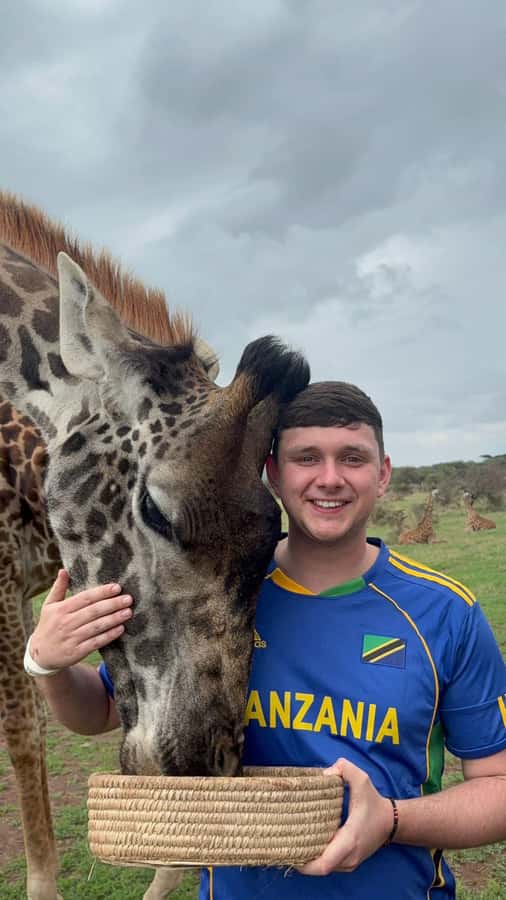
Lunch is provided as a packed picnic with soft drinks and bottled water. You may eat in a scenic outdoor setting, and there can be a chance to see Maasai nearby going about their daily activities. Giraffes may also be visible in the distance while you eat.
This setting adds a cultural and rural element to the day. It breaks up the animal encounters and gives you time to rest before the return drive.
Food arrangements are one area where I would make your needs clear in advance. The meal is described as a picnic, but special dietary requests are not specified. One account of the day raised concern about not being asked about vegetarian needs or other restrictions, and about initially being encouraged to eat in the vehicle rather than at a picnic table.
That does not cancel out the value of the lunch, but it is a practical warning. Tell the operator about dietary restrictions before departure, and confirm where you expect to eat. If a proper table matters to you, ask about the plan on the morning of the tour.
How the guides shape the day
The experience is operated by Season Master Adventures. An English-speaking guide is included, along with a driver and sanctuary staff who explain the animals and lead the activities.
Mwanga receives repeated praise for being friendly, thoughtful, and helpful with photographs. One solo visitor especially appreciated his willingness to take pictures throughout the day, a real advantage when you are traveling alone and want more than selfies. Another visitor enjoyed learning Swahili phrases with Mwanga.
Walice is also named as a professional and friendly driver. These personal touches matter on a long transfer day. A good driver makes the road portion easier, while a guide who watches the clock and helps with photographs can make the experience feel less complicated.
Still, keep the roles clear. The sanctuary’s own guides lead the animal explanations and activities. The accompanying tour guide may be most useful for transport, coordination, language help, and general support. If you expect a naturalist-led lesson from the driver-guide during every sanctuary stop, clarify that before booking.
Group size, timing, and comfort
The group is limited to seven participants. That is small enough to keep the day more personal without requiring the price of a fully private safari. It also helps at feeding points, where a large crowd would make it harder to see, hear instructions, or take photographs.
The full schedule is best treated as a day trip, not a short half-day outing. With pickup in the morning, a two to two and a half hour drive each way, roughly two hours at the sanctuary, lunch, and return transfer, you will spend much of the day on the road or at the sanctuary.
The driving time may feel long if you want a compact activity. It makes more sense if you are already based in Arusha or Moshi and want a special wildlife day without arranging a separate car. The vehicle is described as comfortable, and round-trip private transfers are included.
Airport pickup and drop-off are useful, but timing needs care. Do not assume the sanctuary visit will fit neatly beside a flight unless the operator confirms your schedule.
Is $220 a fair price?
At $220 per person, this is not a budget attraction. The price includes round-trip private transport, sanctuary entry, animal feeding and petting, the guided bush walk, an English-speaking guide, packed lunch, soft drinks, bottled water, taxes, and airport or hotel transfers.
The value depends on how you would otherwise reach Serval Wildlife. If you need transport from Arusha or Moshi, entry fees, a driver, and help organizing the day, the package is convenient. The small group limit also adds value, especially for solo visitors and families who want room for photographs.
If you can arrange inexpensive transport yourself, the price may feel high because the sanctuary’s own staff handle much of the guiding once you arrive. One person who took the tour felt that the paid guide’s main role was transport and questioned the need for an additional guide beside the driver.
That is a fair concern. You are paying for ease, coordination, airport access, and a ready-made day rather than only for sanctuary admission. I would choose it for convenience and personal support, not because it is the cheapest way to visit.
The operator offers free cancellation up to 24 hours before departure and a reserve-now, pay-later option. Those policies help if your northern Tanzania plans are still shifting.
Who will enjoy this most?
I would recommend the day to families who want close animal encounters without committing to a multiday safari. Children are likely to remember feeding giraffes and seeing zebras at close range, though adults should help them follow every safety instruction around the animals.
It also suits couples, friends, solo visitors, and photographers. Solo visitors benefit from a guide who can take pictures, while couples and friends get a full set of shared activities without needing to plan each transfer.
Nature lovers who prefer walking and birdwatching should appreciate the bush walk. People who want a classic safari, with wild animals observed from a vehicle across open country, should choose a national park safari instead. Serval offers contact and structure, not the unpredictability of a game drive.
Animal welfare should also guide your decision. The visit is presented as safe and conservation-focused, with rescued and protected animals in a managed setting. If you are comfortable with supervised feeding and lion contact, it can be a memorable way to learn about wildlife. If you oppose hands-on encounters with wild species, the lion portion may not suit you.
What to bring and how to prepare
Pack lightly, but bring the things that make an outdoor day easier:
- A hat for sun protection
- Sunscreen
- A camera with enough battery and storage
- Binoculars for birds and distant wildlife
- Comfortable clothing for walking
- Any medication or personal items you need during a full day out
Tell Season Master Adventures about food restrictions before pickup. Confirm your exact pickup and drop-off location, especially if you are using an airport.
Keep your camera ready, but do not let it take over the day. The most useful photographs often come from asking Mwanga or another staff member to help with positioning and timing. The strongest memories may come from watching the animals without a screen between you and them.
My verdict: book it for close contact, not a classic safari
I would book this day if you want hands-on wildlife encounters, easy transport, and memorable photographs in a small group. The combination of giraffe feeding, a supervised lion experience, rescued animals, a bush walk, and a picnic offers more variety than a simple zoo visit.
I would think twice if you dislike long drives, want a completely wild safari setting, or expect the accompanying guide to provide all the animal interpretation. At $220, the tour earns its price through convenience and the unusual access, not through low cost.
For families, solo visitors, and anyone with limited time in Arusha or Moshi, it is a strong choice. Ask about dietary needs, clarify the guide’s role, and confirm airport timing. With those details settled, Serval Wildlife can provide a memorable and unusually personal day with Tanzania’s animals.
FAQ
Where does the tour pick me up?
Pickup is available from hotels in Arusha or Moshi, Kilimanjaro International Airport, and Arusha Airport. Pickup times are generally between 8:30 and 9:30 AM, depending on your location and flight schedule.
How long does it take to reach Serval Wildlife Sanctuary?
The drive from Arusha or Moshi takes about two to two and a half hours. The return transfer is included.
How large is the group?
The activity is limited to seven participants. Pickup and drop-off are arranged as part of the tour.
Can I feed and pet the animals?
Yes. The experience includes feeding and petting giraffes, lions, zebras, monkeys, impalas, oryx, and other animals under supervision. Lion contact and photographs take place in a controlled setting.
Is lunch included?
Yes. A packed picnic lunch, soft drinks, and bottled drinking water are included. Tell the operator about vegetarian needs or other dietary restrictions before the tour.
What language is spoken on the tour?
The live tour guide speaks English. Sanctuary staff also explain the animals and conservation work during the visit.
Just added around Arusha
- 8 Days Serengeti Migration safari★ 5.0 · 11 reviews
- tarangire, ngorongoro & lake manyara park 3 days private tour★ 5.0 · 11 reviews
- tarangire & ngorongoro 2 days tour★ 5.0 · 14 reviews
- serengeti & ngorongoro 3 days private tour★ 5.0 · 15 reviews
- Mt. Kilimanjaro: Shira plateau to Cathedral point 3872m Day hike★ 5.0 · 7 reviews
- serengeti, ngorongoro & tarangire 4 days private tour★ 5.0 · 18 reviews
- 2 Days Tanzania Midrange Group Join Safari★ 5.0 · 7 reviews
- climb the KILIMANJARO via Lemosho route★ 5.0 · 4 reviews
Wildlife, compared.

5 Days 4 Nights Tarangire, Serengeti , Ngorongoro & Manyara Wildlife Safari
Read our review →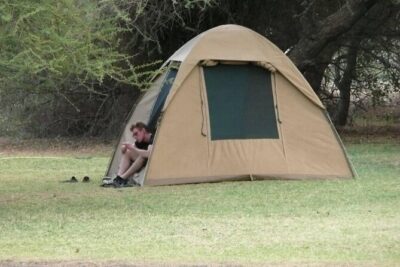
4 Days Wildlife Safari and Cultural Experience in Tanzania
Read our review →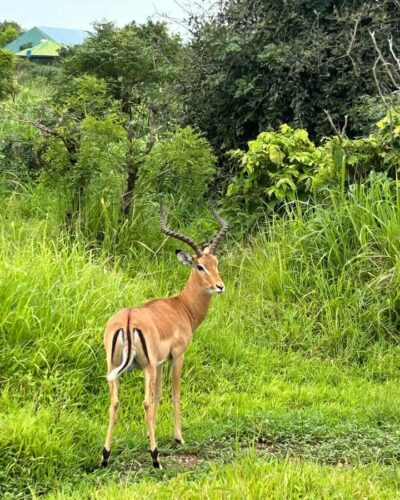
SAFARI WILDLIFE 3 DAYS 2 NIGHT FROM ZANZIBAR TO MIKUMI
Read our review →
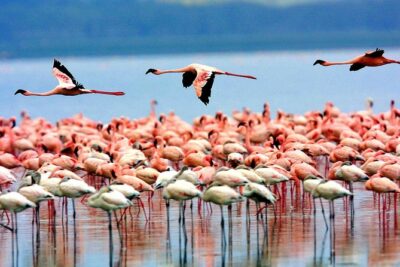
8 Days 7 Nights Tanzania Wildlife & Culture Lodge Safari
Read our review →Browse the lists this tour appears in