
Reviewed · SERENGETI SAFARIS
3 days to Serengeti NP and Ngorongoro Crater Tour in Tanzania
The best part of this three-day safari is the contrast: one day among the open grasslands of the Serengeti, then a crater floor where wildlife gathers in a compact natural bowl. You get two of Tanzania’s biggest sights without committing to a long week in the bush.
I like the small group limit of seven, which should make game-drive decisions and guide interaction easier. I also like that park fees, meals, transport from Arusha, and an English-speaking guide are included in the $800 price, keeping the main costs clear.
The main drawback is time. You spend long stretches driving, and the Serengeti visit is fairly compressed. If you want relaxed camp mornings or several full days in the park, this three-day plan may feel rushed.
Key points to know before booking
- A six-hour drive leads into the Serengeti: The journey from Arusha covers about 335 kilometers and enters through the Ngorongoro gate.
- The Seronera Valley is the wildlife focus: Expect open grassland, scattered acacia, kopjes, and animals such as wildebeest, zebra, gazelles, and impala.
- Ngorongoro Crater brings wildlife into one compact setting: The crater floor is a strong place to look for black rhino, though rhinos remain difficult to spot.
- The group is capped at seven people: This is more intimate than a large safari vehicle, with a better chance to ask questions and share viewing space.
- Guide Eddy is named in the guest feedback: He is described as personable and highly informed about wildlife and the region.
- The $800 cost covers many major expenses: Park fees, three lunches, three breakfasts, dinners, pickup, and an English-speaking driver-guide are included, while tips and visas are extra.
Why this safari works in only three days
This is a fast route to two famous parts of northern Tanzania. From Arusha, you head toward Serengeti National Park, spend time on game drives, continue to the Ngorongoro Conservation Area, and return to Arusha on the third day.
That sounds simple on a map, but the distances matter. The first day includes about six hours of driving over roughly 335 kilometers before and during the move toward the southern Serengeti. Day two also combines a half-day game drive with the transfer to Ngorongoro. You should think of this as a compact wildlife sampler, not a slow safari designed around long hours at one camp.
I like this format for a first visit or for anyone fitting Tanzania between other trips. You see two very different settings in a short period: wide Serengeti plains and the enclosed crater floor. The tradeoff is less time to wait patiently at a single animal sighting.
The group size helps soften the tight schedule. With no more than seven people, the vehicle should not feel like a large convoy, and you have a better setting for asking the guide about animal behavior, local geography, and the route ahead.
More Serengeti Safaris in Arusha
- Balloon Safari & Bush Breakfast in Serengeti – Miracle Experience
★ 5.0 · 1,646 reviews - 3 Days Serengeti & Ngorongoro Group Camping Safari
★ 5.0 · 574 reviews - 5-Day Highlights mid-Range Crater, Serengeti, Tarangire
★ 5.0 · 296 reviews
Leaving Arusha for the southern Serengeti
Pickup is offered from your accommodation, with the stated start time around 7 a.m. The schedule calls for breakfast before pickup, followed by the drive toward the southern part of Serengeti National Park through the Ngorongoro gate.
Six hours in a safari vehicle is a real part of the experience, not a minor transfer. You should bring water, sun protection, and something to occupy you during the road stretches. The reward comes as the scenery changes from the Arusha area toward broad open country and the park zones.
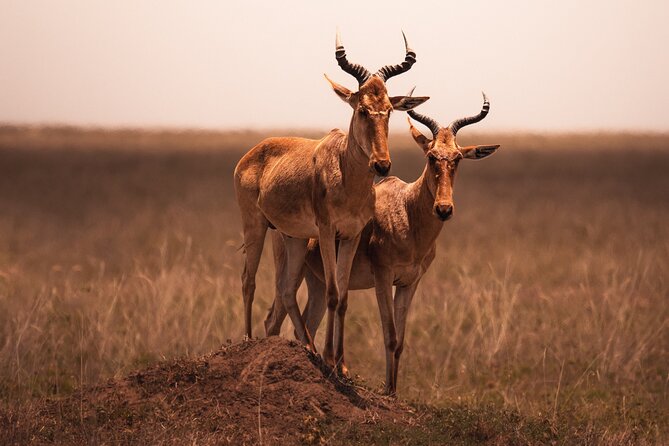
The route reaches the southern, central, and Seronera areas. Southern Serengeti is known here for open savannah grassland that supports grazing animals through the year. That makes the area a useful place to look for wildebeest, zebra, Coke’s hartebeest, waterbuck, Grant’s gazelle, Thomson’s gazelle, impala, and other wildlife.
The timing can shape what you see. Animal sightings are never guaranteed, and the tour gives you limited time on the first day after the long drive. Still, the southern and central sections offer a broad introduction to the Serengeti rather than keeping you in one small viewing area.
Game drives through Seronera Valley
The Seronera Valley is the most distinctive part of the first day. Instead of only open grass, you find scattered acacia trees and rocky kopjes. These stone outcrops break up the flat scenery and can provide useful places for animals to rest or watch their surroundings.
The word Serengeti is linked to the idea of endless plains, and you will understand why once the vehicle reaches the open grassland. The scale is the point. You are not simply looking at one attraction, but at a broad living system where herds move across large distances.
The wildlife list for this route includes common grazing animals, but a safari is not a checklist. You may see several species in a short period, or spend time searching before something appears. A good guide matters here because animal tracks, movement, and small changes in the terrain can guide the vehicle toward better viewing.
The tour also includes a visit to a hippo habitat. Hippos offer a different type of wildlife stop from the grazing herds of the plains. You should expect an opportunity to observe them in their water-based setting, adding variety to the first day’s game drive.
Day two, a half-day in the Serengeti
Day two begins with a lunch box and a half-day game drive in Serengeti National Park. This is useful because you are not leaving the park immediately after breakfast. You get more time to search for animals and take in the Seronera and central Serengeti scenery before the transfer to Ngorongoro.
The phrase half-day is important. This is not another full day in the park. By afternoon, you begin the journey toward the Ngorongoro Conservation Area, with game viewing continuing along the route where possible.
That moving game drive can be a strength. Instead of treating the transfer as a blank stretch of road, the route gives you another chance to spot wildlife. It can also be tiring, especially after the long first day and another period of road travel.
You spend the night at Simba Campsite near Ngorongoro. The information provided does not specify the tent setup, shared facilities, or camping equipment, so you should ask the operator what is supplied before you travel. Dinner and overnight camping are part of the plan, but comfort details are worth confirming.
Same country, a completely different kind of safari:
- Tanzania Classic – 7 Days
★ 5.0 · 1,151 reviews - 4 Days Group Camping Safari
★ 5.0 · 1,101 reviews - 5 Days Group Camping Safari
★ 5.0 · 730 reviews - Materuni Waterfalls, coffee tour & Kikuletwa Hot Springs
★ 5.0 · 643 reviews
Descending into Ngorongoro Crater
Day three starts early with breakfast, followed by the descent into Ngorongoro Crater. The crater is the visual and wildlife centerpiece of the final day. Its floor creates a concentrated setting where you may find many animals within a relatively compact area.
The stated priority is finding black rhino. This is one of the most difficult animals to spot in the crater, so you should treat a sighting as a bonus rather than an expectation. The guide will help with the search, but no safari operator can promise that rhinos will appear in view.
Other animals may be easier to find because the crater floor offers varied habitat in one enclosed setting. That does not mean sightings are automatic, and time is still limited. The early start is practical, giving you the best possible portion of the day for wildlife viewing before the return to camp.
After lunch, you continue the game drive, ascend the crater, and pack for the return to Arusha. This gives you a proper day in the Ngorongoro Conservation Area, but the schedule remains tight. You are not spending a second night beside the crater or adding a spare day in case of poor weather or slow wildlife viewing.
What the $800 price really covers
At $800 per person, this safari should be judged as a package, not just as three days of driving. The listed inclusions cover an English-speaking professional driver-guide, park fees, three lunches, three breakfasts, dinners, and pickup.
Park fees are especially important. Entry costs for major Tanzanian parks can make up a large share of a safari budget, and having them included reduces the chance of unpleasant surprises. Meals included in the price also make the daily budget easier to plan.
The price does not include tips or visas. You should set aside money for both where applicable, and confirm the preferred tipping approach with the operator before departure. The exact camping equipment and accommodation details are not stated, so ask about those before paying if sleeping arrangements matter to you.
The value is strongest for a small group that wants the headline sights in a short window. A private safari with a flexible schedule would usually offer more control, while a larger group tour could cost less. This option sits in the middle: a limited group, a professional guide, and major park costs bundled into one price.
The guide can shape the whole experience
The named guide in the available feedback is Eddy. He is described as personable, attentive, and well informed about the area and wildlife. Those qualities matter on safari because the guide controls much of the rhythm: when to stop, how long to wait, how to position the vehicle, and how to explain what you are seeing.
A good guide also helps turn scenery into understanding. The open plains, acacia trees, kopjes, and crater floor are more meaningful when you know how each setting supports different animals. Eddy’s reported strength is his care for the group as well as his wildlife knowledge, which is useful during long drives and early starts.
Guide assignments can change, so you should not assume Eddy will lead every departure. The experience is listed with an English-speaking driver-guide, and the guide’s role includes both driving and explaining the places you pass through.
Comfort, pace, and group size
The maximum group size is seven people. That is one of the better features of this trip, especially if you want a more personal exchange with the guide. It also matters during wildlife stops, when everyone needs a clear view and enough room to use the vehicle comfortably.
Still, small-group travel does not remove the physical demands. You have early starts, long road transfers, dusty conditions, and several game-drive periods. Most participants can take part, but you should be comfortable with extended time in a vehicle and with camping overnight.
Pickup is offered, and the stated meeting time is 7 a.m. The day-one schedule refers to an 8 a.m. pickup after breakfast, so confirm the exact pickup time and location before departure. That small timing difference is worth clearing up, particularly if you are changing hotels or arranging transport in Arusha.
The mobile ticket is convenient, and booking confirmation is provided at the time of reservation. Free cancellation is available if you cancel at least 24 hours before the local start time. Changes or cancellations inside that window are not accepted for a refund.
Who should book this safari
I would recommend this trip to you if you have only three days, want the major northern Tanzania sights, and prefer a small group over a large vehicle. It also suits first-time safari visitors who want a guide to handle park fees, meals, routing, and the long transfers.
The plan is a good fit if your priorities are:
- Seeing Serengeti National Park and Ngorongoro Crater in one short trip
- Having an English-speaking driver-guide
- Keeping the group to seven people or fewer
- Including park fees and main meals in the upfront price
- Accepting a fast schedule with substantial driving
I would hesitate if you want several full days in the Serengeti, a guaranteed focus on the Great Migration, luxury lodging, or a slow camp-based holiday. None of those features is stated here, and the itinerary is built around covering ground.
You should also ask specific questions before booking. Confirm the exact pickup time, camping arrangements, what equipment is provided, and how meals are handled. Those details can make a large difference to your comfort, even though the main route and inclusions are clear.
Final verdict: a smart short safari with a brisk pace
I like this safari because it puts two major wildlife areas into a manageable three-day route and keeps the group small. The included park fees, meals, pickup, and guide make the $800 price easier to assess, while the reports about Eddy suggest the guiding can add real value.
The cost is time and energy. You spend long hours on the road, have only a half-day in the Serengeti on day two, and return to Arusha after the crater visit on day three. Book it if access to the Serengeti and Ngorongoro matters more to you than a relaxed schedule. If you can add extra days, I would prefer a longer safari, but for a compact introduction, this is a sensible choice.
FAQ
How long is the safari?
The experience lasts approximately three days, beginning in Arusha and returning there on the third day.
What time does pickup begin?
The stated start time is 7 a.m. The day-one schedule also refers to pickup at 8 a.m. after breakfast, so confirm your exact pickup time with Safari G.O.A.T.S.
How many people can join the tour?
The tour has a maximum of seven travelers.
Which parks and areas are included?
The route includes Serengeti National Park and the Ngorongoro Conservation Area, including a descent into Ngorongoro Crater.
Is a guide included?
Yes. An English-speaking professional driver-guide is included. Eddy is the guide named in the available guest feedback, but guide assignments may vary.
What is not included in the price?
Tips and visas are not included. The listed package includes dinners, three lunches, three breakfasts, park fees, pickup, and the professional driver-guide.
More 3-Day Experiences in Arusha
- 3-Day Classic Serengeti Safari
★ 5.0 · 263 reviews - 3 Days Tarangire, Ngorongoro & Lake Manyara Group Camping Safari
★ 5.0 · 102 reviews - 3 Days Private Safari – manyara, Ngorongoro & Tarangire
★ 5.0 · 94 reviews - 3 Days Small Group Safari to Serengeti NP and Ngorongoro Crater Tour in Tanzania
★ 5.0 · 77 reviews
More Ngorongoro Crater Tours in Arusha
- 5 Days Camping Tarangire, Serengeti & Ngorongoro crater & Visiting Maasai
★ 5.0 · 229 reviews - 4 Days Join Group tour Tarangire Serengeti and Ngorongoro crater
★ 5.0 · 219 reviews - 4-Day Safari from Arusha: Tarangire, Serengeti and Ngorongoro
★ 5.0 · 173 reviews - 2 Days Tarangire and Ngorongoro Group Camping Safari
★ 5.0 · 146 reviews
Just added around Arusha
- 8 Days Serengeti Migration safari★ 5.0 · 11 reviews
- tarangire, ngorongoro & lake manyara park 3 days private tour★ 5.0 · 11 reviews
- tarangire & ngorongoro 2 days tour★ 5.0 · 14 reviews
- serengeti & ngorongoro 3 days private tour★ 5.0 · 15 reviews
- Mt. Kilimanjaro: Shira plateau to Cathedral point 3872m Day hike★ 5.0 · 7 reviews
- serengeti, ngorongoro & tarangire 4 days private tour★ 5.0 · 18 reviews
- 2 Days Tanzania Midrange Group Join Safari★ 5.0 · 7 reviews
- climb the KILIMANJARO via Lemosho route★ 5.0 · 4 reviews
Serengeti Safaris, compared.

Serengeti Balloon Safari and authentic bush breakfast
Read our review →
3 Days Serengeti & Ngorongoro Group Camping Safari
Read our review →
5-Day Highlights mid-Range Crater, Serengeti, Tarangire
Read our review →


Private 6-Day Tarangire Manyara Crater and Serengeti with Mid-Range Lodges
Read our review →
5 Days Camping Tarangire, Serengeti & Ngorongoro crater & Visiting Maasai
Read our review →
4 Days Join Group tour Tarangire Serengeti and Ngorongoro crater
Read our review →Browse the lists this tour appears in