
Reviewed · KILIMANJARO COFFEE FARM TOURS
Arusha: Coffee Tour
Coffee tastes different when you have helped make it. Near Lake Duluti, you follow Tanzanian coffee from hand-picked fruit to roasted beans, using a giant mortar and pestle, an open flame, and plenty of traditional song along the way. Richard, the farm owner, leads the coffee work, while guides such as Imran handle the wider day. I like the hands-on roasting and the chance to learn about organic farming from a working family farm. I also like that lunch, transport, and a local village visit are part of the plan, not extra chores to arrange yourself.
The main thing to consider is timing. At 3.5 to 4 hours, this is a focused coffee and culture outing rather than a full-day farm expedition. The coffee itself is included, but bagged beans for home are sold separately, and a visit to Mangalia Waterfalls is an optional addition rather than part of the basic tour.
Key points to know before you book
- You make the coffee yourself: Pick, roast, grind, and brew beans with guidance from the farm team.
- Richard leads the farm visit: You learn directly about coffee growing, harvesting, and organic methods.
- Traditional songs are part of the work: Grinding beans with a large mortar and pestle becomes a shared activity, not a quiet demonstration.
- Lunch and village life add context: The outing includes local food and a village visit, with a market stop included in one reported version of the day.
- Pickup keeps the morning simple: Hotel transport, an English-speaking guide, and drop-off are included.
- Mangalia Waterfalls can extend the day: Ask about adding this nearby nature stop when you arrange your pickup.
From green coffee plant to your first homemade cup
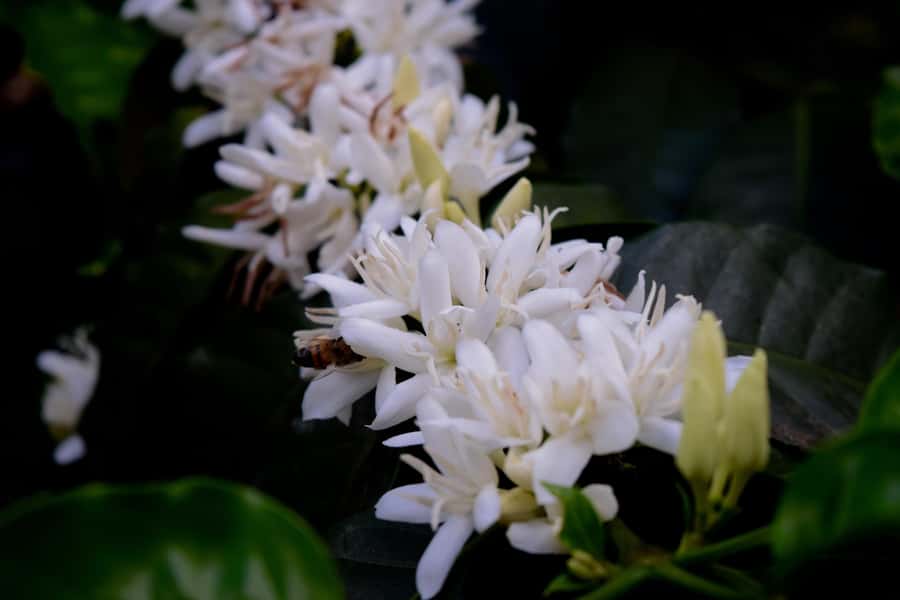
The best part of this experience is its order. You do not begin with a polished cup and a quick explanation. You start with the plant, then work through the stages that usually stay behind the café counter.
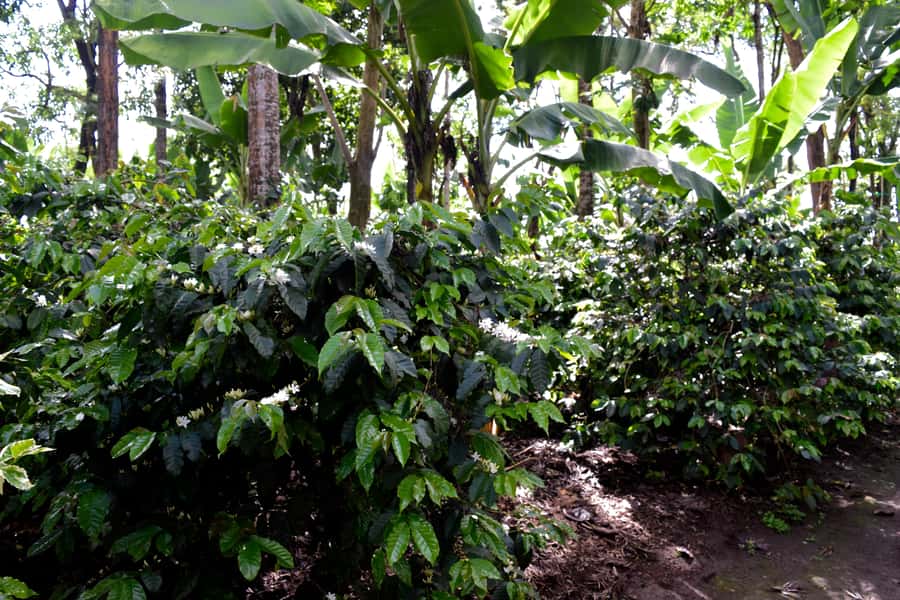
At the organic coffee plantation, you learn how coffee is grown and harvested by hand. The tour description does not promise a particular harvest season or a certain amount of picking, so you should think of this first stop as a farm lesson with practical participation, not a guaranteed full basket of beans.
That distinction matters. Coffee farms can look simple at first glance, but the quality of the final drink depends on many small steps. You get a better sense of that when you see the plants, hear how they are cared for without chemical inputs, and then handle the beans yourself.
Richard, the farm owner, is the key person here. His family is involved in the experience, giving the visit a personal feel rather than making it only a guide-led talk. You can ask about growing and protecting coffee plants, and the available information specifically points to organic farming as an important part of the lesson.
I would take this section slowly. Look closely at the plants, ask how the beans are dried, and pay attention to the difference between a coffee farm and a coffee shop presentation. The value is not only in seeing where coffee comes from. It is in understanding the work that must happen before roasting begins.
More Kilimanjaro Coffee Farm Tours in Tanzania:
- Materuni Waterfalls, coffee tour & Kikuletwa Hot Springs
★ 5.0 · 643 reviews - Materuni waterfalls coffee tour & Chemka hot springs Day trip
★ 5.0 · 131 reviews - Materuni Waterfall, Coffee Tour and Picnic Hot Lunch
★ 5.0 · 128 reviews
The mortar, pestle, and songs
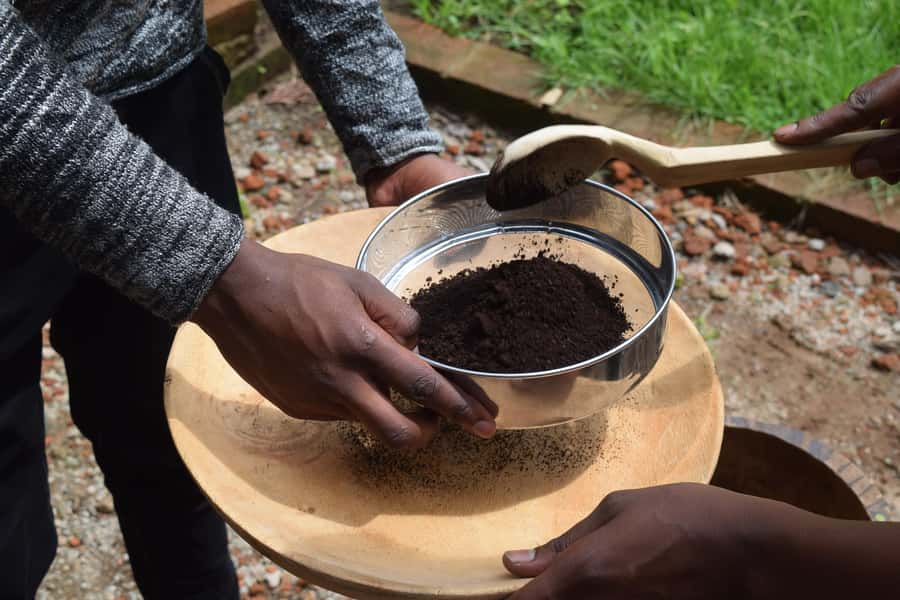
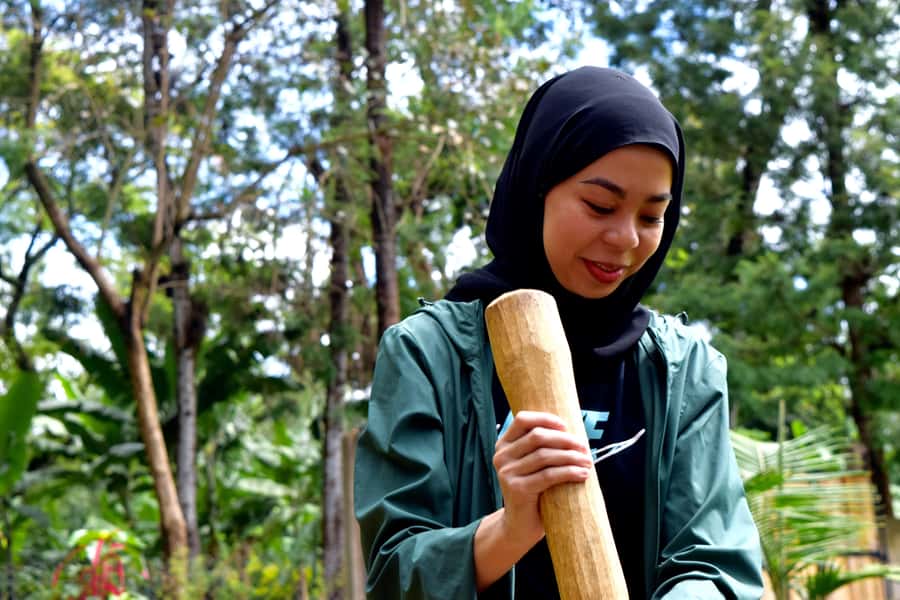
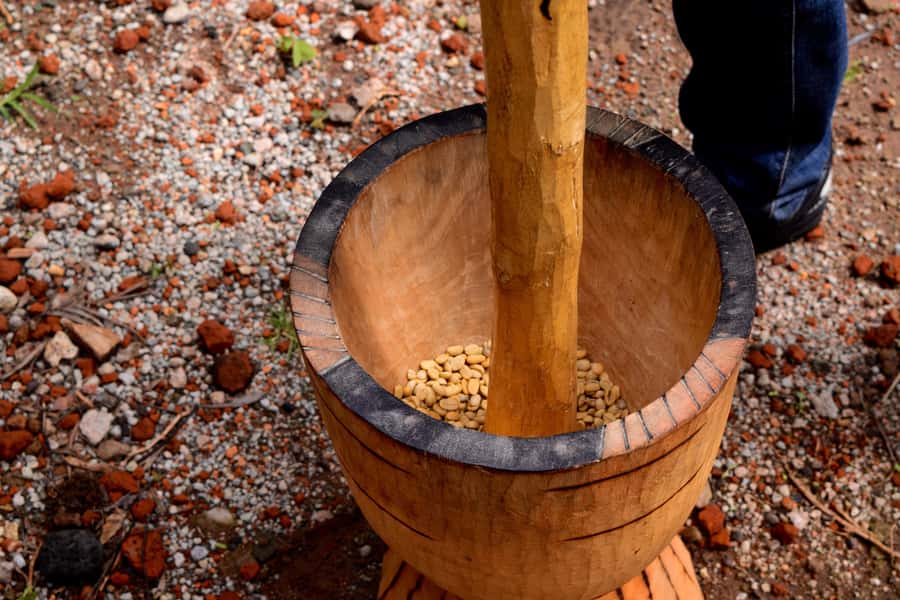
After the farm walk, you move to a nearby farm for the most active part of the visit. Sun-dried beans are ground with a giant mortar and pestle, using the rhythm of traditional songs.
This is not a polished coffee class with quiet instructions and matching equipment. It is a group task. You take turns helping with the grinding, and singing along is encouraged. If you prefer to watch at first, that is fine, but the activity makes more sense when you join in.
The mortar and pestle also show how much physical effort can hide behind a small cup of coffee. Modern machines make grinding look effortless. Here, you feel the work in your arms and see how communal rhythm helps turn a repetitive task into a shared one.
I like this part because it connects coffee with local culture without separating the two into a lecture followed by a staged performance. The songs belong to the work, and the work leads directly to your drink.
The group size is not stated, so the mood may depend on who else has booked that morning. With a small party, you may get more time with Richard and his family. With a larger group, the singing and shared grinding could feel livelier, but each person may have less time at the mortar.
Roasting beans over an open flame
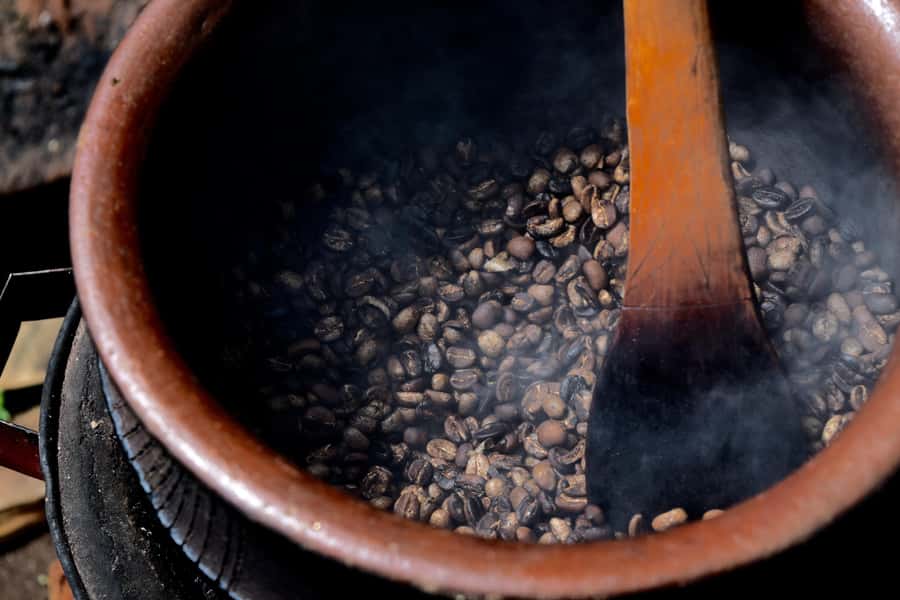
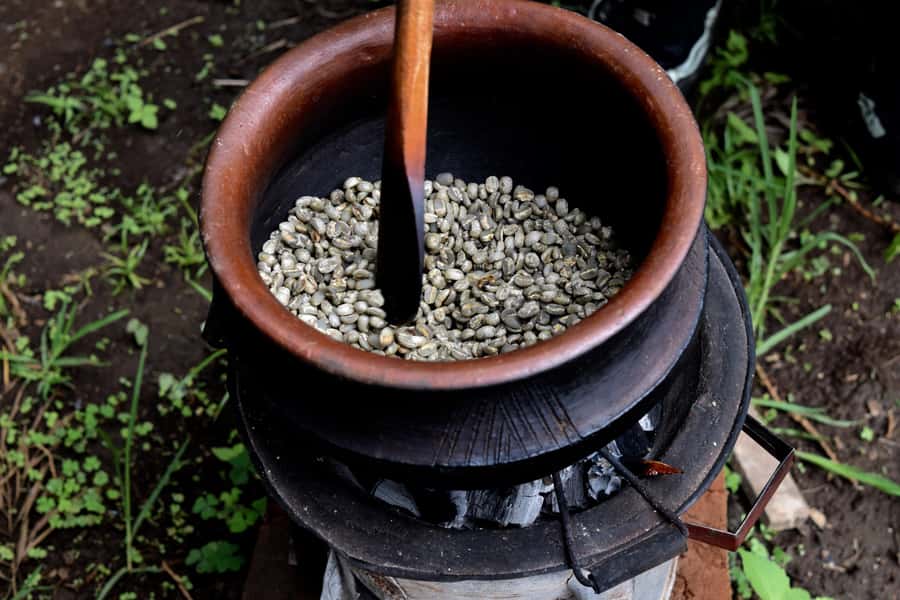
Next comes roasting. You help heat the beans over an open flame, watching their color and smell change as they become ready for the next stage.
The details of the equipment and exact roasting time are not specified, so expect a traditional, hands-on process rather than a technical demonstration with precise charts and machines. Your guide and the farm team direct the work, which is important when an open flame is involved.
This is where the tour becomes especially useful for coffee drinkers. Roasting is often treated as a mysterious specialist skill. Here, you see that it is a transformation you can follow with your own senses. The raw beans do not stay raw for long, and the aroma develops right in front of you.
You should wear clothes and shoes that are comfortable for an outdoor farm setting. The supplied information does not list a required dress code, but an open-flame activity and agricultural ground are good reasons to avoid bringing your best city outfit.
Once the beans are roasted, you grind them again. That second round gives you another chance to take part instead of simply watching the final preparation.
Brewing the coffee you helped prepare

The reward comes at the end of the process: brewing and tasting the coffee you worked on from bean to cup.
Freshness is the point here. You are not sampling a branded drink poured from a café machine. You are drinking coffee made from beans you have seen, handled, roasted, and ground during the visit.
I would not judge the cup only by whether it matches your usual morning coffee. Brewing style, roast level, and preparation can differ from what you drink at home. The useful comparison is the flavor connection: you can taste the result of the farm work and the roasting process because you took part in both.
Fresh coffee is included in the price. Bagged coffee is not, but you can buy beans or ground coffee separately. That is a practical option if you want a souvenir that is useful rather than decorative. One visitor chose both beans and ground coffee to take home, so ask about the available choices and prices before you leave if you plan to support Richard’s business.
A few more Tanzania trips to weigh up
- Maasai village visit, Materuni waterfalls & coffee experience
★ 4.5 · 95 reviews - Materuni Waterfalls & Coffee Tour from Moshi
★ 5.0 · 92 reviews - Arusha or Moshi : Hot Spring, Waterfall & Coffee Farm Tour
★ 4.8 · 80 reviews - Arusha: Materuni Waterfalls, Coffee, and Hotsprings Tour
★ 4.8 · 78 reviews
Local food and a village visit

Coffee is the main theme, but the day also includes local lunch and a visit to a nearby village. These additions help turn the outing into a wider cultural experience.
Lunch gives you a chance to pause after the farm work. The exact menu is not provided, so you should not book this expecting a named dish or a specific dietary arrangement. Still, having a local meal included adds real value, especially on a morning when you are moving between farm activities.
A village visit helps place the coffee farm in its community. You get more than a look at agriculture in isolation. The experience can also include a local market stop, as one version of the day did, followed by a restaurant meal with Imran. Since the precise order may vary, confirm the plan when your pickup time is arranged.
The social side of the tour seems important. Richard and his family host the farm portion, while Imran has been involved with guiding, transport, and organizing the wider outing. Jambo is also named as a driver. You should not assume one person will handle every part of your day, but these names are useful when your pickup is confirmed.
Adding Mangalia Waterfalls
Mangalia Waterfalls is offered as an optional extra for people who want to combine coffee with a nature stop. It is not included in the basic package as described, so ask about the added cost, time, and transport before committing.
This can be a good choice if you want more than a farm visit and have room in your schedule. It may be less useful if you are booking the coffee tour as a compact morning before another activity in Arusha.
The tour itself lasts about 3.5 to 4 hours. A waterfall addition could change the length, so treat the standard duration as applying to the coffee, lunch, and cultural visit rather than to every possible extension.
What the $55 price includes
At $55 per person, the price covers hotel pickup and drop-off, the coffee activity, fresh coffee, an English-speaking guide, and lunch.
That package is important when judging value. You are not paying only for a farm walk. You are also paying for transport, a guide, food, several practical coffee stages, and time with a local farming family.
The strongest value comes if you use the hands-on parts fully. A quick look around the farm followed by a cup of coffee would make the price harder to justify. Picking up the beans, helping with the mortar and pestle, taking part in roasting, and brewing the final cup make the experience feel like an activity rather than a short stop.
The price does not include packaged coffee. If you want to bring some home, budget for that separately. The waterfall visit also appears to be an optional addition, so clarify that cost before the day begins.
For a half-day outing from Arusha, the package is reasonably complete. Hotel transport removes the need to arrange a separate ride, and the included meal saves you from finding lunch afterward. I would compare it with the cost of arranging a private farm visit, transport, and food on your own. For many visitors, the convenience is a major part of the value.
Guides, hosting, and the feel of the visit
The human side of this experience earns careful attention. Richard is presented as both farm owner and host, and Imran is involved as an English-speaking guide and organizer. Jambo is identified as a driver in the feedback provided.
The strongest pattern is friendly, careful organization. Communication, punctuality, and calm driving are all useful qualities on a short outing, since delays can quickly eat into a four-hour schedule. You are also dealing with several moving parts: hotel pickup, the farm, the nearby activity area, lunch, and the village visit.
The tour is available in English. If you want detailed discussion about farming methods, ask questions as you go rather than waiting until the end. The organic approach, plant protection, harvesting, roasting, and grinding all offer natural openings for conversation.
The tour is also listed as wheelchair accessible. That is helpful, but accessibility can mean different things at a farm, village, and outdoor roasting area than it does at a hotel or paved museum. If you use a wheelchair, confirm the ground conditions and the exact route during pickup arrangements so the team can prepare properly.
Who will enjoy this coffee tour most
I would recommend this experience to coffee drinkers who want to understand the whole process, not just taste a local brew. It also suits families, couples, and small groups who enjoy taking part in simple physical tasks and talking with local hosts.
You do not need to be a serious coffee expert. The activity is built around basic steps, and the appeal comes from doing them yourself. The singing and shared grinding make it a good fit for people who prefer an active cultural visit to a formal museum-style explanation.
It may be less suitable if you want a quiet luxury coffee tasting, a technical roasting seminar, or a full agricultural tour with detailed information about every stage of production. The tour is social and practical. You should expect participation, outdoor activity, and a schedule that combines coffee with food and community visits.
It is also a smart choice for a free morning in Arusha. The included pickup and drop-off make it easier to fit into a larger Tanzania itinerary, especially if you are staying in the city and do not want to arrange rural transport yourself.
Practical tips for a smoother morning
Confirm your pickup time and location when you book. The provider contacts you to arrange these details, and the exact start time depends on availability.
Wear comfortable clothing for a farm visit and open-flame roasting. Bring enough interest to ask questions, but do not worry about arriving with coffee knowledge. The guide and farm team lead you through the process.
If you want to buy coffee to take home, ask whether you prefer whole beans or ground coffee. Bagged coffee is available for purchase, but it is not part of the $55 rate.
If Mangalia Waterfalls appeals to you, request it before the day rather than assuming it will be added automatically. Ask how it affects the schedule and price.
The tour offers free cancellation up to 24 hours before the activity for a full refund. You can also reserve now and pay later, which helps if your Arusha plans are still shifting.
Should you book it?
Book this coffee tour if you want a personal, hands-on morning with farm work, fresh coffee, and local food in one package. The strongest reason to choose it is the full bean-to-cup process, supported by Richard’s family farm and guides such as Imran.
I would skip it only if you dislike group participation, outdoor work, or uncertain meal details. For everyone else, $55 is fair for the transport, guide, lunch, village visit, and coffee preparation. Add Mangalia Waterfalls if you want a longer nature-and-culture outing, but keep the standard four-hour schedule in mind.
FAQ
How long does the coffee tour last?
The experience lasts approximately 3.5 to 4 hours. Starting times depend on availability.
What does the $55 price include?
The price includes hotel pickup and drop-off, the coffee tour, fresh coffee, an English-speaking guide, and lunch.
Is coffee to take home included?
No. Bagged coffee is available to buy separately. You may be able to choose beans or ground coffee.
Is the tour conducted in English?
Yes. The live guide language is English.
Can I visit Mangalia Waterfalls during the tour?
A visit to nearby Mangalia Waterfalls can be added, but it is described as an optional addition. Confirm the details when arranging the tour.
Can I cancel for a refund?
Yes. You can cancel up to 24 hours in advance for a full refund. You can also reserve now and pay later.
Just added around Tanzania
- Zanzibar: Mikumi Wonderful Safari with Open Jeeps★ 4.9 · 15 reviews
- Zanzibar: Mnemba Atoll, Spice farm, Jozani forest & Lunch★ 3.9 · 3 reviews
- Zanzibar: Maasai World Tour with Cultural Practices★ 4.0 · 4 reviews
- Zanzibar: Maasai village and Nungwi turtles experience trip★ 4.9 · 16 reviews
- Zanzibar: Kendwa Beach Professional Photoshoot★ 5.0 · 5 reviews
- Zanzibar: Maalum Cave Natural Swimming Pool Tour in Paje★ 4.4 · 3 reviews
- Zanzibar: Jozani Forest Watching Colobus Monkeys Guided Tour★ 4.1 · 7 reviews
- ZANZIBAR: Jozani Forest,Salaam Cave, The Rock & Blue Lagoon★ 4.8 · 8 reviews
Kilimanjaro Coffee Farm Tours, compared.
Materuni Waterfalls, coffee tour & Kikuletwa Hot Springs
Read our review →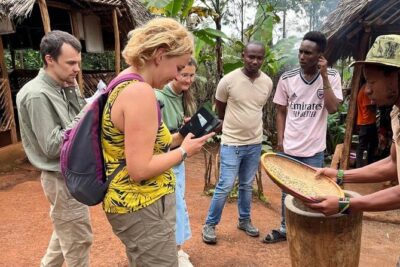
Materuni waterfalls coffee tour & Chemka hot springs Day trip
Read our review →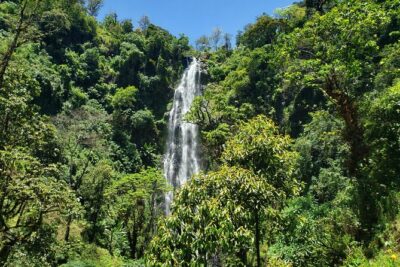
Materuni Waterfall, Coffee Tour and Picnic Hot Lunch
Read our review →
Maasai village visit, Materuni waterfalls & coffee experience
Read our review →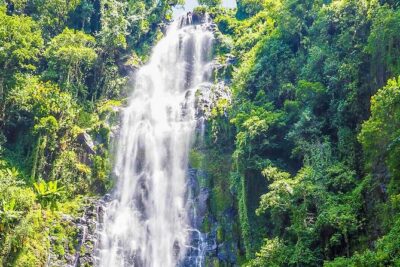
Arusha or Moshi : Hot Spring, Waterfall & Coffee Farm Tour
Read our review →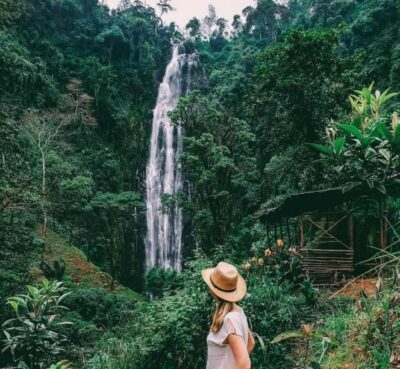
Materuni Waterfalls, Coffee, and Hotsprings Tour
Read our review →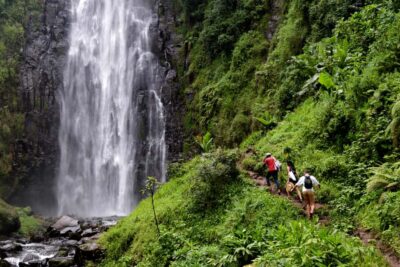
Materuni Waterfalls, Chemka Hot Springs, &/Or Coffee Tour
Read our review →Browse the lists this tour appears in