
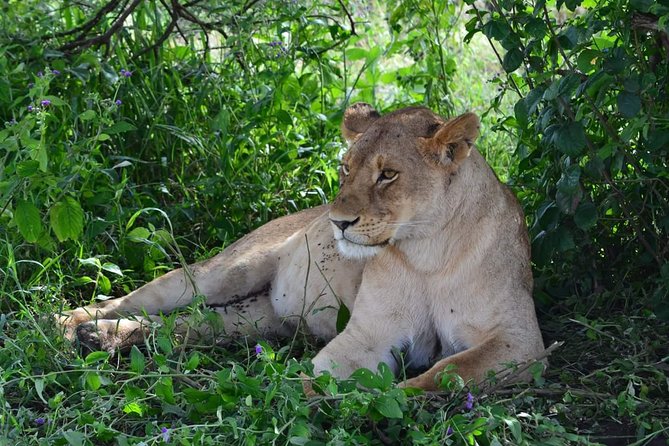
Reviewed · NGORONGORO CRATER TOURS
3 days Tarangire, Ngorongoro & Lake Manyara package
Tarangire’s giant elephants and baobab trees are only the opening act. This three-day northern Tanzania safari also takes you into Ngorongoro Crater, where animals gather on the crater floor, and to Lake Manyara, known for flamingoes, hippos, and the chance of seeing tree-climbing lions.
I like the small group limit of six, which should make it easier to see out of the vehicle, ask questions, and work with your guide on wildlife sightings. I also like the useful mix of scenery and animals: baobabs and elephants in Tarangire, a volcanic caldera at Ngorongoro, and wetland birdlife at Manyara.
The main consideration is the order and pace. The schedule places Tarangire first, Lake Manyara second, and Ngorongoro Crater on the final day, with roughly six hours assigned to each park. That is a lot of ground in three days, and campsite accommodation will suit you better than a polished lodge if you value price and adventure over comfort.
Key points to know before booking
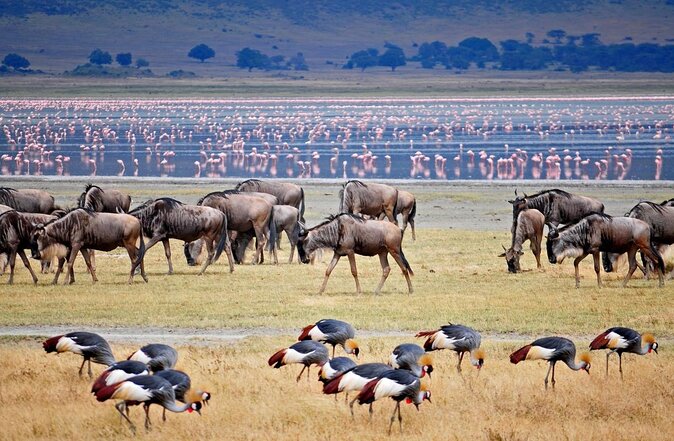
- Tarangire begins with elephants and baobabs: The permanent Tarangire River draws wildlife, including large elephant herds, zebras, wildebeest, buffaloes, warthogs, impalas, monkeys, and possible wild cats.
- Ngorongoro is the grand finale: You descend about 2,000 feet into an extinct volcanic caldera where short grass can make animals easier to spot.
- Lake Manyara changes the mood: Flamingoes, hippos, hot springs, and possible tree-climbing lions add variety after the larger parks.
- The group is capped at six people: That is a useful size for a safari vehicle, especially when everyone wants a window and a clear view.
- Meals and campsite nights are part of the adventure: Lunch is described at camp or as a picnic, with dinner and overnight stays at campsites.
- Arusha pickup starts at 7:30 a.m.: The experience returns to the same meeting point, and free cancellation is available up to 24 hours before departure.
Three parks, three different safari moods
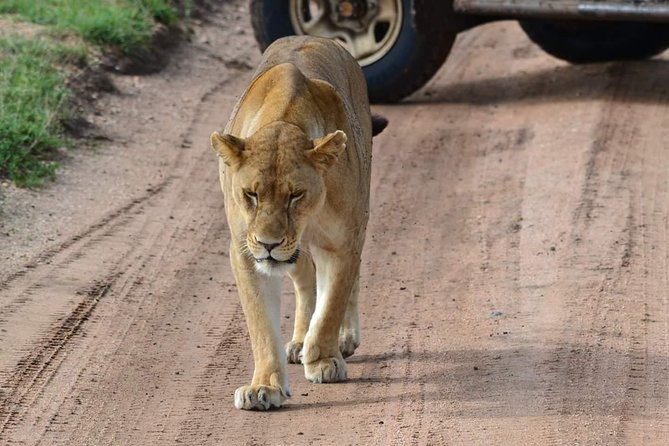
This trip works because the parks do not simply repeat the same scene. Tarangire gives you big trees and elephants. Lake Manyara brings water, birds, and a smaller park setting. Ngorongoro delivers the most concentrated wildlife viewing of the three.
You should think of this as an active safari with some breathing room, not a slow luxury holiday. The schedule allows time to stop for meals and relax at camp, but each day still includes a long drive and game viewing. The small group helps, and the three-day length is practical if you are building a longer Tanzania trip around Arusha.
At $779 per person, the value depends on what you want included in your safari style. Park admission is included, and the plan covers meals and overnight camping arrangements as described. The package also provides pickup, a mobile ticket, and a return to the starting point. You are paying for access to three major parks without organizing separate transport, permits, accommodation, and guiding yourself.
The tradeoff is that this is not presented as a high-end lodge circuit. The overnight stays are at campsites, and the schedule does not promise a private vehicle or a larger selection of accommodation levels. For a first safari, the ability to leave the logistics to one operator may be worth more than a softer bed.
More Lake Manyara Safaris in Arusha
- Private 6-Day Tarangire Manyara Crater and Serengeti with Mid-Range Lodges
★ 5.0 · 238 reviews - 3 Days Tarangire, Ngorongoro & Lake Manyara Group Camping Safari
★ 5.0 · 102 reviews - 3 Days Private Safari – manyara, Ngorongoro & Tarangire
★ 5.0 · 94 reviews
Day 1: Tarangire’s elephants beneath the baobabs
The first morning starts in Arusha at 7:30 a.m. and heads toward Tarangire National Park. The drive gets you into safari country quickly, with the park known for its rolling countryside and striking baobab trees.
Tarangire’s main attraction is its elephant population. The permanent river provides water, so wildlife can gather around it, especially when other water sources are less dependable. You might also see wildebeest, buffaloes, zebras, impalas, warthogs, monkeys, and wild cats.
This is a good opening park because it offers both large animals and memorable scenery. A baobab gives you a very different backdrop from the open grasslands many people expect from an African safari. The trees can make even a quiet stretch of road feel worthwhile.
Birdwatching is another strength. The park is described as having an exceptionally high number of recorded bird species, so you do not need to focus only on lions and elephants. If you enjoy taking time over smaller sightings, tell your guide early. The best safari is not always the one with the biggest animal.
The plan includes lunch at the camp or lodge, followed by time to relax by the pool or in your tent before another game drive. That pause matters. Safari vehicles are exciting, but sitting for hours on rough roads can be tiring. A break gives you a chance to rest before returning to the park.
Dinner and overnight accommodation are at a campsite. You should choose this trip with a practical camping mindset: the point is to stay close to the safari setting, not to expect a resort routine. Previous arrangements have been praised for having enough food, water, drinks, and sleeping space, but the exact camp standard is not specified.
Day 2: Lake Manyara, flamingoes, and the hippo pool
After breakfast, you drive to Lake Manyara National Park. Compared with Tarangire, Manyara is a smaller park, but it packs several different habitats into a short visit.
The lake is the star here. Its birdlife includes the famous sight of pink flamingoes, though the number you see can vary. The park is also known for hippos, and the itinerary includes a visit to the hippo pool for a closer look. You will still be viewing from a safe distance, but hippos can be impressive when seen at the water’s edge rather than far away across a plain.
Manyara is also associated with tree-climbing lions. This is one of the most appealing possibilities on the trip, but it is important to treat it as a possibility, not a promise. The same applies to flamingoes. Wildlife moves according to water, food, weather, and luck, and a responsible guide cannot control the sightings.
Hot springs add another layer to the day. They are a reminder that this is not simply a drive from one animal viewing point to another. The park combines forest, lake, wetland, and geothermal features, giving the day a more varied feel.
The schedule includes a hot picnic lunch before continuing with game viewing. A picnic keeps the day moving, but it also means you should be ready for a simple outdoor meal rather than a long restaurant stop. Dinner and the second campsite night follow.
The biggest weakness of the Manyara day is time. A six-hour park visit sounds generous until you account for driving, stops, lunch, and wildlife searches. If your main goal is to find tree-climbing lions, you may wish for more time. If you want variety, birds, hippos, and a change from Tarangire’s dry-country feel, Manyara earns its place.
Day 3: Descending into Ngorongoro Crater
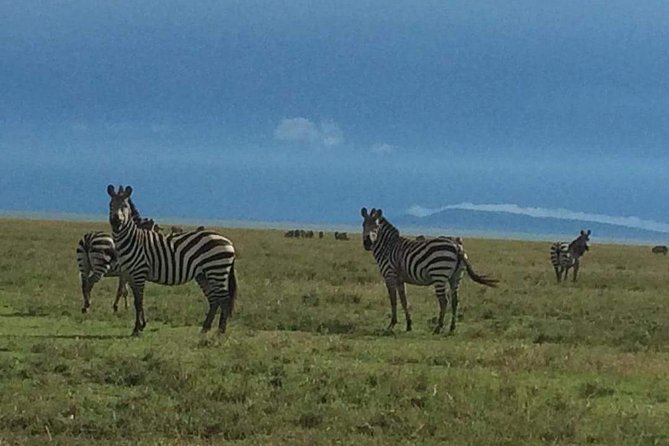
The final morning takes you toward the Ngorongoro Conservation Area. Along the way, the route passes through an area where Maasai pastoral communities and wildlife share the same broad region. That human presence is an important part of the setting. This is not an empty wilderness separated from local life.
The main event is the descent into Ngorongoro Crater. The crater is an extinct volcanic caldera, and the road drops roughly 2,000 feet from the rim to the floor. From above, you get the dramatic scale of the crater. Once below, the short grasses and enclosed setting can make animal spotting easier than in a more open, spread-out park.
Ngorongoro is the strongest wildlife day in the package. The crater floor is known for large concentrations of animals, including lions, elephants, and black rhinos. The scenery also changes as you move through the caldera, with open grass, water, and steep crater walls shaping the view.
The advantage of saving Ngorongoro for the final day is clear: you finish with the trip’s most famous setting. The drawback is equally clear. If this is the experience you care about most, you may wish it came earlier, when you had more energy and more flexibility in the schedule.
The itinerary text ends partway through the detailed description of this day, so you should confirm the exact departure time from camp, lunch arrangements, and the time you will return to Arusha before booking. The confirmed information does establish the park admission, the six-hour duration shown for the stop, and the return to the meeting point.
More Ngorongoro Crater Tours in Arusha:
- 3 Days Serengeti & Ngorongoro Group Camping Safari
★ 5.0 · 574 reviews - 5 Days Camping Tarangire, Serengeti & Ngorongoro crater & Visiting Maasai
★ 5.0 · 229 reviews - 4 Days Join Group tour Tarangire Serengeti and Ngorongoro crater
★ 5.0 · 219 reviews - 4-Day Safari from Arusha: Tarangire, Serengeti and Ngorongoro
★ 5.0 · 173 reviews
What the guide can add to the experience
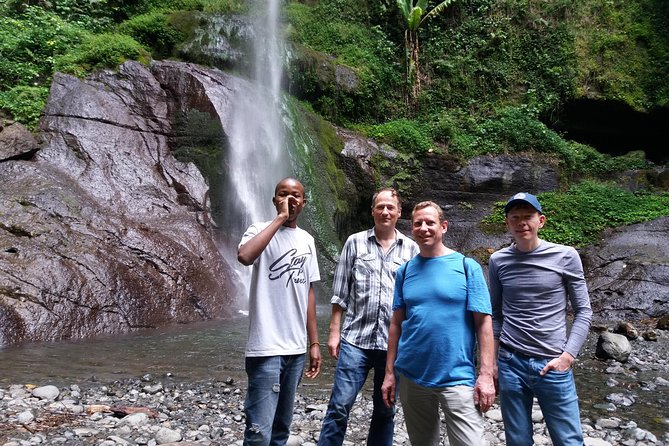
Safari success is not only about where you go. It also depends on how well your guide reads the road, explains animal behavior, and handles the practical parts of a long day.
The company is associated with guides and staff named Lucas, Nasr, and Nasir in the available trip details. Lucas is specifically praised for patience, while Nasr and Nasir are described as helpful and accommodating. You should not assume you will be assigned a particular guide, but you can ask at booking if you have a preference or want to know who is scheduled.
Good guiding matters at Tarangire because elephants may be obvious while smaller animals and birds are easy to miss. At Manyara, your guide can help search for lions in trees and point out hippos safely. At Ngorongoro, explanations can give meaning to the crater, the Maasai pastoral setting, and the animals sharing the floor.
The strongest service points connected with this trip are organization, friendly support, safety, and explanations. Practical help also matters when a three-day safari involves early starts, campsite nights, meals, drinks, and long road transfers. The company’s staff are described as willing to help with problems and attentive to making people feel comfortable.
Food, camping, and the daily rhythm
The meal plan is simple but useful. Day 1 includes lunch at camp or lodge, then dinner. Day 2 includes a hot picnic lunch followed by dinner at the campsite. Breakfast is mentioned before the drives on Days 2 and 3.
That rhythm gives you a sense of what to expect: breakfast, a drive or game viewing, lunch, more sightseeing or rest, then dinner and camp. You are not spending every minute in the vehicle, but you are also not getting a long free afternoon each day.
The campsite setup is best for someone who sees accommodation as part of the safari rather than a separate luxury feature. Having a pool and cozy tents mentioned after the first day gives the schedule some comfort, but the package does not provide detailed room descriptions, bathroom information, or a list of specific camps.
Food and drink have been described as plentiful and well managed on past trips, including water and other drinks. Still, ask for the current meal details if you have allergies or dietary needs. The supplied information does not specify special-diet arrangements.
Is $779 a fair price for three days?
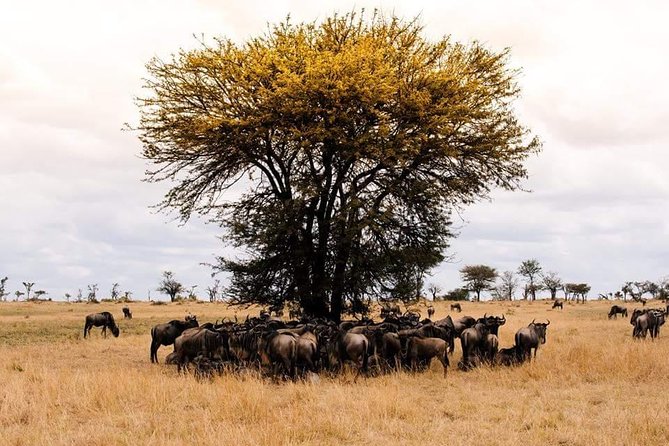
At $779 per person, this is not a budget walk-up excursion, but a three-park safari involves more than the drive itself. You are getting transport from Arusha, park admissions, guiding, meals, campsite accommodation, and a small group capped at six people.
The value is strongest if you want a ready-made northern Tanzania route. Planning Tarangire, Manyara, and Ngorongoro independently would require arranging separate park access, vehicle hire, a driver-guide, food, and overnight stays. This package puts those moving parts under one operator.
You should compare a few details before deciding. Ask whether the $779 price includes every listed meal, all campsite fees, transport back to Arusha, and any charges connected with the crater descent. The information confirms park admission and the main safari services, but it does not provide a full itemized inclusion list.
You should also ask if the vehicle is shared with the full group of six and how the seats are arranged. Six is a reasonable maximum, but everyone has different expectations about window access and personal space. A smaller group is particularly valuable on a wildlife sighting, when several cameras may be pointing in the same direction.
Who will enjoy this safari most?
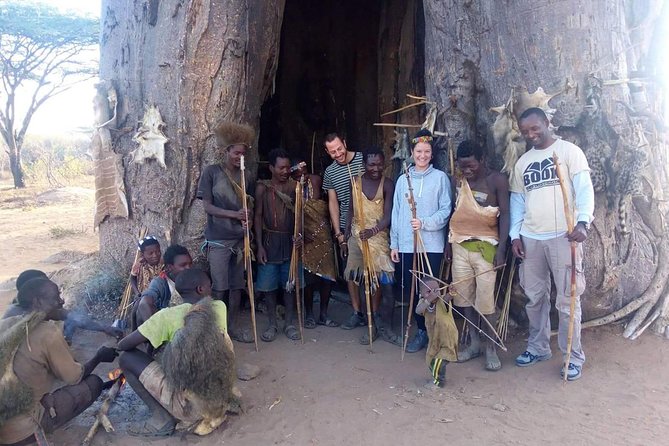
I would recommend this trip to a first-time safari visitor who wants the classic northern Tanzania parks in a short format. It also fits someone who prefers a guided package and does not want to manage road transfers, meals, accommodation, and park entry alone.
It suits people who are happy with camping and who want animal variety more than a single luxury lodge base. Families and mixed-age groups may appreciate the pool break and the moderate three-day length, although the early start and long vehicle time still require stamina.
Birdwatchers have good reasons to consider it. Tarangire is noted for its bird species, and Manyara adds flamingoes and wetland viewing. Wildlife fans will be drawn to elephants, lions, hippos, buffaloes, rhinos, zebras, wildebeest, warthogs, and impalas.
I would hesitate if your priority is a slow, high-comfort holiday with plenty of private time. I would also hesitate if you want to spend several days in one park waiting for a specific sighting, such as tree-climbing lions. Three parks in three days gives you breadth, not maximum time in each place.
Practical details before you go
Pickup begins in Arusha at 7:30 a.m., and the tour ends back at the meeting point. The activity is offered with a mobile ticket, and confirmation is provided at booking.
The group maximum is six people. Most people can participate, and the meeting point is near public transportation. The available information does not give a detailed accessibility statement, so contact the operator if you have mobility needs.
The cancellation policy is friendly: you can cancel for a full refund up to 24 hours before the local start time. Changes or cancellations made less than 24 hours before departure are not accepted for a refund.
I would confirm three things before paying: the exact campsite names, the full list of inclusions, and the final-day return time from Ngorongoro. Those questions are especially useful because the crater day is the trip’s headline experience and the schedule is tight.
Should you book the Tarangire, Manyara, and Ngorongoro trip?
Book it if you want three famous parks in three days, a small group, included park admission, and a guided route that handles the main logistics. The range of scenery is excellent, and Ngorongoro gives the trip a powerful finish.
Skip it if you need luxury accommodation, a private vehicle, or long unhurried stays in each park. Before booking, confirm the campsite standard and the detailed inclusions. If those match your expectations, $779 can be a sensible price for a compact first safari from Arusha.
FAQ
Where does the safari start and end?
The safari starts in Arusha, Tanzania, at 7:30 a.m., and ends back at the meeting point.
How many people can join the tour?
The activity has a maximum of six participants.
Which national parks are included?
The route includes Tarangire National Park, Lake Manyara National Park, and Ngorongoro Crater.
Are park admission fees included?
Yes. Admission tickets are included for the listed park visits.
What accommodation is provided?
Overnight stays are at campsites. The schedule mentions dinner and overnight accommodation after the Tarangire and Lake Manyara days.
Are meals included?
Meals described in the schedule include breakfast, lunch, and dinner during the safari. Day 2 includes a hot picnic lunch, while Day 1 includes lunch at the camp or lodge.
Can I cancel for a full refund?
Yes. You can cancel at least 24 hours before the experience start time for a full refund. Cancellations and changes made less than 24 hours before the start are not accepted for a refund.
More 3-Day Experiences in Arusha
- 3-Day Classic Serengeti Safari
★ 5.0 · 263 reviews - 3 Days Small Group Safari to Serengeti NP and Ngorongoro Crater Tour in Tanzania
★ 5.0 · 77 reviews - 3 Days 2 Nights Group Joining Serengeti and Ngorogoro Safari
★ 5.0 · 56 reviews - 3 Days Safari to Serengeti National Park & Ngorongoro Crater in Tanzania
★ 5.0 · 34 reviews
More Tarangire National Park Safaris in Arusha
- 5-Day Highlights mid-Range Crater, Serengeti, Tarangire
★ 5.0 · 296 reviews - 2 Days Tarangire and Ngorongoro Group Camping Safari
★ 5.0 · 146 reviews - 4 Days Tarangire Serengeti Ngorongoro Crater
★ 5.0 · 117 reviews - Tarangire Day Tour
★ 5.0 · 95 reviews
Just added around Arusha
- 8 Days Serengeti Migration safari★ 5.0 · 11 reviews
- tarangire, ngorongoro & lake manyara park 3 days private tour★ 5.0 · 11 reviews
- tarangire & ngorongoro 2 days tour★ 5.0 · 14 reviews
- Mt. Kilimanjaro: Shira plateau to Cathedral point 3872m Day hike★ 5.0 · 7 reviews
- serengeti, ngorongoro & tarangire 4 days private tour★ 5.0 · 18 reviews
- serengeti & ngorongoro 3 days private tour★ 5.0 · 15 reviews
- 2 Days Tanzania Midrange Group Join Safari★ 5.0 · 7 reviews
- climb the KILIMANJARO via Lemosho route★ 5.0 · 4 reviews
Ngorongoro Crater Tours, compared.

3 Days Serengeti & Ngorongoro Group Camping Safari
Read our review →

5 Days Camping Tarangire, Serengeti & Ngorongoro crater & Visiting Maasai
Read our review →
4 Days Join Group tour Tarangire Serengeti and Ngorongoro crater
Read our review →
4-Day Safari from Arusha: Tarangire, Serengeti and Ngorongoro
Read our review →
2 Days Tarangire and Ngorongoro Group Camping Safari
Read our review →

3 Days Tarangire, Ngorongoro & Lake Manyara Group Camping Safari
Read our review →Browse the lists this tour appears in