
Reviewed · NGORONGORO CRATER TOURS
3-Day Tarangire, Ngorongoro & Manyara Best Tour & Safari
Tarangire’s elephant herds are the main draw here. You cross the Masai plains from Arusha, enter a park known for elephants, zebras, buffalo, gazelle, eland, and oryx, then continue to Ngorongoro for a crater game drive and Lake Manyara’s birdlife. It is a lot of Tanzania in three days.
I like the small maximum group of four, which keeps the vehicle more manageable during wildlife stops. I also like the practical touches: camping gear, park fees, transport, meals, taxes, and drinking water are covered. The main caution is the pace. Three parks in three days means long drives, early starts, and limited time at each place.
Key points to know before you book
- Three parks in three days: Tarangire, Ngorongoro Crater, and Lake Manyara give you a broad sample of northern Tanzania.
- Elephants are the Tarangire specialty: The park is known for large herds, along with zebras, buffalo, gazelle, eland, and oryx.
- A maximum of four people: This is a useful size for a safari vehicle and makes wildlife viewing less crowded.
- Camping is part of the bargain: Camping equipment, sleeping arrangements, meals, and drinking water are included.
- The guide matters: Gilbert handles arrangements, while Lucas is one driver connected with the trip. Guides may speak English, Spanish, or French.
- Check the campsite name: The highlights refer to Sunbright Campsite, while the day-by-day plan names Figi Big Tree Lodge & Campsite. Confirm the exact overnight location before paying.
Why this three-day route works
This itinerary links three of Tanzania’s best-known wildlife areas without asking you to arrange separate transfers, park entries, camps, or meals. That matters in northern Tanzania, where roads between parks can take time and park fees add up quickly.
You begin and end in Arusha, with pickup offered from a hotel or airport, and transportation from Kilimanjaro included in the description. The stated start time is 7:00 am. For a short safari, that early departure helps you use the first day well, though you should expect a full schedule rather than a relaxed holiday morning.
The trip is advertised at $960.71 per person. That is not a bare-bones park visit. The price includes park fees, transport, camping equipment, a professional driver-guide, taxes, and drinking water all day. Meals are pre-arranged, with packed lunches for the game drives and dinner at camp.
I see the value in the package if you want a simple safari with the main costs settled in advance. You are paying for access to three parks, a guide, vehicle transport, camping support, and food. The tradeoff is that this is a budget camping trip, not a private lodge safari with spacious rooms and long unhurried stays.
More Lake Manyara Safaris in Arusha
- Private 6-Day Tarangire Manyara Crater and Serengeti with Mid-Range Lodges
★ 5.0 · 238 reviews - 3 Days Tarangire, Ngorongoro & Lake Manyara Group Camping Safari
★ 5.0 · 102 reviews - 3 Days Private Safari – manyara, Ngorongoro & Tarangire
★ 5.0 · 94 reviews
Day 1: elephants and open country in Tarangire
The first morning takes you north from Arusha across the Masai plains toward Tarangire National Park. The change from city to open country is part of the experience, and the route gives you a sense of how quickly the settled area gives way to a much wilder setting.
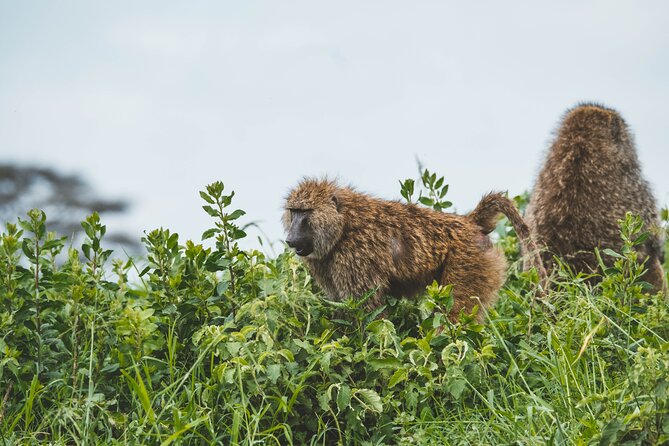
Tarangire is the strongest wildlife day for elephant lovers. The park is known for a high concentration of elephant herds, so your first game drive has a clear focus. You may also see zebras, buffalo, gazelle, eland, and oryx. The itinerary does not promise a particular sighting, so keep expectations sensible, but the range of species makes this a productive opening park.
A packed lunch is served at a designated picnic site. This is practical rather than fancy, and it keeps the day moving. One useful detail from the trip is the guide’s habit of bringing a table and chairs and making fresh coffee on the spot during a bush breakfast or packed meal stop. Those small comforts count after several hours in a safari vehicle.
The late afternoon drive out of Tarangire offers views toward the Great Rift Valley wall before you continue into the Ngorongoro Highlands. The route is scenic, but it also makes clear how much driving is built into this safari. You are not spending the night inside Tarangire, so the park visit and onward transfer share the same day.
The accommodation information needs a quick check. The main highlights name Sunbright Campsite, while the daily schedule says Figi Big Tree Lodge & Campsite for the first and second nights. Ask which property is confirmed, what kind of tent or sleeping arrangement is provided, and if meals are served at that same camp.
Night one camping: what the package really covers
The camping element is one of the reasons this trip costs less than a lodge-based safari. Camping equipment is included, so you do not need to bring a complete camp setup yourself. Sleeping arrangements are described as all-inclusive, with the accommodation based at a campsite.
Still, camping requires a different frame of mind. I would pack for practical comfort: sturdy shoes, a warm layer for early mornings, a small torch, and personal items that are easy to reach. The supplied information does not specify tent size, bedding, showers, or toilets, so those are sensible questions to ask before departure.
Dinner and overnight accommodation are planned after the Tarangire drive. Drinking water is included throughout the day, which removes one common safari expense. Personal items, visas, travel insurance, and international flights are not covered.
The experience also seems to benefit from hands-on camp service. The team has been praised for bringing basic dining furniture and preparing fresh coffee in the bush. That suggests a camping trip with some thoughtful touches, but it does not turn the campsite into a luxury lodge.
Day 2: the Ngorongoro Crater game drive
After breakfast, you head into the Ngorongoro Conservation Area and descend into the crater for the day’s main wildlife drive. The crater is the most concentrated and dramatic stop on this route, and it gives you a chance to look for elephant, rhino, buffalo, lion, and cheetah in one enclosed natural setting.
A packed lunch is served near the crater. The schedule calls for a late afternoon ascent, so Day 2 is built around the crater rather than a quick photo stop. That is good news for wildlife viewing, though the day may feel long when combined with the rough roads, early start, and time spent climbing in and out.
Ngorongoro is valuable because it changes the rhythm of the safari. Tarangire is especially associated with elephants and broad plains. The crater gives you a tighter wildlife setting, with steep walls and a strong sense of place. You are looking down into a huge natural basin, then moving across its floor in search of animals.
The itinerary lists the elephant, rhino, buffalo, lion, and cheetah as key possibilities. Wildlife is never guaranteed, so do not book this as a promise of seeing every species. The best approach is to value the crater setting and the range of habitats as much as any single animal.
One point deserves special attention: a French-language review praised the guides’ availability but suggested asking them to turn off the radio during animal stops. That is useful advice. A quiet vehicle gives you a better chance to hear and watch wildlife without distraction. If radio chatter becomes intrusive, ask politely for silence when the vehicle is parked near animals.
More Ngorongoro Crater Tours in Arusha:
- 3 Days Serengeti & Ngorongoro Group Camping Safari
★ 5.0 · 574 reviews - 5 Days Camping Tarangire, Serengeti & Ngorongoro crater & Visiting Maasai
★ 5.0 · 229 reviews - 4 Days Join Group tour Tarangire Serengeti and Ngorongoro crater
★ 5.0 · 219 reviews - 4-Day Safari from Arusha: Tarangire, Serengeti and Ngorongoro
★ 5.0 · 173 reviews
Night two: a second stay at camp
The second night is scheduled at the same campsite named in the Day 2 plan. Staying in one place for both nights keeps the trip simpler, since you do not have to repack and change camps after every park.
The campsite name conflict remains important. Sunbright Campsite appears in the main highlights, while Figi Big Tree Lodge & Campsite appears in the daily schedule. This may reflect a change in accommodation or a mixed description, but the supplied information does not explain it. Confirm the exact camp and the type of sleeping arrangement directly with Budget Safaris Tanzania.
Communication seems to be a strong part of the operation. Gilbert is the contact associated with clear arrangements, and one trip used Lucas as the driver. A previous booking also handled a year-long delay caused by COVID-19 and adjusted the plans without a problem. That does not remove the need to read the cancellation terms, but it points to useful flexibility in communication.
The tour allows service animals, is near public transportation, and says most people can participate. Those points are helpful, but they do not provide a full mobility assessment. Ask about the vehicle, campsite access, and crater entry if you have specific physical needs.
Day 3: Lake Manyara and the return to Arusha
After breakfast, you leave the Ngorongoro area with more views of the Great Rift Valley and continue to Lake Manyara National Park. This final park changes the focus from large mammals to habitat and birds.
Lake Manyara is known for diverse birdlife, and the plan includes a visit to the lake. The water and surrounding park give you a different setting from Tarangire’s elephant country and Ngorongoro’s crater floor. Bring patience and keep your attention outside the main animal checklist. Birding is often about careful observation rather than a single dramatic sighting.
The park is also associated with tree-climbing lions, and the itinerary says you might see them. That wording is appropriate. A sighting depends on luck and timing, so treat it as an exciting possibility rather than the purpose of the entire day.
The late afternoon drive returns you to Arusha City. Lake Manyara is not an overnight stop on this plan, so Day 3 combines a game drive with the return journey. That makes the final day useful for a short holiday, but it can feel compressed if you want a long, slow visit in the park.
Guides, vehicles, and group size
The experience is limited to four travelers, which is one of its best practical features. A small group means fewer competing voices, easier communication with the driver-guide, and a better chance of getting a clear view when the vehicle stops.
The driver-guide is central to the quality of a safari. The company lists English, Spanish, and French language support. Lucas is named as one of the drivers connected with the trip, while Gilbert handles communication and arrangements. You should confirm who will lead your particular departure and which language is available before booking.
The vehicle is described positively in the trip details, but no specific model or seating layout is provided. Ask about window seats, roof hatches, luggage limits, and whether the vehicle is shared with the full group of four. These questions are especially useful if photography is a priority.
Good guiding is not only about finding animals. It also means judging when to stop, keeping radio use under control, explaining what you see, and giving you time to watch. The supplied feedback points to a service-minded team and strong effort with language differences. That is a real advantage on a short safari, where each game drive matters.
What is included, and what you still pay for
The included list is fairly broad:
- All national park fees
- Camping equipment
- Transportation
- A professional driver-guide
- Taxes and VAT
- Drinking water all day
- Pre-arranged meals and sleeping arrangements
The itinerary also includes packed lunches during the Tarangire and Ngorongoro drives, plus dinner and overnight camping. The details do not spell out every meal on every day, so confirm breakfast, lunch, and dinner coverage for the full three-day period.
You still need to pay for personal items, a visa, travel insurance, and international flights. Those exclusions are normal for a safari package, but they matter when you calculate the final cost. Travel insurance is especially important for a multi-day trip with a fixed departure schedule.
Free cancellation is available if you cancel at least 24 hours before the local start time. Cancellation inside that 24-hour window is nonrefundable, and late changes are not accepted. This is worth noting before you lock in flights or hotel plans.
Who will get the most from this safari
I would choose this trip if you have three days, want the main northern Tanzania parks, and prefer a small group over a large safari vehicle. It suits first-time safari visitors who want park fees, transportation, food, water, and camping equipment handled together.
It also fits budget-conscious couples, families, and friends who care more about wildlife and route coverage than private-lodge comfort. The maximum of four gives it a more personal feel than a standard large-group departure.
I would think twice if you dislike camping, need a slow schedule, or want to spend several days in one park. The itinerary covers a lot of ground, and each day includes both wildlife viewing and transfers. It is efficient, but efficiency is not the same as leisure.
Photography-focused visitors should ask about vehicle seating and time at sightings. The small group helps, but the trip does not promise private use of the vehicle. Birdwatchers may like the Lake Manyara stop, though the overall route is designed for a broad safari rather than a specialized birding program.
Should you book the Tarangire, Ngorongoro, and Manyara tour?
Book it if you want a short, well-covered northern Tanzania safari with camping, a small group, and major park fees included. Tarangire gives you elephants, Ngorongoro supplies the most dramatic wildlife setting, and Lake Manyara adds birdlife and the chance of tree-climbing lions.
Before booking, confirm the campsite name, the exact sleeping arrangements, the assigned guide, the vehicle setup, and the full meal plan. If those details suit you, the $960.71 price offers a practical way to see three major parks without arranging every piece yourself.
FAQ
Where does the safari start?
The safari starts in Arusha, Tanzania, at 7:00 am. Pickup is offered from a hotel or airport, and transportation from Kilimanjaro is included in the tour description.
How long does the safari last?
The experience lasts approximately three days and includes two nights of camping.
Which parks does the tour visit?
The route visits Tarangire National Park, the Ngorongoro Conservation Area and Crater, and Lake Manyara National Park.
How many game drives are included?
The tour includes three scenic game drives, one in each main park area.
What animals might I see in Tarangire?
Tarangire is home to elephants, zebras, buffalo, gazelle, eland, and oryx. The park is especially known for its high concentration of elephant herds.
What might I see in Ngorongoro Crater?
The itinerary lists elephant, rhino, buffalo, lion, and cheetah as possible Ngorongoro sightings. Wildlife sightings are not guaranteed.
Is camping equipment included?
Yes. Camping equipment is included, along with sleeping arrangements at the scheduled campsite.
Are meals included?
Pre-arranged meals are included. Packed lunches are planned for the Tarangire and Ngorongoro game drives, and dinner is included at camp. Confirm the full meal schedule before departure.
What languages can the guide speak?
The professional driver-guide may speak English, Spanish, or French. The assigned guide and language should be confirmed when booking.
What is the cancellation policy?
You can receive a full refund by canceling at least 24 hours before the experience start time. Cancellations or changes made within 24 hours are not accepted and are nonrefundable.
More Safari in Arusha
- Balloon Safari & Bush Breakfast in Serengeti – Miracle Experience
★ 5.0 · 1,646 reviews - 4 Days Group Camping Safari
★ 5.0 · 1,101 reviews - 5 Days Group Camping Safari
★ 5.0 · 730 reviews - 7-Day Premium Luxury Tanzania Safari All-Inclusive
★ 5.0 · 426 reviews
More Tarangire National Park Safaris in Arusha
- 5-Day Highlights mid-Range Crater, Serengeti, Tarangire
★ 5.0 · 296 reviews - 2 Days Tarangire and Ngorongoro Group Camping Safari
★ 5.0 · 146 reviews - 4 Days Tarangire Serengeti Ngorongoro Crater
★ 5.0 · 117 reviews - Tarangire Day Tour
★ 5.0 · 95 reviews
Just added around Arusha
- 8 Days Serengeti Migration safari★ 5.0 · 11 reviews
- tarangire, ngorongoro & lake manyara park 3 days private tour★ 5.0 · 11 reviews
- tarangire & ngorongoro 2 days tour★ 5.0 · 14 reviews
- Mt. Kilimanjaro: Shira plateau to Cathedral point 3872m Day hike★ 5.0 · 7 reviews
- serengeti, ngorongoro & tarangire 4 days private tour★ 5.0 · 18 reviews
- serengeti & ngorongoro 3 days private tour★ 5.0 · 15 reviews
- 2 Days Tanzania Midrange Group Join Safari★ 5.0 · 7 reviews
- climb the KILIMANJARO via Lemosho route★ 5.0 · 4 reviews
Ngorongoro Crater Tours, compared.

3 Days Serengeti & Ngorongoro Group Camping Safari
Read our review →

5 Days Camping Tarangire, Serengeti & Ngorongoro crater & Visiting Maasai
Read our review →
4 Days Join Group tour Tarangire Serengeti and Ngorongoro crater
Read our review →
4-Day Safari from Arusha: Tarangire, Serengeti and Ngorongoro
Read our review →
2 Days Tarangire and Ngorongoro Group Camping Safari
Read our review →

3 Days Tarangire, Ngorongoro & Lake Manyara Group Camping Safari
Read our review →Browse the lists this tour appears in