
Reviewed · 3-DAY EXPERIENCES
3 Days Tanzania Safari
The best thing about this safari is its smart three-park route. In only three days, you see the flamingo-lined shores of Lake Manyara, descend into the wildlife-packed Ngorongoro Crater, and finish among Tarangire’s giant baobabs and elephant herds. It is a quick taste of northern Tanzania, not a slow, leisurely safari.
I like the small maximum group of six, which gives you a better chance at a window seat and more say during game drives. I also like the practical touches reported on past trips, including clean vehicles with pop-up roofs, coolers, chargers, and Wi-Fi. The tradeoff is simple: you spend a lot of time on the road, and three parks in three days leaves little room for delays or long stays in one place.
Key points before you book
- Three famous parks in three days: Lake Manyara, Ngorongoro Crater, and Tarangire form a compact Northern Circuit route.
- Ngorongoro is the centerpiece: A 600-meter descent leads to a half-day game drive and picnic lunch in one of Africa’s most concentrated wildlife areas.
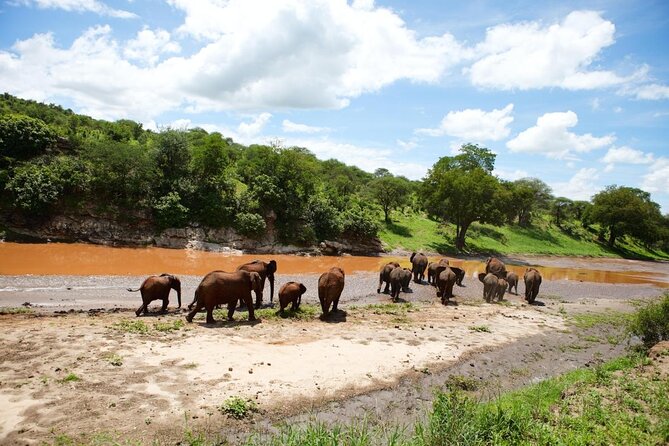
- Tarangire is especially strong for elephants: Its river, swamps, baobabs, and acacia woodland draw animals during the dry season.
- Lake Manyara offers variety: Look for elephants, flamingos, tree-climbing lions, and dramatic Rift Valley scenery.
- A maximum of six people matters: You get a more manageable safari vehicle than on a large coach-style outing.
- Airport transfers are offered: Pickup and drop-off can simplify the beginning and end of your Tanzania trip, but confirm the exact arrangements before departure.
A fast introduction to Tanzania’s Northern Circuit
This three-day safari is designed for you if time is tight. Starting in Arusha, you visit three major parks rather than spending the whole trip in one reserve. Each park has a different character, so the itinerary gives you a useful sample of Tanzania’s wildlife and scenery.
You begin at 7:30 a.m. at Mvuli Hotel on Kundayo Road in Arusha. A guide and driver provide a short briefing before you set out. The early start is useful because the first day includes both the drive from Arusha and a game drive at Lake Manyara.
The route is busy, but it is not random. Lake Manyara gives you a compact park with lake views and varied habitats. Ngorongoro offers the strongest concentration of animals. Tarangire finishes the trip with big elephant herds and a distinct baobab-filled setting.
At $780 per person, the value depends on what is included beyond the advertised safari itself. Airport pickup and drop-off, a professional guide, park visits, transport, game drives, lodging, and meals can add up quickly in Tanzania. Before paying, ask for a written list of inclusions, especially accommodation level, meals, park fees, and the final drop-off after the Tarangire visit.
A few more Arusha trips to weigh up
- Balloon Safari & Bush Breakfast in Serengeti – Miracle Experience
★ 5.0 · 1,646 reviews - 4 Days Group Camping Safari
★ 5.0 · 1,101 reviews - 5 Days Group Camping Safari
★ 5.0 · 730 reviews
Day 1: Lake Manyara’s lake, forest, and Rift Valley views
After the briefing in Arusha, you travel toward Lake Manyara National Park. The plan is to arrive in time for lunch at the lodge, then head into the park for an afternoon game drive.
Lake Manyara is a good first stop because it offers more than one type of safari setting. A large soda lake covers about two-thirds of the park, while the Great Rift Valley escarpment rises nearby. The contrast between water, woodland, open areas, and steep valley walls keeps the drive visually varied.
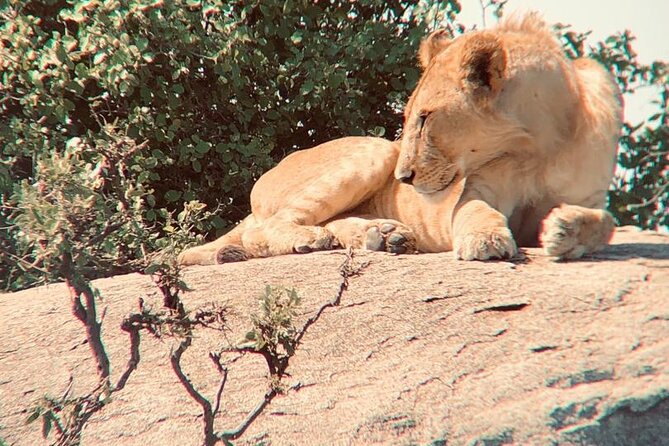
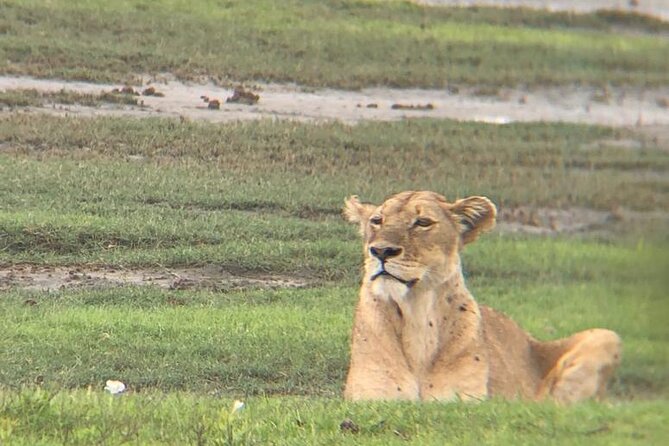
The park is known for elephants, and it is also associated with lions that sometimes climb trees. That is a special sight, but it is not something anyone can promise on a particular day. The same applies to flamingos. They gather around the lake when conditions and food supplies suit them, so you might see large flocks feeding on algae.
Your first day has a built-in limitation: the park visit comes after the drive from Arusha and lunch. You do not get a full day at Lake Manyara. Still, the afternoon timing can work well for a short safari because you are introduced to the area without using one of your limited days on a single park.
I would ask where you spend the night and how far the lodge is from the next morning’s crater route. A convenient location can make Day 2 less tiring. This is one of those small details that affects the whole trip, especially when you are trying to fit three parks into 72 hours.
Day 2: The 600-meter descent into Ngorongoro Crater
After breakfast, you descend roughly 600 meters into Ngorongoro Crater for a morning, half-day game drive. This is the most wildlife-focused day of the safari and the part I would prioritize if you are choosing between extra time at one park and a quick visit to all three.
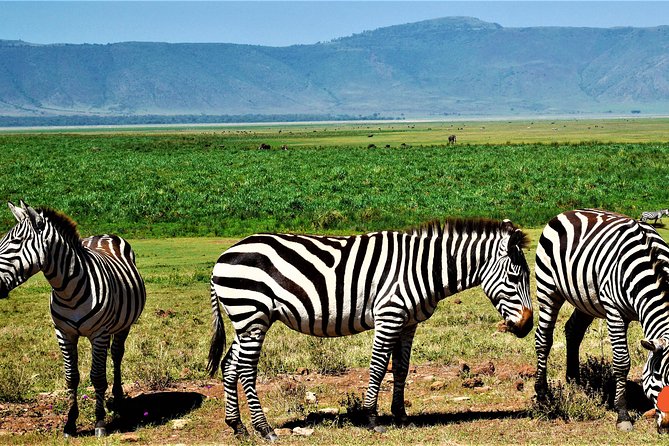
The crater has a year-round water supply and grazing areas, which help support a large number of animals. You might see wildebeest, zebra, buffalo, eland, warthogs, hippos, and elephants in the crater floor. Predators include lions, hyenas, jackals, cheetahs, and sometimes leopards.
The estimated animal population is around 30,000, and black rhinos are among the most important possible sightings. A rhino sighting is never guaranteed, so keep your expectations sensible. Your guide’s skill matters here, particularly when a leopard or distant rhino is difficult to pick out.
You eat a picnic lunch in the crater before continuing toward Tarangire National Park. A picnic in such a remarkable setting is memorable, but it also means the day is fairly structured. You are not simply stopping whenever you like. The need to descend, drive, eat, and continue onward makes Day 2 the most demanding day of the trip.
The crater’s scenery is a major part of the appeal. You get broad views from the rim before descending into a contained wildlife area. That change in height gives you a strong sense of place, even during a short visit. Bring patience and a camera with a useful zoom, since some animals may be far from the vehicle.
Day 3: Tarangire’s elephants and baobab trees
After breakfast, you enter Tarangire National Park for a morning game drive. The park follows the Tarangire River, with low hills, acacia woodland, giant baobab trees, and large swamp areas in the south.
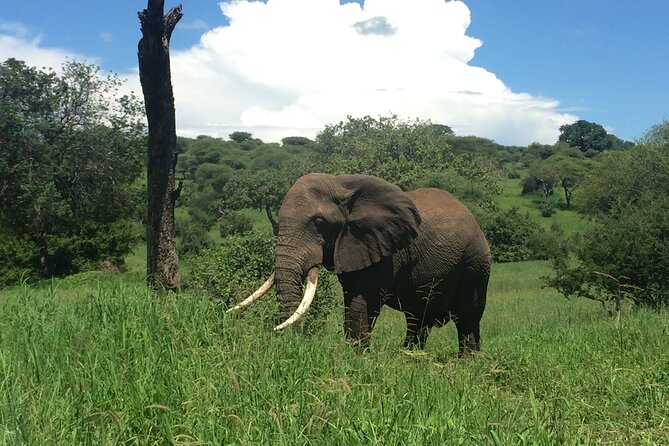
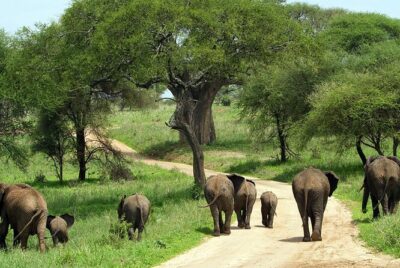
Tarangire is often the most distinctive park visually. The baobabs give the area a bold silhouette, while the river and swamps help draw wildlife, especially during Tanzania’s dry season. The park is known for some of Africa’s largest elephant herds, so this is the place to pay close attention to family groups moving through the trees or gathering near water.
You might also look for the Greater Kudu, the fringed-eared oryx, and Ashy Starlings. These are less common highlights than elephants, but they give the drive an extra sense of purpose. A good guide can help you understand why a particular animal matters rather than treating every sighting as just another photograph.
The plan calls for returning to the lodge for lunch after the morning drive. The published schedule does not spell out the final transfer in detail, so confirm how and when you return to Arusha or the airport. That matters if you have a flight, another tour, or a hotel booking later that day.
Tarangire works well as the final park because a morning drive can give you one last concentrated wildlife session without requiring another full park day. The drawback is that you may wish you had longer there. If elephants and baobabs are your main interests, ask if a longer Tarangire visit is possible in a customized itinerary.
Same country, a completely different kind of safari:
- Tanzania Classic – 7 Days
★ 5.0 · 1,151 reviews - Materuni Waterfalls, coffee tour & Kikuletwa Hot Springs
★ 5.0 · 643 reviews - 3 Days Serengeti & Ngorongoro Group Camping Safari
★ 5.0 · 574 reviews - 7-Day Premium Luxury Tanzania Safari All-Inclusive
★ 5.0 · 426 reviews
The guide can make or break a short safari
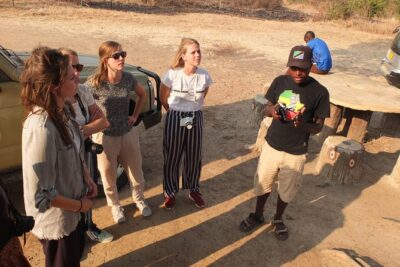
A three-day safari leaves little room for a poor guide. You need someone who can explain animal behavior, choose sensible stops, communicate with other drivers, and keep the schedule moving without making the trip feel rushed.
Guides named in past trips include Saluu, Sallu, Jonas, and Jeff. You should not assume one of these guides will lead your departure, but you can ask for the assigned guide’s name and experience before you go.
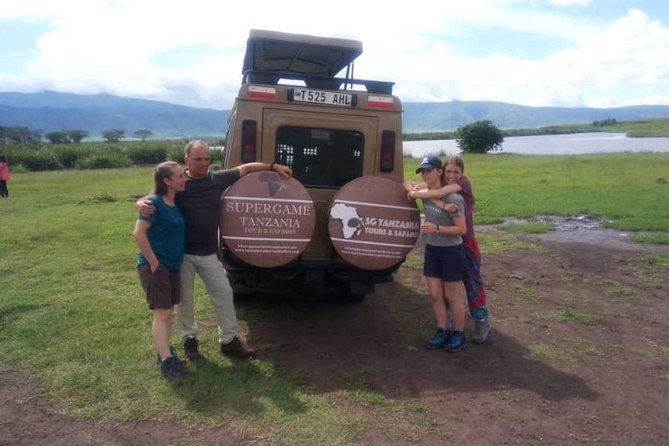
Past trips also describe clean, well-maintained safari jeeps with pop-up roofs, a cooler, charging points, and Wi-Fi. These details are more important than they sound. You spend long hours in the vehicle, and a roof that opens fully gives you a better view than a standard enclosed van.
I would still confirm the exact vehicle provided for your booking. Ask if Wi-Fi works throughout the route, how many charging ports are available, and whether the vehicle is shared with other people. With a group of six, seating can be comfortable, but the best viewing position may depend on how the seats are arranged.
Why a group of six is a useful limit
The maximum group size is six people. That is a strong feature for a safari because you have more room than you would in a large group, and everyone has a better chance to see through the open roof.
A small group also makes the logistics easier. You can load and unload faster, ask questions without competing with a bus full of people, and discuss how long to spend at a sighting. The experience is still shared, so you should be ready to compromise when someone else wants to stay longer at an animal.
The group size can affect the price, too. At $780 per person, you are paying for a compact, organized safari rather than simply transportation between parks. If you are traveling with friends or family, ask if a private vehicle is available and how that changes the price.
Airport pickup and the practical details
Pickup is offered, and airport pickup and drop-off are listed among the main features. That can be valuable if you are arriving tired, carrying trekking gear, or connecting a safari with a Kilimanjaro trip. Past arrangements included airport transfers, but you should confirm the airport, pickup time, and final drop-off point in writing.
The stated meeting point is Mvuli Hotel, Kundayo Road, Arusha, with a 7:30 a.m. start. If you are staying elsewhere, ask if pickup from your hotel is included or if you need to reach Mvuli Hotel yourself.
Confirmation is provided at booking. Most people can take part, and the maximum group size is six. The tour requires a minimum number of participants, so ask what happens if that minimum is not reached.
You can cancel for a full refund if you do so at least 24 hours before the start time. Changes or cancellations within 24 hours are not accepted for a refund, and the local time cutoff applies. If the operator cancels because the minimum number is not met, you are offered another date or experience, or a full refund.
What to pack for three busy days
Keep your luggage practical. You will spend a lot of time in a safari vehicle, so soft bags are easier to handle than bulky hard cases. Neutral clothing is sensible, and layers help with changing temperatures between early mornings, open areas, and warmer afternoons.
Bring sun protection, a hat, water, and a camera with enough memory and battery power. The vehicles described on past trips had coolers and chargers, but you should not rely on every vehicle having the same setup.
A small day bag is useful for the vehicle and picnic lunch. Avoid packing your entire suitcase beside you. With up to six people sharing the vehicle, loose baggage can reduce everyone’s comfort.
Who should choose this safari?
I would recommend this trip to you if you have only three days in northern Tanzania and want to see several major parks. It also suits first-time safari visitors who want a broad introduction before deciding if a longer Serengeti or Northern Circuit trip is right for them.
Families, couples, and small groups can all fit the format. The short duration also works well beside a Kilimanjaro climb, an Arusha hotel stay, or an airport connection, provided you leave enough time for delays.
I would hesitate if you dislike early starts, long drives, or tightly planned days. You may prefer a four or five-day itinerary that gives you more time in each park and less pressure to move after every game drive.
Should you book the 3 Days Tanzania Safari?
Book it if your priority is variety: three major parks, different scenery, a small group, and a guide-led safari from Arusha. Lake Manyara, Ngorongoro Crater, and Tarangire each offer something different, and the route makes good use of limited time.
Before booking, get the inclusions and final-day transport confirmed. Also ask which guide and vehicle are assigned, what accommodation is provided, and how much time you will have at each park.
For a short Tanzania safari, this is a strong value when the logistics are clear. It is not the right choice if you want a relaxed pace or a deep focus on one park. Think of it as a well-packed sampler, with Ngorongoro’s crater wildlife, Tarangire’s elephants, and Lake Manyara’s lake views sharing the bill.
FAQ
Where does the safari start?
The stated meeting point is Mvuli Hotel on Kundayo Road in Arusha, Tanzania. The start time is 7:30 a.m.
Which national parks are included?
The route includes Lake Manyara National Park, Ngorongoro Crater, and Tarangire National Park.
Is airport pickup and drop-off included?
Airport pickup and drop-off are offered as highlights of the experience. Confirm the exact airport arrangements and drop-off details before departure.
How large is the group?
The tour has a maximum of six travelers.
Can most people participate?
Yes. The activity states that most travelers can participate.
What is the cancellation policy?
You can cancel at least 24 hours before the start time for a full refund. Cancellations or changes made less than 24 hours before the start time are not accepted for a refund.
Just added around Arusha
- 8 Days Serengeti Migration safari★ 5.0 · 11 reviews
- tarangire, ngorongoro & lake manyara park 3 days private tour★ 5.0 · 11 reviews
- tarangire & ngorongoro 2 days tour★ 5.0 · 14 reviews
- Mt. Kilimanjaro: Shira plateau to Cathedral point 3872m Day hike★ 5.0 · 7 reviews
- serengeti, ngorongoro & tarangire 4 days private tour★ 5.0 · 18 reviews
- serengeti & ngorongoro 3 days private tour★ 5.0 · 15 reviews
- 2 Days Tanzania Midrange Group Join Safari★ 5.0 · 7 reviews
- climb the KILIMANJARO via Lemosho route★ 5.0 · 4 reviews
3-Day Experiences, compared.

3 Days Serengeti & Ngorongoro Group Camping Safari
Read our review →

3 Days Tarangire, Ngorongoro & Lake Manyara Group Camping Safari
Read our review →
3 Days Private Safari – manyara, Ngorongoro & Tarangire
Read our review →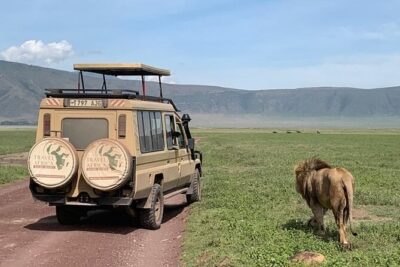
3 Days Small Group Safari to Serengeti NP and Ngorongoro Crater Tour in Tanzania
Read our review →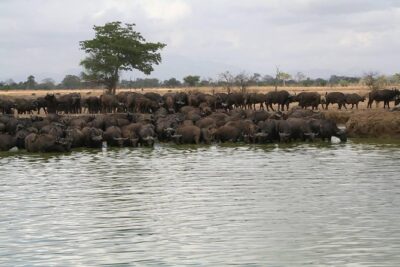
3 Days 2 Nights Group Joining Serengeti and Ngorogoro Safari
Read our review →Browse the lists this tour appears in