
Reviewed · ZANZIBAR SPICE FARM TOURS
Zanzibar Spice Adventure by Imani Zuberi
Zanzibar’s spice story comes alive at the School of Agriculture, where Imani Zuberi takes you beyond jars of cinnamon and cloves. You’ll smell and taste spice plants, learn how they were traded, hear about their medicinal uses, watch a coconut climber, and finish with a Swahili lunch. I like the private format, and I like that the price includes food, fruit, and 1.5 liters of water.
The main thing to consider is the loose timing. The hands-on visit is listed at about two hours, while the full experience may take two to four hours. Pickup is offered, but the details are not specified, so you’ll want to confirm the meeting plan before setting up the rest of your day.
Key points at a glance
- School of Agriculture setting: Learn about spice plants in a working agricultural setting rather than only seeing packaged souvenirs.
- Tasting and medicine: Smell and taste plants while hearing how spices have been used for health and daily life.
- Coconut climbing: Watch a coconut climber and drink a fresh young coconut.
- Swahili lunch included: Your meal includes Swahili cuisine, seasonal fruit, and 1.5 liters of bottled water.
- Private experience: Only your own group takes part, giving you room to ask questions and adjust the pace.
- Flexible booking: The tour costs $71.80 per person, lasts roughly 2 to 4 hours, and allows free cancellation up to 24 hours before departure.
Why Zanzibar’s spice story matters
Zanzibar is often linked with cloves, but the island’s spice culture reaches well beyond one crop. On this visit, you’ll learn about the spice trade and see how plants connect farming, cooking, medicine, and local commerce.
That makes this more useful than a quick stop at a shop selling small spice packets. You get a chance to connect the finished product with the living plant. Seeing, smelling, and tasting spices in their growing form helps explain why Zanzibar’s agricultural traditions matter to the island’s identity and economy.
Imani Zuberi leads the experience. The information provided about his work points to a guide who brings humor, care, and a willingness to go the extra distance. That matters on a small private tour. You can ask about a plant twice, pause for a better look, or focus more on food and medicine if those subjects interest you most.
More Zanzibar Spice Farm Tours in Zanzibar
- Spice Tour + Stone Town Tour + Prison Island
★ 4.5 · 130 reviews - Zanzibar: Stone Town & Spice Farm Tour with Lunch
★ 4.5 · 97 reviews - Zanzibar:Stone Town & Spice Farm Private Tour Lunch Included
★ 4.2 · 94 reviews
What happens at the School of Agriculture
The main stop takes about two hours and includes admission. You’ll learn about the history of the spice trade, then examine and taste different spice plants. The tasting element is important because it turns an ordinary explanation into a sensory lesson.
You may recognize some smells from your kitchen, but the plants themselves can look quite different from the dried products sold in shops. I like this part because it gives you a stronger sense of where common ingredients begin. It also makes the visit accessible to people who do not have much background in botany or agriculture.
The tour also covers medicinal uses. This should be understood as cultural and traditional information rather than medical advice. Still, it gives useful context. Spices are not simply flavorings in Zanzibar. They have long been connected with home remedies, household habits, and local knowledge.
The guide also introduces products made by the local community. This gives the visit a practical side. You can see how agricultural materials become items that people cook with, use at home, or sell. The experience does not promise a large market or a formal shopping session, so you should come for the learning first. Any purchases are best treated as an optional extra.
The coconut climber and a fresh young coconut
One of the more memorable parts is watching a coconut climber. This adds a live demonstration to a tour that could otherwise be mostly about plants and explanations.
You’ll also get a fresh young coconut. It is a simple treat, but it fits the setting perfectly. Instead of only hearing about tropical crops, you get to enjoy one in a fresh form. Seasonal fruit is included as well, so the food portion continues the agricultural theme.
The climbing demonstration may be especially appealing if you are traveling with children or want a break from walking and listening. It also gives you a better idea of the skill involved in gathering coconuts. The activity is weather dependent, so a poor-weather cancellation is possible. If that happens, you can accept another date or receive a full refund.
A Swahili lunch, not just a snack
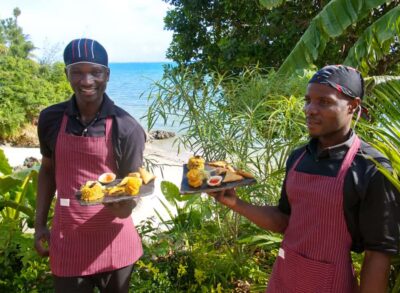
The included meal is Swahili cuisine, along with seasonal fruit and 1.5 liters of bottled water. For $71.80 per person, that matters. You are not paying only for a guided talk and transport option. The price also covers a substantial cultural food stop.
Food gives you another way to understand Zanzibar. Spices make more sense when you taste how they work in a meal rather than only hearing their names. I would treat lunch as part of the cultural experience, not as a filler between activities.
Beer and soda are not included. That is easy to plan for, but it is worth knowing before you arrive. Bottled water is included, which is useful in Zanzibar’s warm climate, and the 1.5-liter bottle should cover a good part of a short visit.
The supplied details do not specify the exact dishes, so you should not book this expecting a named menu. You can expect Swahili cuisine, fruit, and water, but the specific meal may depend on the day and available ingredients.
Same country, a completely different kind of safari:
- Zanzibar: Quad Bike Adventure departing from Kendwa or Nungwi
★ 4.9 · 1,233 reviews - Zanzibar: Prison Island and Nakupenda Boat Trip with Lunch
★ 4.1 · 882 reviews - Skydive Zanzibar | Tandem Skydive
★ 5.0 · 877 reviews - Mnemba Island: Dolphin Swim & Snorkeling with Optional Lunch
★ 4.3 · 591 reviews
Why the private format changes the experience
This is a private activity, so only your group participates. That is one of its strongest features. On a spice tour, the quality of the explanation often depends on whether you can ask questions and get close enough to examine the plants.
A private group also gives you more control over the pace. You can spend longer on medicinal uses, local products, or cooking if those topics matter to you. If you have children, the private setting may make the coconut climbing and tasting parts easier to enjoy without keeping up with a large group.
The tradeoff is that a private tour can cost more than a shared group outing. At $71.80 per person, the value depends partly on group size. For one or two people, the price buys personal attention, lunch, and a focused visit. For a larger private group, the per-person cost may feel more attractive.
The experience is designed for most participants, according to the supplied details. No special skill level is required. Still, the activity involves visiting an agricultural site and watching a coconut demonstration, so anyone with specific mobility or medical concerns should ask the provider for current practical details before booking.
What Imani’s guiding style adds
Imani Zuberi is the key to the experience. The comments supplied about his guiding describe him as friendly, humorous, careful about safety, and willing to make extra effort. Those qualities are useful on a private tour because the guide is not just delivering facts. He is shaping the day around your interests.
His work has also included Stone Town visits and volunteer groups. One school group spent 12 days in Zanzibar and described feeling safe during its activities. Another group combined Stone Town with a spice farm visit and found that Imani could answer questions about the local area.
That does not mean this booking automatically includes a Stone Town tour. The described experience centers on the School of Agriculture and the spice visit. But the background gives you a reason to ask Imani if you want to pair this activity with other sightseeing, provided that arrangement is confirmed before booking.
The most useful quality here is flexibility. The tour description says it can be adjusted to meet your needs. I would use that opening wisely: tell Imani if you care most about cooking, plant uses, farming, photographs, or the food. A private guide can make a short tour feel much more personal when you explain what you want to learn.
Timing, pickup, and planning your day
The full experience is advertised at about two to four hours. The School of Agriculture stop itself is listed as two hours, so the extra time may relate to pickup, transfers, the meal, or the pace of your group.
Pickup is offered, but no pickup areas or exact transport details are supplied. Confirm where you will be collected, what time to expect the vehicle, and how long the transfer may take. This is especially important if you have a flight, ferry, hotel checkout, or another timed activity later that day.
The flexible length can work in your favor. A shorter visit may fit neatly into a busy Zanzibar schedule, while a longer version gives you more time for questions and lunch. I would avoid placing a tight appointment immediately afterward until the provider confirms the exact schedule.
You receive booking confirmation at the time of booking. The activity is available as a mobile ticket, which means you can keep the confirmation on your phone rather than arranging a printed voucher.
Is $71.80 a fair price?
The $71.80 price includes the guided visit, admission to the School of Agriculture, Swahili lunch, seasonal fruit, bottled water, and a private format. Pickup is offered, which may add useful convenience, though the exact transport arrangement is not stated.
That is a fair package for someone who wants a guided cultural activity rather than a quick farm stop. The private setting is the biggest value point. You are paying for attention and flexibility, not only for access to the site.
The value is less clear if you mainly want to buy spices or take a few quick photos. In that case, the two-hour visit and included meal may be more than you need. But if you want context, tasting, medicinal information, local products, and a meal in one outing, the price makes more sense.
Because only your own group participates, the best value comes when everyone in your party wants the same kind of experience. A group interested in food and local culture will likely get more from it than a group looking only for beach time.
Who should book this experience
I would recommend this tour to you if you want a compact introduction to Zanzibar’s food and farming culture. It suits first-time visitors who want more context than a souvenir shop provides, as well as returning visitors looking for a quieter cultural activity.
Families may appreciate the coconut climber, fresh coconut, fruit, and private setting. Food-focused visitors will like the Swahili lunch and the chance to connect spices with cooking. Anyone curious about traditional plant uses should find the medicinal section worthwhile, while keeping in mind that it is educational rather than a substitute for medical guidance.
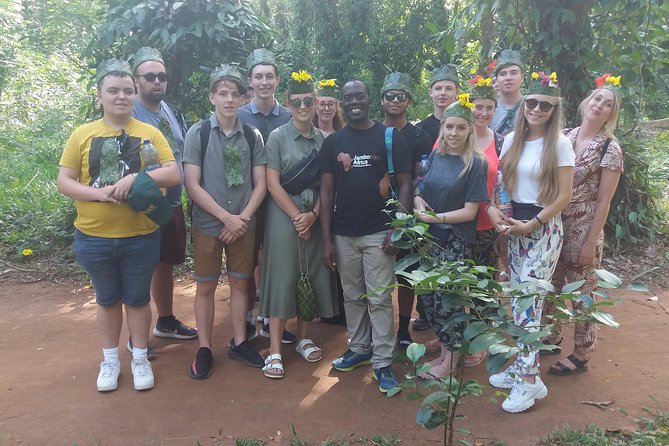
The tour also suits volunteer groups, school groups, and small private parties. Imani’s past work with students and volunteers suggests he is comfortable guiding groups with varied interests and helping them feel looked after.
I would hesitate only if you need a precisely timed activity, want a large formal farm complex, or dislike tours that combine education, tasting, demonstration, and lunch. The details here point to a personal, flexible visit rather than a tightly scripted production.
Booking and cancellation advice
You can cancel for a full refund if you do so at least 24 hours before the start time. Cancellations made within 24 hours are not refunded, and changes during that period are not accepted.
Good weather is required. If conditions cause the activity to be canceled, you will be offered another date or a full refund. Since pickup details are not fully specified, confirm the collection point and timing after booking, even though confirmation arrives immediately.
Should you book Zanzibar Spice Adventure?
Book it if you want a private, food-centered look at Zanzibar’s spice culture, with real plant tasting, medicinal context, a coconut demonstration, fresh fruit, and Swahili lunch. I especially like that the experience gives you both explanation and action. You are not only hearing about spices. You are seeing, smelling, tasting, and eating within the same short outing.
The strongest reasons to choose it are Imani Zuberi’s personal guiding style, the private format, and the amount included in the $71.80 price. The main caution is the flexible two-to-four-hour schedule and the lack of detailed pickup information. Confirm those points before setting your plans.
For a compact cultural activity that adds substance to a Zanzibar holiday, this is a sensible choice. It is best for people who want to understand how spices connect with farming, medicine, food, and daily life, not just collect a packet of cinnamon on the way out.
FAQ
How much does Zanzibar Spice Adventure cost?
The price is $71.80 per person.
How long does the experience last?
The full experience lasts approximately 2 to 4 hours. The visit at the School of Agriculture is listed as about 2 hours.
Is pickup available?
Yes. Pickup is offered, but the supplied information does not specify the pickup locations or exact timing.
Is this a private tour?
Yes. Only your group participates in the activity.
What food and drinks are included?
The price includes a Swahili cuisine lunch, seasonal fruit, and one 1.5-liter bottle of water per person. Beer and soda are not included.
What will I do at the School of Agriculture?
You will learn about the spice trade, taste different spice plants, hear about their medicinal uses, see products made by the local community, watch a coconut climber, and enjoy a fresh young coconut.
Can I cancel for a full refund?
Yes. You must cancel at least 24 hours before the experience start time for a full refund. Cancellations within 24 hours are not refunded.
What happens if bad weather cancels the tour?
If poor weather causes the activity to be canceled, you will be offered a different date or a full refund.
Just added around Zanzibar
- Zanzibar: Maasai village and Nungwi turtles experience trip★ 4.9 · 16 reviews
- Zanzibar: Mnemba Atoll, Spice farm, Jozani forest & Lunch★ 3.9 · 3 reviews
- Zanzibar: Maasai World Tour with Cultural Practices★ 4.0 · 4 reviews
- Zanzibar: Kendwa Beach Professional Photoshoot★ 5.0 · 5 reviews
- ZANZIBAR: Jozani Forest,Salaam Cave, The Rock & Blue Lagoon★ 4.8 · 8 reviews
- Zanzibar: Jozani Red Colobos Monkey & Salaam Turtle Santuary★ 4.6 · 3 reviews
- Zanzibar: Jozani Forest Walking Tour★ 5.0 · 3 reviews
- Zanzibar: Jozani Forest,Red colobus,the Rock Restaurant tour★ 4.5 · 21 reviews
Zanzibar Spice Farm Tours, compared.

Stone Town, Spice Tour, Prison Island with Lunch
Read our review →
Stone Town, Spice tour & Prison Island with Lunch
Read our review →
Full-Day Private Stone Town +Spice Farm and Prison Island Tour
Read our review →

The Swahili Spice Experience – Spice Tour + Culinary Journey
Read our review →Browse the lists this tour appears in