
Reviewed · ZANZIBAR SPICE FARM TOURS
Zanzibar Spice Farm Tour
A walk through Tangawizi Spice Farm turns a familiar kitchen shelf into a living garden. Instead of seeing cinnamon, cloves, turmeric, vanilla, and black pepper in jars, you see how they grow, smell them fresh, and taste them alongside tropical fruit. The tour also explains how Portuguese traders brought many of Zanzibar’s crops from India and South America in the 16th century.
I like the private format, since you can ask your own questions and set a comfortable pace. I also like the mix of plants, fruit, and practical cooking advice, plus the small local touches such as palm-leaf hats and fresh coconut. The main drawback is the basic setting: there is no washroom at the farm, and the shop at the end can feel expensive for what it sells.
Key points to know before booking
- Cloves, cinnamon, vanilla, and turmeric grow beside the path, giving you a close look at how Zanzibar’s famous spices are cultivated.
- Fruit and spice tastings are part of the experience, including coconut, papaya, mango, banana, jackfruit, oranges, and chili.
- The tour is private, so your group can ask questions about Zanzibar and move at its own pace.
- The walking portion takes about two hours, while the full outing is listed at roughly three hours.
- The spice stall accepts cash only, and prices may be higher than you expect.
- The farm is simple and community-run, with no washroom on site according to the available tour information.
Walking into Zanzibar’s spice country

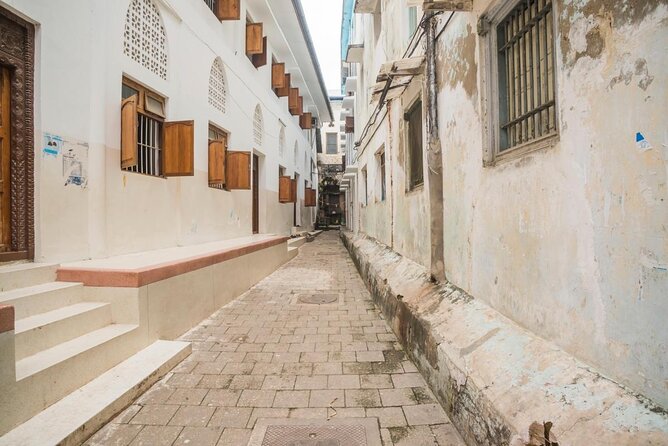
From Stone Town, the farm offers a change of pace. Stone Town gives you carved doors, narrow lanes, and old trading streets. Here, the focus shifts to soil, leaves, bark, fruit, and scent.
Your guide leads you on foot through the shamba, the Swahili word for a cultivated farm. This is not a polished botanical garden with formal signs and neatly arranged beds. It is a working farm setting where crops grow in the ground, on trees, and along climbing vines.
That informality is part of the appeal. You can see the plants at close range and ask how each one is used in home cooking. The guide’s explanations connect what you see to everyday food, rather than treating the crops as museum pieces.
The farm’s story also puts Zanzibar in a wider trading context. Portuguese traders introduced spices to the island in the 16th century, bringing crops from colonies in India and South America. That background helps explain why Zanzibar became so closely associated with cloves and other valuable spices.
You do not need a special interest in agriculture to enjoy the walk. The tour works well for families, couples, and anyone who likes food, markets, or local history. Children have plenty to look at, since the experience involves smells, tastes, fruit, and trees rather than a long talk indoors.
More Zanzibar Spice Farm Tours in Zanzibar
- Spice Tour + Stone Town Tour + Prison Island
★ 4.5 · 130 reviews - Zanzibar: Stone Town & Spice Farm Tour with Lunch
★ 4.5 · 97 reviews - Zanzibar:Stone Town & Spice Farm Private Tour Lunch Included
★ 4.2 · 94 reviews
What you see among the spice plants
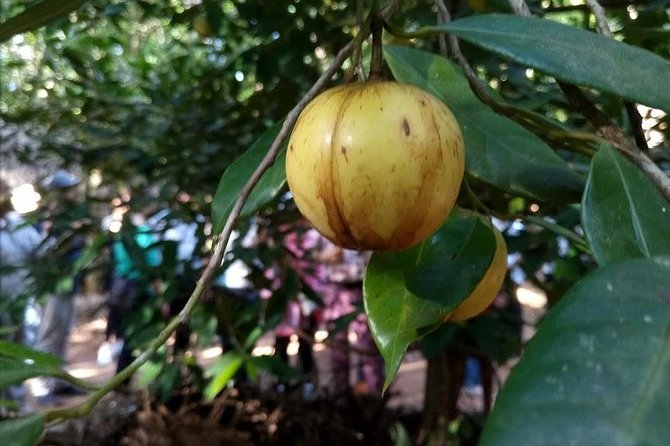
The main walk is the heart of the outing. You will see and smell cloves, lemongrass, nutmeg, cinnamon, turmeric, vanilla, chili, black pepper, cardamom, and other herbs.
Each plant offers a different kind of discovery. Cinnamon comes from bark, not from a seed or fruit. Turmeric has a strong color and an earthy scent. Vanilla grows in a very different way from the dried pods you see in shops. The guide explains how these crops are grown and how they can be used in home cooking.
Cloves are especially important to Zanzibar’s identity. Seeing the source of the dried buds makes the spice easier to understand. The same is true of black pepper and cardamom, which you may normally encounter only after they have been dried, packaged, and shipped far from the farm.
The walk also includes plants that are less familiar to many visitors. Cassava, for example, gives you a look at a useful food crop rather than a seasoning. Lemongrass adds a sharp citrus smell, while chili provides a quick reminder that not every tasting should be done in a large bite.
Your private guide is the key to making this part worthwhile. Since only your group takes part, you can stop to ask about a plant, cooking method, or local custom. If a child wants to examine a fruit or you want more detail about a spice, you are not tied to the schedule of a large group.
Fruit tasting beside the spice beds

The fruit tasting keeps the tour from feeling like a plant lecture. You may sample coconut, papaya, banana, mango, jackfruit, and oranges, along with other tropical produce grown in the area.
Fresh coconut is one of the memorable parts of the visit. The tasting can include coconut water and the soft coconut flesh inside. A guide may also demonstrate coconut climbing, a skill that adds a little excitement to an otherwise calm walk.
The combination of fruit and spices is a smart part of the tour. You are not only smelling dried products in a shop. You are experiencing how sweet, sour, hot, and aromatic flavors work together.
The fruit also gives children an easy way into the experience. A child who has little interest in the history of Portuguese trade may still enjoy tasting banana, mango, or papaya and watching a coconut being opened.
Go slowly with the chili and strongly flavored spices. The point is to understand the scent and taste, not to prove how much heat you can handle. Bottled water is included, which is useful during the walk and after the tastings.
Palm-leaf hats and the human side of the visit
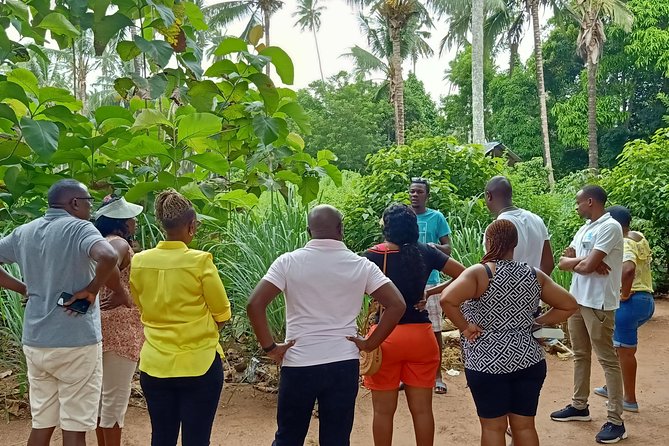
A small but memorable touch is the palm-leaf hat made by one of the guides. It is practical in the sun and gives the visit a handmade quality that fits the farm better than a stack of printed brochures would.
This kind of detail matters because the farm is described as a local, nongovernmental community operation. You are visiting a simple working place rather than a large commercial attraction. The money you spend on the tour and any products you buy is connected to a local operation, though the precise breakdown is not provided.
The simple setting also means you should adjust your expectations. Facilities are limited, and there is no washroom at the farm. Plan accordingly before the walking portion begins.
The guide’s role goes beyond naming plants. You can ask general questions about Zanzibar during the visit, making the tour useful if you are still getting your bearings on the island. Since it is a private experience, the conversation can follow your interests instead of sticking to a fixed group script.
Same country, a completely different kind of safari:
- Zanzibar: Quad Bike Adventure departing from Kendwa or Nungwi
★ 4.9 · 1,233 reviews - Zanzibar: Prison Island and Nakupenda Boat Trip with Lunch
★ 4.1 · 882 reviews - Skydive Zanzibar | Tandem Skydive
★ 5.0 · 877 reviews - Mnemba Island: Dolphin Swim & Snorkeling with Optional Lunch
★ 4.3 · 591 reviews
The farm shop requires a careful decision
The tour ends at a spice stall selling fresh, packaged products. It is a natural place to buy cinnamon, cloves, turmeric, vanilla, or other spices as a reminder of the visit.
The stall is cash only, so carry cash if you want to shop. This is also the point where I would slow down and compare prices and packaging before buying anything.
The products may cost more than similar spices elsewhere. Some visitors have found the shop prices high and have questioned the quality or presentation of the packaging. The tour provider has indicated that the farm shop is managed locally and that the operator has limited control over what is sold there.
That distinction matters. You can enjoy the farm walk without feeling obliged to buy. Treat the stall as an optional final stop, not as part of the value calculation that makes the tour worthwhile.
If you do shop, inspect the package, ask what the product is, and decide how much you are willing to pay before handing over cash. You may prefer to buy a small amount rather than loading up on several items at once.
Is $140 per person fair value?
At $140 per person, this is not a bargain-priced farm visit. The price needs to be judged against what is included: a private guide, hotel pickup and drop-off, bottled water, fruit and spice tastings, and a farm walk lasting about two hours within an outing of roughly three hours.
For a couple or family that values privacy and door-to-door transport, the price may make sense. You do not have to organize a separate ride from Stone Town, and you can ask questions throughout the visit. A private tour also avoids the stop-and-go rhythm of a large group.
For a solo visitor, the cost is harder to justify. The main attraction is the farm itself, and the facilities are basic. If you are comfortable arranging your own transport and joining a shared outing, you may find better value elsewhere, though that option is not part of this tour.
The price also includes an experience rather than just admission. The guide, tastings, transport, and private pacing are meaningful parts of the package. Still, the farm shop is not included, and anything you buy there costs extra.
I would book this at $140 when convenience, privacy, and a personal guide are high priorities. I would hesitate if your main goal is simply to buy inexpensive spices.
Timing, meeting point, and practical planning
The listed starting point is 6 Degrees South, Plot 60, Waterfront Shangani Street in Zanzibar. The activity ends back at the meeting point. Hotel pickup and drop-off are also included, so confirm the pickup arrangement when you book if you are staying elsewhere.
The farm walk itself is listed as two hours, while the overall experience is approximately three hours. That extra time likely allows for transport and the beginning and end of the visit, but the exact timing can vary.
A mobile ticket makes entry simple. Confirmation is received at booking, and the meeting point is near public transportation. Most people can participate, but remember that this is a walking tour on a working farm, not a fully equipped attraction.
Wear something comfortable for walking and bring cash if you want to shop. Bottled water is provided, but you may still want sun protection for an outdoor visit. Since there is no washroom at the farm, use facilities before leaving Stone Town or your hotel.
Free cancellation is available if you cancel at least 24 hours before the start time. Cancellations or changes made less than 24 hours before the start are not refunded or accepted.
Who will enjoy this tour most?
I would recommend the experience to people who enjoy food, plants, and local stories more than formal sightseeing. It is especially suitable for families, since the tastings and visual activity give children several ways to stay interested.
The private setup is useful for couples and small groups with different interests. One person can ask about cooking, another can focus on farming, and children can take their time with the fruit and trees.
It also suits first-time visitors to Zanzibar who want to connect the island’s trade history with daily life. You learn why spices matter here while seeing how they grow.
I would be more cautious if you need modern facilities, dislike outdoor walking, or are mainly searching for cheap spice purchases. The farm is intentionally simple, and the shop is not the strongest reason to go.
Should you book the Zanzibar Spice Farm Tour?
Book it if you want a personal, hands-on introduction to Zanzibar’s spices, with fruit tasting, a private guide, and transport included. The best parts are the farm walk, the chance to smell fresh crops, and the easy conversation about local food and life.
Skip it if you expect a polished attraction, a washroom on site, or low prices at the final shop. You can enjoy the tour fully without buying anything, and I would make that decision separately from the booking.
For families and small groups who value convenience, this is a pleasant and educational half-day addition to a Stone Town stay. Just arrive prepared for a basic farm, bring cash only if you want souvenirs, and judge the $140 price by the privacy and transport rather than by the spice stall.
FAQ
Where does the Zanzibar Spice Farm Tour start?
The listed meeting point is 6 Degrees South, Plot 60, Waterfront Shangani Street, Zanzibar, Tanzania.
Where does the activity end?
The activity ends back at the meeting point.
How long does the tour last?
The overall experience is approximately three hours. The walking tour at Tangawizi Spice Farm is listed as two hours.
Is hotel transportation included?
Yes. Hotel pickup and drop-off are included, although the listed start point is 6 Degrees South.
Is this a private tour?
Yes. Only your group participates, and you can go at your own pace.
What is included in the price?
The price includes bottled water, a guided spice farm tour, hotel pickup and drop-off, and fruit and spice tastings.
Which spices and fruits can you see or taste?
The experience includes cloves, lemongrass, nutmeg, cinnamon, turmeric, vanilla, chili, black pepper, cardamom, cassava, coconuts, papaya, jackfruit, and oranges. Tastings may also include bananas and mangoes.
Can I buy spices at the farm?
Yes. The tour ends at a stall selling fresh packaged spices. The stall accepts cash only.
What is the cancellation policy?
You can cancel at least 24 hours before the start time for a full refund. Cancellations or changes made less than 24 hours before the start time are not accepted or refunded.
More Farms in Zanzibar
- Zanzibar: Spice Farm & Stone Town Tour with Lunch
★ 4.5 · 80 reviews - Zanzibar: Spice Farm Tour with Traditional Cooking Lesson
★ 4.8 · 77 reviews - A Private Full Day Tour To Stone Town & Spice Farm
★ 5.0 · 53 reviews - Zanzibar: Spice Farm Tour & Stone Town Adventure
★ 4.6 · 48 reviews
Just added around Zanzibar
- Zanzibar: Maasai village and Nungwi turtles experience trip★ 4.9 · 16 reviews
- Zanzibar: Mnemba Atoll, Spice farm, Jozani forest & Lunch★ 3.9 · 3 reviews
- Zanzibar: Maasai World Tour with Cultural Practices★ 4.0 · 4 reviews
- Zanzibar: Kendwa Beach Professional Photoshoot★ 5.0 · 5 reviews
- ZANZIBAR: Jozani Forest,Salaam Cave, The Rock & Blue Lagoon★ 4.8 · 8 reviews
- Zanzibar: Jozani Red Colobos Monkey & Salaam Turtle Santuary★ 4.6 · 3 reviews
- Zanzibar: Jozani Forest Walking Tour★ 5.0 · 3 reviews
- Zanzibar: Jozani Forest,Red colobus,the Rock Restaurant tour★ 4.5 · 21 reviews
Zanzibar Spice Farm Tours, compared.

Stone Town, Spice Tour, Prison Island with Lunch
Read our review →
Stone Town, Spice tour & Prison Island with Lunch
Read our review →
Full-Day Private Stone Town +Spice Farm and Prison Island Tour
Read our review →

The Swahili Spice Experience – Spice Tour + Culinary Journey
Read our review →Browse the lists this tour appears in