
Reviewed · ZANZIBAR SPICE FARM TOURS
Spice Tour Zanzibar
Zanzibar’s spices are not lined up in jars here. You meet them as living plants, with vines climbing trees, roots under the soil, leaves to crush, and bark to smell. A local guide leads you through Zanzibar Spices and Heritage Centre, explaining how each plant grows and how it reaches the kitchen or medicine cabinet.
I like the small group of no more than nine people, which gives you a better chance to ask questions and keep close to the guide. I also like the included Stone Town transfers and the hands-on touches, from tasting farm fruit to watching a coconut harvesting demonstration.
The main drawback is the short length. Three hours gives you a good introduction, but this is a focused farm visit, not a full-day rural outing. Lunch is not included, and the experience depends on good weather.
Key points to know before you book
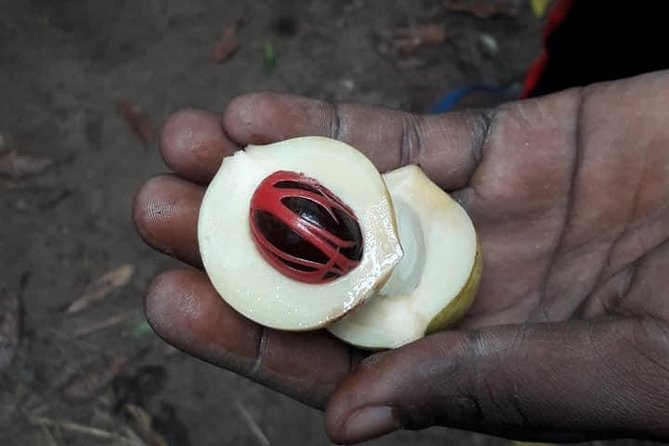
- Spices grow as plants, not just market souvenirs: Touch, smell, and taste vanilla, cardamom, cloves, nutmeg, cinnamon, and other seasonal crops.
- A small group keeps the walk personal: The maximum group size is nine people.
- Salum may be your guide: One recent experience was led by Salum, who explained how spices grow and are harvested.
- The coconut demonstration adds local skill and fun: You may see how a coconut is harvested during the farm visit.
- You get more than a spice lesson: Farm fruit and a handwoven leaf crown or basket may be part of the experience.
- Stone Town transfers are included: Pickup is offered from Stone Town hotels, with the tour ending back at the meeting point.
Why Zanzibar is called the Spice Island

Zanzibar’s identity is tied closely to its spice trade. Cloves, vanilla, nutmeg, and cardamom were brought from Asia and South America, then grown in Zanzibar’s warm tropical climate. The island became known around the world for exporting these prized ingredients.
That background gives the farm walk more meaning than a simple list of plants. You are seeing the setting that makes the spices possible, then learning how people use them in food, drinks, and traditional remedies.
I like this kind of introduction because it connects everyday objects to their source. A packet of cardamom or a bottle of vanilla extract can feel rather anonymous in a shop. On the plantation, you can handle the leaves, bark, roots, and vines that produce those familiar scents.
The tour also helps correct a common misconception. Not every spice looks like a dried seed in the ground. Some grow on trees, some climb, and some come from parts of the plant you may not expect. Your guide will ask you to identify spices by their smell, appearance, and taste.
The experience is especially useful early in a Zanzibar visit. It gives you a few names and flavors to watch for later in Stone Town markets and local meals. You leave with a better idea of what is genuinely grown on the island and what is simply packaged for sale.
More Zanzibar Spice Farm Tours in Zanzibar
- Spice Tour + Stone Town Tour + Prison Island
★ 4.5 · 130 reviews - Zanzibar: Stone Town & Spice Farm Tour with Lunch
★ 4.5 · 97 reviews - Zanzibar:Stone Town & Spice Farm Private Tour Lunch Included
★ 4.2 · 94 reviews
Walking through Zanzibar Spices and Heritage Centre
The main stop is Zanzibar Spices and Heritage Centre, where the guided plantation walk lasts about three hours in total. The pace is built around observation and explanation rather than a long trek.
Expect to move among spice plants with your guide, stopping to examine different parts of each one. You may crush leaves between your fingers, smell bark or seeds, and taste selected items as the walk continues. The sensory element matters here. You are not just hearing a description of cardamom or vanilla, you are asked to notice how it actually smells and feels.
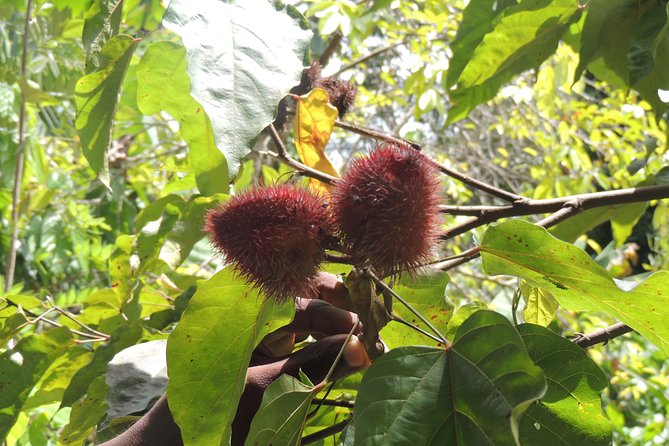
Season affects what you see. The farm can have vanilla, cardamom, cinnamon, cloves, nutmeg, and other plants, but the exact mix and condition will vary during the year. That is normal for a working plantation. You may see flowers, fruit, growing vines, or harvested material depending on the timing of your visit.
Your guide also explains practical uses. Spices are discussed as ingredients in foods and drinks, as well as for traditional medicinal purposes. This gives the walk a useful local angle, though you should treat traditional remedies as cultural information rather than medical advice.
A guide named Salum received special praise for being caring and clear while explaining how spices grow and are harvested. Since guide assignments can change, you should not assume Salum will lead every departure, but the small group format gives you a good setting for questions.
The one limitation is that the information provided does not promise a fixed list of plants or a set tasting menu. If you are hoping to see a particular spice, ask about seasonal availability when you book. The tour’s strength is its direct contact with the farm, not a guaranteed checklist.
Smelling, tasting, and guessing the spices
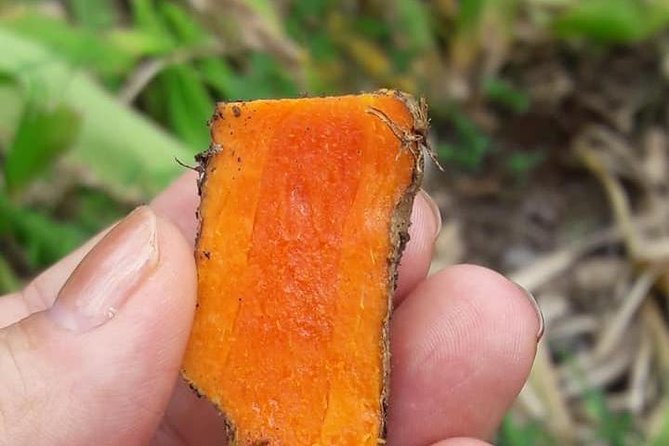
The most enjoyable part for many people will be the guessing game. Your guide presents crushed leaves, pieces of bark, roots, seeds, and climbing plants, then invites you to work out what they are.
This makes the tour active without making it difficult. You do not need prior knowledge of spices. Your job is simply to look closely, use your nose, and connect the plant with flavors you may already know from cooking.
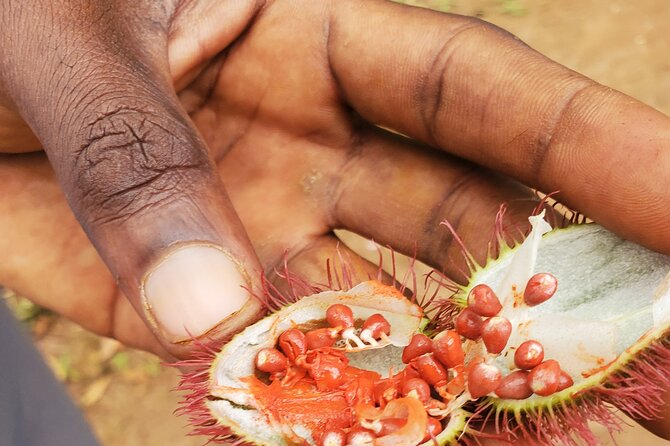
Vanilla, cardamom, cinnamon, cloves, and nutmeg are familiar names, but their living forms can be surprising. The farm setting shows why harvesting is a skilled task. A spice may come from a fruit, a flower bud, a root, or the inner part of a tree.
Tasting is included as part of the experience, although the supplied details do not specify every item offered. You can expect the guide to explain which plants are suitable to taste and how they are used. Follow those instructions rather than sampling plants on your own.
I value this approach because it leaves you with practical memories. You might remember the scent of a crushed leaf more clearly than a paragraph of facts. It also gives you a better feel for the labor behind products that are often sold in tiny, expensive quantities.
Photography should be useful here, especially for labeling plants in your own memory. Still, do not let the camera replace the sensory part. The point is to touch, smell, and taste under the guide’s direction.
The coconut harvest demonstration and farm treats
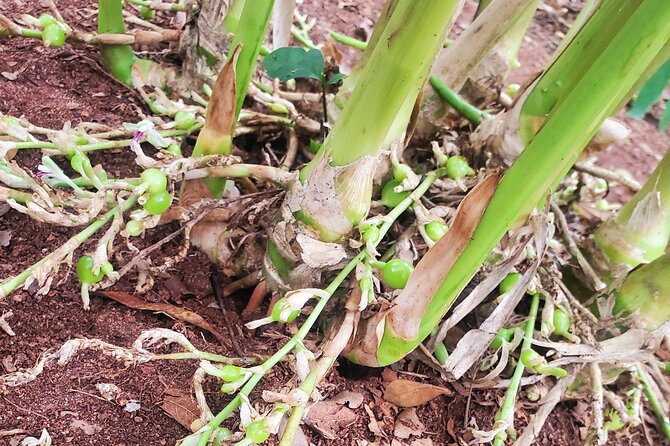
A coconut harvesting demonstration can be part of the farm visit. This is a welcome change of pace after the spice walk, since it shows another side of tropical farm work and local know-how.
The demonstration is not described as a separate long activity, so keep your expectations modest. It is an added feature within the plantation visit, not a full agricultural workshop. Its value is in seeing a practical skill performed close to the trees.
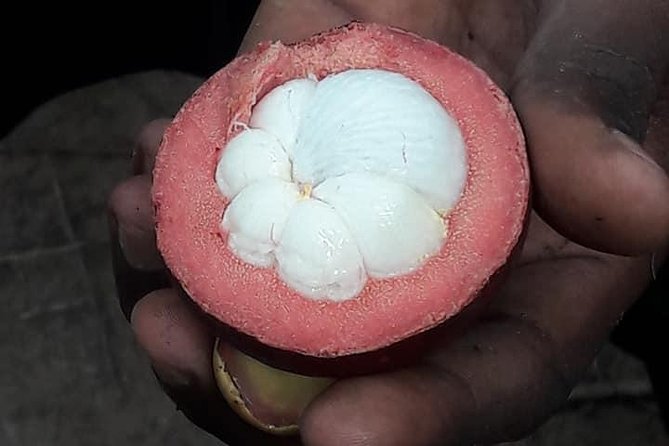
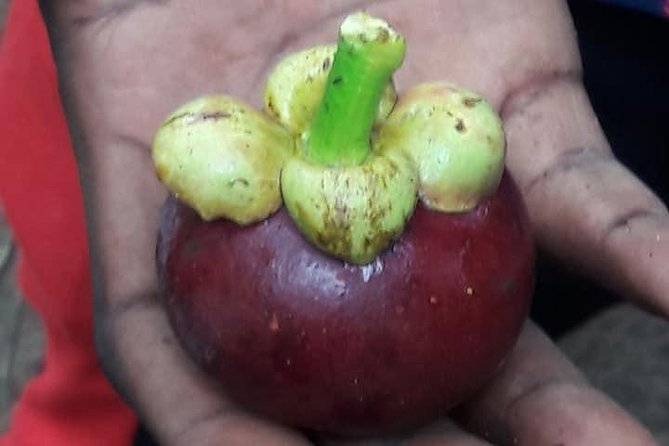
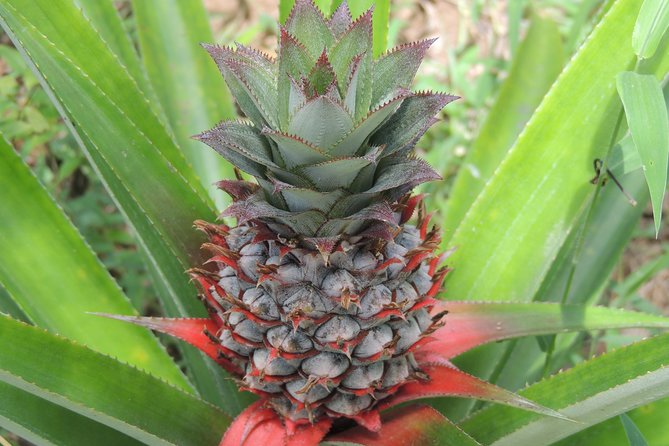
The farm may also provide wonderful local fruit grown on the property. The details do not specify which fruit will be available, and the selection can depend on the season. That uncertainty is part of the appeal of a working farm, but it means you should not book solely for a particular fruit.
One especially nice touch is the chance to take home a handwoven crown and basket made from leaves. These are small, simple souvenirs, but they connect to the place better than a generic shop purchase. They also give the visit a playful edge, particularly if you are taking photos with your group.
The review information highlights these personal details, along with the guide’s care and the clear explanation of spice growing and harvesting. I would treat them as possible parts of the experience rather than guaranteed items for every departure. Farm activities can change with weather, season, and what is available that day.
Same country, a completely different kind of safari:
- Zanzibar: Quad Bike Adventure departing from Kendwa or Nungwi
★ 4.9 · 1,233 reviews - Zanzibar: Prison Island and Nakupenda Boat Trip with Lunch
★ 4.1 · 882 reviews - Skydive Zanzibar | Tandem Skydive
★ 5.0 · 877 reviews - Mnemba Island: Dolphin Swim & Snorkeling with Optional Lunch
★ 4.3 · 591 reviews
Small-group size and the value of the guide
The group maximum is nine people. That is a useful number for a walking tour because you can stay near the guide without forming a large crowd around each plant.
A small group also matters when the guide asks you to smell or identify something. You should have a reasonable chance to see the plant and hear the explanation. If you have a question about cooking, farming, or a spice’s use, the format is better suited to a conversation than a large coach tour.
The experience costs $70 per person. That price includes an air-conditioned vehicle, mineral water, admission fees, and transfers from Stone Town hotels. It does not include lunch or tips.
For a three-hour activity, $70 is not the lowest possible price for a farm visit. The value comes from the combination of transport, a guide, entry fees, and a capped group size. If you are staying in Stone Town and want a straightforward half-day outing without arranging a taxi, the package is easier to justify.
The price is less attractive if you are comparing it with a basic self-guided market visit or a very short stop at a farm. Those options may cost less, but they will not give you the same guided explanation of how spices grow or the same planned transport.
Mineral water is supplied, which is practical in Zanzibar’s warm climate. You should still dress for a garden walk and bring any personal essentials you need. The supplied information does not list a dress code or special equipment, so plan for a simple outdoor visit rather than a formal attraction.
Getting from Stone Town to the plantation
Pickup is offered, and transfers from all Stone Town hotels are included. The stated meeting point is Tembo House Hotel on Shangani Street, near Forodhani Street in Zanzibar. The activity ends back at the meeting point.
This arrangement is useful if you are staying in or near Stone Town and want to avoid negotiating transport to a farm outside the city. Confirm your pickup instructions at booking, especially if you are not using the Tembo House meeting point directly.
The vehicle is air-conditioned. That small detail matters after time outdoors, particularly if the plantation walk falls during the warmer part of the day.
The tour lasts about three hours, so you can fit it around other Stone Town plans. It works well as a morning or afternoon activity, though the exact start time is not provided here. Leave enough room in your schedule for pickup and return rather than treating the three-hour figure as the full door-to-door time.
Because the experience requires good weather, a change of date or full refund is offered if poor conditions force cancellation. You can cancel for a full refund up to 24 hours before the start time. Inside that window, refunds and changes are not accepted.
Who will enjoy this spice tour most
I would recommend this tour if you want to understand Zanzibar through food, farming, and smell rather than only through buildings and beaches. It is a good fit for anyone curious about where common spices come from and how they are harvested.
The hands-on format should suit families and mixed-age groups, since the activity is based on short explanations, guessing, tasting, and looking at plants. The official information says most people can participate, but it does not give detailed accessibility information, so ask ahead if you have specific mobility needs.
It also suits visitors with limited time. Three hours is long enough to get beyond a quick photo stop, yet short enough to leave room for Stone Town sightseeing, lunch, or another activity.
You may want something else if your main goal is a full meal, a long cooking lesson, or a full-day countryside tour. Lunch is not included, and the visit focuses on the plantation itself. You also should not expect a guaranteed selection of every spice in every season.
The small group and included transport make it a calmer choice than trying to arrange the visit independently. The tradeoff is the fixed price and fixed format. You pay for convenience and explanation, not just entry to a farm.
Practical details before you reserve
Confirmation is sent at the time of booking, and mobile tickets are accepted. The tour is offered with pickup, but the listed start and end point is Tembo House Hotel, so check the exact meeting instructions before the day of the visit.
Bring a phone or camera if you want to record the plants and the leaf crafts. Comfortable clothing for a warm plantation walk is sensible, though no specific clothing requirements are provided.
Water is included. Lunch is not, so plan your meal separately if your tour crosses the middle of the day.
Tips are not included. If the guide gives you a helpful, engaging introduction to the farm, carry a little extra for gratuity.
Book at least a few weeks ahead if your schedule is fixed. This experience is booked around 26 days in advance on average, which suggests that last-minute spaces may not always be available. The high rating of 4.8 from 15 reviews and a 100 percent recommendation record indicate strong satisfaction so far, though the sample is small.
Should you book the Spice Tour Zanzibar?
Book it if you want a compact, well-organized look at the plants behind Zanzibar’s famous spice trade. The best reasons are the hands-on walk, the group cap of nine, the included Stone Town transfers, and the chance to see extras such as coconut harvesting, local fruit, and leaf-woven crafts.
At $70, it is a fair convenience price rather than a bargain-basement farm visit. I would choose it for a first visit to Zanzibar, especially if you are staying in Stone Town and want a guided experience that adds food and farming context to your trip.
Skip it if you are looking for lunch, a long rural excursion, or a guaranteed list of particular crops. For everyone else, the tour offers a useful three-hour introduction to why Zanzibar earned its Spice Island name.
FAQ
How long does the Spice Tour Zanzibar last?
The experience lasts approximately three hours.
What is included in the price?
The price includes an air-conditioned vehicle, admission fees, taxes, transfers from Stone Town hotels, and mineral water.
Is lunch included?
No. Lunch is not included in the $70 price.
Where does the tour start and finish?
The listed meeting point is Tembo House Hotel on Shangani Street near Forodhani Street in Zanzibar. The activity ends back at the meeting point.
How many people can join the tour?
The maximum group size is nine people.
Can I cancel for a full refund?
Yes. You can cancel up to 24 hours before the experience start time for a full refund. If poor weather causes the tour to be canceled, you will be offered another date or a full refund.
Just added around Zanzibar
- Zanzibar: Maasai village and Nungwi turtles experience trip★ 4.9 · 16 reviews
- Zanzibar: Mnemba Atoll, Spice farm, Jozani forest & Lunch★ 3.9 · 3 reviews
- Zanzibar: Maasai World Tour with Cultural Practices★ 4.0 · 4 reviews
- Zanzibar: Kendwa Beach Professional Photoshoot★ 5.0 · 5 reviews
- Zanzibar: Jozani Red Colobos Monkey & Salaam Turtle Santuary★ 4.6 · 3 reviews
- ZANZIBAR: Jozani Forest,Salaam Cave, The Rock & Blue Lagoon★ 4.8 · 8 reviews
- Zanzibar: Jozani Forest Walking Tour★ 5.0 · 3 reviews
- Zanzibar: Jozani Forest,Red colobus,the Rock Restaurant tour★ 4.5 · 21 reviews
Zanzibar Spice Farm Tours, compared.

Stone Town, Spice Tour, Prison Island with Lunch
Read our review →
Stone Town, Spice tour & Prison Island with Lunch
Read our review →
Full-Day Private Stone Town +Spice Farm and Prison Island Tour
Read our review →

The Swahili Spice Experience – Spice Tour + Culinary Journey
Read our review →Browse the lists this tour appears in