
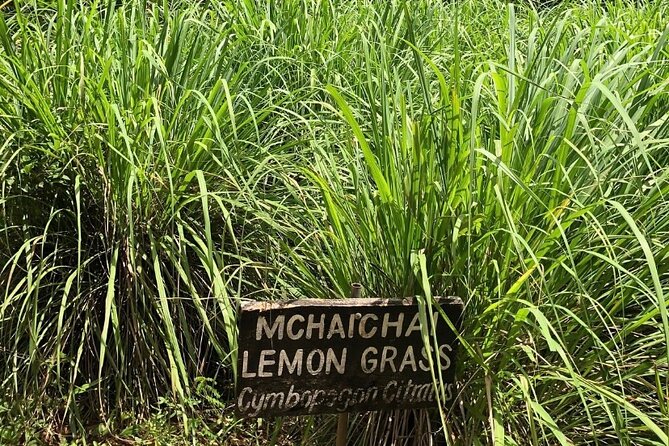
Reviewed · ZANZIBAR SPICE FARM TOURS
Private Zanzibar Spice Farm Tour
Zanzibar’s spice story comes alive when you stand beside the plants themselves, rubbing a leaf, smelling a root, or tasting fruit straight from the tree. At Jambo Spice Farm, your private guide explains how cloves, cinnamon, cardamom, vanilla, nutmeg, black pepper, and other crops grow from soil to branch. The hands-on tasting is the best part, and the visit adds a useful look at village life beyond Stone Town.
I like two things right away: the private format, which lets your guide shape the pace and answer your questions, and the easy round-trip vehicle service from hotels in Stone Town. Guides including Alfa, Abdul, and Khalfan are praised for clear English, humor, and detailed explanations. A possible catch is the location rule: beach hotels require a separate $45 round-trip taxi charge, and lunch costs extra.
Key points to know before you book

- Taste spices and fruit at the source: Smell and sample fresh products while learning which part of each plant is used.
- Expect a private visit: Only your own group takes part, with a certified plantation guide.
- Allow about two to three hours: The farm visit itself is listed at about two hours, with transport included from Stone Town hotels.
- See village life as well as crops: The experience can include old traditional houses where local residents still live.
- Budget for extras: Zanzibar-style lunch costs $12 per person in cash, and beach-hotel transfers cost $45 round trip.
- Guide quality matters here: Alfa, Abdul, Khalfan, and a French-speaking guide called Watermelon are named in the tour details.
Why Zanzibar is called Spice Island
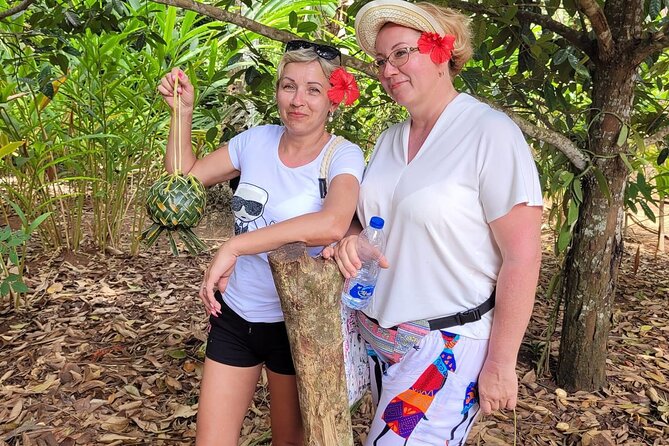
A spice farm visit makes more sense once you understand Zanzibar’s place in the Indian Ocean trade. Cloves, cinnamon, nutmeg, peppers, and related crops have been part of the island’s economy and daily cooking for centuries. The connection became especially important after the sultanate of Oman took control of Zanzibar in the 18th century.
That history is not presented as a museum lecture. You learn it while looking at the plants that made the island famous. A cinnamon stick in a kitchen jar feels ordinary. Seeing the bark being taken from a living tree gives it a different meaning.
I like this combination of botany and history. You are not simply walking past labeled plants. Your guide explains the origin of each spice, the soil it needs, and the parts of the plant used for cooking. That makes the tour useful even if you already know how spices taste.
The farm also helps connect plantation life with modern Zanzibar. Villagers operate some spice shops, and the visit may include traditional homes that remain in use. This is a modest but meaningful addition. You get a glimpse of everyday life rather than only a polished farm presentation.
More Zanzibar Spice Farm Tours in Zanzibar City
- Zanzibar: Stone Town, Spice Tour, Prison Island with Lunch
★ 4.4 · 1,219 reviews - Zanzibar: Prison Island, Stone Town, & Spice Farm Tour
★ 4.5 · 579 reviews - Zanzibar: Stone Town, Spice tour & Prison Island with Lunch
★ 4.6 · 453 reviews
Arriving at Jambo Spice Farm
The tour begins with pickup and private transport from a hotel in Stone Town. The included transfer is a real convenience because you do not have to arrange a separate taxi for the farm visit. It also means the tour works well as a compact half-day activity during a Stone Town stay.
The pickup inclusion comes with an important boundary. Your hotel must be located in the Stone Town area. If you are staying at a beach hotel, the operator charges $45 for a two-way taxi transfer, and you should arrange it in advance.
Once at Jambo Spice Farm, the guided walk takes about two hours. Since the overall experience is listed as two to three hours, allow enough room for transportation, explanations, tastings, photographs, and any time spent at the village shops.
Your guide is central to the experience. Alfa is described as tailoring the visit to a family’s interests and speaking clear English. Abdul brings a playful element with a guess that spice activity, while Khalfan is praised for explaining the island’s spice trade during the Oman period. Watermelon is noted as a friendly French-speaking guide.
Because the tour is private, you can ask for more detail about the crops that interest you. You can also move at a pace that suits your group. That is more valuable here than it might be on a simple sightseeing drive, since the quality of the explanations shapes what you notice.
Smelling cinnamon, cloves, vanilla, and peppers
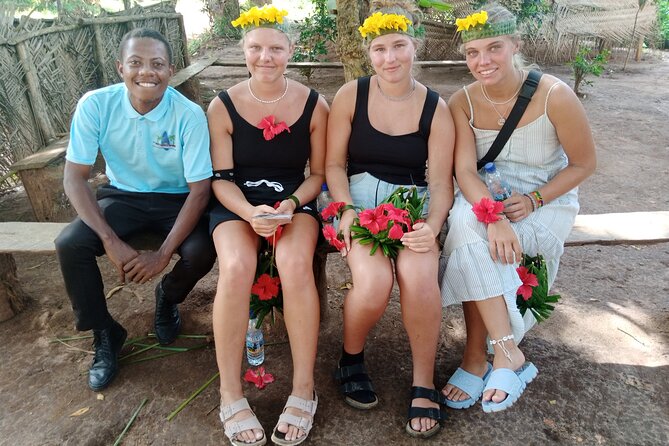
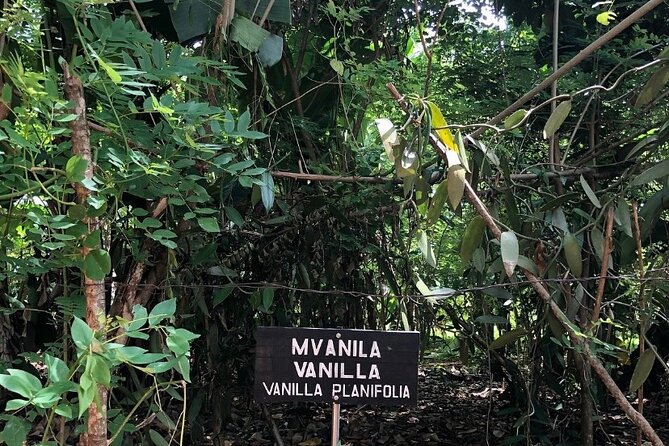
The main walk introduces a long list of crops, including cinnamon, cardamom, nutmeg, Indian almonds, vanilla, and black pepper. The key benefit is seeing spices as living plants instead of finished products in a market packet.
I especially like the sensory part. You can smell and taste different spices during the walk, and the guide may ask you to identify them. That small game turns a string of plant explanations into something you actively remember.
Cinnamon is particularly interesting because what you buy as a curled kitchen stick comes from tree bark. Nutmeg and cardamom also become easier to place once you see the plants and hear how their usable parts differ. Vanilla, pepper, and cloves add more variety to the walk, giving you several distinct smells and textures rather than one repeated lesson.
The experience is not only about knowing spice names. It shows the steps between cultivation and cooking. You learn about roots, stems, branches, and the way individual crops grow. If you come from a country that uses spices regularly, this can correct a common gap in understanding: recognizing a flavor is not the same as knowing its plant.
Bring a little curiosity. The guide-led questions and tasting are more engaging if you touch, smell, and compare rather than simply listen. Photography is welcome, and the farm gives you plenty of unusual subjects, from spice plants to fresh fruit and village details.
Fresh fruit and the best photo opportunities
Seasonal fruit is part of the visit, and you may taste it directly from the tree if you wish. The exact fruit depends on what is in season, so the experience is not a fixed fruit menu. That uncertainty is part of the appeal, but you should not book expecting a particular item.
Fresh coconut and bananas have also been part of the experience, with banana and coconut decorations available for an extra charge. I would treat those as optional fun rather than essential parts of the tour. They may make a memorable photograph, but they are not included in the $65 price.
The farm’s photo opportunities are simple and genuine. You can take pictures of the plants, the tasting moments, and the surrounding village setting. Since the tour is private, your group does not need to keep pace with a large crowd while taking photographs.
Do remember that the central value is the explanation, not a staged photo stop. The best images will come naturally from seeing an unfamiliar plant or tasting something where it grows. A guide who can explain the details clearly makes those moments more meaningful.
Same country, a completely different kind of safari:
- From Zanzibar: Mikumi Safari Day Trip with Flights and Meal
★ 4.7 · 1,470 reviews - From Zanzibar: Day Selous Game Reserve Safari with Flights
★ 4.7 · 1,025 reviews - Quad Adventures in Zanzibar: Nungwi / Kendwa
★ 4.9 · 640 reviews - Stone Town Private Walking Tour
★ 5.0 · 371 reviews
Meeting Zanzibar beyond Stone Town
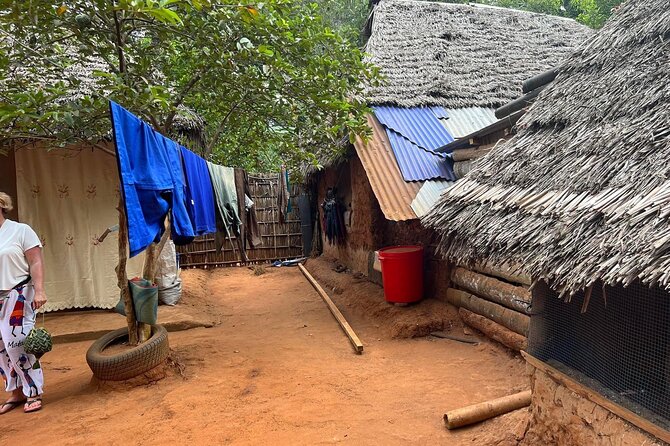
The village element gives the tour a second focus. Along with the plantation, you may visit old traditional houses that are still occupied. This is a chance to see how local homes fit into present-day life, rather than treating Zanzibar’s past as something confined to historic buildings.
I like that the activity links the farm to its surroundings. Spice cultivation did not happen in isolation. It was part of communities, trade, cooking, and family life. Even a short visit to traditional homes can help you understand that connection.
Keep your expectations sensible. This is not described as a full village walking tour or a long cultural program. The farm remains the main stop, and the traditional houses are an added part of the visit. If your main interest is architecture, you may want to pair this with more time in Stone Town.
The village shops are another practical feature. Local sellers may offer spices for purchase, so you can buy cinnamon, cloves, pepper, or other products after learning what they are. I recommend deciding in advance how much shopping you want to do. Personal spending is not included, and the farm visit should not feel like a requirement to buy something.
Is $65 a fair price?
At $65 per person, the price is reasonable for a private activity when you use the included Stone Town pickup. The fee covers private transport, the driver’s waiting time, bottled water, entrance fees, and a professional certified guide based at the plantations.
The value improves for a small group. You are paying for a private vehicle and personal guiding rather than simply entering a farm on your own. If you want to ask questions about farming methods, Zanzibar’s spice trade, or a specific plant, the private setup gives you room to do that.
The price needs a closer look if you stay outside Stone Town. A beach hotel adds $45 for the two-way taxi transfer, so you should factor that into the total before booking. The operator asks you to send a message in advance for this arrangement.
Lunch is another extra. Zanzibar local food with soft drinks costs $12 per person in cash, and it must be arranged ahead of time. Since the main activity lasts only a few hours, lunch is optional rather than necessary for the tour itself.
Souvenirs, personal spending, tips, and medical insurance are also excluded. The tour includes bottled water and entrance fees, which keeps the basic cost clear, but you should carry cash if you want lunch or purchases from village shops.
Who will enjoy this private farm visit
I would choose this tour if you want a short cultural activity that combines food, history, plants, and local life. It suits first-time visitors who want more context for Zanzibar’s reputation as Spice Island, and it works well for families because the tasting and guessing game give children something active to do.
It is also a good fit for couples or friends who prefer private guiding. Alfa is described as adapting the tour for a family of five, and the private format means you can ask questions without worrying about slowing down a larger group.
The tour should appeal to people interested in food origins. You do not need to be a serious gardener. If you cook with cinnamon, pepper, cloves, vanilla, or nutmeg, seeing those products in the ground can change how you think about them.
I would be more cautious if you want a long plantation hike, a full meal included in the price, or a major historical site. This is a compact guided visit, not an all-day countryside excursion. The traditional houses and village shops add cultural interest, but the farm walk remains the heart of the outing.
Most travelers can participate, and the activity is private. The supplied information does not give further mobility details, so anyone with specific access needs should ask the operator before booking.
Timing, pickup, and cancellation details
The farm portion takes about two hours, while the full experience is approximately two to three hours. That makes it easy to fit around other Stone Town plans, although you should avoid scheduling another activity too tightly afterward.
Pickup is offered from Stone Town hotels, with private transportation and waiting time included. The meeting instructions are intended to be clear, and hotel pickup is part of the service rather than something you arrange separately.
Confirmation is provided when you book. The experience is usually reserved about 13 days ahead, so booking early is sensible if your Zanzibar dates are fixed, especially since the private format has limited space.
You can cancel for a full refund up to 24 hours before the local start time. Cancellations or changes made within 24 hours are not refunded or accepted. That is a fair policy, but make sure your hotel plans and pickup location are settled before the final day.
What to bring and how to get the most from it
Wear something suitable for a farm setting, and choose footwear that you can use comfortably during a plant walk. The supplied details do not specify a dress code, so the sensible choice is practical clothing that lets you move easily.
Carry cash for lunch, souvenirs, optional coconut or banana decorations, and tips. The $12 local lunch is not included and must be paid in cash if arranged.
Ask your guide to explain the plants you use most at home. If you cook with pepper or cinnamon, tell the guide. The private format is most useful when you make it personal instead of waiting for a standard speech.
Take time to smell each spice before tasting it. That simple comparison helps you notice how fresh plant material differs from the dried products sold in shops. It also makes the guess that spice game more enjoyable.
I would also leave room for a little flexibility. Fruit is seasonal, and the exact balance between tasting, photographs, village life, and shopping may vary. The tour works best when you treat it as a guided look at Zanzibar’s food culture, not as a rigid checklist.
Should you book the Zanzibar Spice Farm Tour?
Book it if you are staying in Stone Town and want a private, good-value half-day outing with included transport. The strongest reasons are the personal guide, hands-on spice tasting, seasonal fruit, and the chance to connect plantation crops with village life.
The guide can make or break the experience, and the named guides have strong practical strengths. Alfa is a good choice if you want a flexible, family-friendly explanation. Abdul adds humor and the spice guessing game. Khalfan focuses on the island’s Arab and Omani-era spice connections, while Watermelon can help French-speaking visitors.
Think twice if you are at a beach hotel and do not want to pay the extra $45 transfer, or if you expect lunch and souvenirs to be included. For everyone else, the $65 price covers the core costs and gives you a pleasant way to understand why Zanzibar’s spices matter long after you leave the farm.
FAQ
Where does the Zanzibar Spice Farm Tour take place?
The visit takes place at Jambo Spice Farm near Zanzibar City. The experience also includes exposure to local village life and traditional houses that are still occupied.
How long does the spice farm tour last?
The farm visit is listed as two hours, while the complete experience takes approximately two to three hours.
Is hotel pickup included?
Round-trip taxi transfer is included for hotels located in the Stone Town area. Beach hotels require a separate $45 two-way taxi charge, which should be arranged in advance.
What is included in the $65 price?
The price includes private transportation, transport waiting time, bottled water, entrance fees, and a professional certified plantation guide. It also includes round-trip pickup from eligible Stone Town hotels.
Is lunch included?
No. Zanzibar local food with soft drinks costs $12 per person in cash and must be arranged in advance.
Can I cancel the tour for a refund?
Yes. You can receive a full refund if you cancel at least 24 hours before the experience begins. Cancellations or changes within 24 hours are not accepted and are not refunded.
More Farms in Zanzibar City
- Full-Day Private Stone Town +Spice Farm and Prison Island Tour
★ 4.5 · 216 reviews - Zanzibar full day Jozani forest + Spice farm and stone town
★ 4.7 · 90 reviews - Zanzibar Private Spice Farm and Stonetown Tour(Include Lunch)
★ 5.0 · 53 reviews - STONE TOWN, PRISON ISLAND AND SPICE FARM ( Lunch included )
★ 5.0 · 53 reviews
Just added around Zanzibar City
- Zanzibar: Mikumi Wonderful Safari with Open Jeeps★ 4.9 · 15 reviews
- Zanzibar: Maalum Cave Natural Swimming Pool Tour in Paje★ 4.4 · 3 reviews
- Zanzibar: Jozani Forest Watching Colobus Monkeys Guided Tour★ 4.1 · 7 reviews
- Zanzibar: Jozani Forest, Salaam Cave & The Rock Restaurant★ 3.0 · 4 reviews
- Zanzibar: Jozani Forest Guided Tour,Red Colobus and transfer★ 3.9 · 6 reviews
- Zanzibar: Jozani Chwaka Bay National Park and Spice Farm …★ 4.6 · 5 reviews
- Zanzibar: Horse Riding and Kayaking with Video and Photos★ 4.9 · 10 reviews
- Zanzibar: Half-Day Private in Prison Island Tours★ 5.0 · 4 reviews
Zanzibar Spice Farm Tours, compared.

Stone Town, Spice Tour, Prison Island with Lunch
Read our review →
Stone Town, Spice tour & Prison Island with Lunch
Read our review →
Full-Day Private Stone Town +Spice Farm and Prison Island Tour
Read our review →


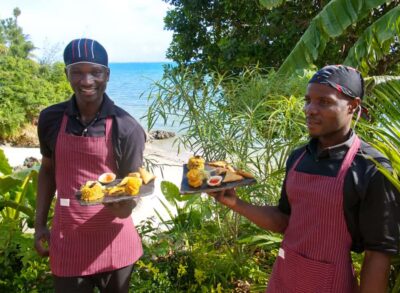
The Swahili Spice Experience – Spice Tour + Culinary Journey
Read our review →Browse the lists this tour appears in