Reviewed · TOURS
Maasai Boma Cultural Experience (maasai village tour)
The best part of this Maasai boma visit is its focus on ordinary life: making fire, milking cows, fetching water, checking beehives, and learning how families share a compound. You are welcomed with singing, shown local clothing and jewellery, and invited to ask questions rather than simply watch a staged show. I like the warm welcome and the chance to see daily tasks explained in person. I also like that lunch, drinks, transport, and guide fees are included.
The main thing to consider is the long day. The drive from Arusha or Moshi, plus the visit and return journey, takes about 7 to 10 hours, while the guided portion at the boma is listed at around 3.5 hours. Timing can vary, and one booking ended two to three hours earlier than expected, so ask about the day’s schedule before setting other plans.
Key points to know before you go
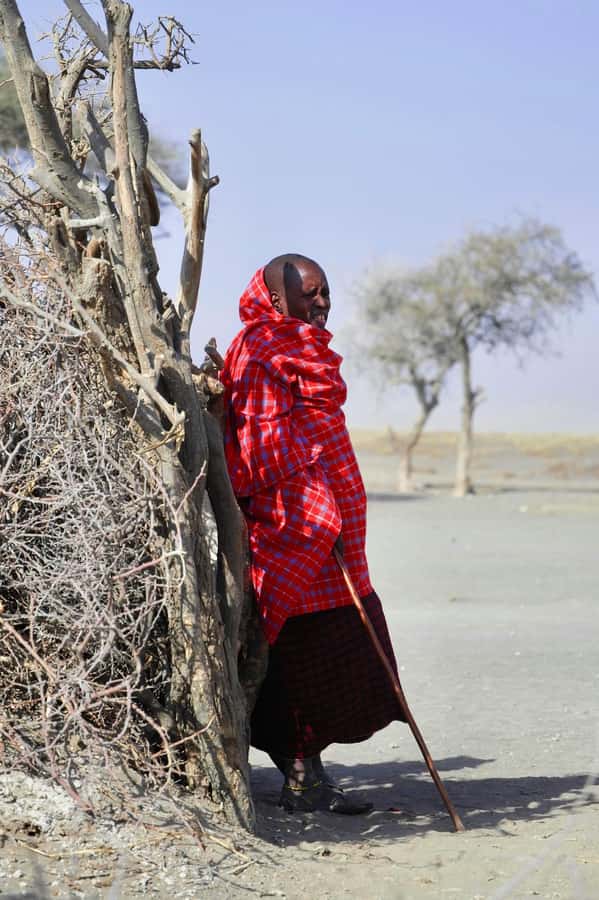
- A working boma, not just a dance performance: You learn about family life, food, chores, clothing, and local customs.
- A singing welcome: Maasai women greet you with songs, and you may wear a shuka and traditional jewellery.
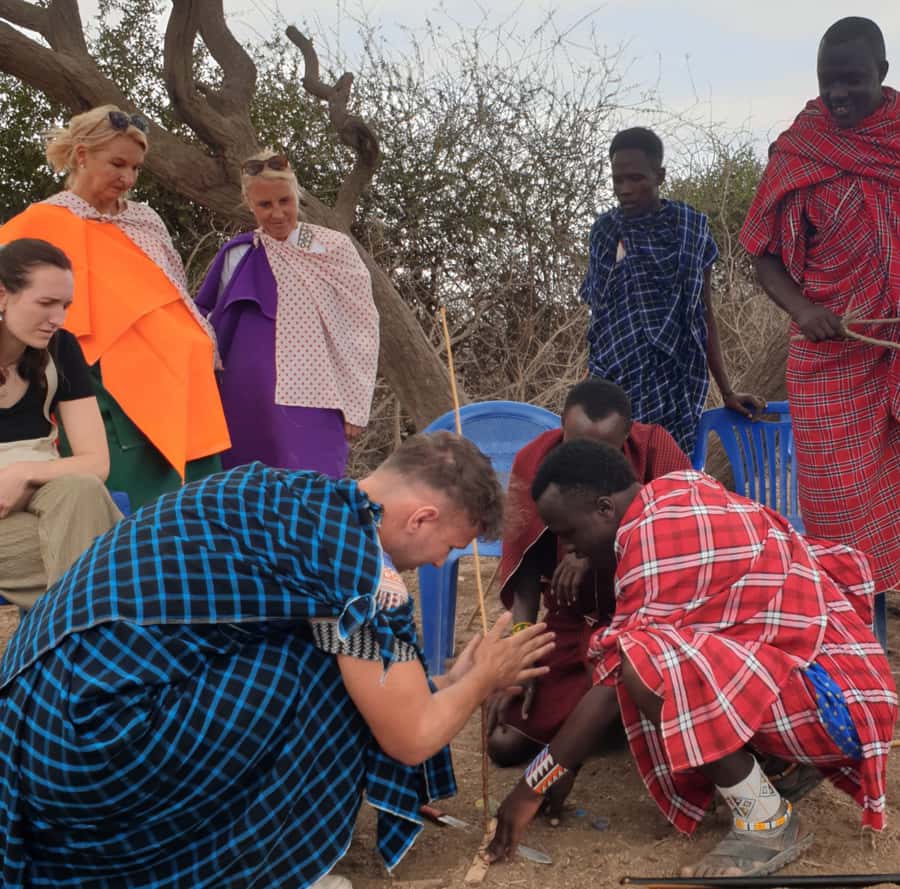
- Hands-on activities: Fire making, cow milking, water fetching, and beehive checks may be part of the visit.
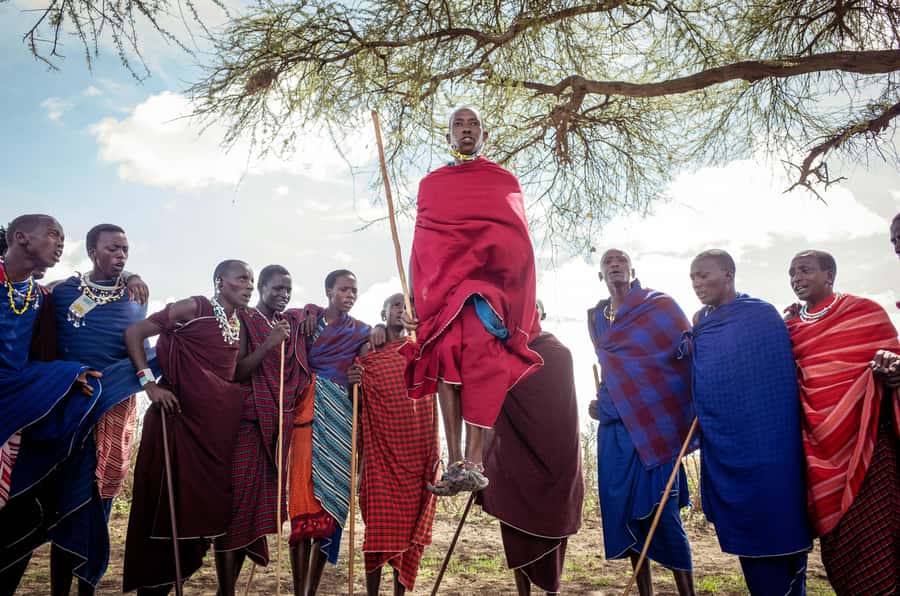
- Adumu is open to you: Maasai men perform the famous jumping dance, and you can join in.
- English-speaking support: Guides such as Johnson and Arthur have been praised for clear explanations and friendly service.
- Lunch and transport are covered: Pickup, drop-off, food, drinks, guide fees, and entrance costs are included in the $90 price.
What a Maasai boma visit really offers
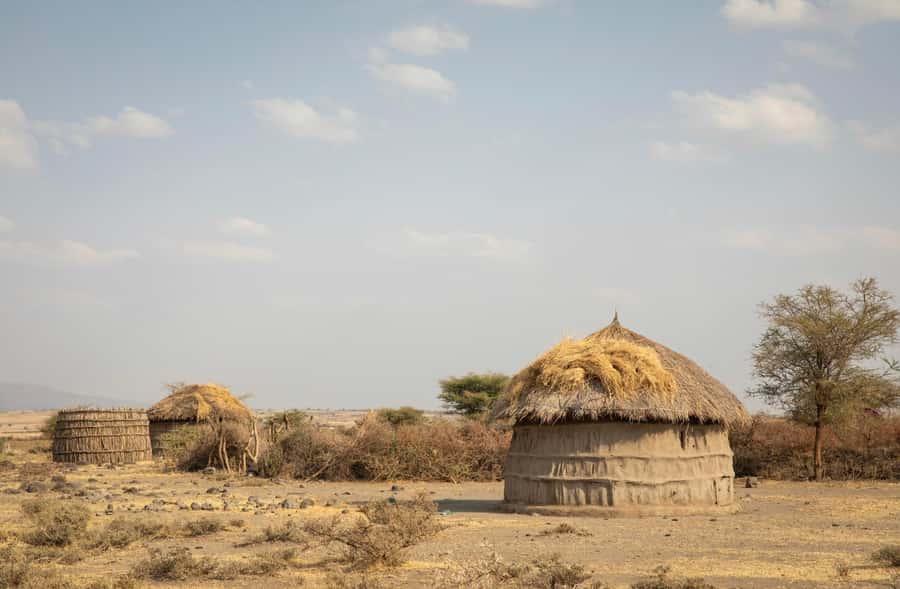
A boma is a compound where several Maasai families live together. That setting gives this experience more substance than a short cultural stop built around photographs. You are introduced to how a community functions, how work is shared, and how traditions continue in daily routines.
The visit is designed to cover several parts of Maasai life. You learn about history, food, habits, family life, and household jobs. The exact order can change, but the purpose is clear: to help you understand people through what they do each day.
I appreciate that the activities are practical. Making a fire or watching milk being collected may sound simple, but these tasks tell you more about a way of life than a long speech can. They also give you natural reasons to speak with your hosts and ask questions.
You should still keep your expectations sensible. This is a guided cultural outing, not a stay in the community or a long independent visit. The experience is arranged for visitors, and the welcome, dance, and demonstrations are part of the program. That does not make them meaningless, but it does mean you should approach the visit with respect and curiosity rather than expect an unplanned glimpse into private life.
Other Arusha days people book alongside this one:
- Balloon Safari & Bush Breakfast in Serengeti – Miracle Experience
★ 5.0 · 1,646 reviews - Tanzania Classic – 7 Days
★ 5.0 · 1,151 reviews - 4 Days Group Camping Safari
★ 5.0 · 1,101 reviews
The road from Arusha or Moshi
You can arrange pickup in either Arusha or Moshi, with return to either town. That makes this a useful add-on before or after a safari, a Kilimanjaro trip, or a stay in northern Tanzania.
The total time is listed as 7 to 10 hours. Much of that will be spent on the road, so this is not a quick half-day outing. The length makes sense if you want a proper introduction to Maasai culture, but it matters when planning airport transfers, safari departures, or other activities.
Past service has been a strong point. Johnson was praised for being on time, explaining the plan throughout the day, and answering questions clearly. Arthur has also been named as a friendly guide. The company is Naturalland Expeditions, and the guide speaks English.
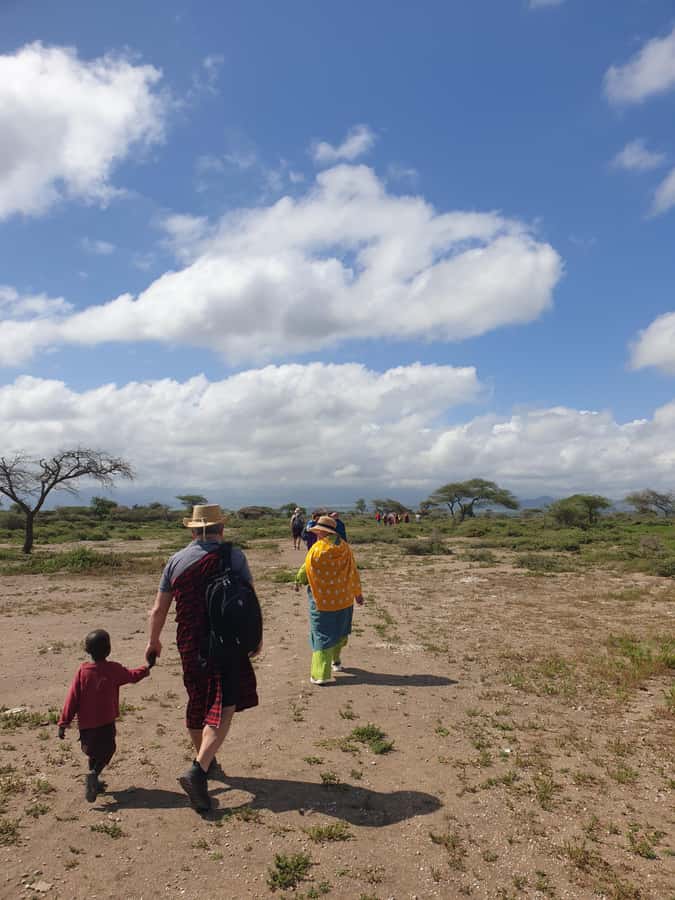
The drive itself may offer small rewards. One account described seeing giraffes along the way, while another noted views of Mount Kilimanjaro during a walk near the water source. These sightings are not promised, so treat them as possible extras rather than part of the main tour.
If you are leaving from Moshi, the outing may fit well with a Kilimanjaro-area itinerary. From Arusha, it is an easy cultural choice for a day when you want something other than wildlife viewing. In either case, confirm your pickup time and expected return hour.
Arriving to songs, clothing, and a family welcome
On arrival, Maasai women welcome you with singing. The opening gives the visit a clear sense of place and introduces you to the role of music in the greeting.
You may be dressed in a shuka, the brightly colored cloth often associated with Maasai clothing. You may also be given traditional jewellery to wear during the visit. This is a fun way to take part, but remember that these items have cultural meaning. Handle them carefully and follow the guide’s lead when taking photographs.
The welcome is one of the most praised parts of the outing. It helps break the ice before the walking tour begins, especially if you are unsure how to start a conversation. Guides can help explain what is happening and make the exchange more comfortable.
Photography should be handled politely. The supplied information does not set out a specific photo policy, so ask before photographing individuals, especially children. A good guide can help you understand when pictures are welcome and when it is better to put the camera away.
Walking through daily Maasai routines
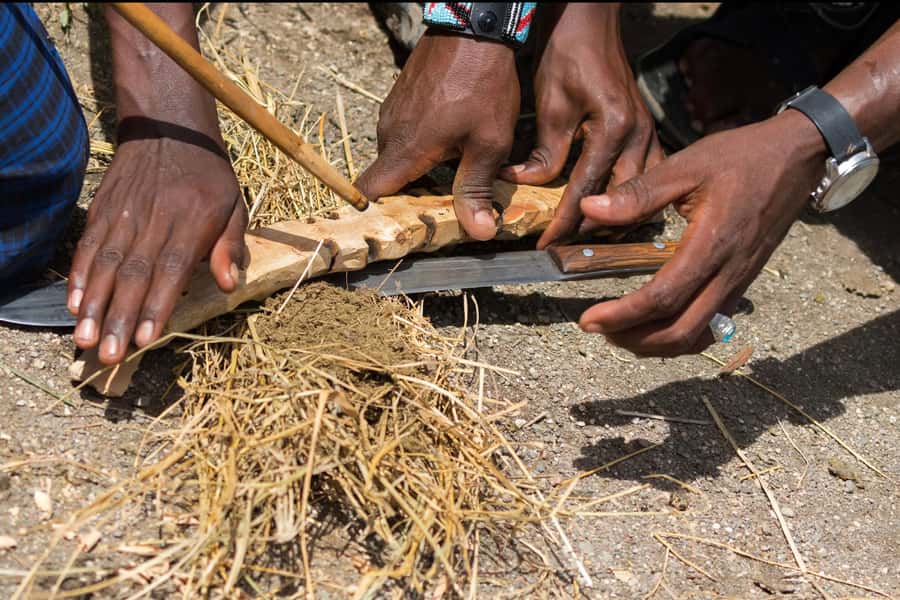
After the welcome, you walk through the compound and learn about typical household activities. This is where the tour earns its cultural value.
You may see how a fire is made, how cows are milked, how water is collected, and how beehives are checked. Not every activity is guaranteed on every departure, but these examples show the practical range of the visit.
The fire-making demonstration is especially useful because it connects directly to cooking and daily household needs. Cow milking helps explain the importance of livestock in Maasai life. A walk to a water source, mentioned in one account, can show how much time and effort may go into collecting water.
The beehive stop adds another useful detail. It reminds you that food and income can come from more than livestock. The tour does not promise a long lesson in beekeeping, but even a short explanation can add depth to what you see around the boma.
This portion involves walking, so wear practical shoes and clothing. Exact terrain and distances are not provided, and conditions can vary. You will be more comfortable if you are ready for an outdoor visit rather than a museum-style tour.
The walking section also gives you time to ask questions. Instead of rushing from one display to another, you can use the guide as a bridge between your assumptions and the community’s daily reality. Johnson, in particular, was praised for keeping people informed about the schedule and explaining the wider context of Maasai culture and Tanzania.
Same country, a completely different kind of safari:
- 5 Days Group Camping Safari
★ 5.0 · 730 reviews - Materuni Waterfalls, coffee tour & Kikuletwa Hot Springs
★ 5.0 · 643 reviews - 3 Days Serengeti & Ngorongoro Group Camping Safari
★ 5.0 · 574 reviews - 7-Day Premium Luxury Tanzania Safari All-Inclusive
★ 5.0 · 426 reviews
Joining the adumu jumping dance
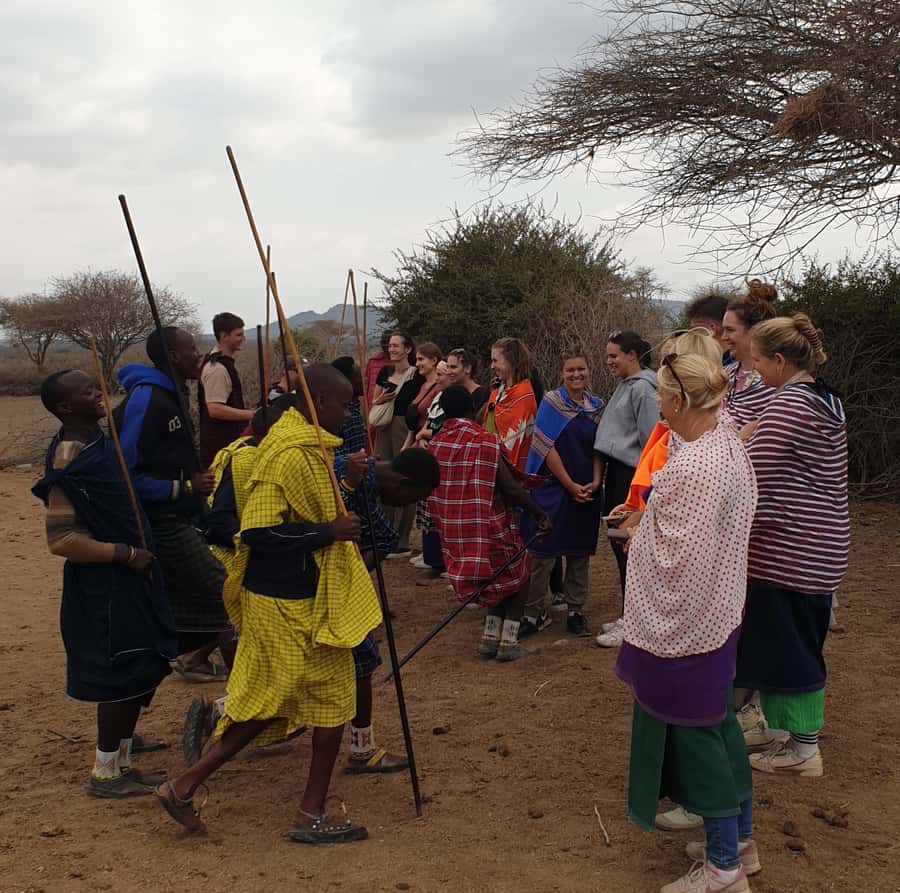
The Maasai men perform adumu, the well-known jumping dance associated with young men showing strength and energy. You are welcome to participate.
This is likely to be the most lively part of the outing. You do not need dance experience, and taking part can turn you from an observer into a willing participant. It is also perfectly reasonable to watch if you would rather not join.
The dance can feel unusual if you have never seen it before. That is part of its appeal, but it is worth treating it as a cultural practice rather than a novelty act. Listen to the guide’s explanation and follow the lead of the people performing.
One account described the men’s staff dance as impressive, even though it felt unfamiliar. That is a useful way to approach the activity. You may not understand every movement immediately, but you can still appreciate its place in the visit and ask what it represents.
Lunch at the boma
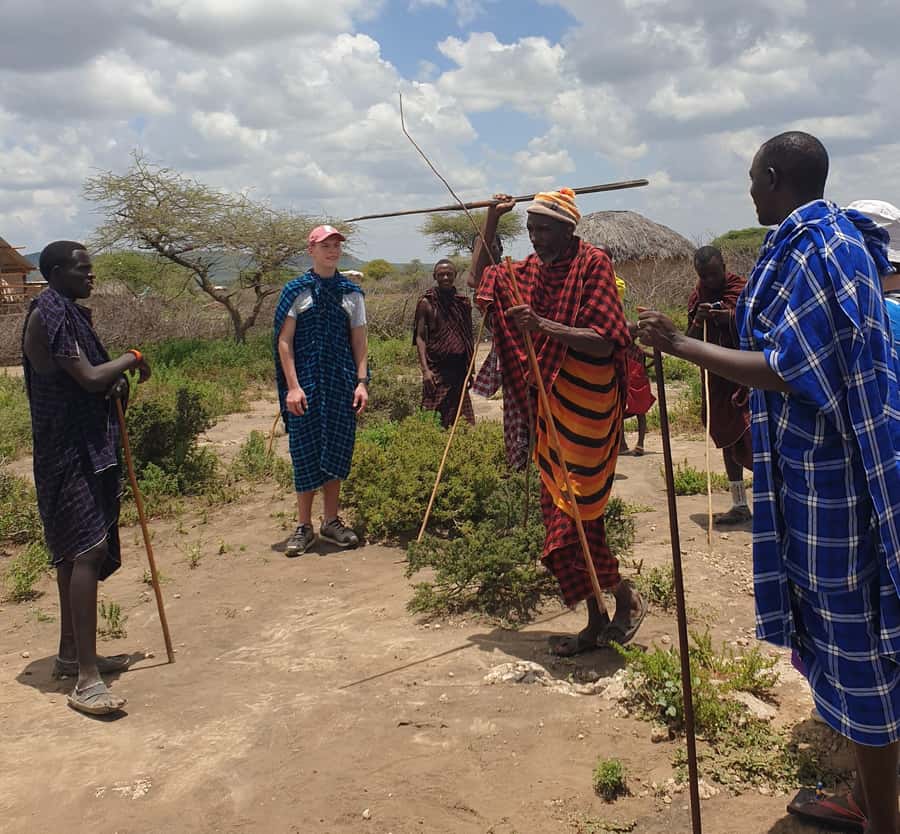
The tour ends with lunch at the boma. Food and drinks are included, so you do not need to arrange a separate meal during the day.
A previous visitor described the lunch as generous and enjoyable, while another specifically praised the packed meal. The exact menu is not provided, so do not book this expecting a particular dish. If you have dietary needs, ask in advance because the available information does not explain how special diets are handled.
Eating at the boma gives the day a natural ending. After learning about food and household life, you have a chance to sit down and share a meal in the same setting. It is a small detail, but it makes the experience feel less like a series of demonstrations.
Lunch also matters because the outing is long. A meal included in the price saves you from finding food on the road and keeps the day moving. Drinks are included as well.
Is $90 a fair price?
At $90 per person, this tour is not the cheapest way to spend a day around Arusha or Moshi. The value depends on what you want from a cultural experience.
The price includes pickup and drop-off, food, drinks, guide fees, and all entrance costs. That removes several small expenses that can add up during a full-day outing. You are also paying for a private group option, an English-speaking guide, transport, and several hours of contact with the boma.
I consider the price reasonable if you want a planned cultural day with transport included. It is less appealing if you are looking only for a short village photo stop or if your main goal is wildlife. A safari may offer more animal viewing, while this tour gives you more direct contact with local traditions and daily work.
A private group can improve the value for families, couples, or small parties. You can ask more questions and may find the pace easier to manage. The group arrangement should be checked when booking, since the information says a private group is available but does not say every departure is private.
The overall score is 4.5 from 14 ratings, which points to a consistently positive experience but not a perfect one. The main caution is time accuracy. One person felt the day was two to three hours shorter than the advertised duration, while another said the schedule matched the plan. For me, that means you should confirm the expected finish time instead of treating 10 hours as fixed.
What could make the day better or worse
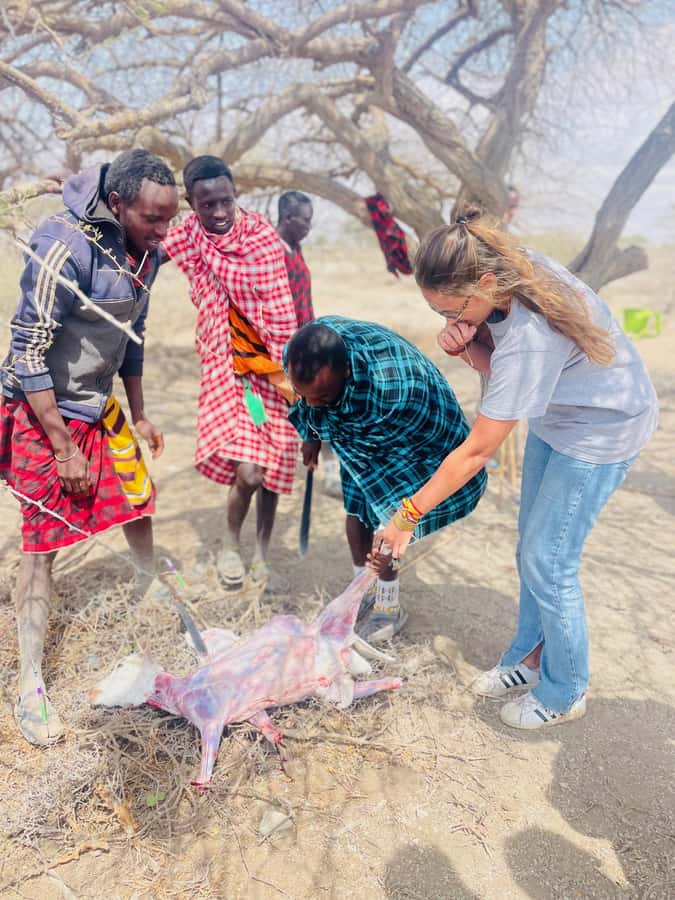
Several factors will shape your experience.
Your guide matters. Clear English and good communication can make a major difference when discussing customs and asking sensitive questions. Johnson and Arthur have both been praised for friendliness, punctuality, and clear explanations, though you should not assume one of them will lead every departure.
Your attitude matters too. The visit works best when you arrive ready to listen. Ask direct questions, but avoid treating people’s homes and clothing as props. A respectful approach will make the exchange more comfortable for everyone.
The schedule may be flexible. A 7 to 10 hour duration is a wide range. Road conditions, the length of the visit, and the return journey can affect the day. Keep your evening open and avoid booking a tight connection afterward.
The setting is outdoors. You will walk around a compound and may walk toward a water source. Comfortable footwear and clothing suited to a warm outdoor day are sensible choices. The tour details do not provide a specific accessibility statement, so ask the provider if mobility is a concern.
The experience is cultural, not a safari. You might see giraffes or enjoy views of Kilimanjaro on the route, but those are incidental. Book this for the people, customs, conversation, and activities.
Who should book this experience?
I would recommend it to you if you want a clear introduction to Maasai life and have one full day available. It suits first-time visitors to Tanzania, families, couples, and anyone who wants to add cultural understanding to a safari itinerary.
It is also a good fit if you prefer a guided encounter over trying to arrange a village visit on your own. Transport from Arusha or Moshi, an English-speaking guide, lunch, and entry costs make the day simple to manage.
You may want to skip it if you have very limited time, dislike long drives, or want a completely private and unstructured meeting. The visit follows a set pattern, and the songs, clothing, demonstrations, dance, and meal are central parts of the program.
The tour can also suit you if you are curious about how traditions remain part of modern life. You will not learn everything about the Maasai in a few hours, but you will leave with a better sense of how work, family, livestock, food, and community fit together.
Booking and cancellation details
You can cancel up to 24 hours before the activity for a full refund. You can also reserve now and pay later, which is useful if your Arusha or Moshi plans may shift.
Starting times depend on availability. Since the total length can reach 10 hours, check the departure and return times carefully before booking.
The activity is offered in English, and a private group is available. Pickup and drop-off can be arranged in Arusha or Moshi.
Should you book the Maasai boma visit?
Book it if you want a people-focused day rather than another game drive. The strongest parts are the welcoming songs, practical demonstrations, chance to ask questions, adumu, and lunch at the boma. Friendly guides such as Johnson and Arthur have also helped make the day clear and comfortable.
Before paying, confirm the pickup point, guide, expected return time, and whether your group will be private. If you can accept some schedule flexibility and approach the visit with respect, the $90 price gives you a useful, well-organized introduction to Maasai culture.
FAQ
Where does the Maasai boma cultural experience take place?
The experience takes place in the Arusha region of Tanzania, at a Maasai boma where several families live together.
Can I be picked up in Arusha?
Yes. Arusha is one of the available pickup locations, and you can also be dropped off there afterward.
Can I start the tour in Moshi?
Yes. Moshi is also listed as a pickup and drop-off location.
How long does the activity last?
The full activity takes about 7 to 10 hours. The guided visit at the boma is listed at around 3.5 hours, with the rest of the day including transport and other timing.
Is lunch included?
Yes. Food and drinks are included, and lunch is served at the boma near the end of the visit.
Is transportation included?
Yes. Pickup and drop-off are included in the price.
Is the tour offered in English?
Yes. The activity includes a live English-speaking guide.
Can I join the Maasai jumping dance?
Yes. You are welcome to take part in the adumu jumping dance performed by Maasai men.
Can I cancel for a full refund?
Yes. You can cancel up to 24 hours in advance for a full refund.
Just added around Arusha
- 8 Days Serengeti Migration safari★ 5.0 · 11 reviews
- tarangire, ngorongoro & lake manyara park 3 days private tour★ 5.0 · 11 reviews
- tarangire & ngorongoro 2 days tour★ 5.0 · 14 reviews
- Mt. Kilimanjaro: Shira plateau to Cathedral point 3872m Day hike★ 5.0 · 7 reviews
- serengeti, ngorongoro & tarangire 4 days private tour★ 5.0 · 18 reviews
- serengeti & ngorongoro 3 days private tour★ 5.0 · 15 reviews
- 2 Days Tanzania Midrange Group Join Safari★ 5.0 · 7 reviews
- climb the KILIMANJARO via Lemosho route★ 5.0 · 4 reviews
Tours, compared.

Stone Town, Spice Tour, Prison Island with Lunch
Read our review →
Materuni Waterfalls, coffee tour & Kikuletwa Hot Springs
Read our review →
Prison Island & Nakupenda Boat Tour with BBQ Lunch
Read our review →
Prison Island, Nakupenda, StoneTown Tour with BBQ
Read our review →Stone Town, Spice tour & Prison Island with Lunch
Read our review →