
Reviewed · 2-DAY EXPERIENCES
2 Day Massai Village Experience (all-incl.)
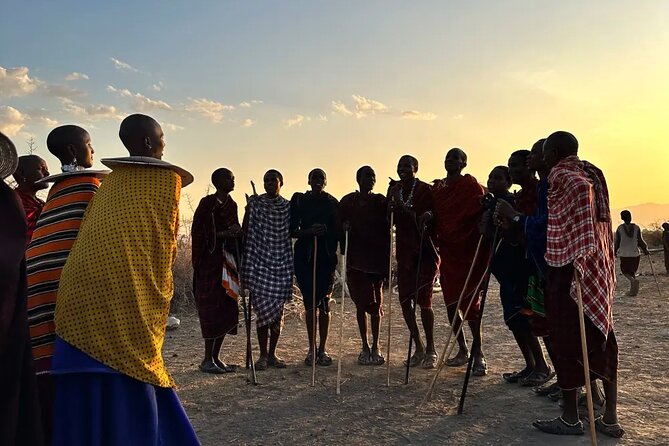
The heart of this experience is simple: you spend a night in a traditional Maasai hut at Oltukai Village near Lake Manyara, sharing daily life with a local community rather than watching it from a safari vehicle. Kipe Laizer, a Maasai warrior and wildlife conservationist, connects the visit with village life, conservation, and support for local children.
I like the hands-on parts, especially milking cows, herding goats, and making Maasai crafts. I also like the clear community purpose: 20 percent of Kipe Adventure’s profit supports vulnerable children and orphans in Oltukai. The main consideration is comfort. A traditional hut and a rural village are very different from a lodge, and the two-day schedule is long and active.
Key points to know before booking
- You sleep in a traditional Maasai hut, not a conventional hotel room.
- Kipe Laizer links the experience to conservation near Lake Manyara.
- Daily activities include livestock care and craft-making, giving you a practical look at village routines.
- Day two includes a school visit or a trip to a local waterhole, depending on the plan for your stay.
- Dinner, breakfast, private transport, and the conservation fee are included in the listed price of $468.65 per person.
- The group is limited to 15 people, and you need a moderate level of physical fitness.
A night at Oltukai Village near Lake Manyara
This is not a quick cultural stop squeezed between safari drives. You spend roughly 24 hours with a Maasai community in the Lake Manyara area, with enough time to see several parts of ordinary village life.
Oltukai is near Lake Manyara National Park, one of northern Tanzania’s well-known safari areas. That setting matters because the visit connects Maasai culture with the natural world around it. You may see open savannah views and learn about the part Maasai communities play in conservation efforts.
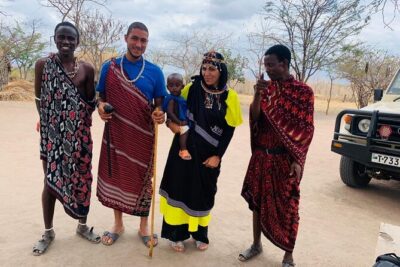
The central character behind the experience is Kipe Laizer, also known as Kipe. He is described as a Tanzanian Maasai warrior and wildlife conservationist from the northern Lake Manyara region. His connection to Oltukai gives the visit a local focus, rather than making it a generic cultural show arranged for passing tour groups.
I would approach this with respect and patience. You are not simply ticking off a list of activities. You are entering a working community, so the value comes from listening, taking part when invited, and accepting that village life follows a different clock from your own.
A few more Tanzania trips to weigh up
- 2 Day Serengeti Safari Experience from Mwanza
★ 5.0 · 198 reviews - 2 Days Tarangire and Ngorongoro Group Camping Safari
★ 5.0 · 146 reviews - 2 Days 1 Night Mikumi National Park from Dar es salaam
★ 5.0 · 60 reviews
What the first day actually offers
The first day is built around meeting local people and taking part in familiar Maasai tasks. The planned time is about 12 hours, so this is a full day rather than a short afternoon visit.
You can expect opportunities to help milk cows, herd goats, and make traditional Maasai crafts. These activities give you something more useful than a brief explanation. Milking and herding show how animals fit into household life, while craft-making offers a closer look at skills passed through the community.
The activities also require some practical flexibility. You may be standing, walking, or working outside for portions of the day. The provider recommends a moderate physical fitness level, and that advice is worth taking seriously. This is not presented as a strenuous expedition, but it is not a purely seated cultural talk either.
The village setting gives you time to notice details that are easily missed on a short visit. You can watch how people work, ask questions, and see how customs and beliefs fit into everyday routines. I like that the program makes room for participation instead of treating the community as a backdrop.
The surrounding views add another layer. The area near Lake Manyara has the open feel associated with northern Tanzania, and the program points to views of the savannah and possible wildlife. Still, you should not book this as a substitute for a full safari. The focus is the Maasai community, not a guaranteed animal sighting.
Sleeping in a traditional Maasai hut
The overnight stay is the part that most clearly separates this experience from a standard day tour. You spend the night in a traditional Maasai hut, with dinner and breakfast included.
A hut stay can be memorable precisely because it is not polished like a lodge. You get a closer sense of the materials, space, and routine of village life. At the same time, you should prepare for basic conditions and avoid expecting hotel-style facilities. The supplied information does not list bedding, bathrooms, electricity, or other room details, so ask the operator about those points before you pay.
One account describes sharing tea and dinner in Kipe’s mother’s hut and feeling comfortable and safe while visiting with a nine-year-old child. That is useful context for families, but you should still judge the experience against your own child’s comfort with a rural overnight stay.
The evening meal is part of the visit, not just a line item in the price. Sharing food in a family setting can make the cultural exchange feel more natural. It also gives you time away from a strict sightseeing schedule, when conversation may happen without rushing to the next stop.
Sunrise, school, or waterhole on day two
Day two begins with sunrise over Lake Manyara. The morning view is one of the more atmospheric parts of the program, and it gives you a quiet start after the overnight stay.
Later, the plan offers time at a local school or a visit to a waterhole. The school option lets you spend time with children through laughter, learning, and shared activities. The waterhole option gives you a look at a basic resource that supports life in the area.
These are two different experiences, so it is worth asking which option is expected during your visit. A school visit will appeal to you if you want personal contact and a chance to connect across age and culture. The waterhole may be more revealing if you want to understand the practical challenges of water access and the effort required to support a community in a dry region.
Do not treat the school stop as a staged performance. You are visiting a real institution, and your role is to follow local guidance. The program frames the time as a chance to share learning and encourage connection. That can be meaningful, but you should remain sensitive to the fact that children are not tourist attractions.
The waterhole option carries a different kind of value. It shows how a basic resource shapes daily life and survival. The visit may leave you thinking less about scenic views and more about the work behind clean water, food, and education.
Same country, a completely different kind of safari:
- Serengeti Balloon Safari and authentic bush breakfast
★ 5.0 · 2,480 reviews - Balloon Safari & Bush Breakfast in Serengeti – Miracle Experience
★ 5.0 · 1,646 reviews - From Zanzibar: Mikumi Safari Day Trip with Flights and Meal
★ 4.7 · 1,470 reviews - Zanzibar: Quad Bike Adventure departing from Kendwa or Nungwi
★ 4.9 · 1,233 reviews
The community benefit behind the price
The listed price is $468.65 per person. That is a sizeable amount for two days, especially when compared with a simple cultural visit. The value depends on what you want from the trip.
You are paying for private transportation, dinner, breakfast, and the conservation fee, so there are no extra conservation charges to add later. You also receive a full two-day program, an overnight stay, local activities, and time with the community.
The strongest part of the value is the stated social purpose. Kipe Adventure donates 20 percent of its profit to support vulnerable children and orphans in Oltukai. The program says your stay helps the community with clean water, food, and education for children.
That does not make every part of the experience automatically worthwhile, but it gives you a clear reason to consider it as more than a sightseeing purchase. If you want your cultural visit to support a local project, this arrangement offers a concrete structure for doing so.
I would still ask a few questions before booking. Ask how the school or waterhole visit will work, what the hut provides, and how transport is handled if you need to leave the village. The information says that transportation to the main road costs $20 if you want to go out of the Maasai village during your stay. Budget for that possibility if you value an easy exit.
Why the small group matters
The maximum group size is 15 people. That is small enough to keep the visit more personal than a large coach excursion, though the experience will feel different with 15 people than with a private family group.
A smaller group helps during craft-making, livestock activities, and conversations with local residents. It also reduces the sense that the village is being overrun by visitors. Still, group size can affect the atmosphere, so ask how many people are booked if that matters to you.
Private transportation is included, which makes the experience easier to fit into a wider northern Tanzania trip. The listed starting point is the TotalEnergies Makuyuni Service Station at the junction to Karatu on Dodoma Road in Makuyuni. The activity ends back at that same meeting point.
That meeting point is practical, but you should plan your route carefully. The information does not promise hotel pickup, only that pickup is offered. Confirm the exact pickup arrangement and time before departure, especially if you are staying elsewhere near Lake Manyara, Karatu, or another safari base.
Who will enjoy this experience most
I would recommend this for you if you want a cultural encounter that takes time and asks for participation. It suits people who are curious about Maasai customs, willing to sleep simply, and interested in the connection between local communities and conservation.
Families can consider it too. A child who enjoys animals, outdoor activity, and meeting new people may find milking cows, herding goats, and visiting a school memorable. The account of a nine-year-old joining the overnight visit suggests that a family stay can work, but every child is different.
This is also a good choice if you want to support a community project while visiting Tanzania. The stated donation to children and orphans gives the price a social purpose that a standard hotel stay does not have.
I would hesitate to recommend it if you need reliable hotel comforts, a tightly controlled timetable, or a short cultural stop with little physical activity. The experience is intentionally close to village life. That is its strength, but it is also the main adjustment.
Practical details that affect your decision
Confirmation normally arrives when you book. If you book within four days of departure, confirmation may take up to 48 hours and depends on availability. I would avoid leaving this until the last moment, particularly if your safari schedule is fixed.
The activity operates daily during the stated period, from August 18, 2023, through June 17, 2026. Listed operating hours run from midnight to 11:30 p.m., but those broad hours do not replace a confirmed meeting time.
You need a moderate fitness level. Wear clothing suitable for outdoor village activities and bring what you need for an overnight stay, but check with the provider about hut facilities before packing. Since the supplied details do not list specific equipment, do not assume that bedding or toiletries are provided.
The cancellation terms are firm. You can receive a full refund if you cancel at least three full days before the local start time. Cancellations or changes made less than three full days ahead are not refunded or accepted. The experience also requires a minimum number of participants. If that minimum is not reached, you will be offered another date or experience, or receive a full refund.
Is two days enough for a meaningful visit?
Two days will not teach you everything about Maasai life, and it should not be sold to yourself that way. What it can do is give you a more grounded introduction than a brief roadside stop.
The overnight stay is important. It lets you see the village in the evening and again at sunrise, rather than viewing it only during daylight. Dinner in a family hut, early morning views, and practical tasks create a stronger sense of place.
The program also gives you several ways to connect: household work, crafts, school time, or a waterhole visit. That range makes the visit more personal, but it also means you should remain open to the exact rhythm of the day.
I like that the experience leaves room for reflection. You may return to your safari or onward journey thinking about water, education, conservation, and the work required to support a family. That is a more lasting souvenir than another hurried photo stop.
Should you book the Oltukai Maasai Village stay?
Book it if you want a hands-on cultural experience near Lake Manyara, accept basic overnight conditions, and value a program that directs 20 percent of profit toward vulnerable children and orphans in Oltukai.
The $468.65 price makes the most sense when you use the included meals, transport, conservation fee, village activities, and overnight stay. It is less suitable if you are mainly looking for wildlife viewing or a comfortable lodge night.
Before booking, confirm the hut facilities, pickup details, expected day-two activity, and how many people are scheduled. If those answers suit you, this is a thoughtful choice for a slower, more personal side of northern Tanzania.
FAQ
Where does the Maasai village experience take place?
It takes place at Oltukai Maasai Village near Lake Manyara National Park in Tanzania.
How long is the experience?
The experience lasts approximately two days, with about 12 hours of planned activities on each day.
Who leads or connects the experience with the local community?
The experience is connected with Kipe Laizer, also known as Kipe, a Tanzanian Maasai warrior and wildlife conservationist from the northern Lake Manyara region.
Do I spend the night in a traditional Maasai hut?
Yes. The experience includes one night in a traditional Maasai hut.
What activities are available on the first day?
You can take part in activities such as milking cows, herding goats, and making traditional Maasai crafts. You can also meet local people and learn about Maasai customs, beliefs, and daily life.
What happens on the second day?
The second day begins with sunrise over Lake Manyara. You may then spend time at a local school or visit a waterhole, depending on the plan for your visit.
Are meals and transportation included?
Dinner, breakfast, private transportation, and the conservation fee are included.
Is transportation available if I want to leave the village?
If you want to leave the Maasai village during your stay, transportation to the main road costs $20.
What is the cancellation policy?
You can receive a full refund if you cancel at least three full days before the experience start time. Cancellations and changes made less than three full days in advance are not accepted or refunded.
Just added around Tanzania
- Zanzibar: Mikumi Wonderful Safari with Open Jeeps★ 4.9 · 15 reviews
- Zanzibar: Maasai village and Nungwi turtles experience trip★ 4.9 · 16 reviews
- Zanzibar: Mnemba Atoll, Spice farm, Jozani forest & Lunch★ 3.9 · 3 reviews
- Zanzibar: Maasai World Tour with Cultural Practices★ 4.0 · 4 reviews
- Zanzibar: Kendwa Beach Professional Photoshoot★ 5.0 · 5 reviews
- Zanzibar: Maalum Cave Natural Swimming Pool Tour in Paje★ 4.4 · 3 reviews
- Zanzibar: Jozani Forest Watching Colobus Monkeys Guided Tour★ 4.1 · 7 reviews
- ZANZIBAR: Jozani Forest,Salaam Cave, The Rock & Blue Lagoon★ 4.8 · 8 reviews
2-Day Experiences, compared.
2 Day Serengeti Safari Experience from Mwanza
Read our review →
2 Days Tarangire and Ngorongoro Group Camping Safari
Read our review →
2 Days 1 Night Mikumi National Park from Dar es salaam
Read our review →
2 Day Safari To Mikumi National Park + transfers from Dar Es Salam
Read our review →
2-Day Private Mikumi National Park Tour with Pickup
Read our review →
2 Days Group Joining Camping Safari Tarangire Park and Ngorongoro Crater
Read our review →Browse the lists this tour appears in