
Reviewed · 6-DAY EXPERIENCES
6 days Tanzania budget safari
The great appeal here is variety. In six days, you move from Tarangire’s elephant country to the Serengeti, descend into Ngorongoro Crater, and finish among flamingos, hippos, birds, and monkeys at Lake Manyara. The tour also gives you a Serengeti sunset and several long game drives, not just quick park visits.
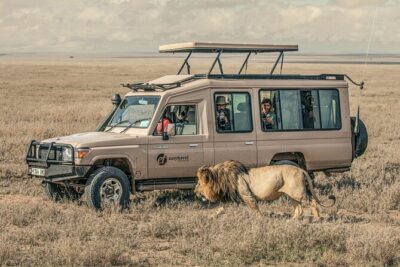
I like the six-person jeep limit, which keeps the price below a private safari while leaving enough room to watch animals without feeling packed in. I also like that camping gear, park fees, and all meals are included, with cooks such as Ibrahim, Dennis, and Action praised for making camp meals feel far better than basic trail food.
The main consideration is pace. This is a busy six-day route with several 8 to 12-hour days, long drives, early breakfasts, and camping rather than lodge comfort. The listed price is $2,500 per person, and a $20 Maasai village fee plus tips are extra.
The six things that matter most
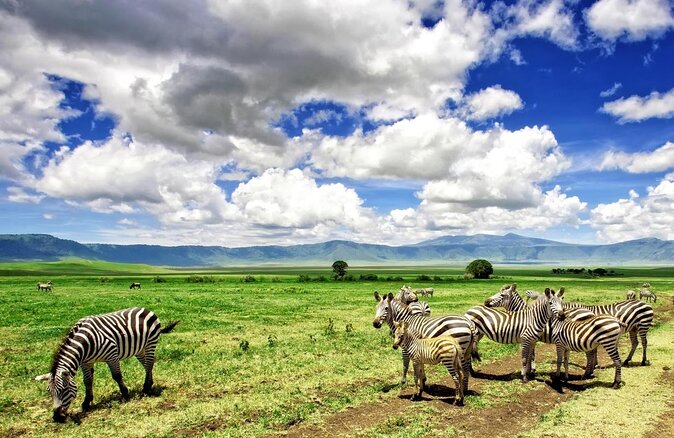
- Four major wildlife areas: Tarangire, Serengeti, Ngorongoro Crater, and Lake Manyara give you a broad sample of northern Tanzania.
- No more than six people per jeep: You get a shared safari price without the most crowded group-vehicle experience.
- Serengeti camping: You sleep at Seronera Camp after a sunset game drive, with rangers providing protection around the camp.
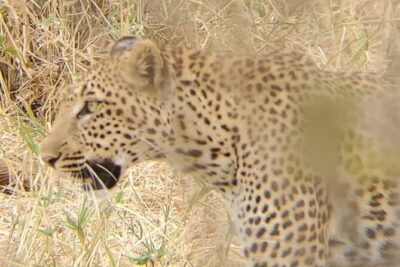
- Big Five potential: Lions, leopards, elephants, buffaloes, and rhinos are all possible, though no safari can promise every sighting.
- Meals and camping equipment included: Breakfast, lunch, and dinner are provided for all six days.
- Strong guide presence: Guides named in the tour’s feedback include Estommy, Elias, Ernest, Oscar, Freddy, Isack, Abduly, and others.
What $2,500 buys you in northern Tanzania
At $2,500 per person, this sits in the budget-to-midrange camping part of the Tanzania safari market. That price matters because park entry, vehicle costs, food, camping equipment, and guide services can add up quickly. Here, the listed package includes all fees and taxes, camping equipment, and 18 meals.
You still need to budget for tips and the optional Maasai village visit, which costs $20 per person. Ask for a clear breakdown of any other personal expenses before departure, since the package information does not list them.
The strongest value comes from the route itself. Instead of spending six days in one park, you cover four famous wildlife areas, including three of the best-known stops in northern Tanzania. The tradeoff is less time for rest. I would choose this trip for access and variety, not for a slow, lodge-based holiday.
The six-person vehicle limit is another useful middle ground. A private vehicle gives you more control, but a full group vehicle can make wildlife viewing awkward. With six people, you have a better chance of getting a window seat and enough space to use binoculars or a camera. The actual comfort will still depend on the vehicle and how well the group gets along.
A few more Arusha trips to weigh up
- Balloon Safari & Bush Breakfast in Serengeti – Miracle Experience
★ 5.0 · 1,646 reviews - 4 Days Group Camping Safari
★ 5.0 · 1,101 reviews - 5 Days Group Camping Safari
★ 5.0 · 730 reviews
Day 1: Tarangire’s elephants and long first game drive
Your safari begins with a drive from Arusha to Tarangire National Park, followed by a full-day game drive. The day is listed at about nine hours, so this is not a gentle introduction. You should expect a long stretch in the jeep, with the reward of spending substantial time inside one of Tanzania’s best wildlife parks.
Tarangire is presented as a place to look for lions, cheetahs, leopards, elephants, wildebeest, buffaloes, zebras, and gazelles. The wording promises strong chances, not guaranteed sightings, which is the right way to view any safari. Wildlife moves, and a guide’s skill in reading recent animal movement matters as much as the park itself.
I like the way this first day puts you directly into game viewing rather than using the day only for transport. It also gives your guide a chance to learn what interests you. If you care most about predators, birds, elephants, or photography, say so early.
The drawback is simple: you may be tired by evening. After a drive from Arusha and a full game drive, this is a demanding opening. Pack water, sunglasses, sunscreen, and a light layer, and keep your camera ready. The tour includes admission here, so there is no separate park ticket to arrange.
Day 2: Ngorongoro views, Maasai culture, and a Serengeti sunset
Day two packs several different experiences together. First comes a stop at the Ngorongoro viewpoint for about 30 minutes. The crater view is a quick stop, but it gives you the broad picture before the route continues.
You can then visit a Maasai village for about 45 minutes. This is optional and costs $20 per person, so you can decide based on your interest in cultural visits and your budget. The description focuses on Maasai traditions, including warrior culture, hunting history, and the changing role of blood-drinking customs. Treat this as a short introduction, not a full cultural study.
From there, you continue to Serengeti National Park and reach the Seronera area in the afternoon. Seronera is the park’s central zone, and the plan calls for a game drive into the late evening. This is one of the most appealing parts of the schedule because you are not simply arriving at camp and stopping. You get an immediate chance to look for predators and other animals, then watch the sun go down in the Serengeti.
The day is listed at about 10 hours. That includes viewpoints, the optional village stop, travel, and game viewing. You should expect an early start, a long ride, and a late arrival at Seronera campsite.
Camping in the Serengeti gives the safari its adventurous edge. Animals can sometimes be seen around camp, especially hyenas, but active rangers provide protection. Follow camp instructions carefully, and do not wander away on your own. The point is not to turn camp into a wildlife encounter, but to sleep close to the sounds and presence of the park.
Day 3: A full day beyond Seronera
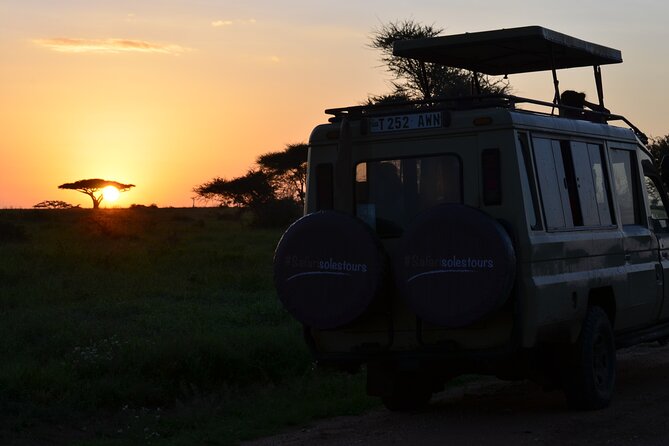
Day three is the most concentrated wildlife day, with a 12-hour game drive. You leave the Seronera area and head toward other parts of the park, with the route shaped by animal movement.
That flexibility is valuable. A fixed route cannot predict where a pride of lions, a leopard, or a herd will be several hours later. A guide who communicates with other drivers and watches the conditions can adjust the day. The feedback gives special attention to guides such as Estommy, Elias, Ernest, Oscar, Freddy, and Isack for finding animals and explaining what you are seeing.
Do not expect a polished schedule with neat meal breaks and lots of downtime. This is a wildlife-first day. You may spend a long time watching one scene, then travel farther in search of another. For many people, this is exactly what they want from the Serengeti. For anyone who dislikes sitting in a vehicle for long periods, it is the day to think about carefully.
A full day also improves your odds of seeing more than the headline animals. The tour focuses on the Big Five, but zebras, wildebeest, gazelles, buffaloes, birds, and other species are part of the experience. A good guide helps turn those sightings into a fuller understanding of how the park works.
Same country, a completely different kind of safari:
- Tanzania Classic – 7 Days
★ 5.0 · 1,151 reviews - Materuni Waterfalls, coffee tour & Kikuletwa Hot Springs
★ 5.0 · 643 reviews - 3 Days Serengeti & Ngorongoro Group Camping Safari
★ 5.0 · 574 reviews - 7-Day Premium Luxury Tanzania Safari All-Inclusive
★ 5.0 · 426 reviews
Day 4: Early Serengeti viewing and the road toward Simba campsite
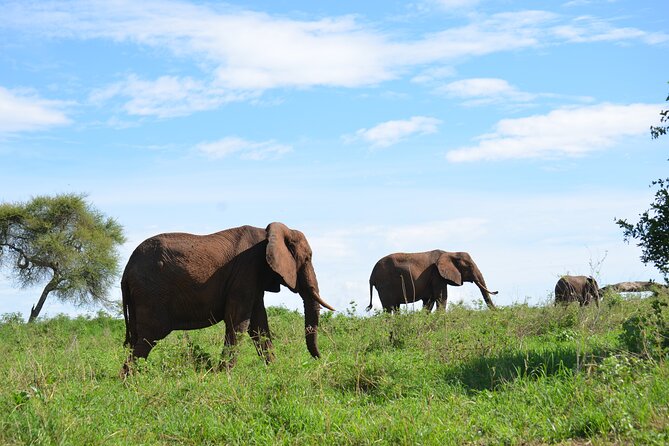
Day four begins with an early breakfast and an early game drive. Morning is a useful time to be out because the itinerary is built around waking the animals, then continuing to watch wildlife through the afternoon.
After lunch, you return to game viewing while exiting the Serengeti toward Simba campsite. The full day lasts about 10 hours. This is both a final Serengeti outing and a transition day, so you should not expect the same long, central-park focus as day three.
The plan also notes that animals may be spotted near campsites. That does not mean you should expect a major sighting at camp, but it is a reminder to stay alert and follow safety directions. Wildlife does not keep to the timetable.
Simba campsite prepares you for the next section around Ngorongoro. Camping equipment is provided, which keeps the trip simpler for anyone who does not want to pack a tent and cooking setup. You should still confirm what personal camping items are supplied and what you need to bring, since the information only confirms that equipment is included.
Day 5: Descending into Ngorongoro Crater
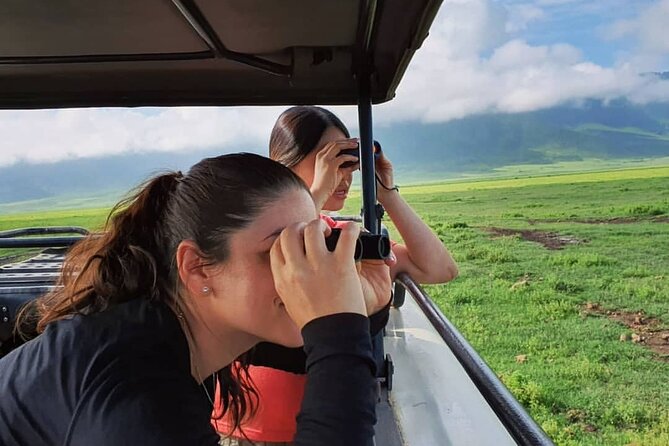
Day five begins with an early breakfast and a descent into Ngorongoro Crater. The main aim is to look for black rhinos, described here as the hardest major animal to spot in the crater. Other animals may be easier to find because the crater floor concentrates wildlife in a comparatively contained area.
This is a rewarding contrast with the Serengeti. In the Serengeti, your guide may need to cover large distances based on animal movement. In Ngorongoro, the crater setting can make wildlife viewing feel more concentrated. That does not guarantee sightings, especially of rhinos, but it gives you a strong chance to see a range of animals during one game drive.
The listed duration is about eight hours, including the crater drive, lunch, ascent, and movement to Sun Bright campsite for rest. After three demanding safari days, the afternoon break matters. You still get a substantial game drive, but the schedule recognizes that you need time to recover.
There is a slight planning oddity in the route: you view Ngorongoro from the viewpoint on day two, then return for the crater descent on day five. I see this as a practical use of the route rather than a problem. The viewpoint gives you a fast look from above, while day five provides the actual crater-floor experience.
Day 6: Flamingos, hippos, and tree-climbing lions at Lake Manyara
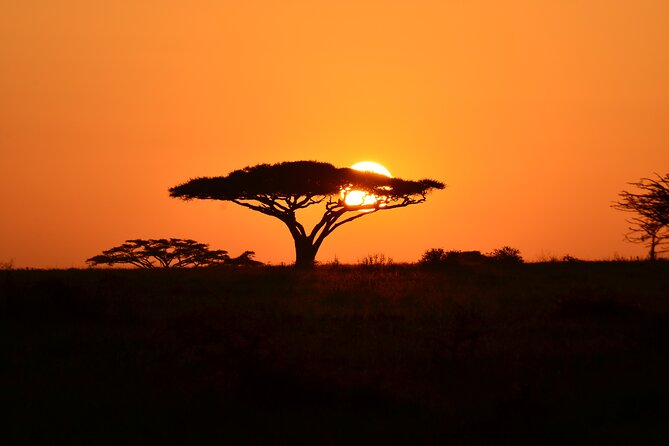
The final day takes you to Lake Manyara National Park after an early breakfast. The game drive lasts about eight hours and focuses heavily on birdlife, including the park’s famous flamingos.
You also look for tree-climbing lions, visit the hippo pool for a close view of hippos, and stop at the hot spring. Other possible sightings listed for the day include buffaloes, wildebeest, warthogs, vultures, eagles, and monkeys.
Lake Manyara makes a good final stop because it changes the emphasis. After several days focused on large mammals and predators, you finish with birds, wetland wildlife, and a different set of viewing possibilities. The park may not provide the same scale as the Serengeti, but it adds variety to the six-day circuit.
As with every day here, luck plays a role. Flamingos may not always be in the exact place you want, and tree-climbing lions are a possibility rather than a promise. I would judge the day by the range of habitats and species, not by one hoped-for animal.
Camping, cooking, and the real comfort level
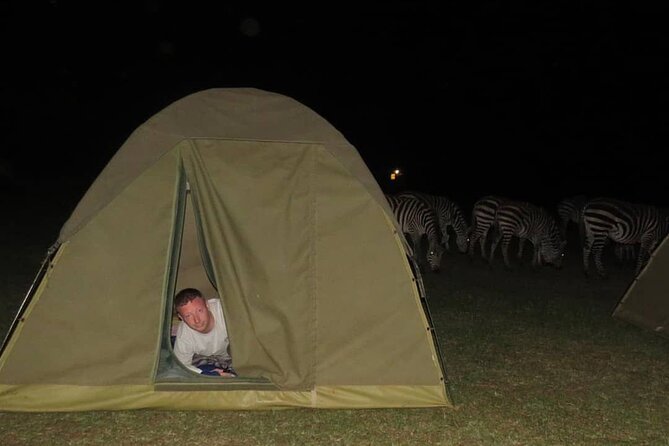
This is a camping safari, not a lodge safari with a tent-shaped room and a private bathroom. The package includes camping equipment, breakfast, lunch, and dinner for each of the six days. That takes away much of the work and makes the trip accessible to people who want adventure without carrying a full camp kit.
The cooks are an important part of the experience. Ibrahim is listed for the first two days, Dennis for the remaining days in one account, and Action is praised for preparing food that felt more like restaurant cooking than basic campsite fare. Names and staffing can vary, so I would confirm your cook before departure, but the overall setup is designed to keep you fed during long days.
Meals are especially important on this route. You may spend 8, 9, 10, or 12 hours out in the vehicle. A reliable breakfast before an early start and a proper dinner after a late return make a real difference.
Camping also means you should pack for practical comfort. Bring clothing that can handle dust, a warm layer for early mornings, personal toiletries, and any medication you need. The supplied information does not specify bathroom arrangements, tent types, or shower facilities, so ask the operator before paying if those details affect your decision.
Guides are the heart of the safari
The most praised part of this experience is the guide service. Estommy is repeatedly singled out for enthusiasm, wildlife knowledge, and determination to help people see the Big Five. Elias is described as attentive and skilled at finding animals, while Oscar is paired with cook Action in especially warm feedback.
Ernest, Freddy, Isack, and Abduly are also named as guides who helped create strong safari days. You cannot choose a specific guide from the information provided, but these names give you an idea of the company’s guide pool.
A guide does more than drive. The guide watches for tracks, listens for updates, positions the jeep, explains animal behavior, and balances the group’s wishes with park rules. I would tell your guide at the start if you prefer patient observation, predator sightings, photography time, or a wider list of species.
The 100 percent recommendation rate and 5-star score from 65 ratings suggest a very strong record. Still, wildlife is unpredictable, roads can be tiring, and a shared safari depends on group chemistry. The best attitude is to expect skilled effort, not guaranteed sightings.
Who should book this six-day route?
I would recommend it to you if you want Tanzania’s major northern parks in one trip and you are comfortable with camping and long days in a jeep. It suits first-time safari visitors who want the Big Five as a goal but also care about elephants, birds, hippos, zebras, wildebeest, and cultural stops.
It is also a good fit if value matters. The group size is capped at six, meals are included, camping gear is supplied, and park fees are covered. That combination reduces the number of extra arrangements you need to make.
I would hesitate if you want a relaxed holiday, luxury accommodation, or short drives. The schedule is full, and several days begin early or end late. I would also ask more questions before booking if you need exact details about vehicle type, tent facilities, airport transfers, or the final drop-off point, since those details are not specified here.
Free cancellation is available up to 24 hours before the start time for a full refund. The operator may also offer a new date or full refund if poor weather or an insufficient minimum group size cancels the trip.
Should you book Safari Soles Tours?
I like this safari for its reach and sensible group size. You get Tarangire, Serengeti, Ngorongoro, and Lake Manyara in six days, plus camping, meals, park fees, and experienced guides at a clear per-person price.
Book it if you want a busy, wildlife-heavy introduction to northern Tanzania and you value a local company with guides such as Estommy, Elias, Ernest, Oscar, Freddy, and Isack in its operating team. Skip it if you need lodge comfort or a slower pace. Before confirming, ask about the exact camping setup, vehicle, pickup details, and any costs beyond the $20 Maasai village fee and tips.
FAQ
How long is the safari?
The safari lasts approximately six days.
Where does the safari begin?
The tour is based in Arusha, Tanzania, and pickup is offered.
How many people can share one jeep?
The maximum is six clients per jeep.
Which national parks are included?
The route includes Tarangire National Park, Serengeti National Park, Ngorongoro Crater, and Lake Manyara National Park.
Is camping equipment included?
Yes. The tour includes camping equipment.
Are meals included?
Yes. Breakfast, lunch, and dinner are included for all six days.
Are park admission fees included?
The package includes all fees and taxes, and admission is specifically included for Tarangire, Ngorongoro, and Lake Manyara. The optional Maasai village visit has a separate $20 entrance fee.
Are tips included?
No. Tips are not included.
What is the cancellation policy?
You can cancel at least 24 hours before the experience start time for a full refund. Cancellations or changes made less than 24 hours before the start time are not accepted for a refund.
Just added around Arusha
- 8 Days Serengeti Migration safari★ 5.0 · 11 reviews
- tarangire, ngorongoro & lake manyara park 3 days private tour★ 5.0 · 11 reviews
- tarangire & ngorongoro 2 days tour★ 5.0 · 14 reviews
- Mt. Kilimanjaro: Shira plateau to Cathedral point 3872m Day hike★ 5.0 · 7 reviews
- serengeti, ngorongoro & tarangire 4 days private tour★ 5.0 · 18 reviews
- serengeti & ngorongoro 3 days private tour★ 5.0 · 15 reviews
- climb the KILIMANJARO via Lemosho route★ 5.0 · 4 reviews
- 2 Days Tanzania Midrange Group Join Safari★ 5.0 · 7 reviews
6-Day Experiences, compared.

Private 6-Day Tarangire Manyara Crater and Serengeti with Mid-Range Lodges
Read our review →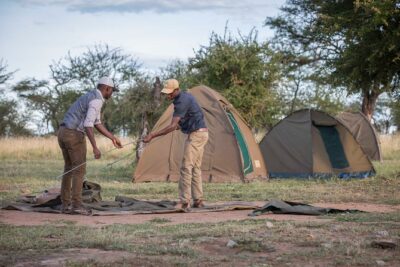



Browse the lists this tour appears in