
Reviewed · KILIMANJARO COFFEE FARM TOURS
Kilimanjaro: Maasai Village Visit, Waterfalls, & Coffee Tour
The best part of this Kilimanjaro day trip is the contrast: in one long outing, you walk through Chagga farming country to an 80-meter waterfall, make coffee by hand, then meet a Maasai community near Kilimanjaro Airport. It gives you more than a mountain photo stop.
I like the practical private transport from Arusha, Moshi, or either airport, and I like that the visit is arranged with the Maasai community rather than treated as a quick roadside show. Guides such as Mpemba and Milton have been praised for their patience and care. The main drawback is the length: 11 hours, with a potentially muddy and slippery hike.
Key points
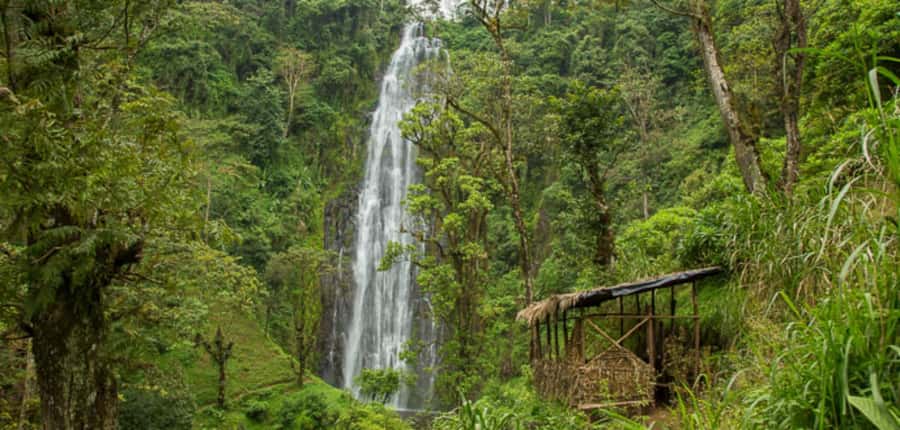
- Materuni Waterfall reaches more than 80 meters: The walk takes about 45 minutes each way through village and forest surroundings.
- Coffee is made from start to finish: You help grind the beans, join Chagga songs and dances, and prepare your own cup.
- The Maasai visit is community-led: Expect traditional singing, dancing, houses, beadwork, fire making, ornaments, bush techniques, and cattle.
- Rain gear matters: The waterfall trail can turn muddy, and rain boots have proved especially useful in wet weather.
- The trip is private: Transport, guides, lunch, fees, bottled water, and the Maasai contribution are covered in the $185 price.
- Kilimanjaro views depend on the weather: Clear days can bring excellent mountain photographs, but clouds may hide the summit.
One day, two cultures, and the lower slopes of Kilimanjaro
This is a full day rather than a quick village excursion. You begin with a morning pickup at your hotel in Arusha or Moshi, or at Kilimanjaro or Arusha airport if you are arriving that day. The vehicle is described as clean and air-conditioned, which matters here because the trip includes a fair amount of driving between stops.
The first major stop is Materuni village, followed later by a Maasai village in the Rundugai area near Kilimanjaro Airport. The order gives the day a sensible rhythm. You start with a walk and waterfall, slow down for lunch and coffee, then spend the later part of the day meeting a community whose traditions and daily life differ sharply from those of the Chagga.
You should think of this as a cultural day with an active outdoor section, not as a relaxed sightseeing loop. The waterfall walk is manageable for anyone comfortable walking on uneven ground, but wet weather can change the feel of it quickly.
More Kilimanjaro Coffee Farm Tours in Arusha
- Materuni Waterfalls, coffee tour & Kikuletwa Hot Springs
★ 5.0 · 643 reviews - Materuni waterfalls coffee tour & Chemka hot springs Day trip
★ 5.0 · 131 reviews - Maasai village visit, Materuni waterfalls & coffee experience
★ 4.5 · 95 reviews
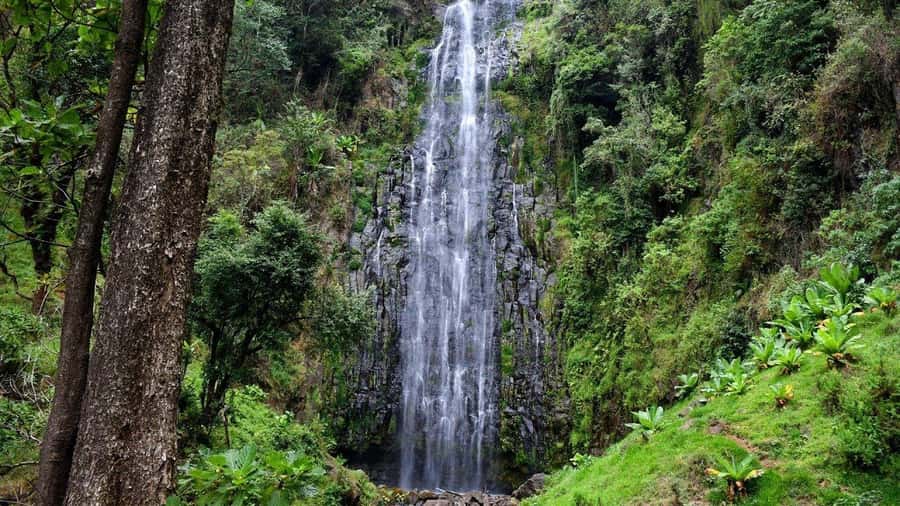
Materuni village and the walk to an 80-meter waterfall
Materuni is described as the last village before Kilimanjaro National Park and home to the Chagga people. The village walk is not simply a transfer to a waterfall. Your guide explains local life, Chagga culture, and the plants and animals around the route as you go.
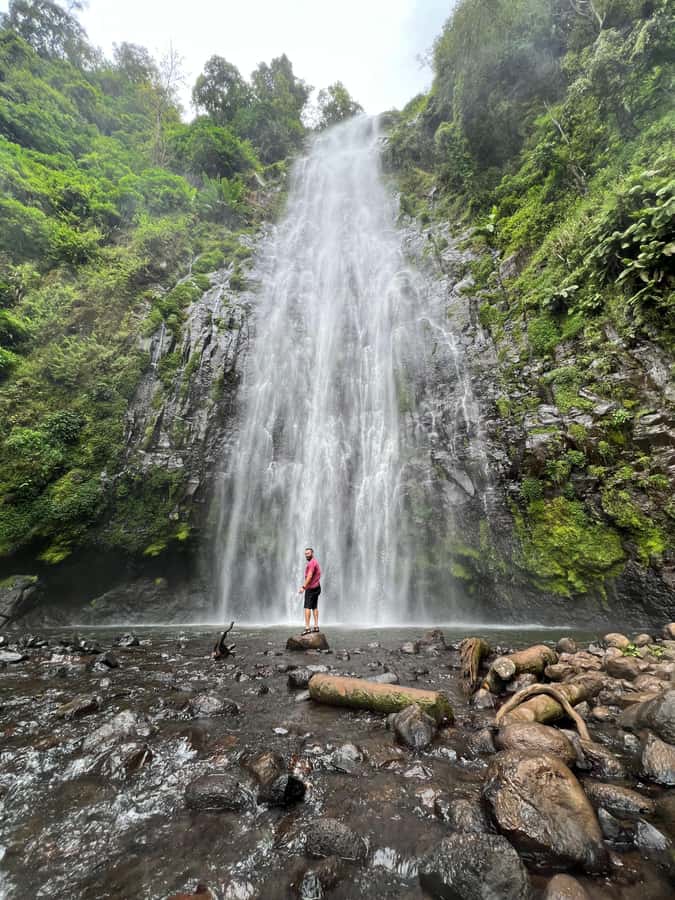
The walk to Materuni Waterfall takes about 45 minutes. That timing can vary with conditions, but it gives you a useful idea of the effort involved. You are not stepping from the vehicle straight onto a viewing platform. You are walking through village surroundings and rainforest terrain before reaching the falls.
The reward is a cascade more than 80 meters, or 262 feet, high. The setting is one of the day’s strongest points because it combines a proper walk with a clear destination. You have time to enjoy the scenery and take photographs before returning slowly with the guide.
The important word here is slowly. This is not meant to be a rushed march. Guides have been praised for staying patient and helping people through wet conditions. One guide supplied rain boots during a particularly wet outing, and another was credited with getting boots for a rainy day. That is a useful sign of practical support, but I would still bring sturdy hiking shoes and a raincoat.
The route can be slippery and muddy. Comfortable clothes are listed as essential, but hiking shoes with good grip are the smarter choice. If your visit falls during rain, ask about boots before setting off rather than assuming ordinary trainers will be enough.
Why the Chagga portion feels more than a waterfall stop
The waterfall is the visual highlight, but the Chagga section gives it context. You are moving through a living village rather than visiting a staged cultural center. Your guide connects the route to village life, local plants, and the surrounding environment.
That connection helps you understand why the walk is part of the experience. You are not only going to see falling water. You are seeing the setting where people farm, work, and move through their daily routines on Kilimanjaro’s lower slopes.
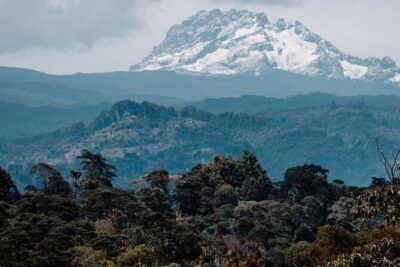
You may also catch views of Mount Kilimanjaro along the way. The summit is not guaranteed, and the operator is careful to tie the best views to clear weather. That honesty is useful. Clouds are common around high mountains, so do not judge the day harshly if the famous peak stays hidden.
The trip spends much of its time around Kilimanjaro, giving you a good chance to photograph the mountain when conditions cooperate. Still, the waterfall and villages are the dependable attractions. Treat the mountain view as a bonus, not the whole reason to book.
A hot Chagga lunch and a hands-on coffee lesson
After the waterfall, you return to Materuni village for a traditional Chagga lunch. The meal is included, and the food is presented as part of the cultural experience rather than an afterthought between activities.
You can also choose to taste local banana beer. Since this is optional, you can decide based on your own comfort and interest. The day is designed to let you try local food without making the drink a requirement.
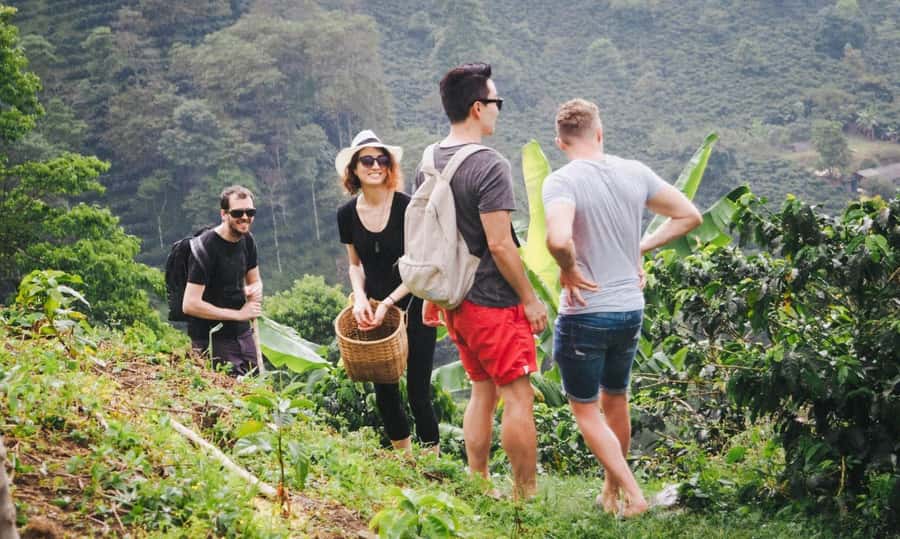
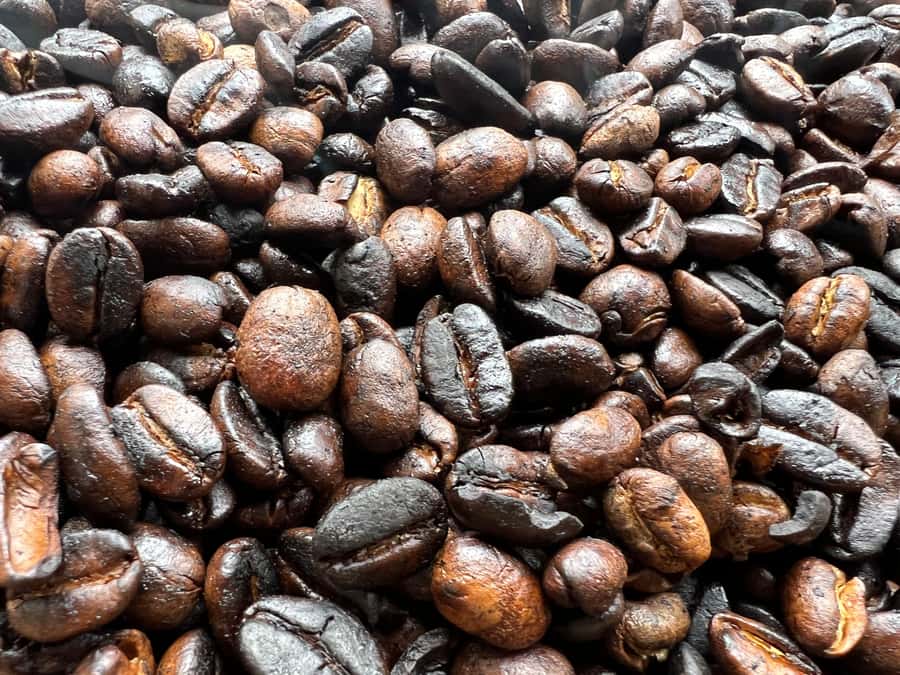
The coffee session is one of the most appealing details in the program. You help with grinding the coffee in traditional ways, accompanied by Chagga songs and dances, then prepare your own cup. This gives you something to do with your hands, not just something to watch.
I like this kind of activity because it turns an explanation about coffee into a small shared task. You leave with a better sense of the work behind the drink, along with information about Tanzania’s coffee industry. You also get to taste the coffee you made, which is a pleasant finish before moving on.
The singing and dancing make the session lively, but you should not expect a formal coffee tasting with technical brewing notes. The focus is on local practice, participation, and social exchange. If you want a polished specialty-coffee workshop, this is not that. If you want to see how coffee is traditionally prepared and enjoy a relaxed cultural moment, it fits well.
Same country, a completely different kind of safari:
- Balloon Safari & Bush Breakfast in Serengeti – Miracle Experience
★ 5.0 · 1,646 reviews - Tanzania Classic – 7 Days
★ 5.0 · 1,151 reviews - 4 Days Group Camping Safari
★ 5.0 · 1,101 reviews - 5 Days Group Camping Safari
★ 5.0 · 730 reviews
Meeting a Maasai community near Kilimanjaro Airport
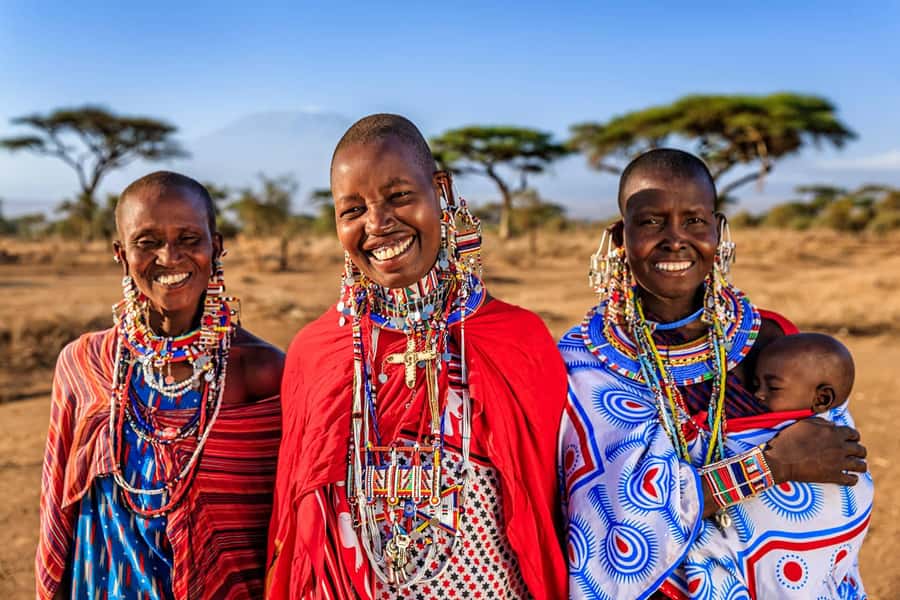
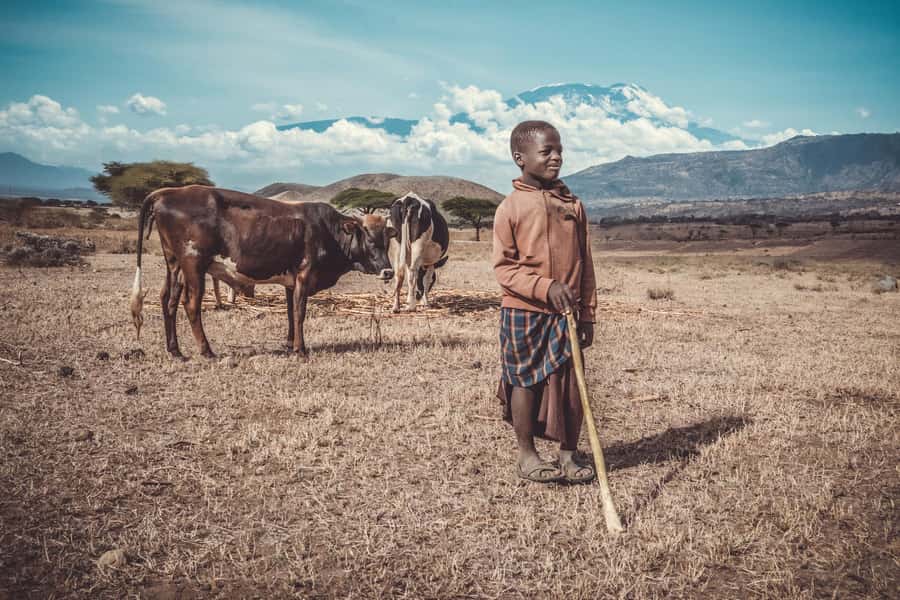
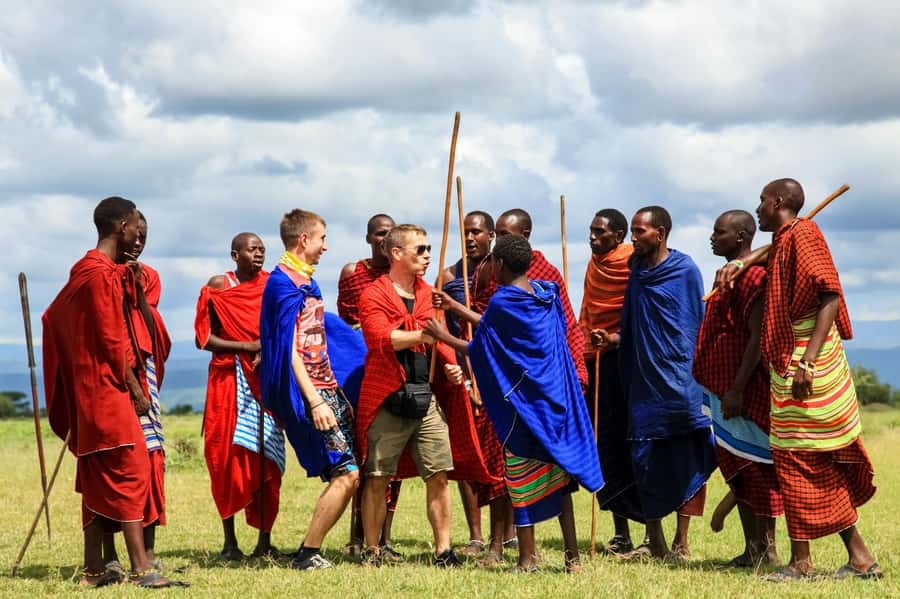
The second cultural stop takes place in a Maasai village in the Rundugai area, a short drive from Moshi and near Kilimanjaro Airport. Maasai families in this area live with cattle and smaller livestock, and the visit introduces you to customs shaped by pastoral life and long movement across northern Tanzania.
The community arranges its own visits. That matters because it gives the local hosts a direct role in deciding what to show and how to explain it. You can expect traditional Maasai singing and dancing, different kinds of houses, beadwork, ornaments, fire making, and some bush techniques and traditional medicine.
You may also walk with cattle on the plains. This is a useful detail for anyone hoping to see daily life rather than only a performance. At the same time, the visit includes demonstrations, so it is best to approach it with respect and attention instead of treating it as a photo session.
One of the more worthwhile parts is seeing how Maasai traditions meet modern development. The visit is not presented as a frozen picture of the past. You are shown traditional practices while also seeing that the community has contact with modern civilization and adapts to change.
That balance makes the Maasai stop more meaningful. You can ask questions and learn about houses, ornaments, fire, medicine, and livestock in one place. Your guide helps connect the experience to wider Tanzanian culture and history, while the Maasai hosts provide the direct perspective.
As always, ask before taking close-up photographs, particularly during dances or demonstrations. The stated rules include no littering, and simple courtesy goes a long way during a community visit.
The guides can shape the whole day
A long private outing depends heavily on the guide. You spend hours walking, driving, eating, asking questions, and changing locations, so a guide who explains clearly and watches the pace can make the day far easier.
Mpemba has led this experience and is praised for bringing Tanzania’s nature, culture, and history into the conversation while answering questions patiently. Milton has also guided the trip, arriving on time, remaining friendly, and helping keep the day enjoyable. Your assigned guide may be different, but these examples show the level of service the operator aims for.
Several details point to attentive handling. A guide helped with rain boots during wet conditions, stayed close on the waterfall hike, and adjusted support to keep the walk comfortable. That is especially important because the trail may be muddy, and some people will find the footing more tiring than expected.
The private format is another advantage. You are not tied to a large group’s pace, and you can ask more questions during the village walks and coffee lesson. The tradeoff is that private transport usually costs more than a basic shared excursion, but the $185 rate includes a lot for one day.
Is $185 good value?
At $185 per person, this is not the cheapest way to see one waterfall or visit one village. It is a stronger value if you want several substantial experiences in a single day and prefer private transport.
The price includes round-trip transport, all activities, entrance fees and taxes, a hot lunch, bottled water, tour guides, and a contribution to the Maasai village. You are not expected to add separate entrance charges at each main stop, and the community contribution is built into the booking.
You also get airport pickup, which can be useful if you arrive at Kilimanjaro or Arusha airport and want to begin sightseeing without first settling into a hotel. Pickup and drop-off are available in Arusha and Moshi as well.
I would see the price as reasonable for a private, full-day outing with two cultural stops, a guided hike, lunch, and transport. It makes less sense if you only want a brief waterfall visit or if you have very limited time. The 11-hour duration is the key factor in the value calculation.
The schedule includes about four hours around Materuni Waterfall and village activities, followed by about three hours at Rundugai. The rest is used for driving, meals, and transitions. This is a packed day, but the variety helps prevent it from feeling like seven hours of one repeated activity.
Who should book this Kilimanjaro day trip?
I would recommend it to you if you want an introduction to northern Tanzania beyond safari drives and mountain trekking. It suits visitors who enjoy meeting local communities, trying food, walking outdoors, and asking questions.
It is particularly useful before or after a Kilimanjaro climb because it gives you a closer look at life around the mountain without committing to a multi-day trek. It also works well during a short Arusha or Moshi stay, especially if you want one day that combines nature and culture.
Families and couples may appreciate the private format, provided everyone is comfortable with the long day and uneven trail. Solo visitors should note that the private setup may feel different from a shared group departure. One person expected a group and found the private arrangement surprising, so check the booking details carefully if you want company beyond your own party.
You should think twice if you dislike muddy paths, long drives, or organized cultural demonstrations. The outing has genuine community contact, but it is still a planned tourism experience with a set route and activities.
What to bring and how to prepare
Bring hiking shoes with strong grip, comfortable clothes, and a raincoat. The trail may be muddy or slippery, and the practical advice from wet-weather outings is clear: rain boots can be essential.
Pack lightly but keep your hands free for the walk. Bottled water is included, and lunch is included, so you do not need to plan the day around finding food. You may want extra protection for a camera or phone if rain is possible.
Wear clothes that are suitable for walking and village visits. There is no need to dress formally, but respectful, comfortable clothing is the sensible choice.
The tour is conducted in English. Pickup is available from hotels in Arusha or Moshi, and airport pickups use a printed sign with your name. You can cancel up to 24 hours before the start for a full refund, and the reserve-now, pay-later option keeps your plans flexible.
Should you book it?
Book this tour if you want a busy but rewarding day that joins Materuni’s waterfall and coffee traditions with a Maasai community visit. The guides, private transport, included lunch, and practical help in wet weather add real value.
Skip it if you want a short, quiet excursion or if an 11-hour day feels too demanding. For most visitors with one free day near Kilimanjaro, though, this is a well-rounded choice: active without being a trek, cultural without being only a performance, and broad enough to give you several different views of Tanzania.
FAQ
How long does the Kilimanjaro village and waterfall tour last?
The experience lasts 11 hours, including transport, the Materuni activities, lunch, coffee making, and the Maasai village visit.
Where can pickup and drop-off take place?
Pickup and drop-off are available in Arusha or Moshi. Pickup is also available at Kilimanjaro or Arusha airports when you arrive.
Is the tour private?
Yes. The activity is arranged for a private group rather than a shared group departure.
What language does the guide speak?
The live tour guide speaks English.
How long is the walk to Materuni Waterfall?
The walk to the waterfall takes about 45 minutes. The trail may be muddy and slippery, particularly in wet weather.
How high is Materuni Waterfall?
The waterfall is more than 80 meters high, which is about 262 feet.
Is lunch included?
Yes. A hot traditional Chagga lunch is included.
Is coffee making part of the experience?
Yes. You help grind coffee, take part in traditional Chagga songs and dances, make your own cup, and taste the coffee.
What should I bring?
Bring hiking shoes, preferably with good grip, comfortable clothes, and a raincoat. Rain boots may be useful in wet conditions.
More Coffee Experiences in Arusha
- Materuni Waterfalls & Coffee Tour from Moshi
★ 5.0 · 92 reviews - Arusha: Materuni Waterfalls, Coffee, and Hotsprings Tour
★ 4.8 · 78 reviews - Coffee tour and Buffet Lunch with Kingstone Asilia (Arusha)
★ 5.0 · 74 reviews - Materuni waterfalls,coffee tour & Kikuletwa(Chemka)Hot Springs
★ 5.0 · 49 reviews
Just added around Arusha
- 8 Days Serengeti Migration safari★ 5.0 · 11 reviews
- tarangire, ngorongoro & lake manyara park 3 days private tour★ 5.0 · 11 reviews
- tarangire & ngorongoro 2 days tour★ 5.0 · 14 reviews
- Mt. Kilimanjaro: Shira plateau to Cathedral point 3872m Day hike★ 5.0 · 7 reviews
- serengeti, ngorongoro & tarangire 4 days private tour★ 5.0 · 18 reviews
- serengeti & ngorongoro 3 days private tour★ 5.0 · 15 reviews
- 2 Days Tanzania Midrange Group Join Safari★ 5.0 · 7 reviews
- climb the KILIMANJARO via Lemosho route★ 5.0 · 4 reviews
Kilimanjaro Coffee Farm Tours, compared.
Materuni Waterfalls, coffee tour & Kikuletwa Hot Springs
Read our review →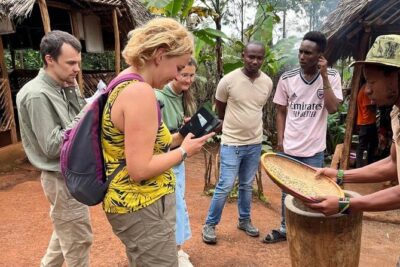
Materuni waterfalls coffee tour & Chemka hot springs Day trip
Read our review →
Materuni Waterfall, Coffee Tour and Picnic Hot Lunch
Read our review →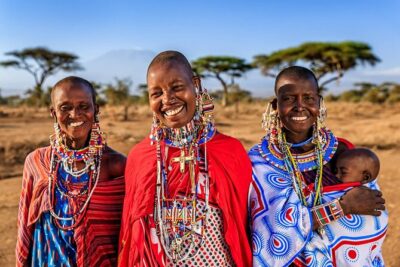
Maasai village visit, Materuni waterfalls & coffee experience
Read our review →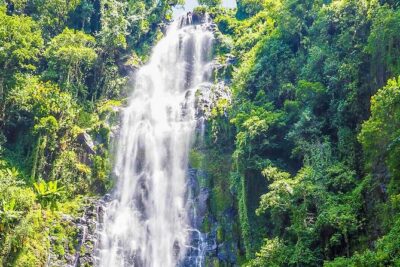
Arusha or Moshi : Hot Spring, Waterfall & Coffee Farm Tour
Read our review →
Materuni Waterfalls, Coffee, and Hotsprings Tour
Read our review →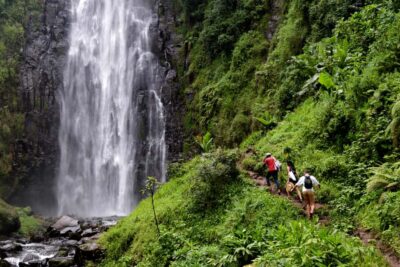
Materuni Waterfalls, Chemka Hot Springs, &/Or Coffee Tour
Read our review →Browse the lists this tour appears in